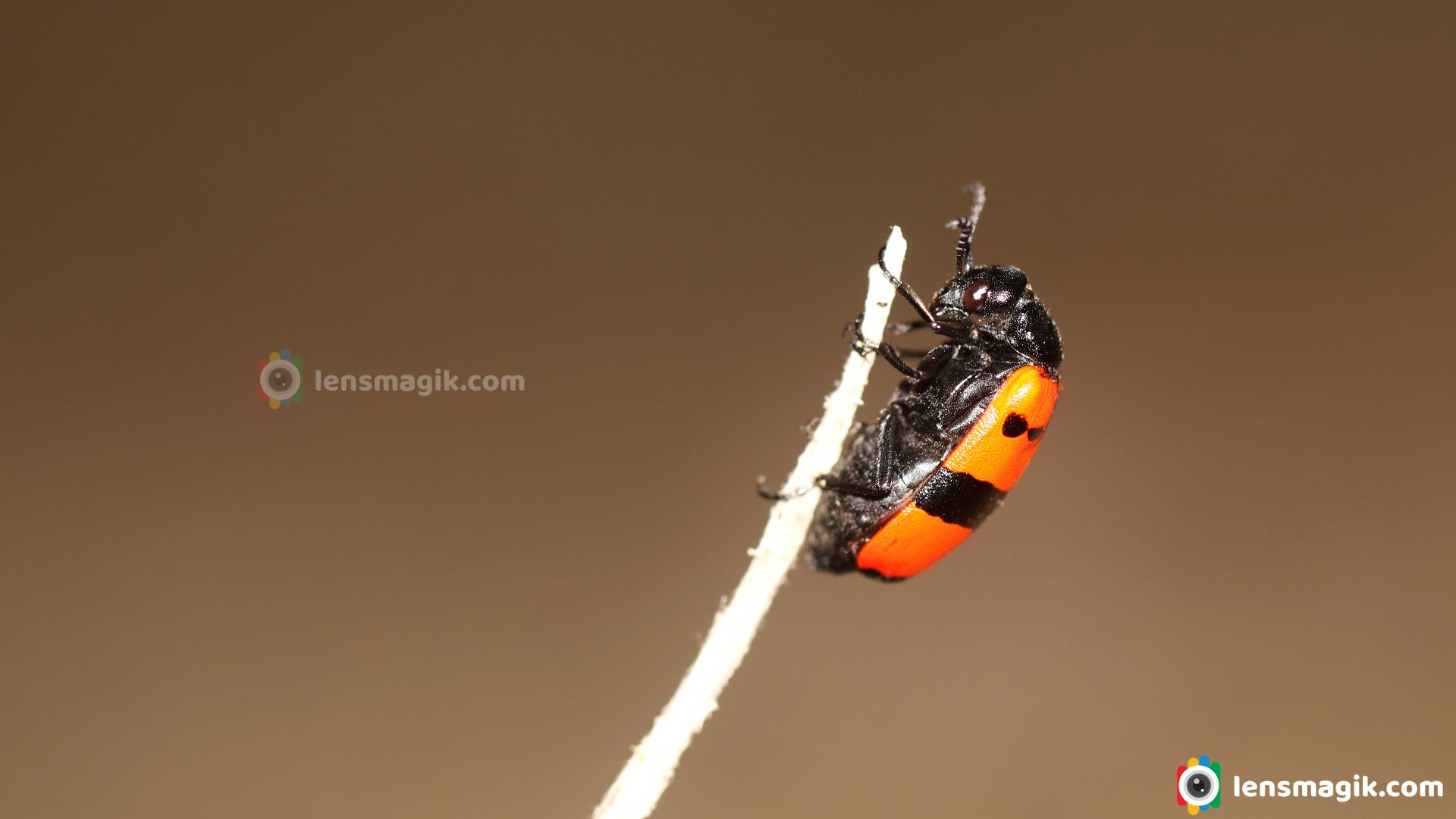
Blister Beetle are of the family Meloidae. They are the member of insects world and not suppose to touch them. There are more than 2500 spices worldwide. Blister Beetle is known for its chemical defense system and known as Secretion Blistering Agent named Cantharidin. They generally found in jungle area with small bushes and small plants. I found it at Jessore Sanctuary in Gujarat. During that time i have macro lens and got good close up shot of Blister Beetle. I found lots of Blister beetle during my trek and get good photos of it but need to be very careful during clicking photos to prevent its secretion.
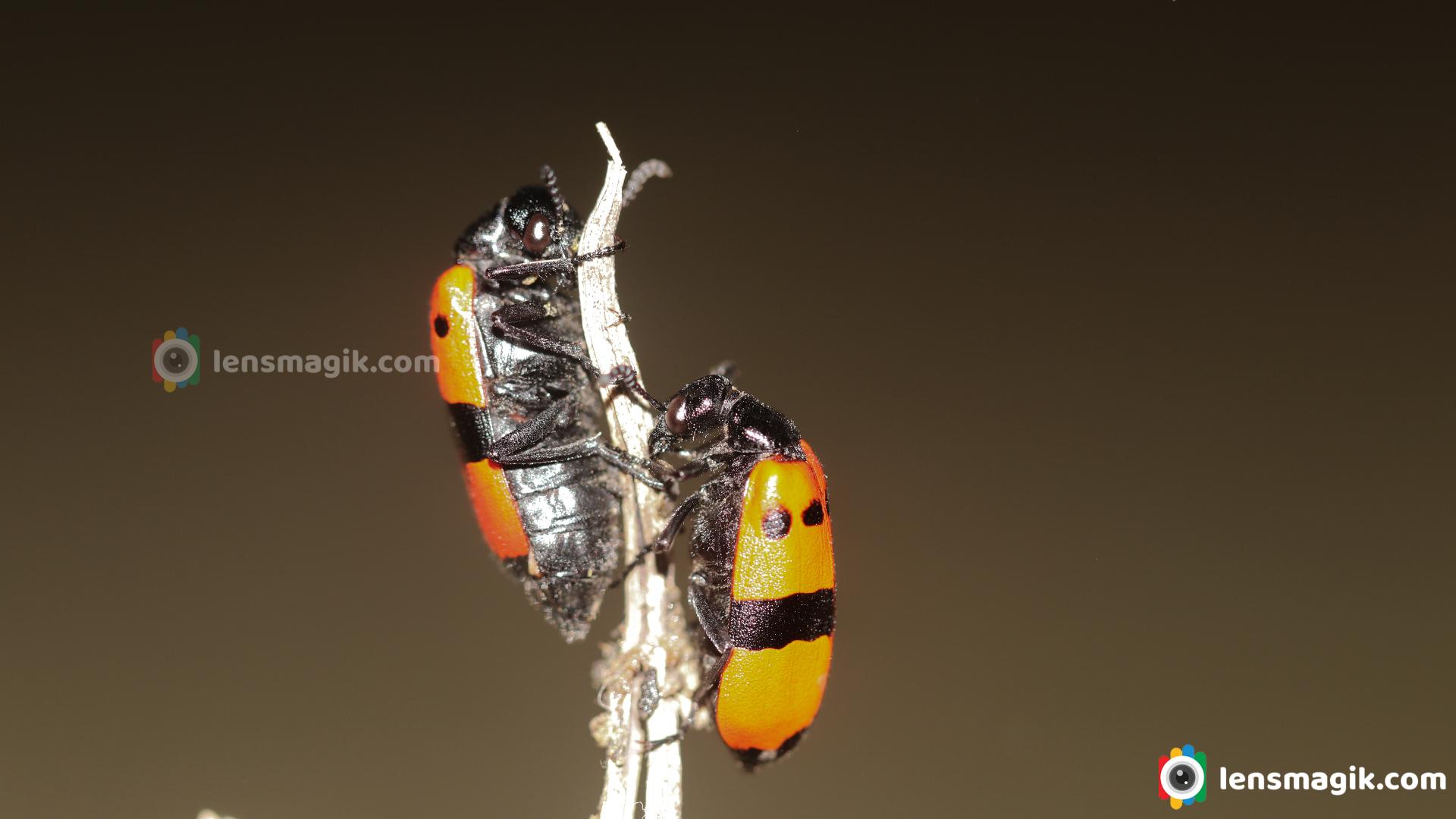
Characteristic of Blister Beetle :
- Blister Beetle has an ability to secrete Cantharidin chemical. This chemical is colorless, odorless but high toxic so its known as Blistering agent.
- When they threatened they exclude blood from their leg's joint.
- On human beings it causes painful and fluid filled blisters.
- Blister Beetle going through several larval stages. The first is triungulin. The Larvae are insectivorous which mainly attacking bees, some feed on grasshopper's eggs .
- The adult Blister beetle feed flowers and leaves of the plants.
- Cantharidin is used in remove warts as medicine.
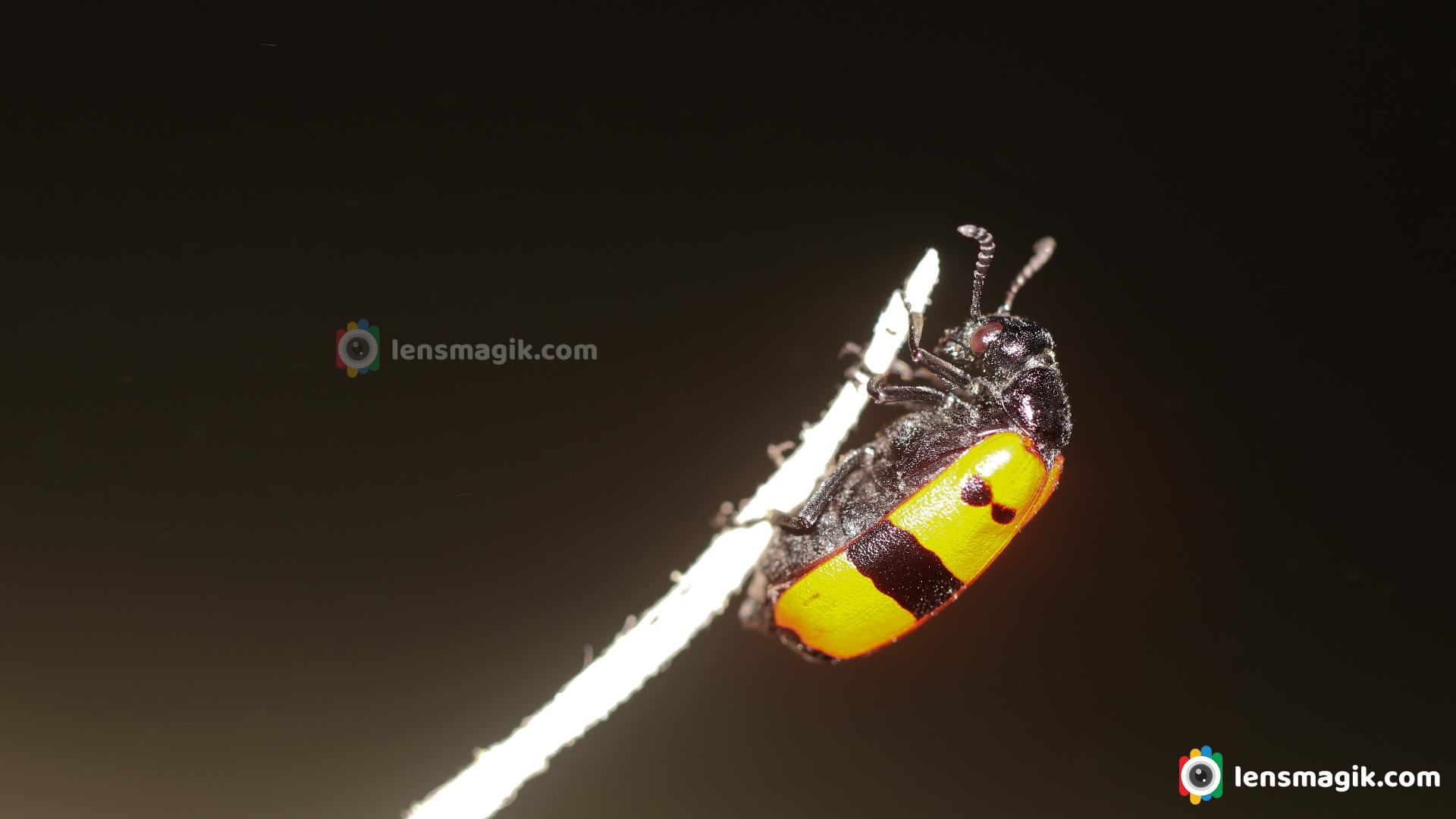
Blister Beetle easily identify by its Neck , soft bodies and warning colors . Blister Beetle have narrow thorax which is looks like tiny neck. Most Beetle have hard armor like wing but Blister beetle have soft body and also flexible body too. Many Blister Beetle have bright color like orange, yellow and metallic blue/green which is to warn predators .
The Good Impact :
Adult Blister Beetle are garden pests and their larvae are beneficial. Many spices larvae seek out grasshopper eggs pods and helps to keep grasshopper population in control.
The Bad Impact :
The blister Beetle are crushed during the harvesting of alfalfa hay. So after crushed the cantharidin remains even after dead of beetle and the hay become dry. The horse eating some flakes and they may face and suffer digestive track damaged or death. So the worst bad impact of Blister beetle threat Horses and cattle.
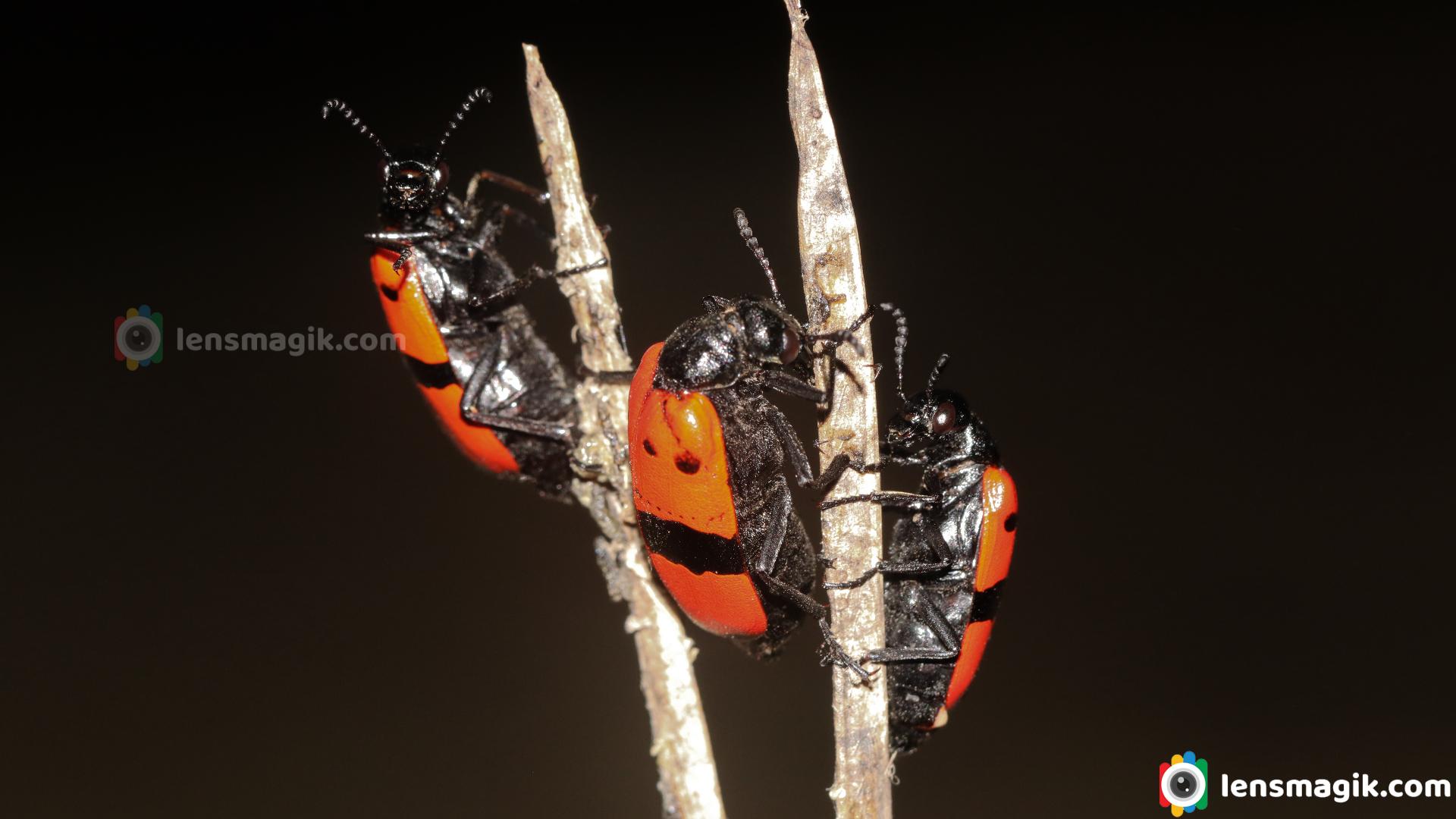
Tip to Hikers and Gardeners :
If a blister beetle stand on you do not swat it because swatting crushes beetle and release cantharidin toxin drug on your skin. For safe side you need to blow away it or use some paper to get away from your skin. If you already get toxin on your skin do not popping it because it can do secondary infection. Just go to your skin specialist and take proper treatment.
Location : Jessore Sanctuary, Gujarat
Gear used : Canon 6D, Canon 80D, Canon 100mm macro lens
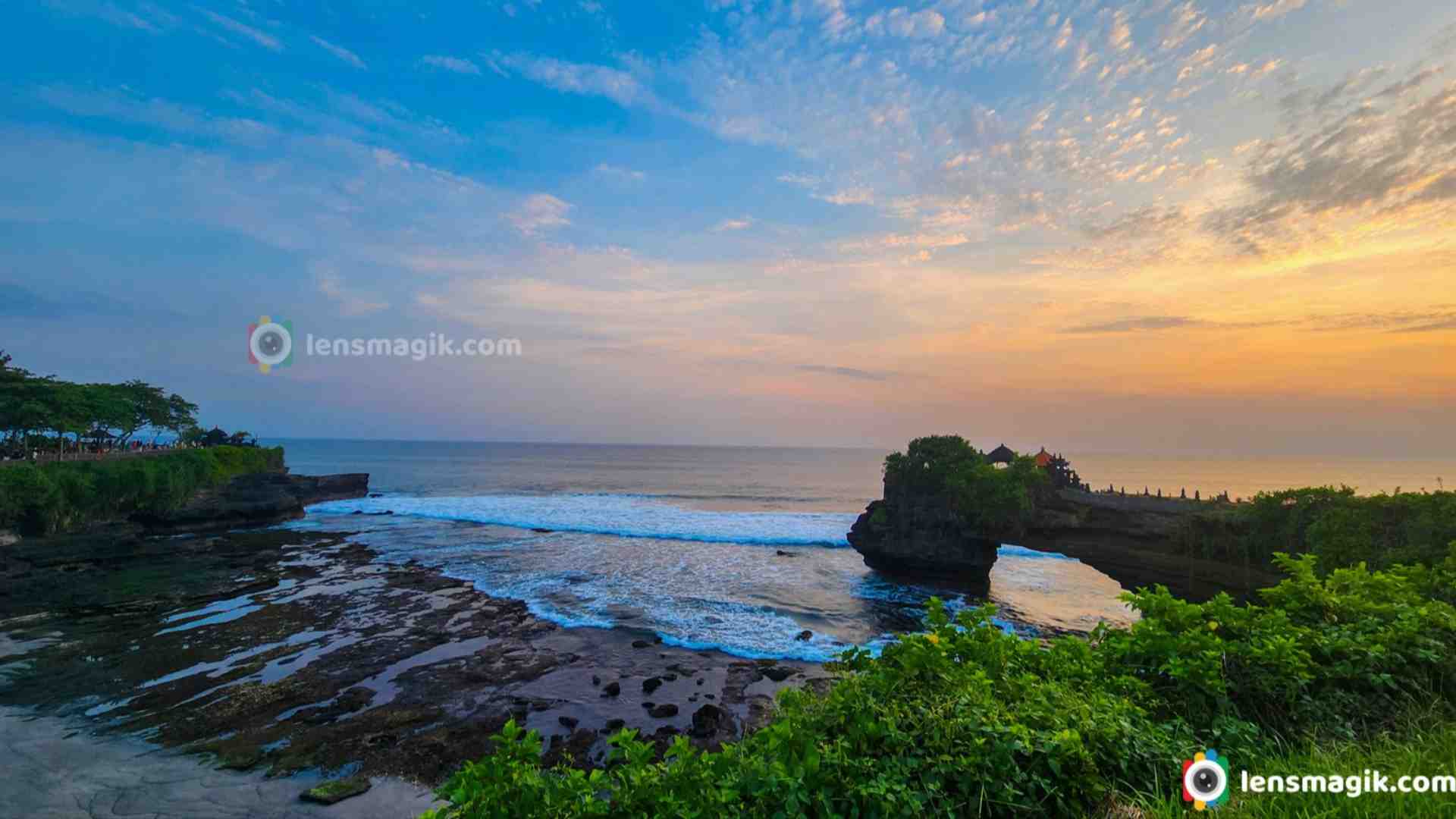
Bali is an island of Indonesia. It is one of the most famous beach destination in the world. Bali is known for its culture, beautiful landscapes, beaches and atmosphere. There are also some small island in Indonesia like Nusa Penida , Nusa Lembongan and Nusa Ceningan. Capital city of bali is Denpasar. In Denpasar Ubud is its culture center and famous town for tourist stay and best center for tourism. All tour starts from Ubud in Denpasar. Bali is Hindu majority province in Indonesia. Almost 86 % population is follow Balinese Hinduism . Bali tour may take be 6-8 days overall. Here i share total itinerary for Bali Tour.
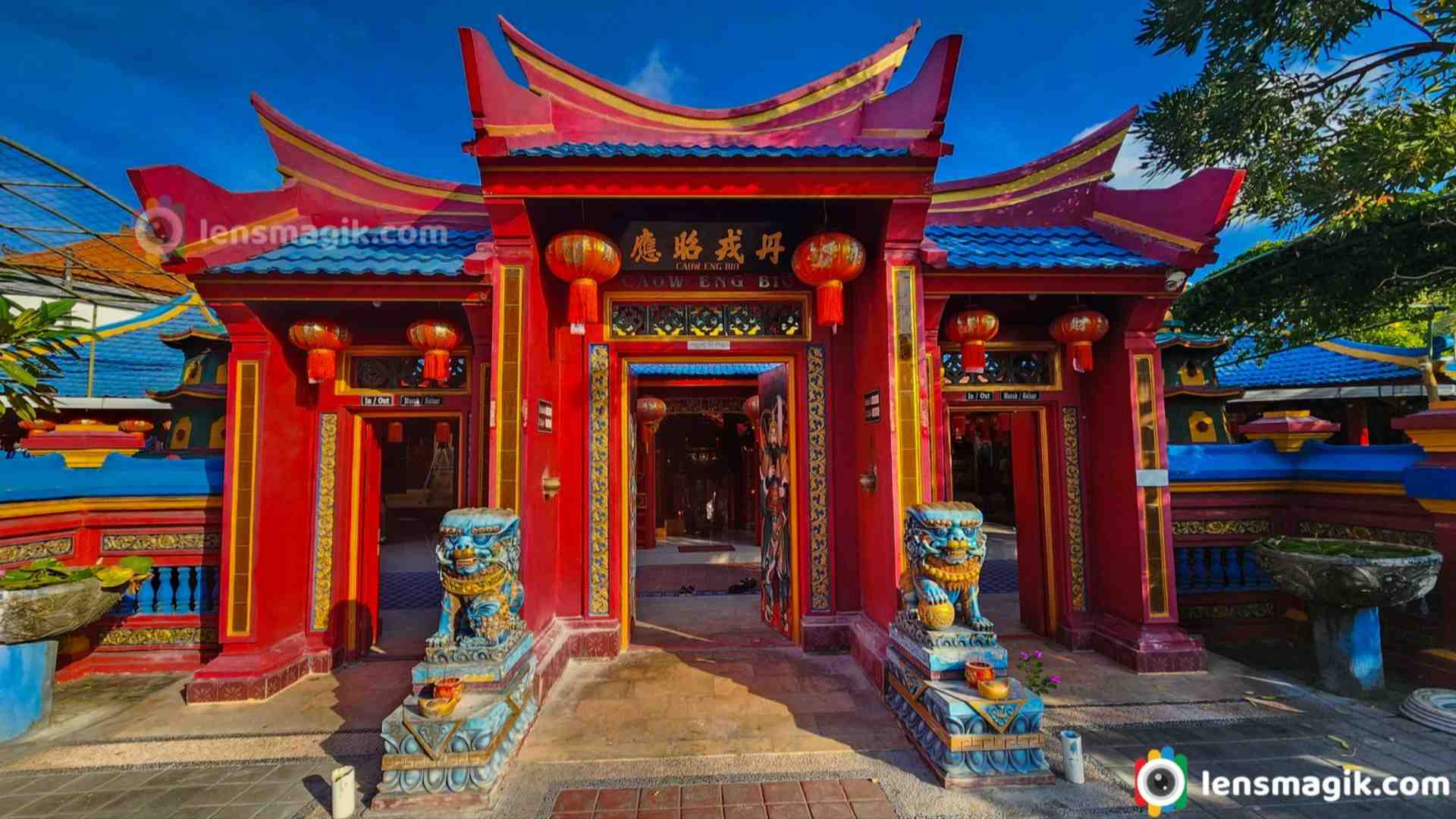
Itinerary for Bali Tour
Day 1 : Arrived at Bali and stay at hotel for first day. You can stay at KUTA for first 2-3 days. You can go for normal walk or some Disco, pubs and many more things to do. You can go for Finns Beach Club which is one of the best beach club in Bali. There are also some other good clubs you can visit like Ocean Grand Beach, Potato Head Beach Club, White Rock Beach Club, EL Carbon Bali, Infinity Beach Club etc. Among them all time famous is FINNS BEACH CLUB.
Day 2 : After Breakfast you can go for site scenes like Water Activities, Padang Padang Beach, Uluwatu Sunset Tour and Kecak dance show. In water activities you can do banana boat, jet ski, parasailing etc. ULUWATU TEMPLE is bali nine key directional temple. Uluwatu temple is one of the most beautiful temple on island. It is above 70 meter from sea level. Kecak Dance show also held near the temple. At Uluwatu temple please beware of Monkeys . Monkeys steal your stuffs specially spectacles , mobile phones etc. So don't get out your stuff. Also there is a long que for Kecak dance so reach early for it and reserve your seat. Sunset view at Uluwatu temple is stunning
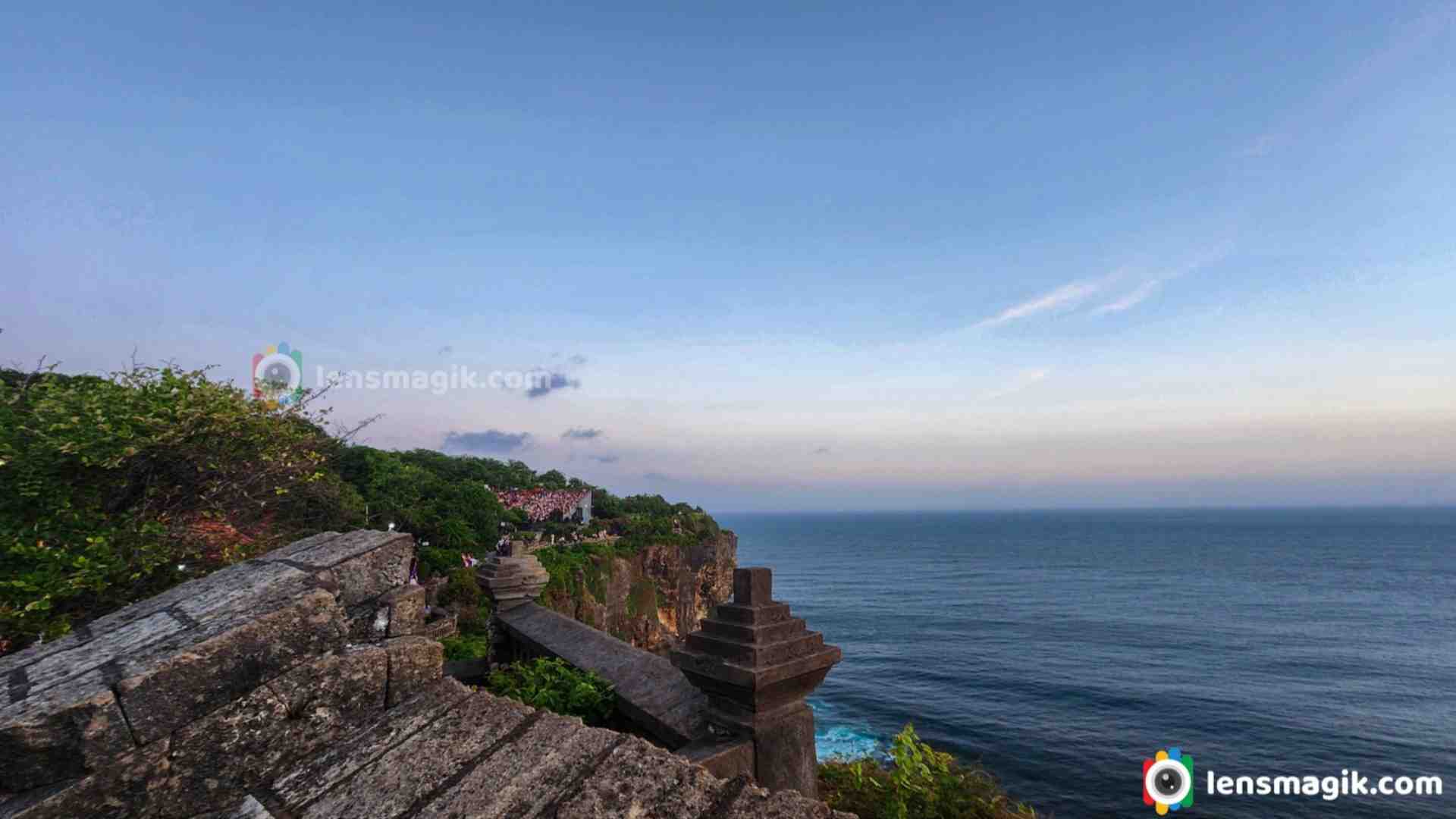
Day 3 : Full Day go for Nusa Penida Island after early breakfast. At Nusa Penida you can visit 4 beaches named Kelingking beach, Angel Billabong, Broken Bay, Crystal Bay etc. Among all Crystal Bay beach is one of the famous beach. Others are also very beautiful too. Crystal bay beach photo you can see any bali tour pictures. You can go downside of Crystal bay beach by 1 hour walk downstairs rest their and also come upward same. So it will take 3-4 hours for that beach. So i suggest take more time to visit all beaches. Because you can go Island via boat which will take at least 1 hour . I also suggest to stay atleast 1 night at Nusa Penida Island to explore more and not in rush visit of beaches. Also Most tour followed by lunch during Nusa Pendia Island tour. I also suggest to take private Yacht if you are in a group of 5-10 and also can afford . That brings you more experience of beaches very closer .
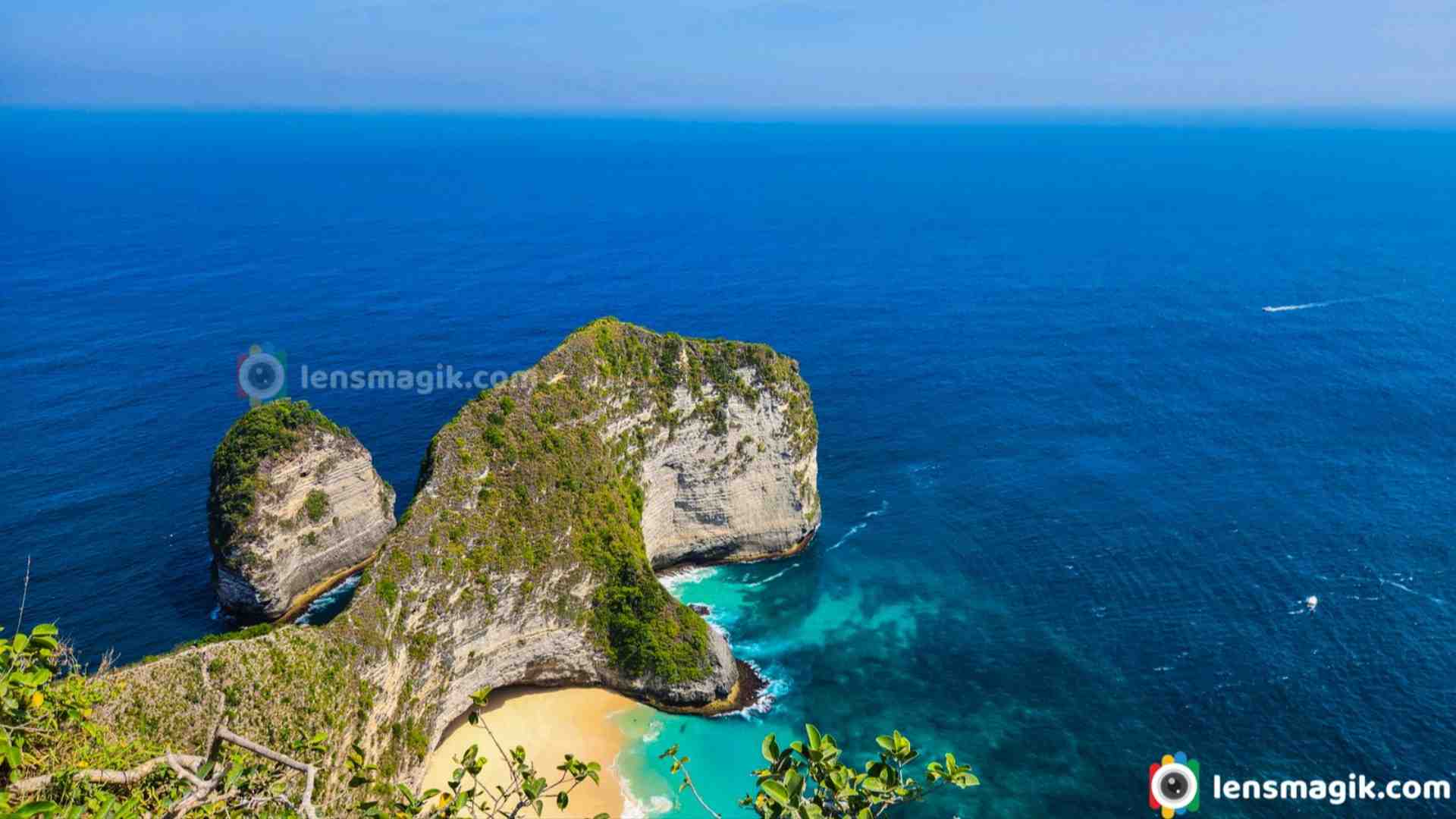
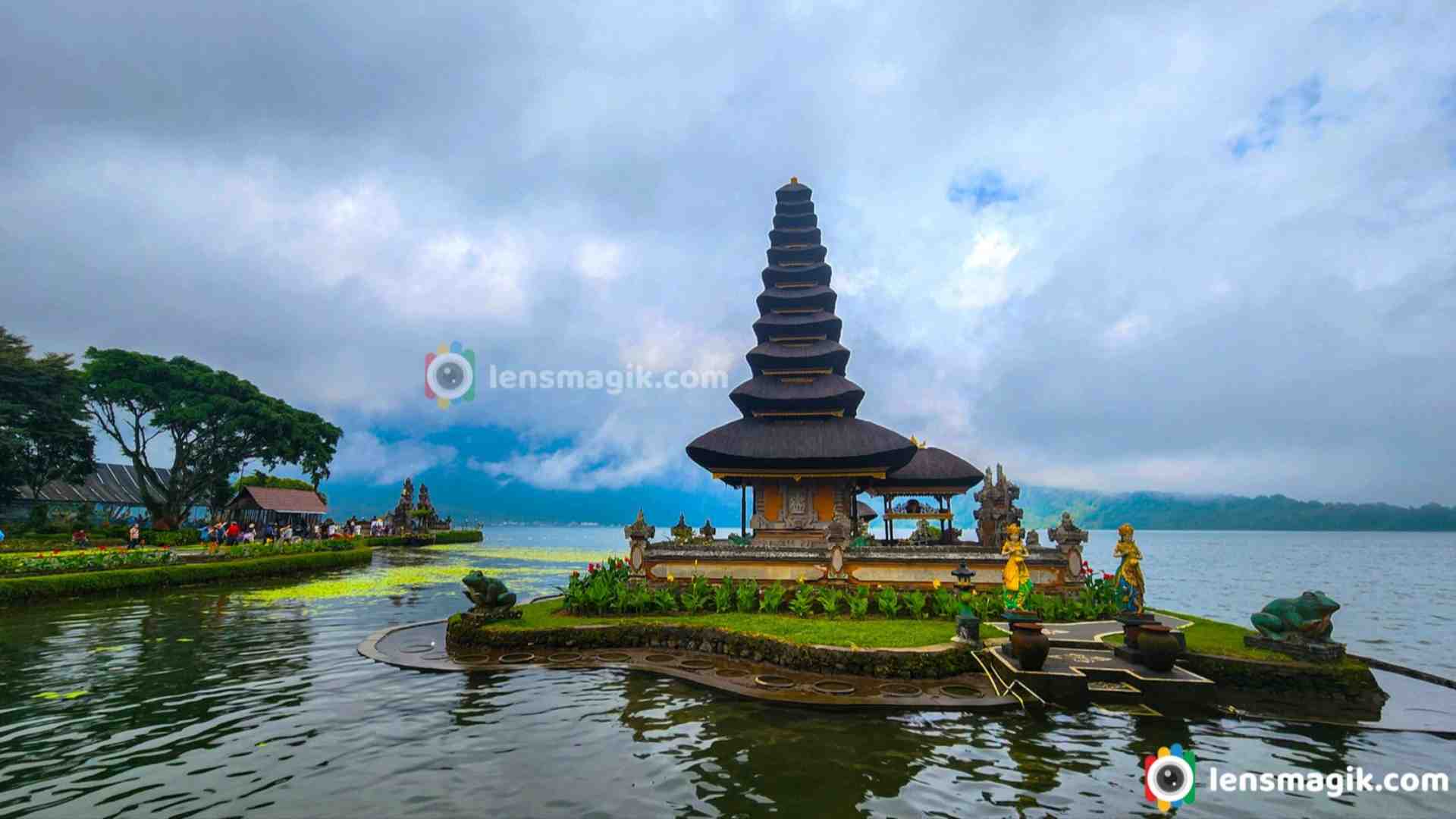
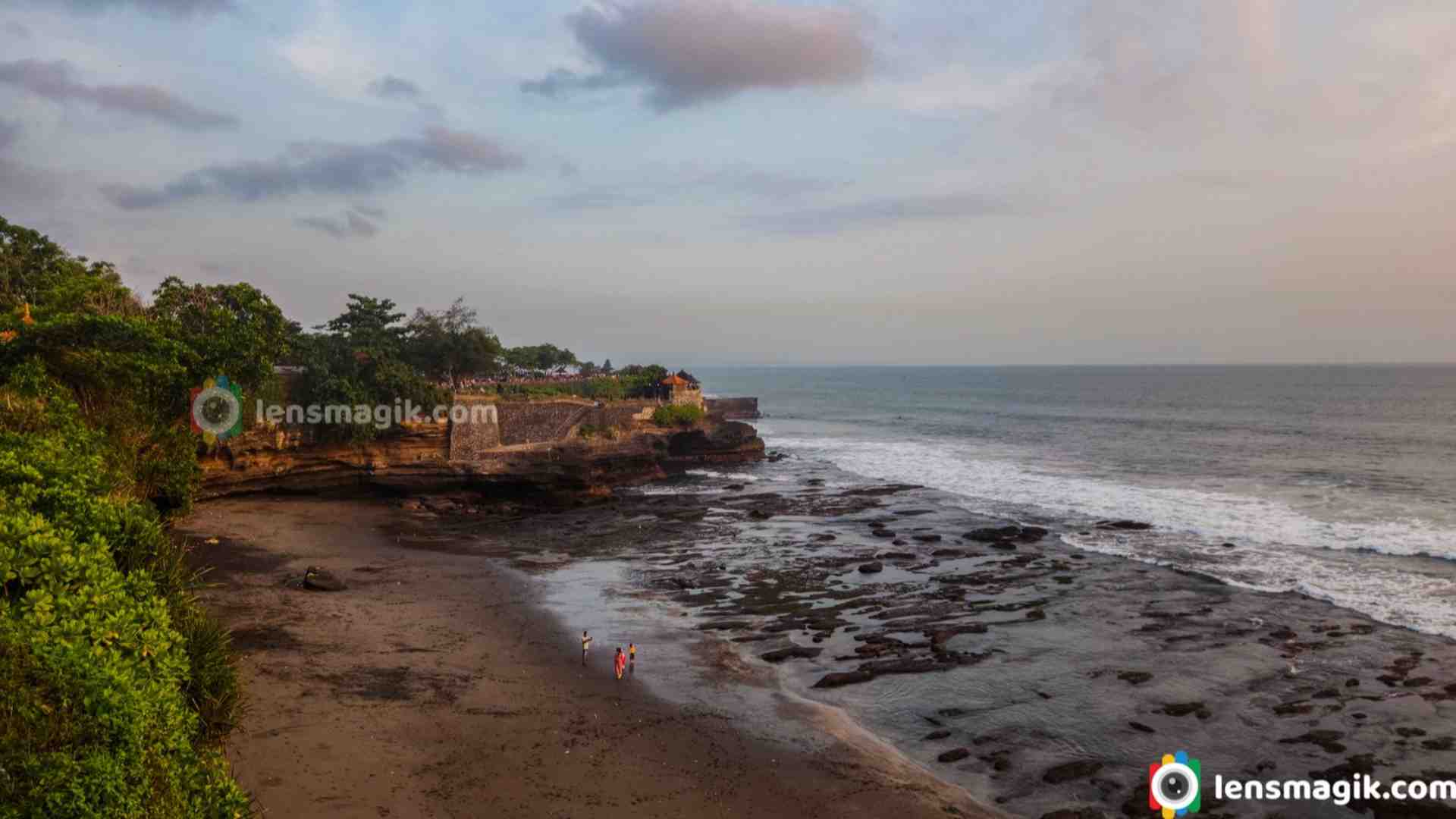
Day 4 : On this day you can visit ULUN DANU BRATAN Temple , HANDARA GATE, GIT GIT WATERFALL and TANAH LOT TEMPLE . For all things you have to go early in the morning and stay limited time every places. HANDARA Gate can take atleast 4 hours because of picture taking line. If you don't take pictures with gate then you can save your time. For that you have to pay for Picture at Handara Gate and be in a que. I suggest instead of Handara gate you can spend time at waterfall. ULUN DANU BRATEN Temple and TANAH LOT Temple are very beautiful places and have more time to spend here. Locations of both temple are very stunning and from TANAH LOT Temple you can see beautiful sunset view.
Day 5 : After breakfast from hotel checkout and go to the UBUD. During travel you can visit famous Bali Swing for amazing swing activity. Before you visit Bali Swing you can visit the world expensive LUWAK Coffee making process in the way and also can visit gems gallery which is very famous for silver carving with hand. After visit both you can go for Bali Swing and rest day is leisure. In Bali swing you take at least 4-5 hours . If Time permit you can visit TEGALALANG Rice Terrace gardens , UBUD Market, Celuk Mass Village and also KINTAMANI Volcano View point. For Kintamani Volcano tour you must reach at view point before 4 pm because after 4 pm weather may change sudden and you can not see volcano mountain clearly. View point of Kintamani is amazing and worth to spend time their. After Completing all sight scenes go to the hotel and check in.
Day 6 : After breakfast at hotel you can do full day adventure activities. First you can do White River Rafting followed by lunch and then go for ATV Bike ride . River Rafting is amazing experience. It will take 4 hours at least come back and take lunch. For river rafting you will have to go downstairs for half hour walk. I suggest take waterproof mobile cover with you for recording purpose or Gopro camera. After rafting you can go for ATV ride in jungle and that also a amazing experience. Else if you do not want to do that you take rest or go for shopping in the art market of UBUD or enjoy at hotel.
Day 7 : Return home with lots of memories .
In UBUD many hotels provide floating breakfast at pool villa. I booked The Payogan villa in UBUD for 2 days. They provide 1 day floating breakfast in pool villa. Rooms and pool are amazing in Payogan Villa UBUD. In KUTA i booked Ramayana Suits which is also a beautiful property in center.
Photos Clicked By Samsung S22 mobile
Read more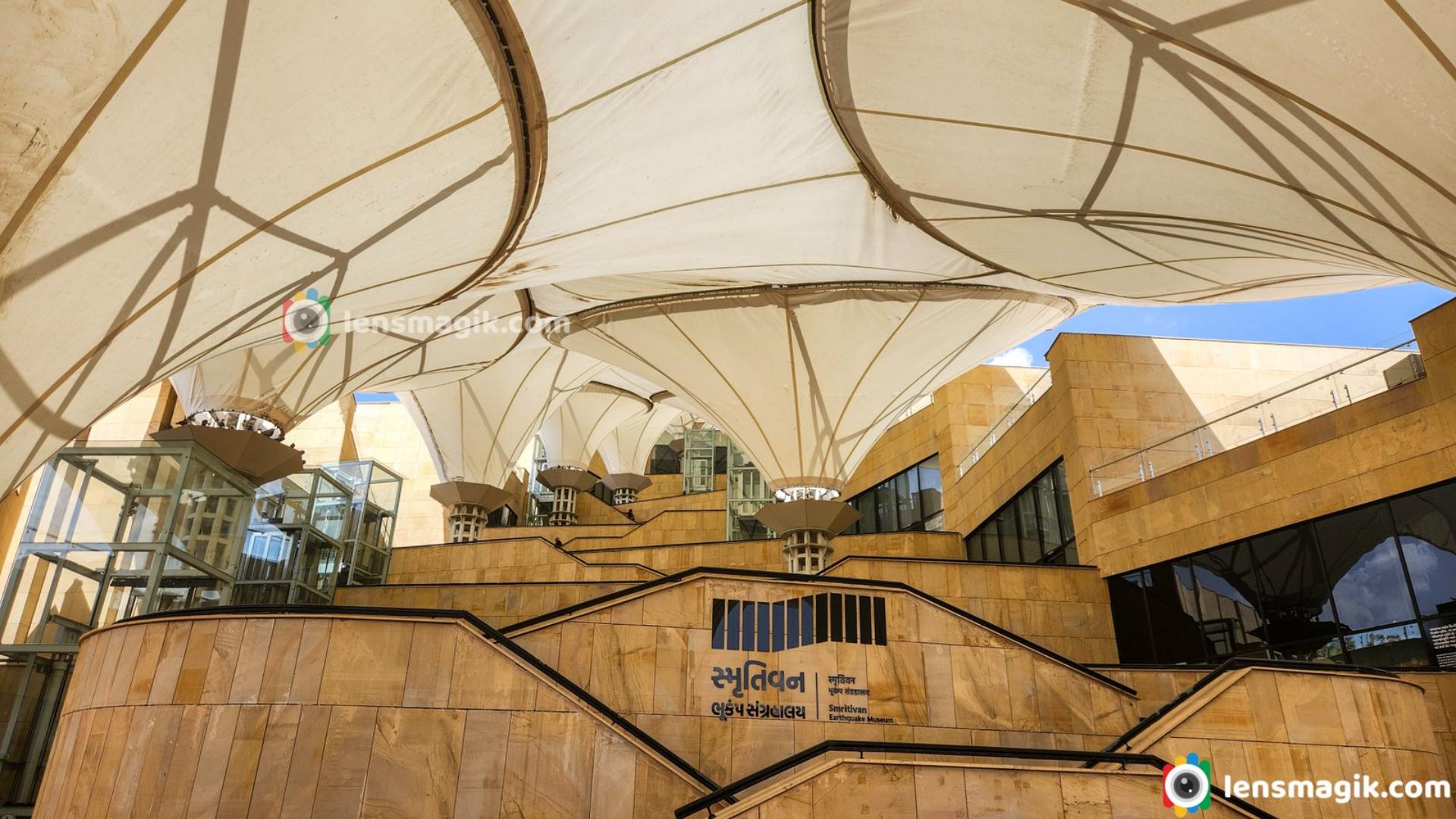
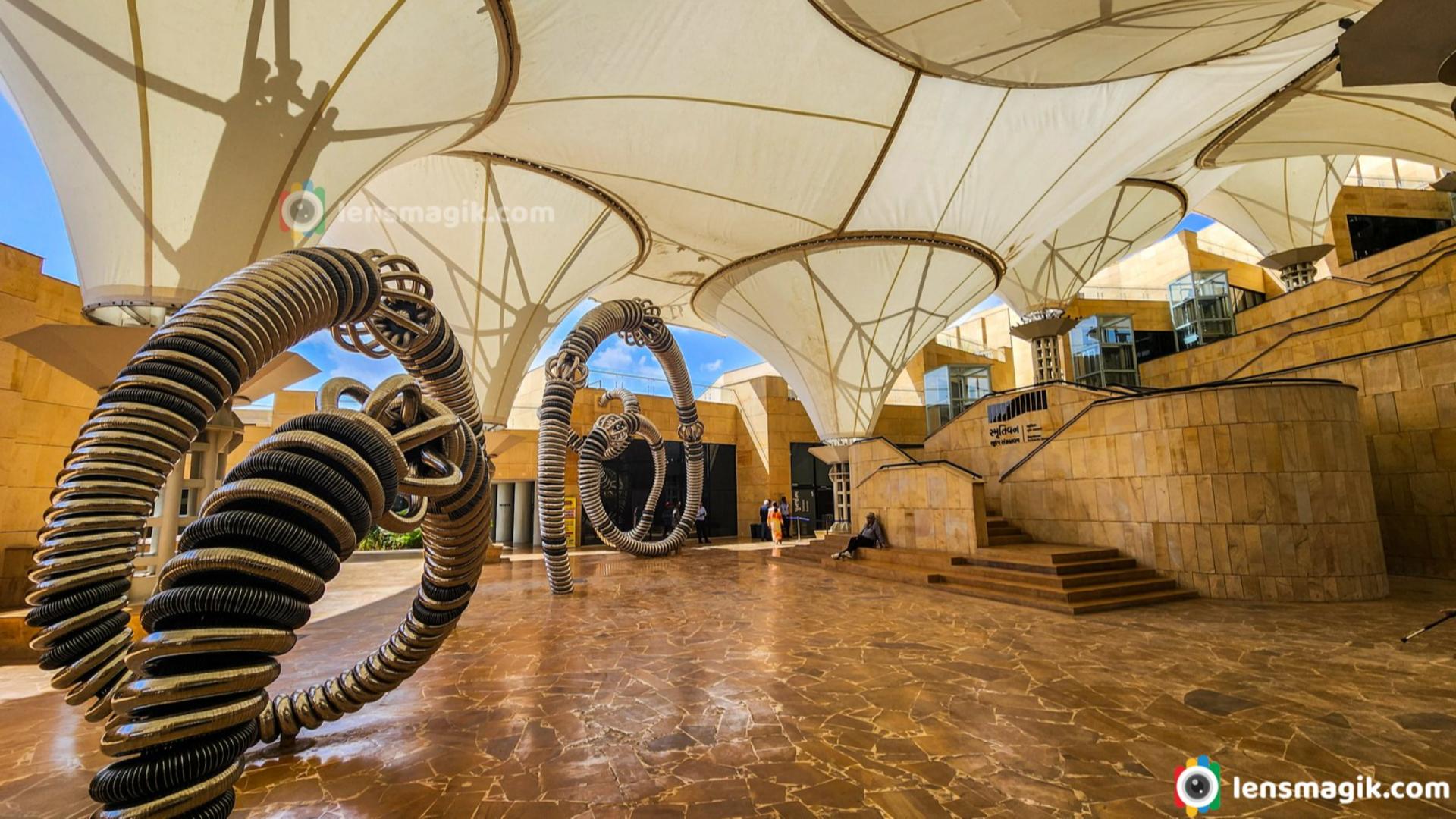
Smritivan is a memorial park and museum made to dedicate to victim of 2001 Gujarat Earthquake . Smritivan is located on Bhujyo Dungar ( Bhujyo Hill ) on outskirts of Bhuj city. It is a poignant tribute to the victims of the devastating earthquake that struck on January 26, 2001. The Project is developed by Gujarat State Disaster Management Authority. The museum design and curation were made by Factory India and architech was Shilpa cunsultant. The Smritivan Museum is inaugurated by Narendra Modi on 28 August 2022.
Smritivan Memorial Park :
- Smritivan Memorial park is spread in 470 acers area. To dedicate earthquake victims there are more than 5,00,000 trees planted here.
- There are 50 check dams reservoir to dedicate earthquake victims. Dams are made for recharge water level of surrounding areas and solve water crises.
- Miyawaki Forest is world's largest forest in Smritivan. More than 3 lakh trees plants are their. They are plant for green monument for acting like " The Lungs for the City of Bhuj ".
- Smritivan is located on Bhujyo Hill so climb the hill to the top and you can see beautiful sunset or sunrise and also a Bhuj city 360 degree view.
- There is a fort on this site which is more than 300 years old.
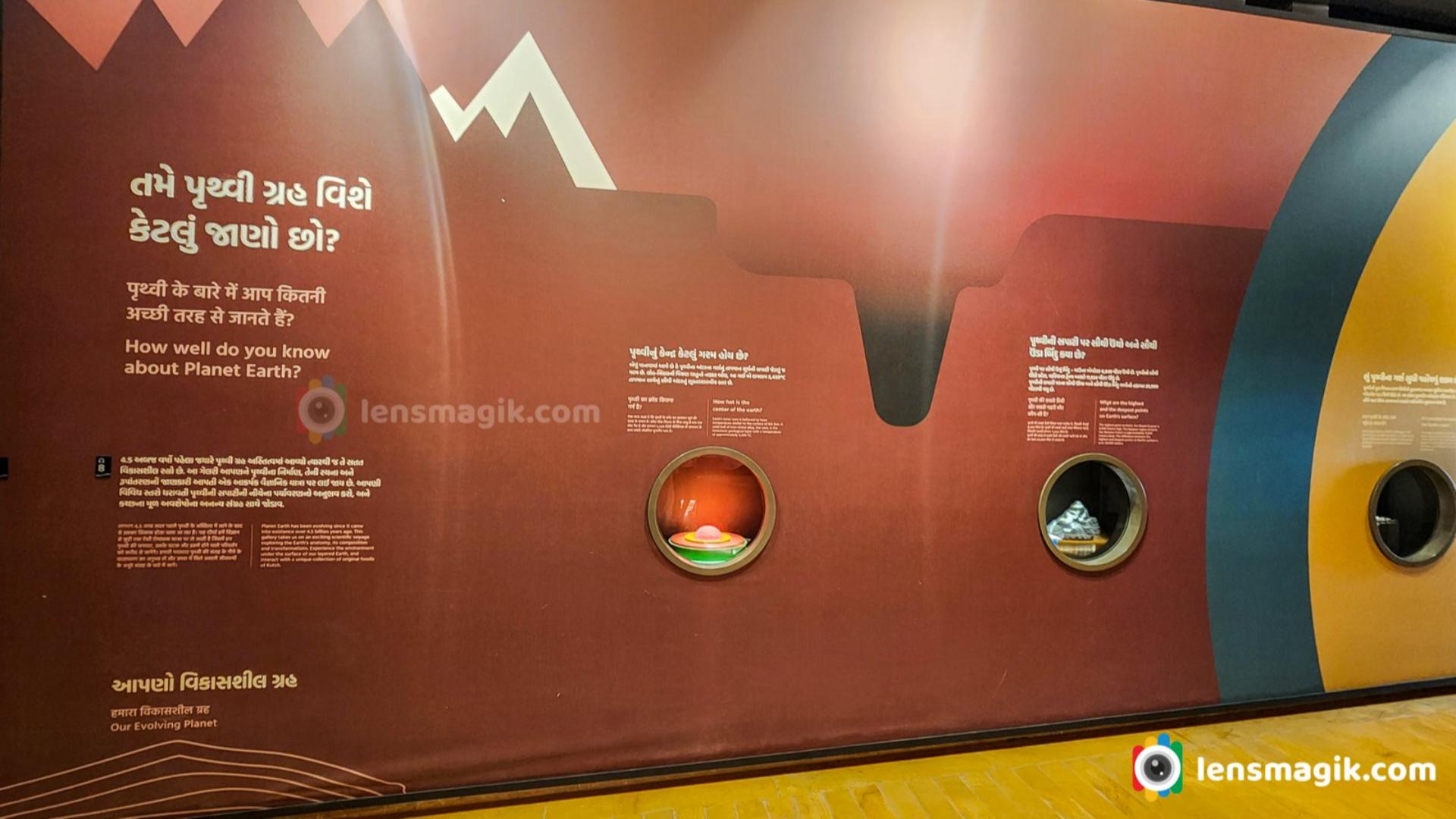
The Earthquake Museum :
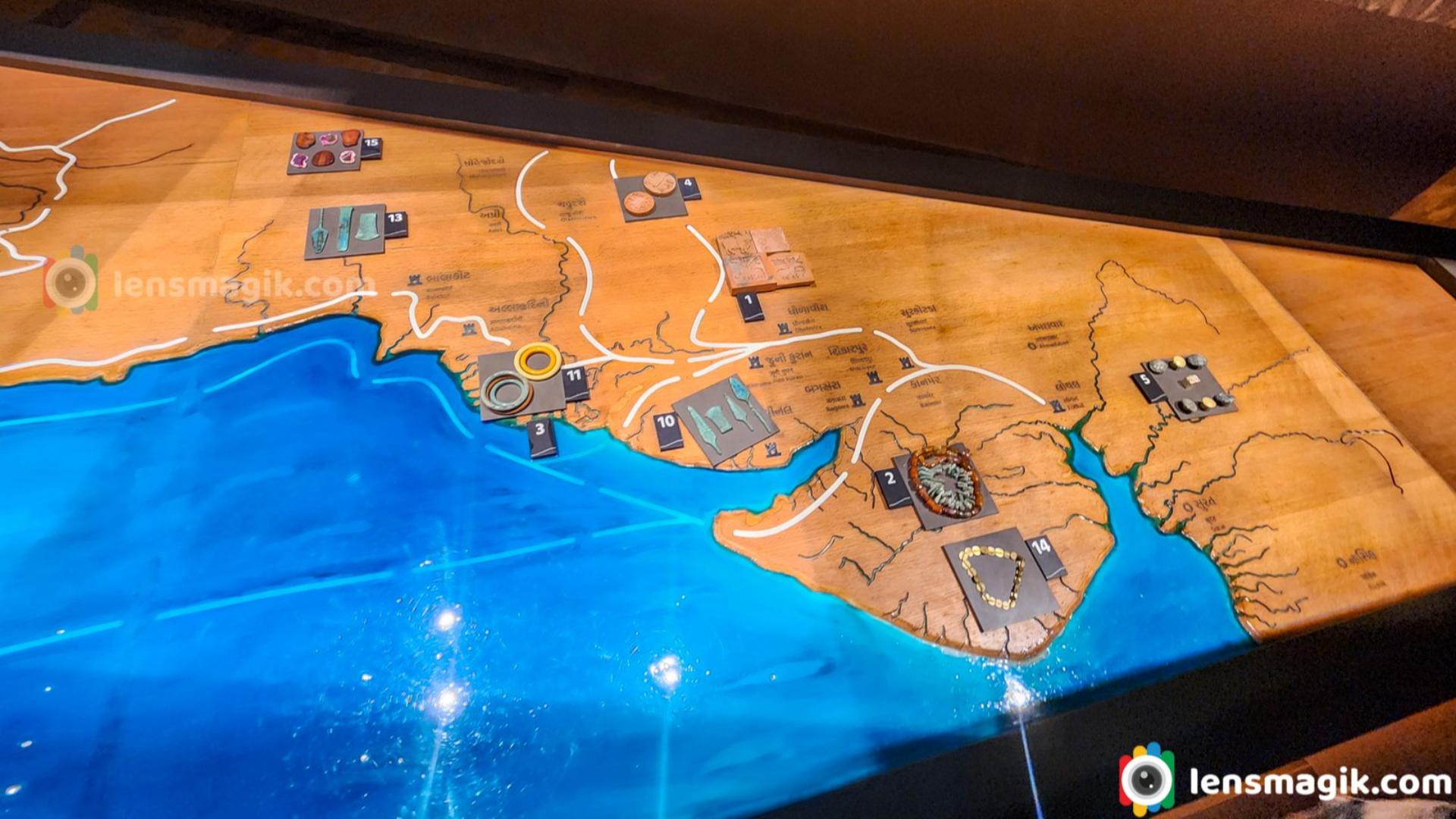
The Earthquake Museum is divided into 7 blocks in specific themes.
- Rebirth : This block describes revolution of the Earth.
- Rediscover : This block focuses on Gujarat's Topography and its vulnerability of Natural Disaster .
- Restore : It shows recounts the immediate aftermath of earthquake 2001 and its massive relief efforts . It shows via video , images and set up.
- Rebuild : It showcase the rebuilding initiative and success stories of Gujarat.
- Rethink : It shows type of preparedness for future and various disaster. It shows how you can save your life from various disasters.
- Relive : In this block you can feel earthquake with 5D simulator and experience tremors felt during the earthquake . In this block there is a " Tree of Smritivan " where visitors can write message.
- Renew : It is a memorial space where people can pay their respects to the victims by lighting a digital flame.
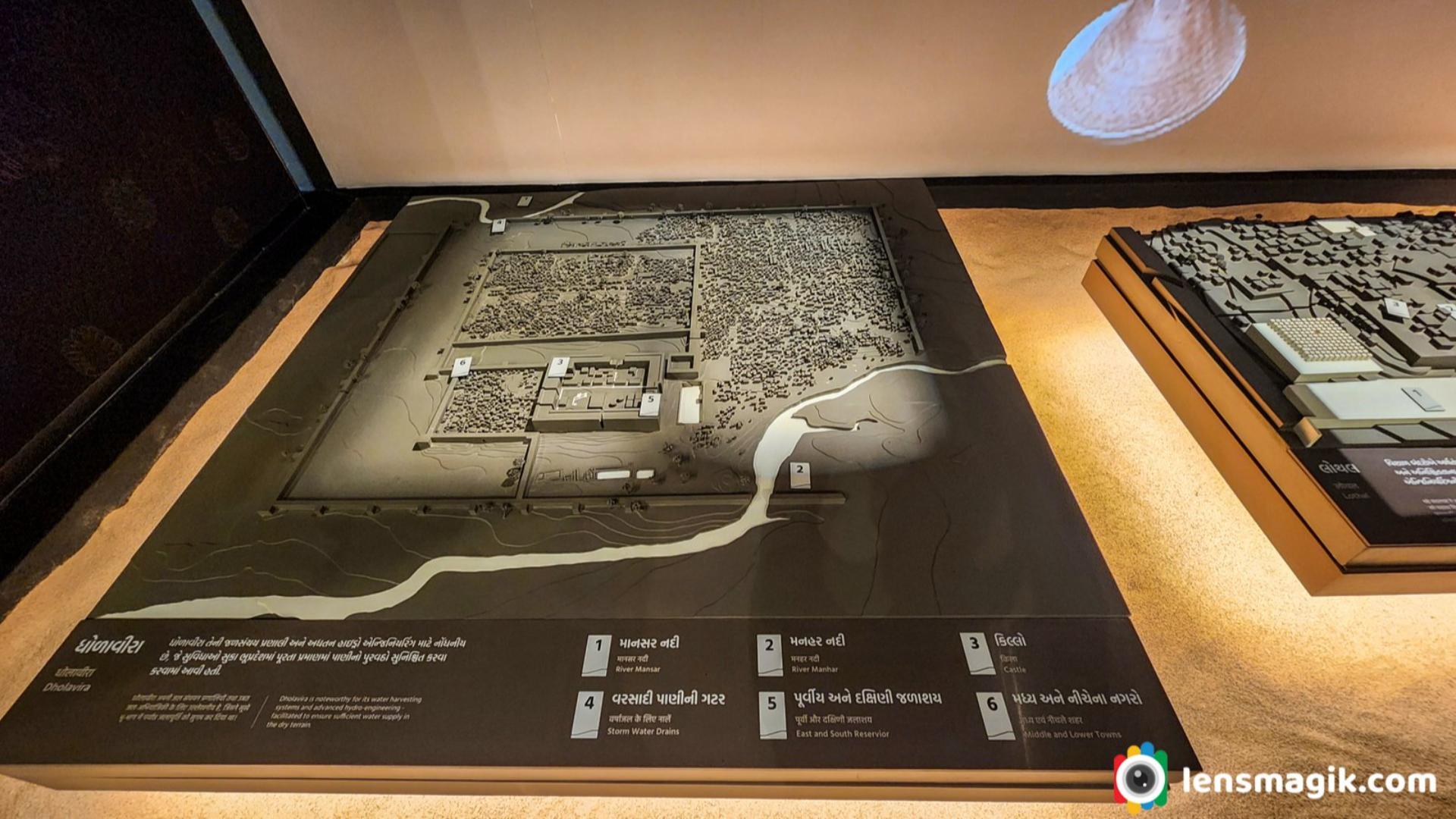
Smritivan was inaugurated by Prime Minister Shri Narendra Modi on 28 August 2022. Smritivan was recognized globally for its design and aslo sortlisted for UNESCO Prix Versailles Award. Smritivan is self sustainable complex which is powered by 1.1 MW solar power plant.
Timings : Memorial park and Museum have different timings.
Memorial park timing is 5 AM to 6 PM all days.
Museum timings is 10 AM to 6 PM from Tuesday to Sunday. Museum is closed on Monday.
Tickets Price for Smritivan :
Memorial Park ticket price for Smritivan is 20 INR .
Smritivan Museum ticket price :
- Indian Citizen is 300 INR
- Indian collage Student 150 INR ( Bring Valid ID )
- School Students 100 INR ( Up to 12 Years )
- Foreigners 1000 INR.
- Below 5 years kids are free in Museum.
These ticket prices may be changed when you visit so i suggest visit official Smirtivan website and book your ticket or check ticket prices. https://www.smritivanearthquakemuseum.com/
Smritivan museum and memorial park take at least 3 -4 hours so plan accordingly. While visit Rann of Kutch or Road To Heaven i must say visit Smritivan.
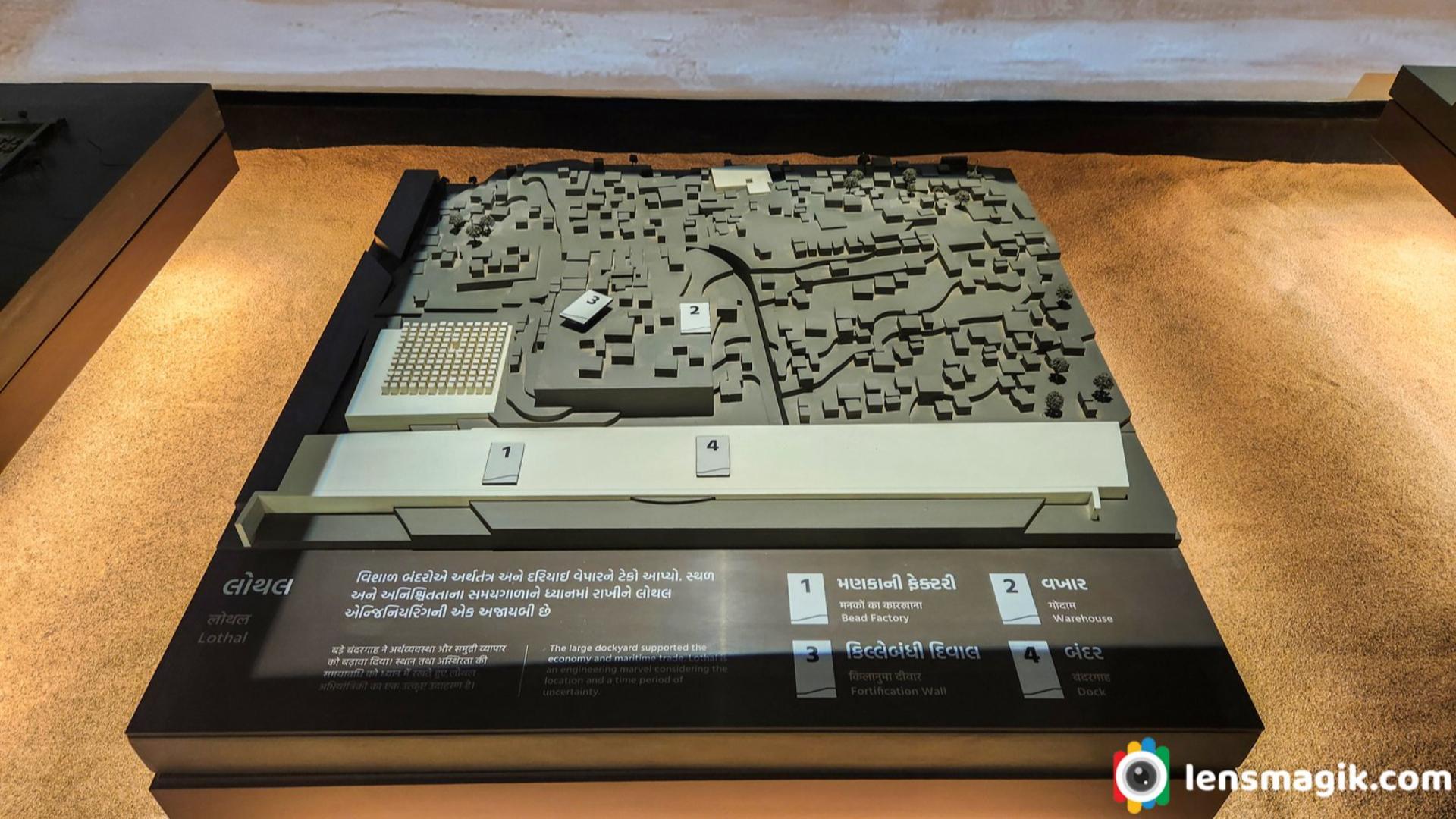
Places To Visit Near Smritivan :
Kutch is most favorite place during winters from November to February. There are many places to visit in Kutch in your tour.
Road To Heaven, White Desert of Kutch, Kadiya Dhro, Mandvi Beach, Vijay Vilas Palace , Bhujyo Hill are most favorite places for tourist.
Famous Food : Kuttchii Dabeli is one of the famous food.
Read more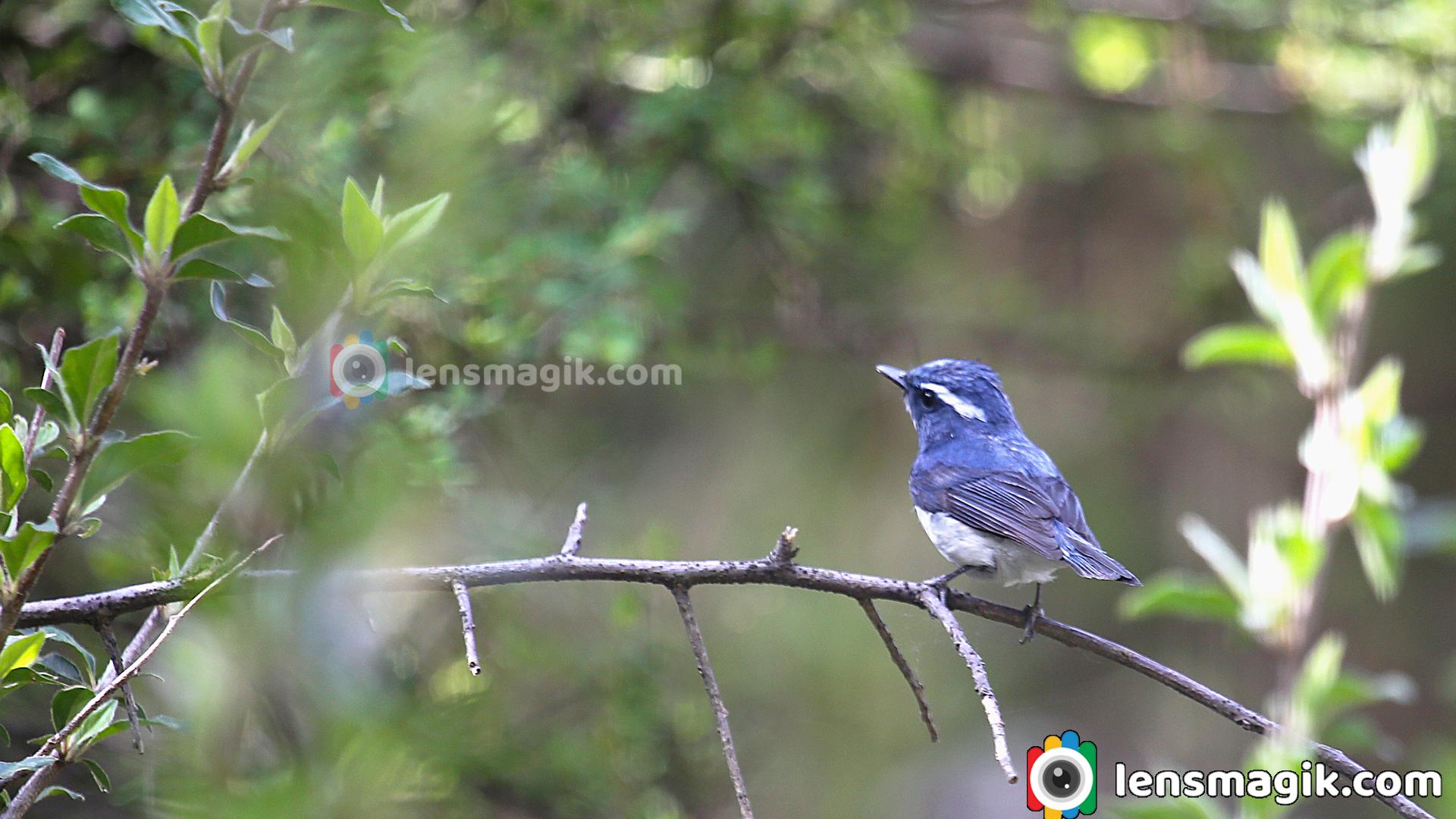
Ultramarine flycatcher is also known as White Browed blue flycatcher. It is small old world Flycatcher in Ficudela genus. It is known for vibrant blue color and migration in India during winter season. It is found in Eastern Himalayas from Jammu Kashmir and Himachal Pradesh to Uttarakhand and also some places of Nepal. I found it during Har Ki Dun Trek in Uttarakhand. It is small bird with vibrant blue color which is amazing to watch.
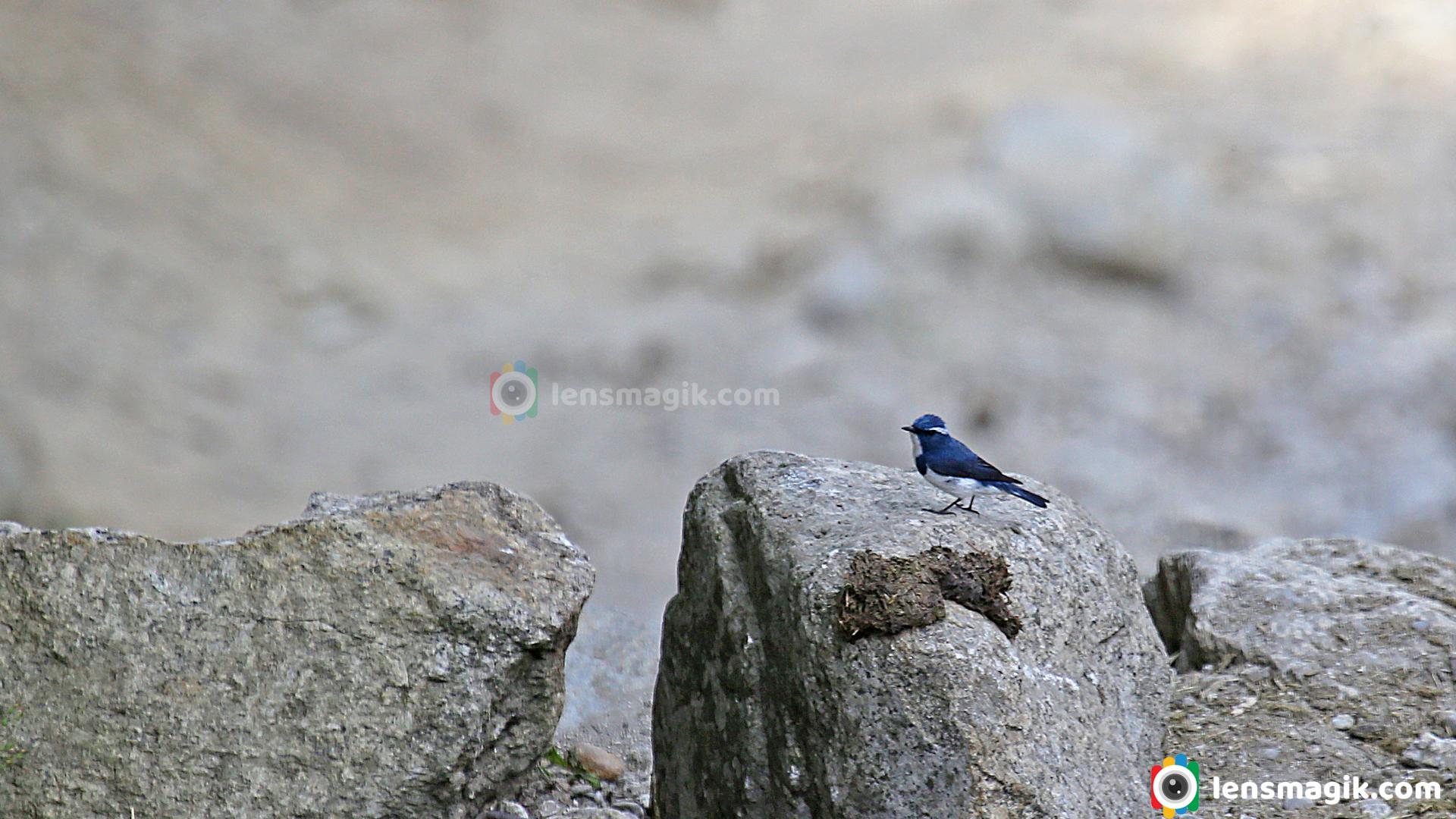
Description of Ultramarine Flycatcher :
- Ultramarine Flycatcher is small in size about 10 cm long. It is smaller than common Sparrow.
- Male Ultramarine Flycatcher have striking or blue underparts. Underparts are primarily white with prominent blue patch on sides and breast.
- Female Ultramarine Flycatcher have grayish brown underparts and buff white underparts.
- The characteristic behavior is frequent Tail Flicking with rattling " trrrr " call.
- Female lays 3 to 5 eggs of olive green or buff colored with reddish brown sparkles .
Region wise subspices :
Ultramarine flycatcher spices vary region wise . Different region slight vary on eyebrow with white patch.
- Western Race : White stripe above the eye and white at base of tail
- Eastern Race : Lack of white eyebrow and tail patches.
- Assam Race : Completely lack of supercilium.
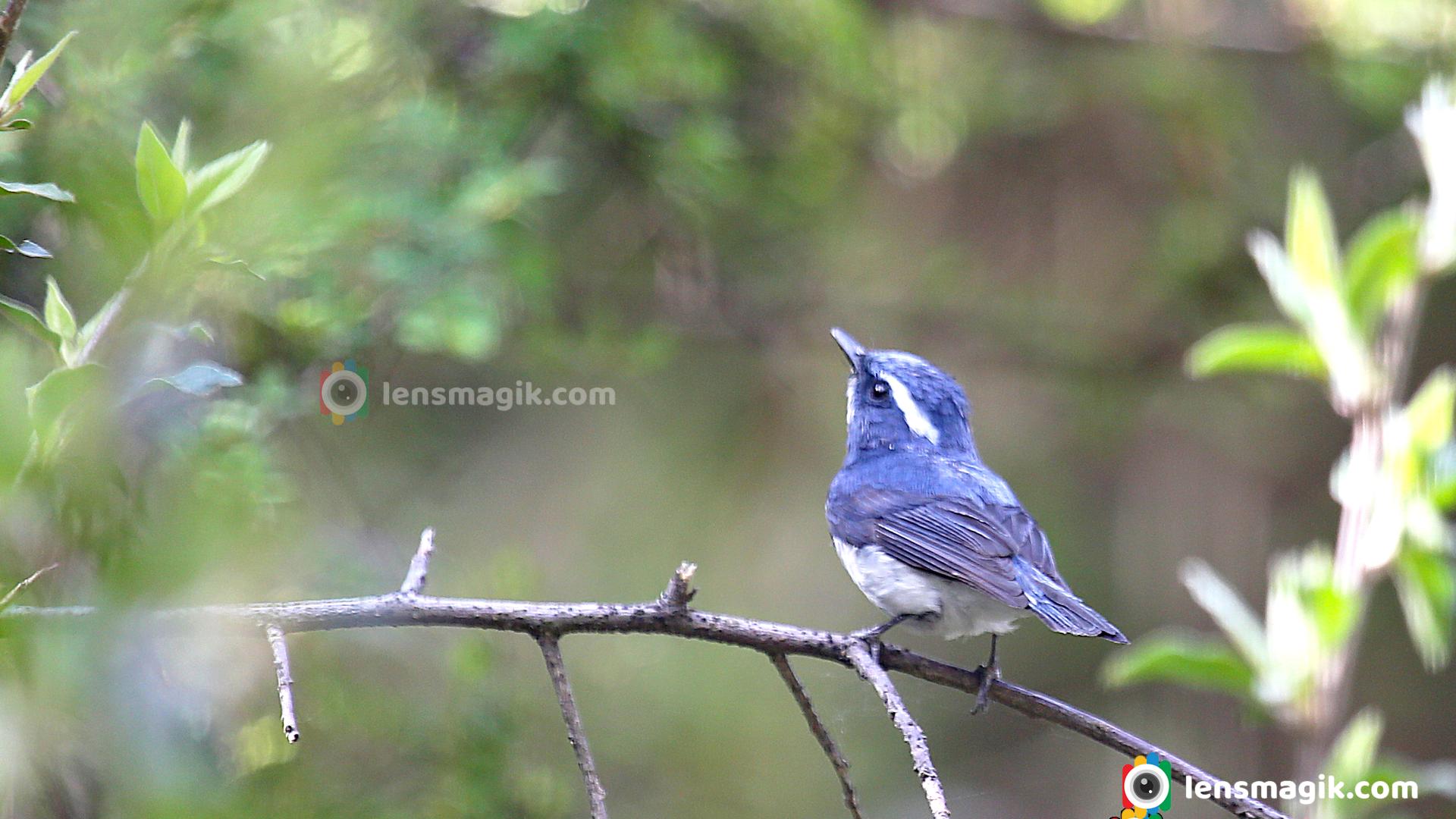
Ultramarine Flycatcher is a migratory bird which is generally found in some season in India. It breeds in summer season. It breed in forest of oak, rhododendron , pine and fir . It breed at 1800 meter to 3200 meter height generally. In winter it moves south to central and southern India , Myanmar and Thailand. During migration it can be found in lower altitude woodland, urban garden and orchards. The main Diet of Ultramarine Flycatcher is insectivorous. It feed small invertebrates, flies and larvae. It generally found in pair. Breeding season during April to July in summer. It build cup shape nest with grass, hair and bark stripes.
Ultramarine flycatcher is in least concern list of IUCN. Its population considered stable. Due to its attractive color looks it is joy to watch Ultramarine Flycatcher. During my trek to Har Ki Dun we are returning back to Sankri we found it and flicking its tail on rock. It is my first site of Ultramarine flycatcher and i m very happy to see it. Click good photographs of it with my canon 100-400mm lens and get good result too.
Location : Uttarakhand, Har ki Dun trek
Gear Used : Canon 80D, Canon 6D, Canon 100-400 mm lens
Read more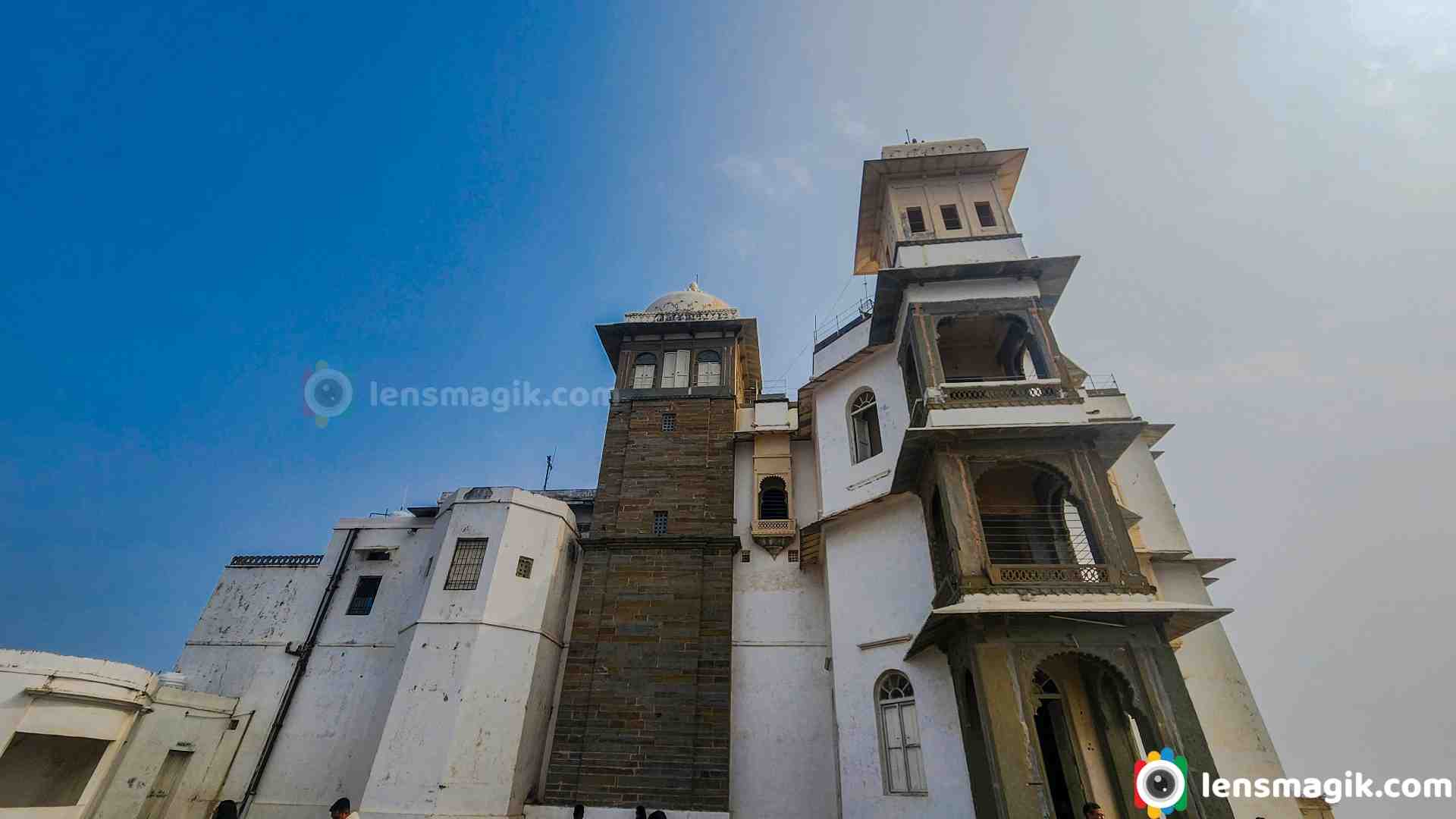
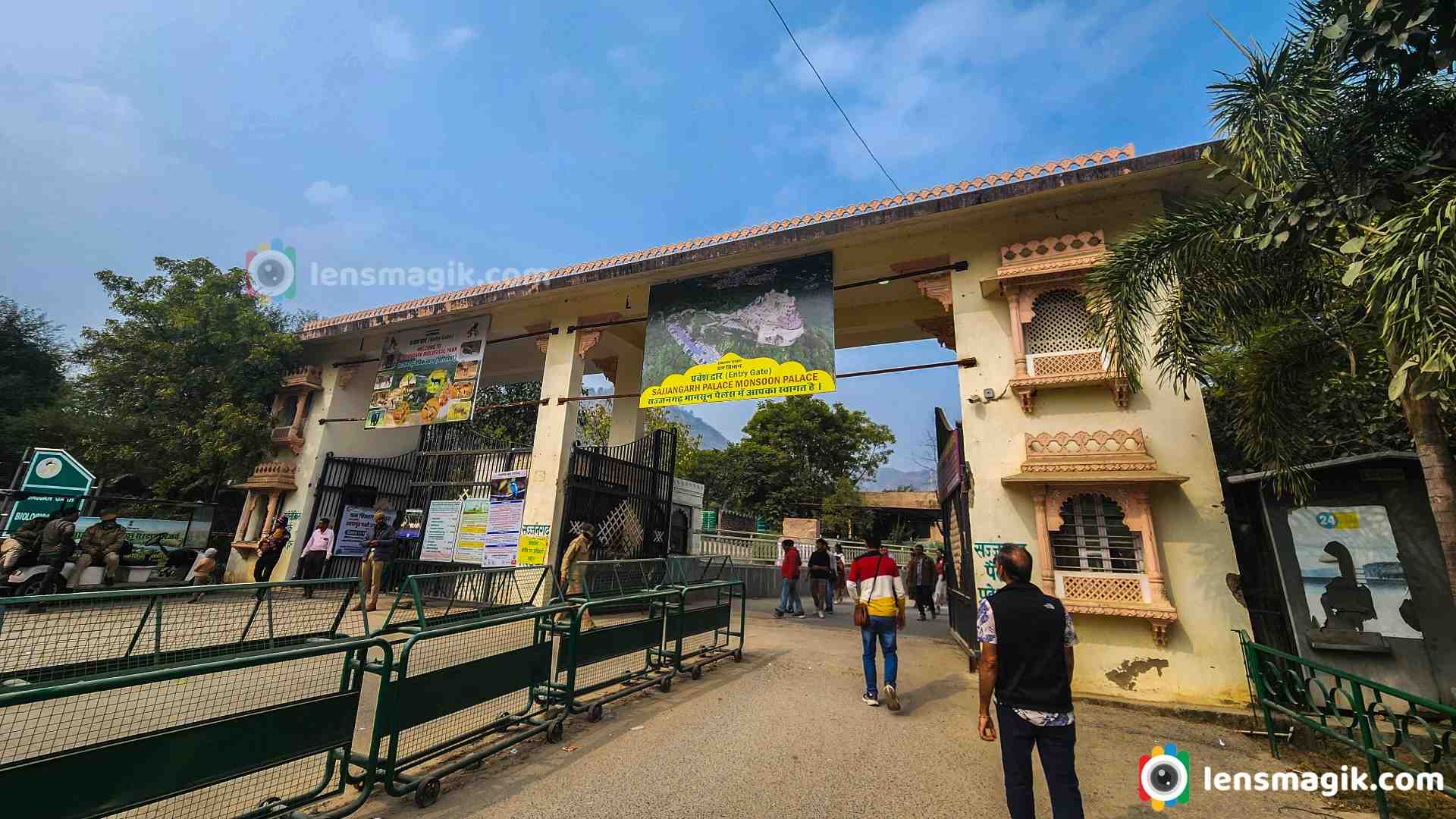
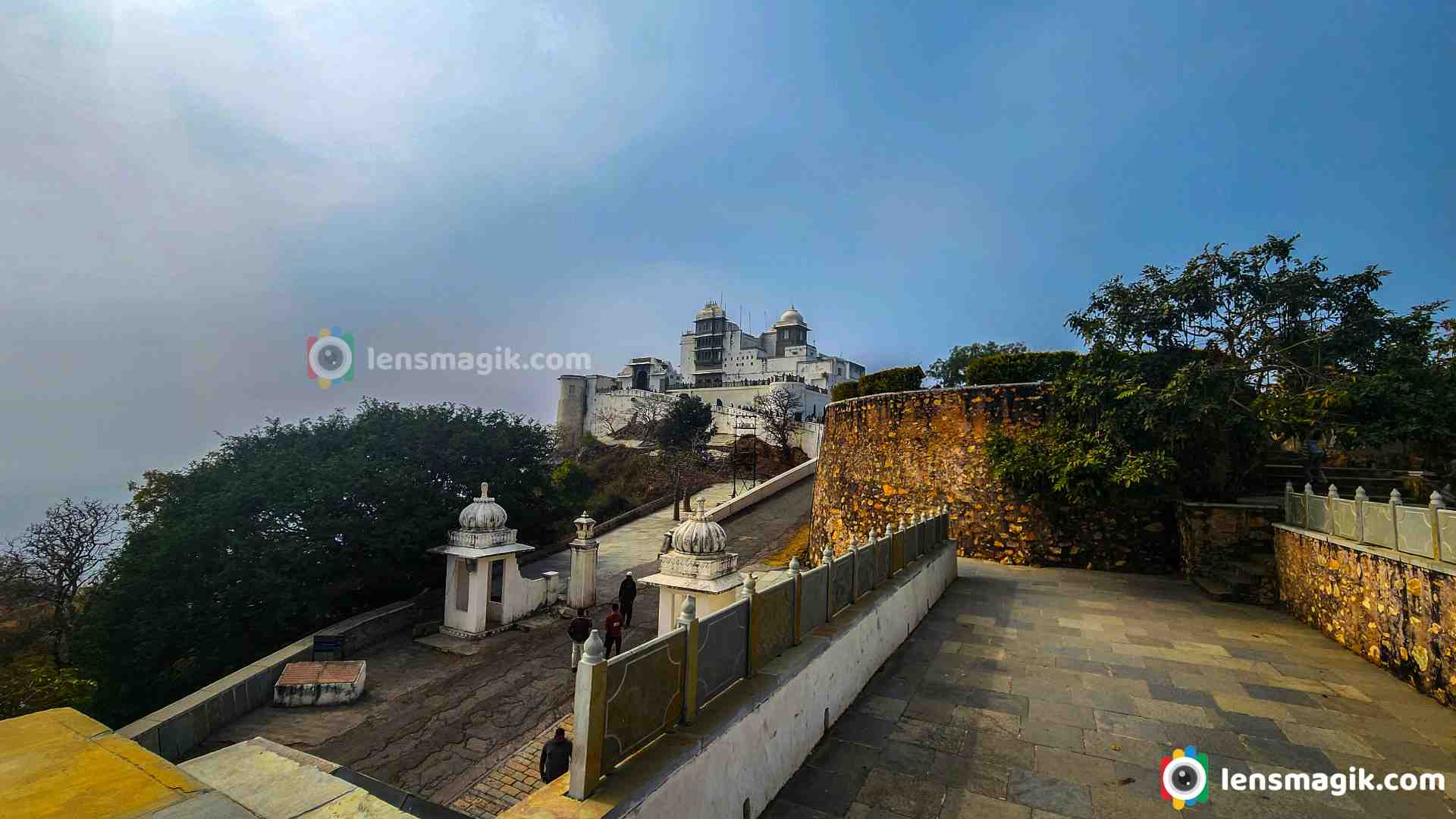
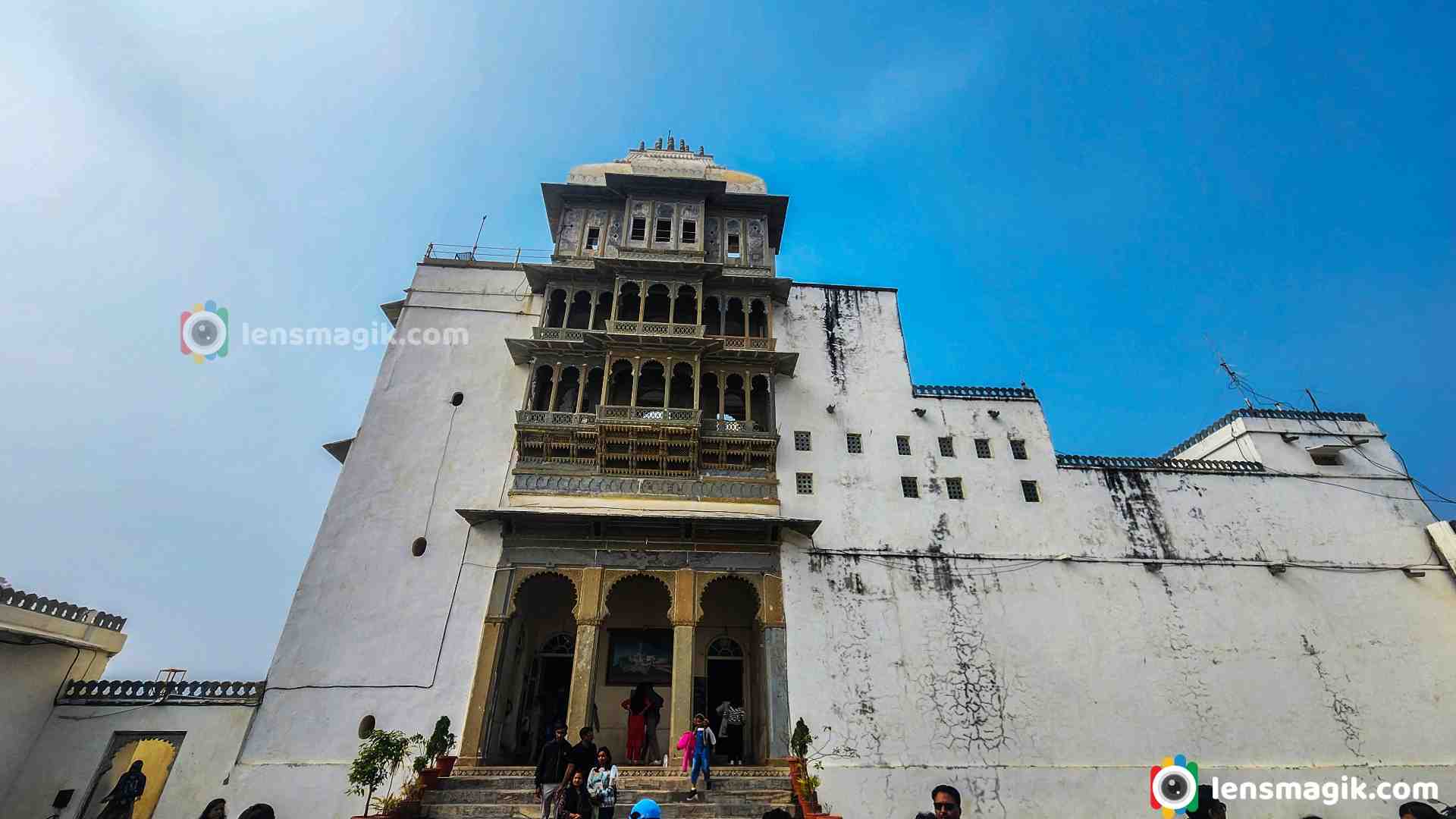
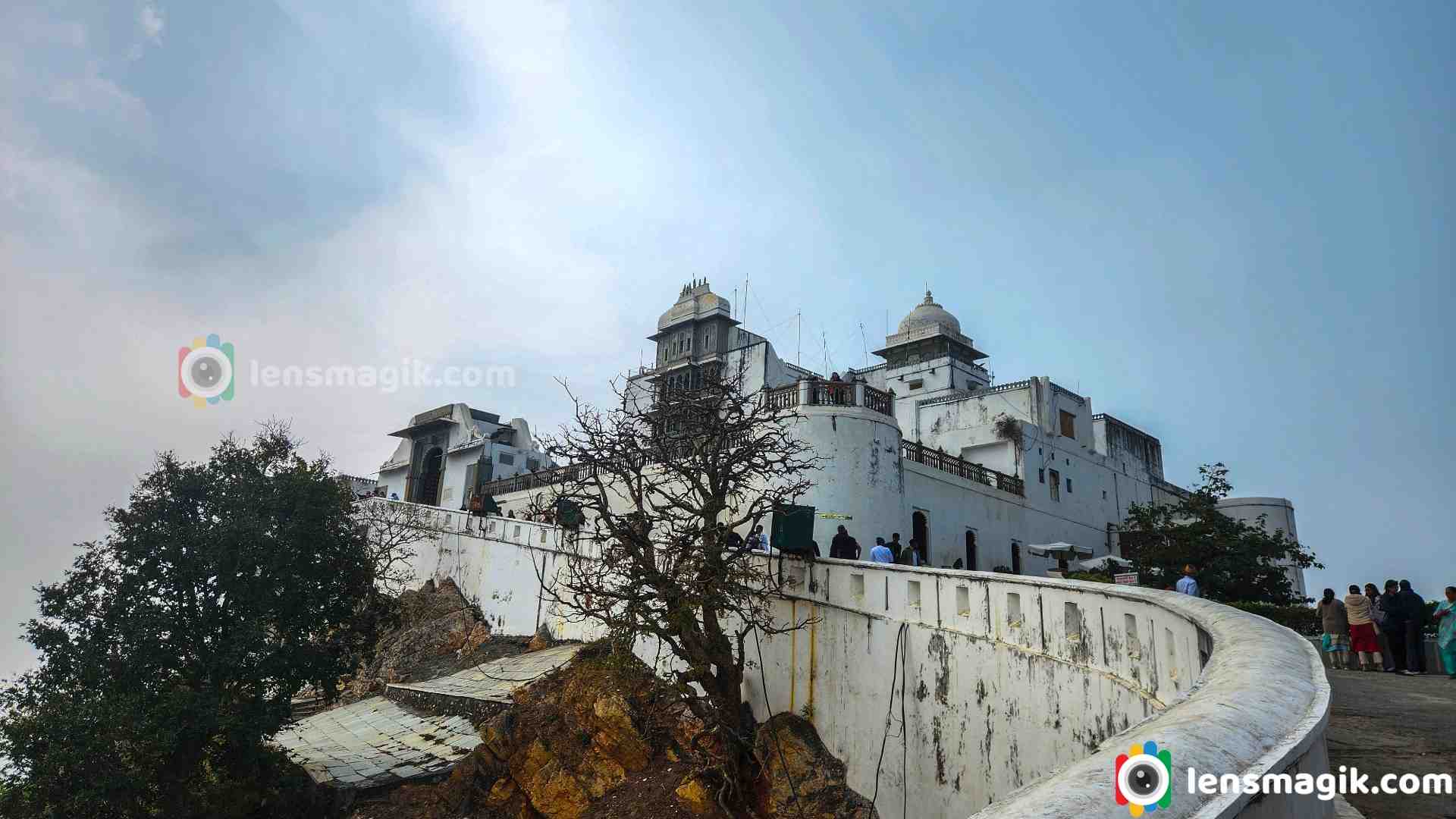
Sajjan Garh Palace is located in Udaipur City of Rajasthan. It is also known as a Monsoon Palace. It is located on top most hill of a city and you can see panoramic view of a city and lakes from the Palace. It was built by Maharaja Sajjan Singh in 1884. It was built for watching clouds so it is known as a monsoon palace. Maharaja Sajjan sing built this palace for see the view of his ancestral home Chittorgarh. Also palace built for 5 story astronomical center but after the death of Maharaja it turned into a Monsoon Palace and Hunting lodge. The Palace is on a high of Aravalli hills outside Udaipur. The History of Palace reflects history of Mewar Kingdom.
Some Interesting Facts About Sajjan Garh Palace :
- Sajjan Garh Palace Illuminated in the evening and giving a golden orange glow.
- Palace appear in James Bond movie in 1983 " Octopussy " as a residence of Kamal Khan.
- Maharana Sajjan Singh ruler of Mewar Dynasty and rule Udaipur for 10 years. Sajjan Singh come to Throne at 15 years old.
- In rule of Maharana Sajjan Singh Udaipur gained recognition as a second municipality in India after Bombay.
- Palace was built with white marble.
- Palace located on Bansdara peak of Aravalli hills and its height about 3100 ft.
- Palace built on marble pillar. Pillar are carved with leaf and flowers.
- A water harvesting structure of collecting rainwater in underground cistern. Total storage capacity of it is around 195,500 Liters.
- The palace offers beautiful views of Udaipur Palaces, Lakes and other surrounding wildlife.
- To know the history of the palace you can visit Palace museum to learn more about it.
- Palace is surrounded by Sajjangarh wildlife sanctuary with variety of animals and birds. Main attractions are Tiger and Leopard and deer.
Best Time To Visit Sajjan Garh Palace :
July to September is the best time to visit sajjan garh during Monsoon because it is monsoon palace. During monsoon the panoramic view of city and lakes are full of greenery. Also you can visit in Winter season during November to February too it is also a good time to visit. In Summer you feel too hot. Also need to walk in palace so summer is not suggestable from my side.
Near by Attractions :
- Sajjangarh Wildlife Sanctuary
- Udaipur City Palace
- Bahubali Hills
- Lake Pichola
- Fateh Sagar Lake
- Saheliyo ki Bari
- Jagmandir Island Palace
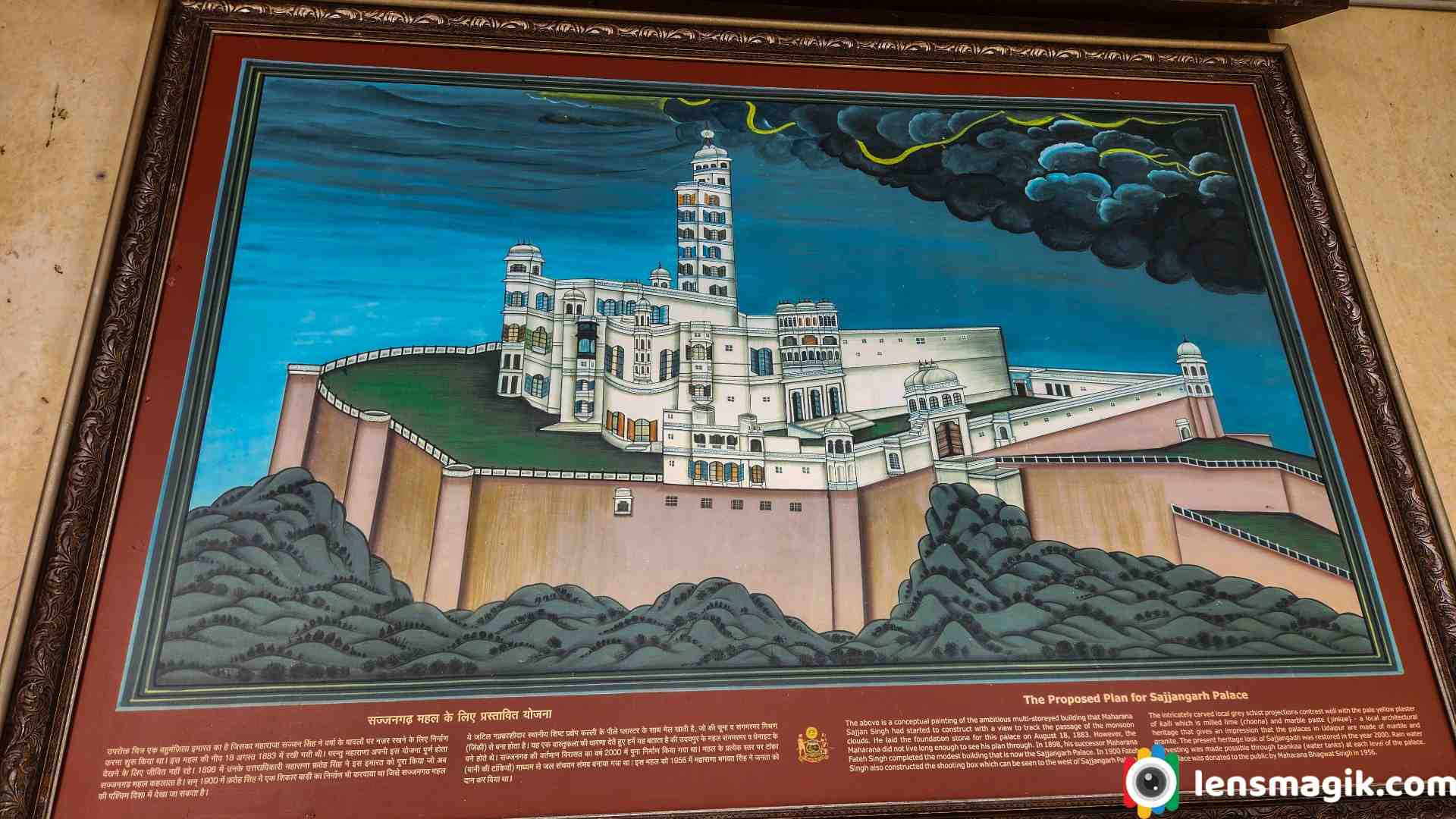
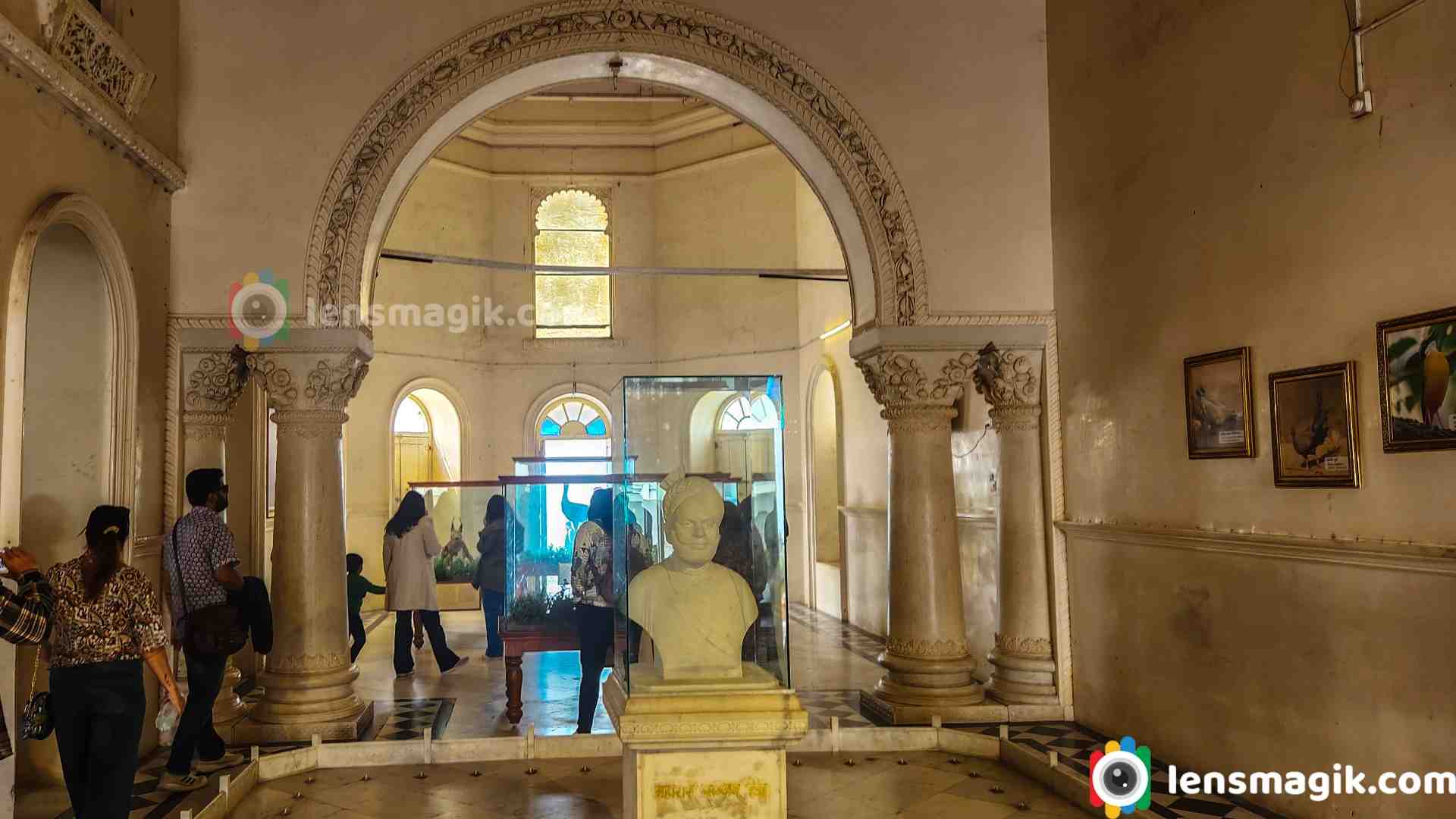
Udaipur is one of the most attraction place in Rajasthan. Udaipur is famous for Ladies Dupatta, Bandhani Dupatta and Art work items. It is a beautiful city where you can find lakes, Palaces, Forts and also a wildlife too. Plan for 2-3 days for Udaipur trip. There are many good hotels available in the city and also near by city. Also some good resorts are outside of city around 10 km which are the best to stay. Also Homestays are available with 3 BHK or 5BHK too.
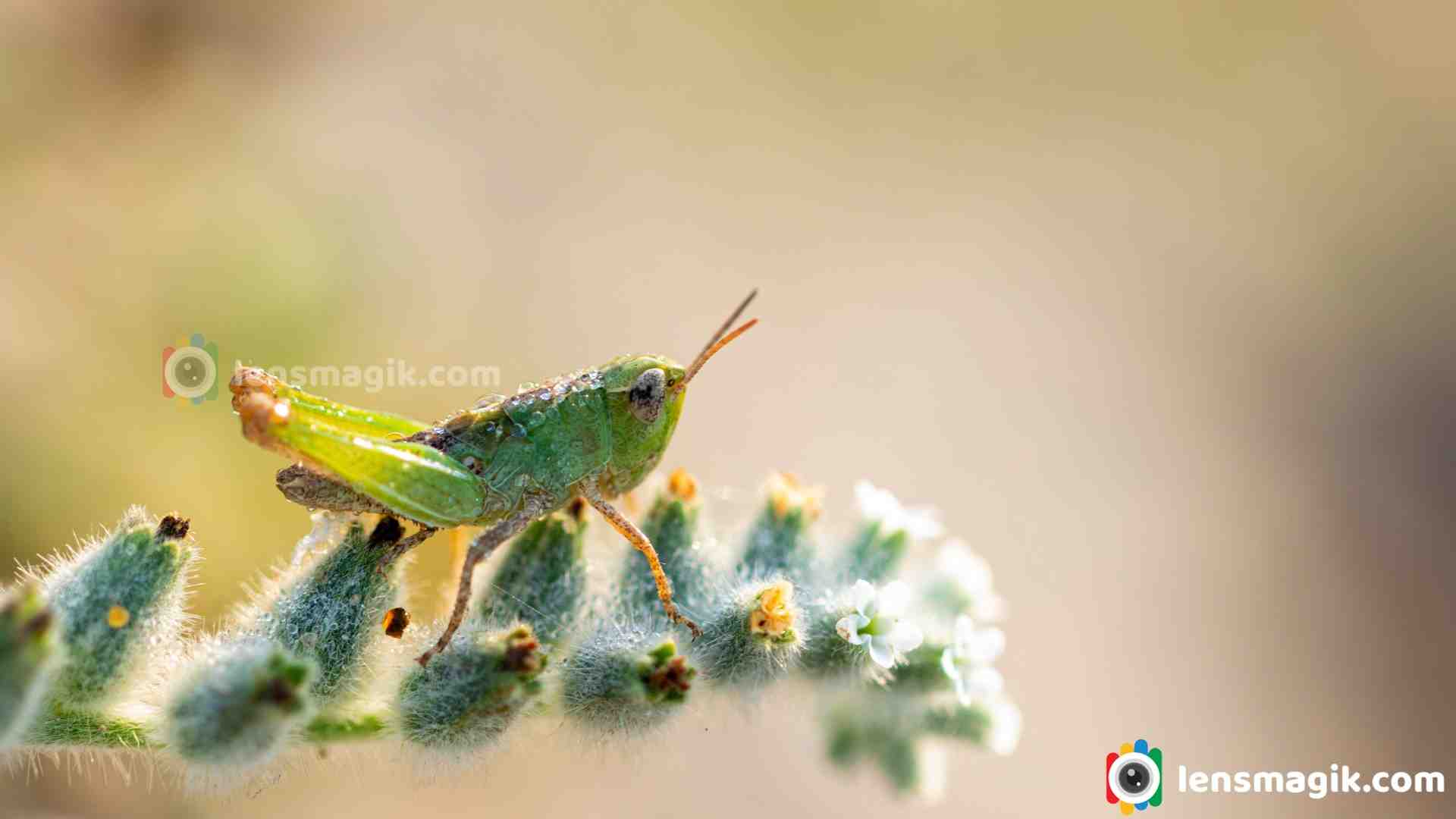
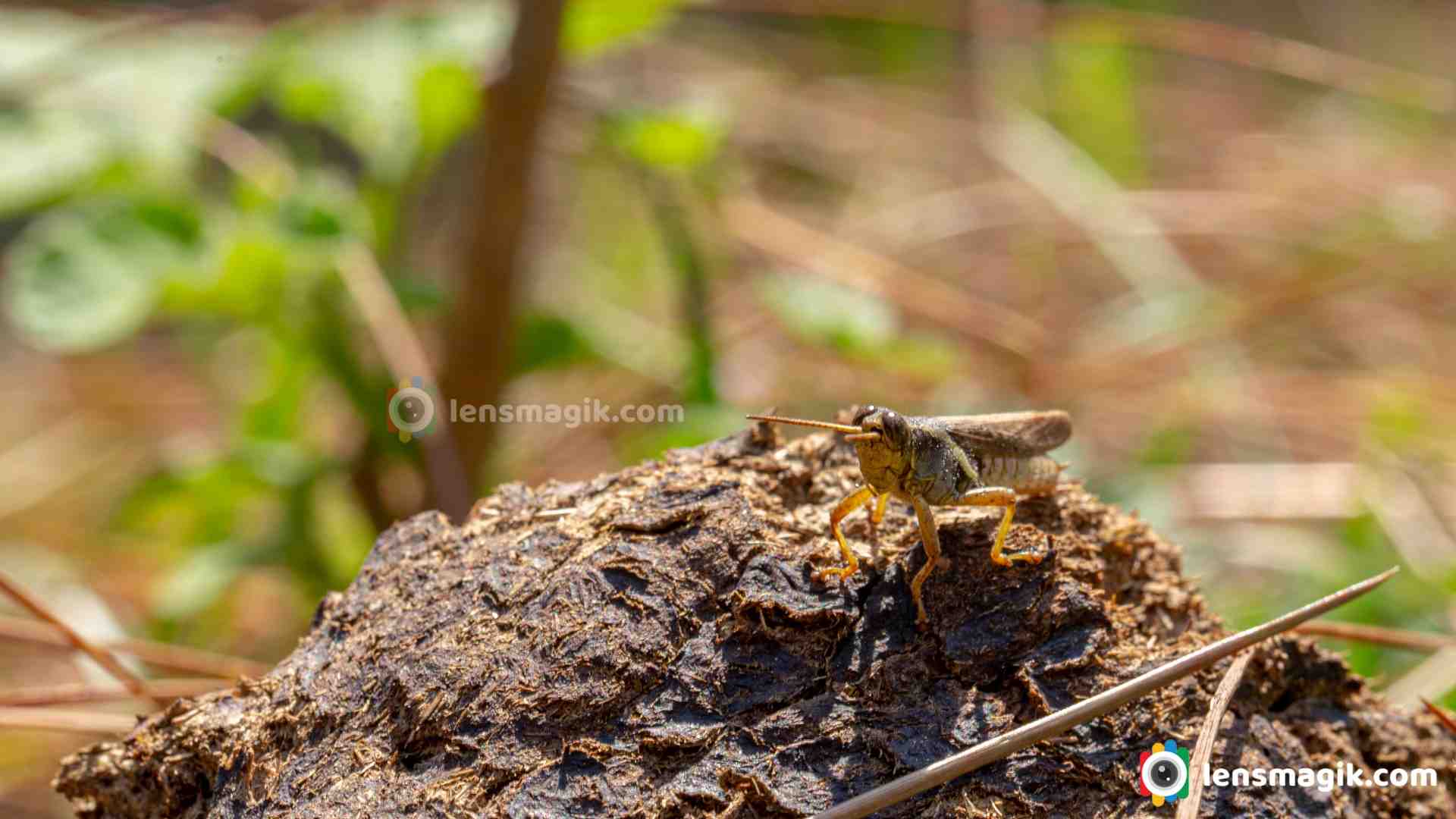
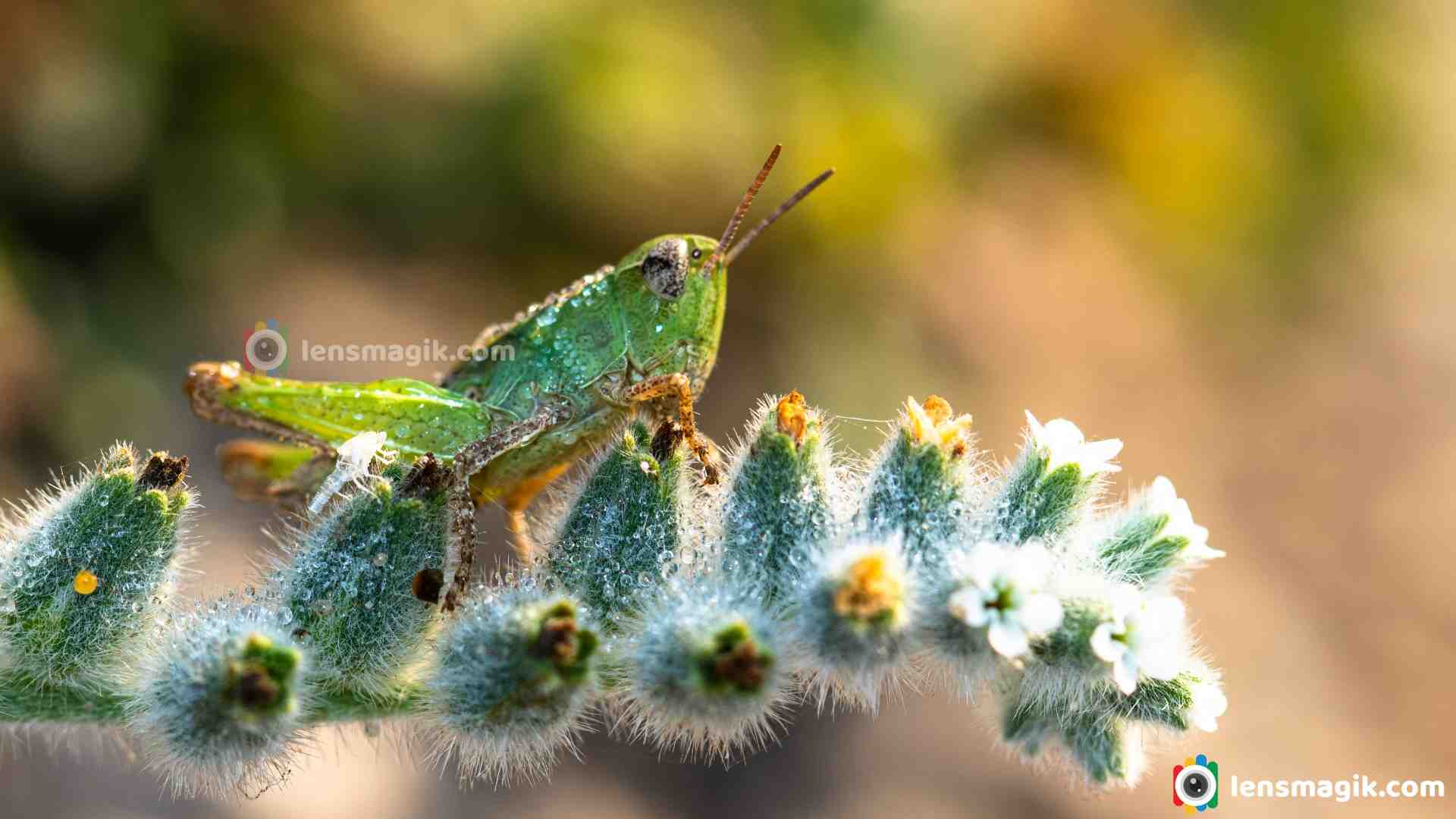
Grasshoppers are insects belonging to the suborder Caelifera. Grasshoppers are amongst most living groups which are chewing herbivorous insects. Grasshoppers are fascinating insects known for their powerful jumping abilities and chirping sound. Grasshoppers are ground dwelling insects. They range from Green to Olive brown with red and yellow. Grasshoppers occur in greatest numbers in lowland tropical forests, semiarid regions and grasslands.
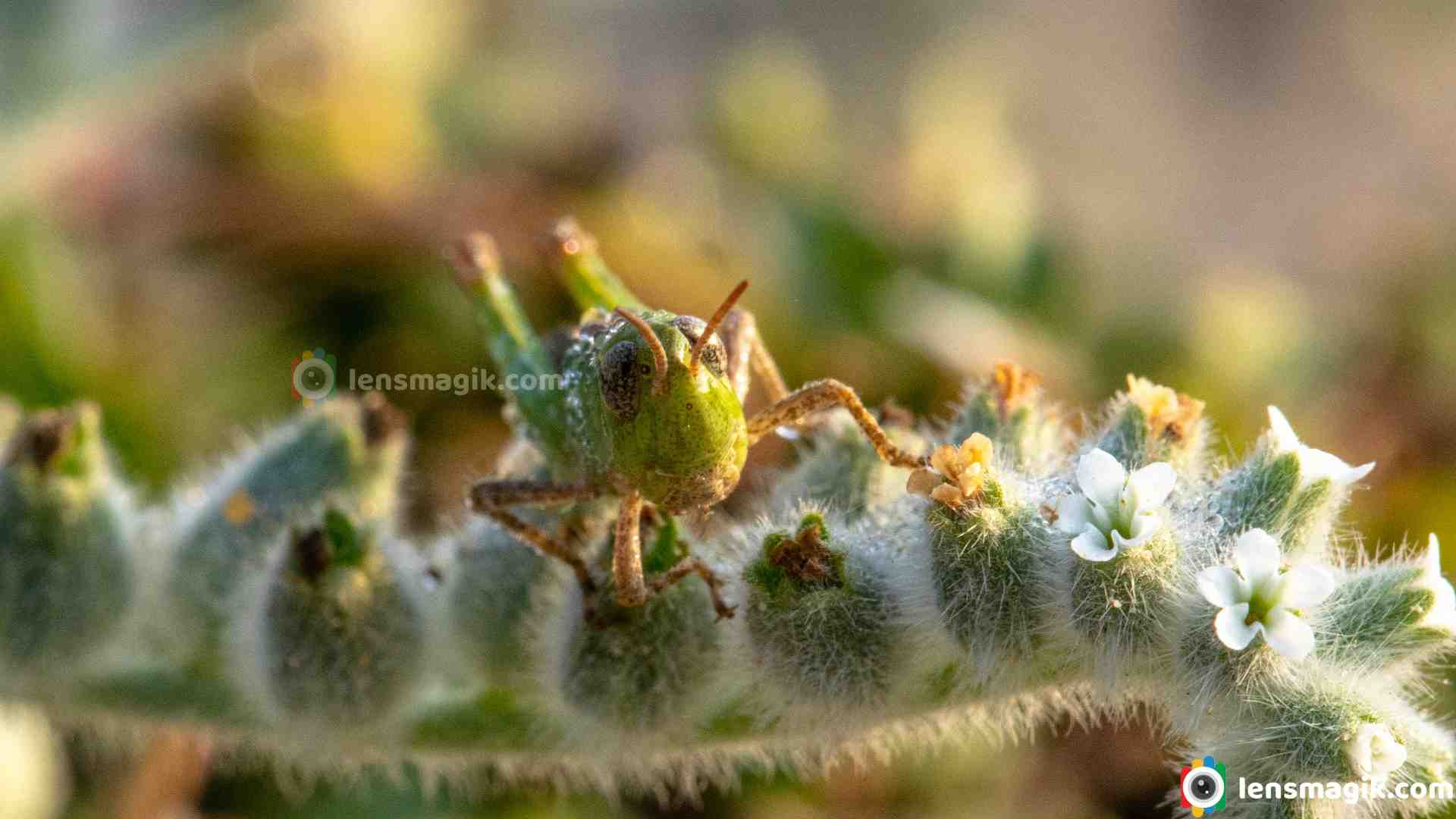
Characteristics and interesting facts about Grasshopper :
- Size of grasshopper is vary depend on spices. Generally they are 1cm to 7 cm in length.
- Grasshoppers are wide in color range. They are green, olive grey, yellow and many dark colors depending on spices. Their color helps them for camouflage from other preys.
- Grasshoppers have two pairs of wings. One pair for flight and one pair for protection.
- Grasshoppers eat plants and grass. Some grasshoppers can eat insects too.
- They lay eggs in soil for reproduction.
- Grasshopper can jump from distance with hind legs which helps them escape from predators.
- In some condition grasshopper spices can undergo transformation becoming Locusts. Locusts from massive swarms can damage crops.
- Grasshopper have long evolutionary history millions of year ago.
- In the world there are many parts where grasshoppers are served and eaten as a food.
- Grasshopper ears are located on abdomen.
- A grasshopper can survive 5-10 days without food.
- A Locust swarms can fly over 1000 meters at night.
- A grasshopper can standing long jump up to 1 meter and rising to height up to 25 cm maximum.
- Grasshopper have total 5 eyes. 2 compound eyes which allow to see everywhere around him and 3 simple eyes which detect light and dark.
- You can use garlic spray, hot pepper spray, boric acid spray for get rid on grasshopper.
- Grasshopper produce sound with their hind legs against their wings. This creates chirping and scratching sound which helps grasshopper to communicate with each other.
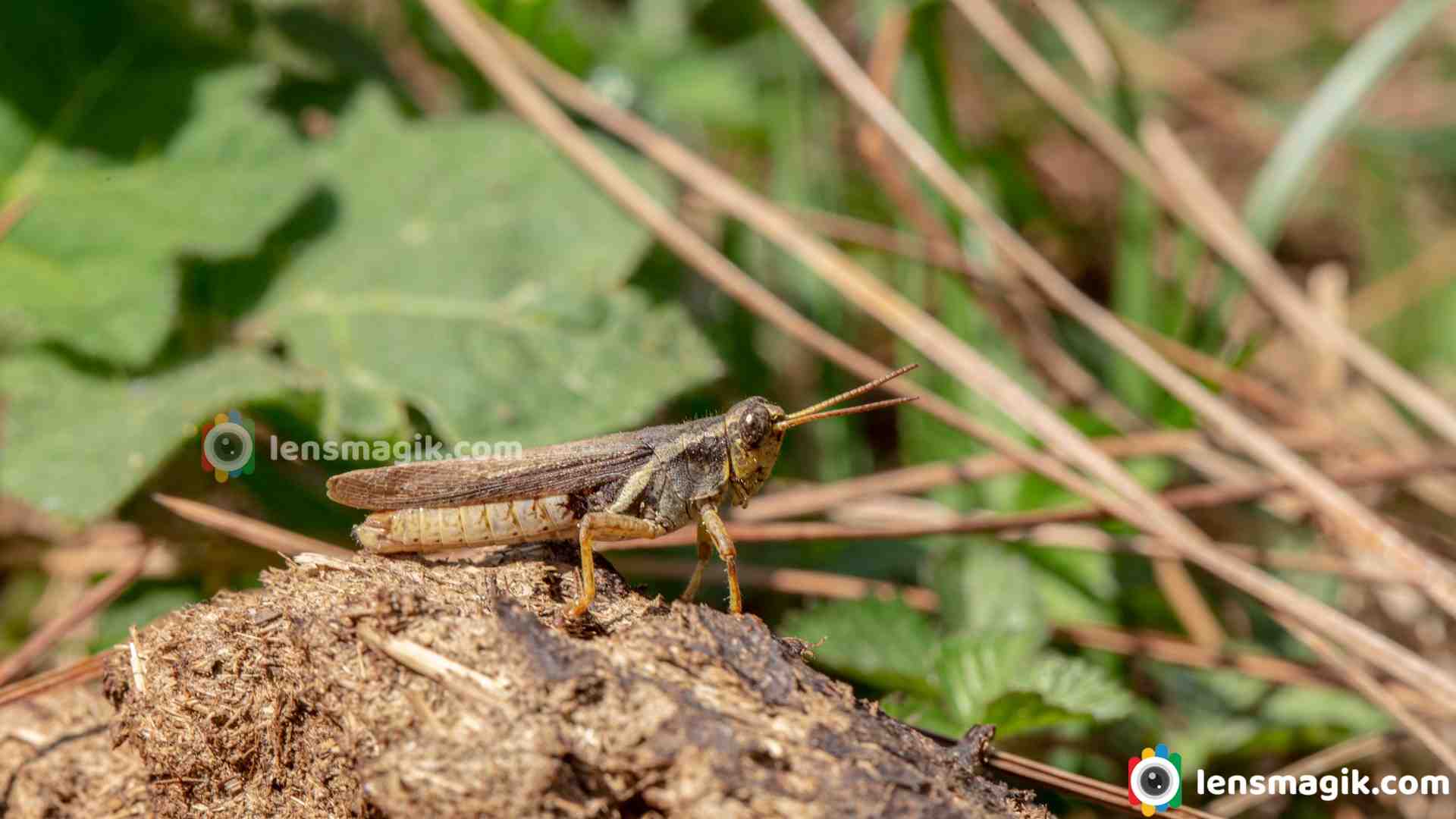
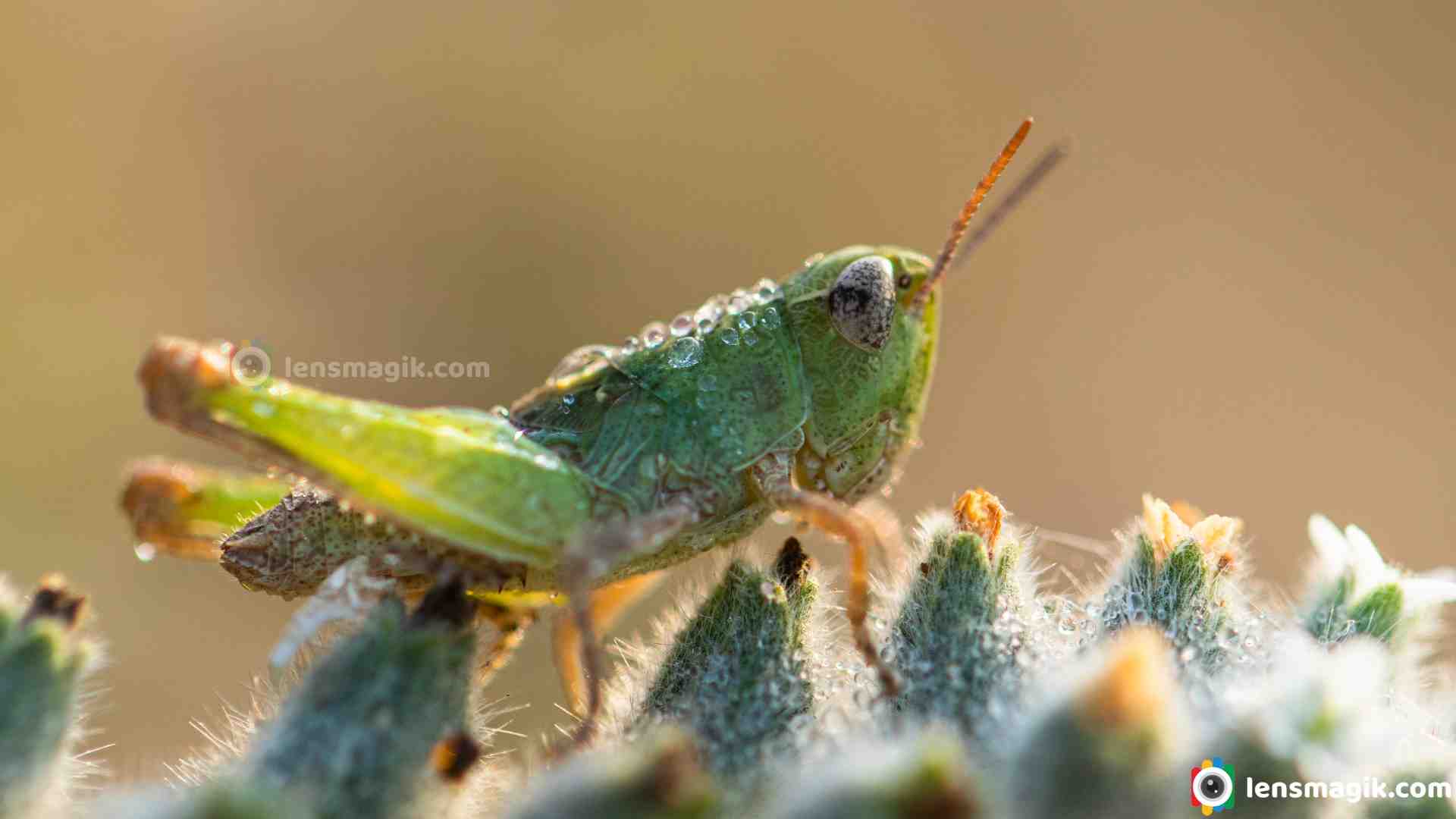
Life Cycle of Grasshopper :
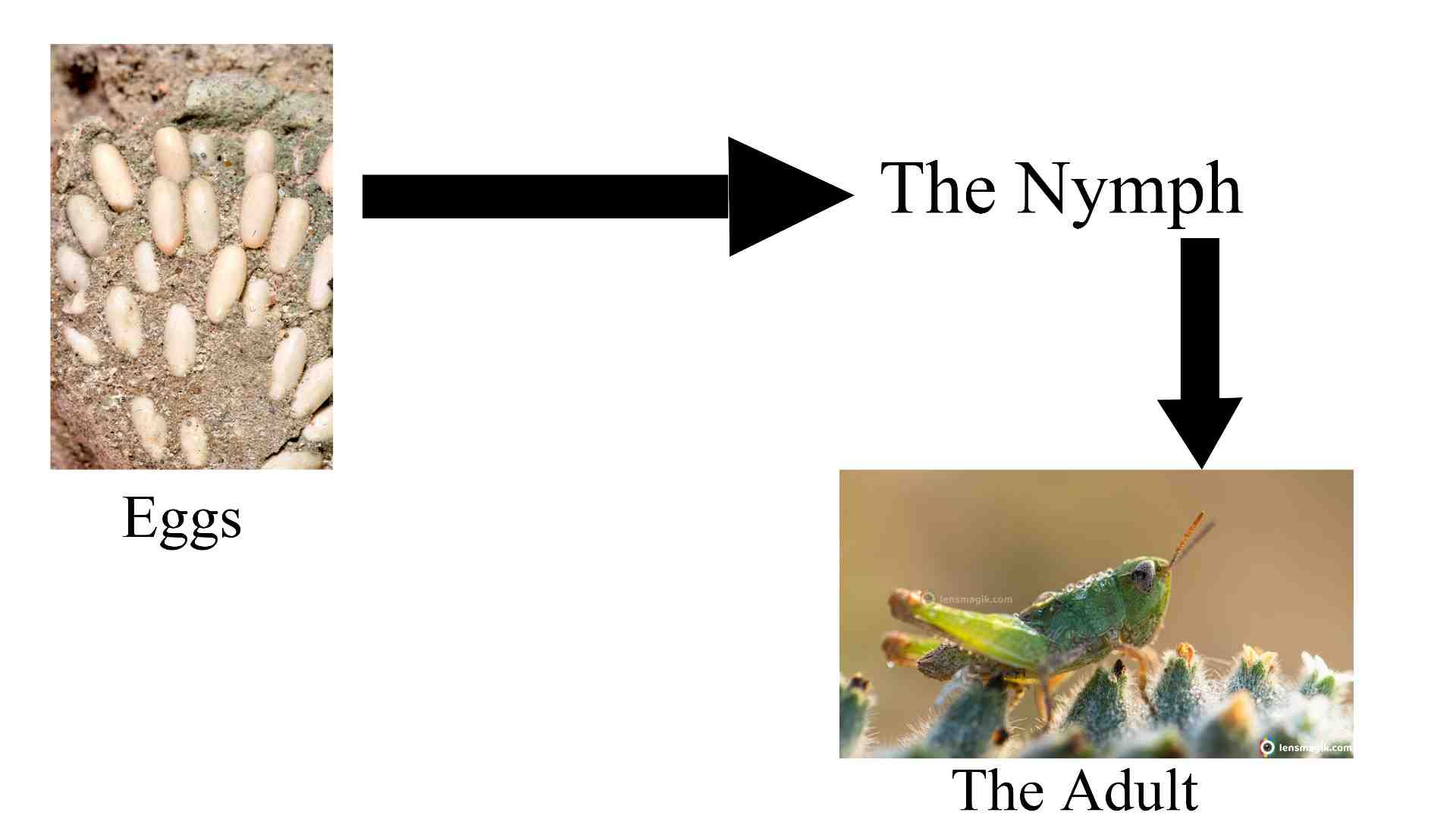
Grasshoppers are hemimetabolous insects. So their life cycle consists of three stages. The Nymph reaches the adult stage in 5-6 weeks. And the Adult can live 2-3 months. A female grasshopper can lay around 300 eggs in soil.
The Eggs ----------> The Nymph ----------> The Adult
Below Eggs image is taken from https://www.nationalparkstraveler.org/2024/01/fossilized-grasshopper-eggs-found-john-day-fossil-beds-national-monument
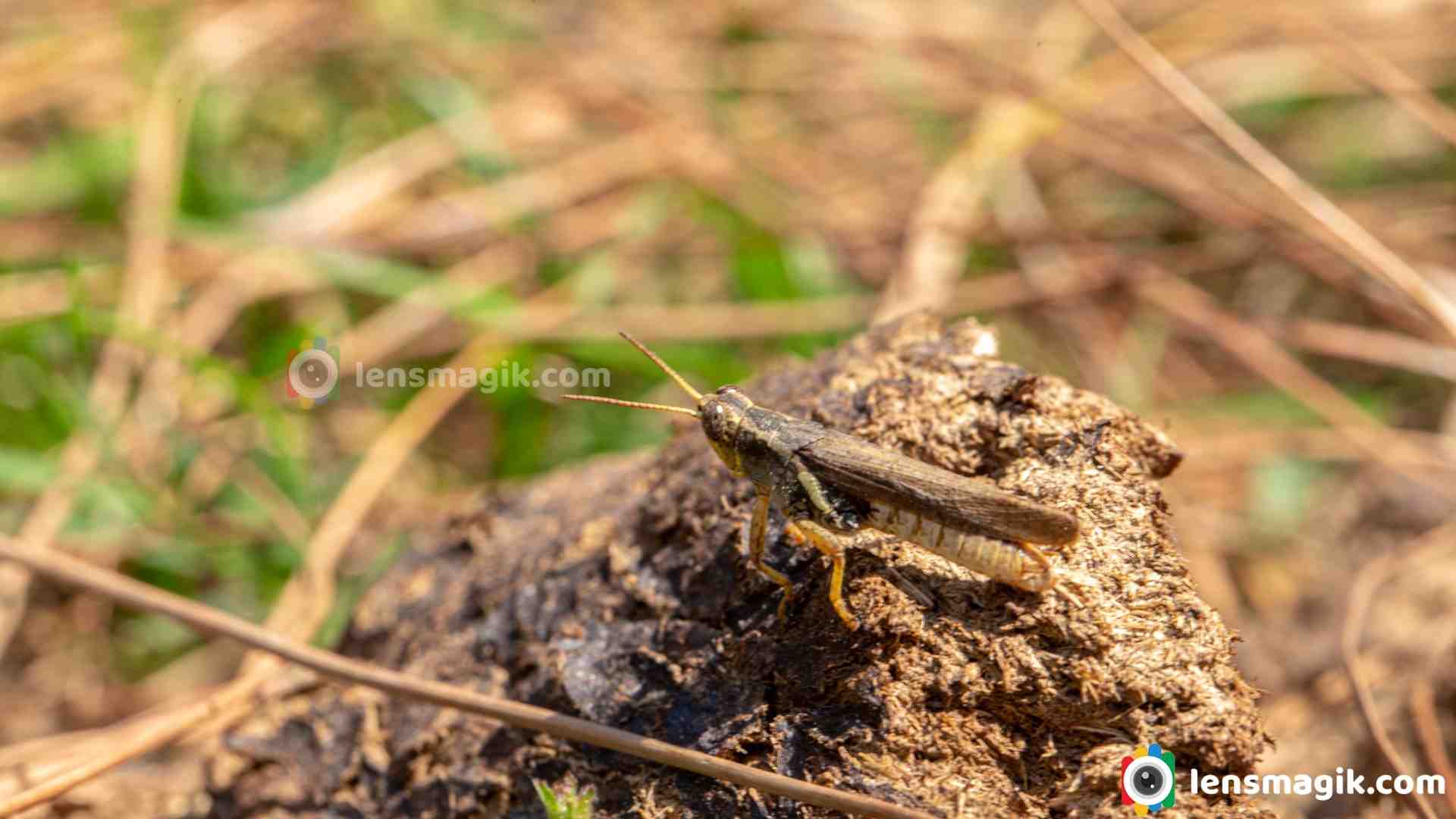
Grasshoppers are most ancient group of chewing of herbivorous insects. Grasshoppers are food of many essential creatures like Lizards, Birds, Spiders and many more. Without numbers of grasshopper these animals are foodless. Grasshopper can destroy your crops and garden. Grasshopper usually don't bite humans but some large swarms if they feel unsafe then bite. Grasshoppers are not poisonous so even they bite they are not harmful to humans. Total lifespan of Grasshopper is around 12 months from egg to the adult. Grasshopper playing important role for nutrient cycle and serving as food supply for wildlife.
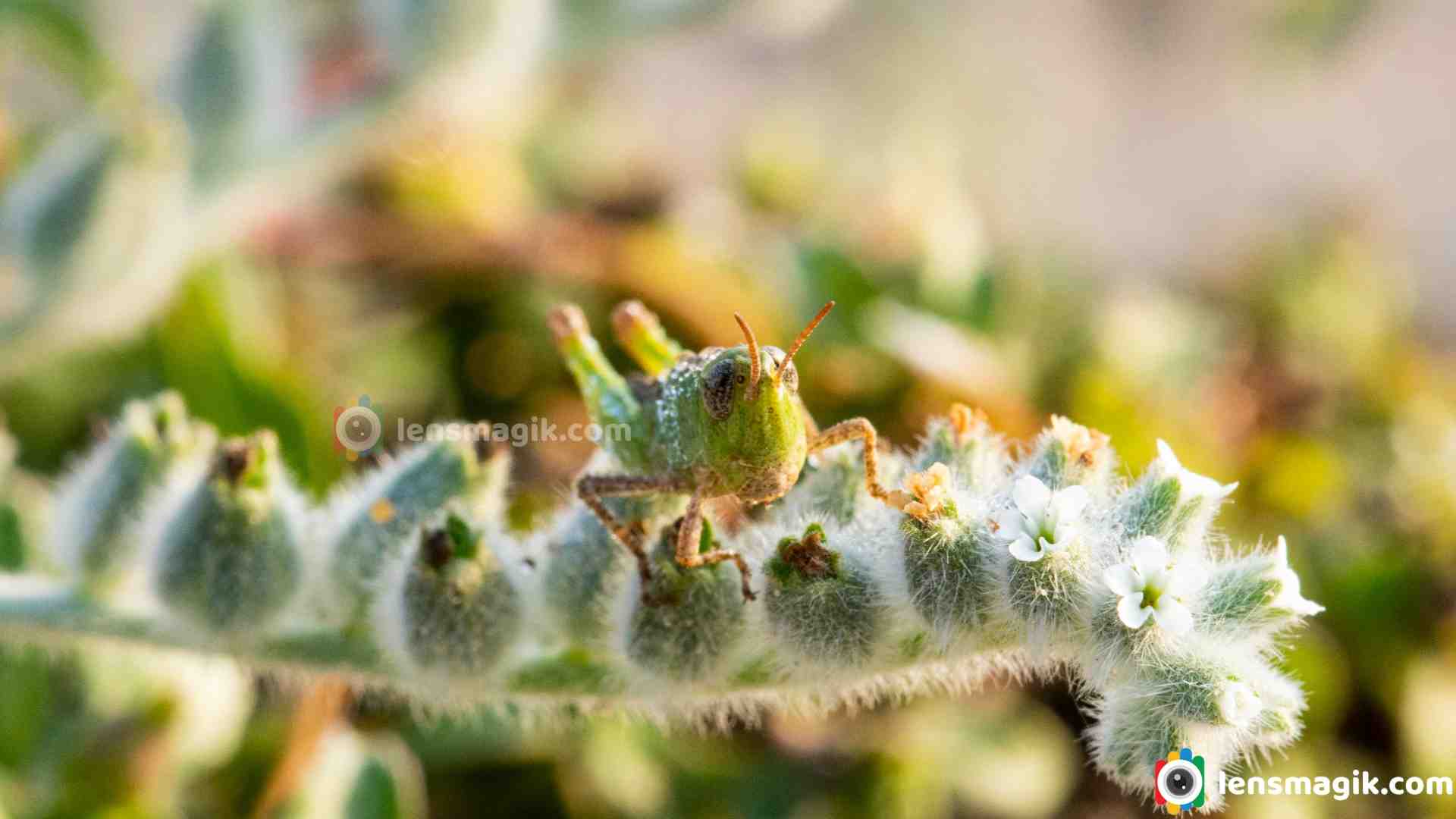
In South Mexico grasshoppers known as chapulines and used in food as variety of dishes. Grasshopper also eaten in China, Indonesia and Uganda.
Location of Photographs : Little Rann of Kutch in Gujarat
Gear Used : Canon 80D, Canon 6D, Canon 100 mm macro lens
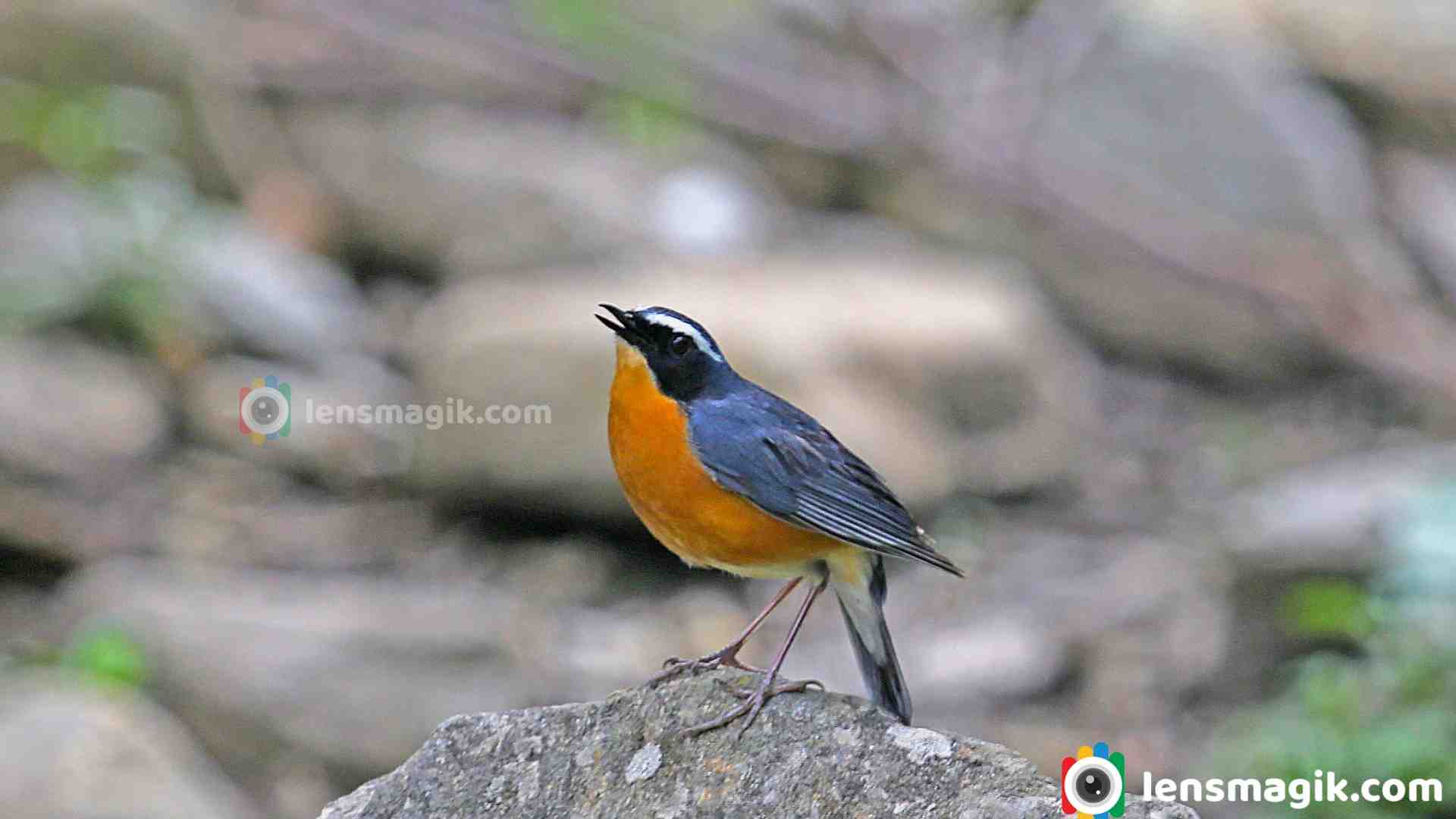
Indian Blue Robin is a small bird found in India. It is formerly consider a thrush and now consider as one of the Old World Flycatchers. It was known as Indian Blue Chat. It is generally found in India, Nepal, Bangladesh and Myanmar. During winter they found in Western Ghat and Shri Lanka too. Indian Blue Robin is known for its striking appearance and behavior. Scientific name of Indian Blue Robin is Larvivora Brunnea. I found Indian Blue Robin during my trek to Har Ki Dun in Uttarakhand India.
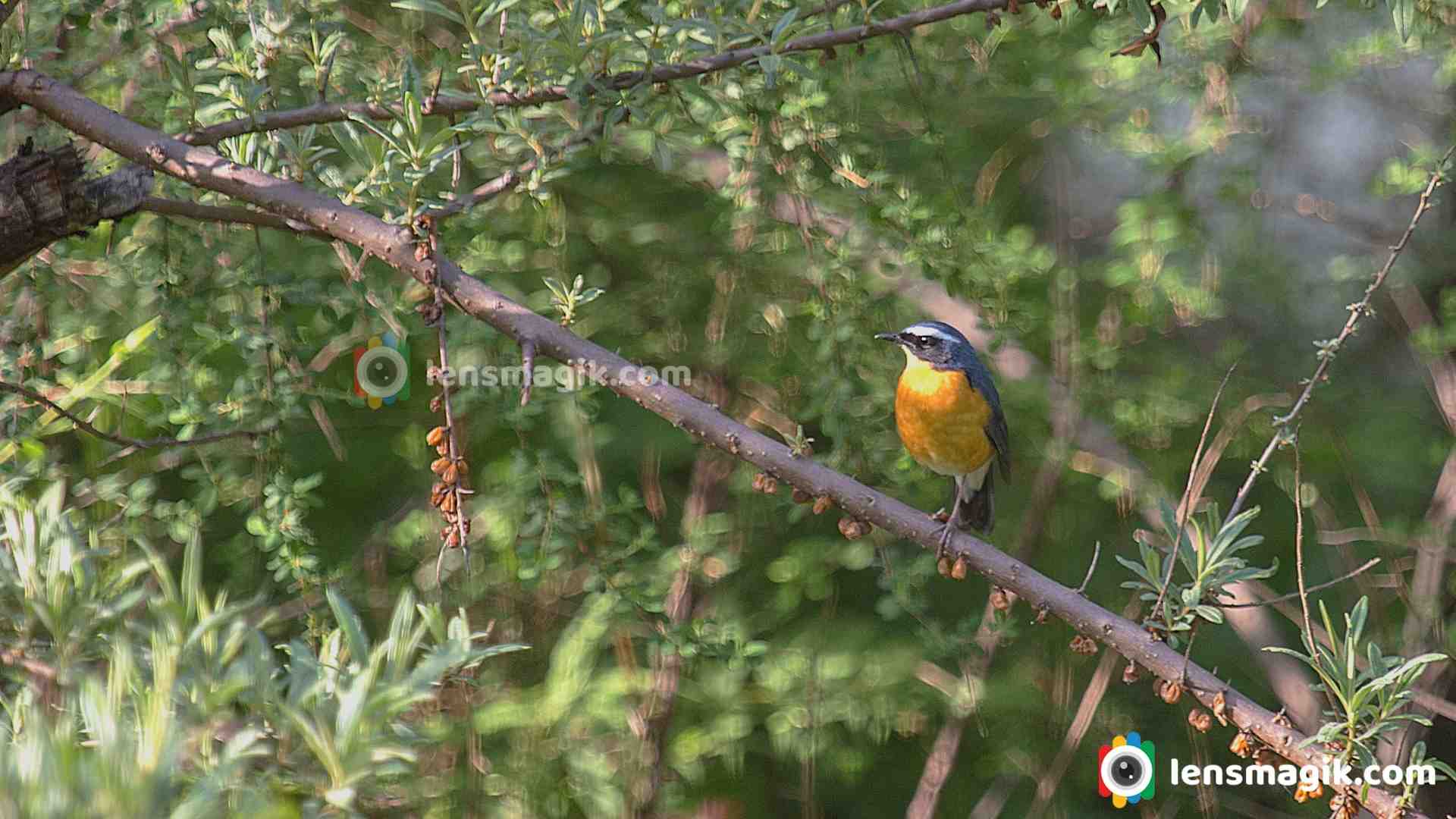
Facts and Description of Indian Blue Robin :
- Indian Blue Robin is smaller in size and also similar to Bluethroat. Its length is around 15 cm long.
- Male Indian Blue Robin has blue in color and its underparts and rufous are orange. White Strip on its eye which contrasting with black mask around its eye.
- Female Indian Blue Robin are less colorful , It has olive brown underparts and buff colored underside. They have light eye ring and rufescent rump.
- Indian Blue Robin generally found in dark forest .
- They are known for being shy birds.
- Their diet mainly on Insects.
- They breed in Himalayan forests also in Nepal, China , Bangladesh and Myanmar.
- They are migratory birds because they spend winter in Himalayas and Western Ghats and Shri Lanka.
- They migrate in may to breeding forest and lands and leave in September and migrate towards south in August.
- During breeding season they sing sudden and sharp series of whistles ending in rapid series of notes.
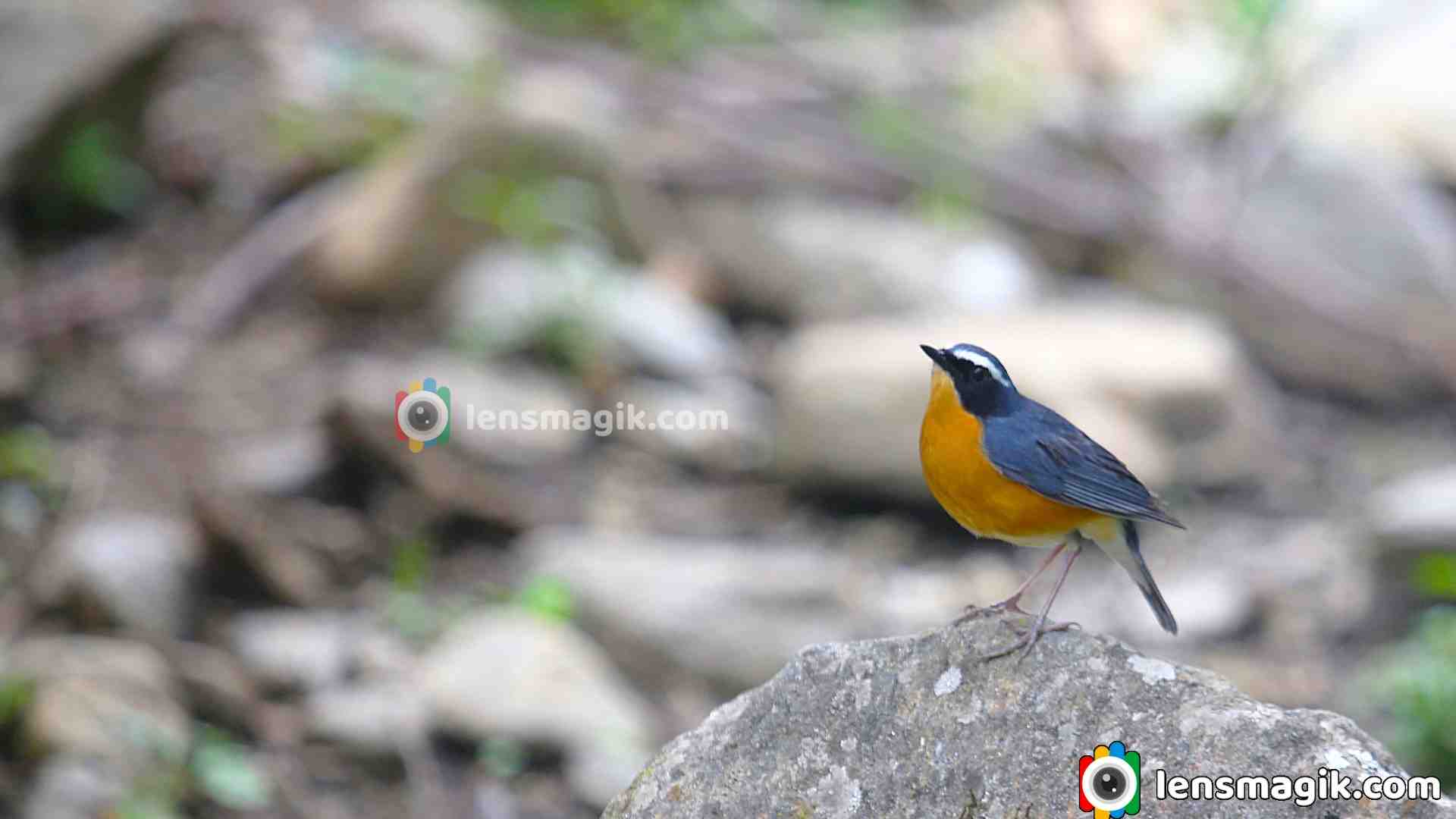
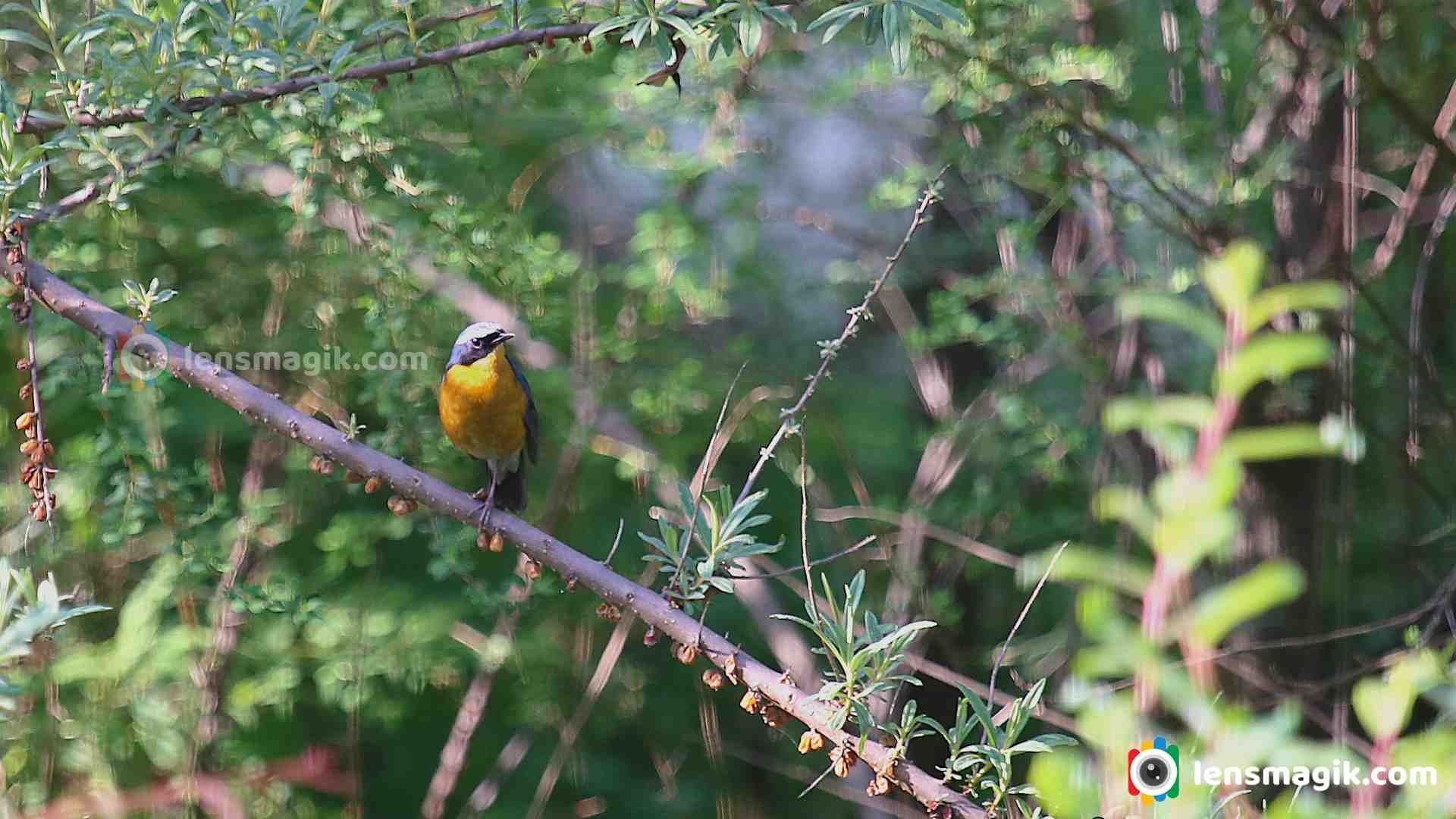
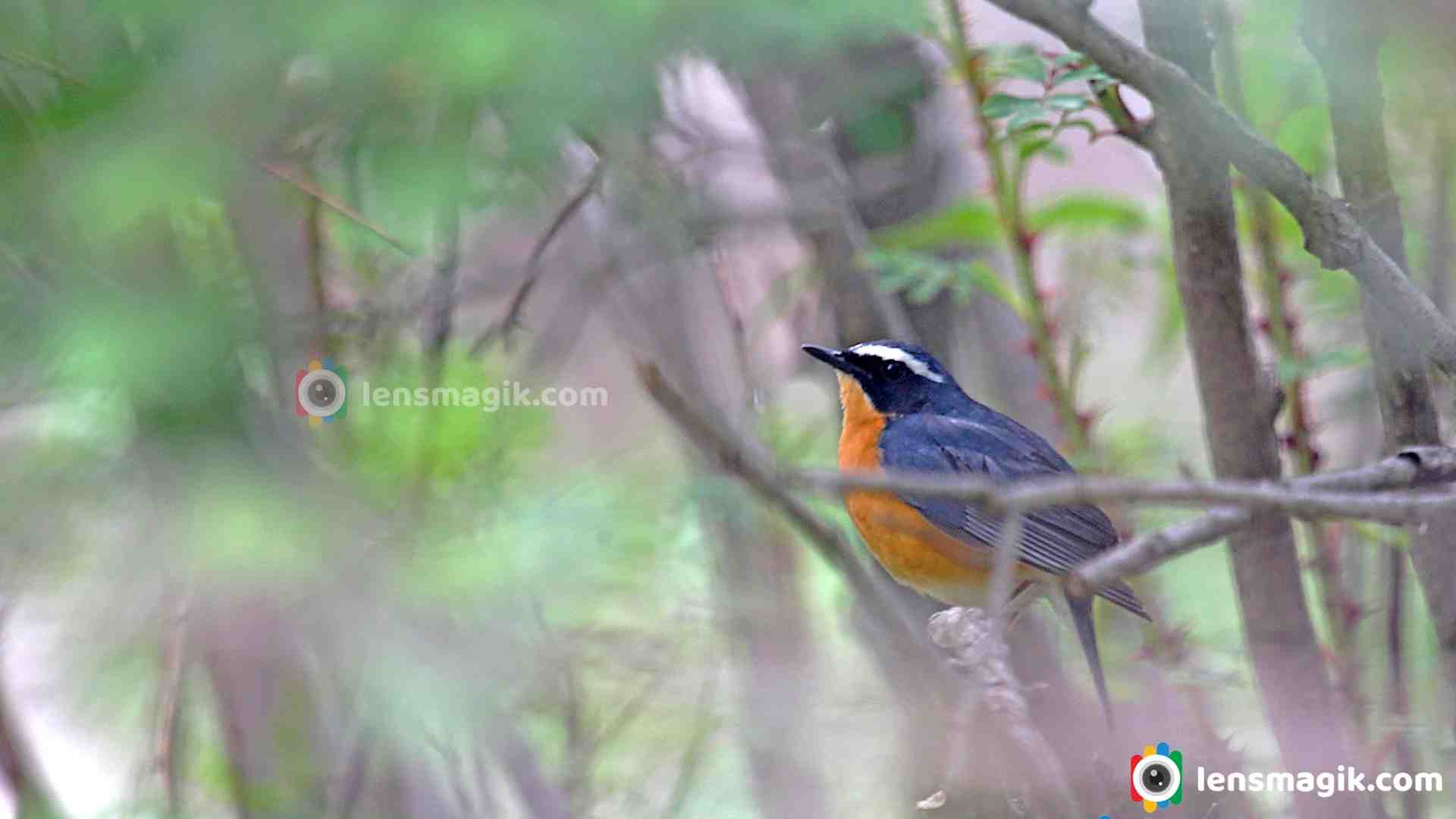
Indian Blue Robin generally found in dark and dense forests of Himalayas. They also migrate from Himalayas to Western Ghats and Shri Lanka in August after breeding season. Indian Blue Robin bird is very attractive to watch due to its color combinations. I found it at Har Ki Dun Trek in Uttarakhand and have a good shot of it. Call of Indian Blue Robin is very impressive to listen. During Har Ki Dun trek i found more than 25 spices of different birds and i must say Uttarakhand is heaven for birding.
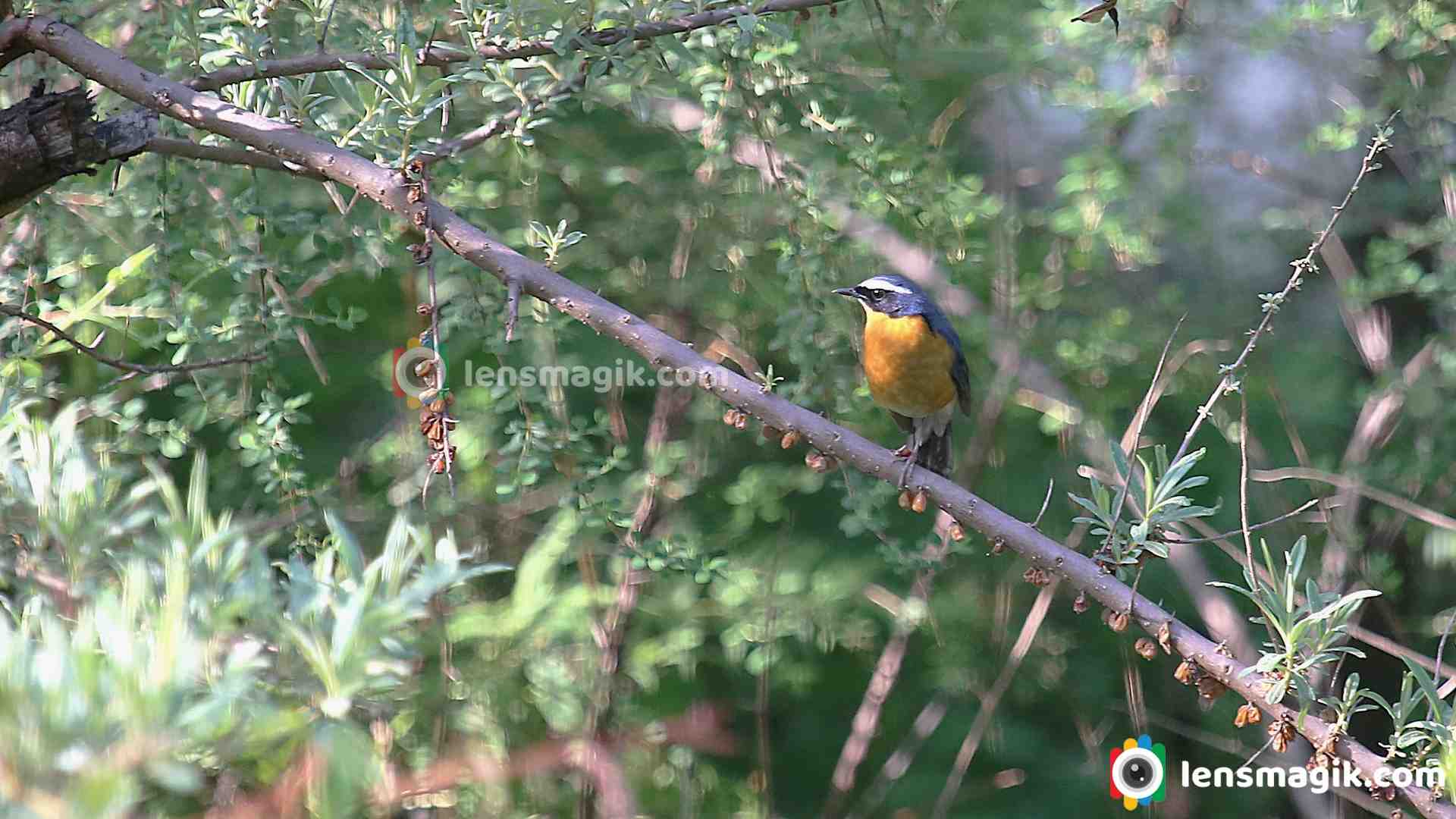
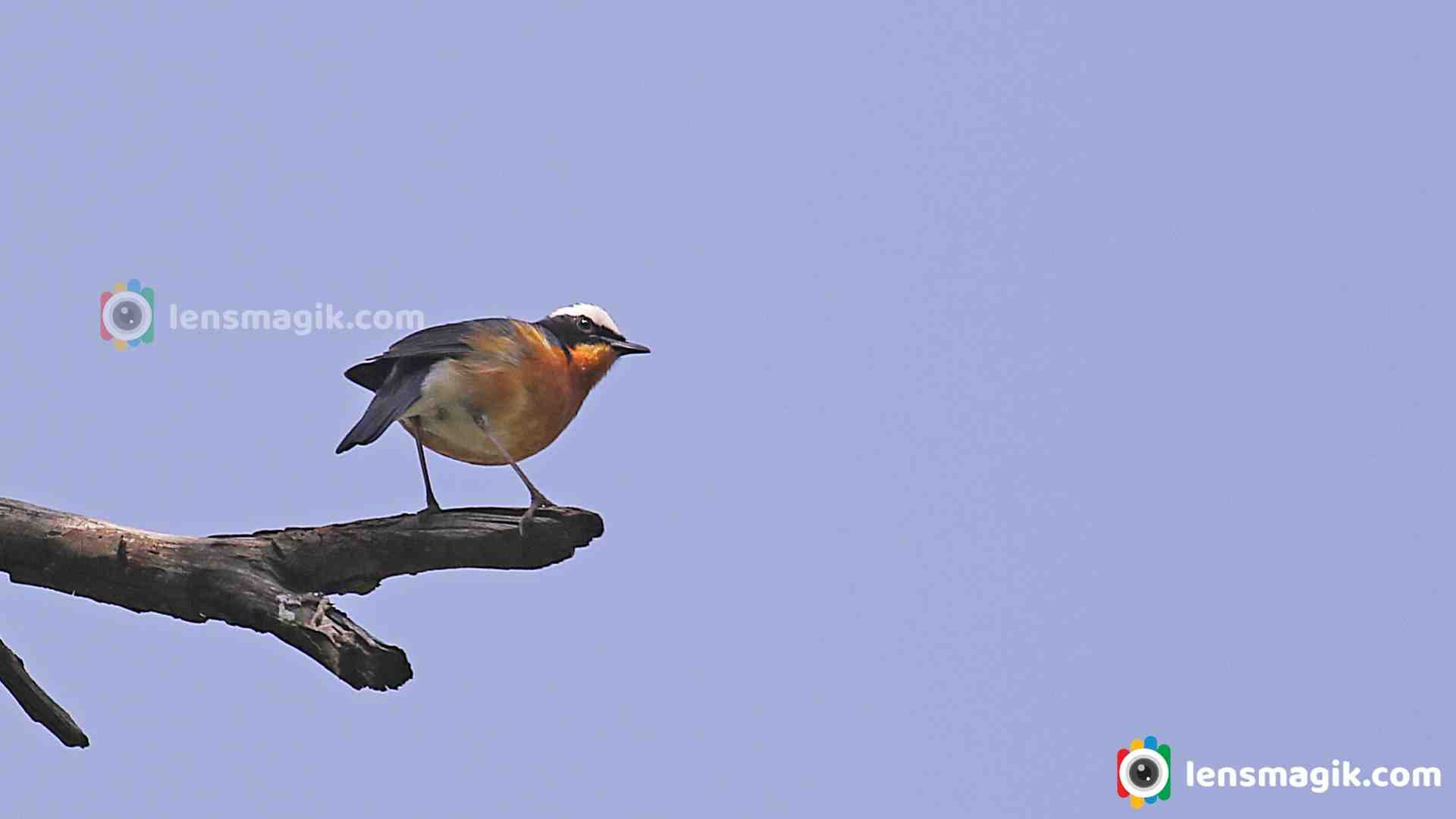

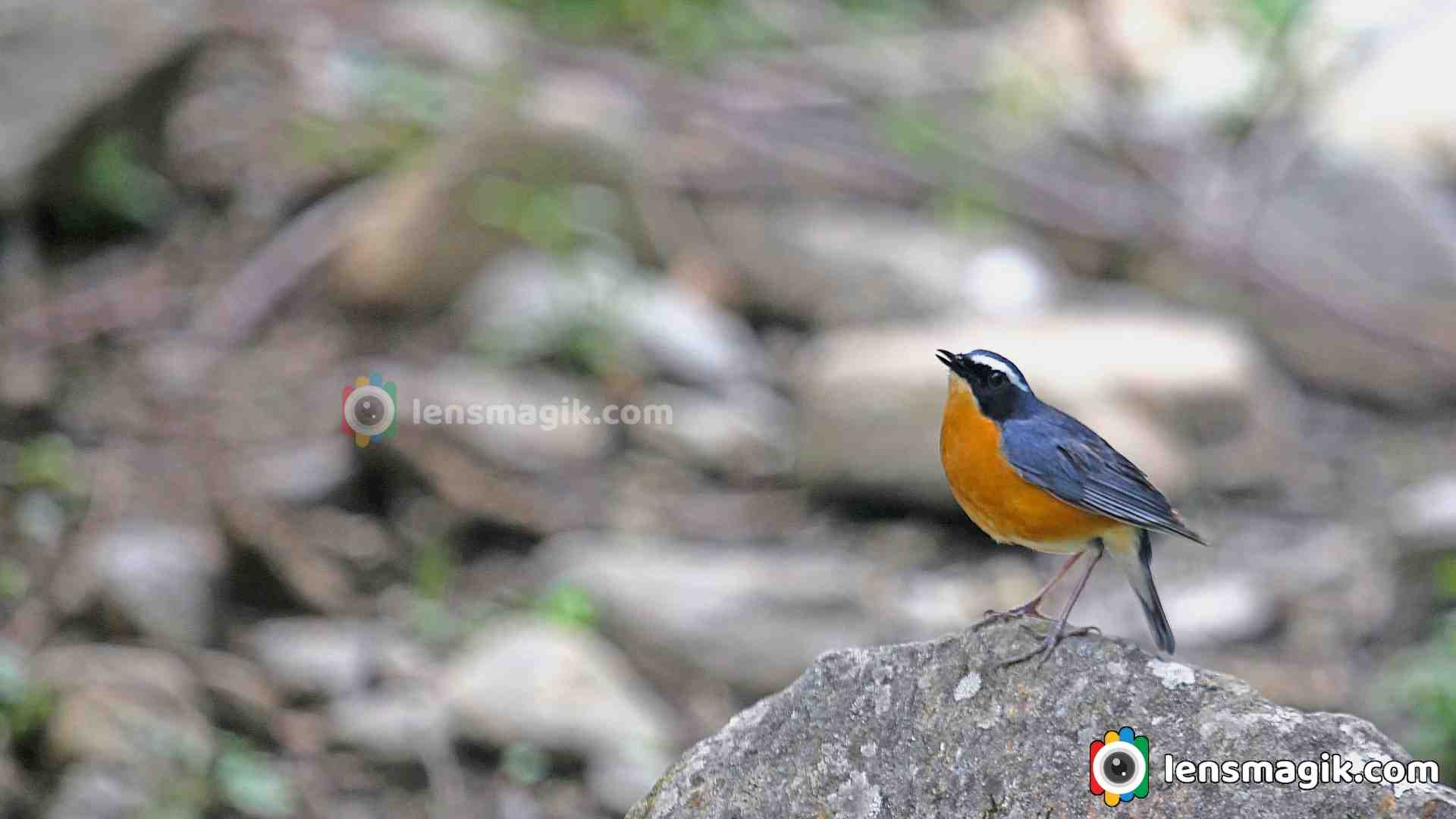
Gear Used : Canon 6D, Canon 80D, Canon 100-400 mm lens
Location : Middle of Sankri to Har Ki Dun trek in Uttarakhand
Read more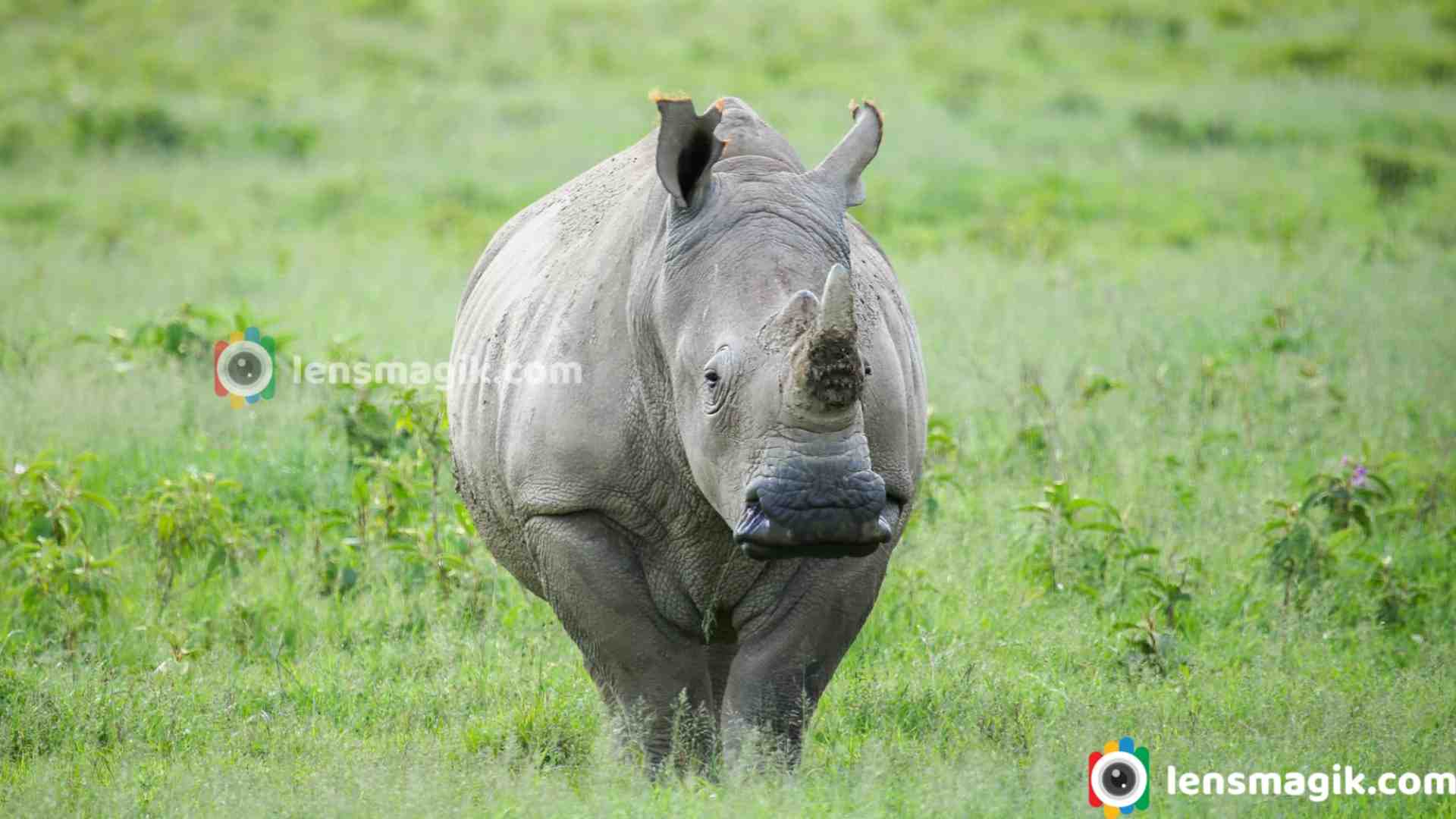
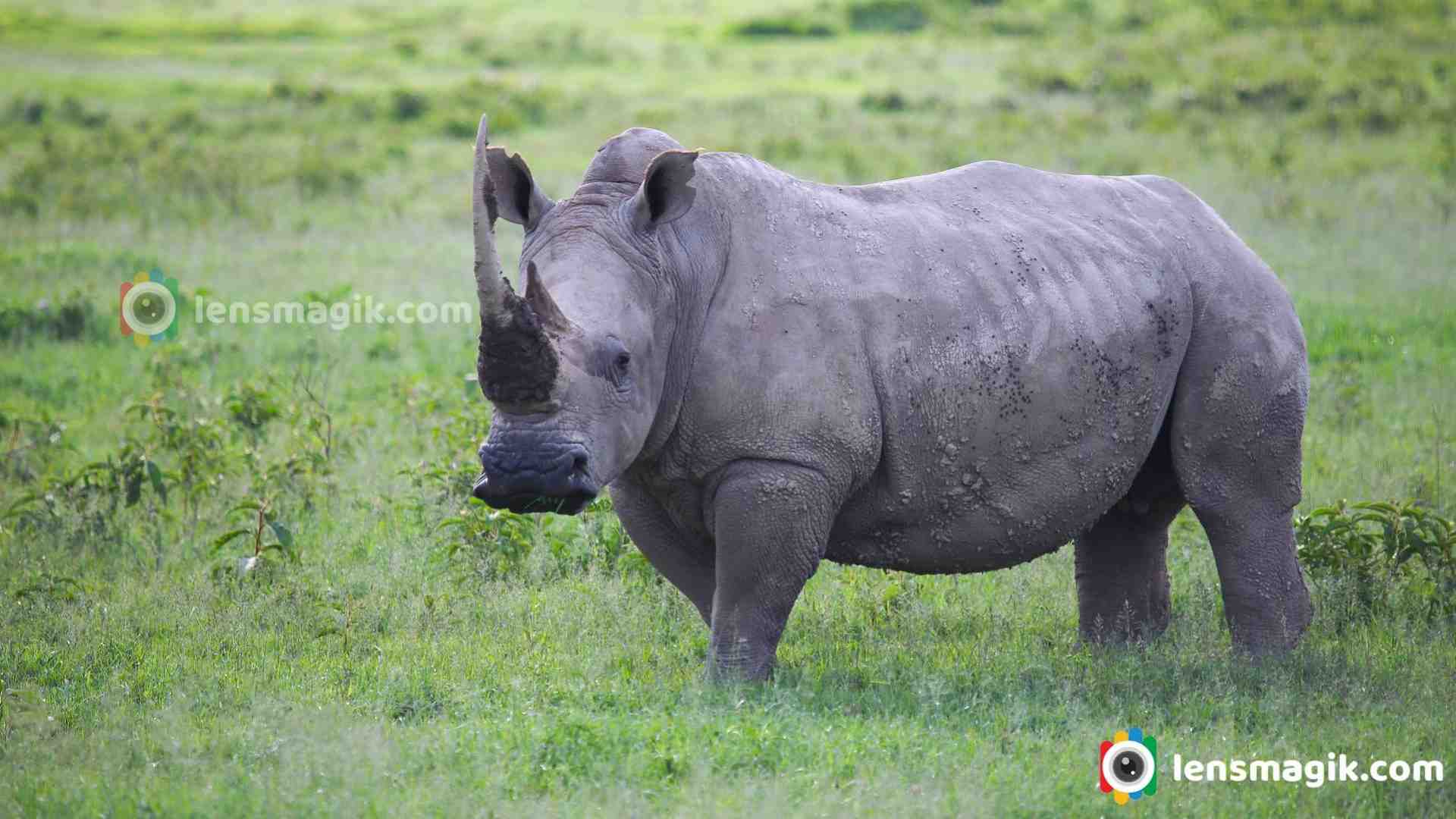
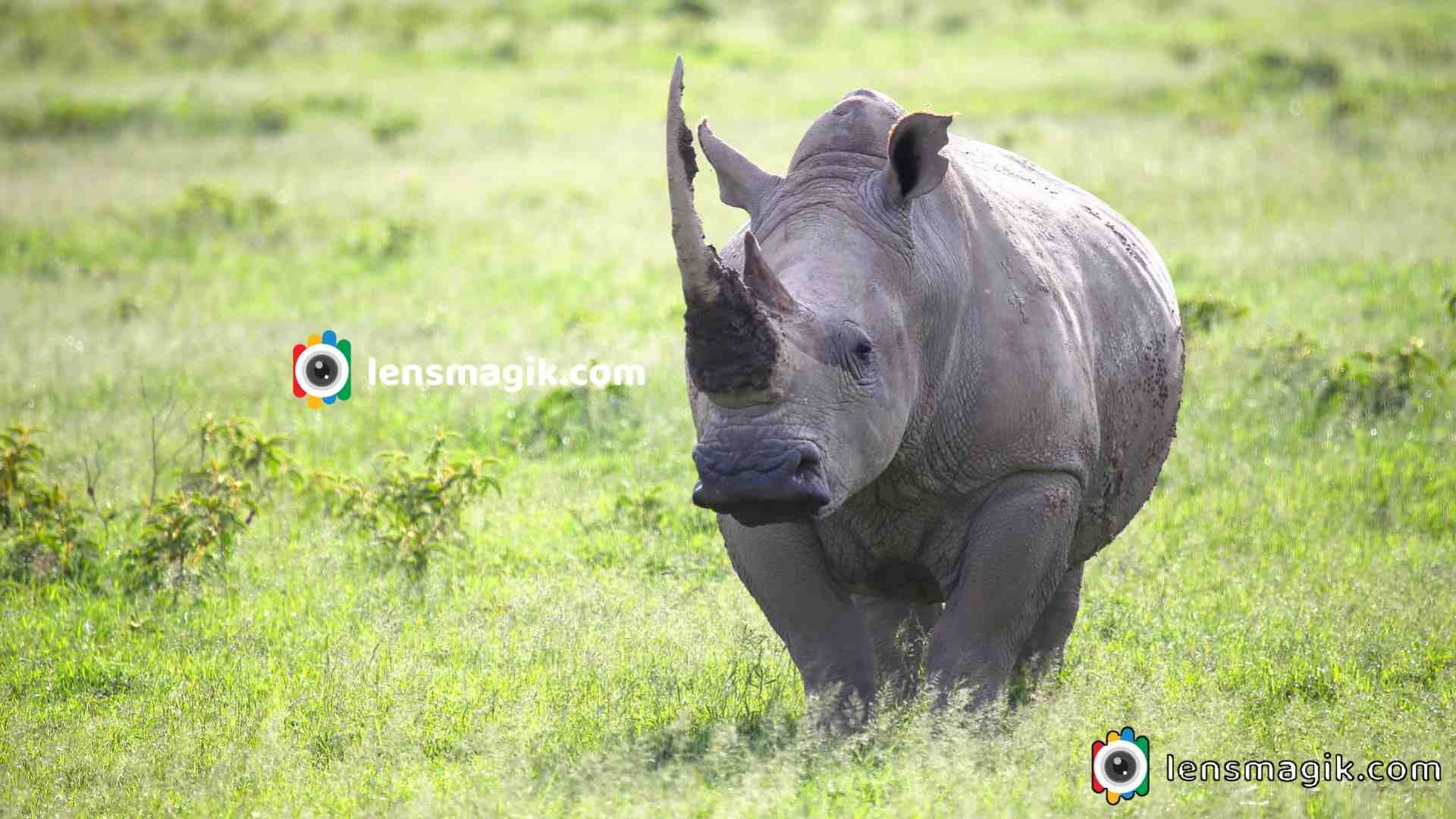
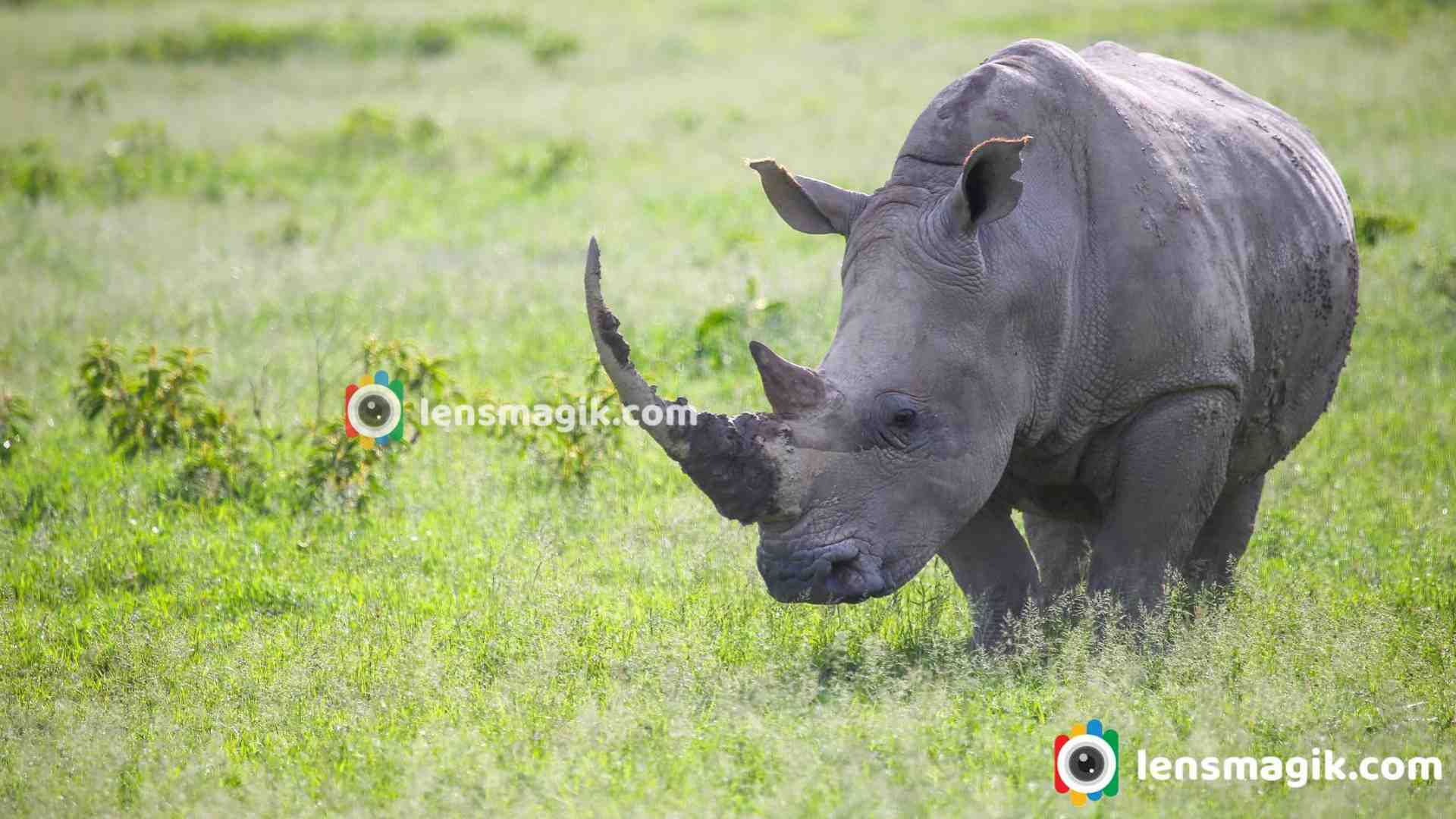
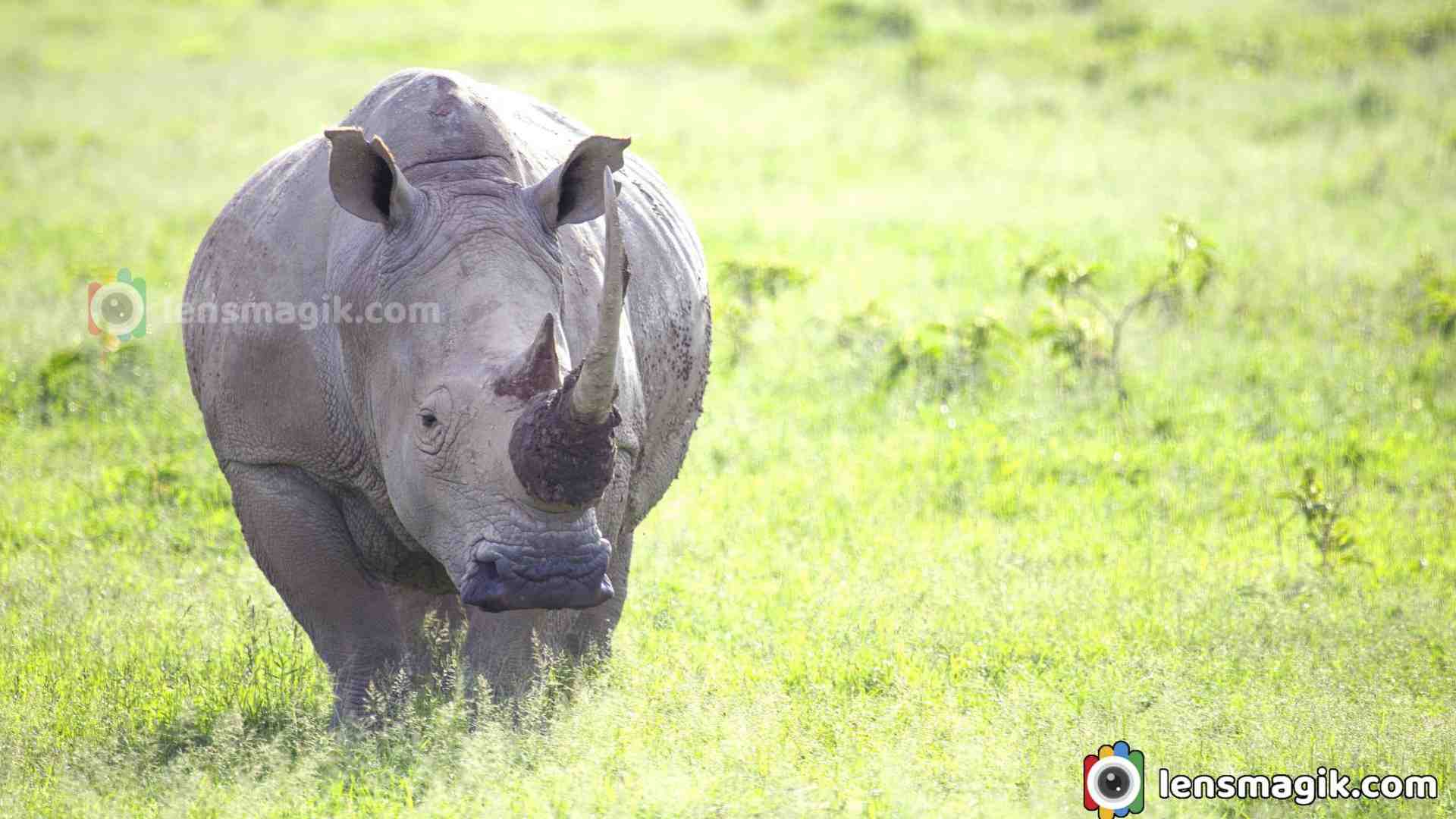
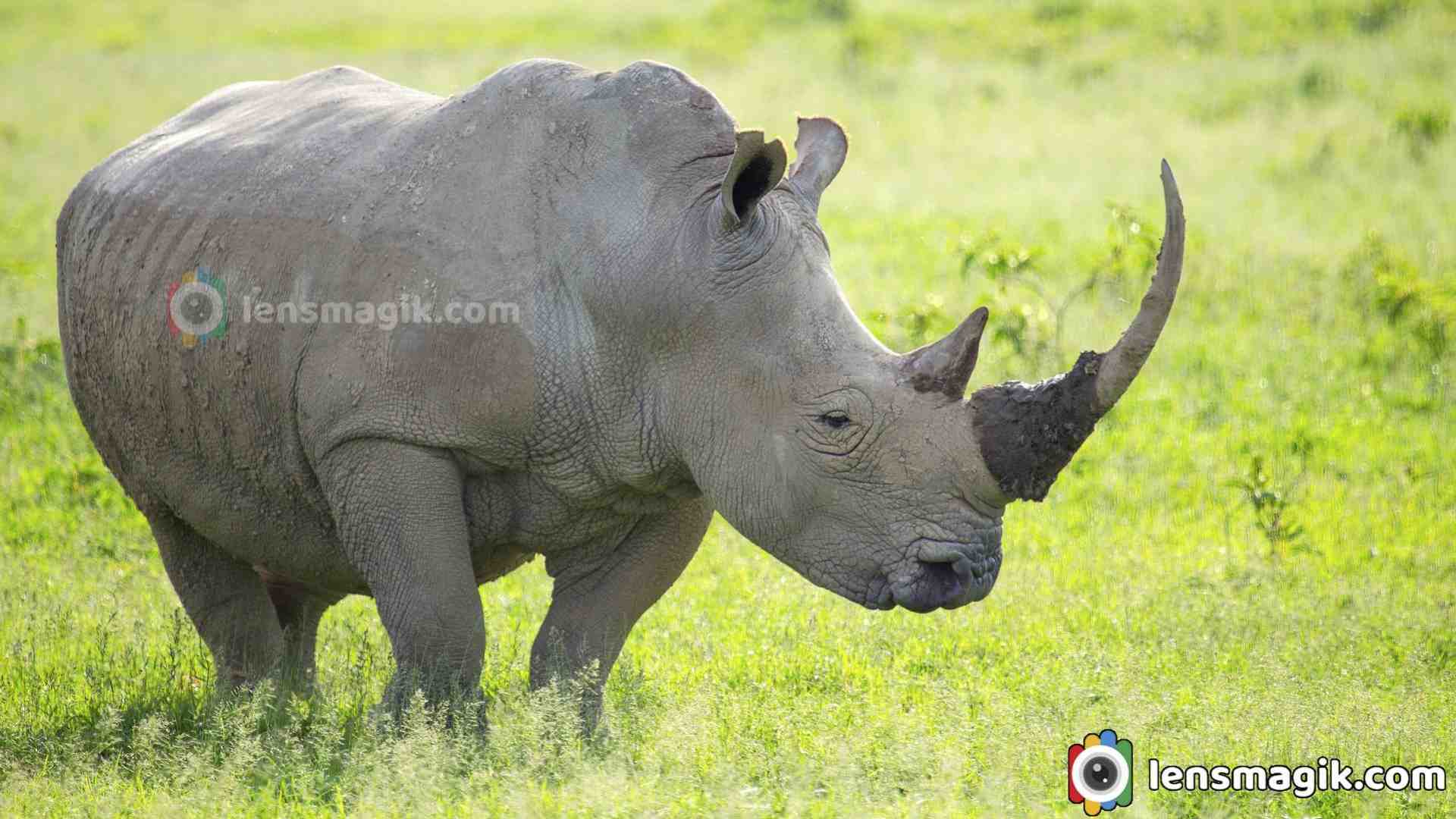
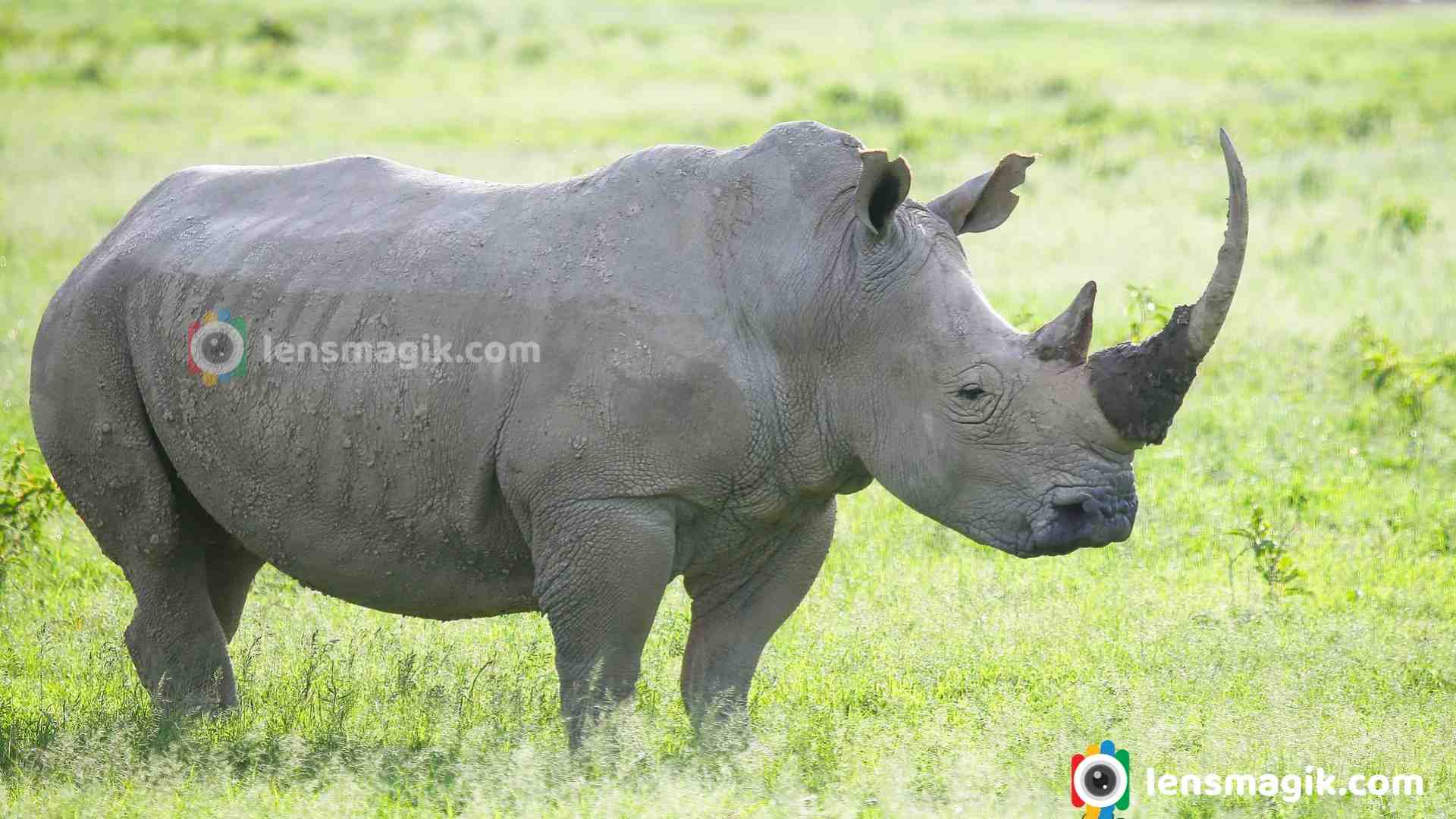
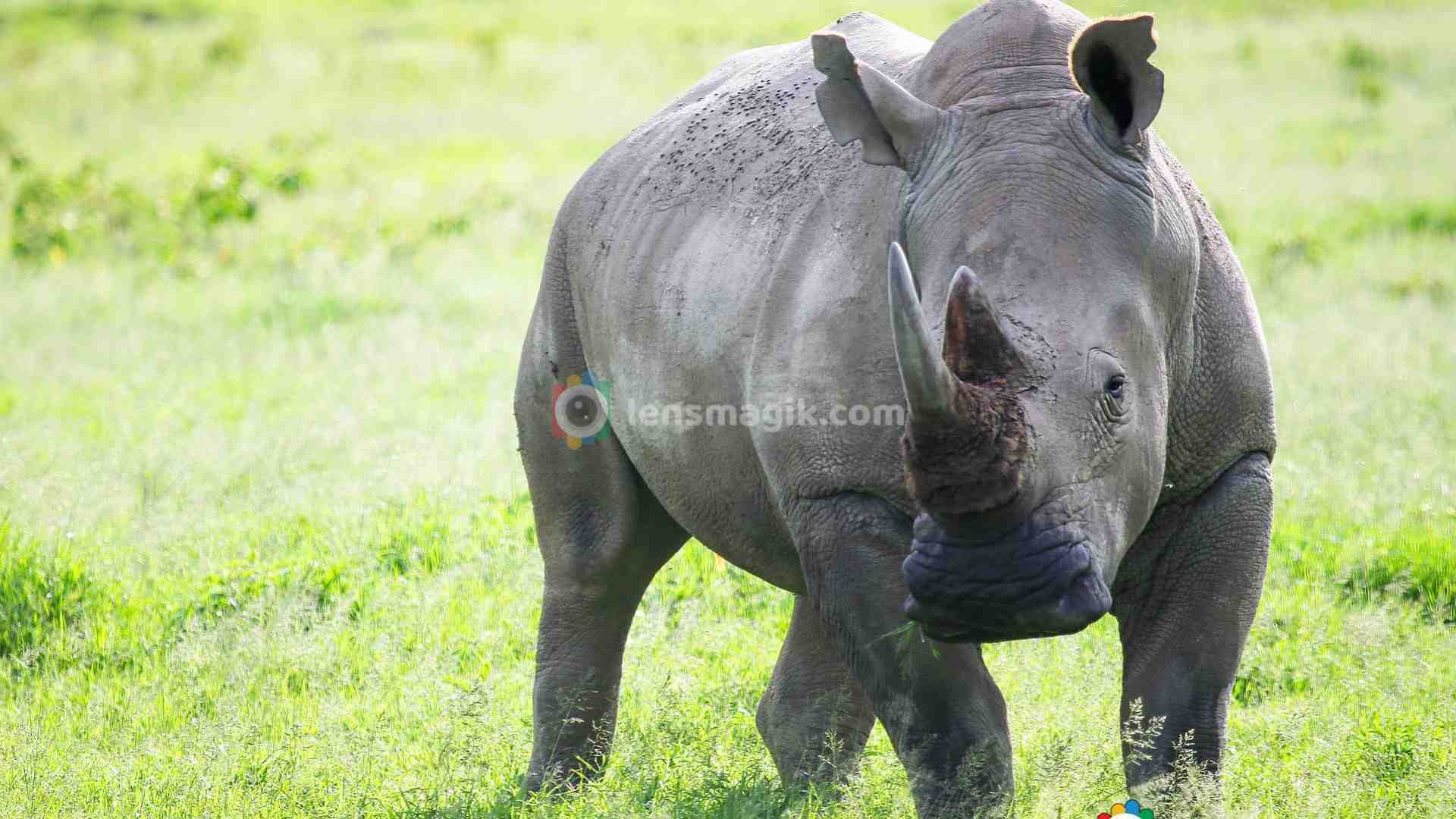
The Black Rhinoceros is also known as Hook-lipped Rhinoceros. Black Rhinoceros generally found at Eastern Africa and Southern Africa and Botswana, Kenya , Namibia, Tanzania, South Africa, Zambia and Zimbabwe. Actually its color is not pure black but brown to grey so it is known as Black Rhinoceros. Black Rhinoceros is the only extant spices of genus Diceros. African Black Rhinoceros is critically Endangered spices in IUCN list which is native eastern and south Africa.
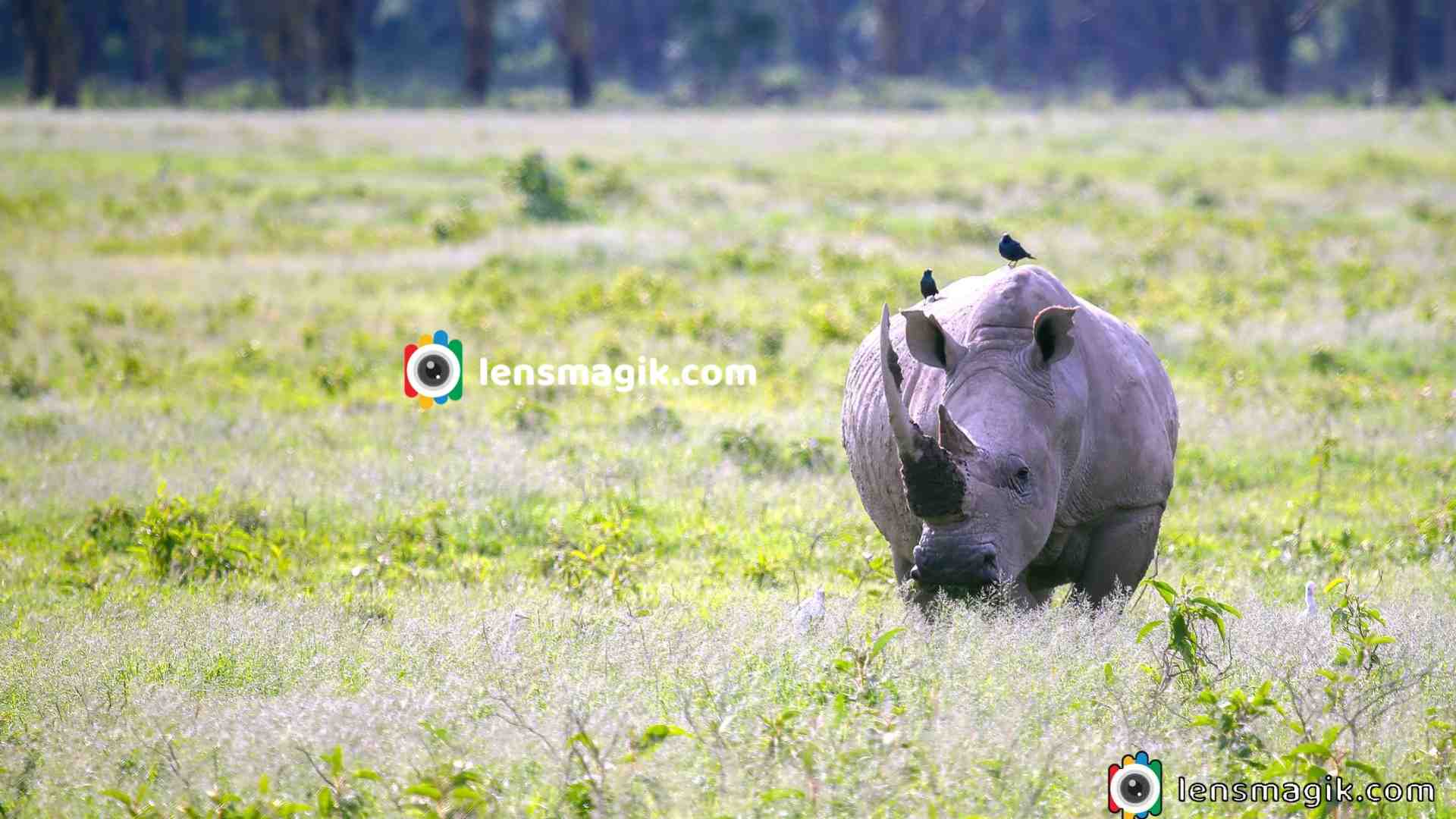
Subspices of Black Rhinoceros :
- Southern Black Rhinoceros
- North-Eastern Black Rhinoceros
- Chobe Black Rhinoceros
- Uganda Black Rhinoceros
- Western Black Rhinoceros
- Eastern Black Rhinoceros
- South-Central Black Rhinoceros
- South-Western Black Rhinoceros
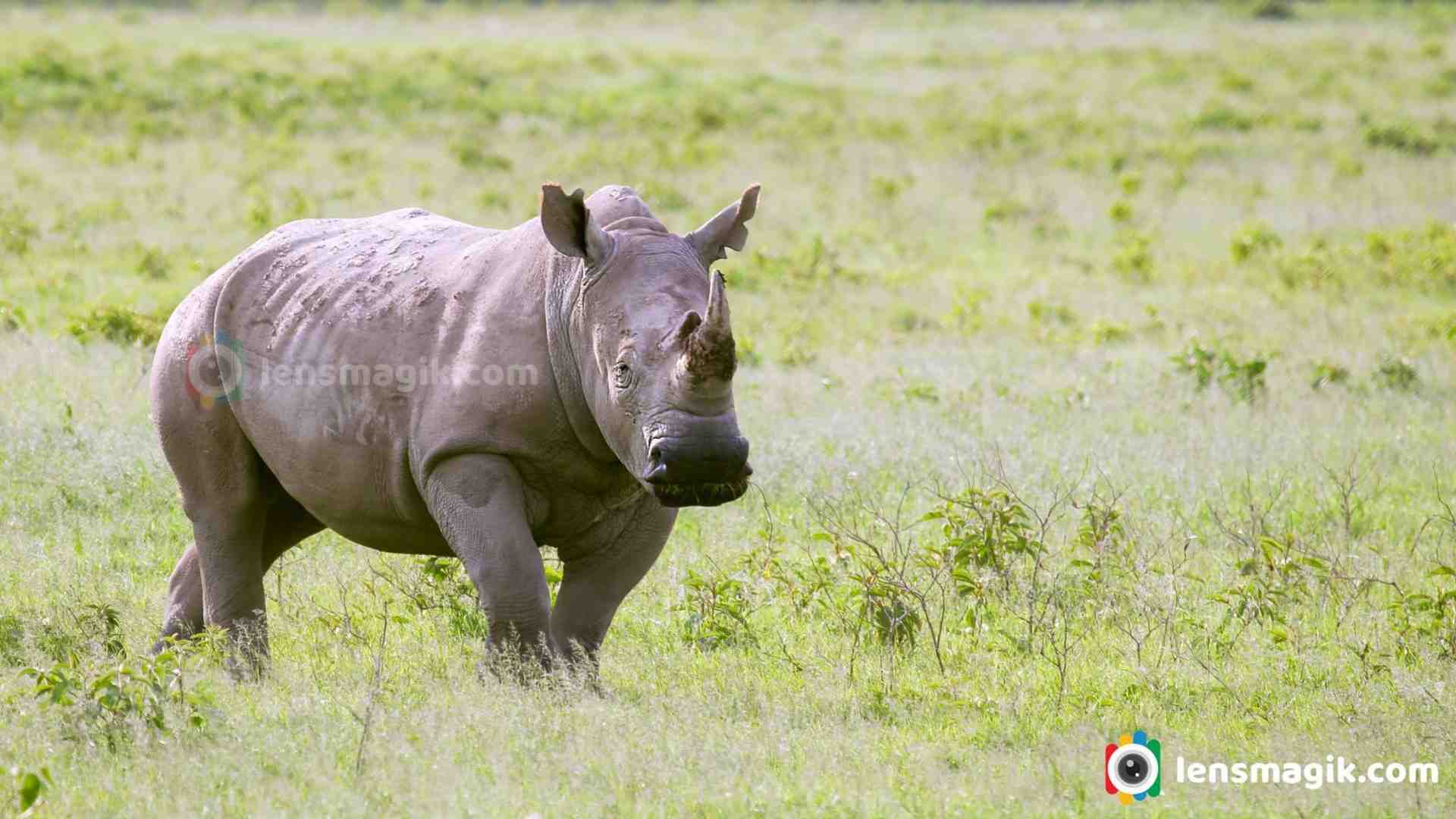
Things to Know About Black Rhinoceros :
- Black Rhinoceros is little smaller than White Rhinoceros. Male Rhinoceros weight around 800 - 1350 kgs and female Rhinoceros weight around 550-950 kgs.
- Color of Black Rhinoceros is dark grey.
- They have 2 horns which is made of keratin. Front horn is longer than back horn.
- They are herbivorous so they eat generally shrubs and trees.
- Black Rhino are solitary animal. They are generally not harmful. But mother with calves can be dangerous. Also they are aggressive while threatened.
- Black Rhinoceros is the only extant spices in genus Diceros.
- Their horns are not attached to skull. Once horn broken then it will grow again.
- Black Rhinoceros have prehensile upper lip which is very helpful to reach food.
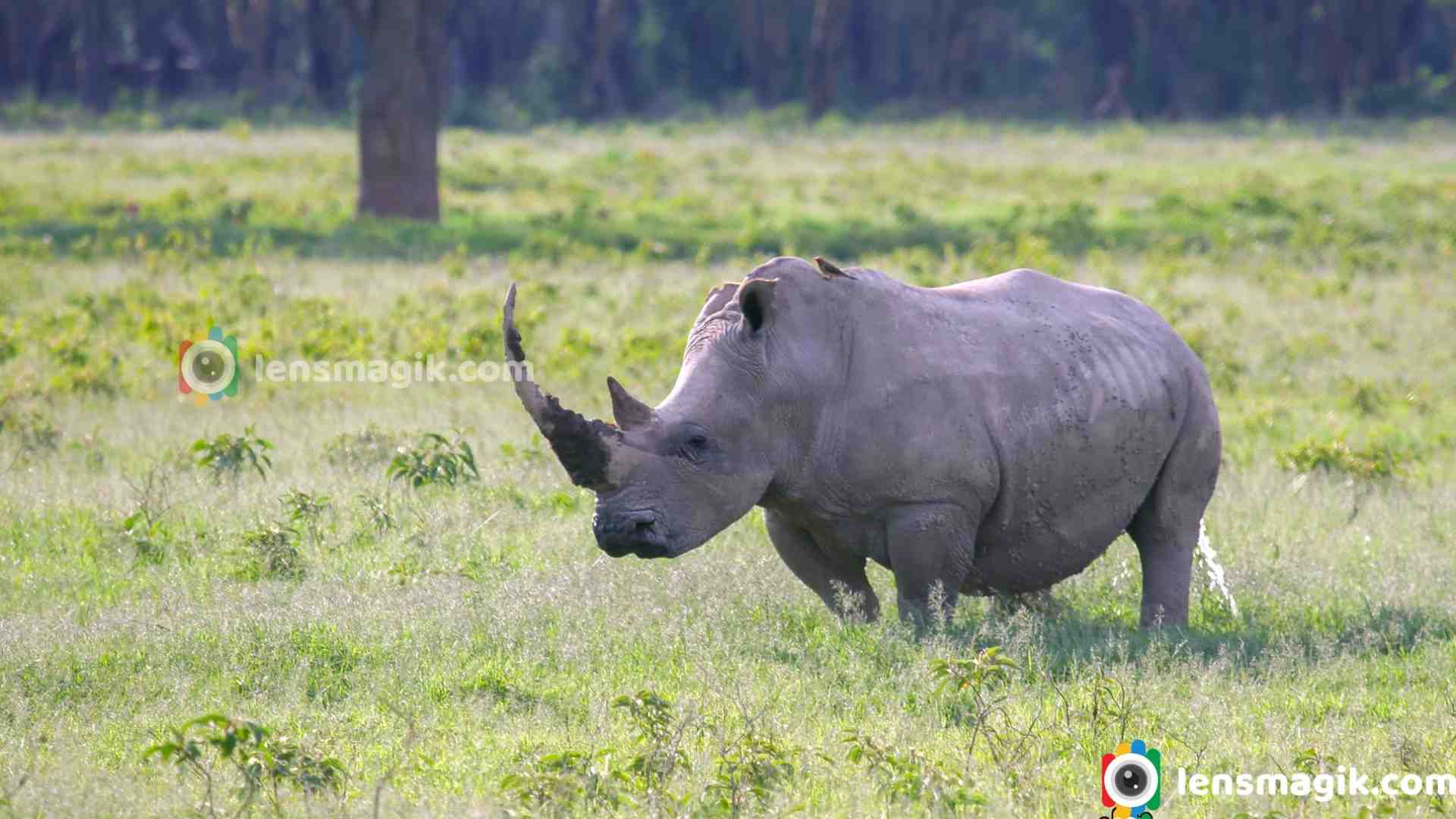
Treats and Conservation Efforts :
- Rhino's horn are most expensive and highly valuable in traditional Asian Market. Black Rhino is poaching for their horns mainly.
- They loss their habitat due to development , human activities, agriculture developments etc. Due to these reasons their numbers are decreasing too.
- Arrange breeding programs for increasing Black Rhino populations.
- Create good environment for Black Rhino habitats and give more efforts for it.
- To protect from poachers many organizations are working and they regularly do Anti Poaching petrol and measures.
- As per reports of IUCN there are only 22,137 rhinos in Africa and among them 15,942 are White Rhinos and 6195 Black Rhinos.
- Black Rhinos are listed as Critically Endangered Spices in IUCN list
- Rhinos are one of Big Five African animals.
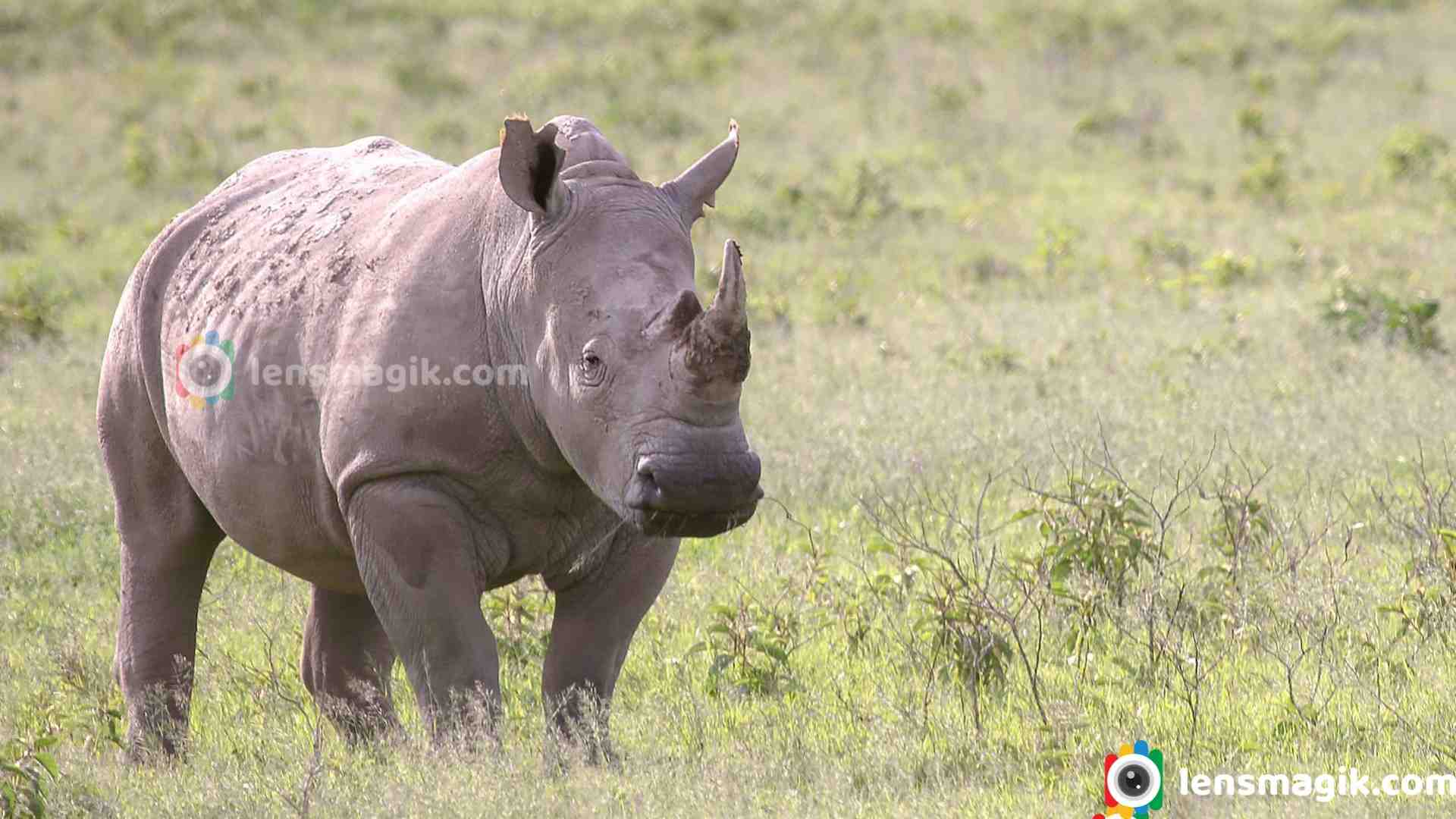
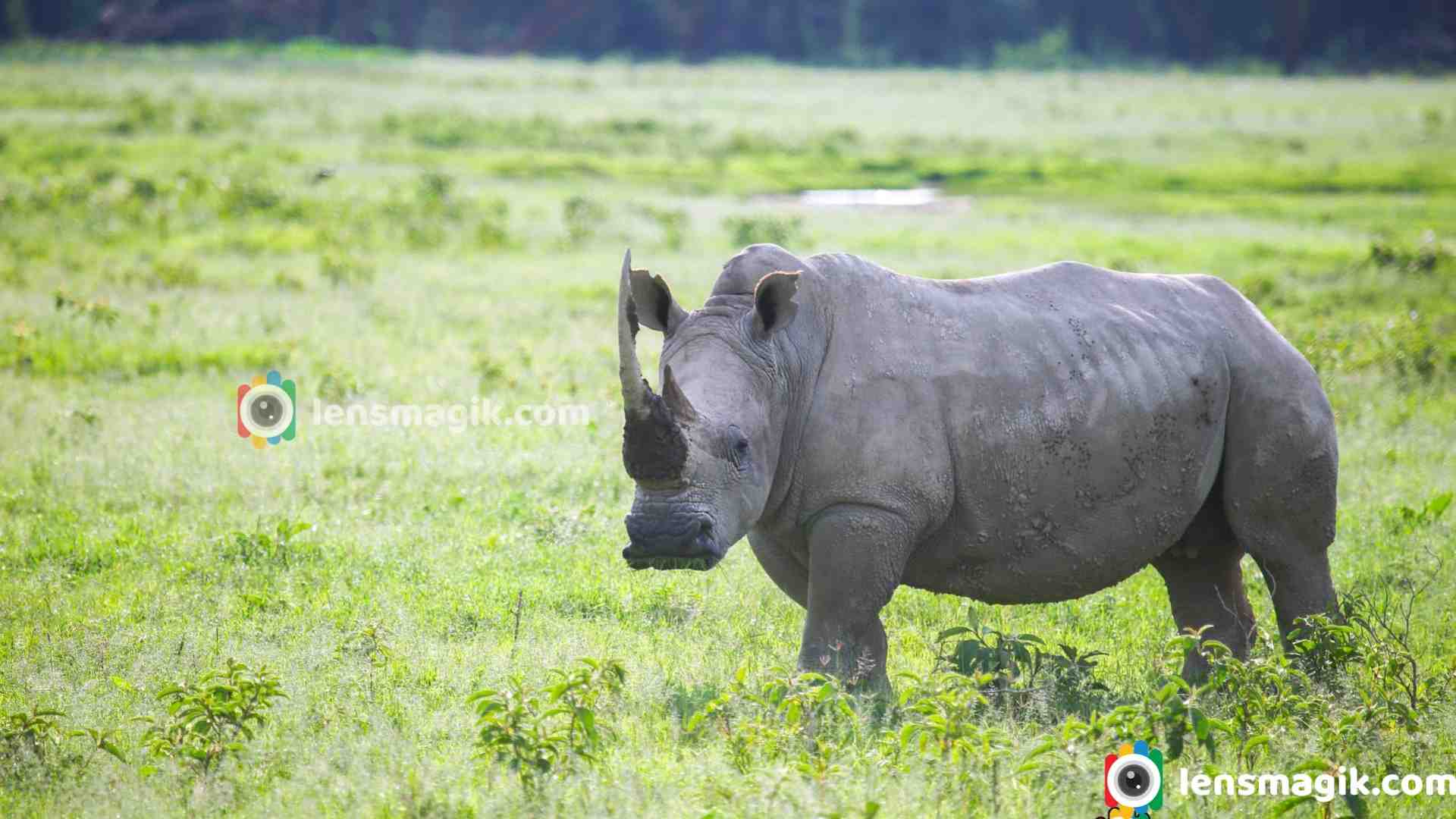
About Lake Nakuru :
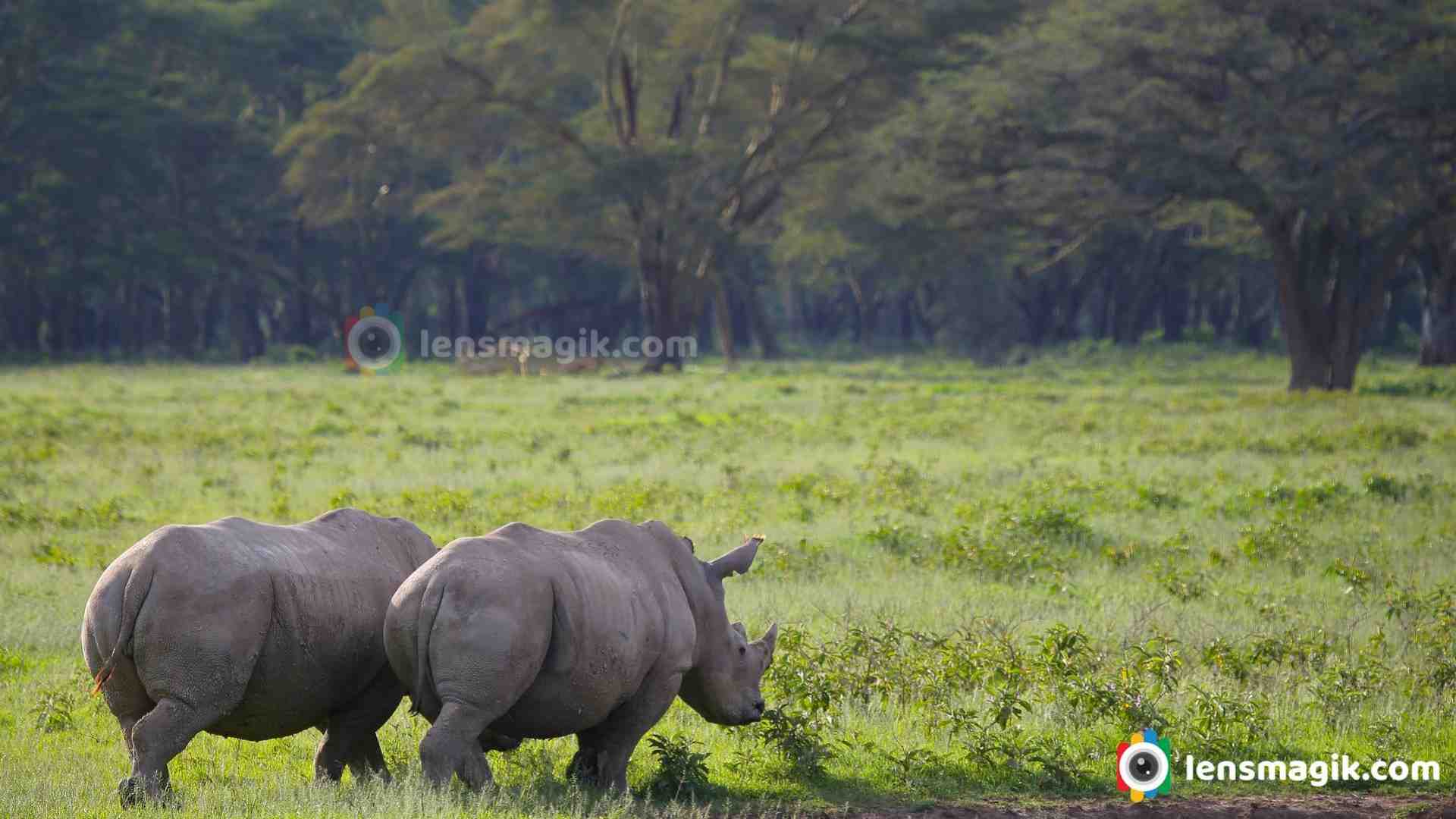
Lake Nakuru is one of the rift valley lakes located in west central Kenya. Lake Nakuru is famous for African Black Rhinoceros and Pink Flamingo bird. Total around 150 Rhino found in Lake Nakuru. Among them 80% are Black Rhinos and 20% are White Rhinos. Lake Nakuru park is set up for to protect huge number of Pink Flamingos. Lake is facing water balance and water quality problems. There are also many birds and lions found here so Lake Nakuru is worth to visit during Kenya Tour. Also many good resorts available to stay here.
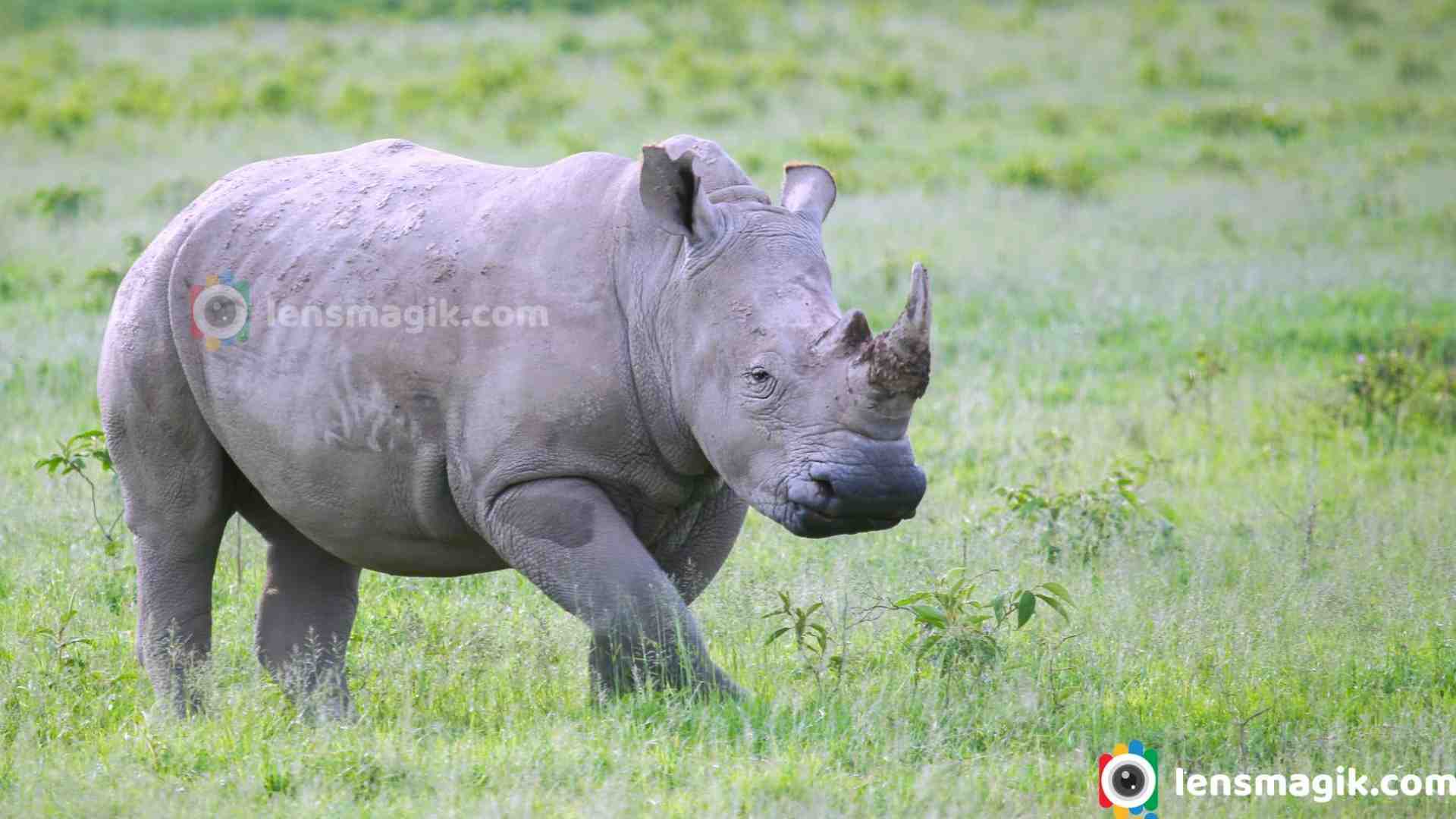
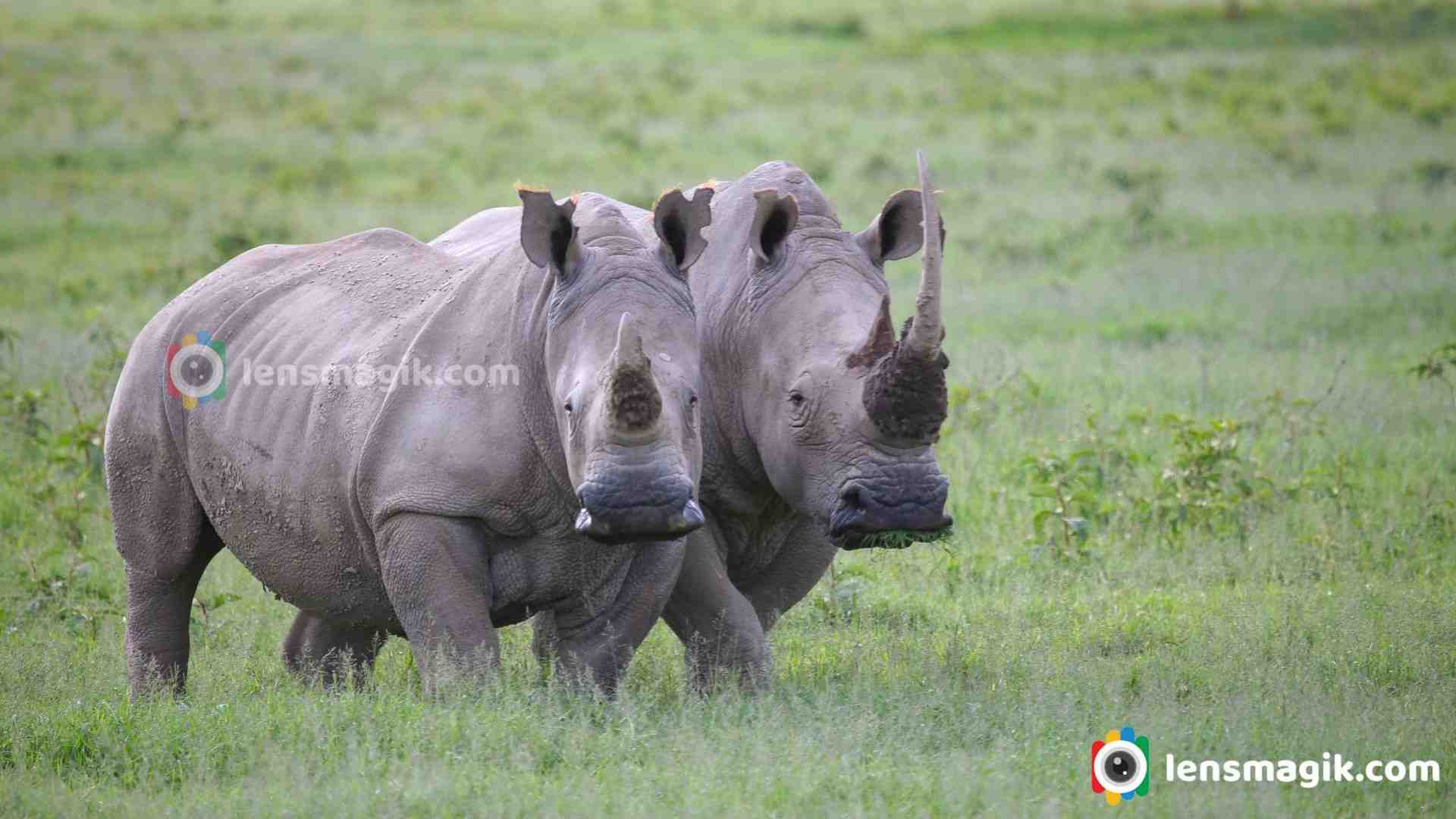
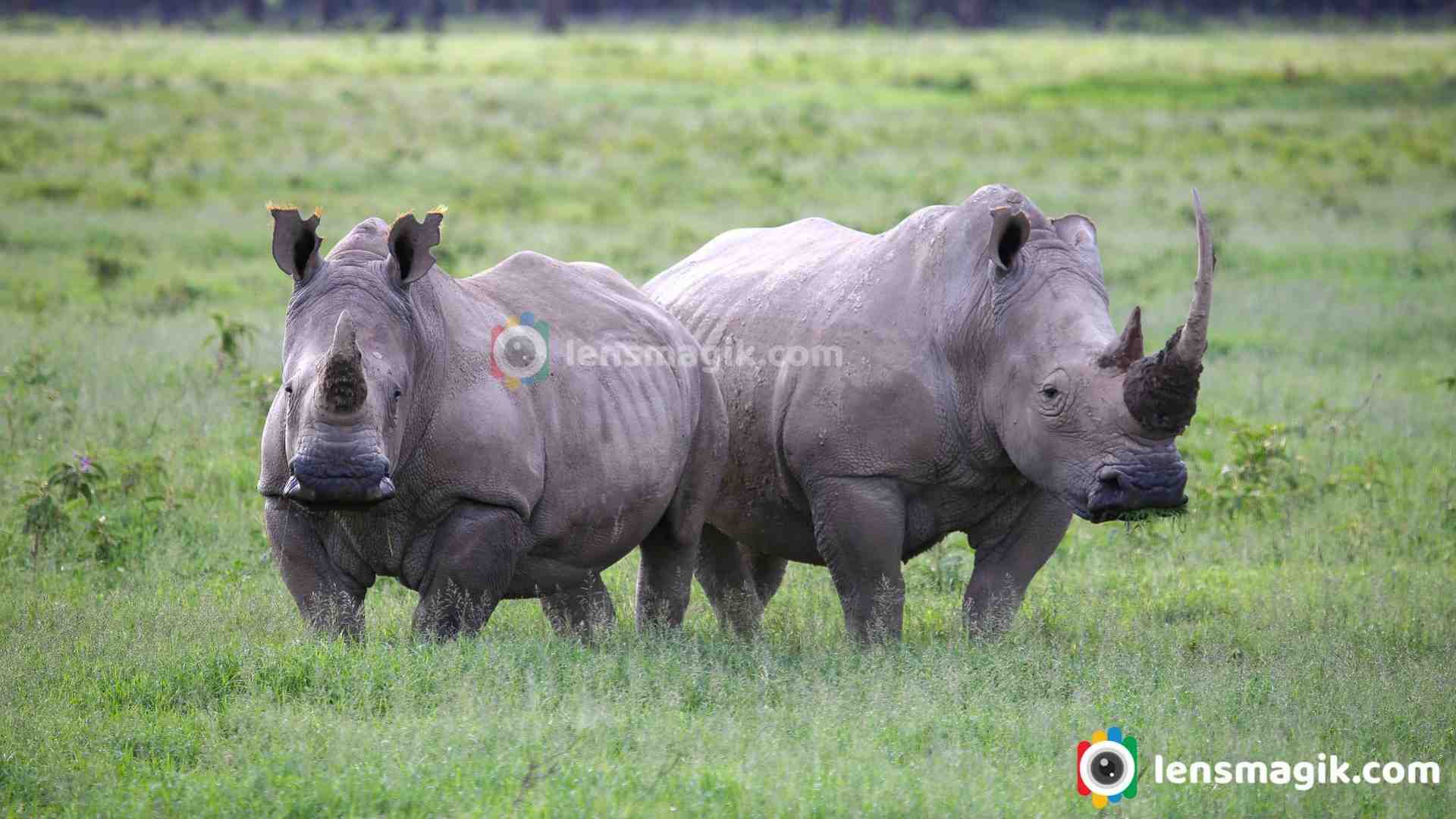
Places to Visit in Kenya :
Masai Mara National Park, Amboseli National Park, Naivasa Lake, Lake Nakuru are most favorite attractions in Kenya.
Gear Used : Canon 6D, Canon 100-400mm lens
Best Time To visit Kenya :
June to September is the best time to visit all National Park in Kenya because of Migration. During migration your tour cost may too high due to high rates of Hotels and resorts. Also if you want cheap tour then go in February or after monsoon in May is good time. During this time only you can not see migration of Wild beast.
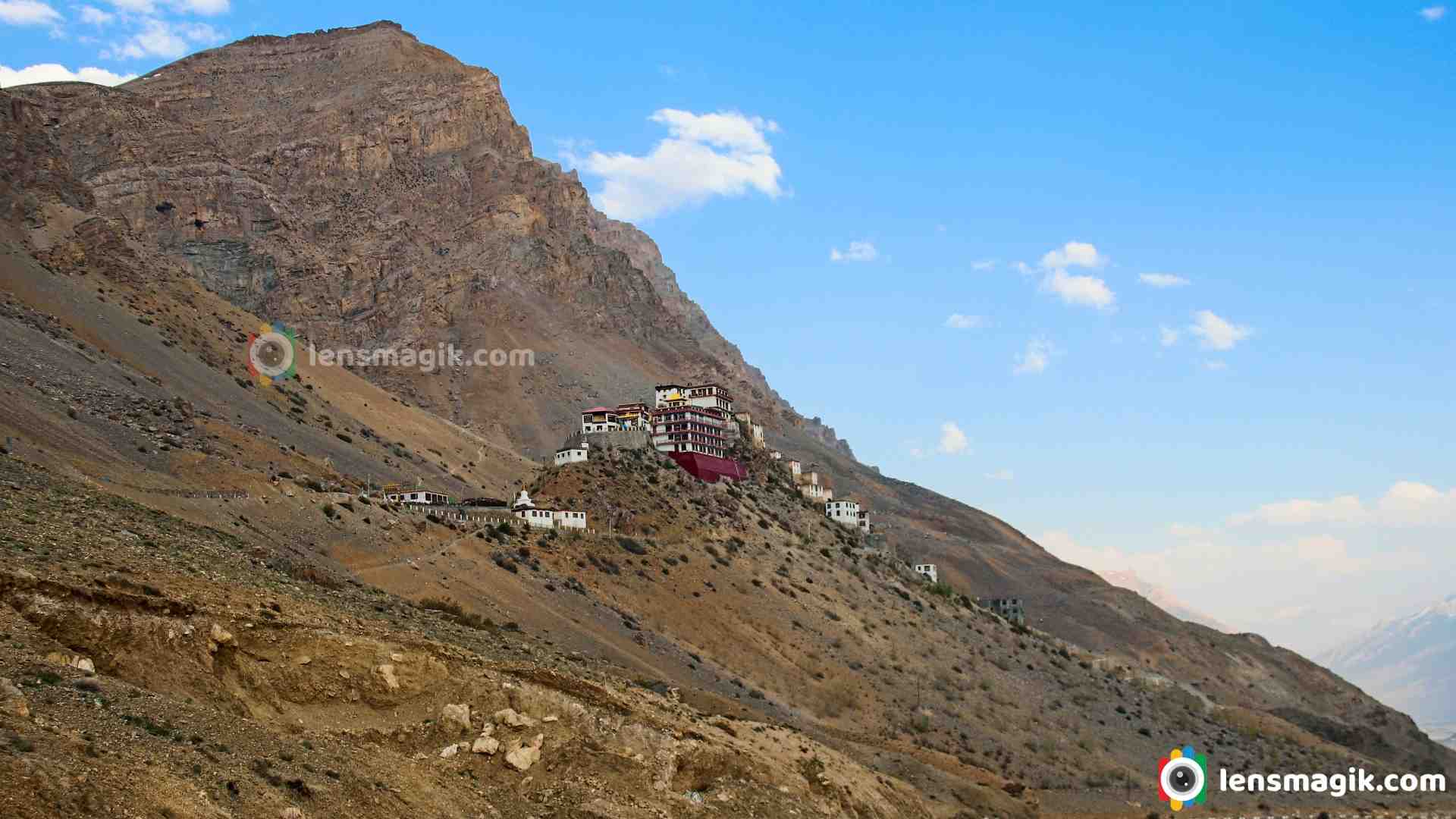
Key Monastery of Kaza is located in Spiti valley of Himachal Pradesh in India. It is the largest monastery in Spiti Valley. It is also known and written as Kee, Ki, Key , Kyi etc Key monastery or Key Gompa. Key Monastery is located at 13668 feet height at Kaza city on the top of the hill. Key Monastery is dedicated to Lochen Tulku. Kaza is famous place in Spiti valley tour. From Kaza you can visit Dhankar Lake, Chicham Bridge, Langza, Komic and also a Chandratal Lake too. It is very cold at night and also altitude sickness may suffer by anyone. Spiti Valley in Himachal Pradesh in now a days one of the favorite destination in India. It is also very famous for Snow Leopard siting. Kibber village is the best place to see Snow Leopard during Winter from November to February.
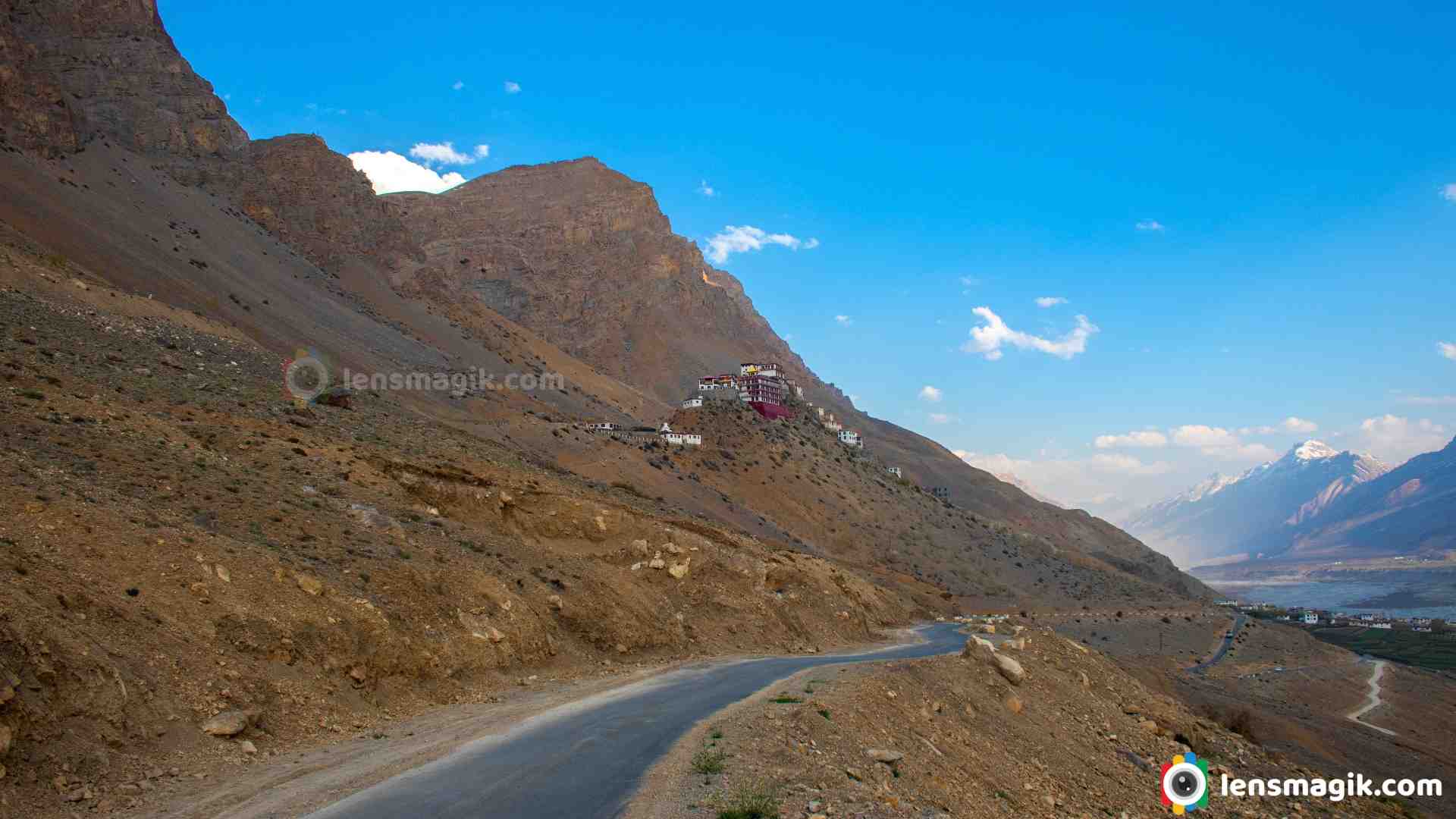
Things to Know about Key Gompa Kaza :
- It is believed that Key monastery founded in 11 th sanctuary.
- In 17 th century the monastery damaged by Mongols and become Gelugpa establishment.
- In 1821 during war between Ladakh and Kulu was sacked again. The war is known as Dogra-Tibetan war.
- It was damaged by Dogra army and later by Sikhs.
- In 1840 it was wasted by fire and in 1975 earthquake make more damage to the monastery.
- Then it will repaired by Archeological survey of India and state public works department.
- Key monastery wall is full of painting and mural . Mural is of Buddha images and also monastery has lots of books too.
- Monastery has 3 floors : 1st floor is underground and used for storage. Ground floor has decorated assembly hall and cell for monks.
- Key monastery serves as religious training center of Lamas.
- Monastery is designed irregular structure and interconnected rooms and corridors.
- Monastery has prayer hall, library and quaters for monks.
- Monastery overlook Spiti river and it is very near to Kaza town.
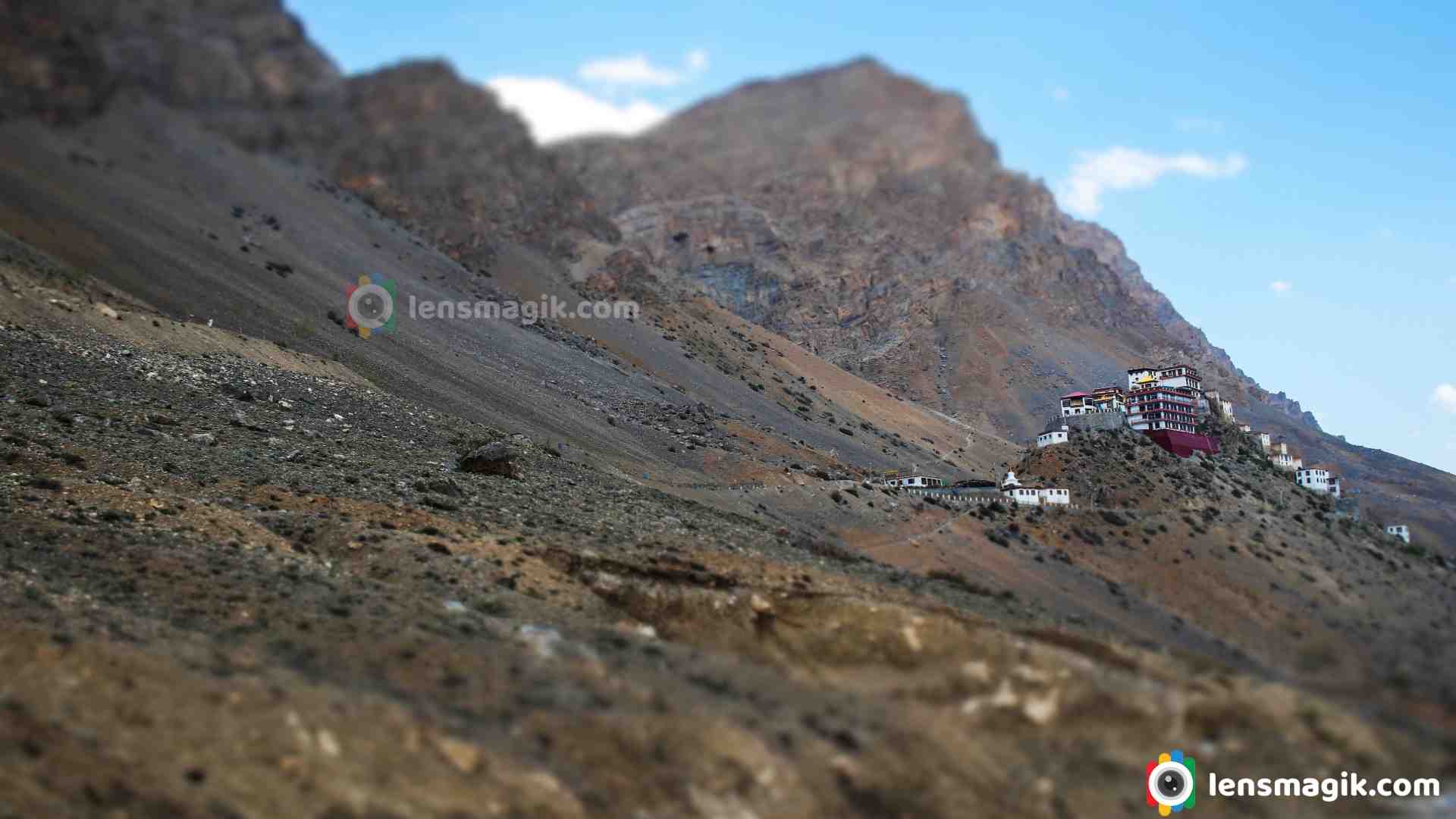
Best Time To Visit Key Monastery In Kaza Spiti Valley :
Key monastery can visit throughout a year. Road condition is very good now a days and you can visit in winter also. Road to Kaza is open all the time. Just in heavy snowfall you have to wait for sometimes to clear the roads. May be sometimes it will stuck on road to if landslides happen. During Summer from May to August is very pleasant weather. Although it is very cold at Kaza in summer but you will not freeze.
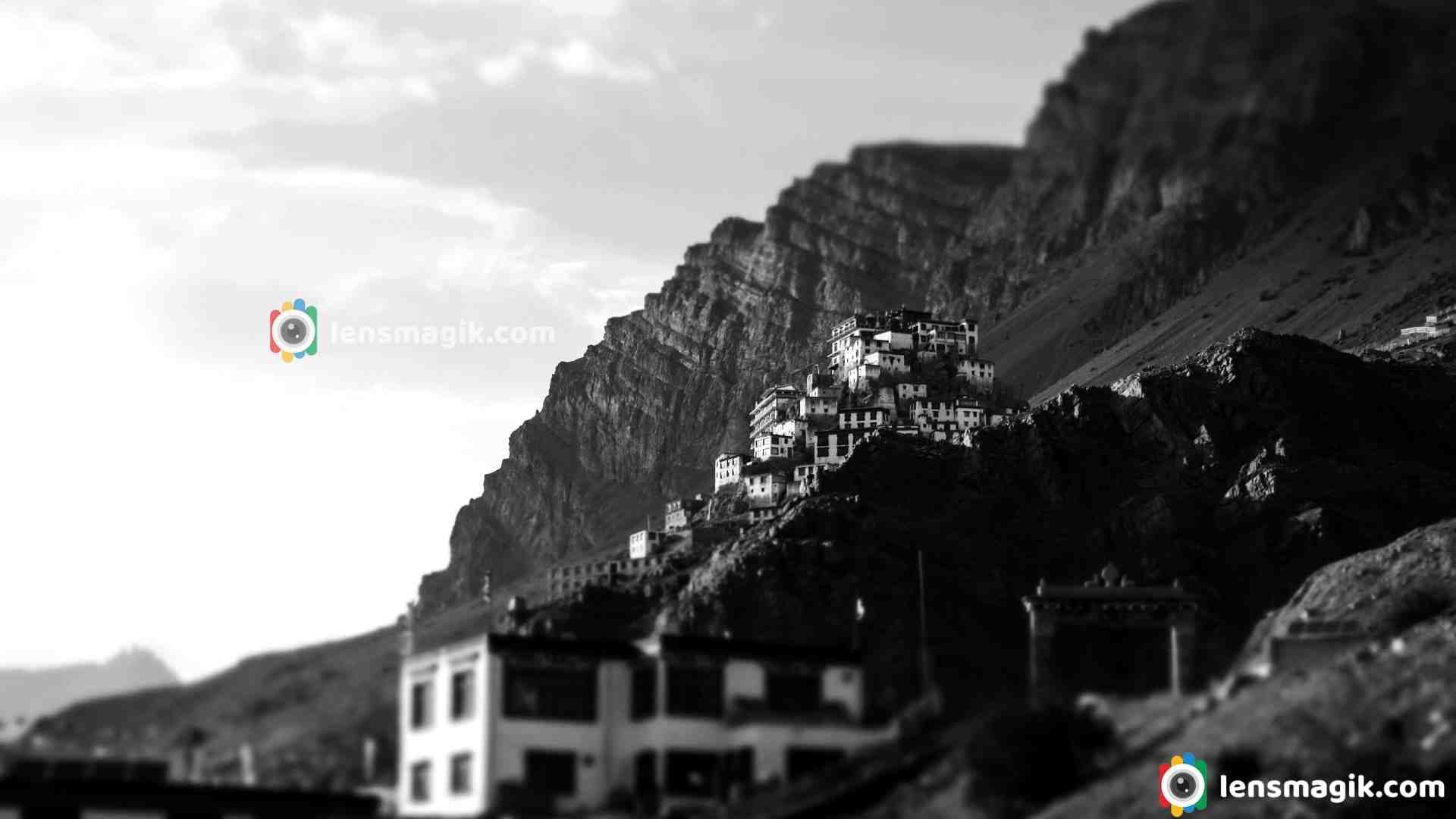
Staying Options at Spiti Valley :
You can book your homestay or hotel from https://himachaltourism.gov.in/accommodations-travel/ is the official website of Himachal Pradesh Tourism.
Also you can book when you reach your destinations. There are many homestays available at the village. All homestays are very neat and clean and they serve their local food too.
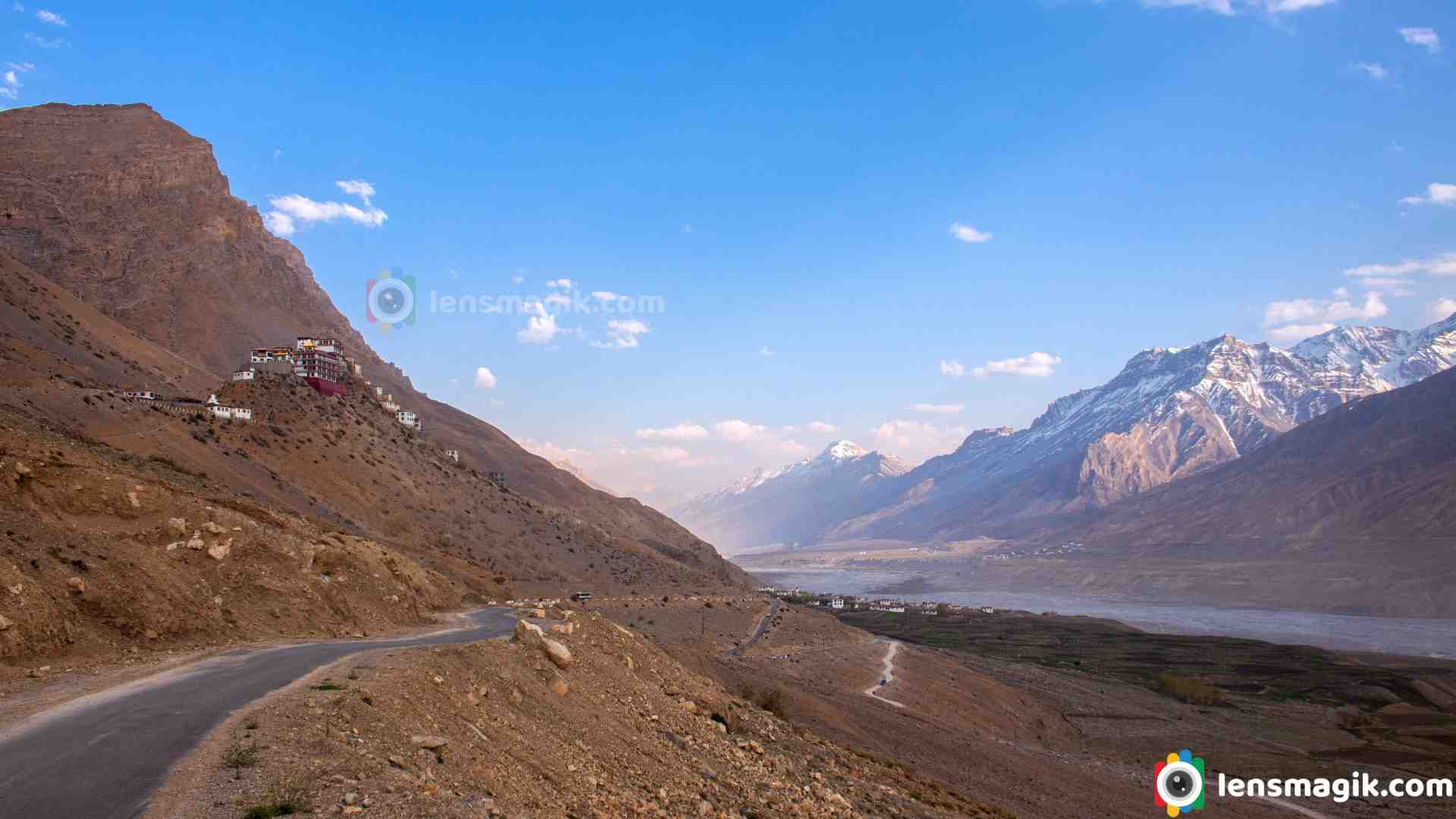
Kaza key monastery is one of the best destination in Lauhal Spiti. Also it is accessible via road so it is easy to travel. Also breathtaking views from the monastery of Himalayas and the spiti river make memorable moments of sunset and sunrise. Altitude sickness is common at this height so plan accordingly and take necessary medicines with you.
Places to visit near Key Monastery :
Kaza town, Chicham bridge, Langza, Komic, Highest Post office in the world, Kibber Village
Camera Used : Canon 6D, Canon 80D, Canon 18-55 mm lens, 14mm lens
Read more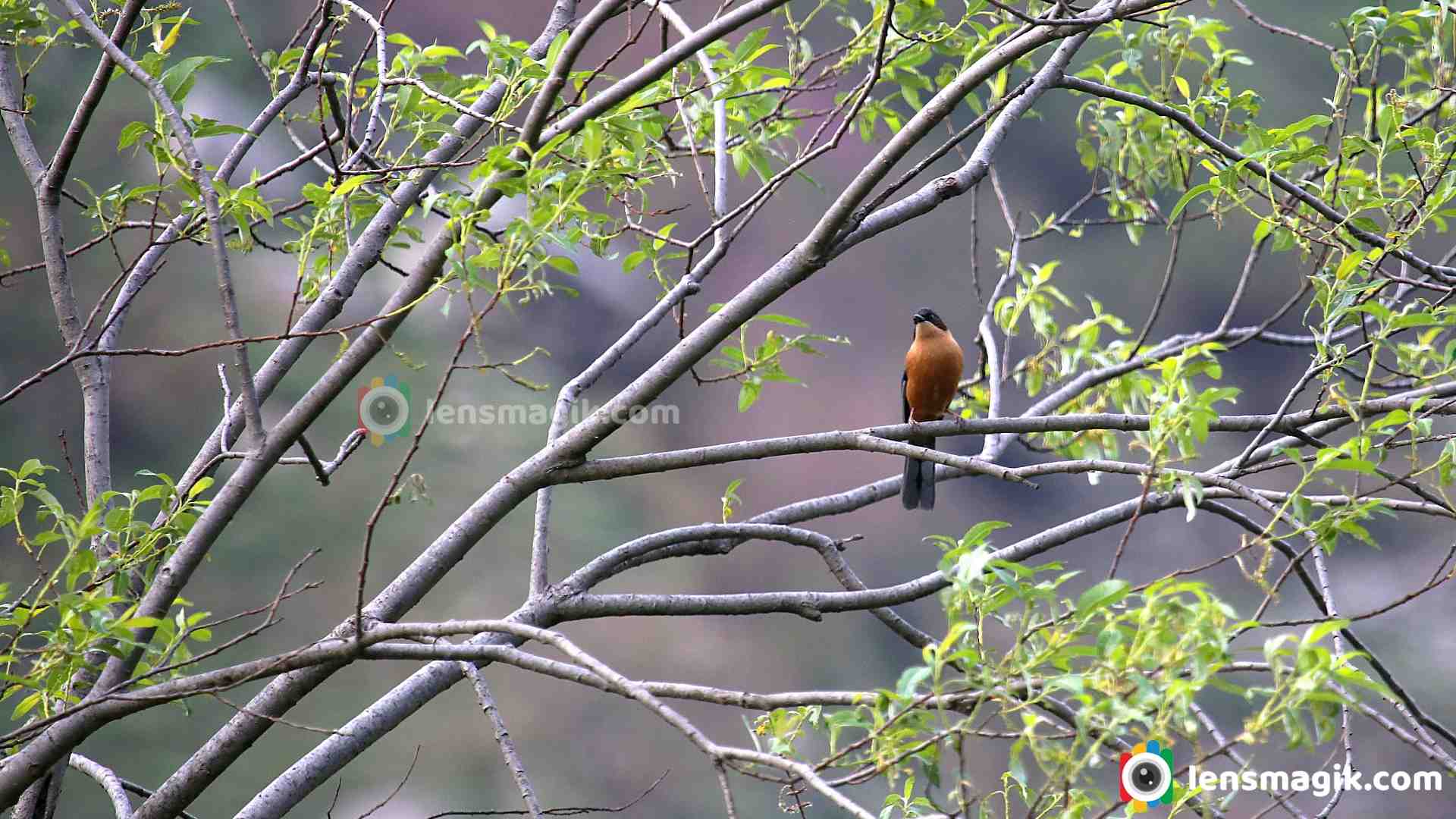
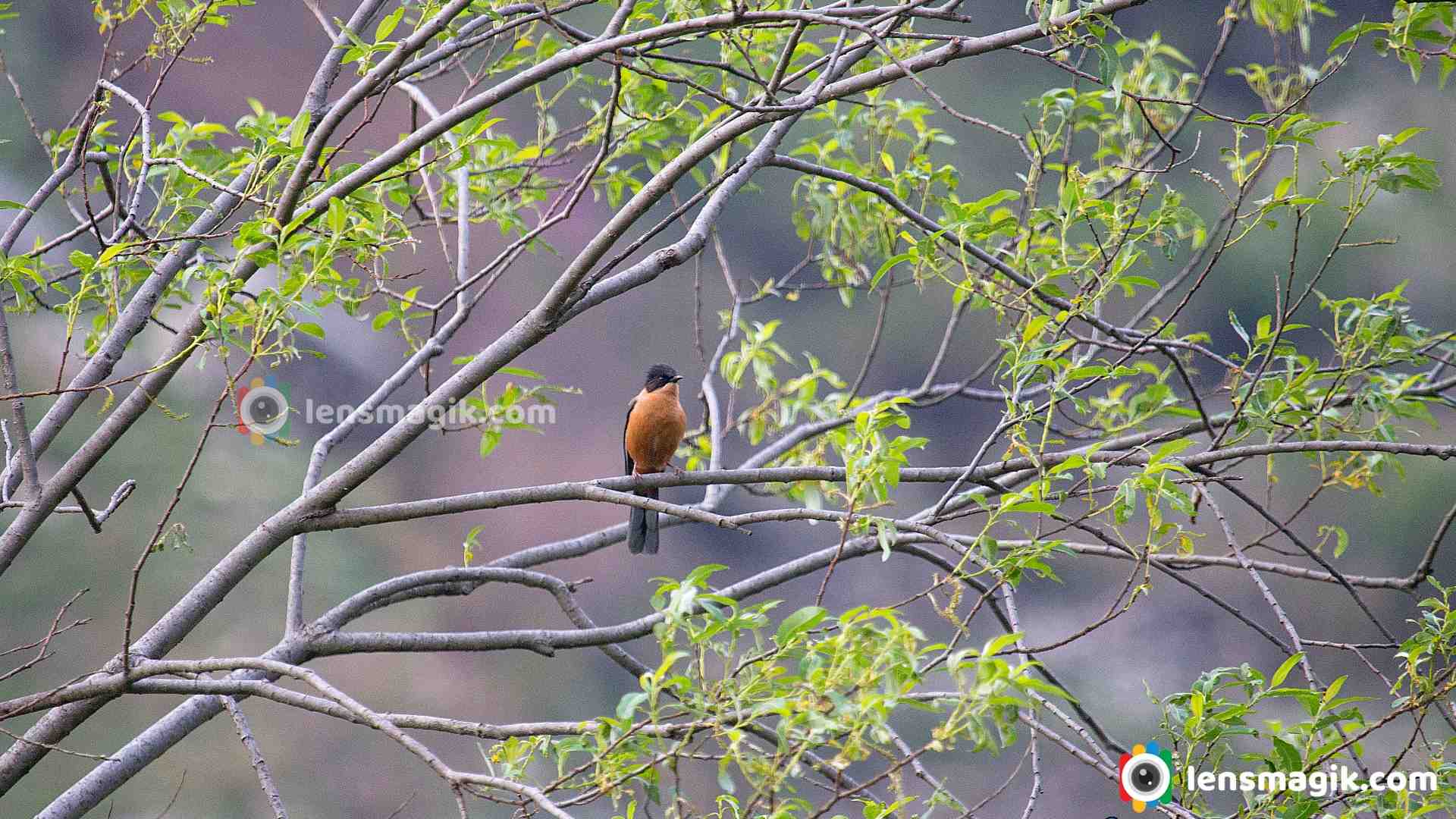
The Rufous Sibia is a striking bird which is belongs to family Leiothrichidae also known as babbler. Rufous sibia is known for its appearance and melodic call sound. It is generally found in Northern part of Indian Subcontinent . Range of Rufous Sibia is found in India, Nepal and Bhutan. I found it at Uttarakhand during my trek to Har Ki Dun. It is known as a melodious singer. Call of Rufous sibia is very attractive and love to hear. I found Rufous Sibia during Har Ki Dun trek in Uttarakhand. Har Ki Dun trek is also known as " Valley Of Gods ".
About Rufous Sibia :
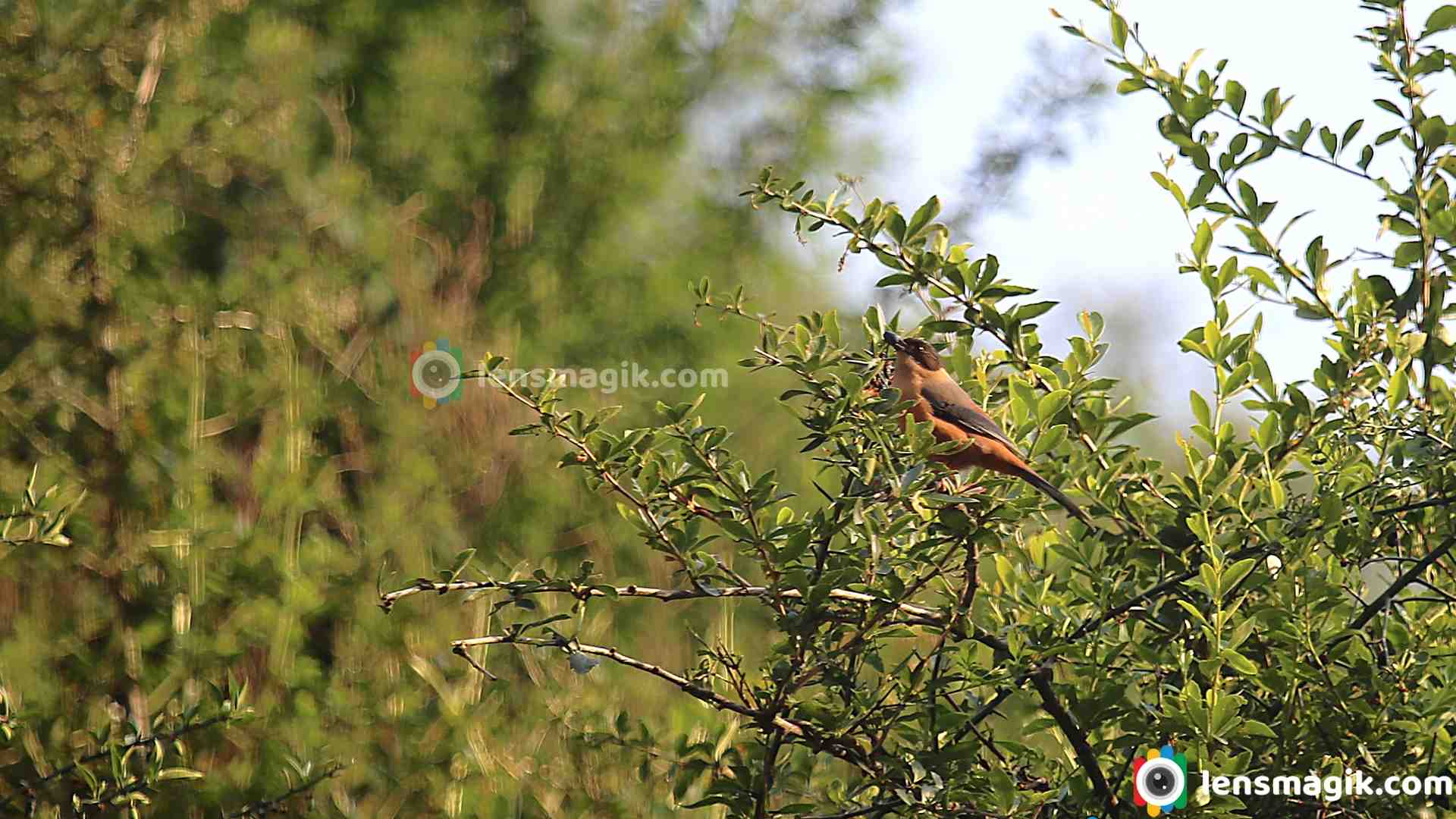
- Rufous sibia is reddish brown in color which is dominant in color.
- Its wings and tail are blue grey in color.
- Its head and crest are in contrast in color and it is main identification feature.
- Bill of rufous sibia is slender and decurved.
- Length of Rufous Sibia is around 21-24 cm and weight around 28-48 gms.
- Rufous Sibia is found in Northern part of India. Also found in Nepal and Bhutan too.
- It is generally found in temperate forest and lower middle of Himalayas in broad leaf forest.
- It generally found at 1200 to 3400 meter of height in Himalayas but during winter they can found also at lower level and they descend around 100 to 800 meter approx.
- Diet of Rufous Sibia is mainly Berries and Insects.
- Rufous Sibia is an active bird and often move into a forest.
- It is a vigorous and melodious singer.
- It is in least concern in IUCN list.
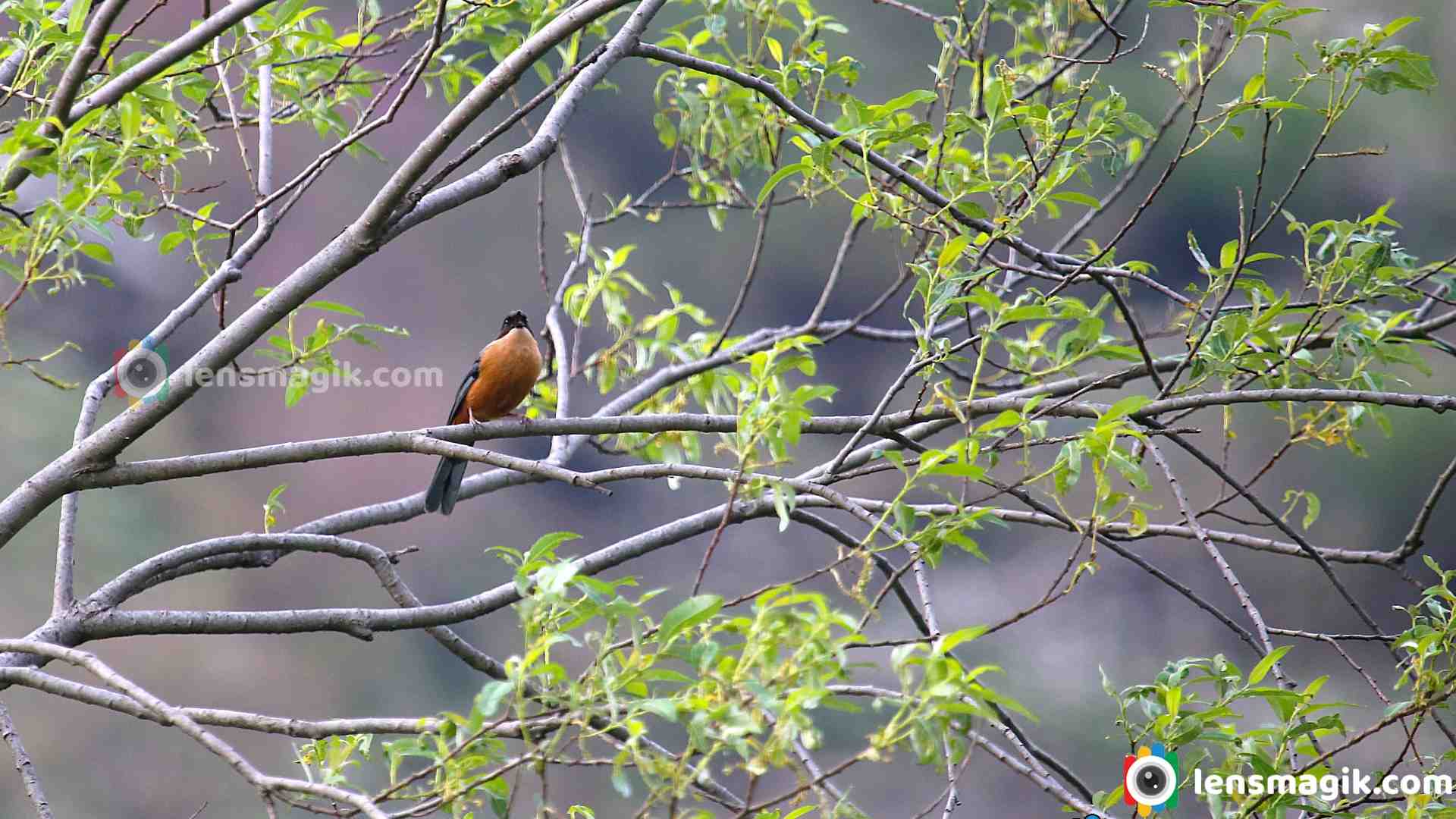
Himalayas is a great heaven for birding. Specially Himachal Pradesh and Uttarakhand is very popular for birders. Lots of spices of birds found here. During trek to Manali and Trek to Har Ki Dun you will found more than 30-50 spices of different birds. Birds are also difficult to catch and photographed. You need passion and need to wait for right time to click. Sometimes a single click need and hour. Rufous Sibia is a wonderful singer and beautiful voice. When it call you fee amazing and feel great to hear.
Gear Used : Canon EOS 6D, Canon 80D, Canon 100-400mm lens
Location : Uttarakhand
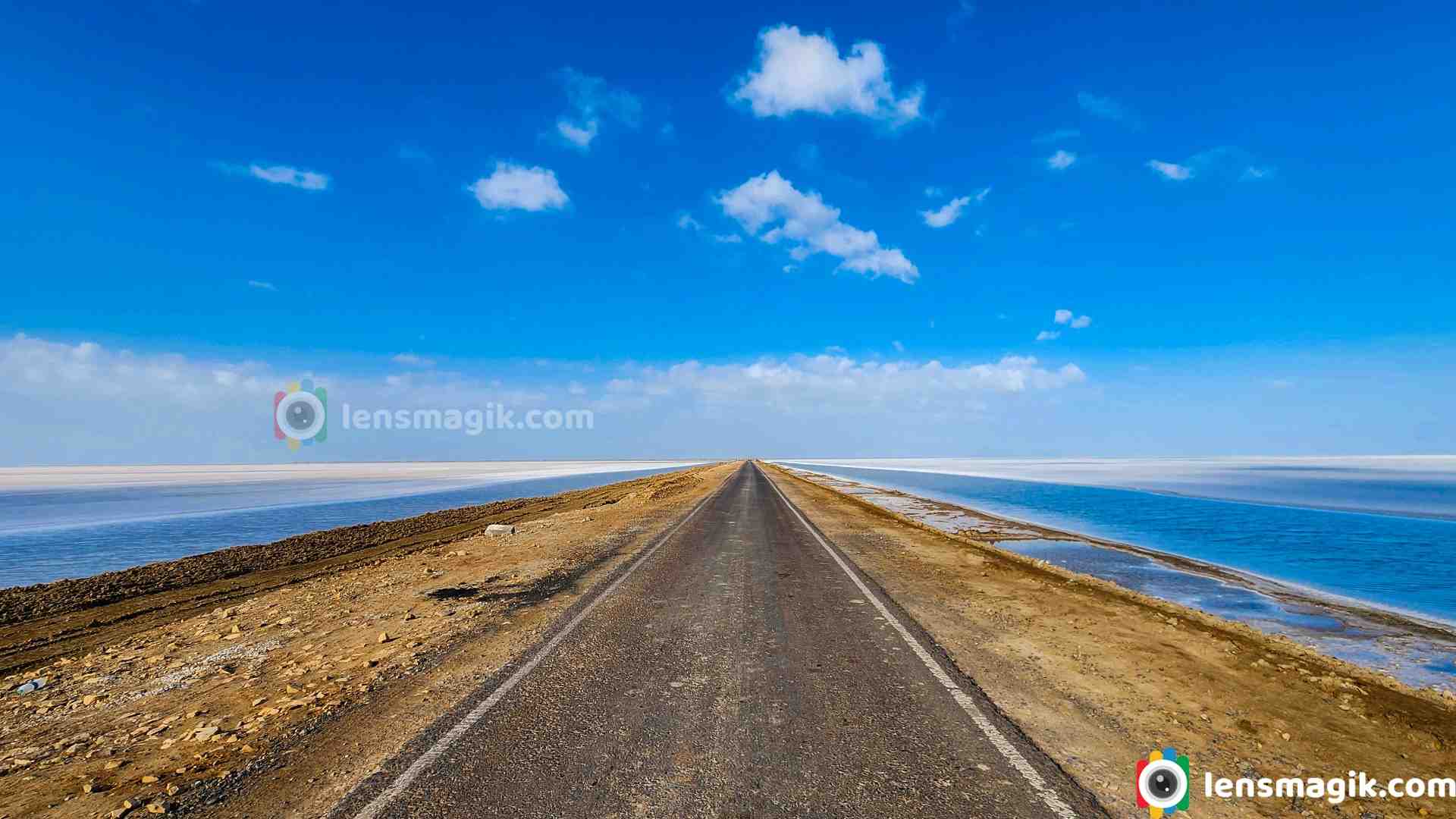
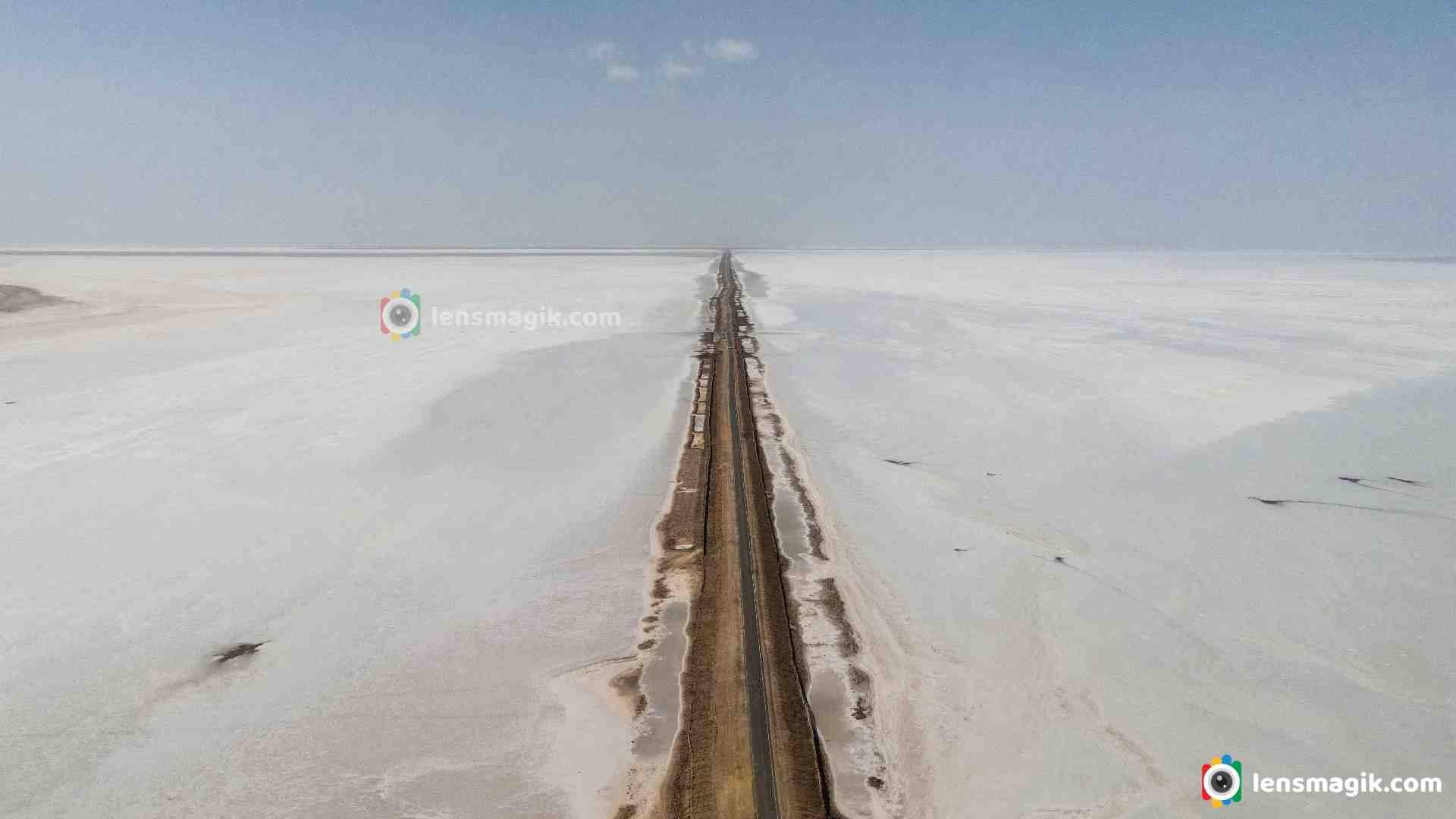
Read moreRoad To Heaven is named to the road from Khavda to Dholavira in Kutch Gujarat. The road is so wonderful and scenery so it known as Road to Heaven . Khavda to Dholavira distance is around 58km but from Khavda there is a single line narrow road passes through small villages around 15-20 km approx. The main road starts after it and it is around 30-35 km approx. strait to Dholavira. Road is under constriction but almost 70-80% work done. The road heading to the city of Harappan Civilization Dholavira which is one of the largest site of Harappan Civilization and Indus valley Civilization.
Kutch is a largest district of Gujarat and also of India. Main City or Headquarter of Kutch District is Bhuj. Kutch is famous for White Desert or White Rann. In Every winter season from December to February celebrate “ Rann Utsav “ to attract foreigners and also locals. Tent City made in white desert to stay and also cultural programs arranged in it. The main Rann Utsav held in Dhordo of Kutch.
After visit White desert people also visit Dholavira which is nearest destination from Dhordo and also Kalo Dungar in between. From Dhordo you will have to go Khavda first and then from Khavda to Dholavira which is connected through “ Road To Heaven “. Dholavira is located at Khadir Bet. Khadir bet is separated because after monsoon the water filled outer side of bet. So the Road To Heaven is the way to connect Khadir bet to main city Bhuj.
About Road To Heaven Dholavira / Road to Heaven in Kutch :
- · It connected from Khavda to Dholavira.
- · Road to heaven distance around 30-35 km.
- · After monsoon the rain water on the both side of the road. You can see beautiful Greater Flamingo birds in between. Water level is low but muddy.
- · After winter in January –February the water on both side of the road is evaporated and turn into salt. Not all water but some areas during the road.
- · Water on the both side of the road or Salt/ white layer on both side of the road make the beauty of the road and that’s why it name as “ Road To Heaven “
- · When you are on the road there is hardly some traffic you face the open road with both side water or salt at morning or evening make the scenery like a Heaven.
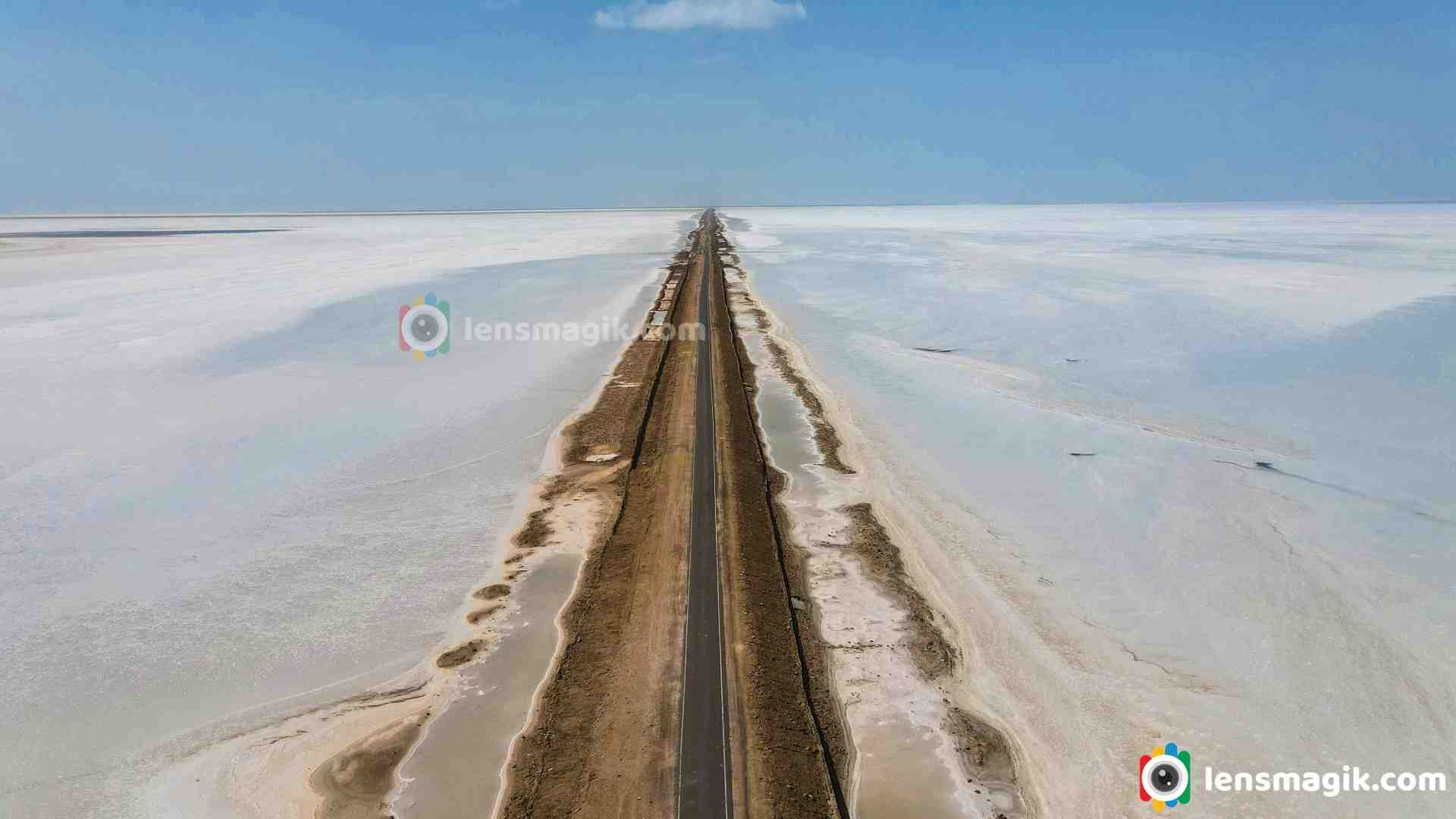
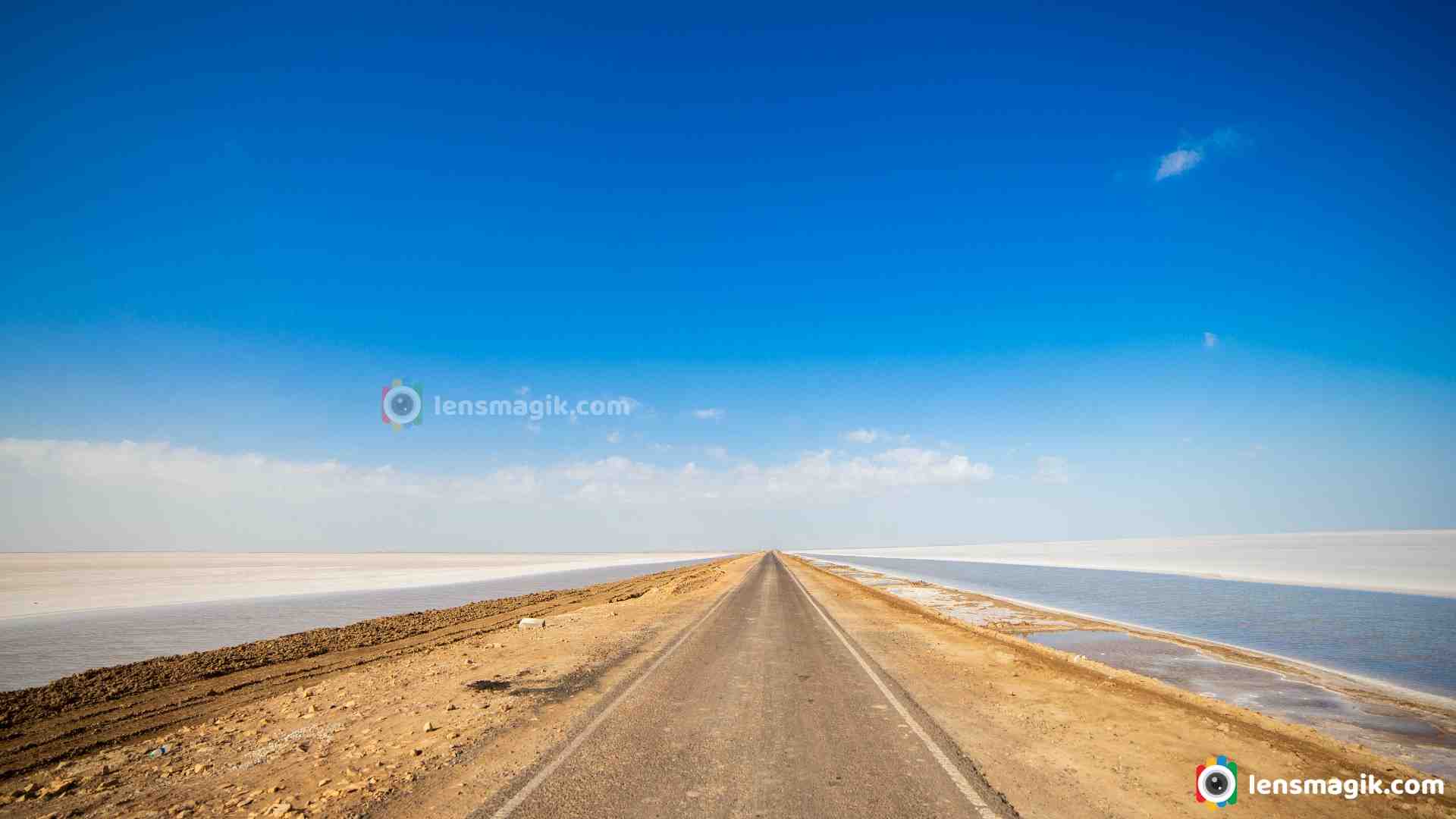
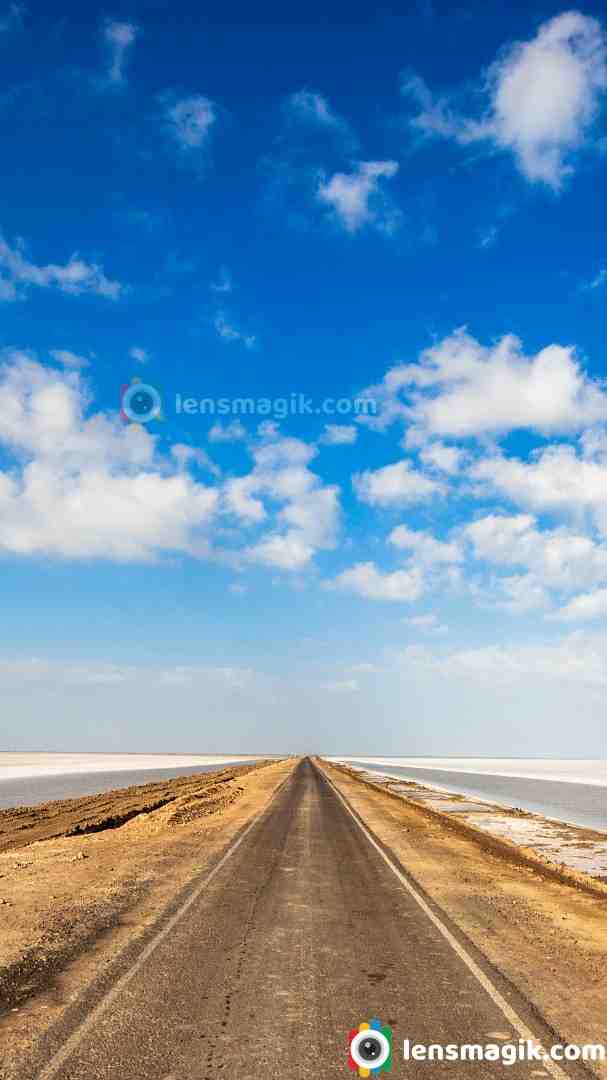
I must suggest to visit Road To Heaven in Kutch while you visit Kutch. Also Visit Dholavira which is one of the largest Harappan Civilization site.
Places to visit near Road To Heaven :
Dholavira, Kalo Dungar, Dhordo, White Desert
Places to Visit near Bhuj : White Desert , Kadiya dhro, Chhatardi, Mandvi beach, Vijay vilas palace, Bhujyo Dungar, Smriti Van, Vande matram memorial
Camera Used : Canon 80D, Canon 6D, DJI Mavic Air2
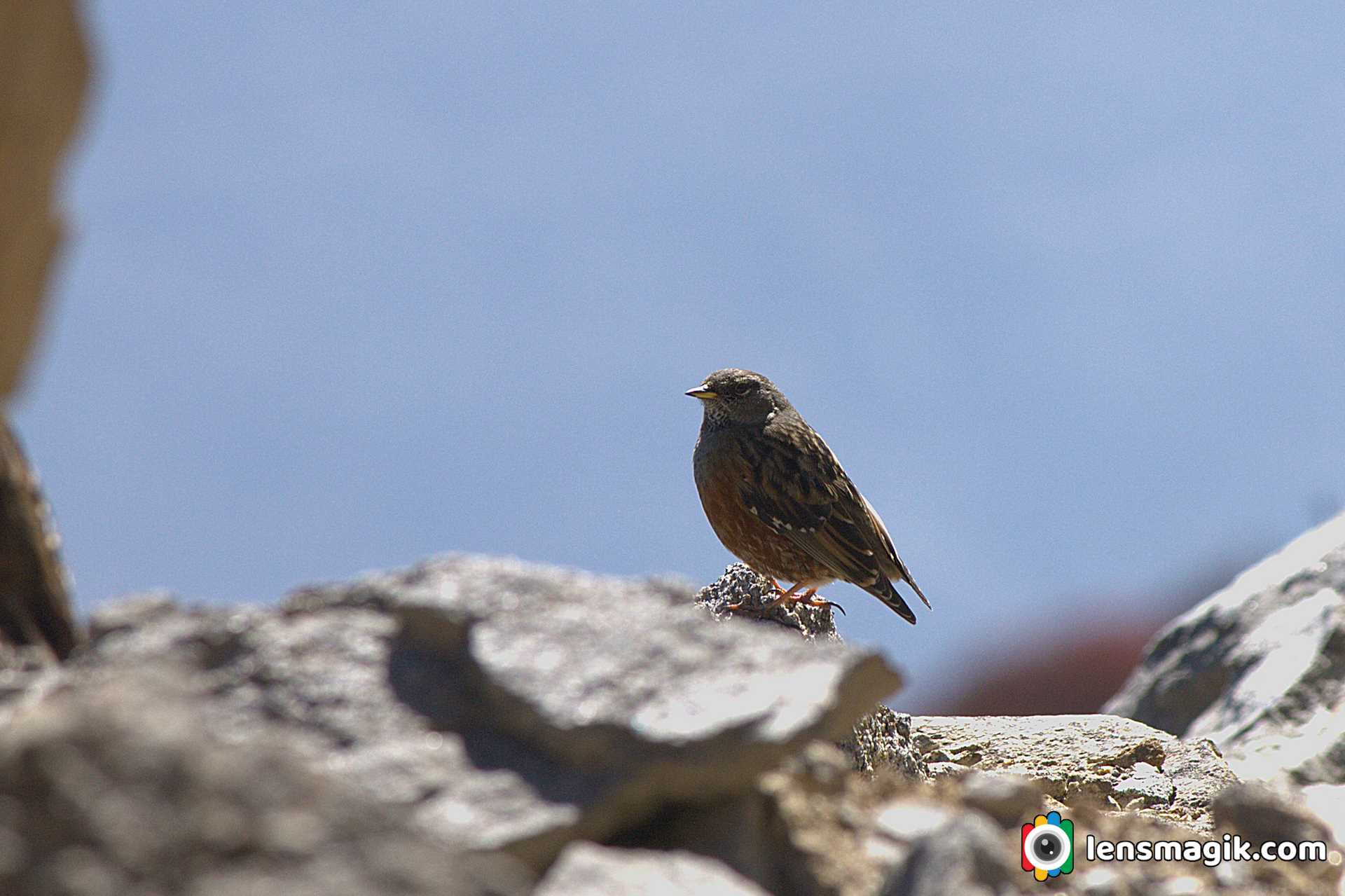
Accentor is a small bird of prunellidae family. In India it is generally found in East Sikkim area. It built its nest low in a bush. When i was on a trip to Singalila National Park. I found at sandakphu area. Sandakphu is high altitude place in Singalila National Park located in West Bengal. From here you can see Mt. Kanchenjunga very clear which is highest peak of West Bengal. Lots of Birds here. To visit Singalila Park November to February you can found lots of snow and good landscapes too with snow on Mt Kanchenjunga. Also if you are going for birding you can visit March to May/June Month is the best . It is very cold weather during winter November to February at Singalila National park.
About Alpine Accentor Bird :
- Alpine Accentor bird is robin size bird. Length of bird is around 15 -17 cm.
- Bird just like similar to house sparrow in color with brown back streaked.
- Adult Alpine Accentor have red brown spotting on underparts
- Also adult have grey head too.
- In Asia Accentor found at 2000 m above height. Specially at Himalayas.
- It build nest in bush.
- It laying 3-4 plain (not spotted) eggs of sky blue color.
Singalila National Park :
Singalila national park is located in West Bengal. There are lots of birds in this sanctuary. Also its good for trekking at Sandakphu. From here you can see Mt. Kanchenjunga easily and very closely. Also a beautiful Himalayan Mountain range with snow. Amazing weather very cold in winter and moderate in summer. Summer season is the best for birding at sandakphu.
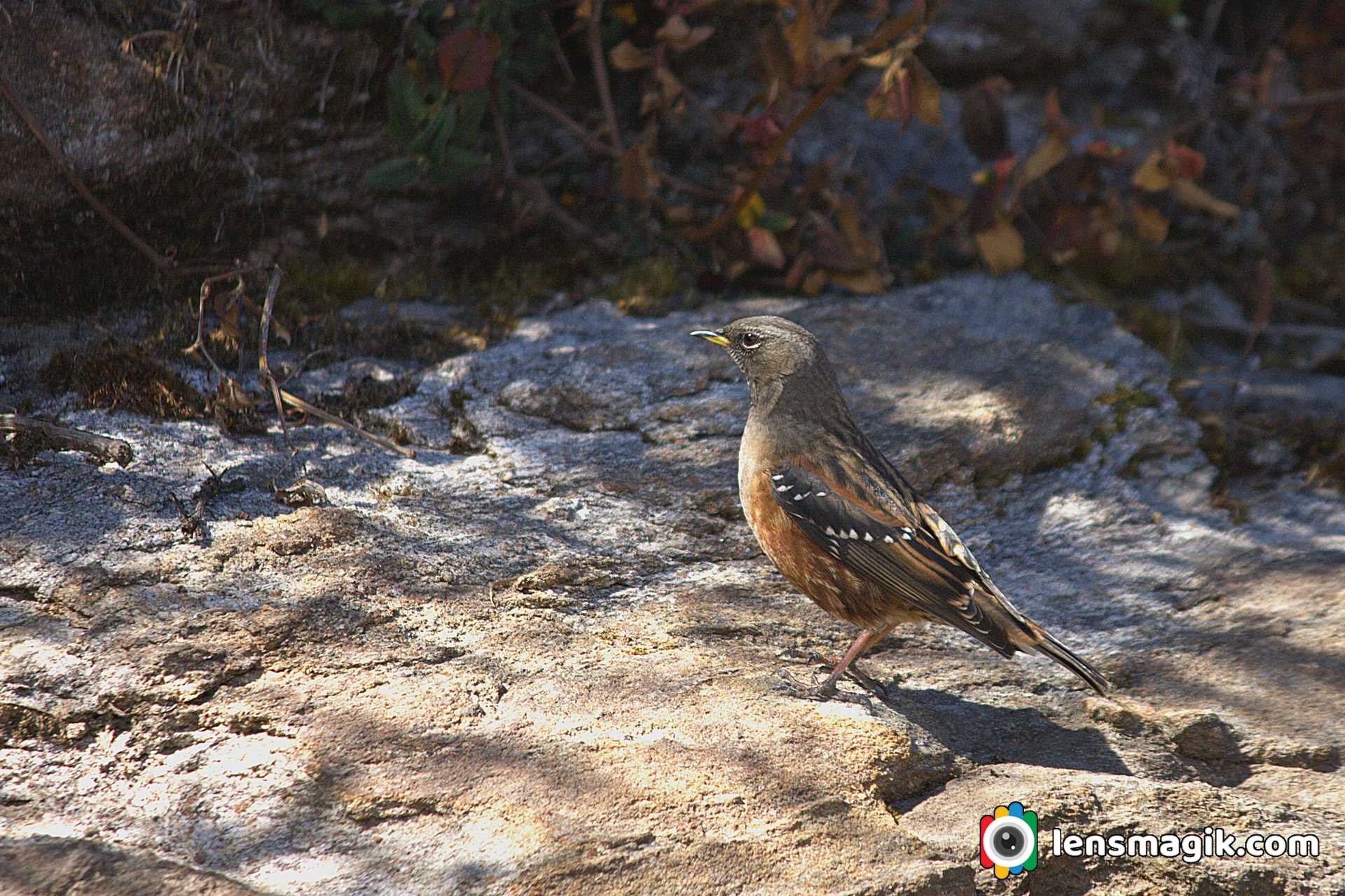
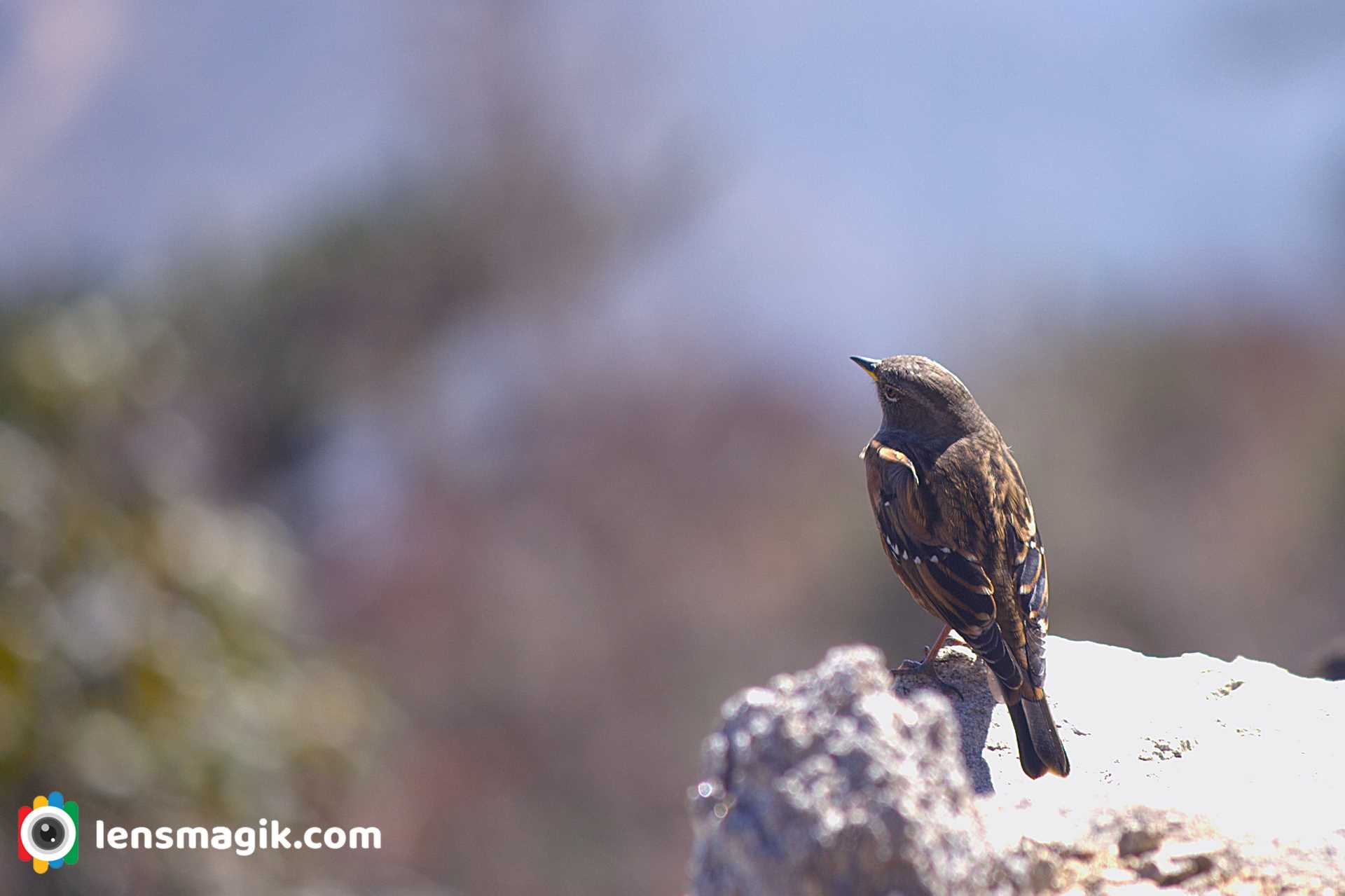
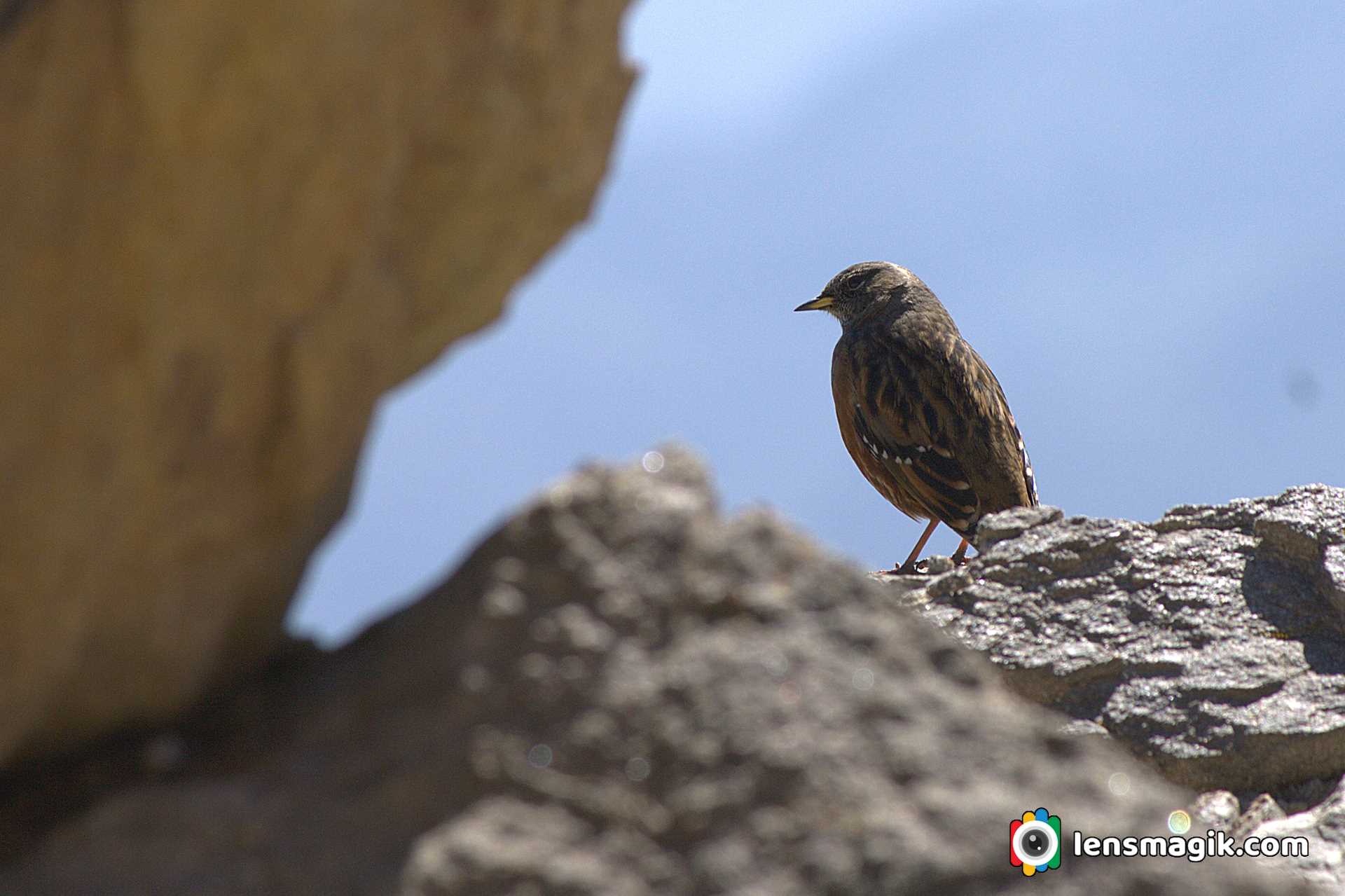
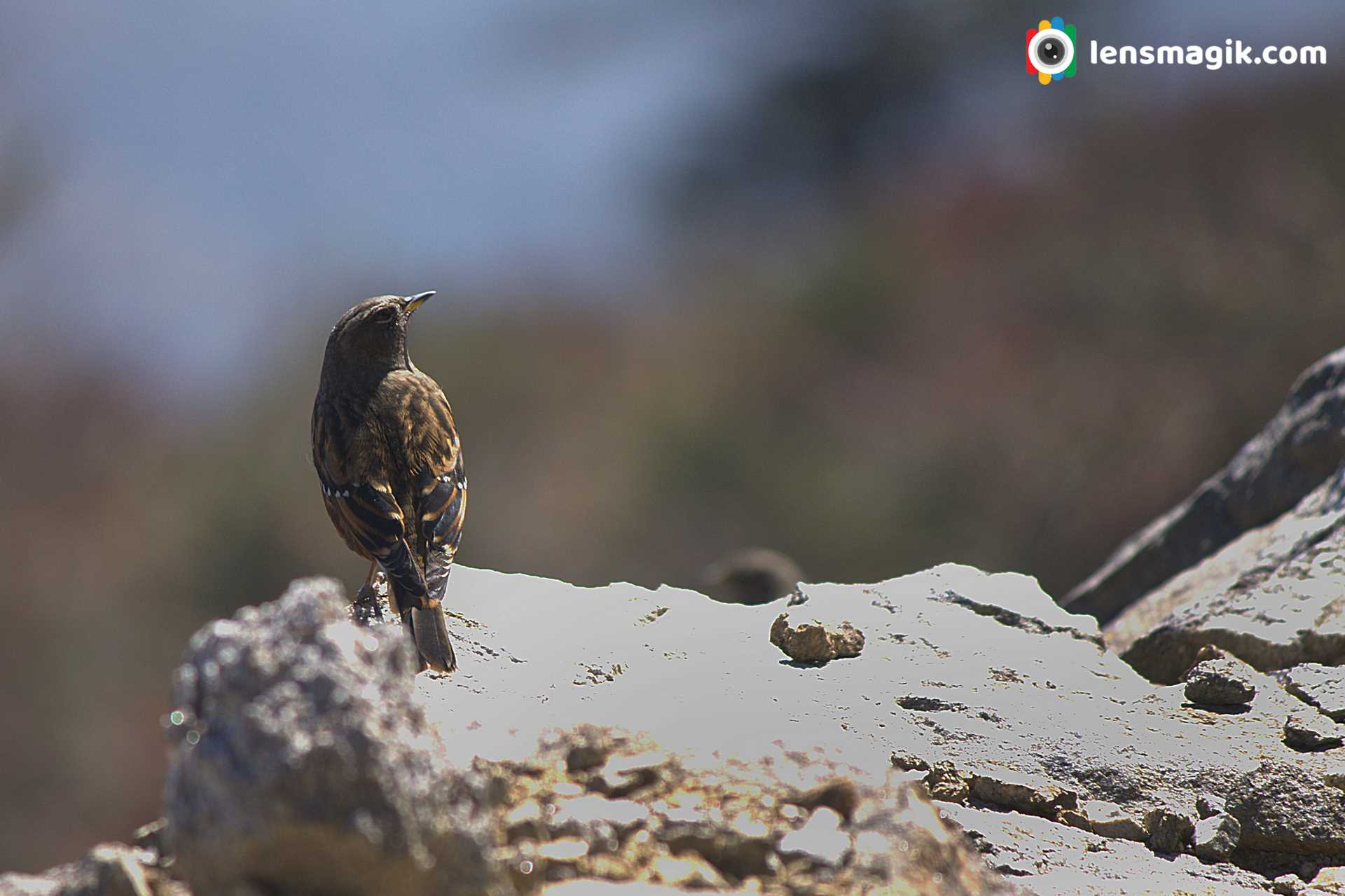
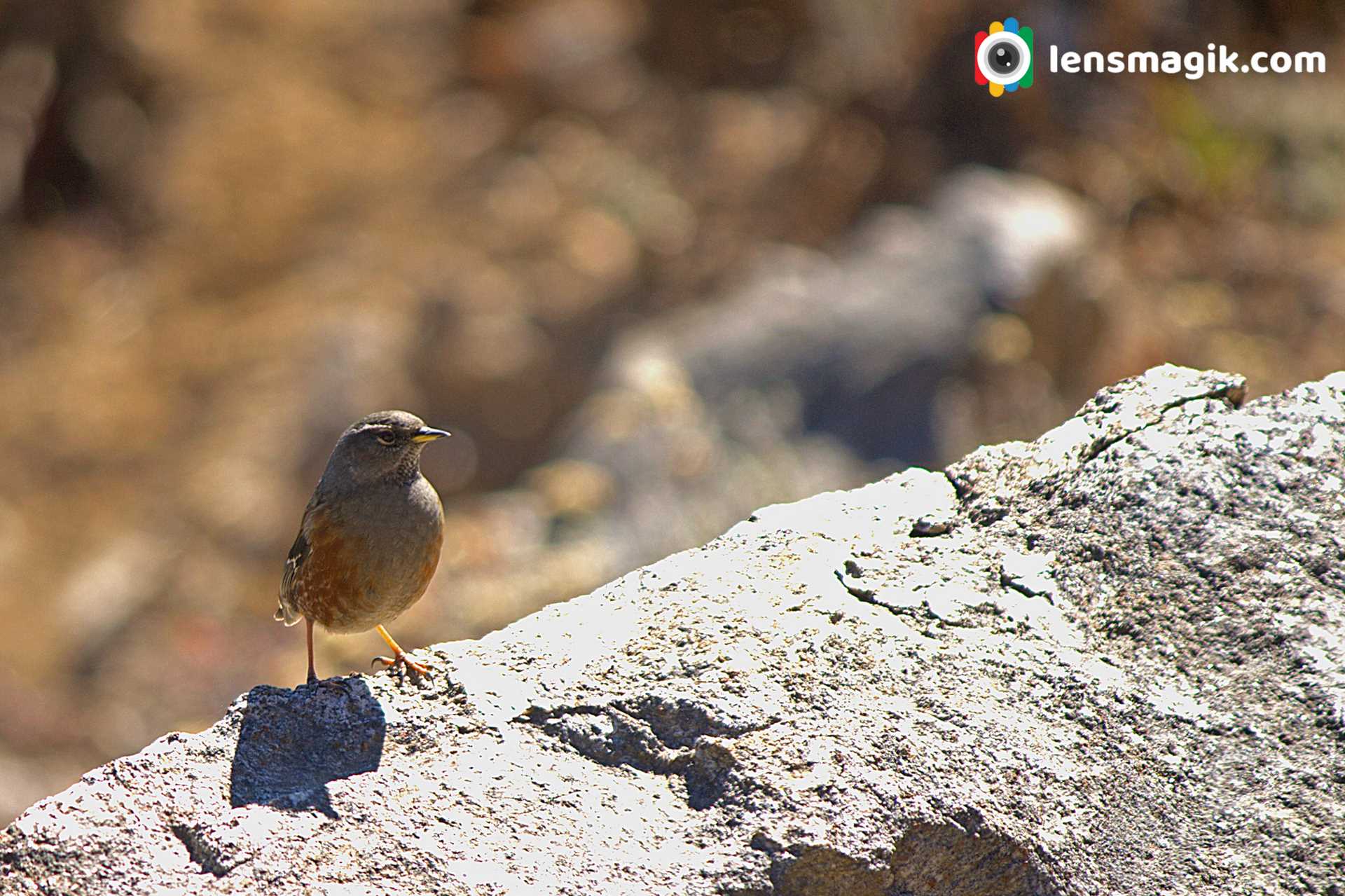
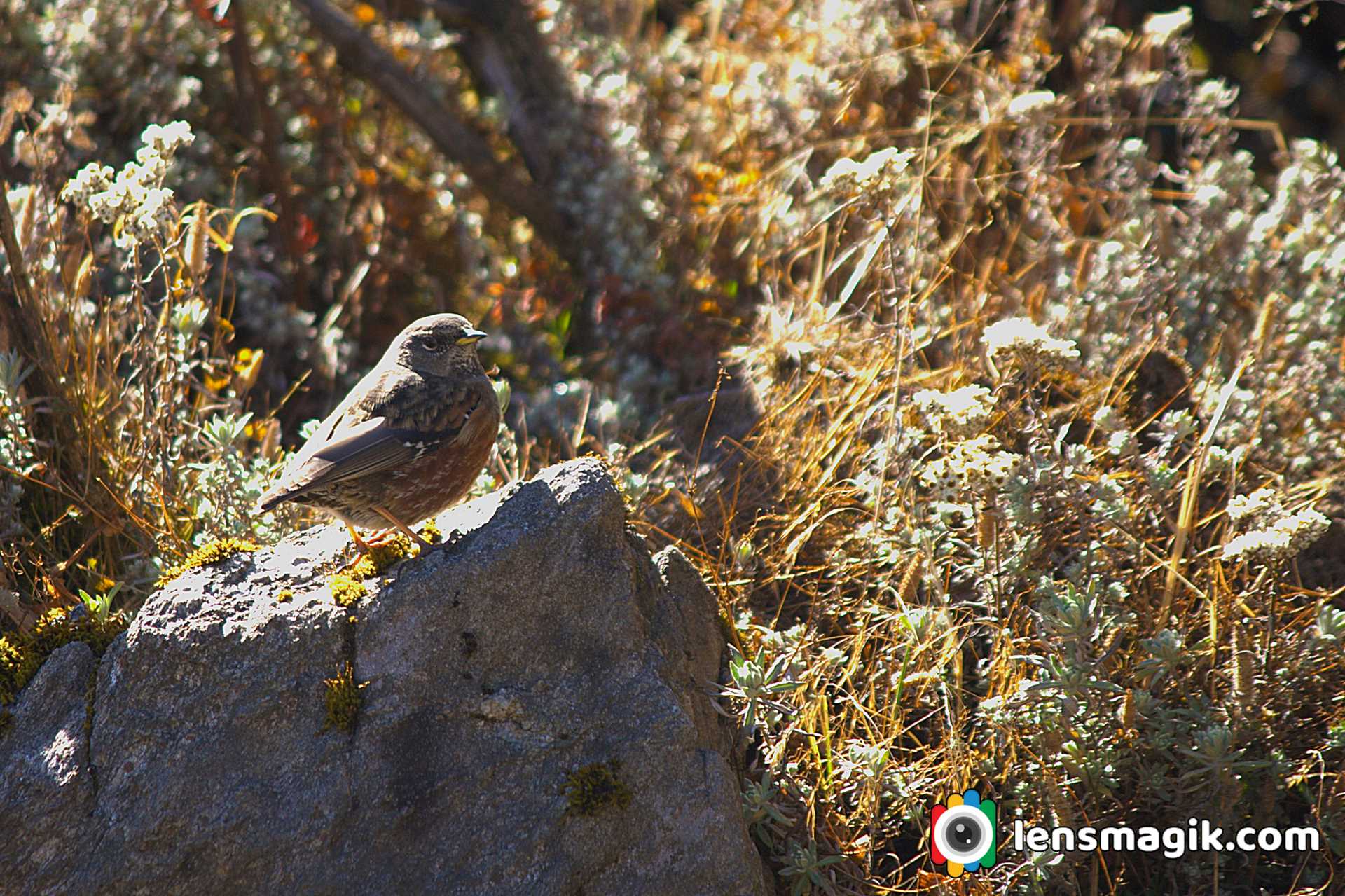
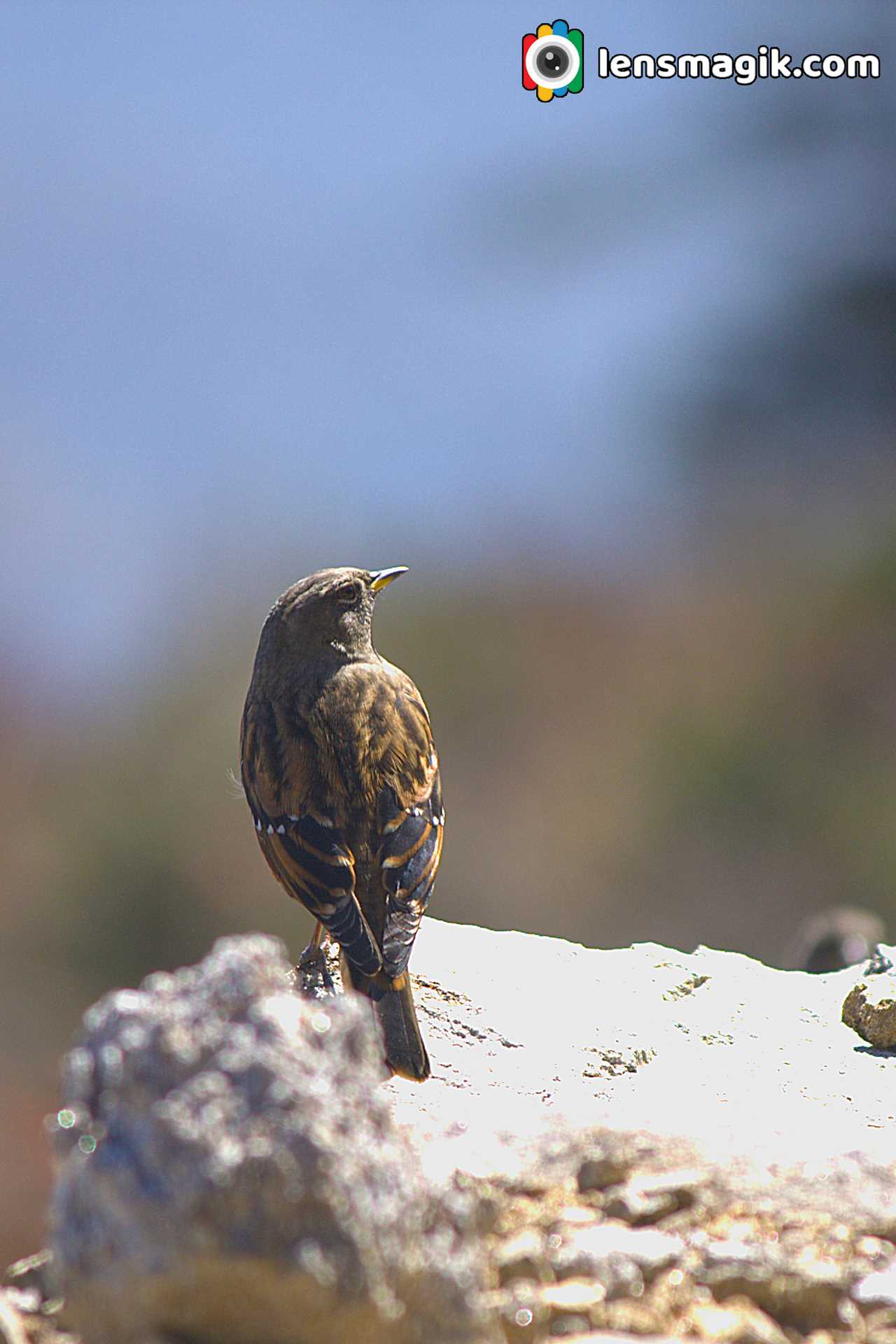
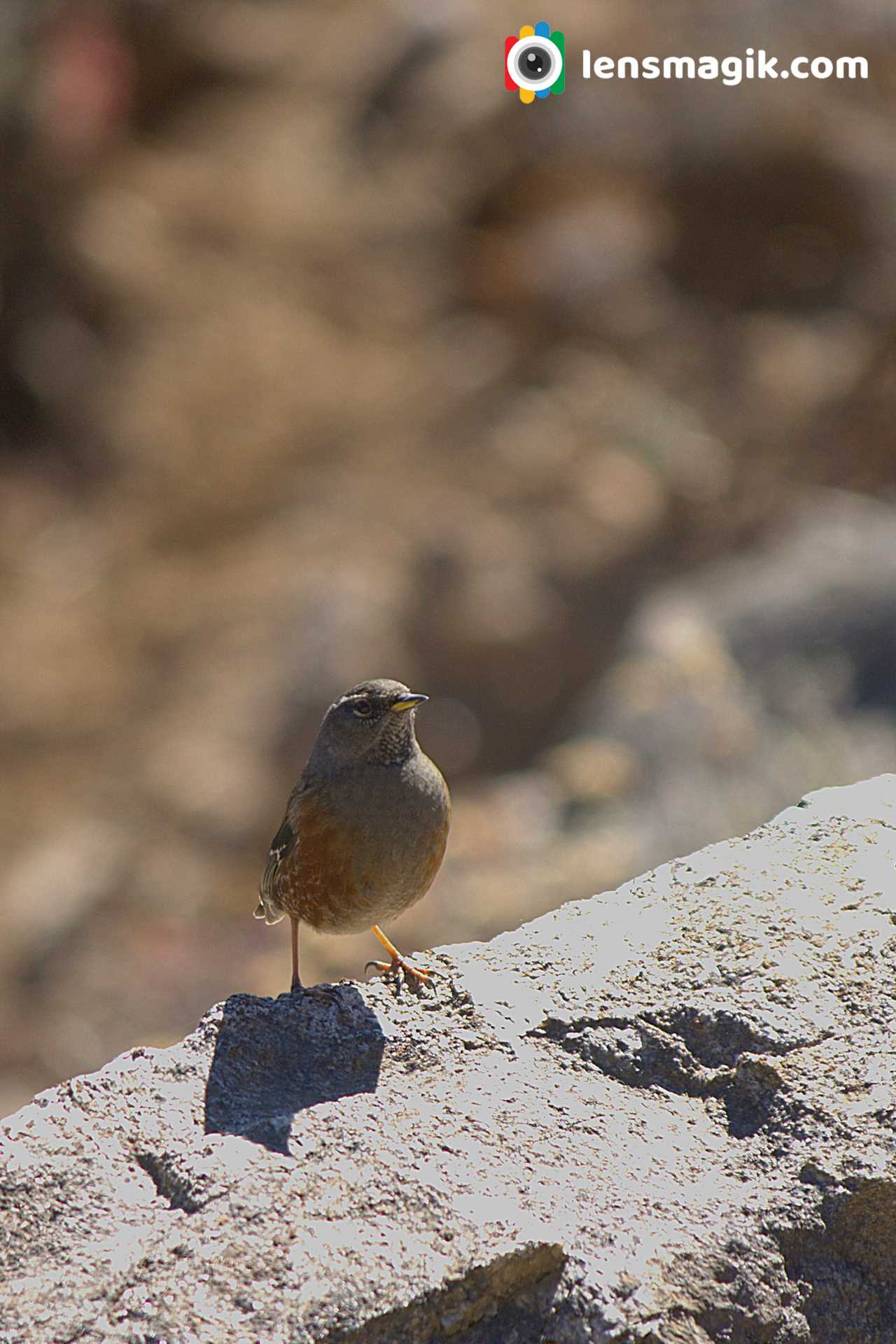
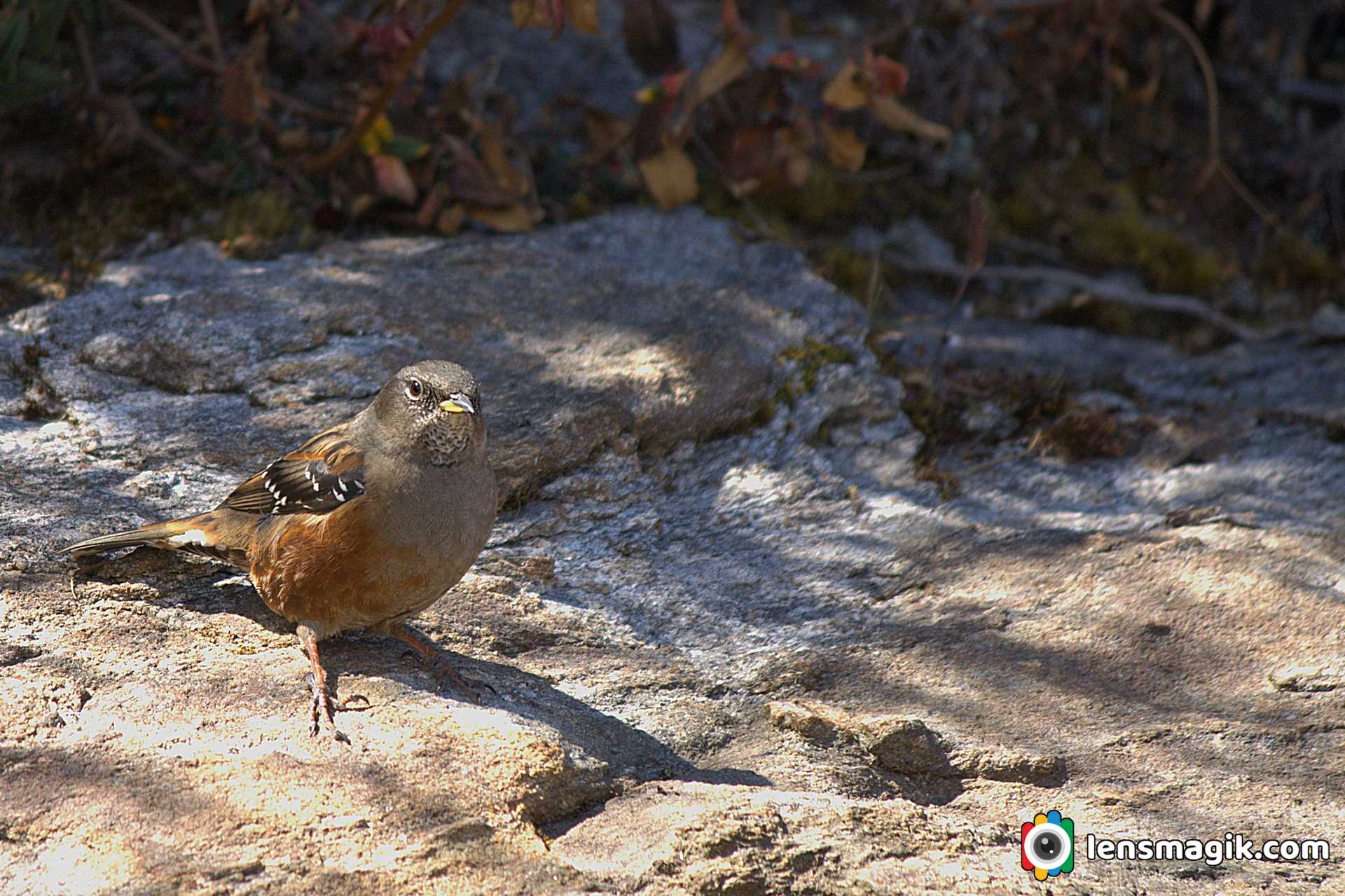
Alpine Accentor bird Binominal Name is Prunella Collaris . Total 9 subspices are recognised of Alpine Accentor bird.
Gear used : Canon 1000 D, Canon 55-250 mm Lens.
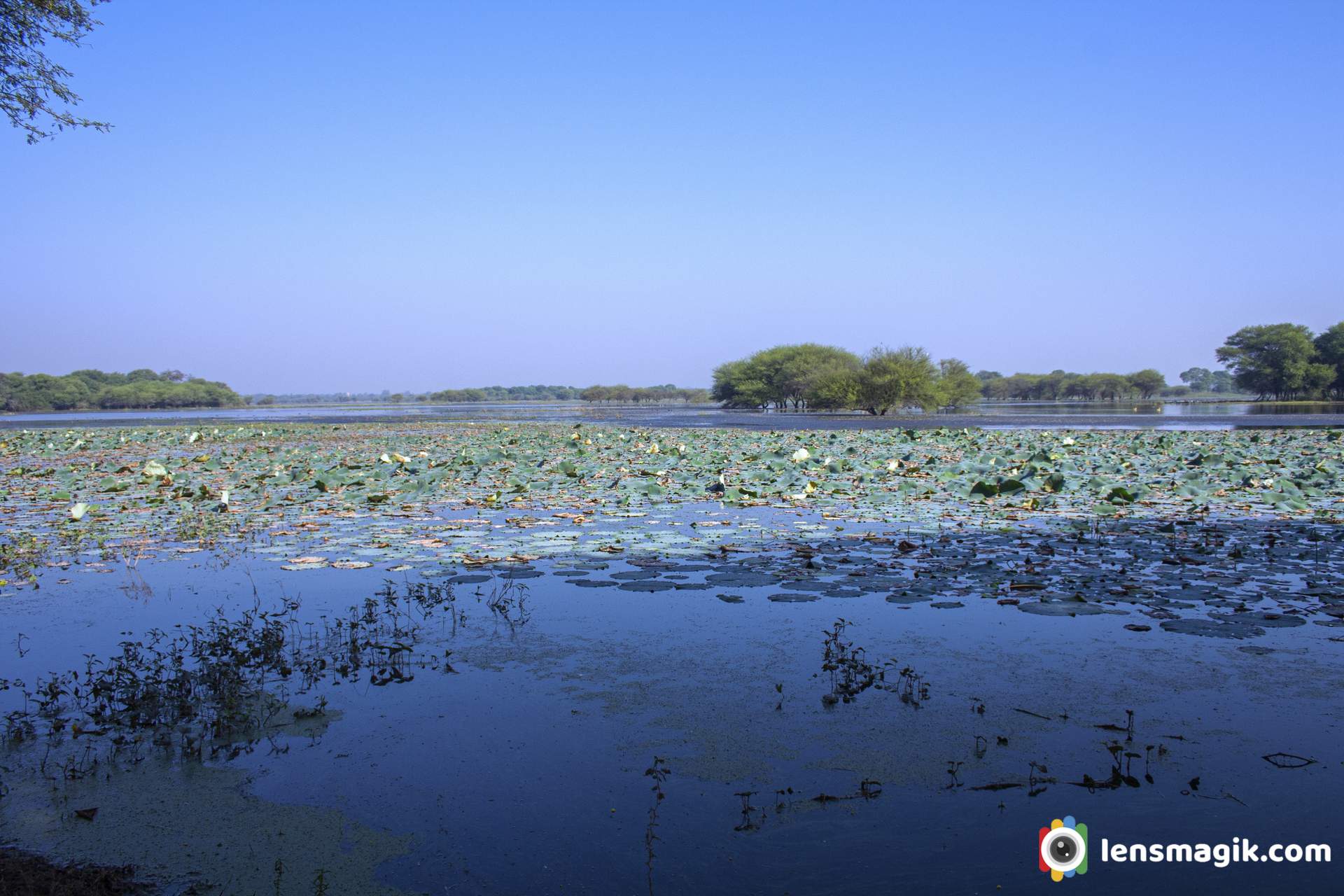
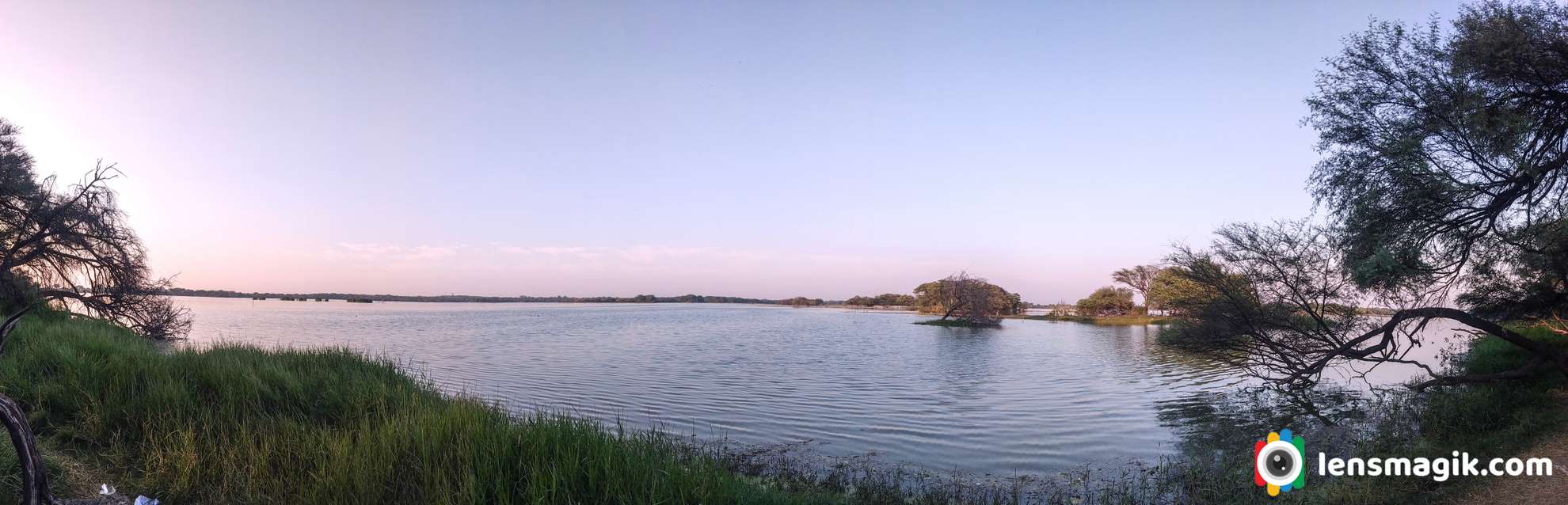
Thol bird sanctuary is located in Kadi Taluka in Mehsana District near sanand Gujarat. It is an artificial lake located near village Thol. In 1912 thol lake was built and it was declared as a Sanctuary in 1988. The main use of lake is use of water for irrigation. The Thol Bird Sanctuary or a Thol lake wildlife Sanctuary India is a habitat of more than 150 spices of birds. Also it is famous for migratory birds Flamingos and Sarus Crane which breeds here.
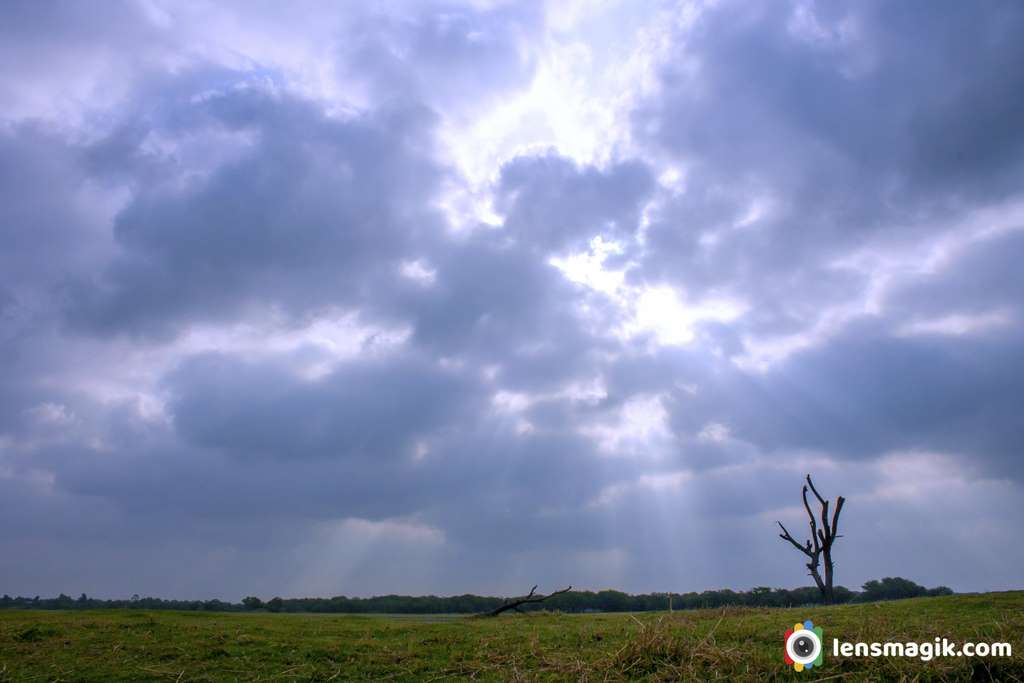
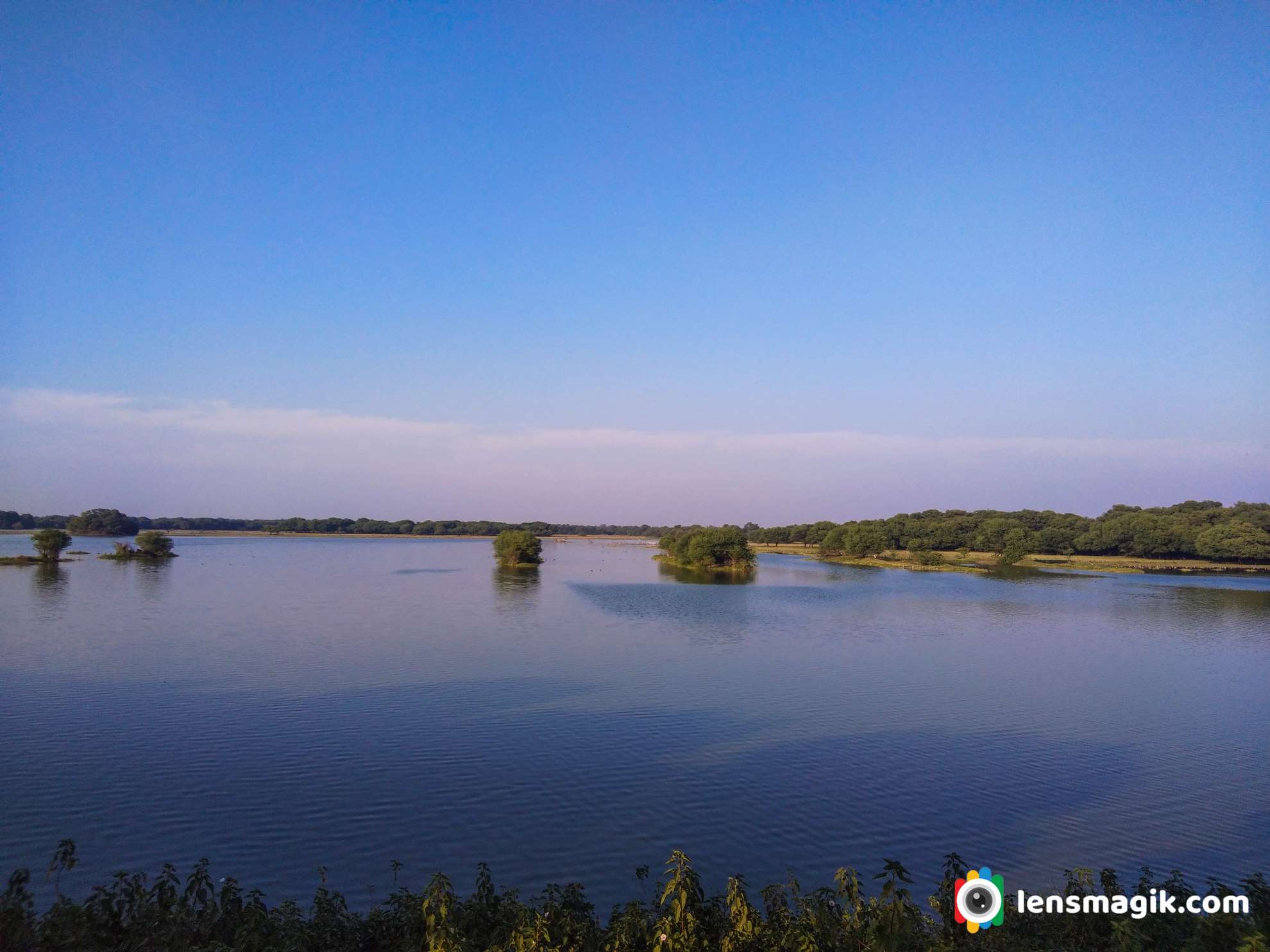
About Thol Lake / Thol Bird Sanctuary
Thol lake is located near Thol village and its area around 38000 acres. Lake faces all season winter , summer and monsoon. During winter temperature goes to 8 degree and in summer temperature goes to 43 degree. Thol lake is under control of Forest and Irrigation department of Gujarat. Thol lake water storage capacity is around 84 million cubic meters. Thol wildlife sanctuary is declared as Eco Sensitive Zone .
Flora and Fauna Thol Sanctuary :
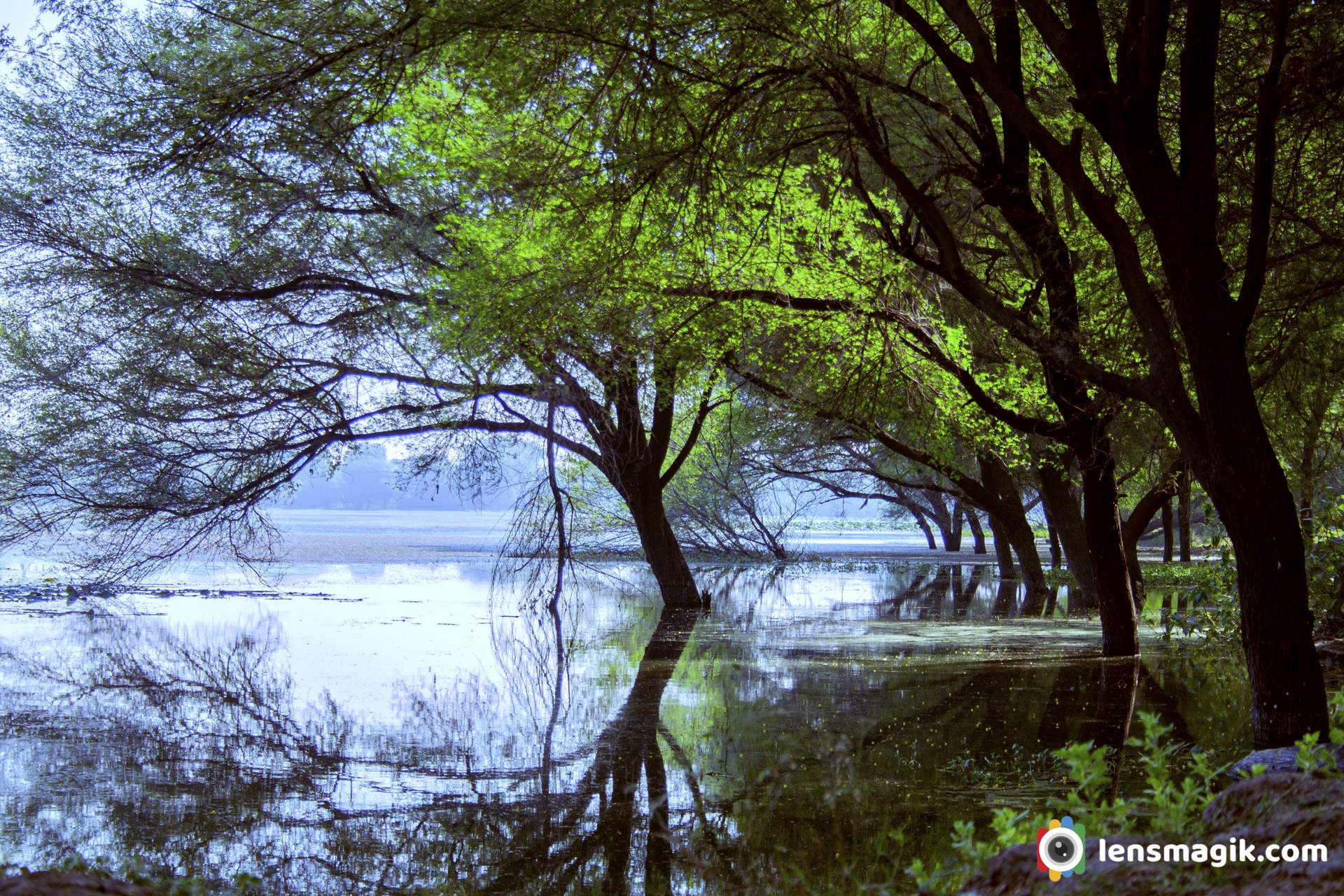
Thol lake has many vegetation plants like Zizyphus, Acacia nilotica, Ficus, Capparis, Azadirachta indica etc. There are also some mix flora of Marshy and Aquatic plants reported in Thol Lake.
Thol lake is protected area and it is very good habitat for water birds. In thol bird sanctuary there are more than 150 spices of birds found . Among these more than 60 % of birds are water birds. Flamingo bird is most prominent bird of Thol Lake. Also Sarus Crane nest in large number here.
Famous Migratory Birds of Thol Lake
• Flamingos
• Sarus Crane
• Great White Pelican
• Mallards
• Bar Headed Geese , Grey Headed Geese
• Waterfowl
There are also some spices reported here like Dalmatian Pelican, Indian Skimmer, Greater Spotted Eagle, Indian Vulture and white rumped Vulture etc. In Mammals Bluebull, Blackbuck and Golden jackal reported here.
Thol Lake Timing and Fees :
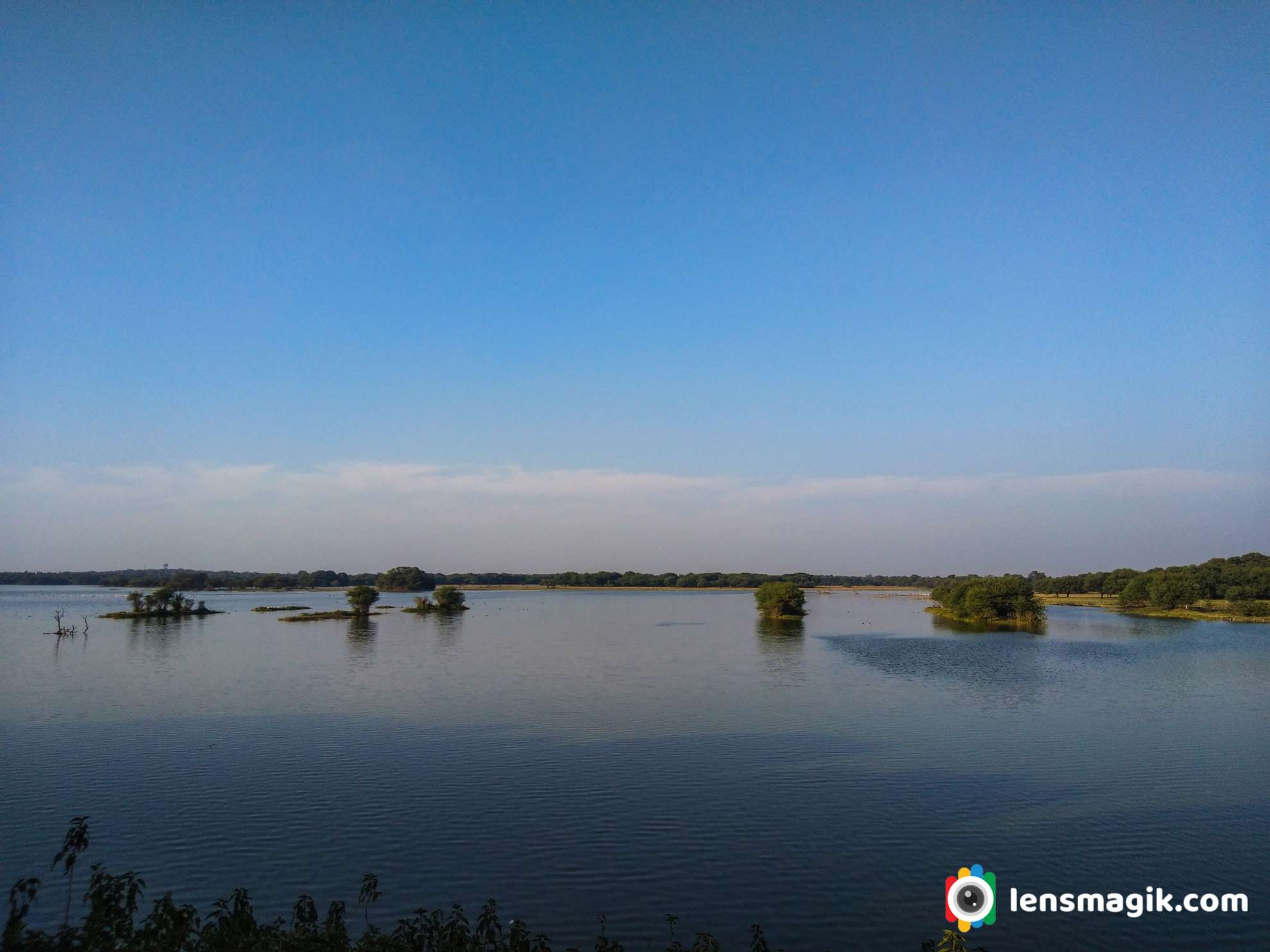
Thol lake open everyday at 6 AM in morning and close at 5.30 PM in evening. Entry fees for Thol Lake or Thol sanctuary is 50 INR for per person. Also Camera fees extra at 200 INR and if you go via car then car fees also 500 INR. Foreigner fees are 10 $ per person.
Best Time to Visit Thol Sanctuary / Thol Lake :
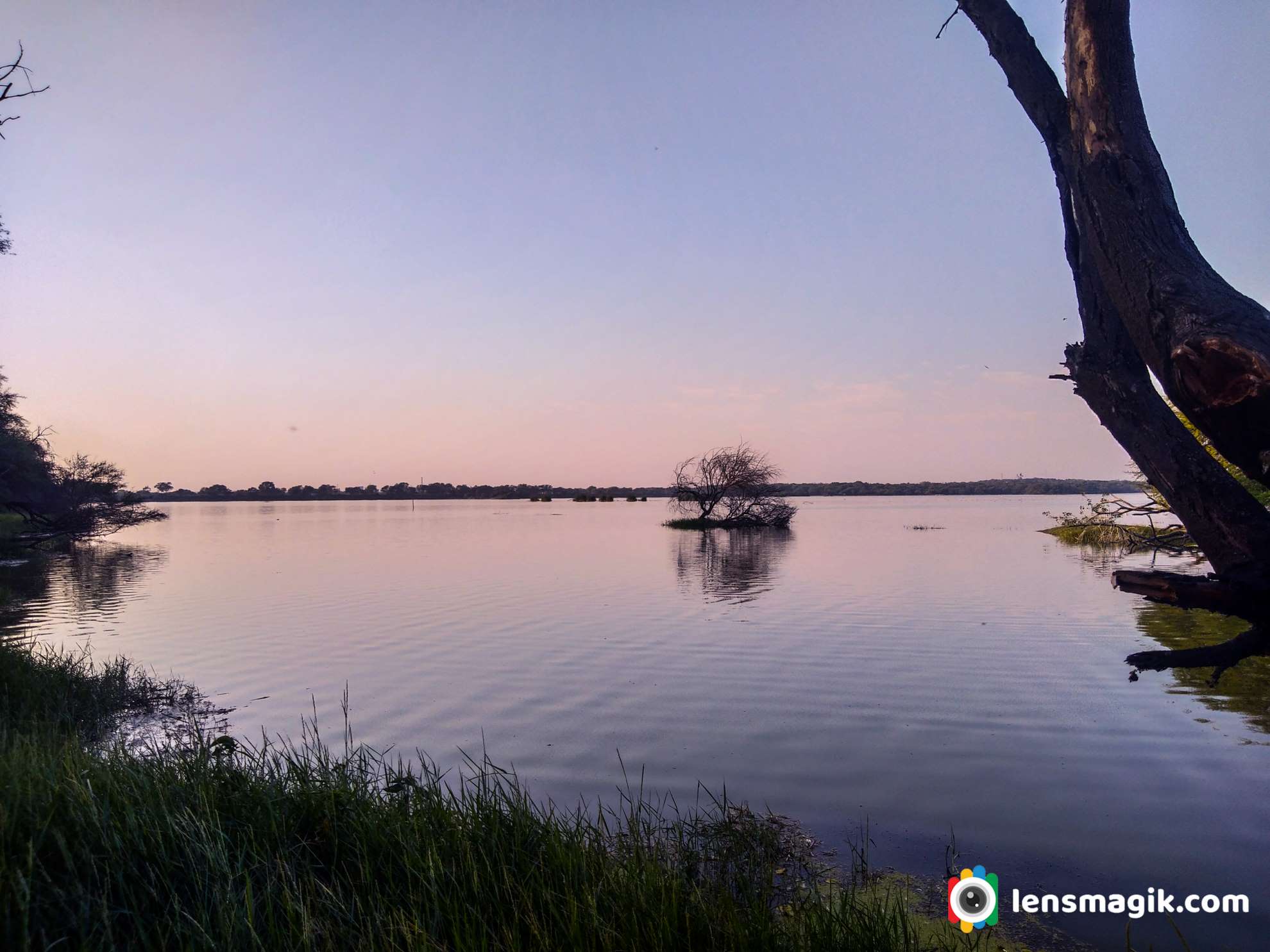
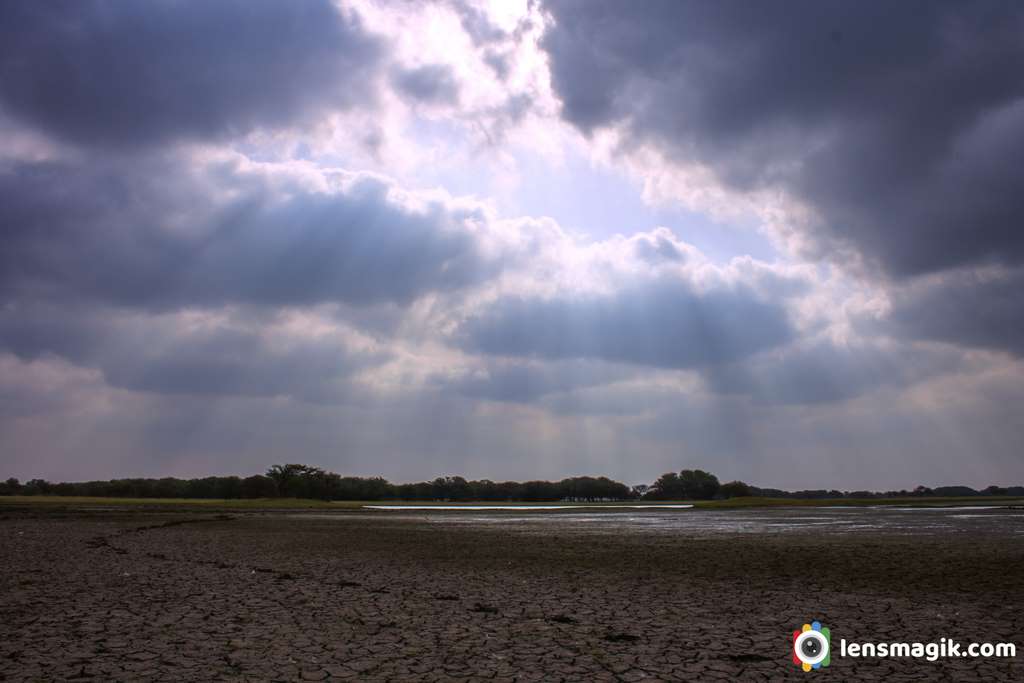
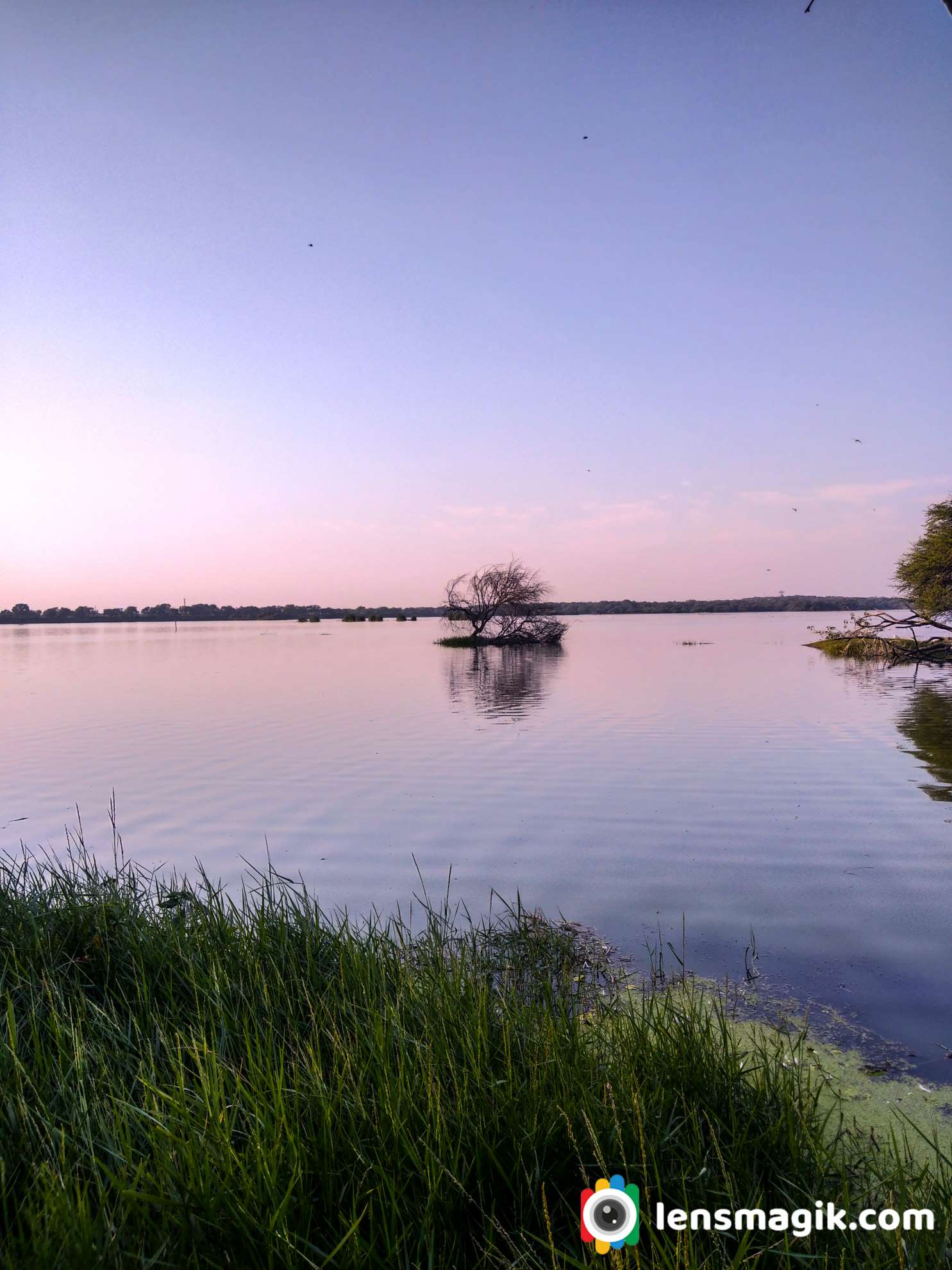
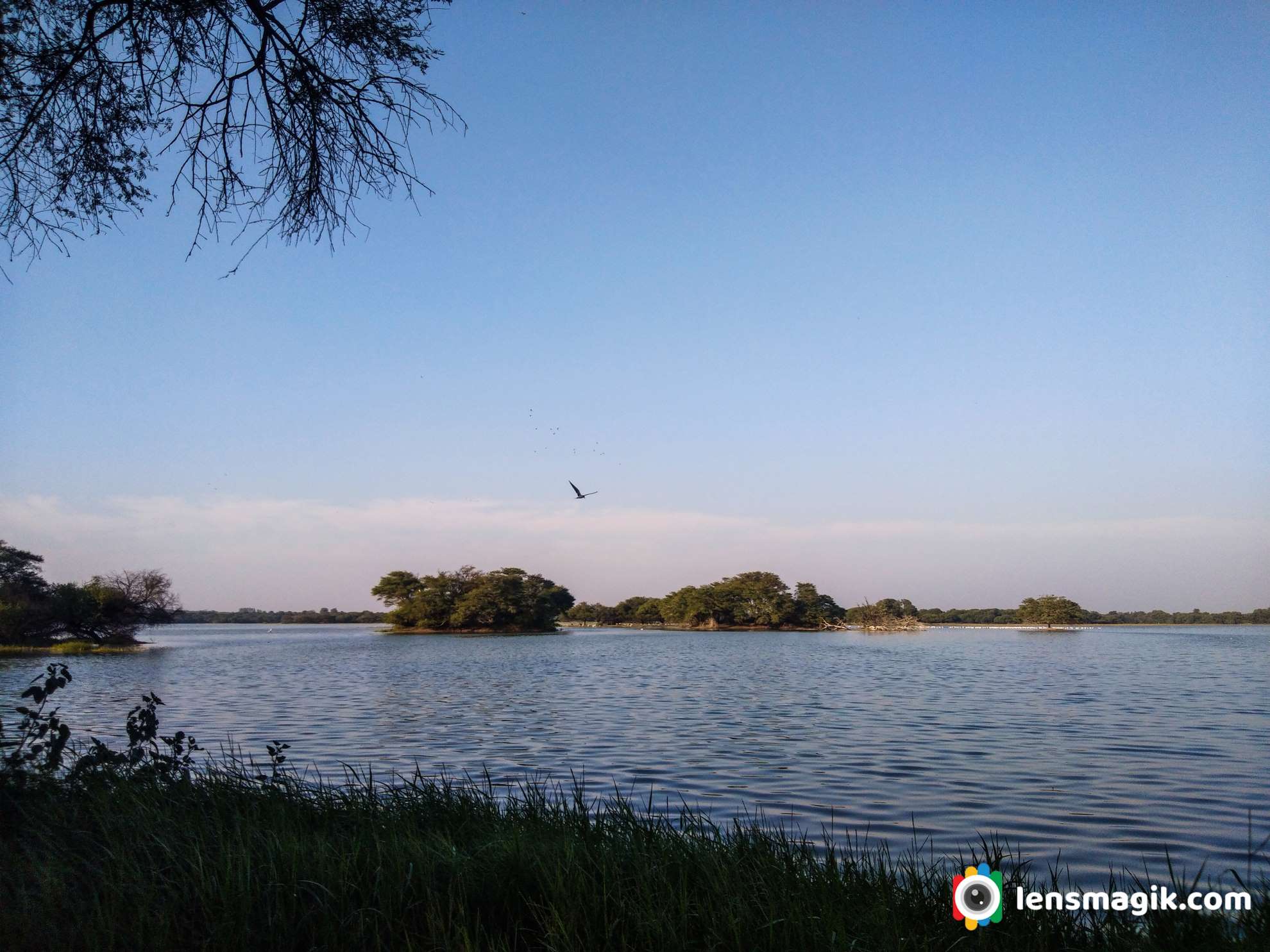
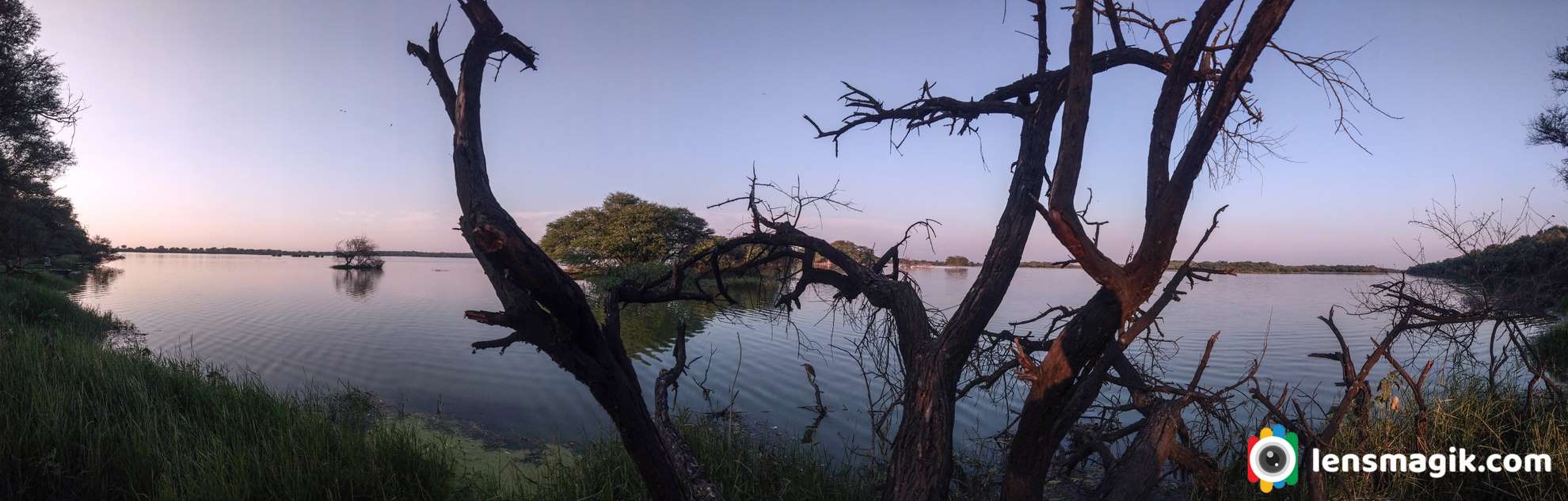
Best time early morning for Thol Lake. In winter if you go before sunrise you can see Twilight sky amazing with lake shore and birds sound .During all season Thol lake has its own beauty. Every season you can visit at Thol Lake. But mostly during winter from November to March season is best for Thol Sanctuary visit. Because during winter lots of Migratory birds came here and stay for long time so for birding winter season is best at Thol Lake. Also during summer some of birds stays here like flamingos and pelicans, geese etc. So you can also see them in summer too. Also during summer water level of lake is low so may be the birds you can get in deep or sometimes closer. During monsoon most people don’t visit but if you like macro photography then you must visit Thol lake in monsoon. You can get some excellent macro subjects like waterdrops , Spiders, Insects etc.
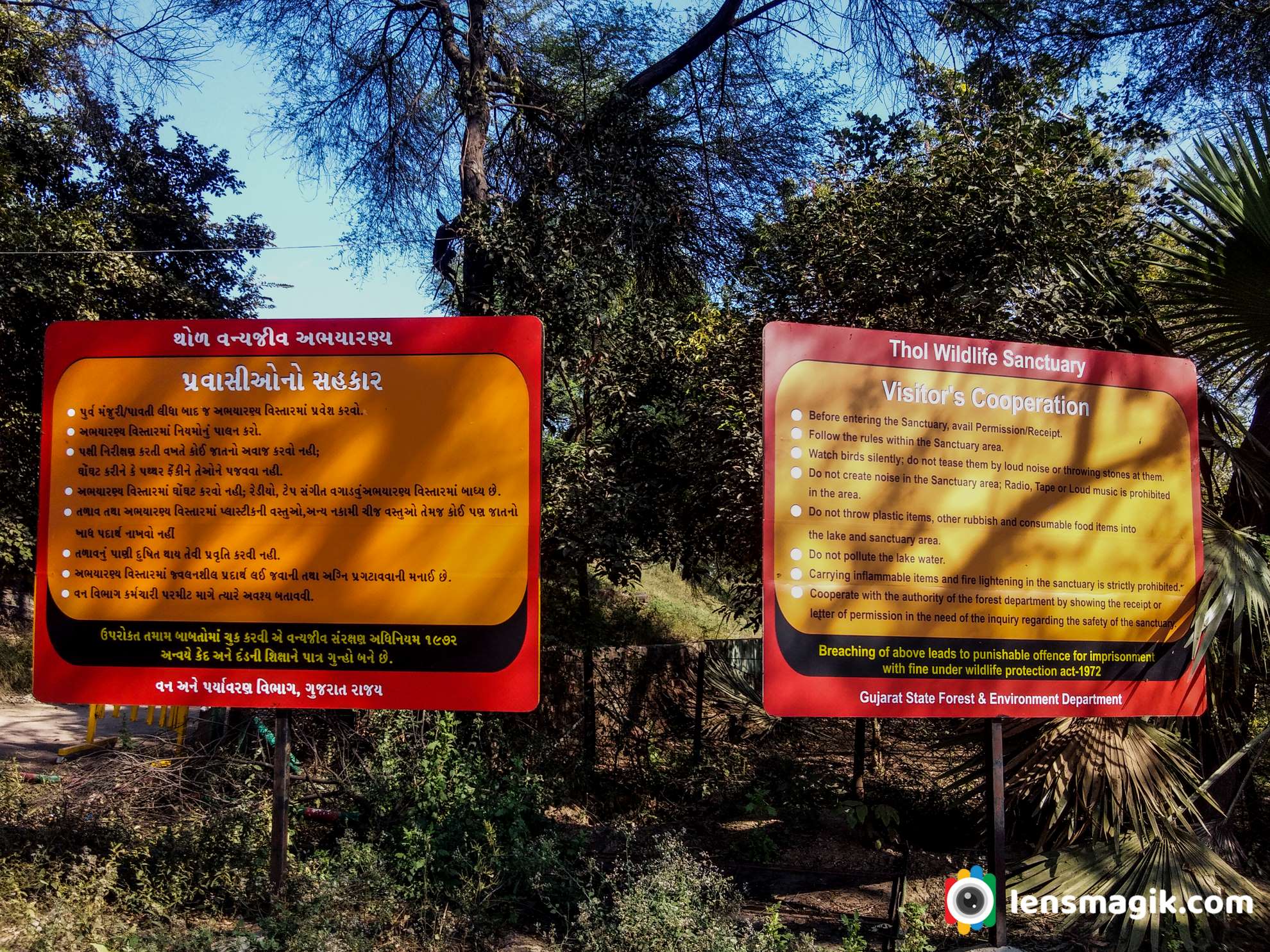
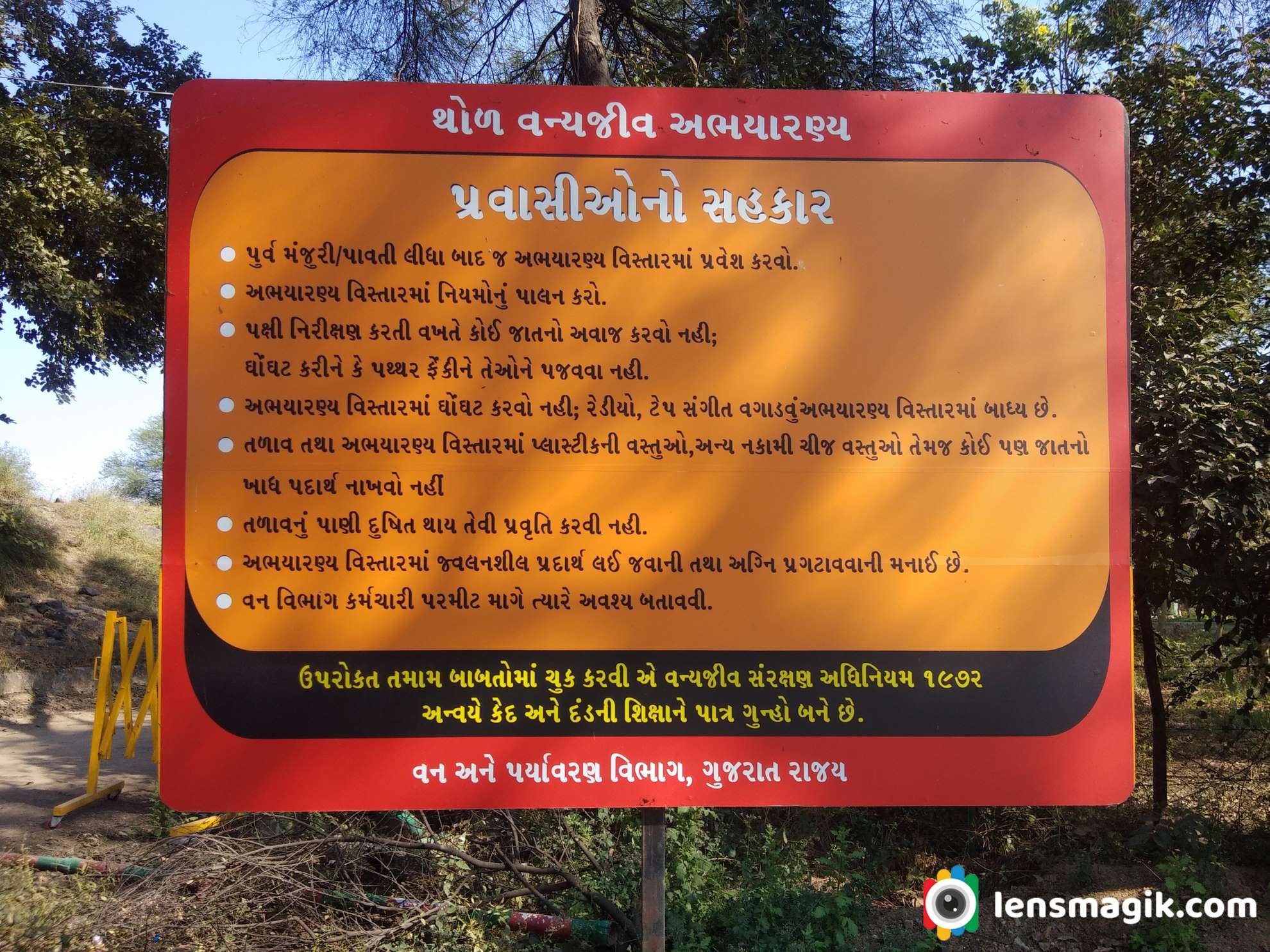
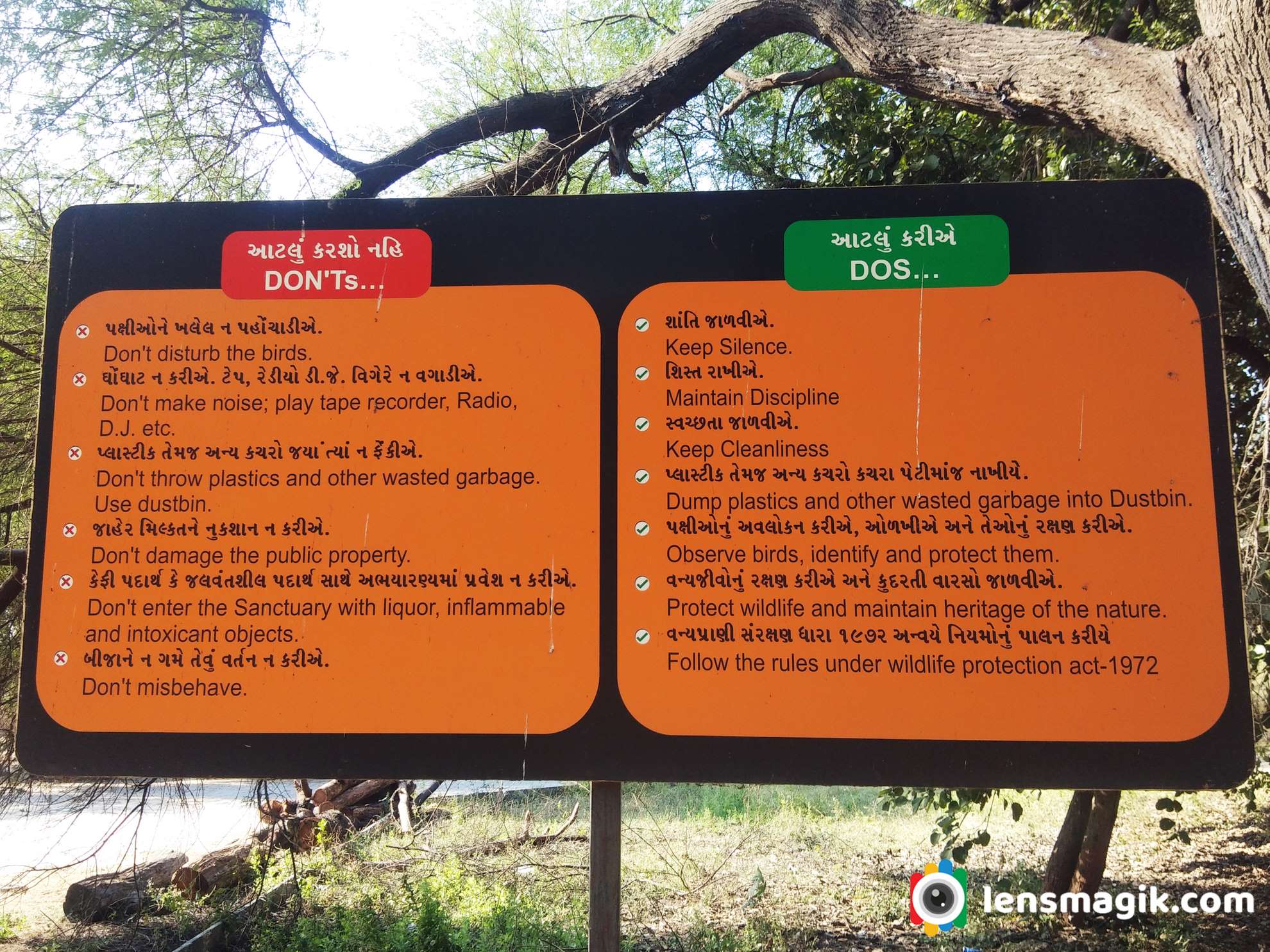
What to do and What not to do in Thol Lake / Keep in mind while visiting sanctuary in India :
• Keep silence in sanctuary
• Maintain discipline
• Keep sanctuary clean
• Do not throw plastic waste anywhere in sanctuary
• Protect wildlife
• Observe birds, mammals etc and protect them and identify them
• Follow rules of wildlife protection act -1972
• Don’t disturb birds and animals
• Don’t enter in sanctuary with liquor and inflammable objects
• Don’t make loud noice.
• Enter in sanctuary with permit only and keep receipt till you leave sanctuary
• Don’t feed birds and animals
Where to Stay near Thol Lake :
Well near to Thol Lake there are not good places to stay at night but you can go near to destinations like Kadi, Kalol or Gandhinagar , Ahmedabad where you can get good places to stay at night. Nearest I suggest Kalol around 15-18 km or you can go Ahmedabad around 25 km.
Places to Visit near Thol Lake :
If you are staying at Ahmedabad then go for Ahmedabad Darshan , Pol area of Ahmedabad and Adalaj Ni Vav ( Heritage places ) etc. Also go for fast food test at night at Manek Chauk and SindhuBhavan road there are lots of option for food lovers like Urban Chauk, Freezbee etc.
If you stay at Gandhinagar then visit Mahatma Mandir at Gandhinagar, Sarita udyan , Akshardham Temple etc.
I would suggest Modhera Sun Temple if you had some more time which is around 100km from Ahmedabad. For bird lovers and bird photographer I would suggest visit Little ran of Kutch (LRK) during Winter season, Pariej Lake, Indroda park Gandhinagar, Jessore Sanctuary Banaskantha etc.
How to Reach Thol Sanctuary :
Nearest airport is Ahmedabad and from Ahmedabad thol lake distance is around 30-40 km
Also for Railway station is Ahmedabad because you can get all frequency and destinations from Ahmedabad railway station.
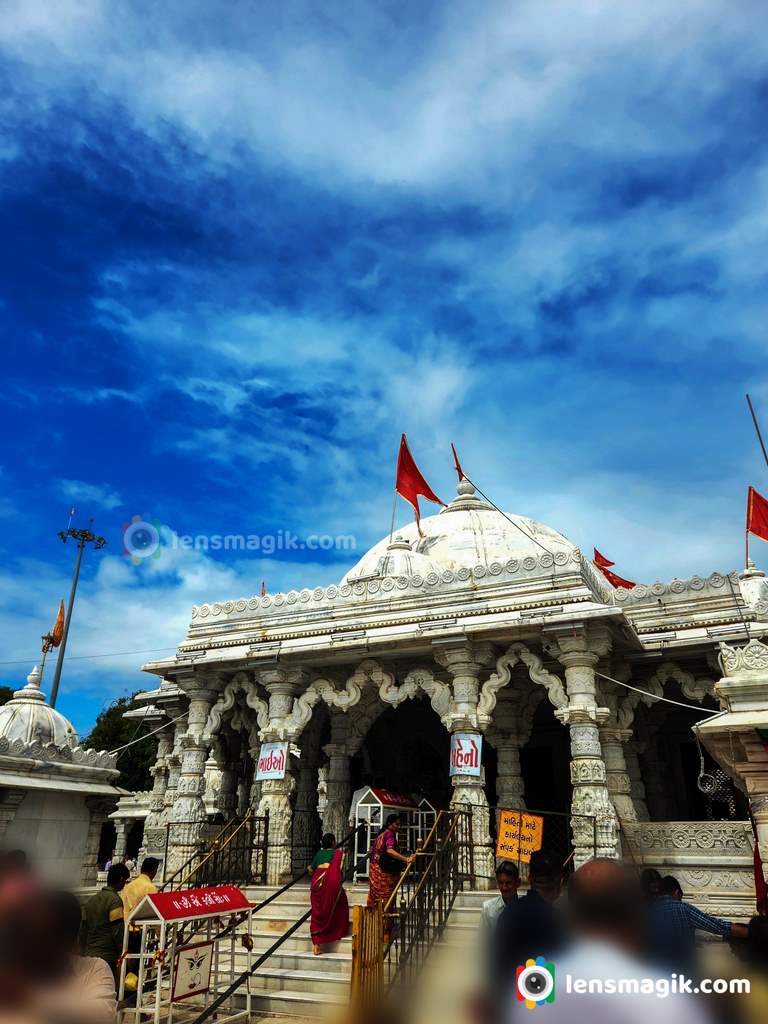
Bahucharaji or Becharaji is located in Mehsana district Gujarat. It is a Hindu Temple of Hindu Goddess Bahuchara Mata.Bahucharaji Temple is in Bahucharaji town near shankhalpur village Mehsana. Bahucharaji Temple is in center of town. Bahucharaji temple managed by State Government. Ma Devi Bahucharaji is worshipped here as Goddess Bala Tripura Sundari.
Story of Bahucharaji temple
As per old people says Dandasur demon was stayed near Becharaji and won Patallok, Mrutyulok and Devloka all three lokas. The Devil has boon from Lord Shiva that a godeess appeared against him in small girl form. All 3 lokas Devas went to Goddess Parambaa to save them from demon. The Bahuchar mata appeared in form of small girl for fist time at Varakhadi tree . So bahuchar mata known as Bala Bahuchara Mata. Goddess killed demon with Trishul and bought peace for people of earth.
- Main vehicle of Bahuchar Mata is cock.
- Bala Yantra of Crystle and encased In gold is worshipped at temple.
- Bahuchar Mata carries sward on top right hand, Abhay mudra on bottom right, a text of scriptures on top left and trident on bottom left.
- In my family we believed that new born male child first time hair removed ( Mundan ) after 1 year in temple.
- It is also believed that any new child don’t speak properly then bought here and on his behalf cock donated to Mata and in few days child can speak properly.
- All over from India devotee came here and pray for blessing of Goddess. On purnima ( full moon ) day is special for devotees. On Chaitri Poonam 5 days fair arranged near the Temple and in city.
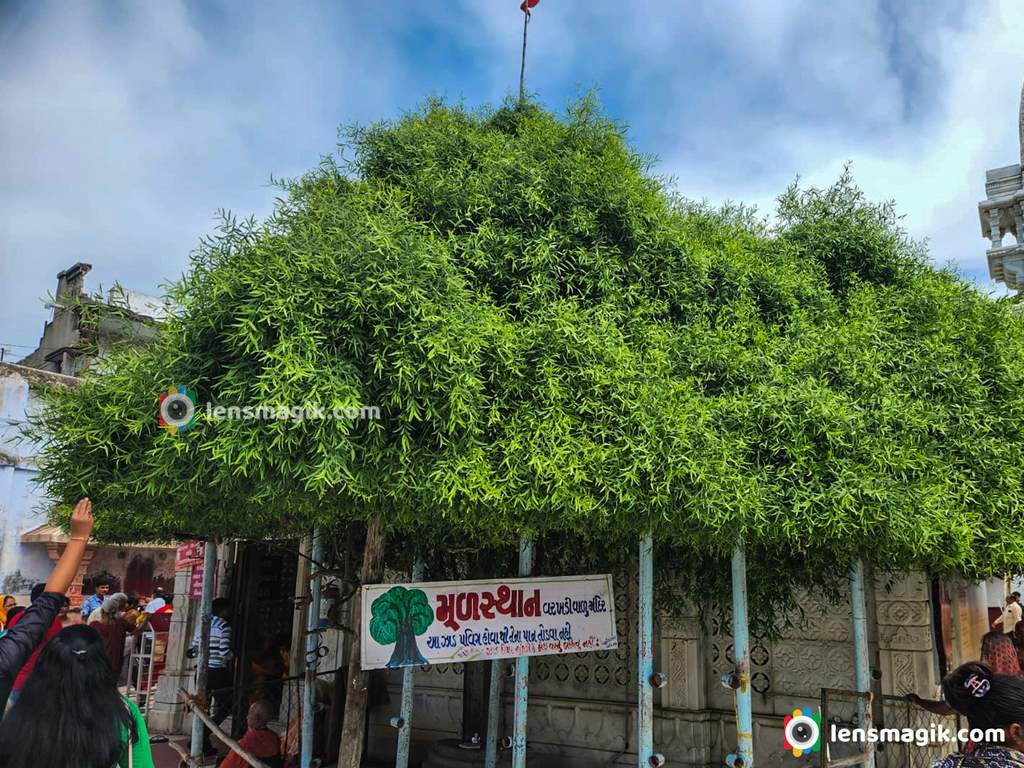
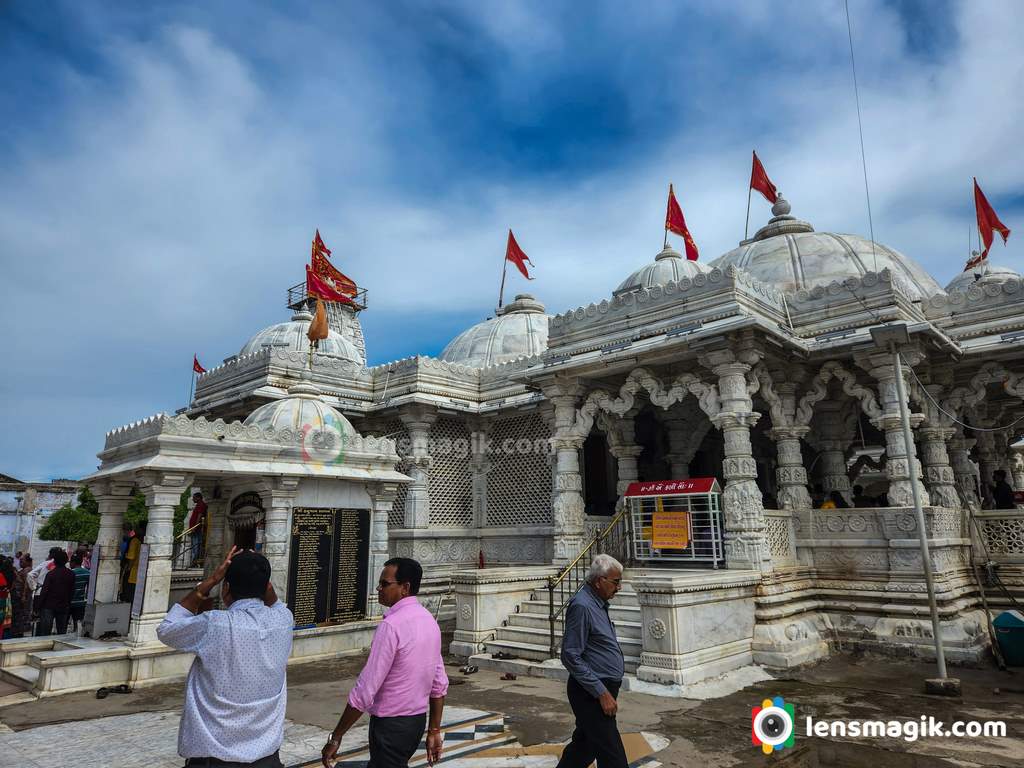
Where to Stay in Bahucharaji or Bechraji :
There are lots of Dharamshala , Hotels, Guest Houses in Bahucharaji. All places are in good rate available. People can also go to Mehsana , Shankhalpur for stay . Also people can go to Modhera Sun Temple for visit.
Bahucharaji Mata Temple Darshan Timing :
Bahucharaji Mata temple darshan timing is from 5.30 AM to 10 PM .
Nearest Airport : Ahmedabad
District : Mehsana
Pincode of Bechraji : 384213
Ambaji is a town in Banaskantha district. The town surrounded by aravalli Hills. Ambaji is Famous for Ambaji Temple. Millions of devotees visit Ambaji Temple every year. Even my family also visited Ambaji Temple once in a year Climate of Ambaji is change in all season . Summer is very hot around 45 degree and in winter temperature goes down to 6-7 degree. Rainfall average 15 -30 in in monsoon.
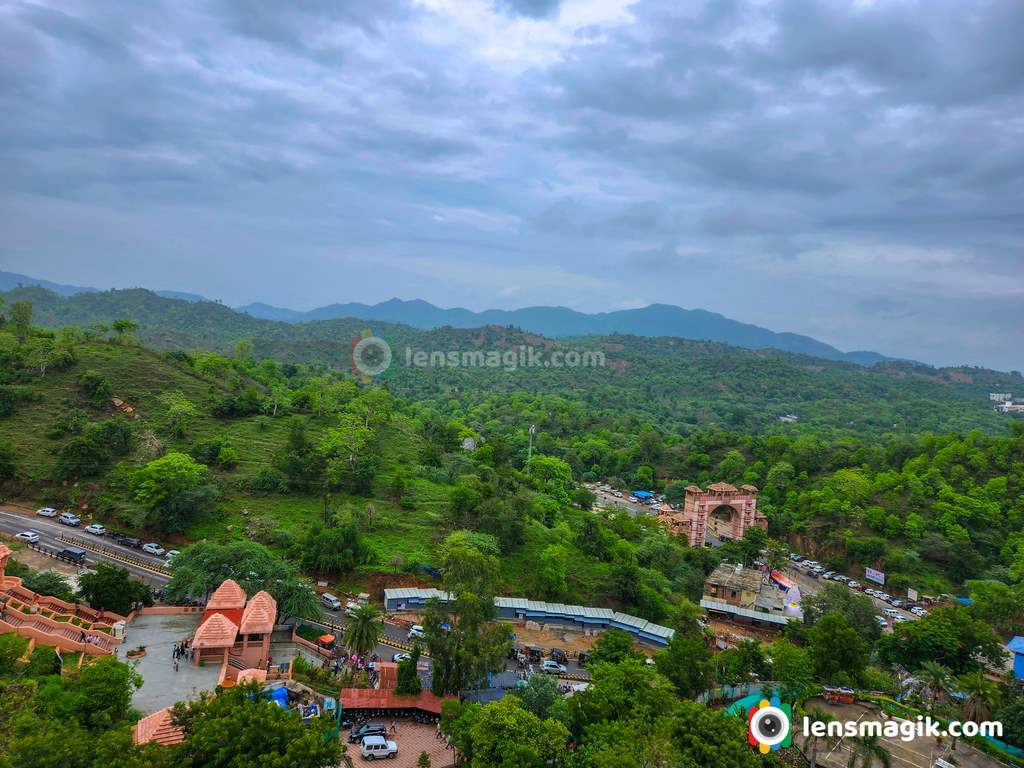
About Ambaji Temple:
- Ambaji Temple is one of the 51 Shakti Peethas .
- Ambaji Mata Temple is a major Shakti peethas in India. It is also known as Arasuri Ambaji Mata Temple.
- Shree visa Yantra is worship as main God. No one can see Yantra with nacked eye. And also the Photography of Yantra is not allowed.
- The original seat of Ambaji Mata is at on top of Gabbar Hill.
- On purnima day large number of people come to Ambaji temple for darshan. On Bhadarvi Poornima there is a large mela in city. People from all over the country come here by walk from their destination on Bhadarvi Purnima . People make food camps, medicine camp, refreshment camp in between the road for people who come by walk in Ambaji Temple.
- The shrine of Shri Amba is regarded as a revered shrine by Shakta Shaktism sect of Hinduism. There was a say and also it believed that the heart of Sati Devi has fallen here.
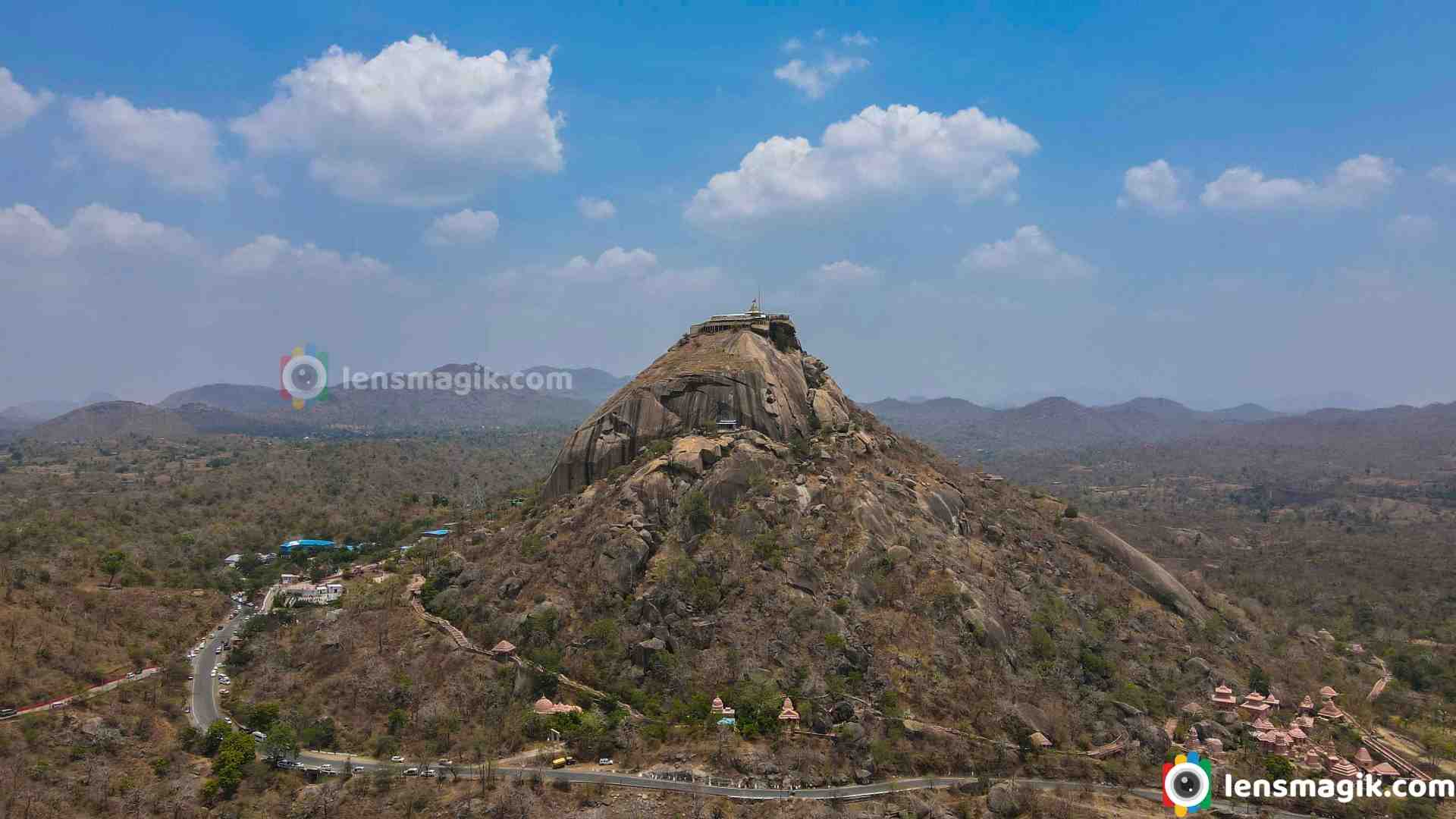
The Myth of Ambaji Temple :
According to Lord Vishnu cut the corpse os sati with his weapon Sudarshan Chakra and 51 pieces fell on earth. That 51 place built shrine. And at Ambaji there was a say that Sati Devi’s heart was fallen so Ambaji is one of most important Shakti Peeth.
Gabbar Hill , Ambaji Temple
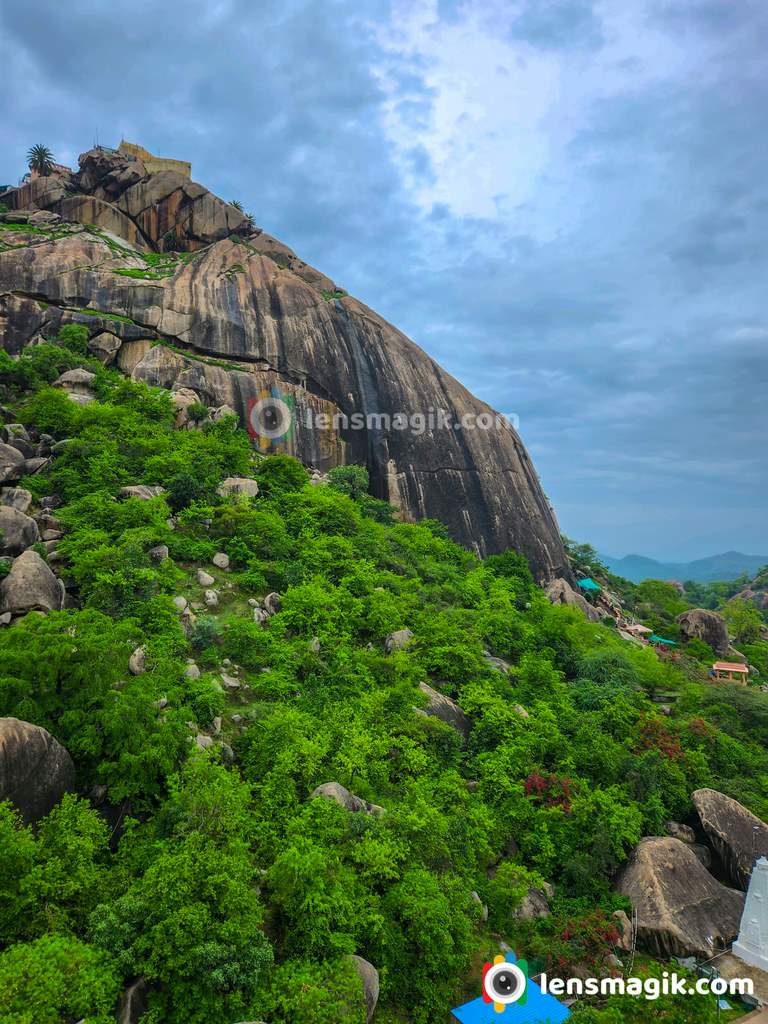
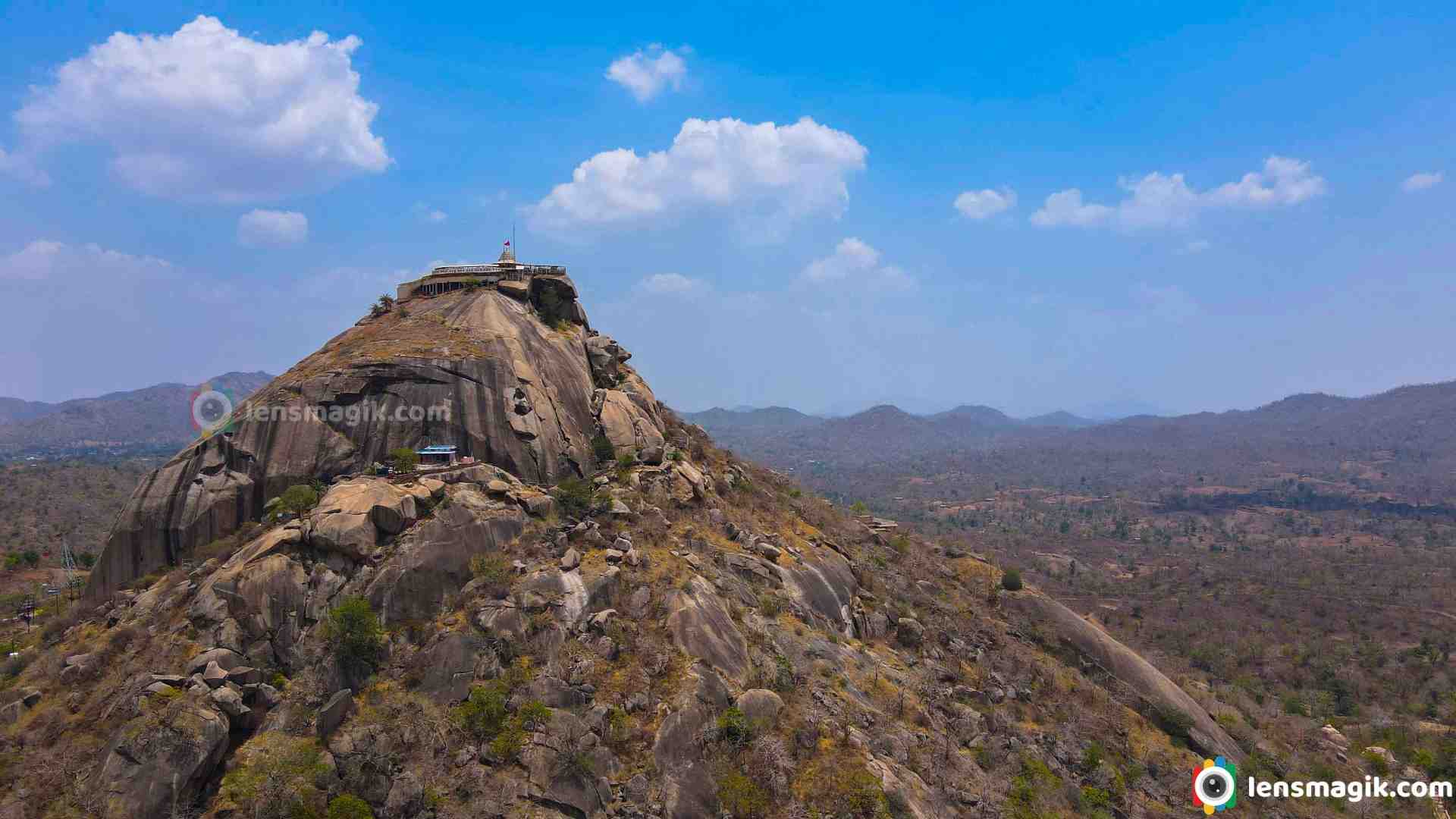
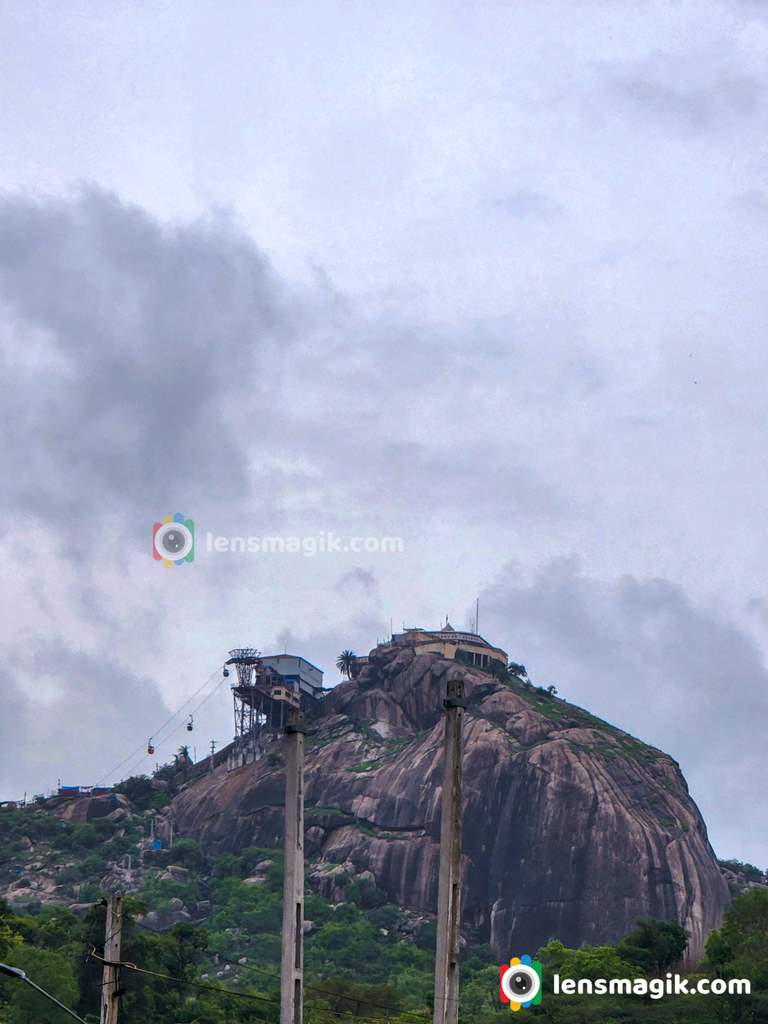
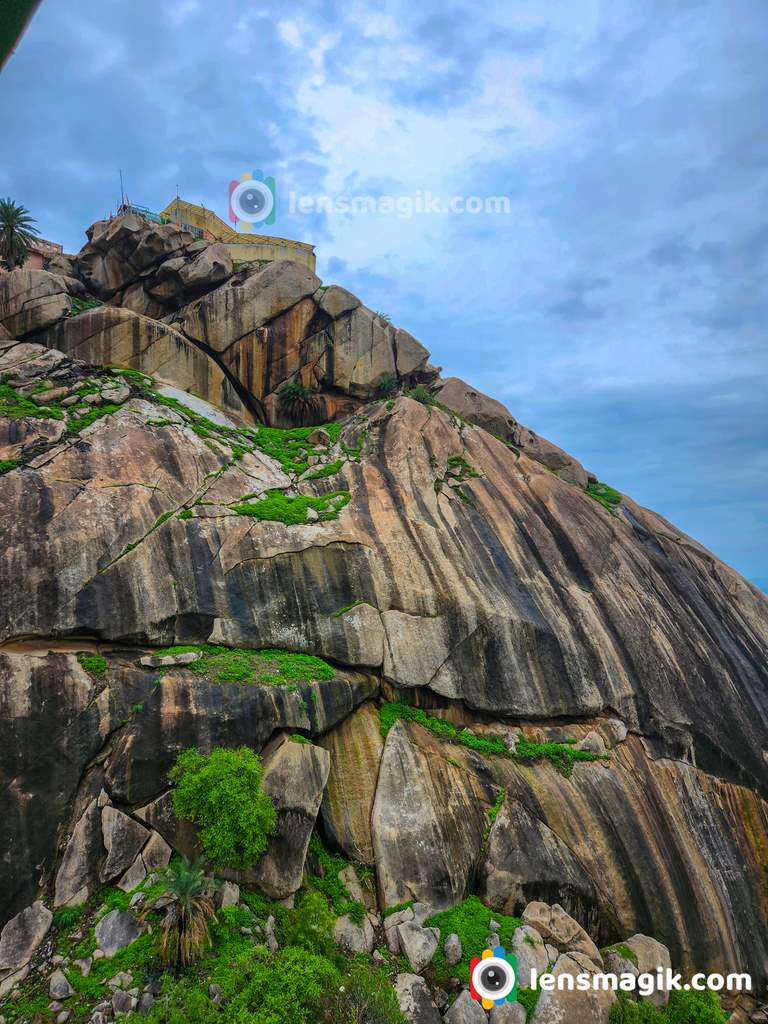
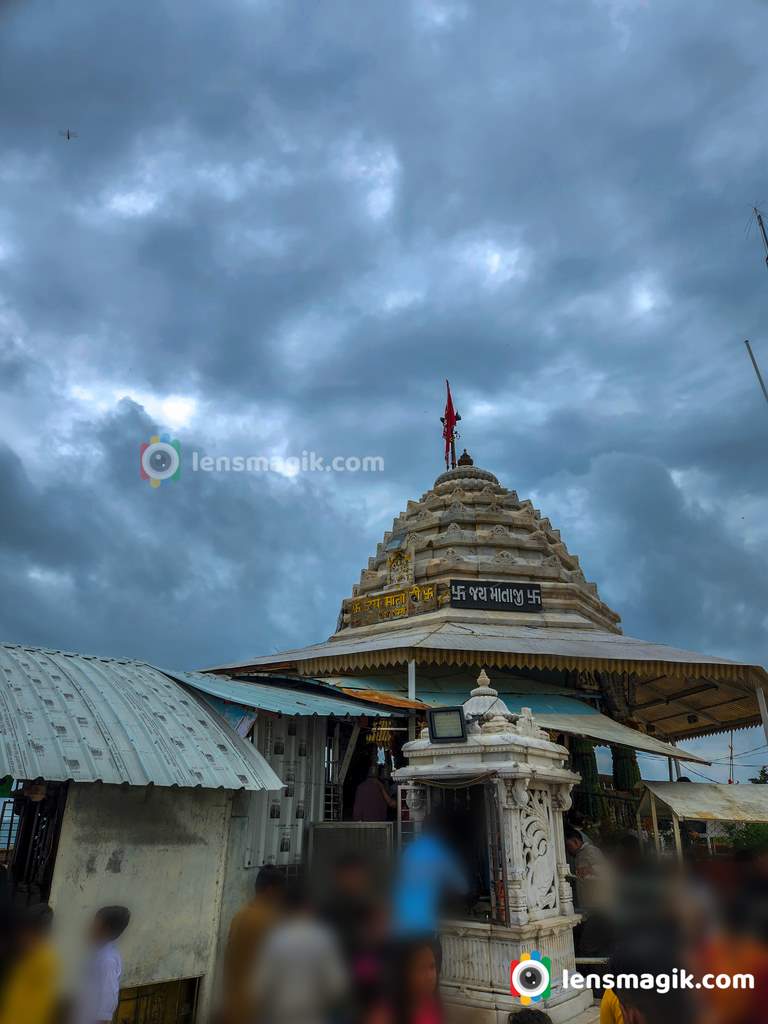
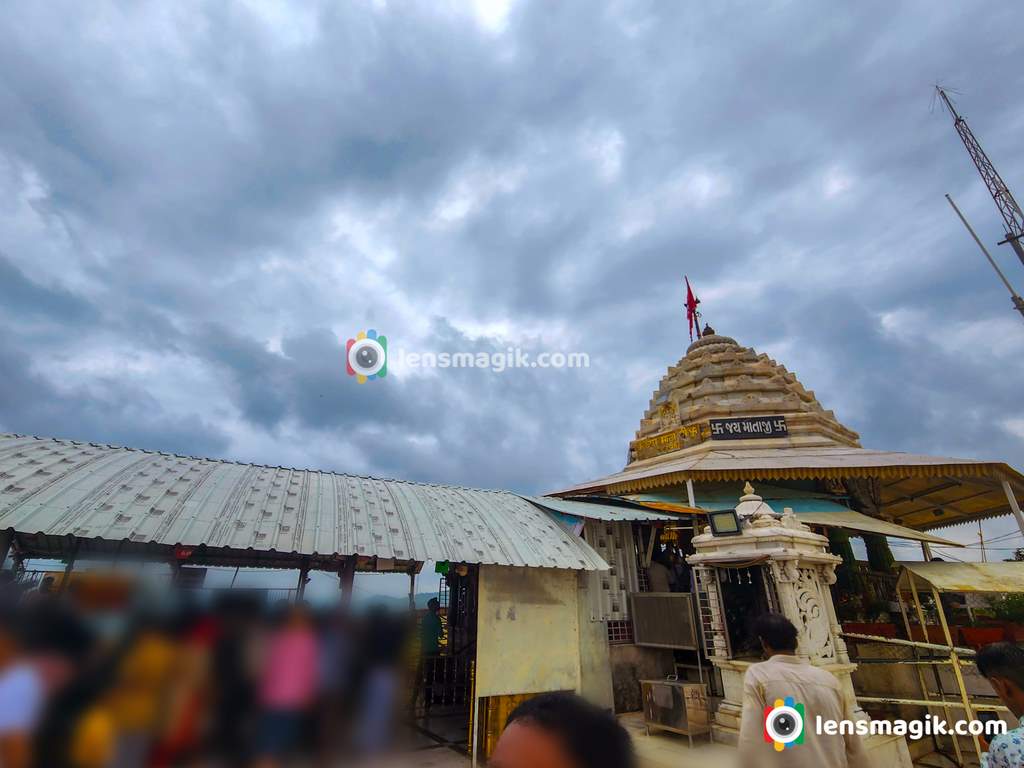
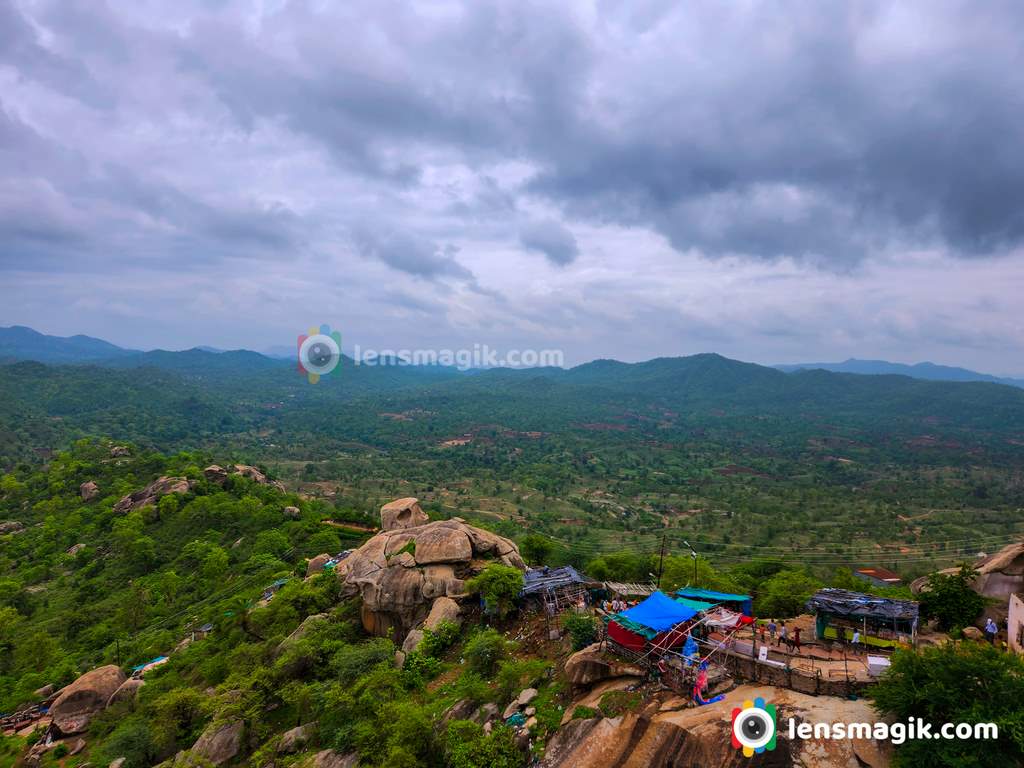
Gabbar is located at west of Ambaji Village at around 4-5 km away. It believed that original seat of the Goddess is at top of Gabbar Hill. There are around 999 steps for climbing Gabbar Hill. Among them 300 stone steps and rest are very narrow passage so it’s a thrill to climb. On the flat top of the hill there is a small temple of Ambaji. In this temple small covered lamp keep constantly burning. The lamp also seen from Ambaji Temple at night. There are footprint of Goddess their under the pipal tree.
In Ramayana there is a say that Lord Rama worship devi Ambaji so Devi Ambaji gave him an arrow name AJAY and with this arrow Lord Rama killed Ravan in the war.
9 Swaroop of Devi Ambaji :
- Shri Bhramcharini
- Shri Chandra Ganta
- Shri Katyayini
- Shri Kalratri
- Shri Mata Gauri
- Shri Kushmanda
- Shri Shail Putri
- Shri Siddhi Datri
- Shri Skandmata
Ambaji Temple Darshan Timing
Arti timing every day 6.00 AM in the morning
Winter Timing
|
Morning |
7.00 AM to 11.30 AM |
|
Afternoon |
12.30 PM to 4.00 PM |
|
Evening |
6.00 PM to 8.30 PM |
Summer Timing
|
Morning |
7.00 AM to 10.45 AM |
|
Afternoon |
12.30 PM to 4.30 PM |
|
Evening |
5.30 PM to 9.15 PM |
Monsoon Timing
|
Morning |
7.00 AM to 11.30 AM |
|
Afternoon |
12.30 PM to 4.30 PM |
|
Evening |
5.00 PM to 9.00 PM |
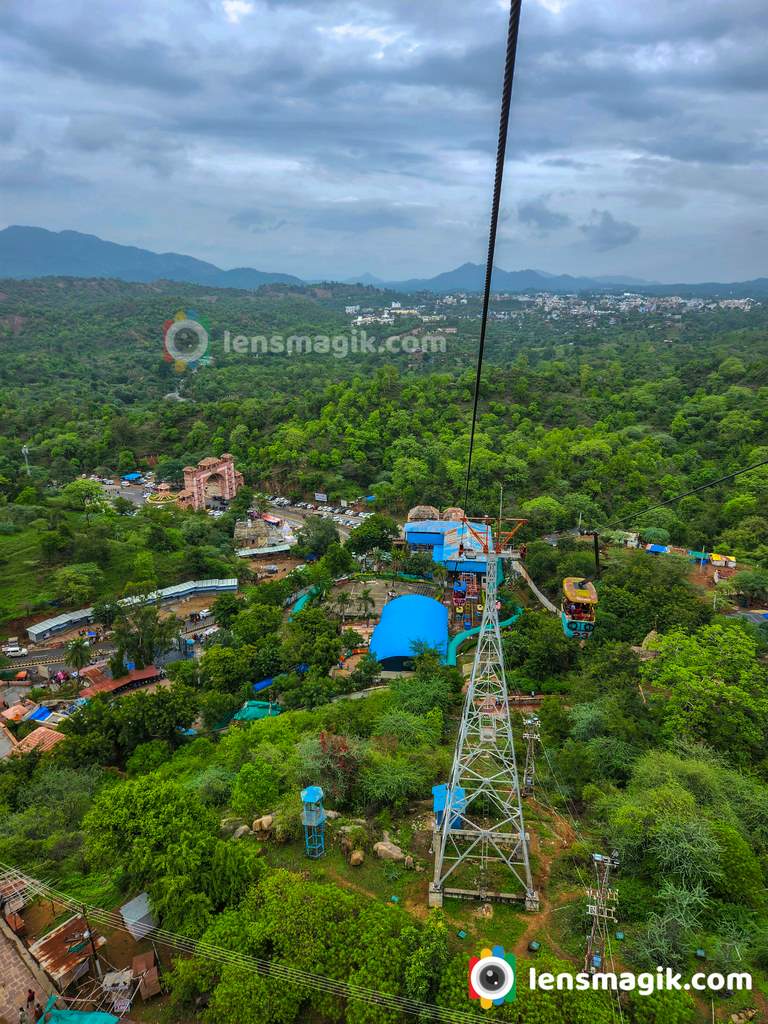
Ambaji Mata Devasthan Trust has installed Udan Khatola ( Rope –way ) facility for Gabbar hill.
Rope way price for adult is 125 rs and for kids below 110 cm is 64 rs.
Where To stay In Ambaji :
There are lots of hotels in Ambaji. Most hotels near to the temple. Generally i prefere at Reva Prabhu hotel or Jethiba Sadan which provide good Gujarati Thali in food and good condition rooms with good fare. Now a days there is a resort near Pancha village bus stand name Vanraji Resort before 3-5 km from Ambaji Temple. It is the first resort in Ambaji and resort is awesome. You can stay and enjoy the arravalli hills.