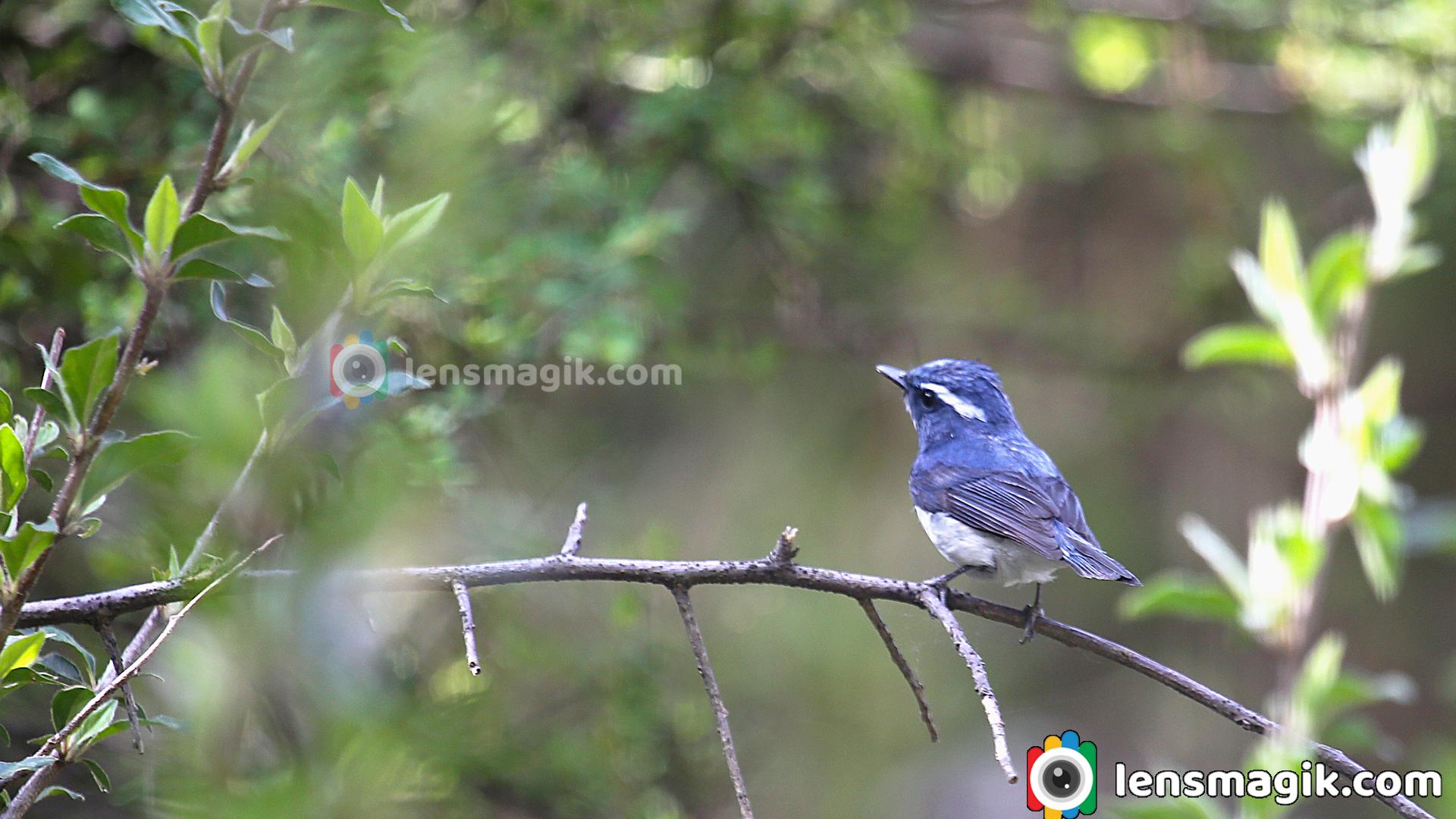
Ultramarine flycatcher is also known as White Browed blue flycatcher. It is small old world Flycatcher in Ficudela genus. It is known for vibrant blue color and migration in India during winter season. It is found in Eastern Himalayas from Jammu Kashmir and Himachal Pradesh to Uttarakhand and also some places of Nepal. I found it during Har Ki Dun Trek in Uttarakhand. It is small bird with vibrant blue color which is amazing to watch.
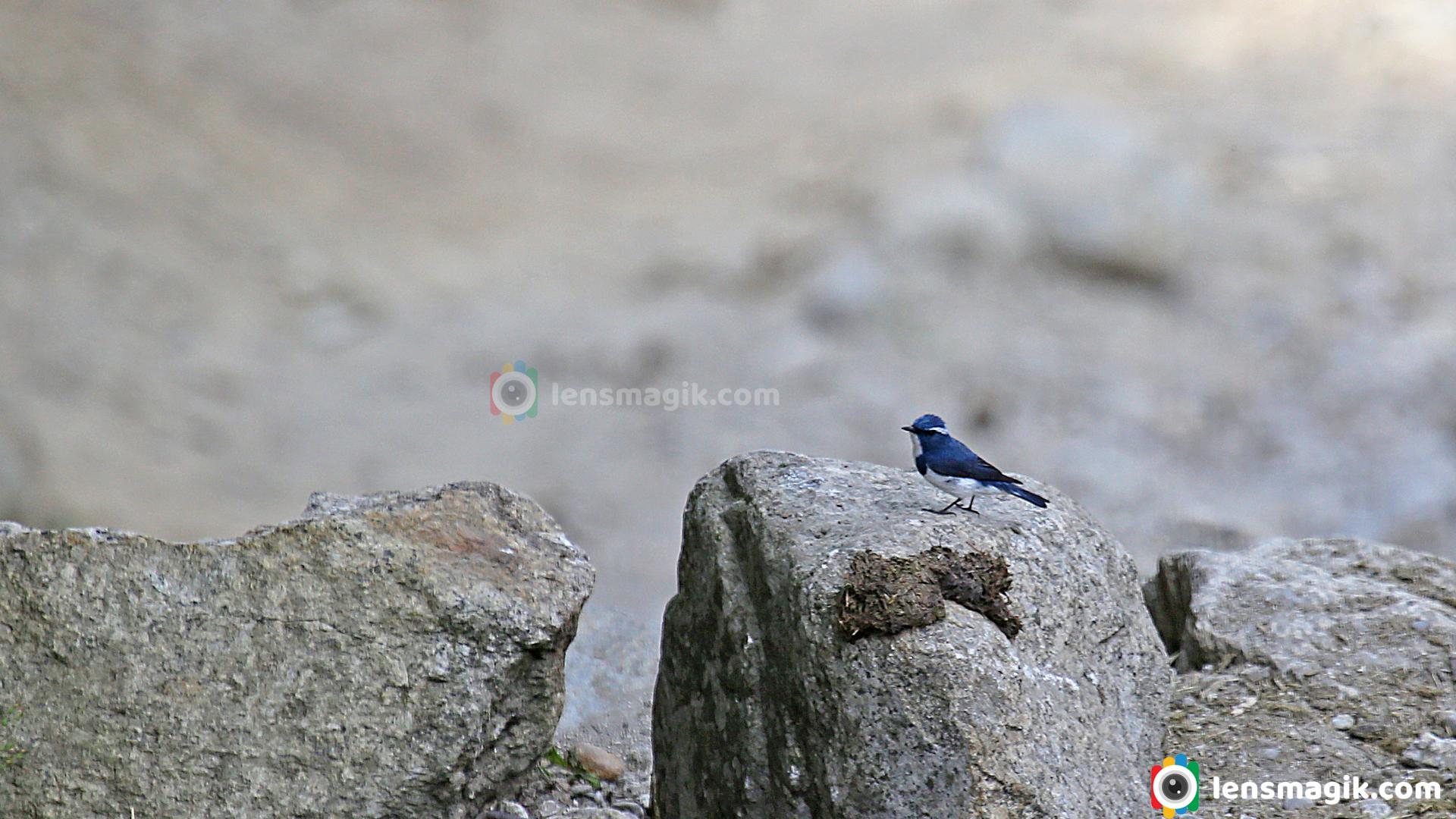
Description of Ultramarine Flycatcher :
- Ultramarine Flycatcher is small in size about 10 cm long. It is smaller than common Sparrow.
- Male Ultramarine Flycatcher have striking or blue underparts. Underparts are primarily white with prominent blue patch on sides and breast.
- Female Ultramarine Flycatcher have grayish brown underparts and buff white underparts.
- The characteristic behavior is frequent Tail Flicking with rattling " trrrr " call.
- Female lays 3 to 5 eggs of olive green or buff colored with reddish brown sparkles .
Region wise subspices :
Ultramarine flycatcher spices vary region wise . Different region slight vary on eyebrow with white patch.
- Western Race : White stripe above the eye and white at base of tail
- Eastern Race : Lack of white eyebrow and tail patches.
- Assam Race : Completely lack of supercilium.
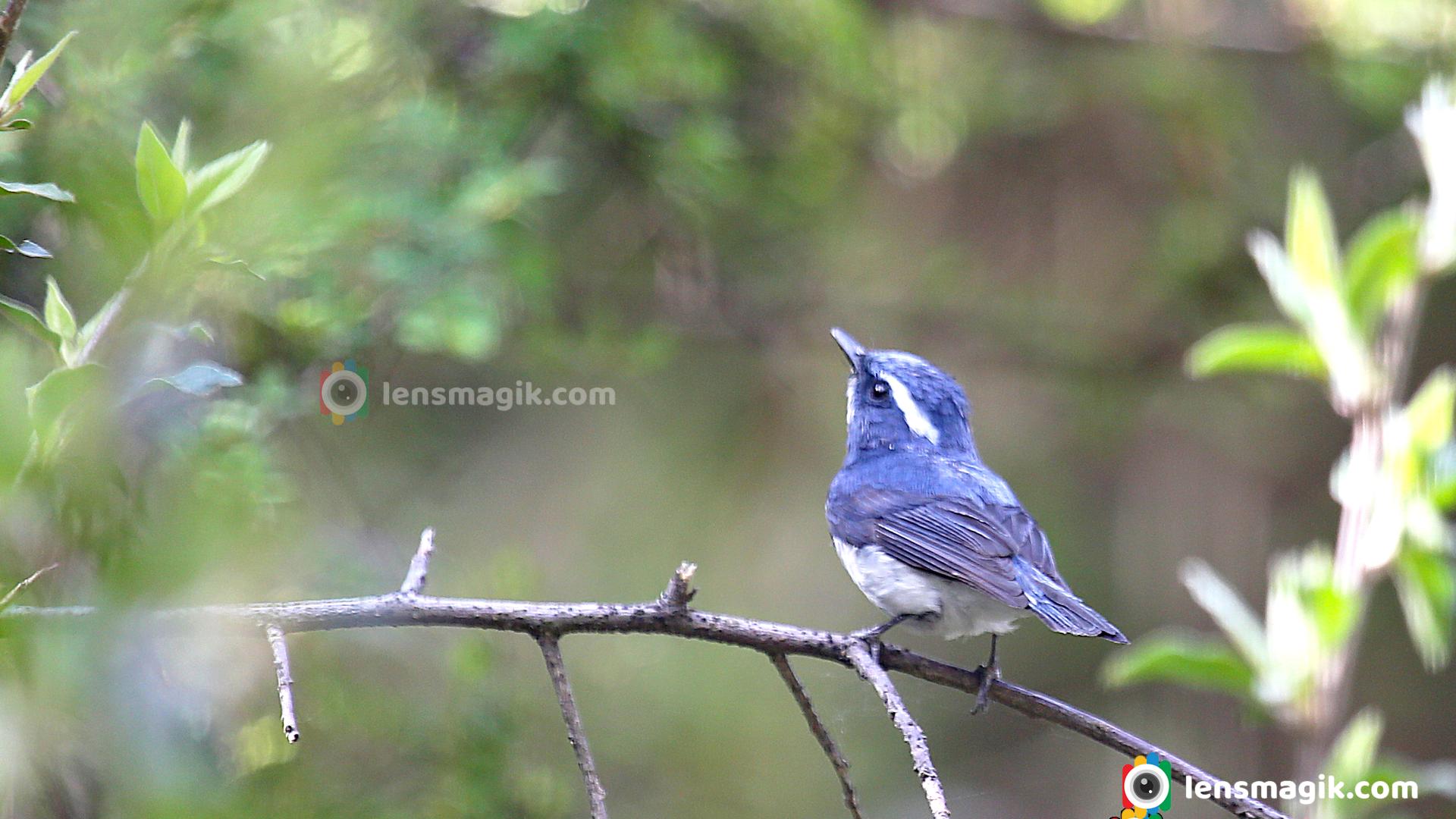
Ultramarine Flycatcher is a migratory bird which is generally found in some season in India. It breeds in summer season. It breed in forest of oak, rhododendron , pine and fir . It breed at 1800 meter to 3200 meter height generally. In winter it moves south to central and southern India , Myanmar and Thailand. During migration it can be found in lower altitude woodland, urban garden and orchards. The main Diet of Ultramarine Flycatcher is insectivorous. It feed small invertebrates, flies and larvae. It generally found in pair. Breeding season during April to July in summer. It build cup shape nest with grass, hair and bark stripes.
Ultramarine flycatcher is in least concern list of IUCN. Its population considered stable. Due to its attractive color looks it is joy to watch Ultramarine Flycatcher. During my trek to Har Ki Dun we are returning back to Sankri we found it and flicking its tail on rock. It is my first site of Ultramarine flycatcher and i m very happy to see it. Click good photographs of it with my canon 100-400mm lens and get good result too.
Location : Uttarakhand, Har ki Dun trek
Gear Used : Canon 80D, Canon 6D, Canon 100-400 mm lens
Read more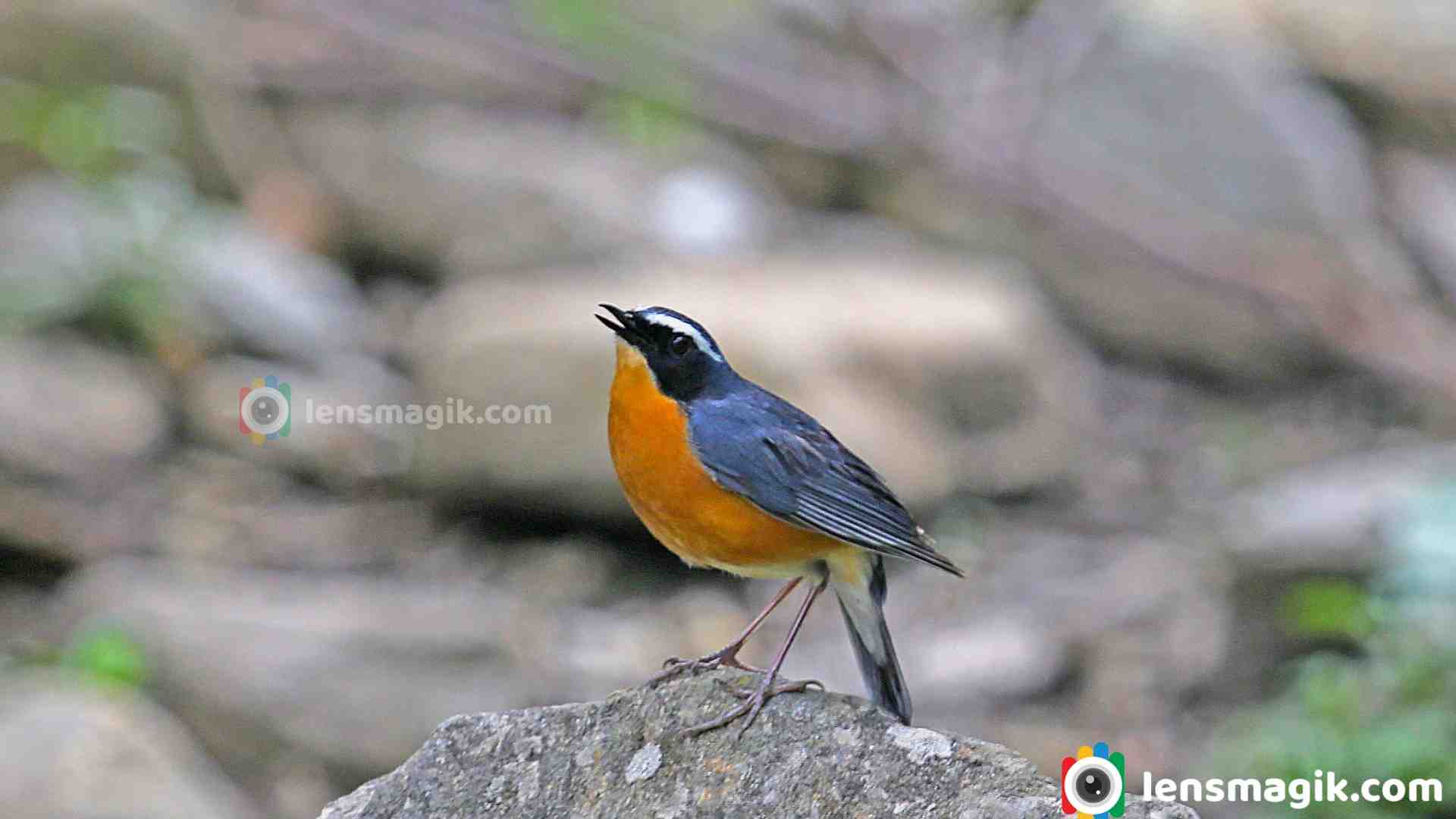
Indian Blue Robin is a small bird found in India. It is formerly consider a thrush and now consider as one of the Old World Flycatchers. It was known as Indian Blue Chat. It is generally found in India, Nepal, Bangladesh and Myanmar. During winter they found in Western Ghat and Shri Lanka too. Indian Blue Robin is known for its striking appearance and behavior. Scientific name of Indian Blue Robin is Larvivora Brunnea. I found Indian Blue Robin during my trek to Har Ki Dun in Uttarakhand India.
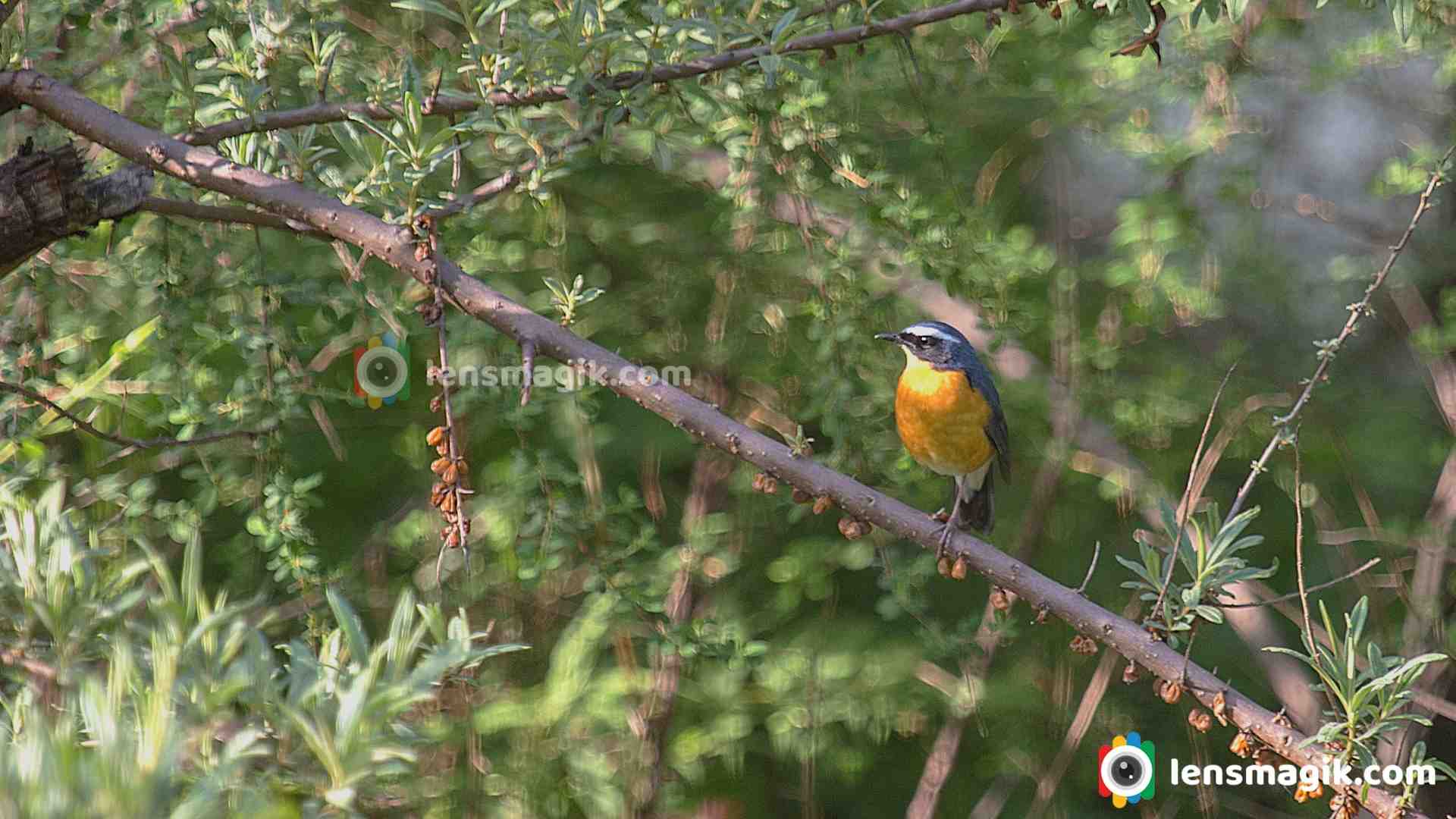
Facts and Description of Indian Blue Robin :
- Indian Blue Robin is smaller in size and also similar to Bluethroat. Its length is around 15 cm long.
- Male Indian Blue Robin has blue in color and its underparts and rufous are orange. White Strip on its eye which contrasting with black mask around its eye.
- Female Indian Blue Robin are less colorful , It has olive brown underparts and buff colored underside. They have light eye ring and rufescent rump.
- Indian Blue Robin generally found in dark forest .
- They are known for being shy birds.
- Their diet mainly on Insects.
- They breed in Himalayan forests also in Nepal, China , Bangladesh and Myanmar.
- They are migratory birds because they spend winter in Himalayas and Western Ghats and Shri Lanka.
- They migrate in may to breeding forest and lands and leave in September and migrate towards south in August.
- During breeding season they sing sudden and sharp series of whistles ending in rapid series of notes.
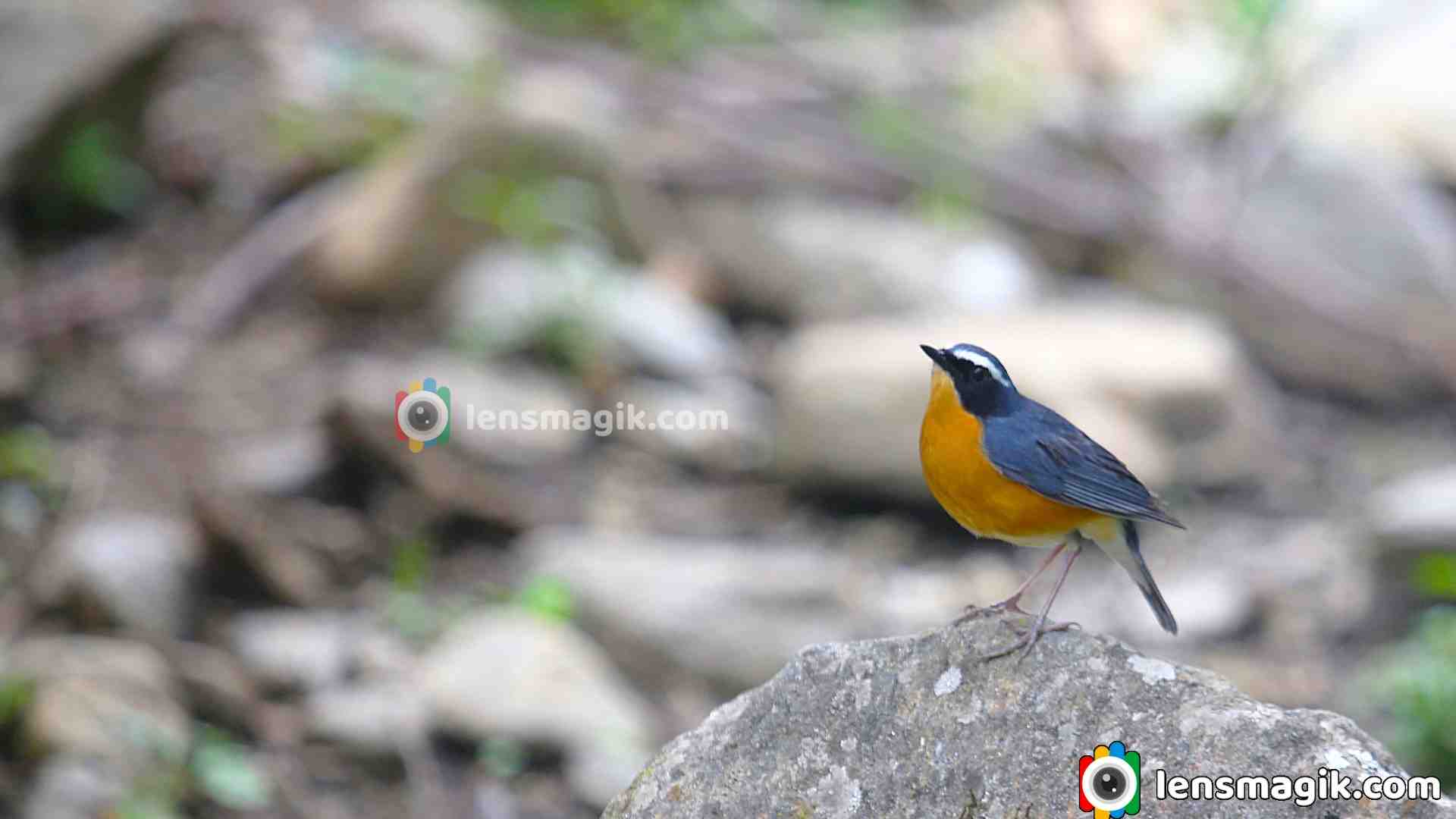
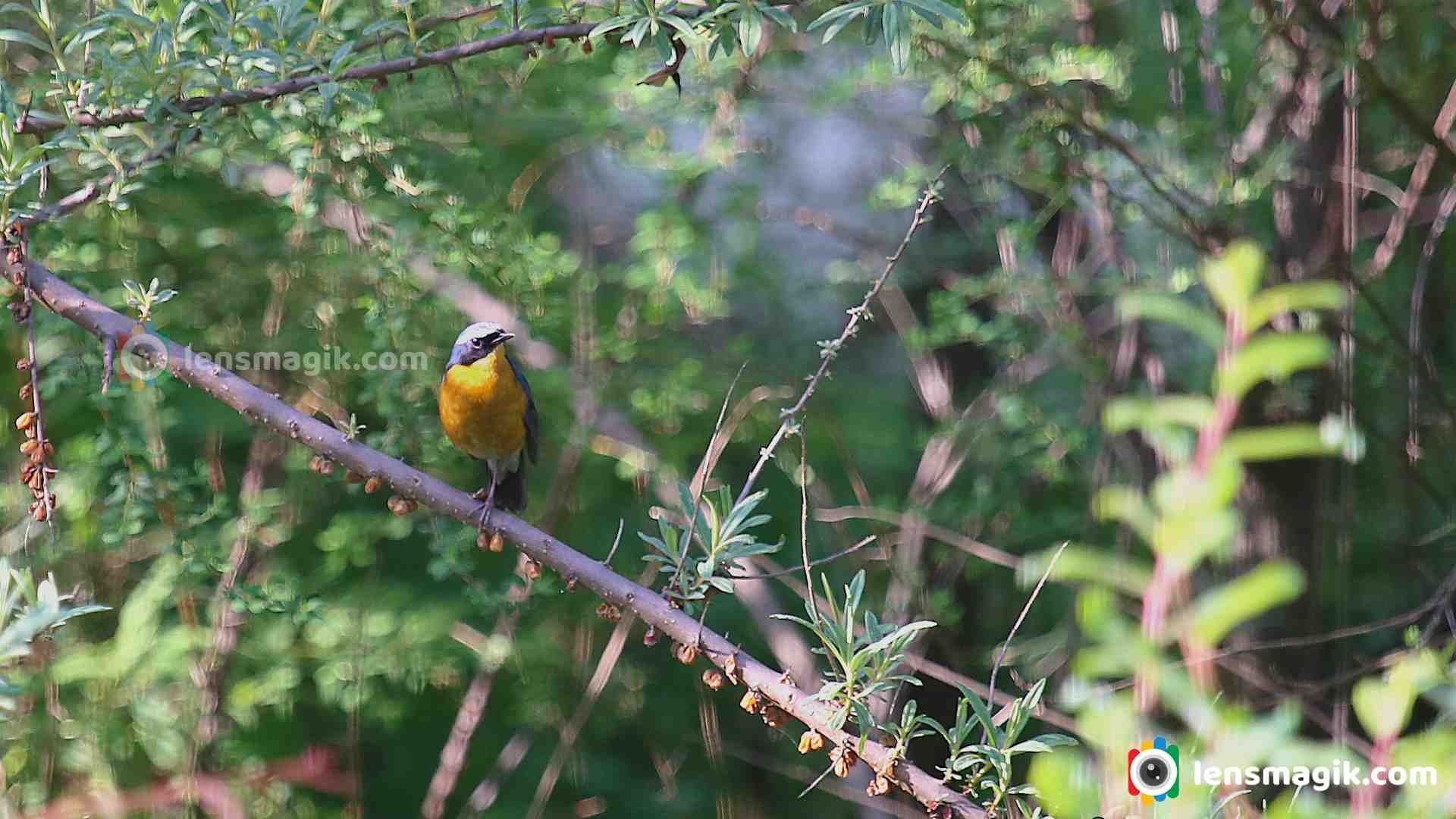
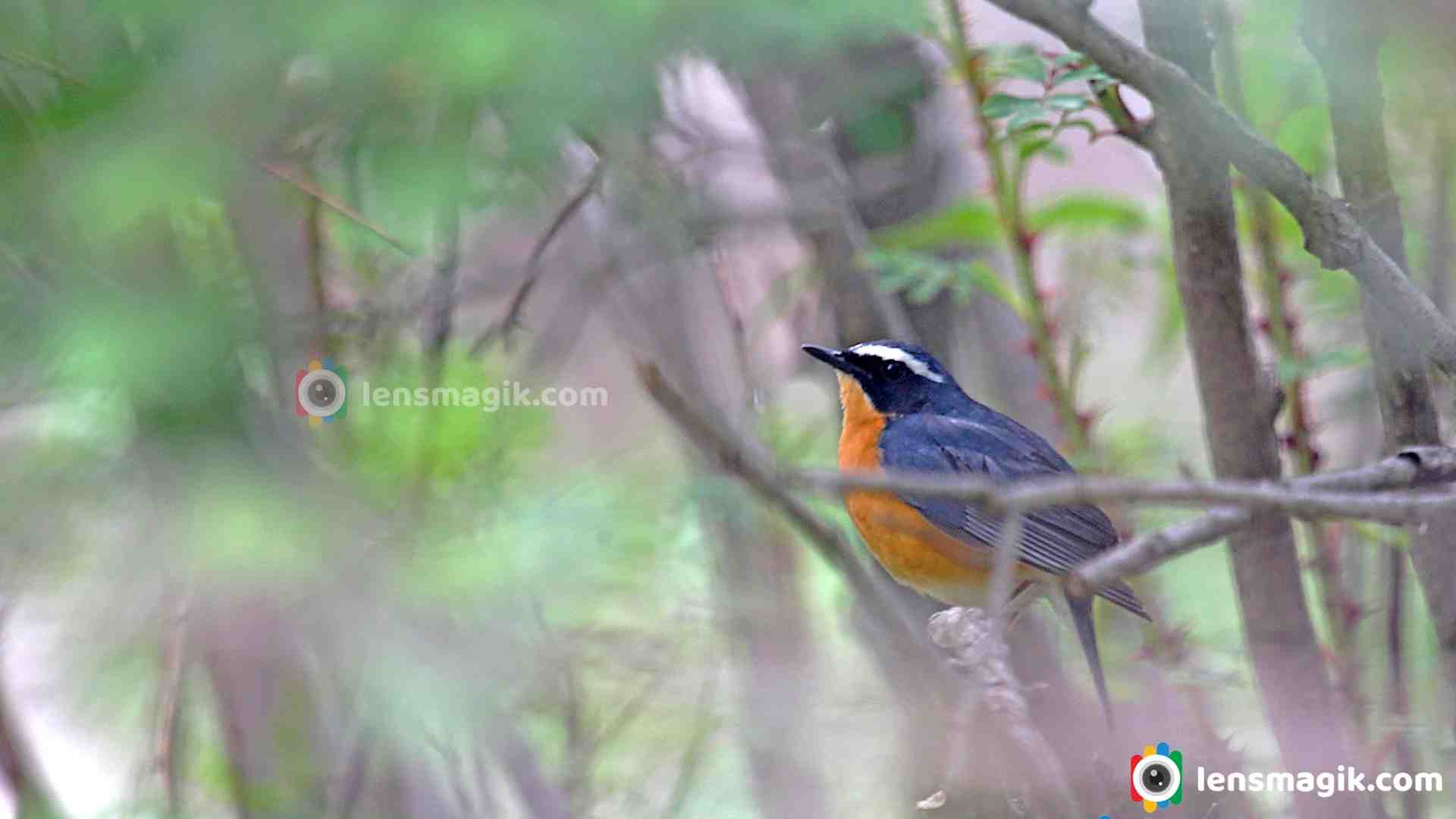
Indian Blue Robin generally found in dark and dense forests of Himalayas. They also migrate from Himalayas to Western Ghats and Shri Lanka in August after breeding season. Indian Blue Robin bird is very attractive to watch due to its color combinations. I found it at Har Ki Dun Trek in Uttarakhand and have a good shot of it. Call of Indian Blue Robin is very impressive to listen. During Har Ki Dun trek i found more than 25 spices of different birds and i must say Uttarakhand is heaven for birding.
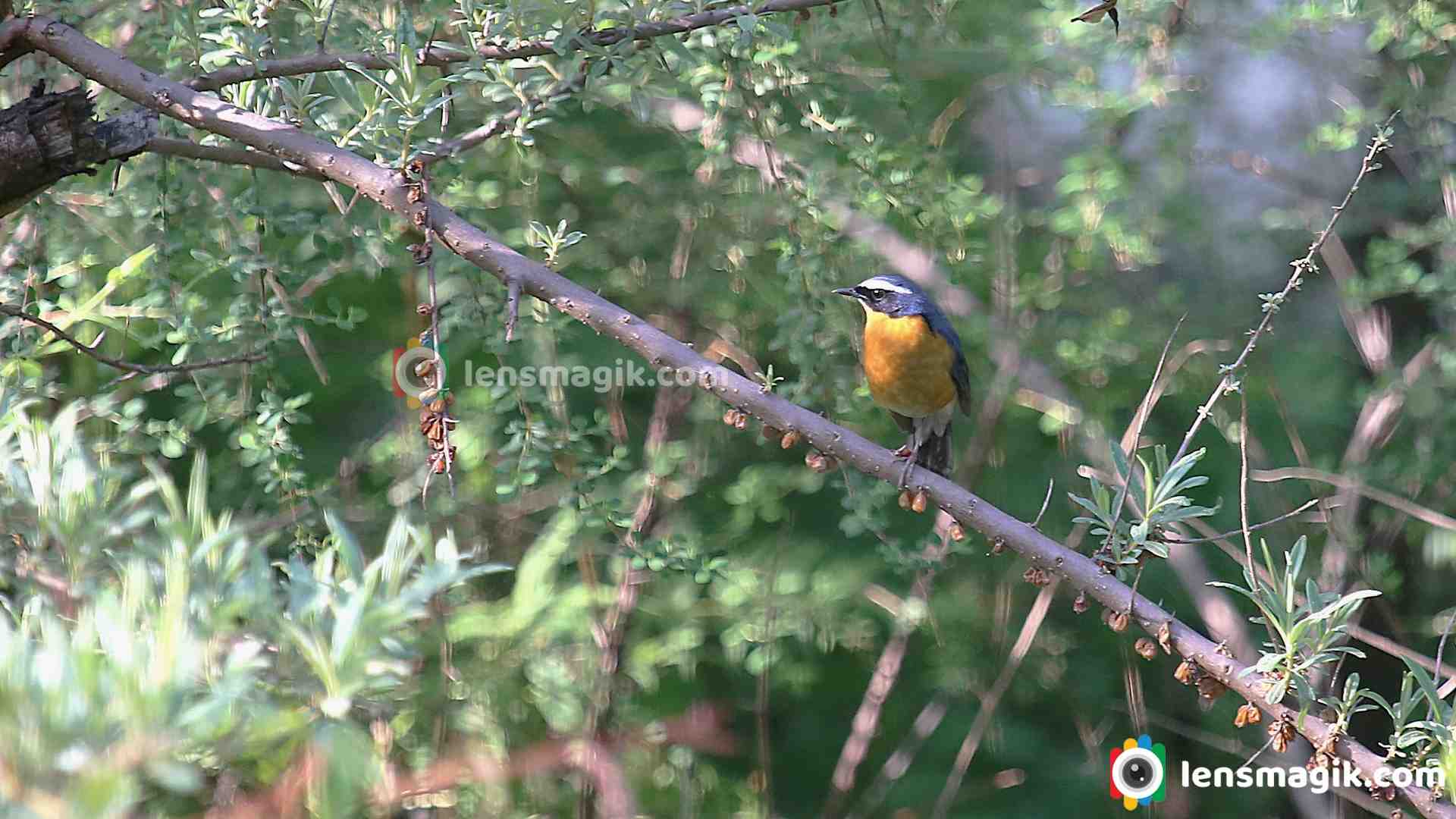
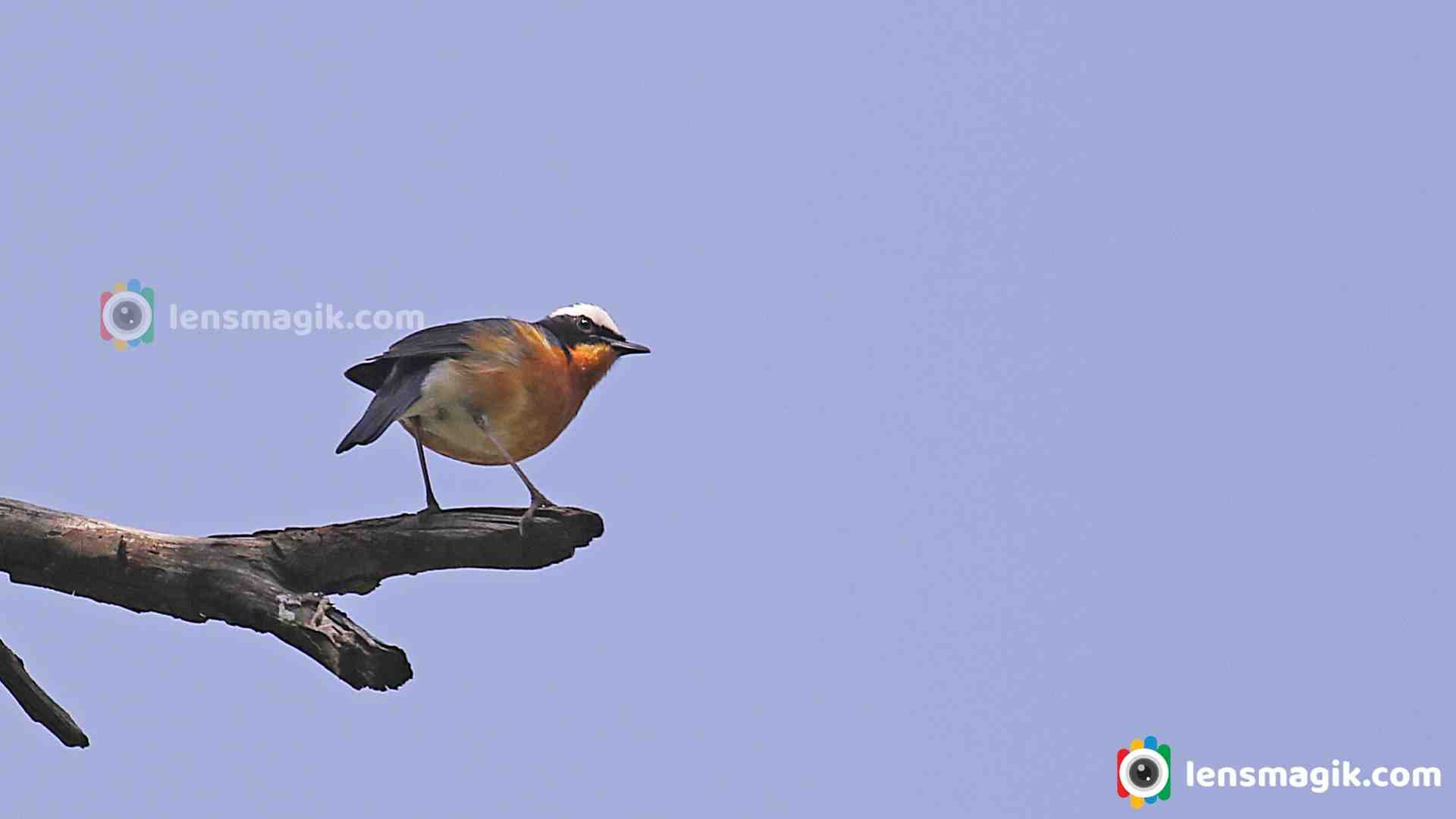

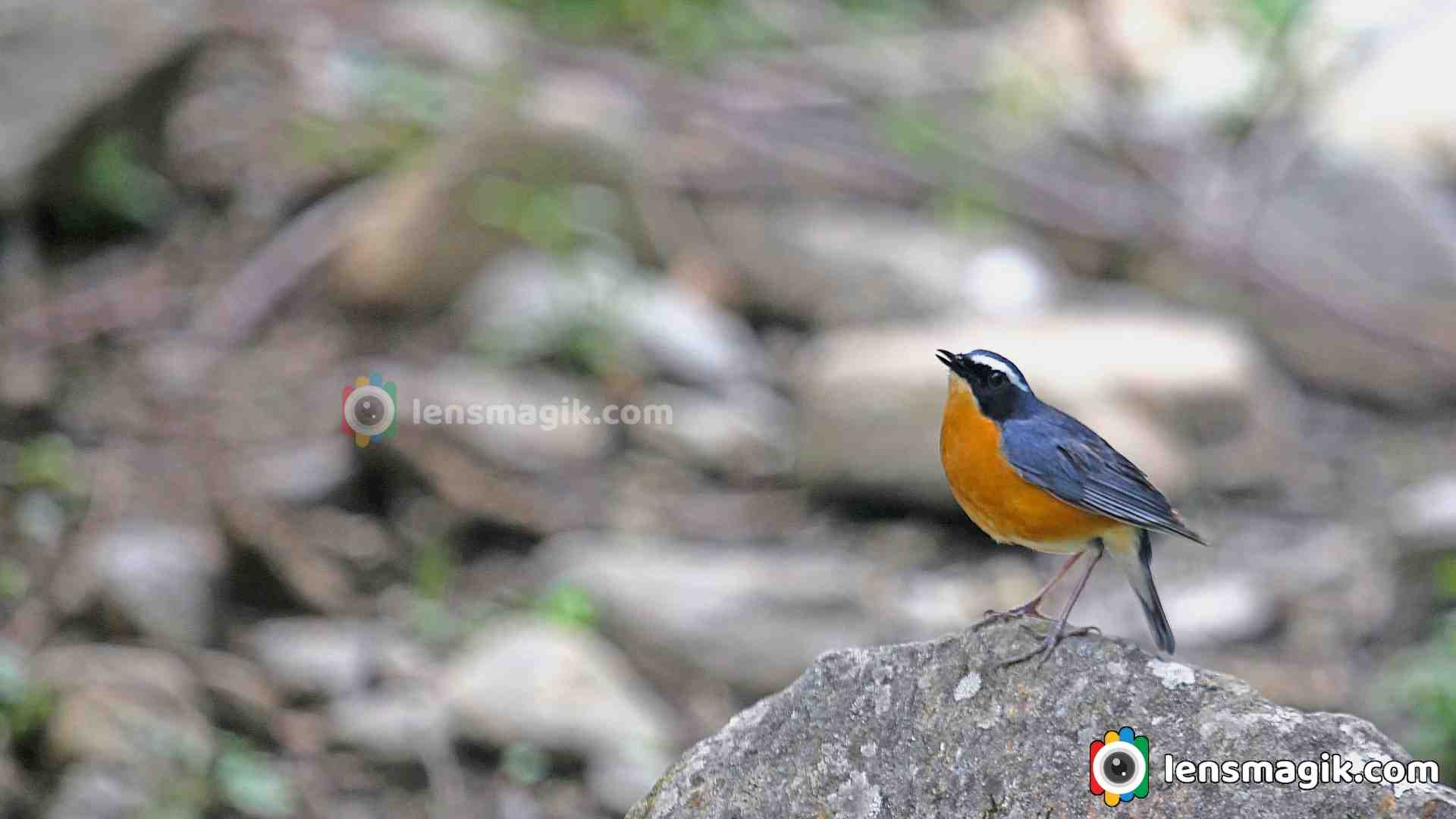
Gear Used : Canon 6D, Canon 80D, Canon 100-400 mm lens
Location : Middle of Sankri to Har Ki Dun trek in Uttarakhand
Read more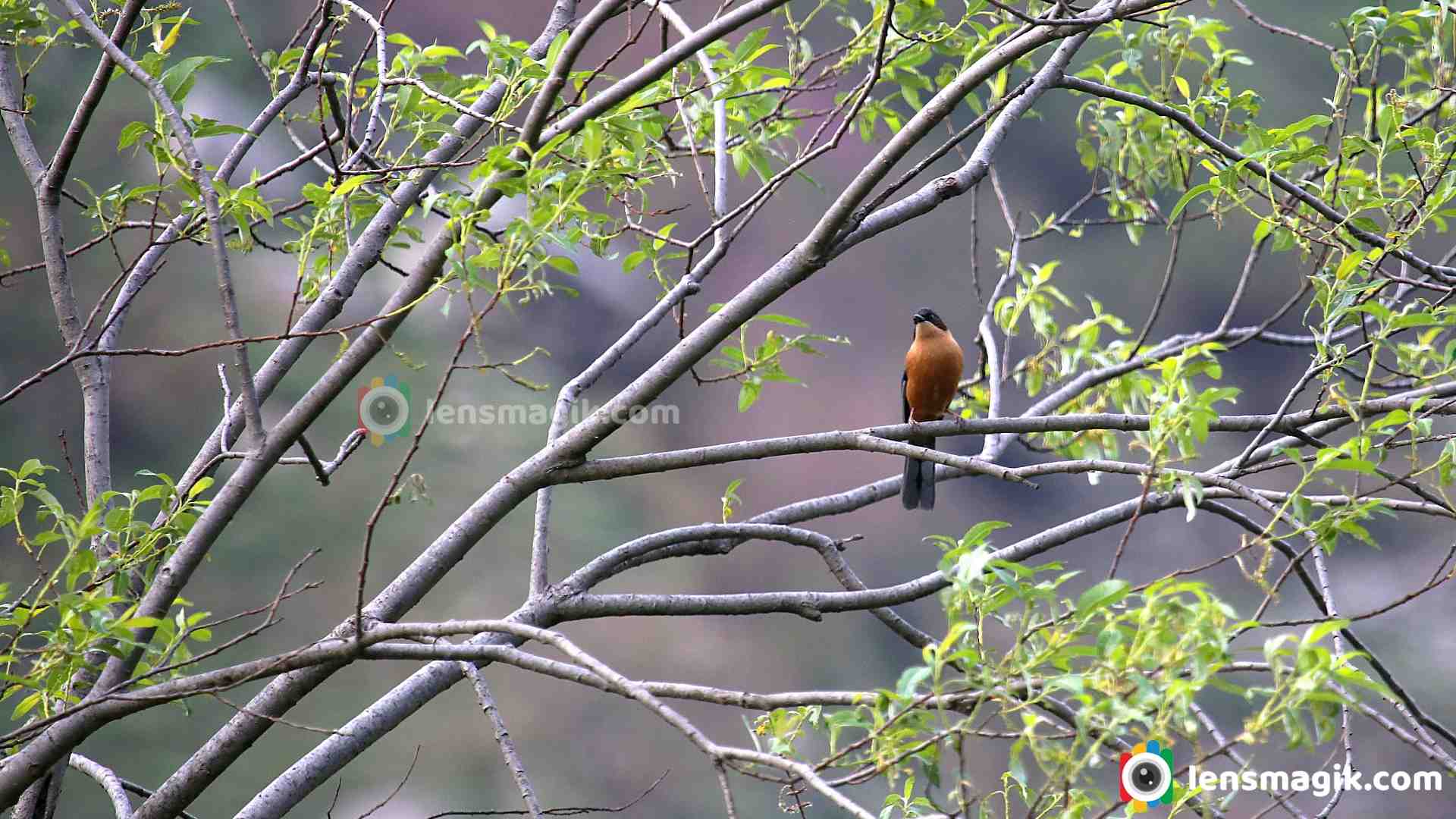
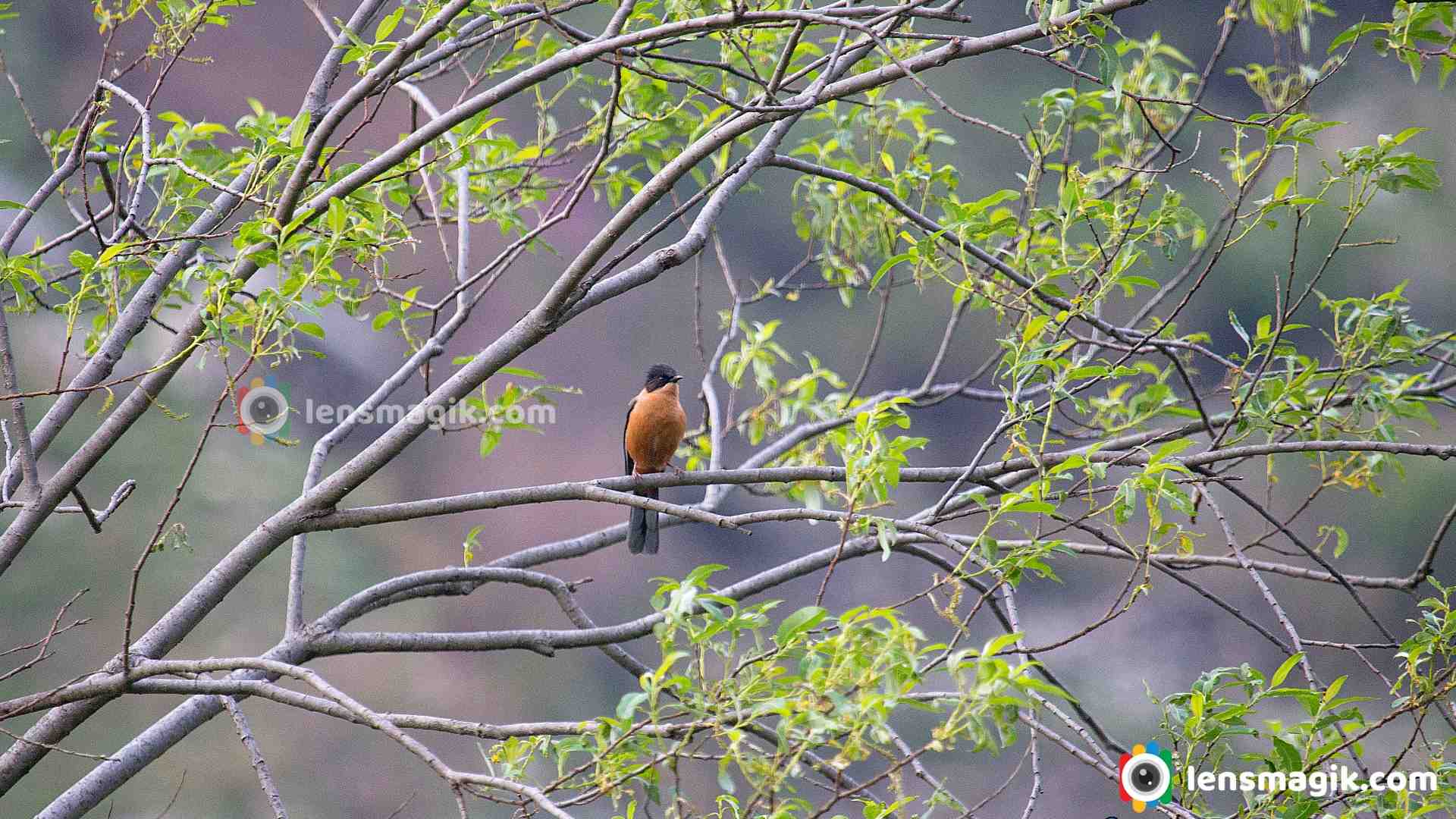
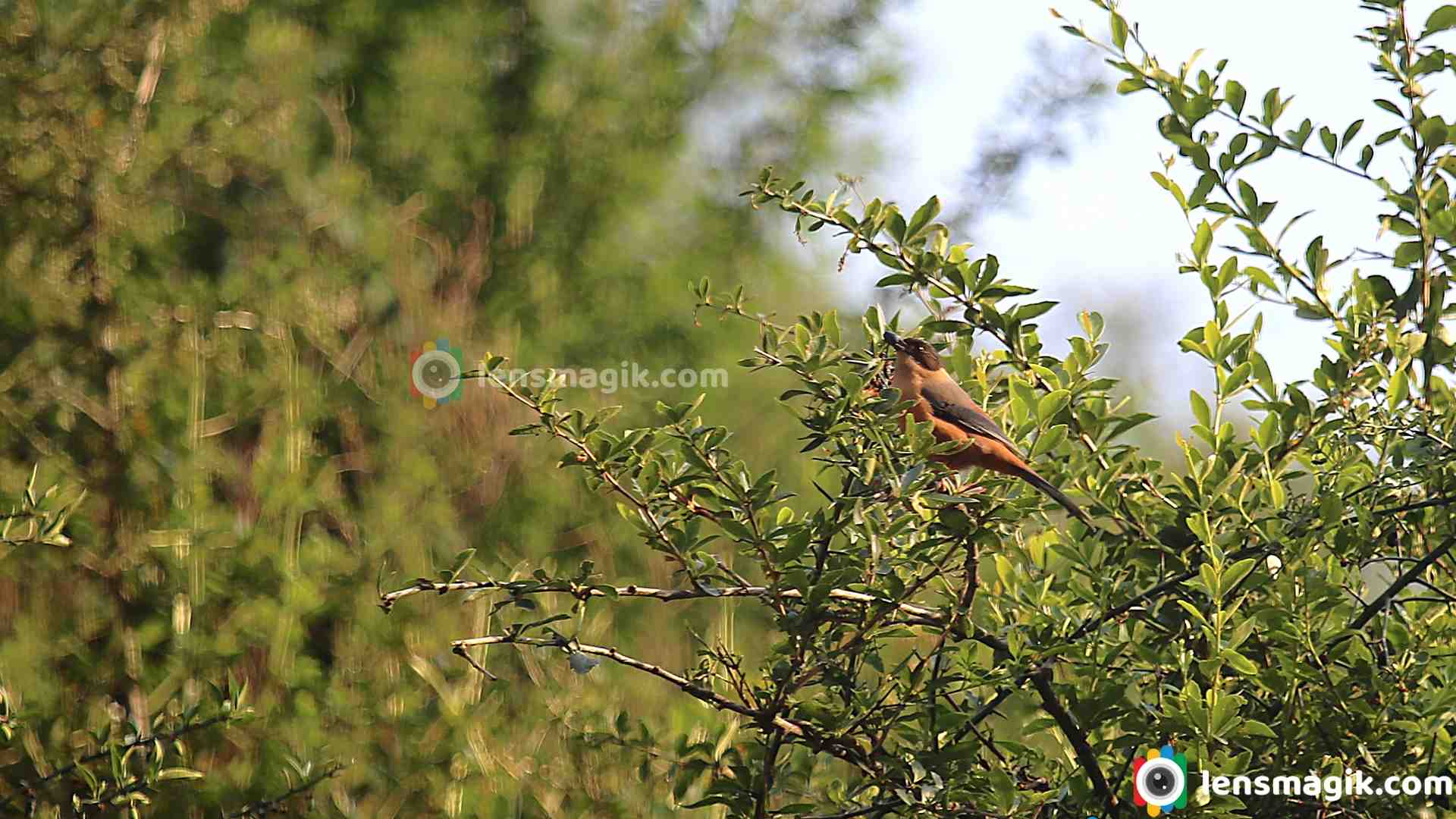
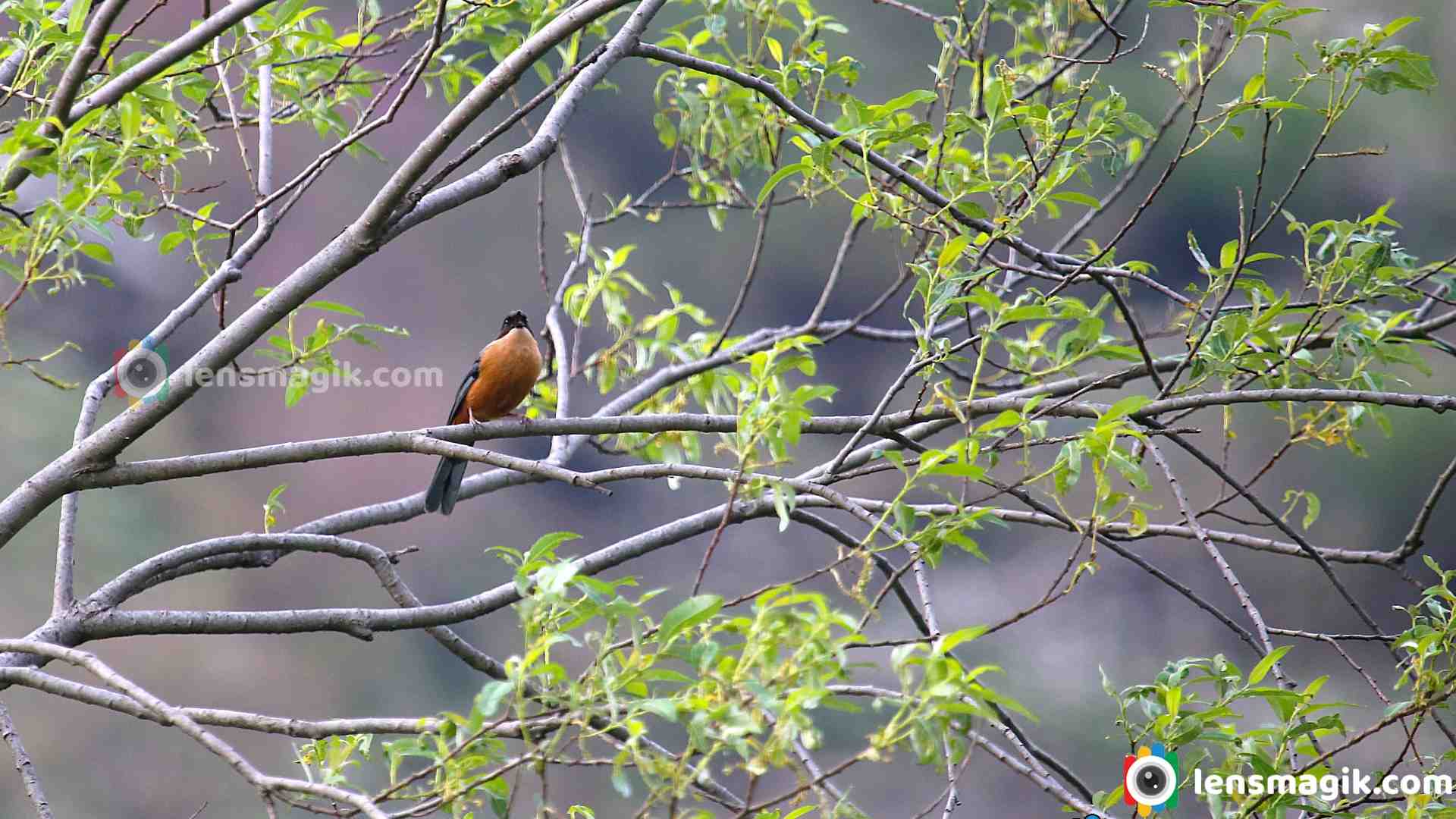
The Rufous Sibia is a striking bird which is belongs to family Leiothrichidae also known as babbler. Rufous sibia is known for its appearance and melodic call sound. It is generally found in Northern part of Indian Subcontinent . Range of Rufous Sibia is found in India, Nepal and Bhutan. I found it at Uttarakhand during my trek to Har Ki Dun. It is known as a melodious singer. Call of Rufous sibia is very attractive and love to hear. I found Rufous Sibia during Har Ki Dun trek in Uttarakhand. Har Ki Dun trek is also known as " Valley Of Gods ".
About Rufous Sibia :
- Rufous sibia is reddish brown in color which is dominant in color.
- Its wings and tail are blue grey in color.
- Its head and crest are in contrast in color and it is main identification feature.
- Bill of rufous sibia is slender and decurved.
- Length of Rufous Sibia is around 21-24 cm and weight around 28-48 gms.
- Rufous Sibia is found in Northern part of India. Also found in Nepal and Bhutan too.
- It is generally found in temperate forest and lower middle of Himalayas in broad leaf forest.
- It generally found at 1200 to 3400 meter of height in Himalayas but during winter they can found also at lower level and they descend around 100 to 800 meter approx.
- Diet of Rufous Sibia is mainly Berries and Insects.
- Rufous Sibia is an active bird and often move into a forest.
- It is a vigorous and melodious singer.
- It is in least concern in IUCN list.
Himalayas is a great heaven for birding. Specially Himachal Pradesh and Uttarakhand is very popular for birders. Lots of spices of birds found here. During trek to Manali and Trek to Har Ki Dun you will found more than 30-50 spices of different birds. Birds are also difficult to catch and photographed. You need passion and need to wait for right time to click. Sometimes a single click need and hour. Rufous Sibia is a wonderful singer and beautiful voice. When it call you fee amazing and feel great to hear.
Gear Used : Canon EOS 6D, Canon 80D, Canon 100-400mm lens
Location : Uttarakhand
Read more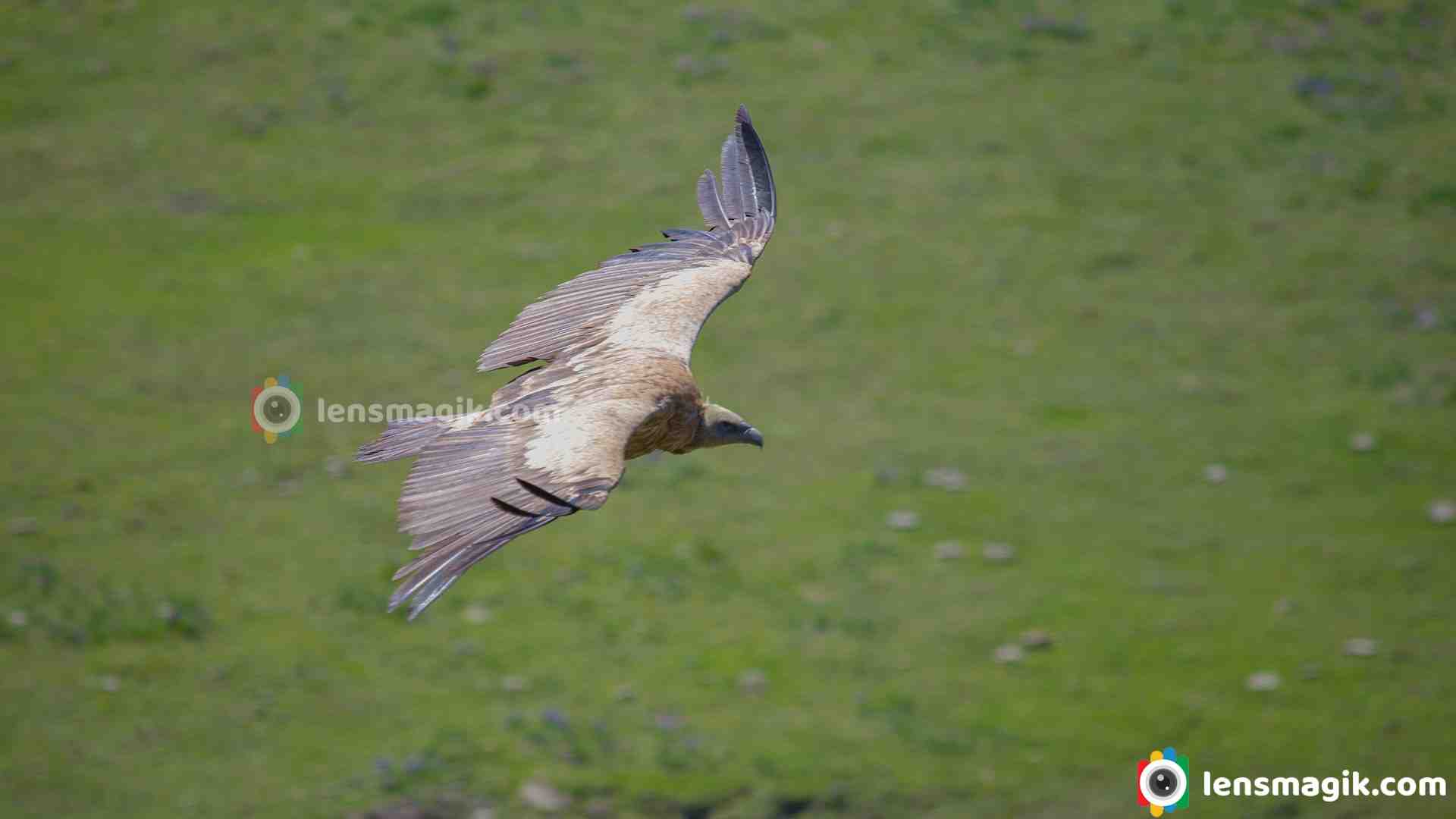
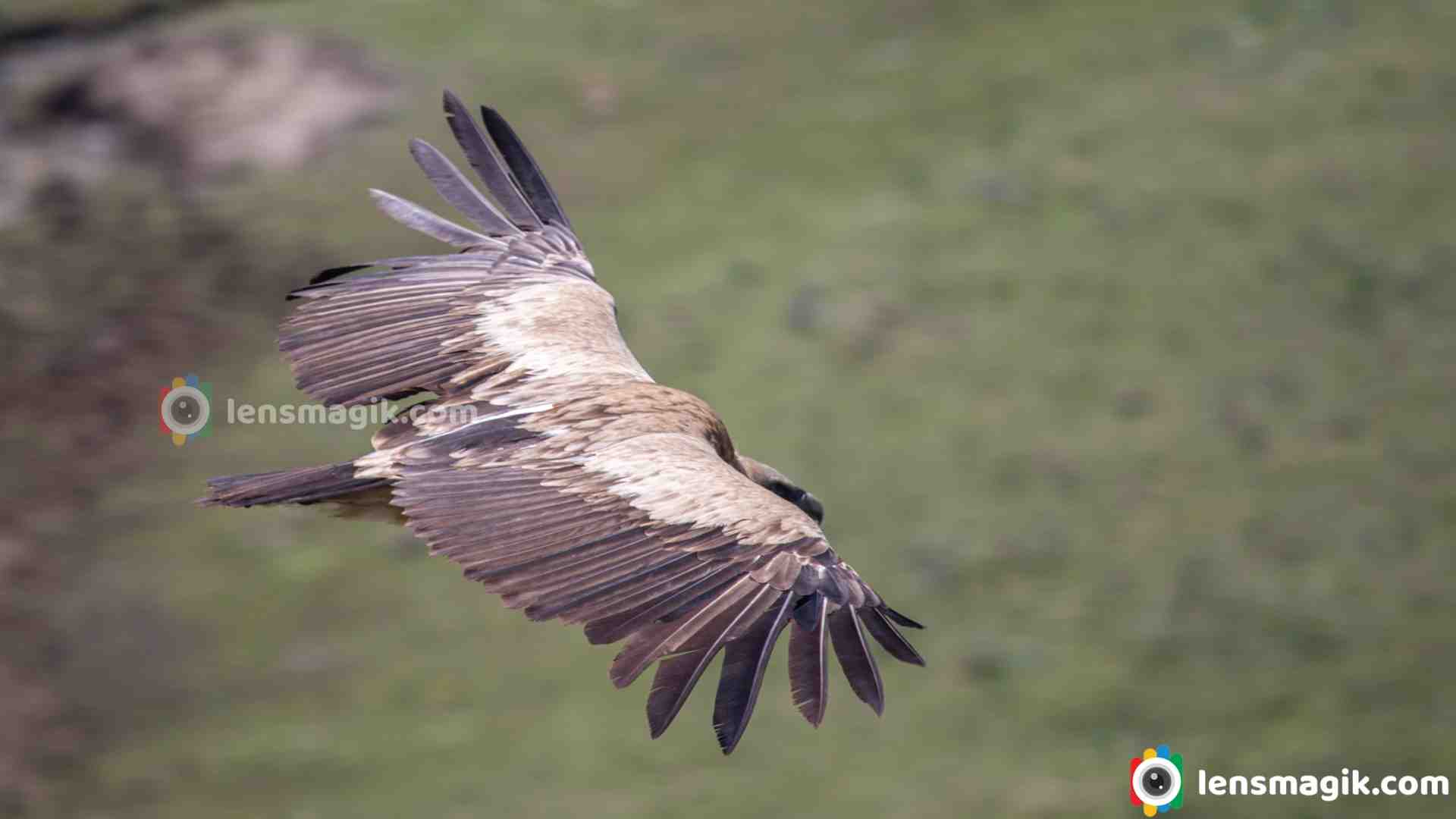
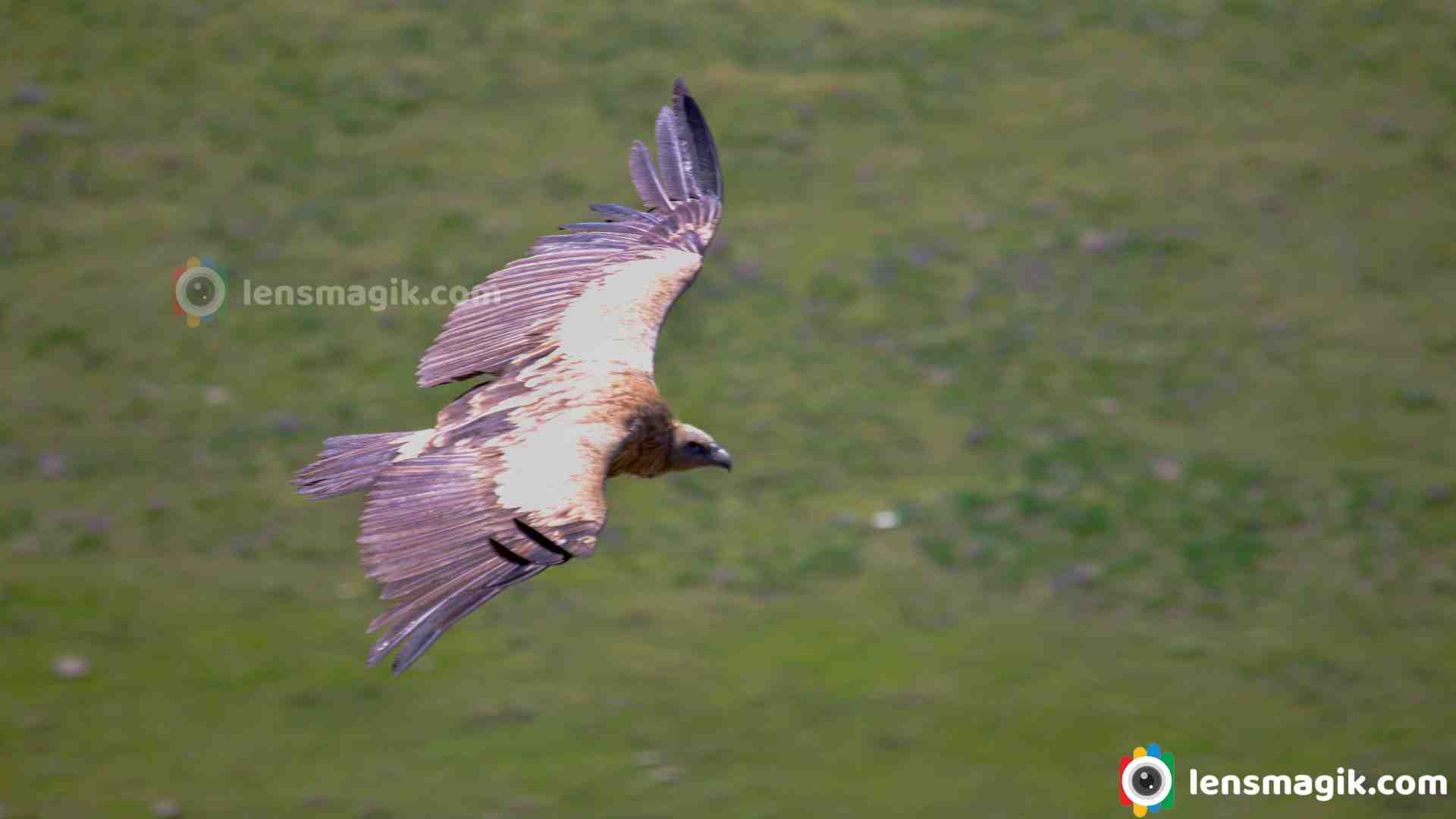
Himalayan Vulture is an Old World Vulture which is also known as Himalayan Griffon Vulture. It is a magnificent bird of prey which is play a important role for ecosystem at high altitude range of Himalayas. It is native at Himalayas and Northeastern India and Tibetan Plateau. In Old world vulture spices it is the second largest vulture. It is listed in nearest threatened IUCN red list. I capture Himalayan Vulture twice in different state of India. First time i capture at Chandrakhani pass during manali trekking in Himachal Pradesh. Second time i capture at Uttarakhand during Har Ki Dun Trek. I also capture endangered spices of Egyptian Vulture at Gujarat.
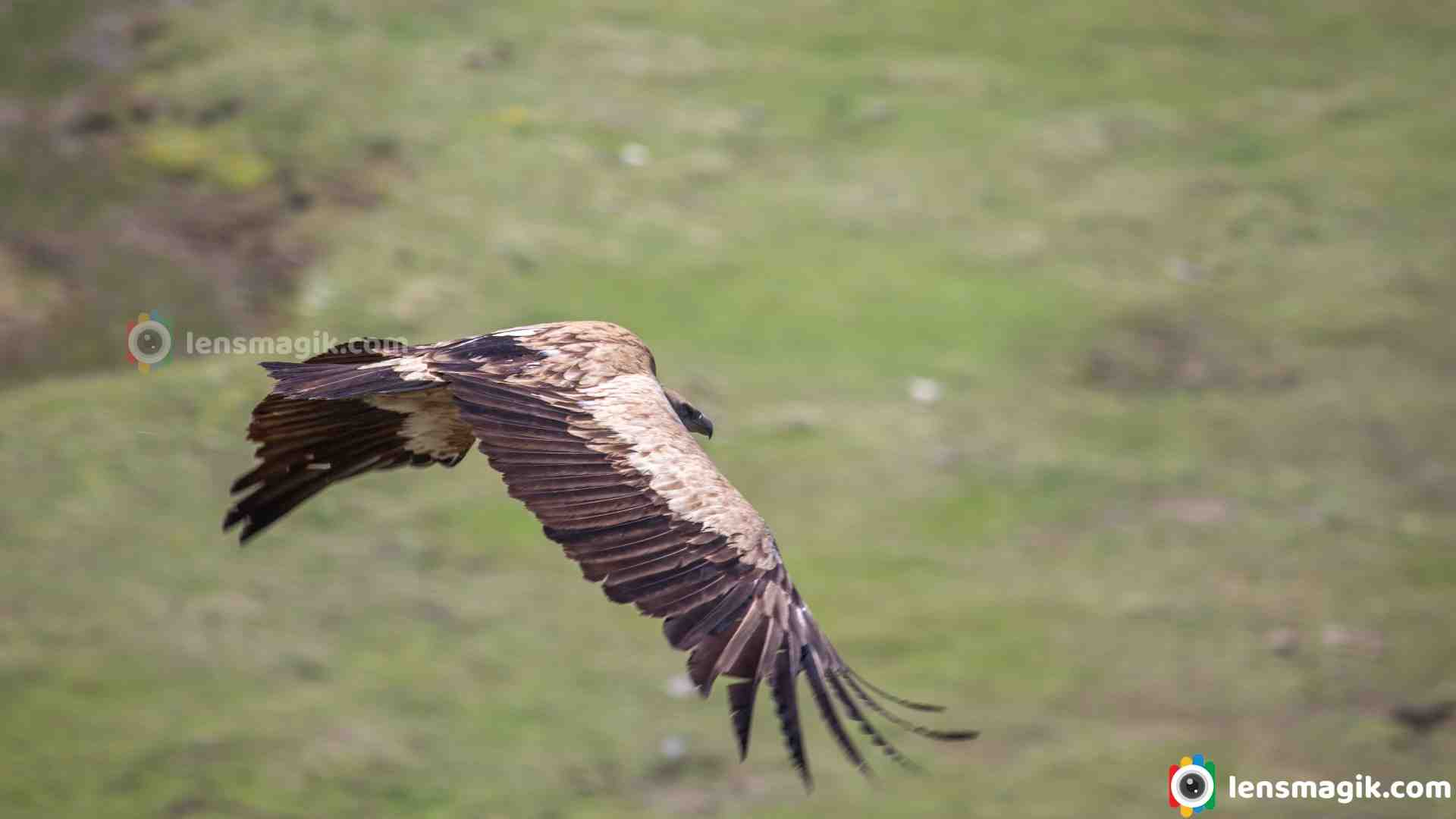
Description of Himalayan Vulture :
- Himalayan Vulture has dark brown feathers.
- It has massive wingspan about 10 feet.
- Weight of Himalayan vulture is around 6-12 kgs.
- Himalayan Vulture have a bulky build, with a stout bill and a loosely feathered ruff around their neck.
- Adult Himalayan Vulture has yellowish bill and pale blue facial skin. Their plumage is typically brown, with paler areas.
- The whitish down on the head of immatures changes to yellowish in adults who have a long and pale brown ruff with white streaks and long spiky ruff feathers
- Himalayan Vulture lives in Himalayan range and higher regions of elevation of 1200-5500 meter range.
- It is distributed from Kazakhstan, Tajikistan , Afghanistan , Iran and Pakistan to India, Nepal, Bhutan , Mongolia and western China.
- Himalayan Vultures are primarily scavengers and they feed on carcasses of large mammals.
- Vultures play crucial role to maintain ecosystem by removing dead animal decaying which is helpful for not spreading diseases.
- Himalayan Vulture is listed in nearest Threatened in IUCN red list.
- They are treated because of habitat loss, poisoning from veterinary food and food scarcity. Diclofenac , Aceclofenac and ketoprofen are dangerous drugs for them.
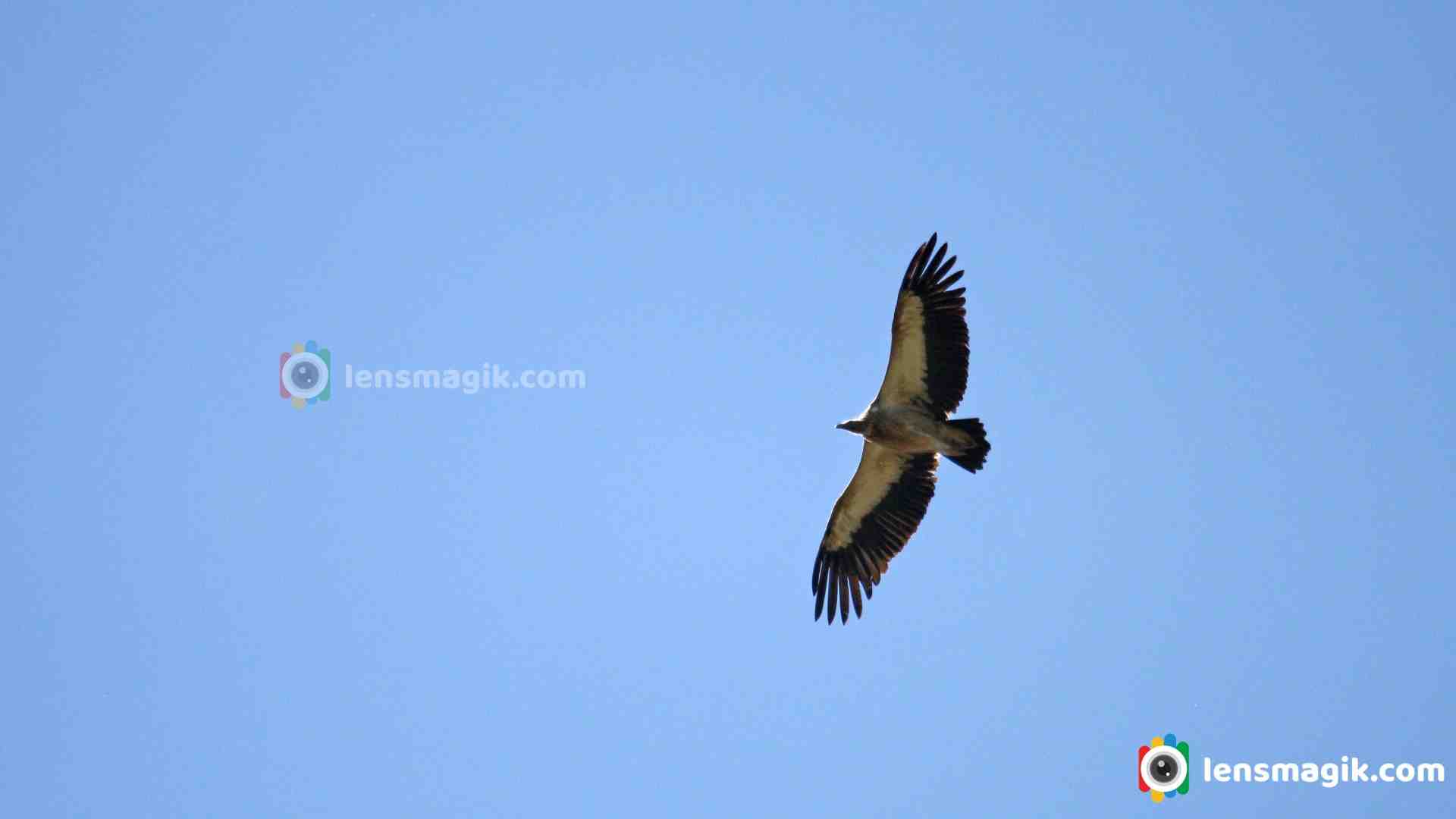
Himalayan Vultures adapted high altitude environment. They have ability to soar on thermal. They have played historical role in " Sky Burials " in Tibetan Buddhist tradition. Their breeding season starts from January. They lay single white egg with red spots during December to March. Their main cause of threatened is habitat loss and poisoning from veterinary food. In India lots of vulture spices are in endangered due to habitats. Government and bird lovers and NGO's are try their best to survive them. People also need awareness about it too.
I clicked first time Himalayan Vulture at Manali Trek to Chandrakhani Pass. At that time i am not good photographer and also they are at too much height so can't got good quality photos. Second time i clicked it at Har Ki Dun trek in Uttarakhand. This time also they are at good height but got some good quality photos of them to identify easily.
Gear used : Canon 6D, Canon 1000D, Canon 100-400mm lens
Location : Har ki Dun trek , Manali trek To Chandrakhani pass
Read more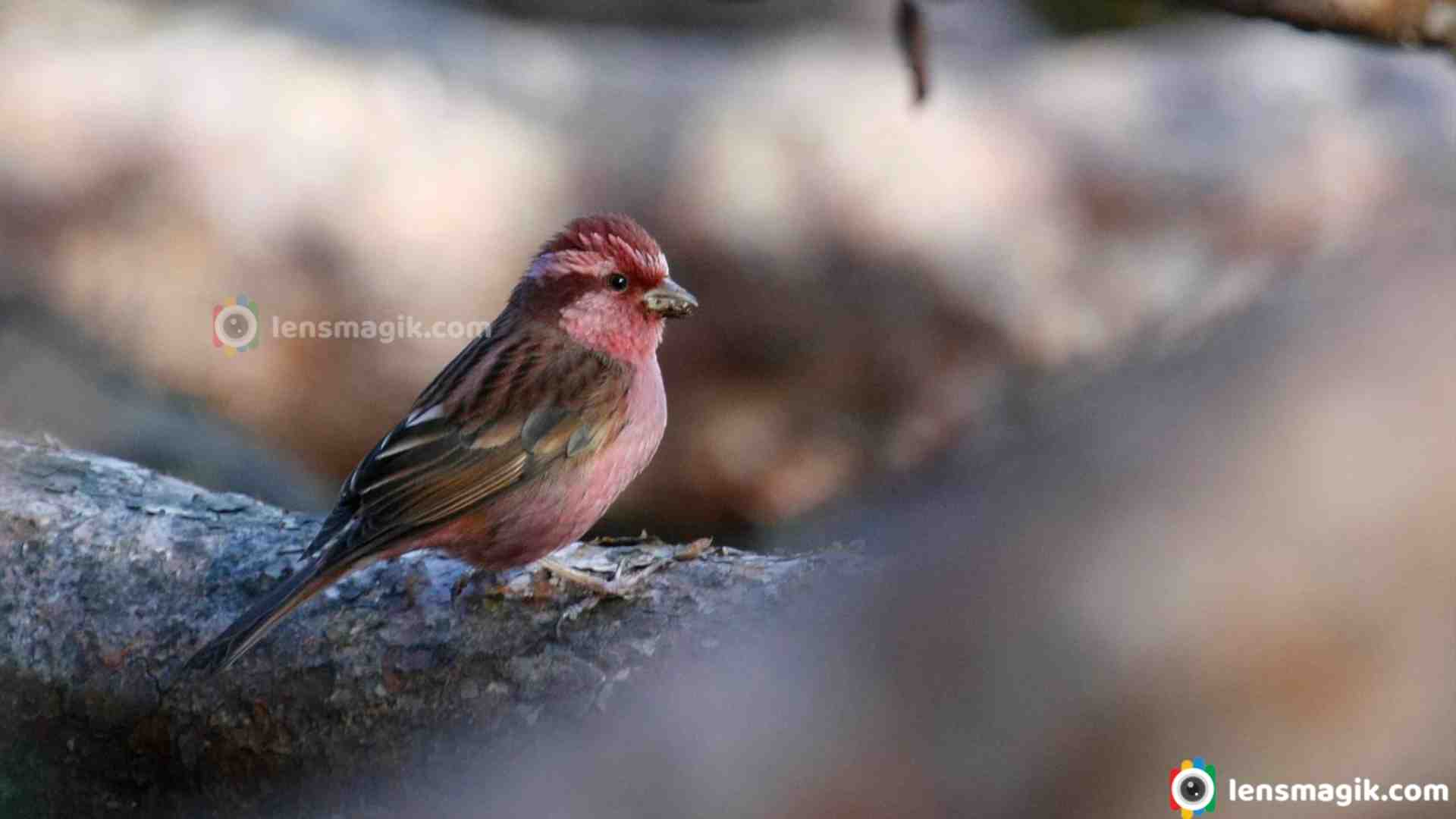
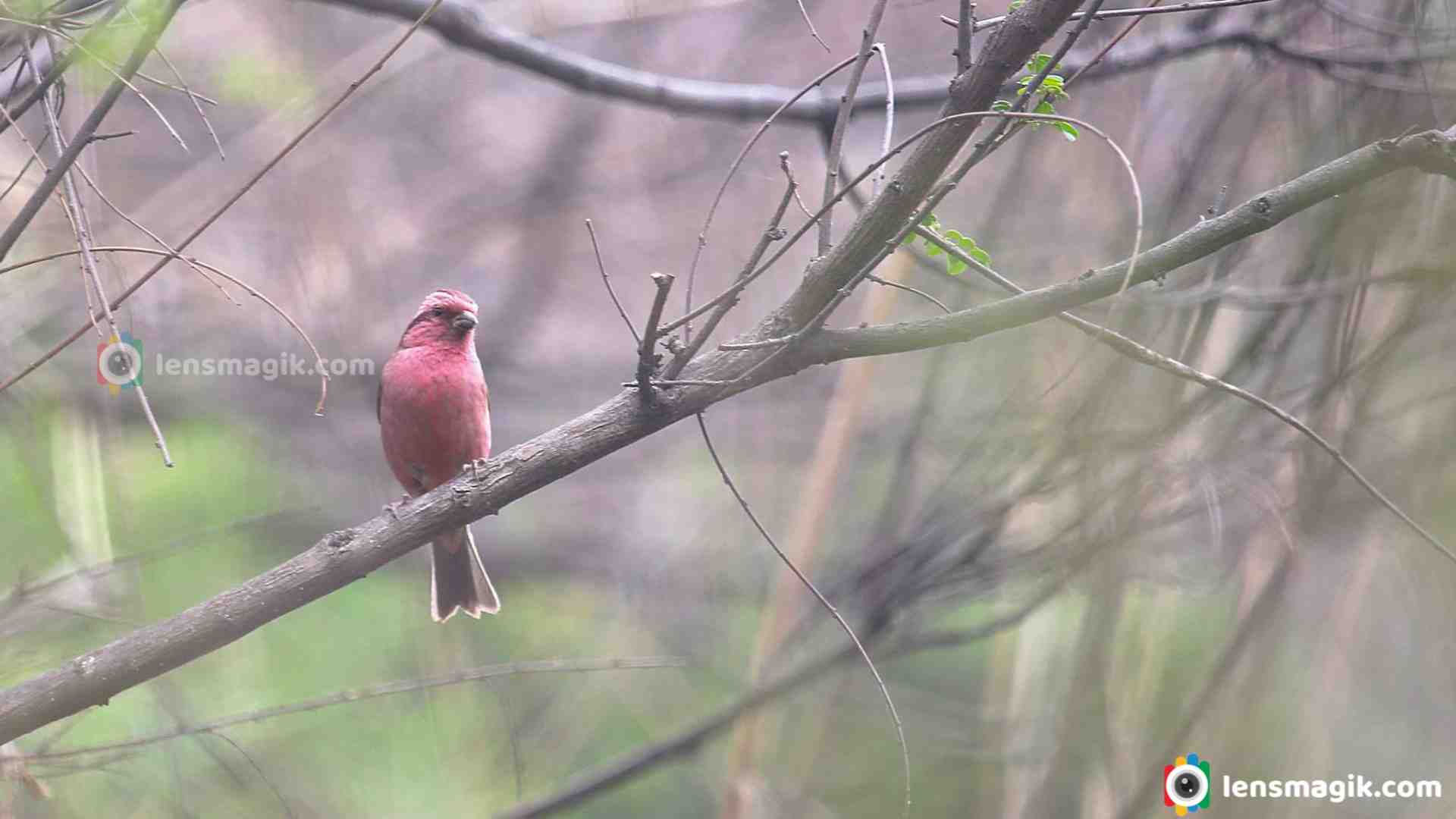
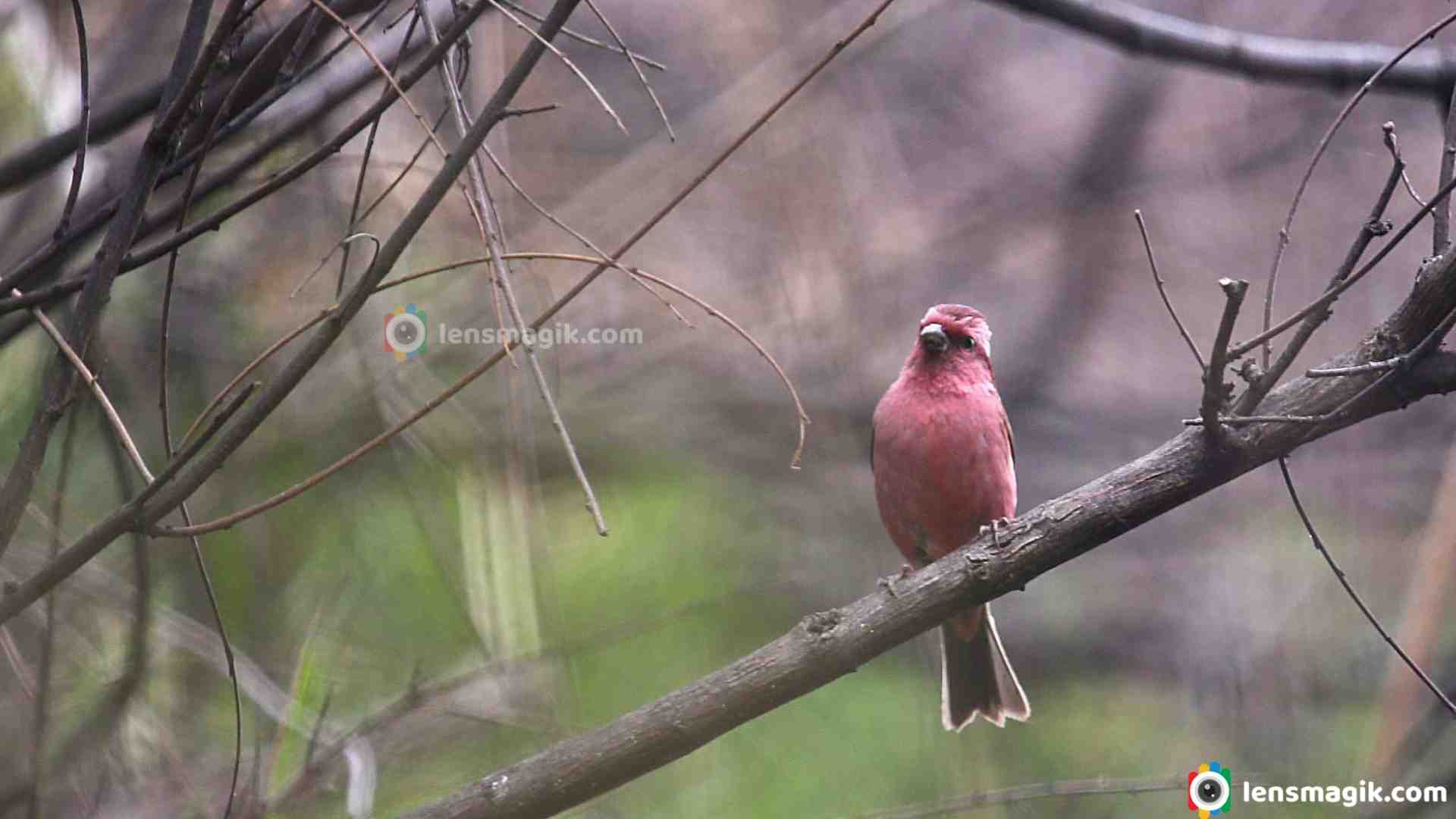
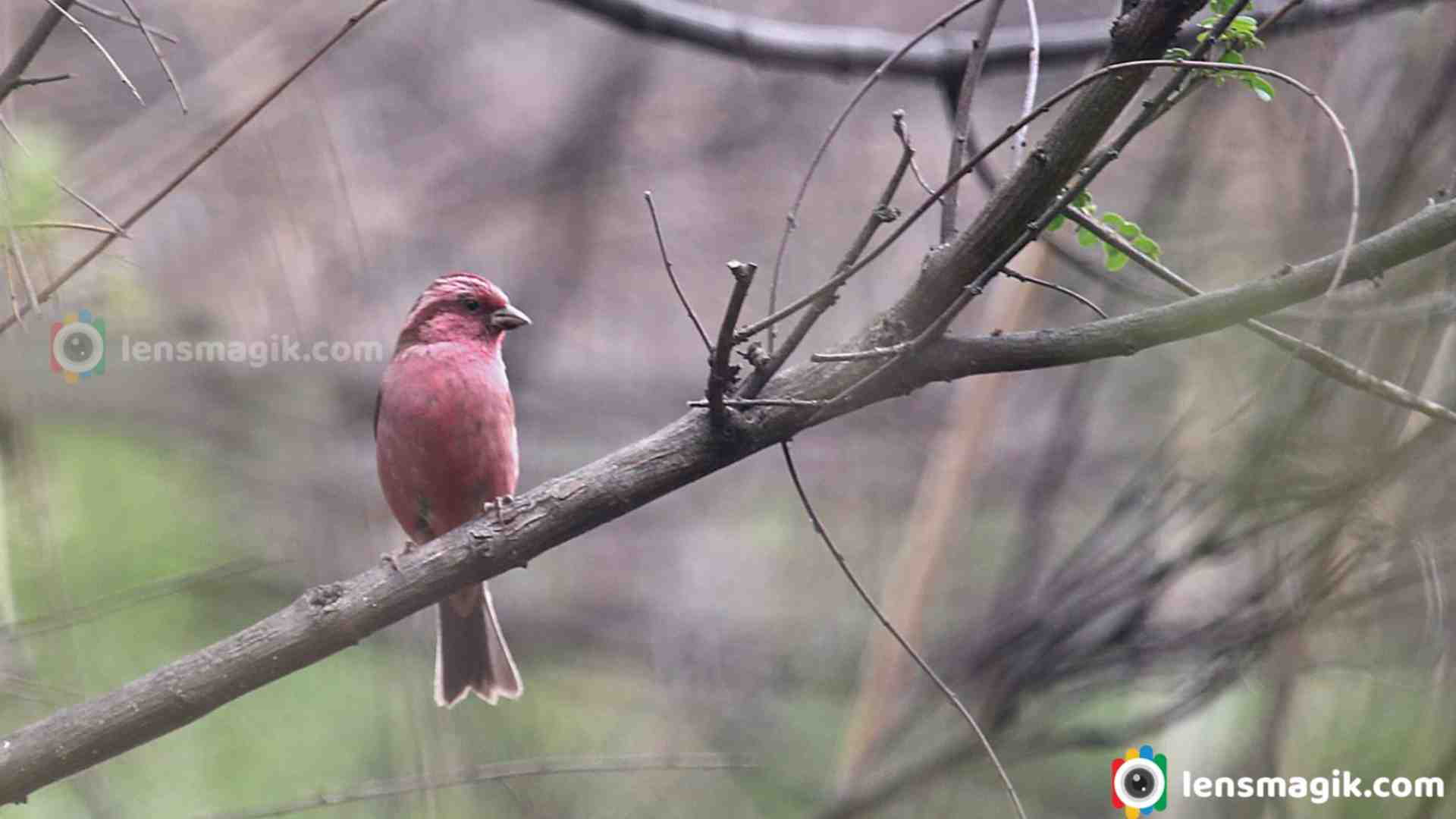
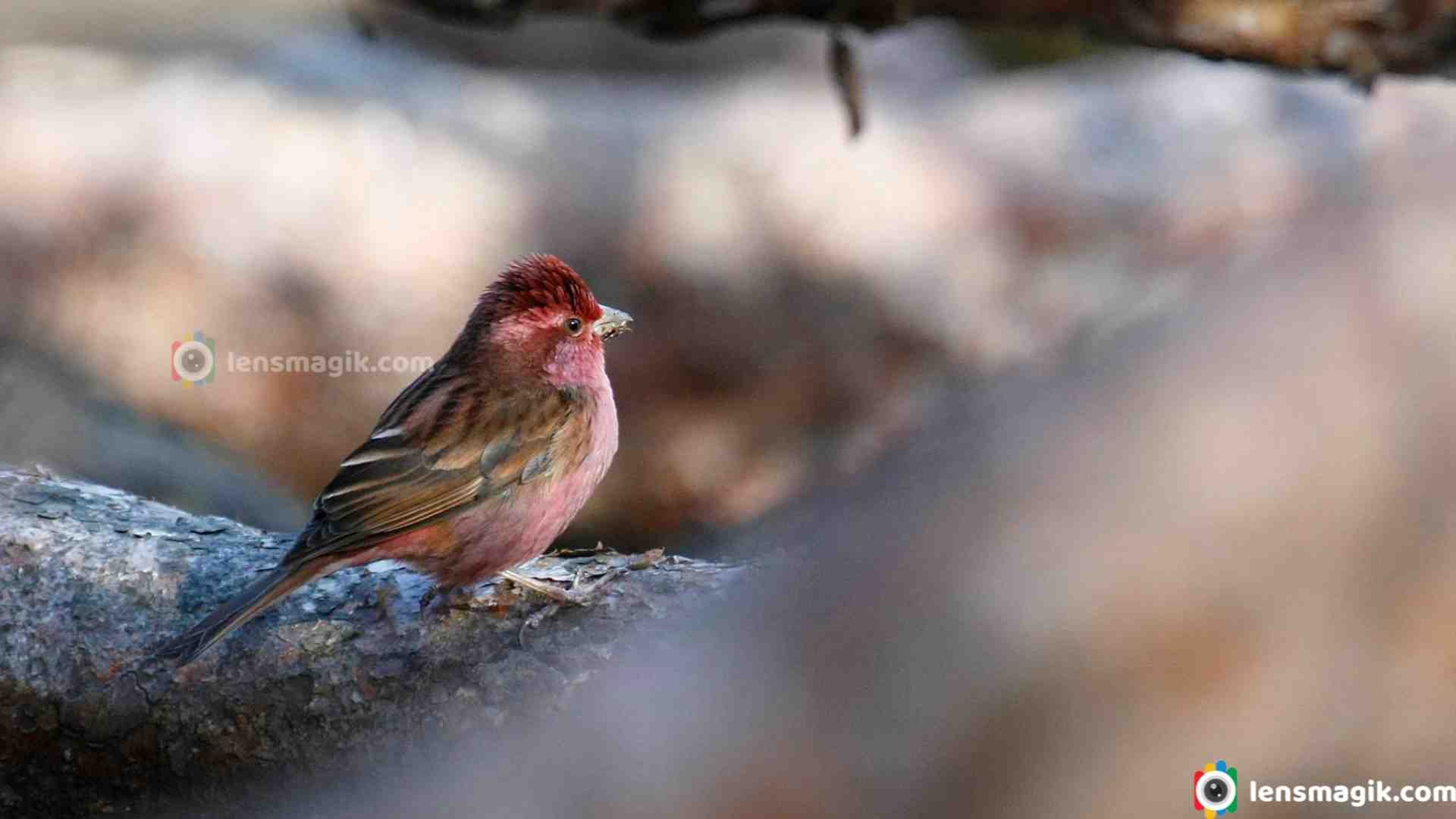
There are lots of spices of Finch bird. Pink browed rose finch family name carpodacus rodochroa. Very small in size like a sparrow. The male is bright raspberry pink color and female is brown with streaked Buffy underparts and broad white eyebrows. This spices generally found in Himalayan range about 8000-12000 ft heights. I found both Male and female during my different trek. The male i found on my Har Ki Dun trek, Chandrakhani Pass Trek in manali and female i found at Singalila National Park. Images are taken at with my canon 6D and 100-400 mm lens.
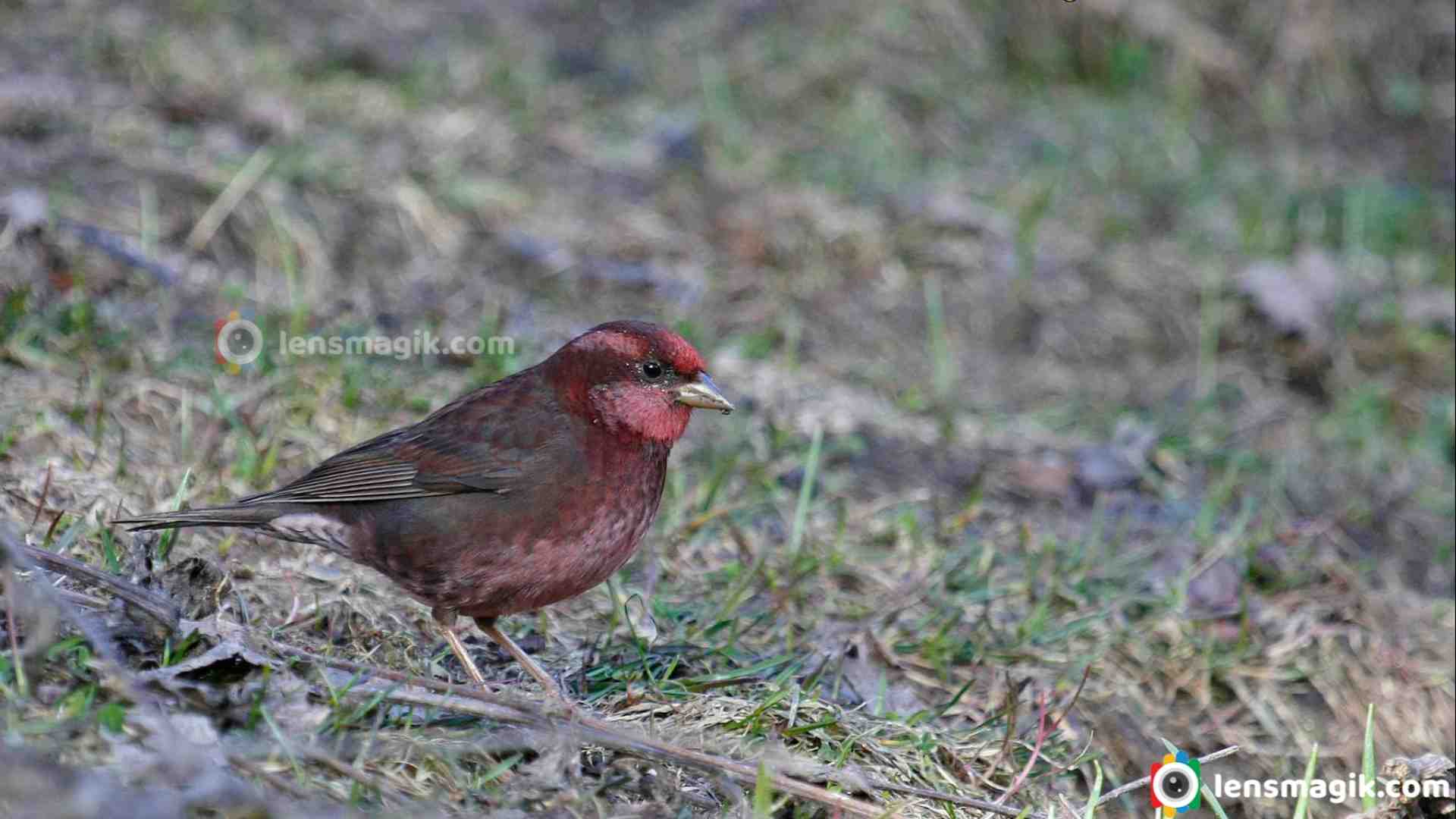
Pink Browed Rose finch generally found in heights above 7000ft . During my trek to Har Ki Dun and Manali (Chandrakhani pass ) i found Lost of birds among them one is Rose finch. It is really beautiful to see this bird . Its color is very beautiful and looks like raspberry pink. It was difficult to shoot with distance and got sharp image. Well i had a good camera and lens so that i capture this sharp image.
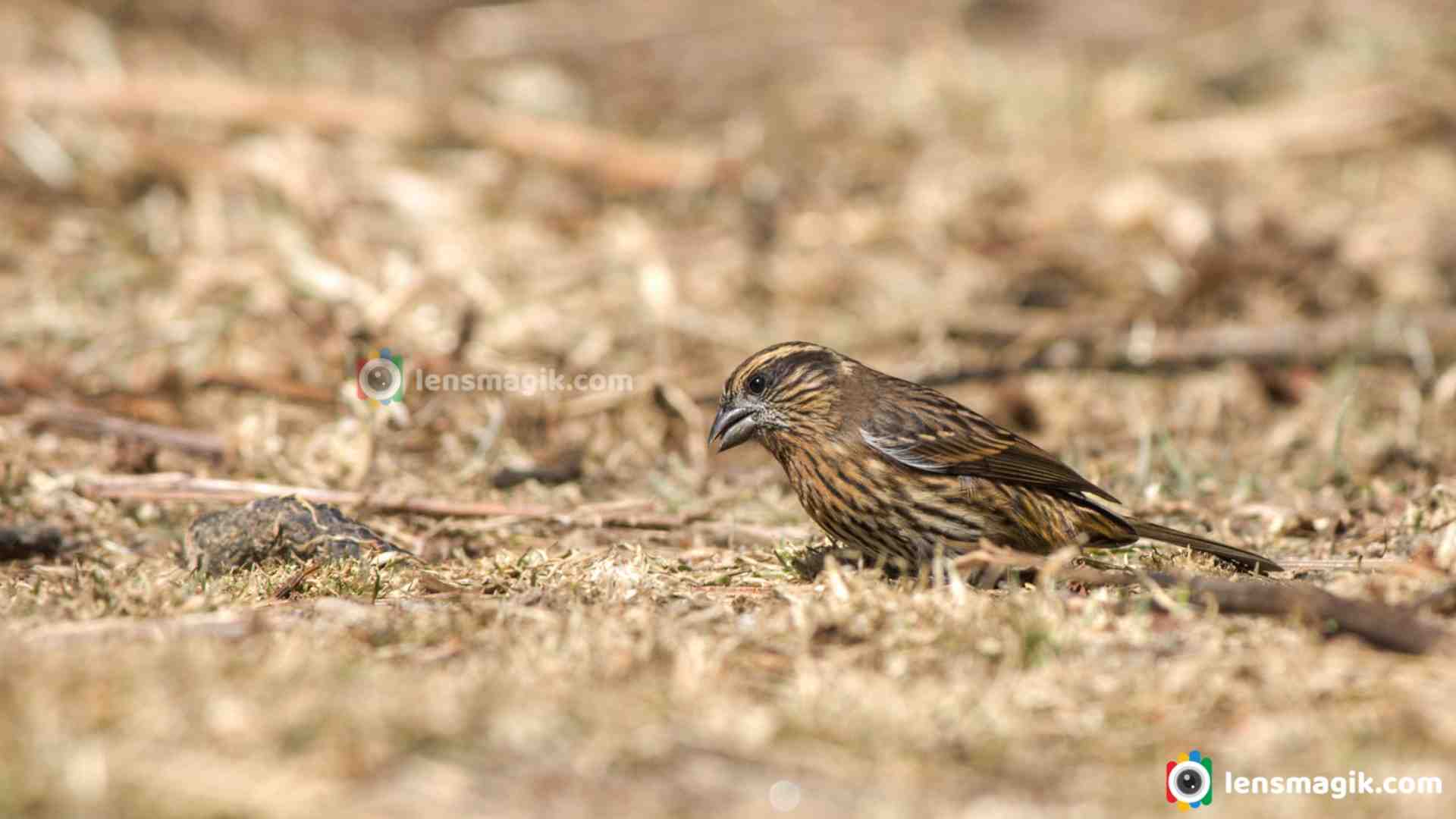
- It is resident bird of Himalayas.
- Pink Browed Rosefinch is small and compact rosefinch.
- Male has pink supercilium rump and underparts.
- Maroon pink crown and ear-coverts.
- Pinkish brown coloration to mantle.
- First year male and Female of Pink browed rosefinch have prominent buff supercilium contrasting with dark ear-coverts, brownish buff coloration to mantle.
- It has tawny to rump and strong tawny wash from breast to undertail-coverts.
- Pink browed rosefinch breeds high altitude shrub in winters and in oak forest.
- Pink Browed Rosefinch bird call is Loud .....Per- Lee....
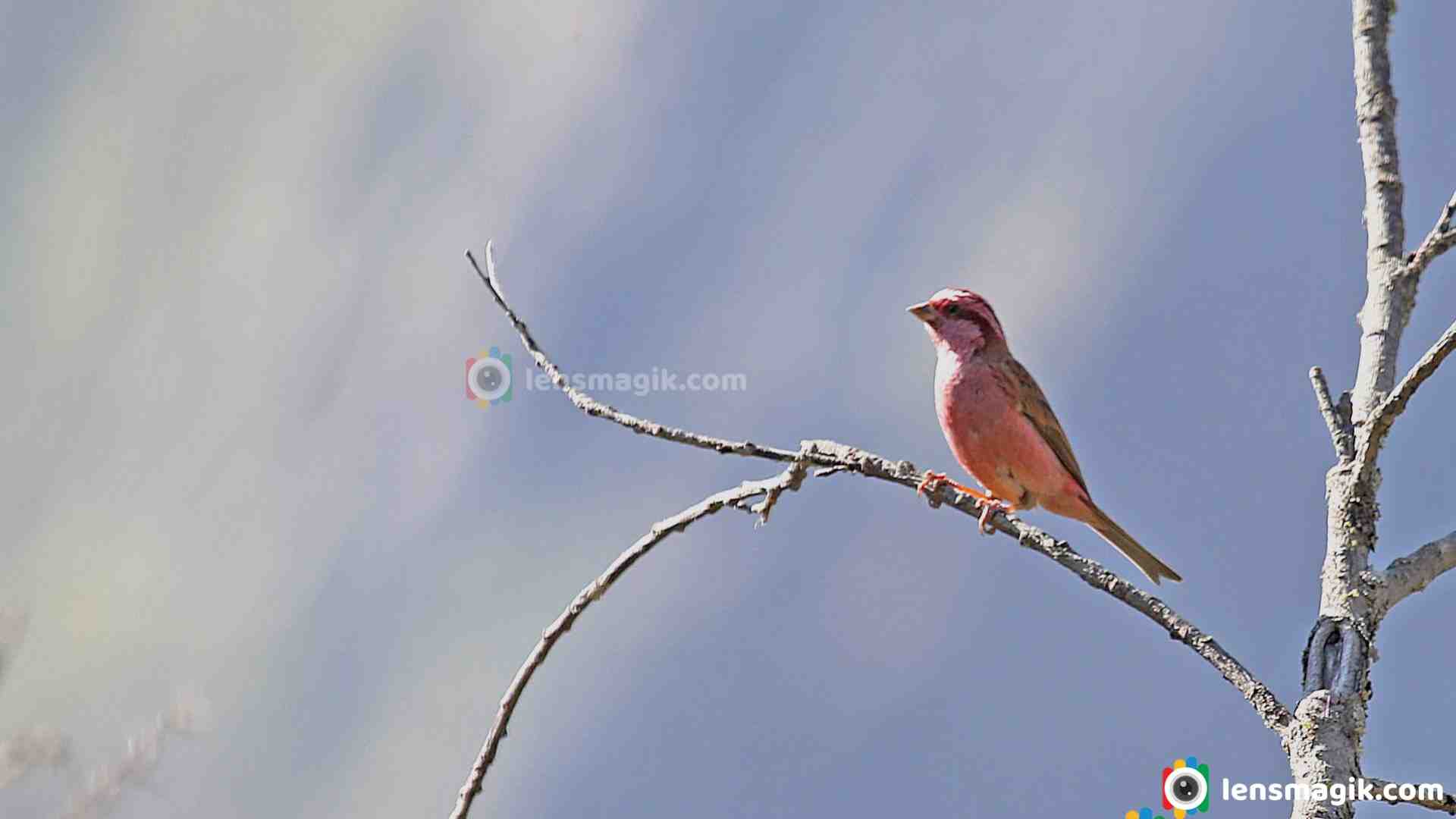
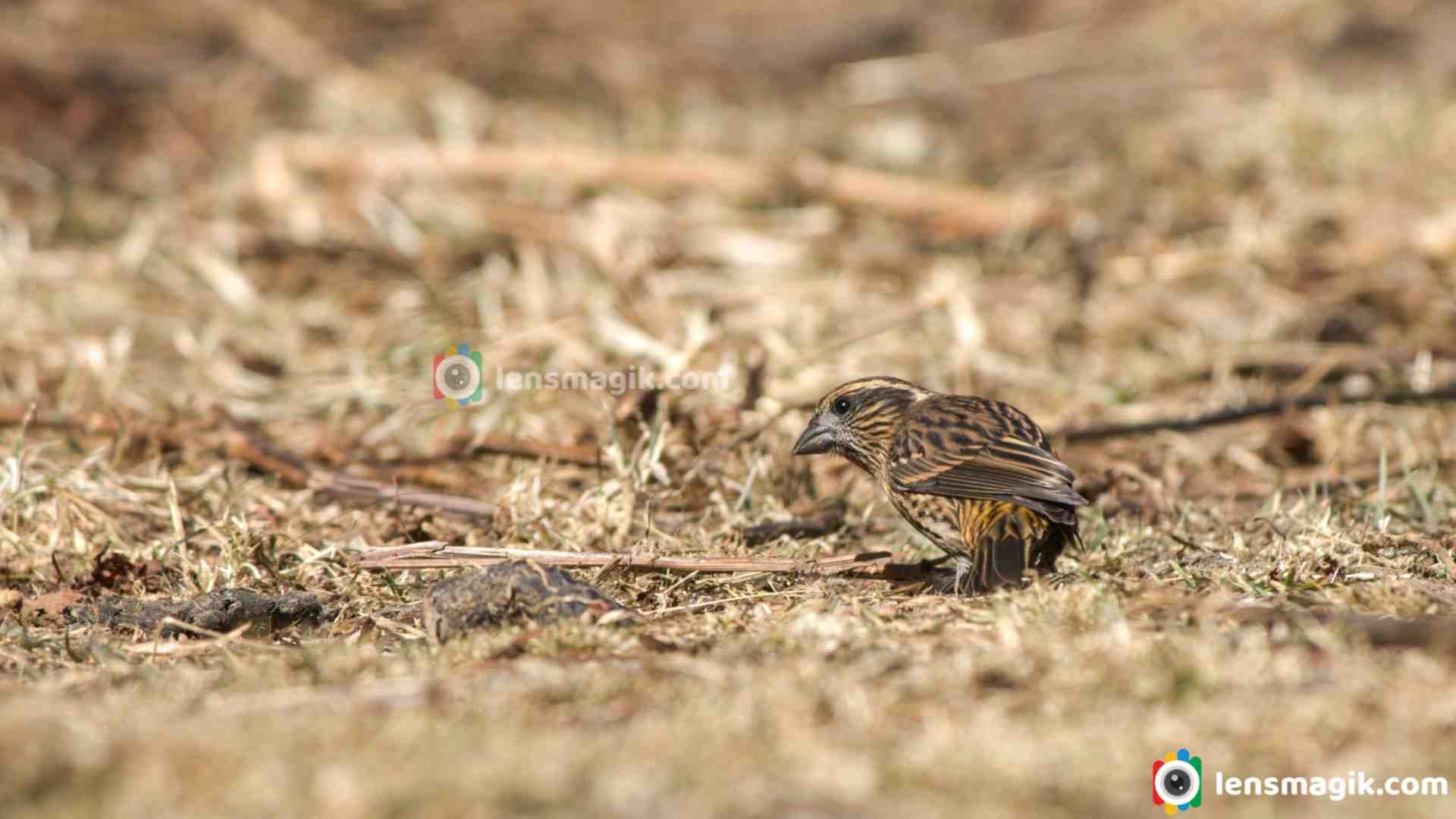
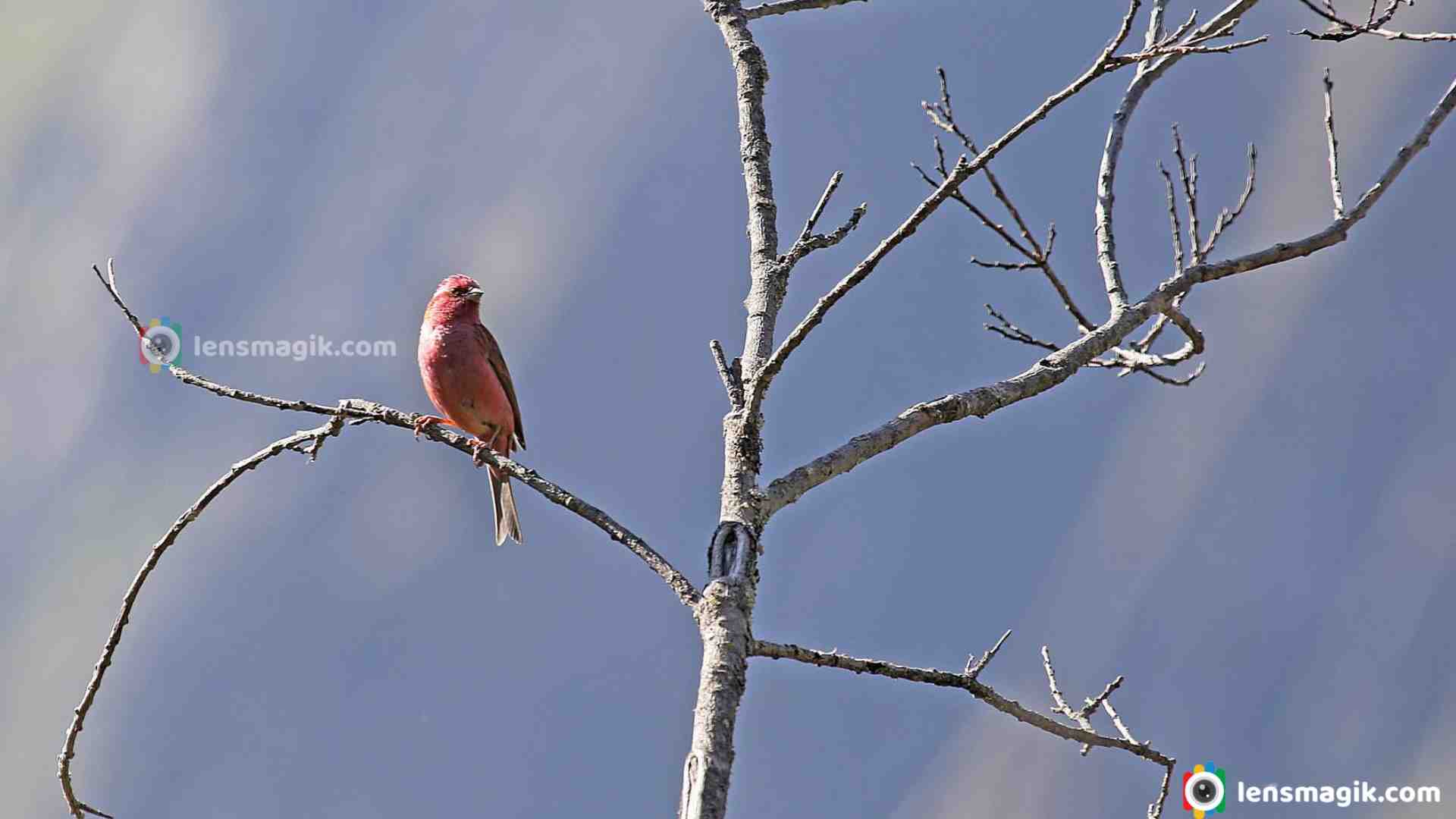
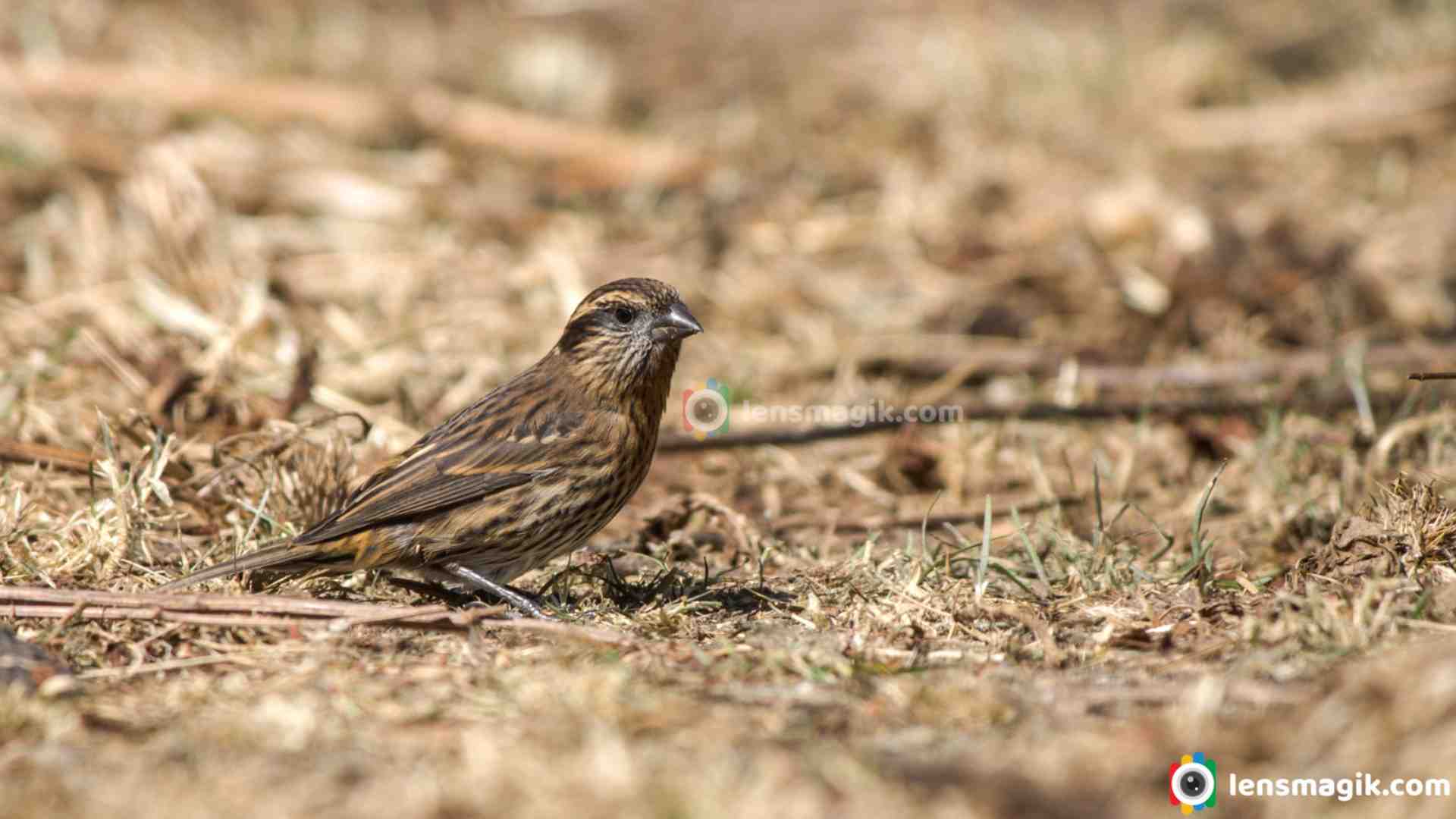
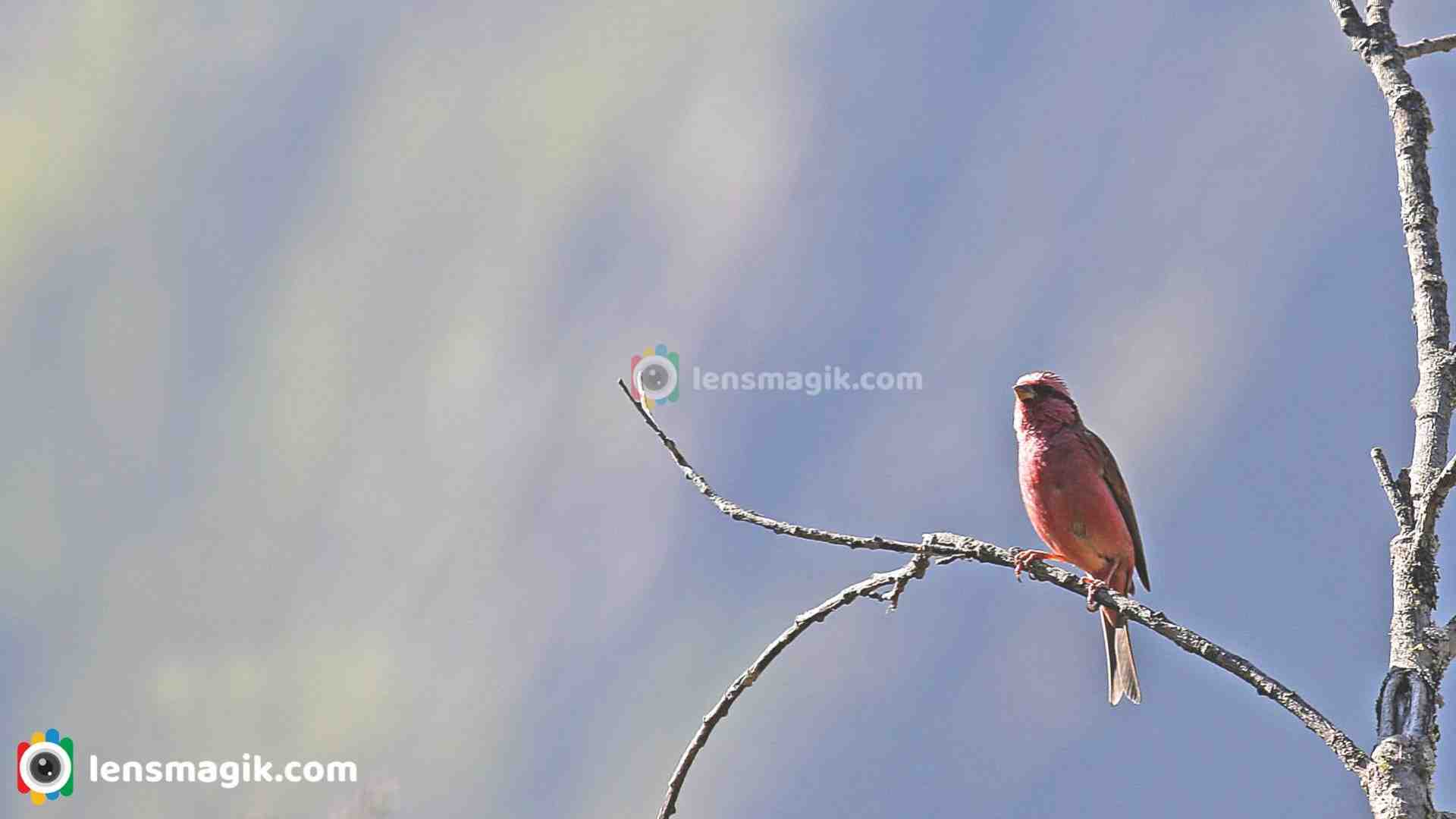
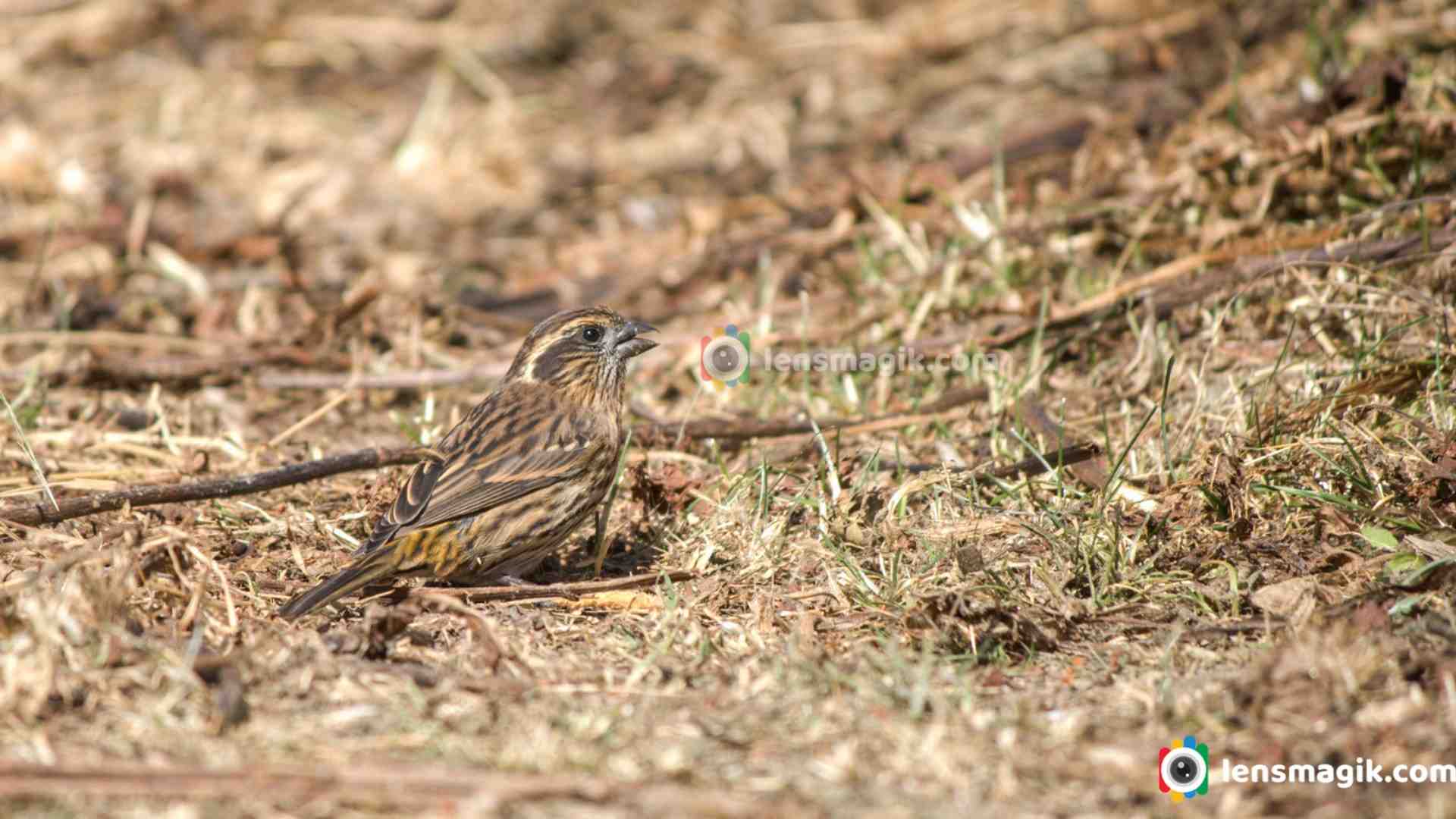
Pink Browed Rosefinch is generally found at Himalayas. I found it at Har Ki Dun trek and also at Chandrakhani pass trek to Manali. Bird is so beautiful in color you can not resist to capture image of it. There are also different types of finch bird available in manali and also at Uttarakhand. They generally found in pair of male and female.
Gear Used : Canon 6D, Canon 1000 D, Canon 100-400 mm lens, Canon 80 D
Read more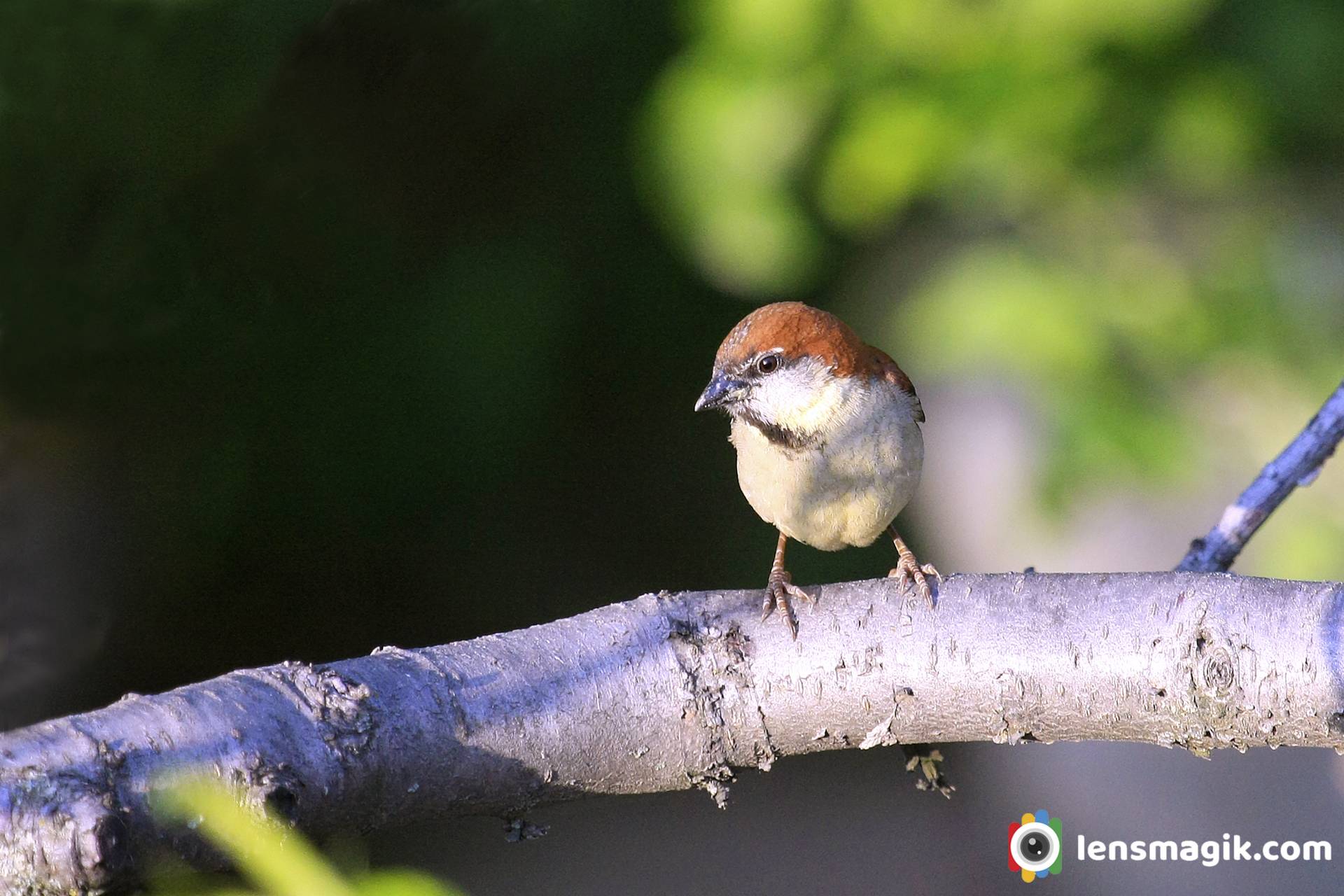
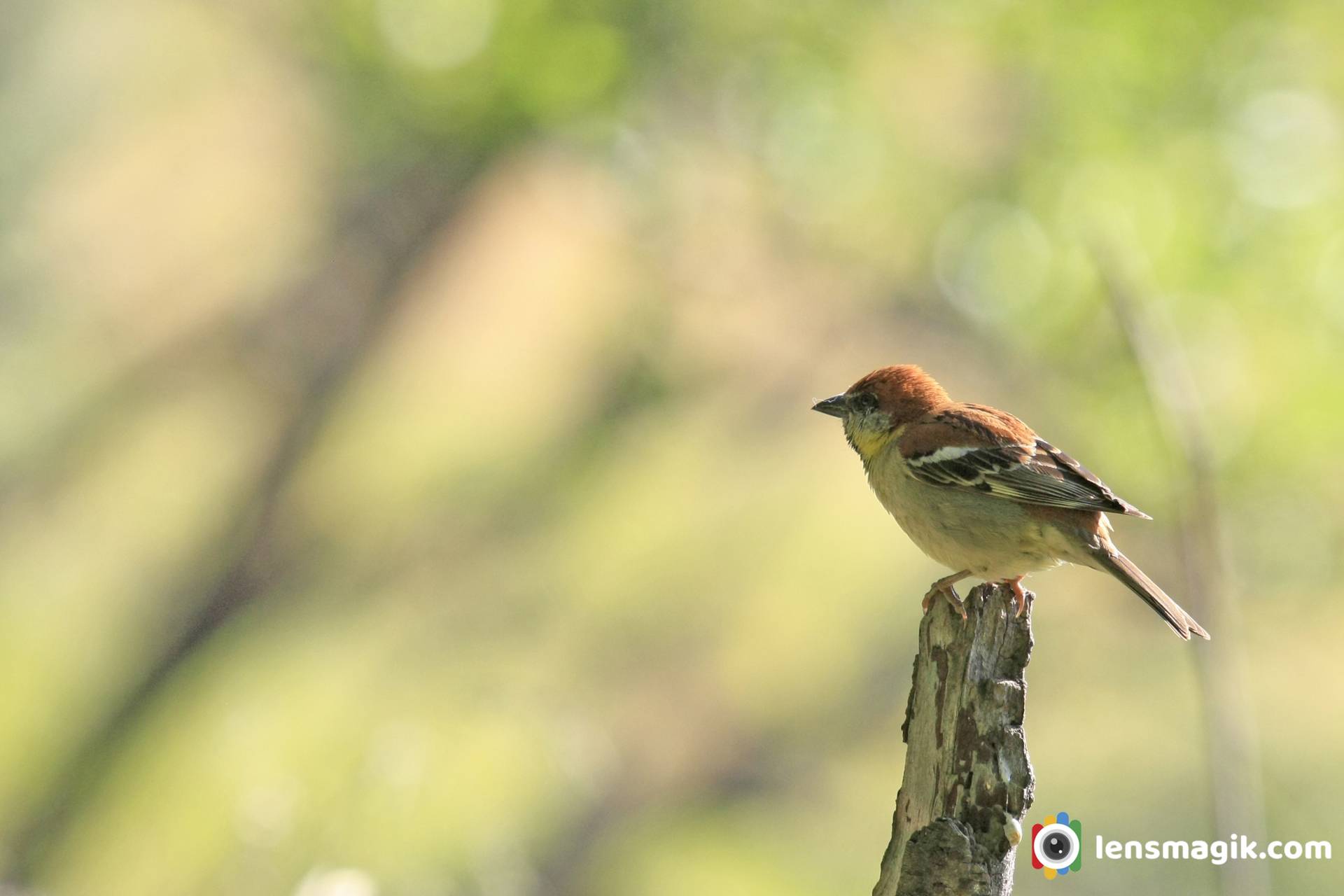
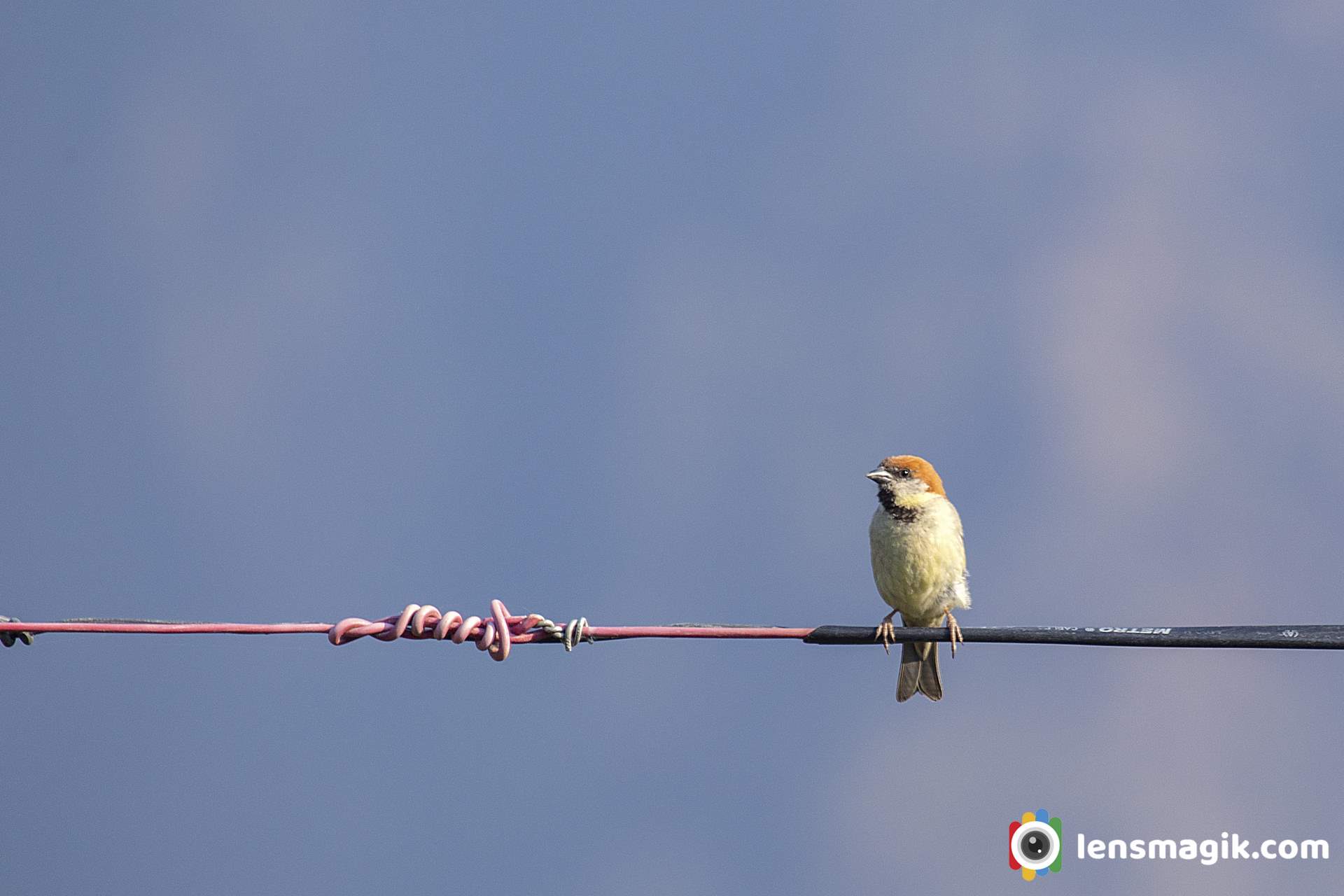
Russet Sparrow is a bird of sparrow family. It is generally found at Himalayas in India. It is very common at himalayan birding sites. House sparrow bird is now moved from city areas because of croweded area and pollutions and mobile towers. Russet sparrow i found during my trek to Manali and Har ki Dun trek also. So it is resident bird of Himachal Pradesh and Uttarakhand. It is small size bird and very friendly bird even you get very close to it.
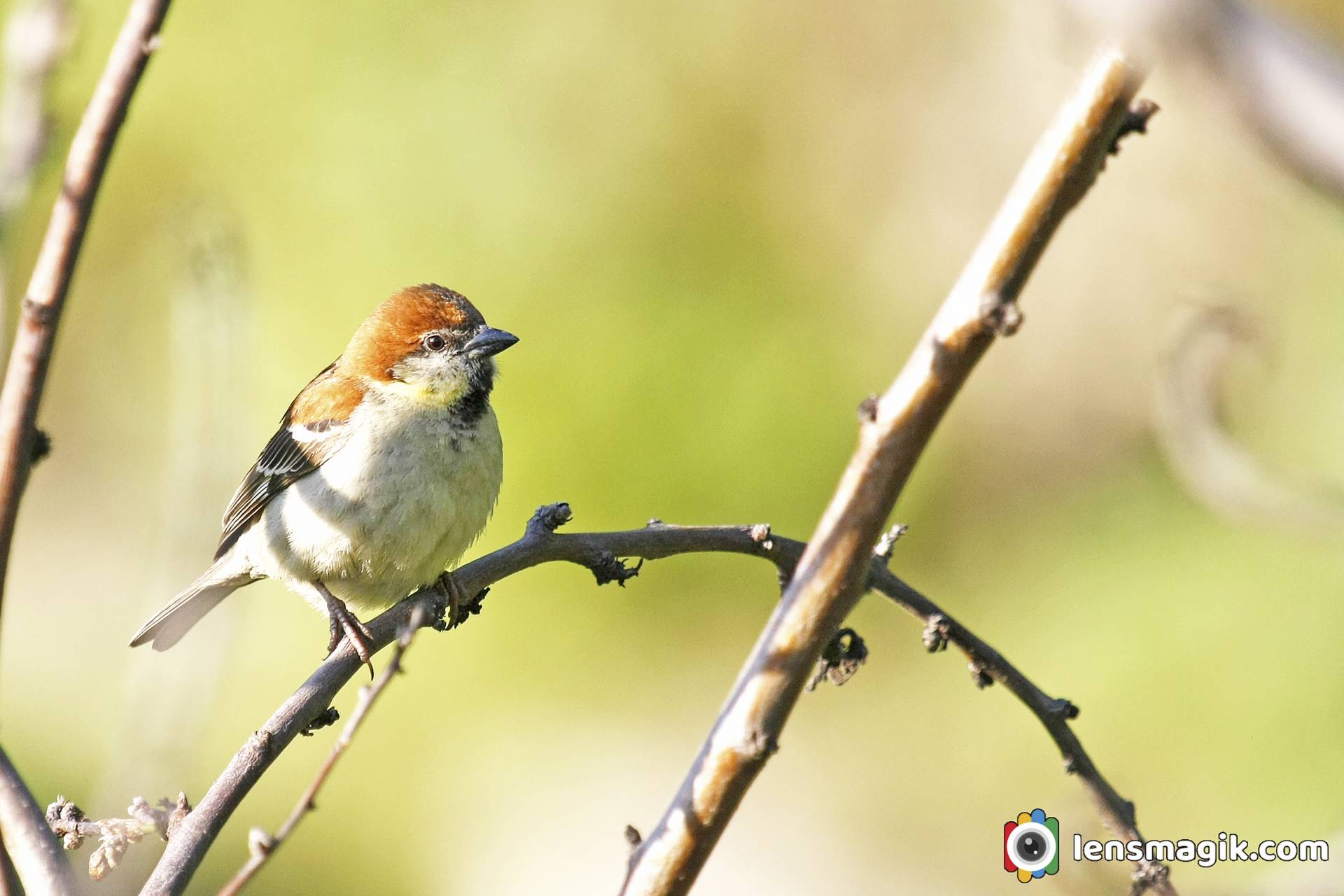
About Russet Sparrow :
- Russet Sparrow is seed eating bird.
- Russet sparrow has thick bill.
- Russet Sparrow length is about 12-15 cm.
- There are three subspices of it recognised. Rutilans, intensior, cinnamomeus.
- Rutilans and intensior breeds in eastern Asia and cinnamomeus breeds in Himalayas.
- Sparrow feed seeds of grains and hurbs.
- They lay 5-6 eggs at a time.
- It is warm rufous in color.
- Among all subspices the Himalayan Russet sparrow is little larger then others.
- Russet sparrow call is Cheep or chilp...
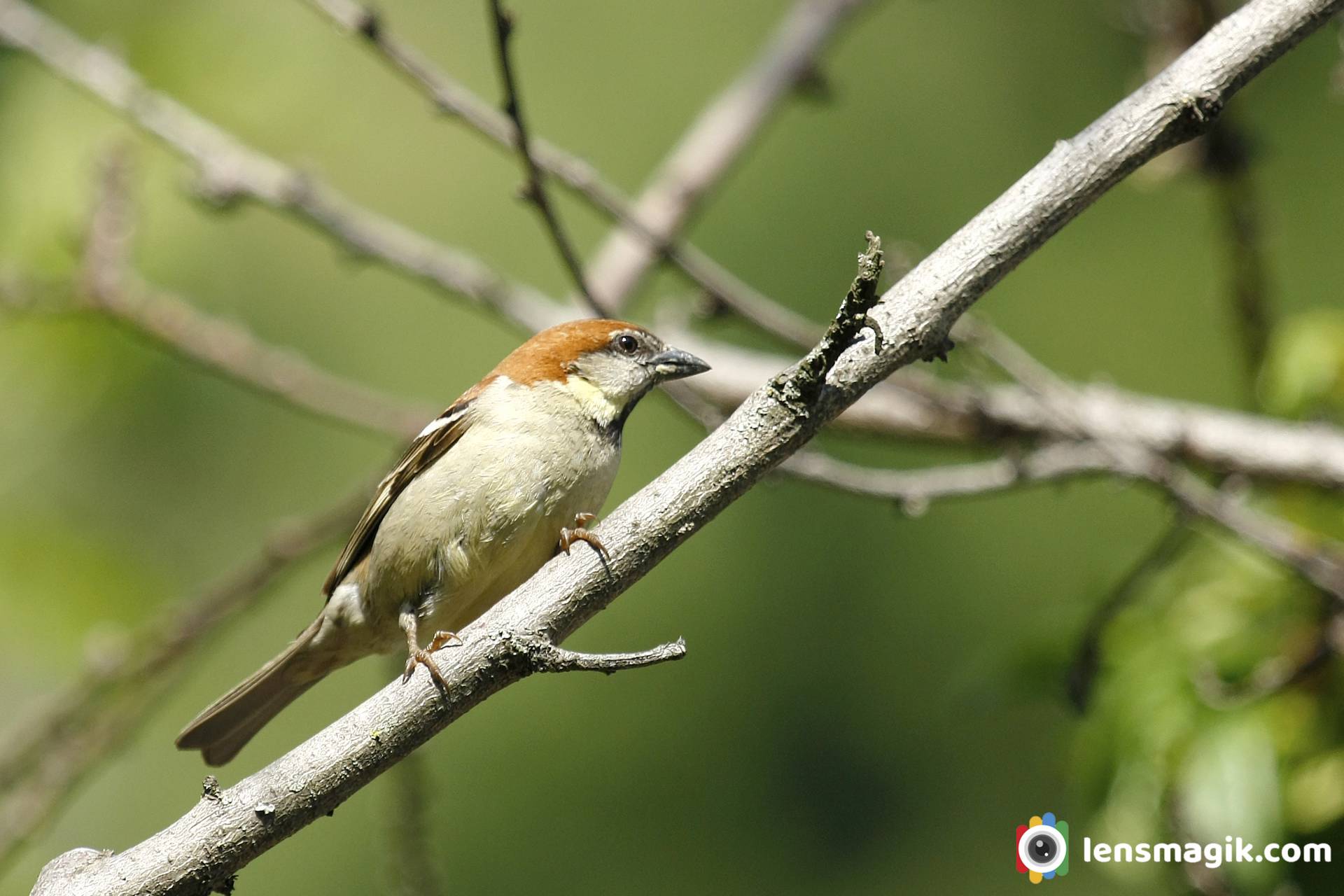
Sparrow is very familiar bird. House sparrow is very common in city areas. But now a days because of mobile towers and architectures and highrise building made them migrate from city. Russet Sparrow i found during my trek to Manali and also Har ki Dun trek. When i was on trek of Chandrakhani pass i frequently found russet sparrow in villages . Same thing during my har ki dun trek i found russet sparrow in small villages as a resident bird.
Har ki Dun and Manali both from differant state Uttrakhand and Himachal Pradesh. So it shows russet sparrow widely spread in Himalayas. Actually Himalays are heaven for birding. There are huge number of spices of different birds in Himalayan range. Most popular places for birding in Himalayas are Manali, Har ki Dun, Pangot, Sattal, Nainital etc.
Location : Har ki Dun trek, Manali Trek to Chandrakhani pass
Gear : Canon 6D, Canon 1000D, Canon 100-400 mm lens
Read more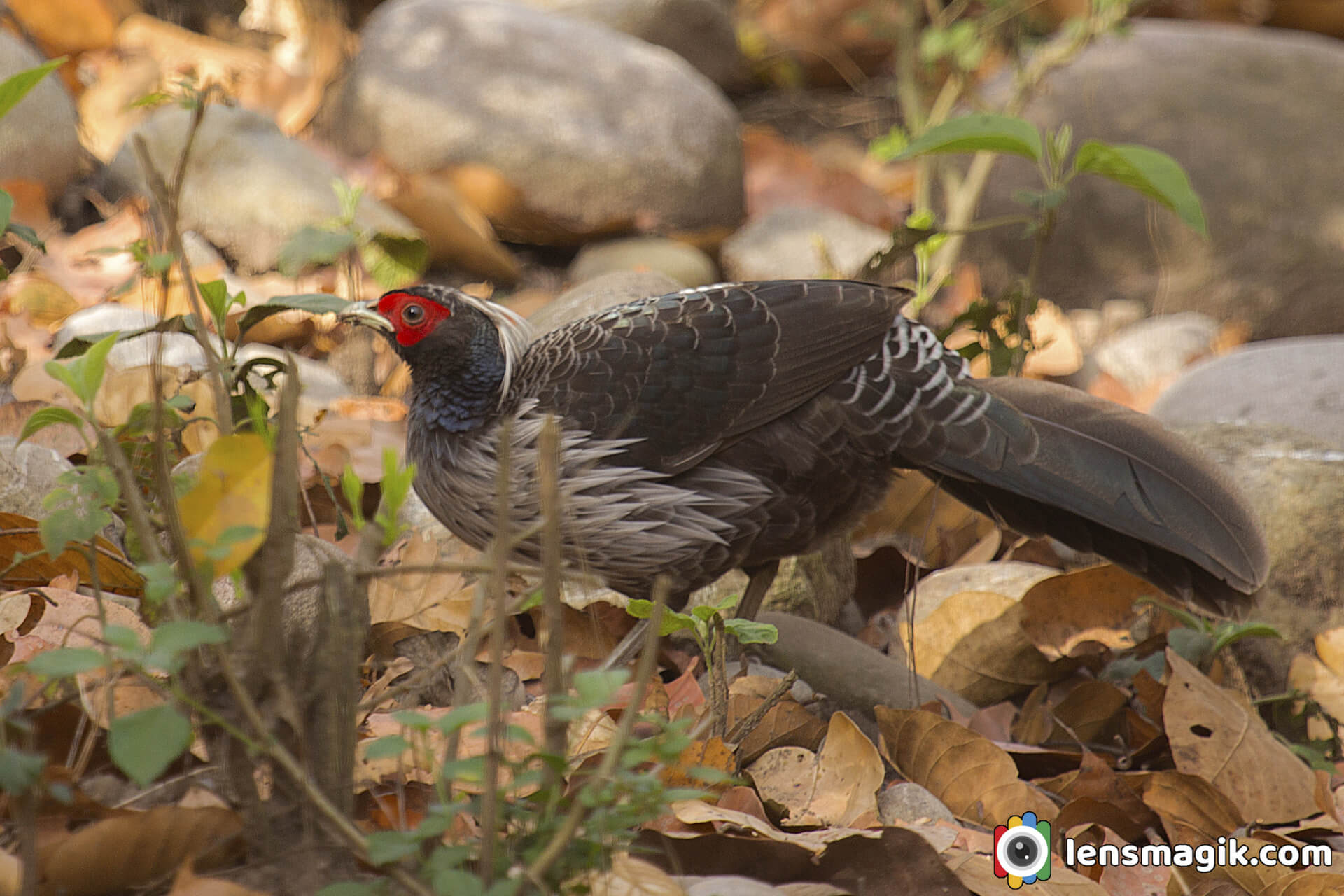
Kalij Pheasant is a bird of Phasianinae family.It generally found in forest area. It is a heavy body ground feeding bird which known as Galliformes in Order. It is also a game bird in Asia many years ago but now this bird is not use a s a game bird. Many years ago it spell also Kaleeje Pheasant. The Binomial Name of Kalij Pheasant is Lophura Leucomelanos. A beautiful bird found in India at Corbett National Park also found many other areas but i don't know all places. I shoot at Jim Corbett National Park during safari ride in the morning.
Subspices of Kalij Pheasant :
Total nine subspices of Kalij Pheasant
- White Crested Kalij Pheasant
- Leucomelanos - nominate at Nepal
- Black Kalij Pheasant
- Oates' Kalij Pheasant
- Lineated Pheasant
- Black Backed Kalij Pheasant
- Horsfield's Pheasant
- Williams' Kalij Pheasant
- Crawfurd's Pheasant
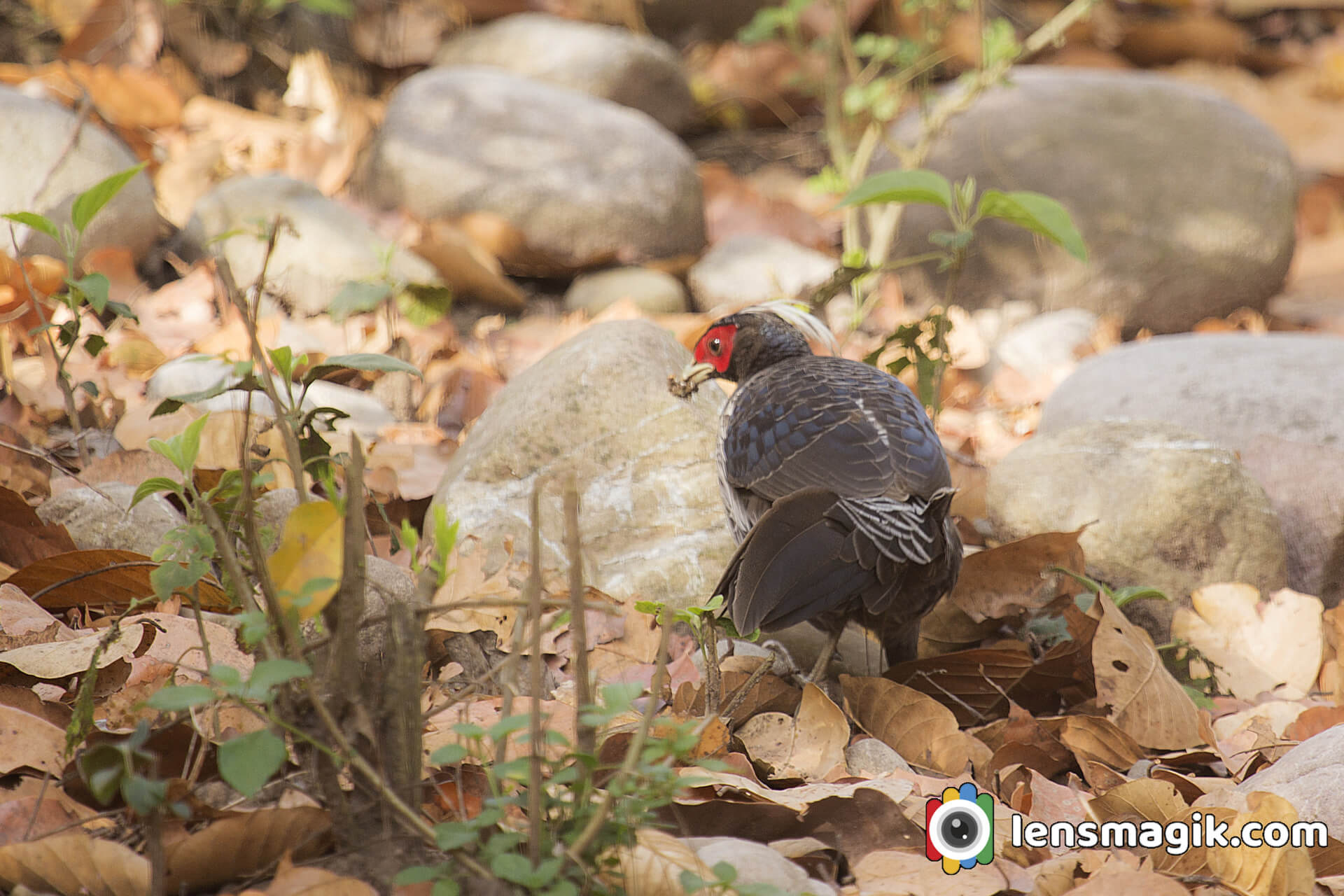
About Kalij Pheasant :
- Size of Male kalij pheasant is 24-30 inch and female about 20-24 inch.
- In plumage Kalij Pheasant is glossy blue back and underpart have white rump.
- Crest is white in all spices.
- In some subspices underpart and tail are white with feathers bunch.
- Female Kalij Pheasant is brownish.
- Underpart of female is black and whitish.
- Kalij Pheasant is Least Concern spices of IUCN bird list.
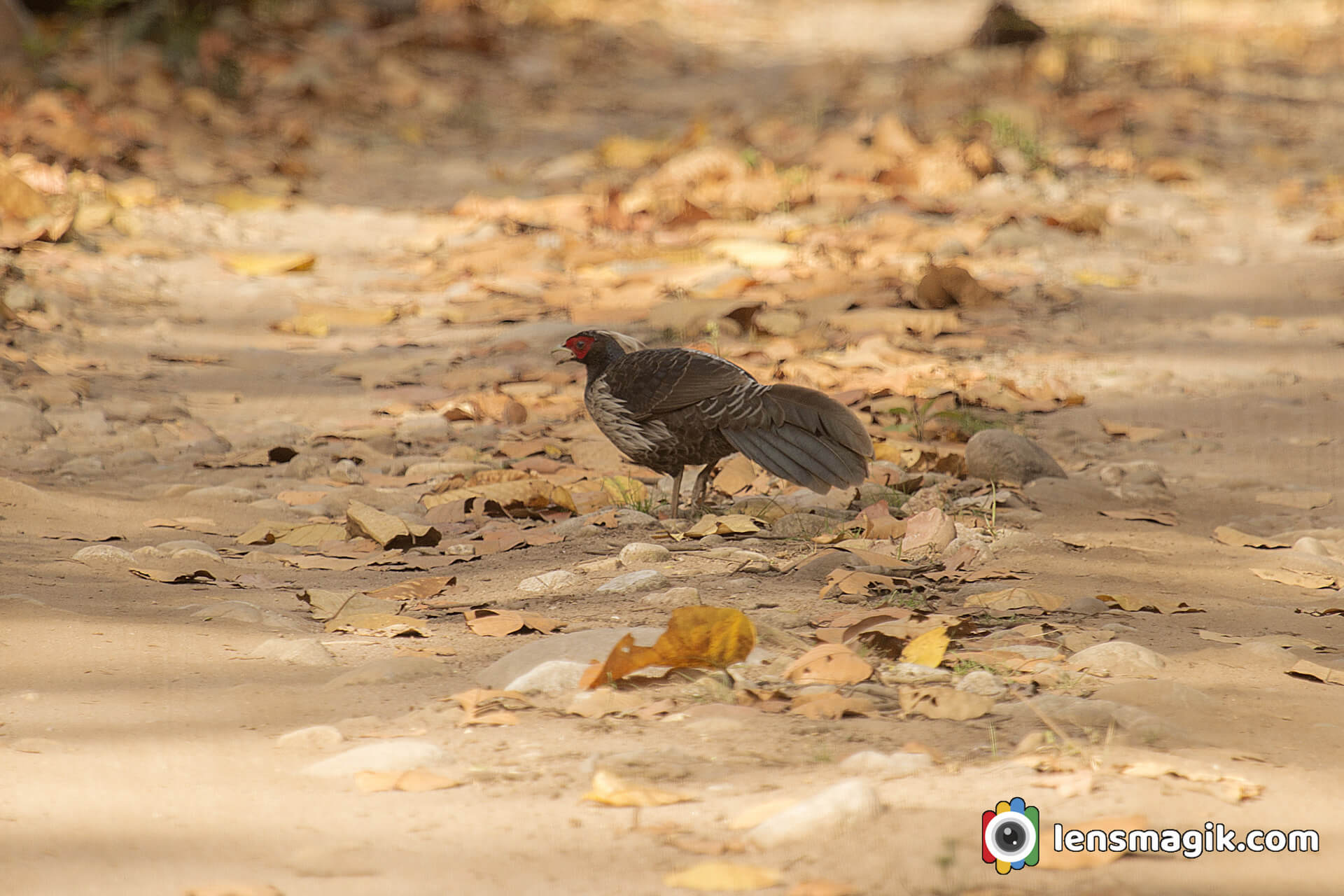
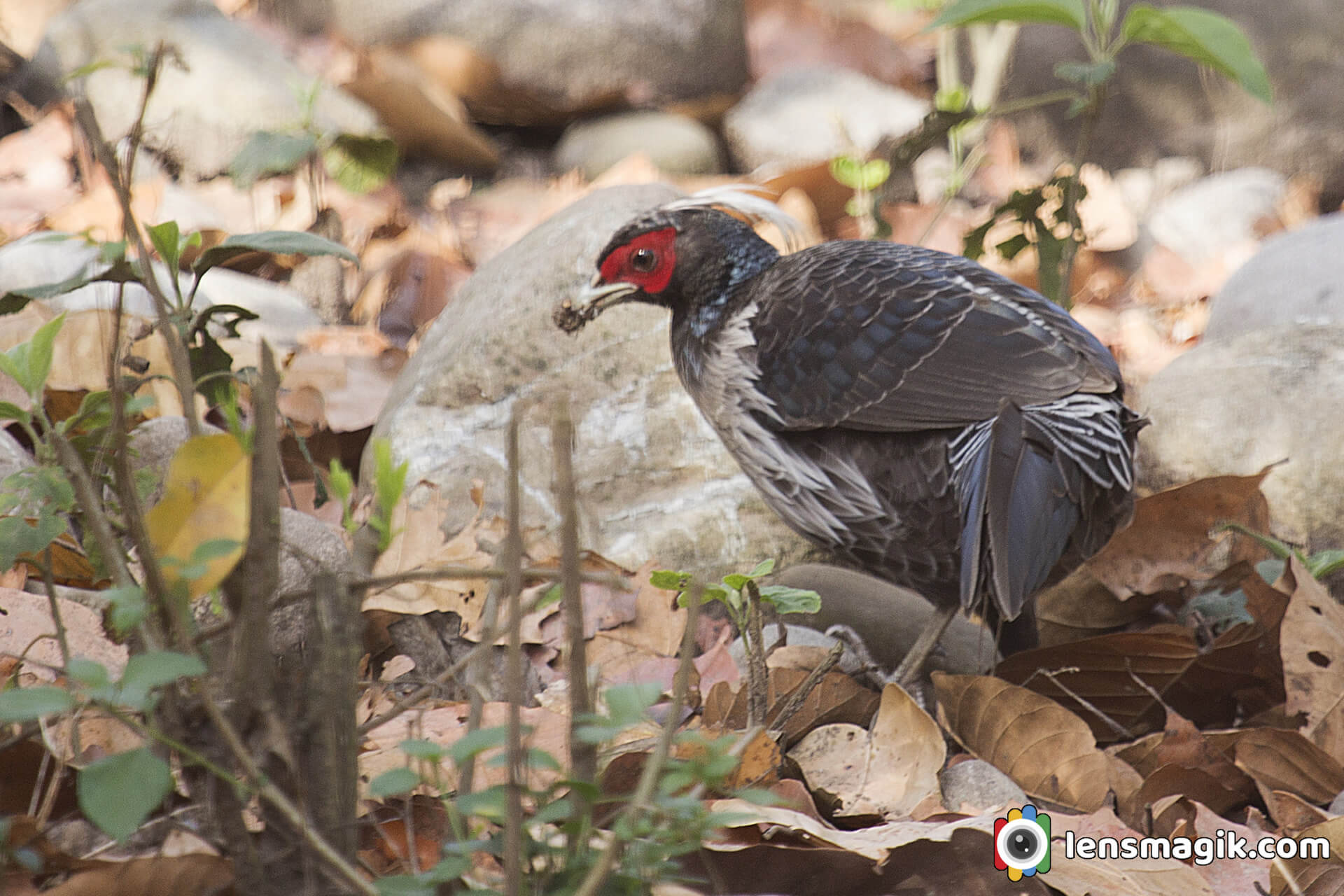
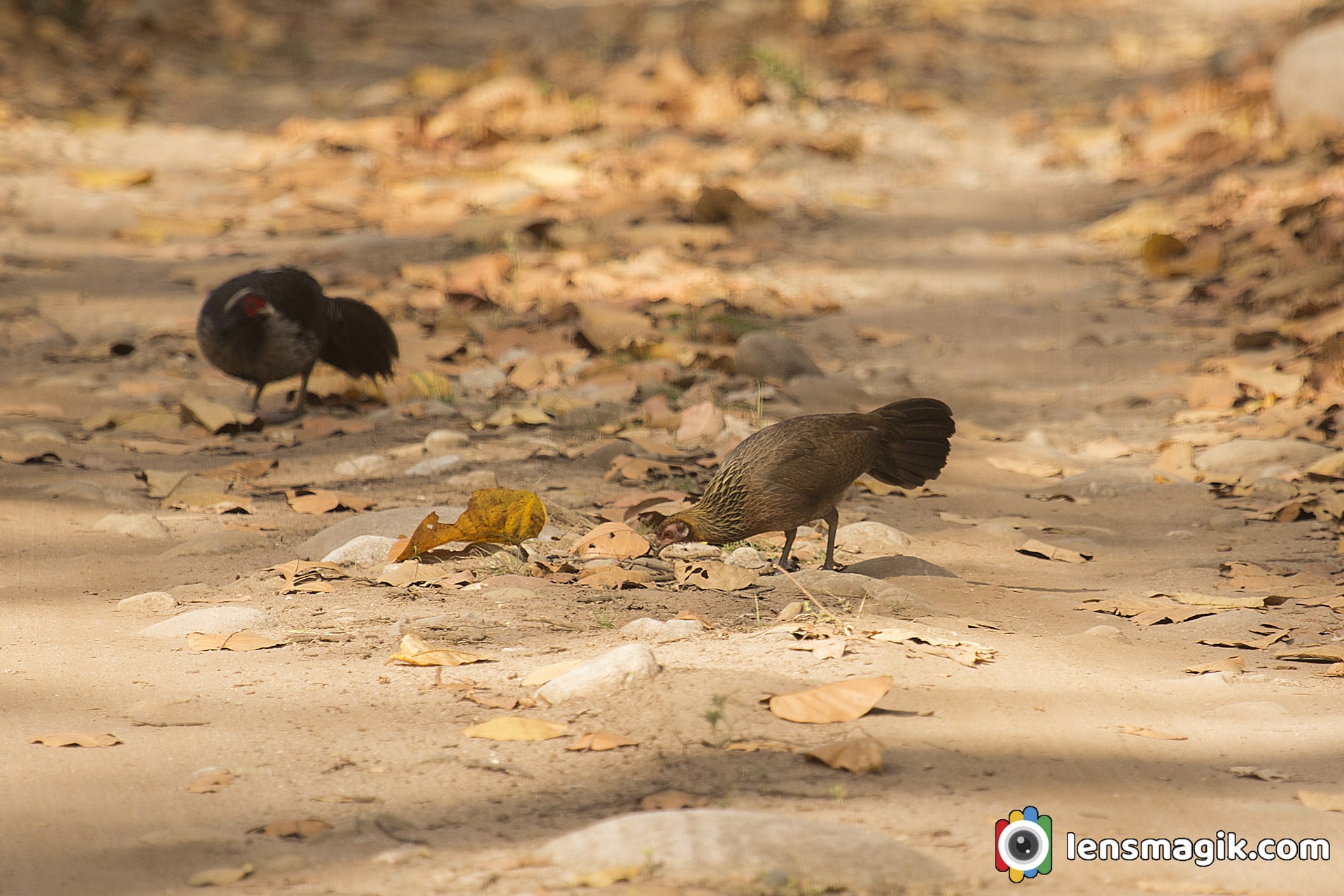
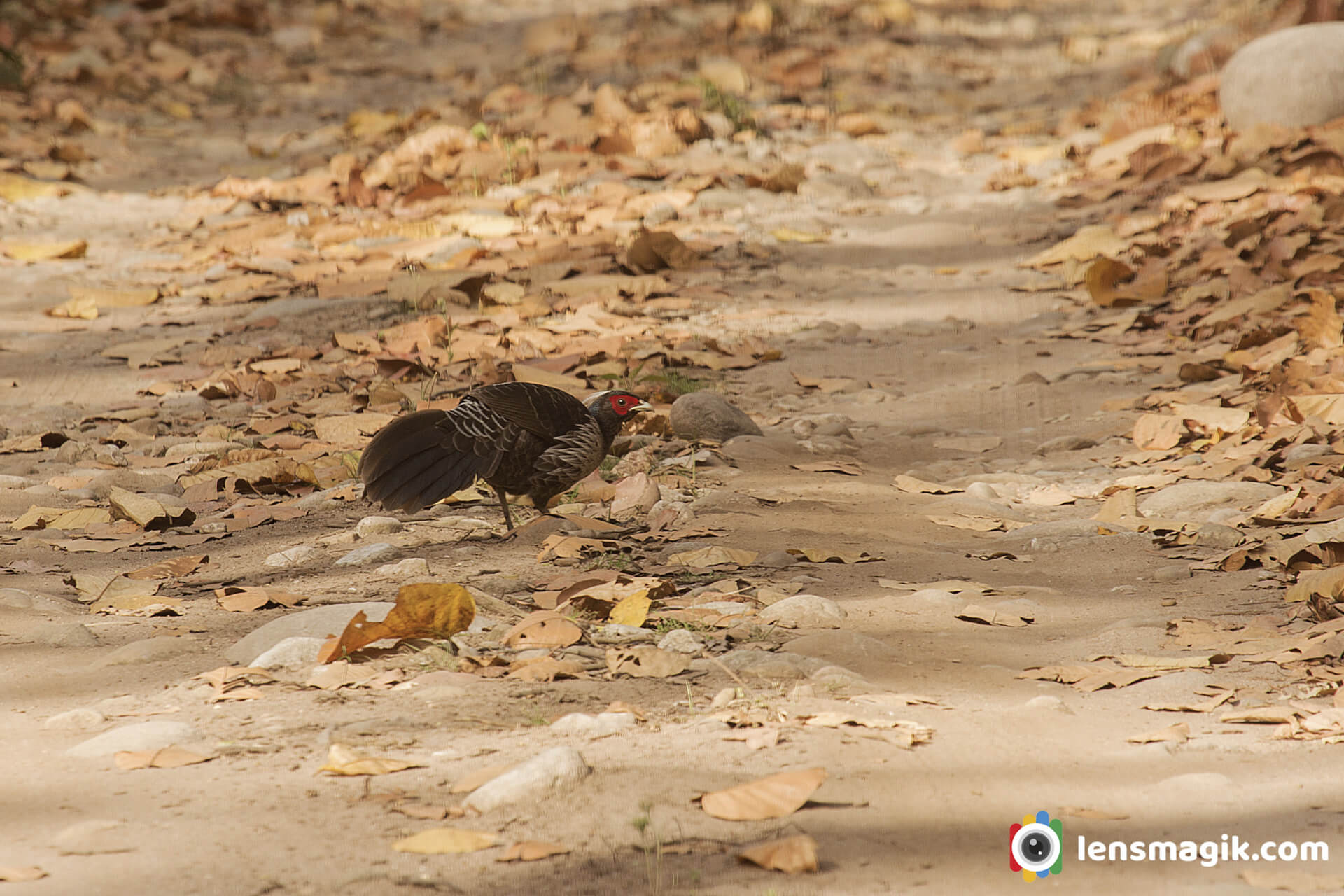
Jim Corbett National park is one of the best place where you can found birds, mammals, reptors and reptiles too. While i am at safari i was looking for Tigers but on the road Kalij Pheasant Pair are wondering and i don't miss the chance though they are far from me. The result of images is very low but it easily helps to identify it. A record shot for me of Kalij Pheasant at Corbett national park.
Camera Gear Used : Canon 6 D, Canon 100-400 mm lens.
Read more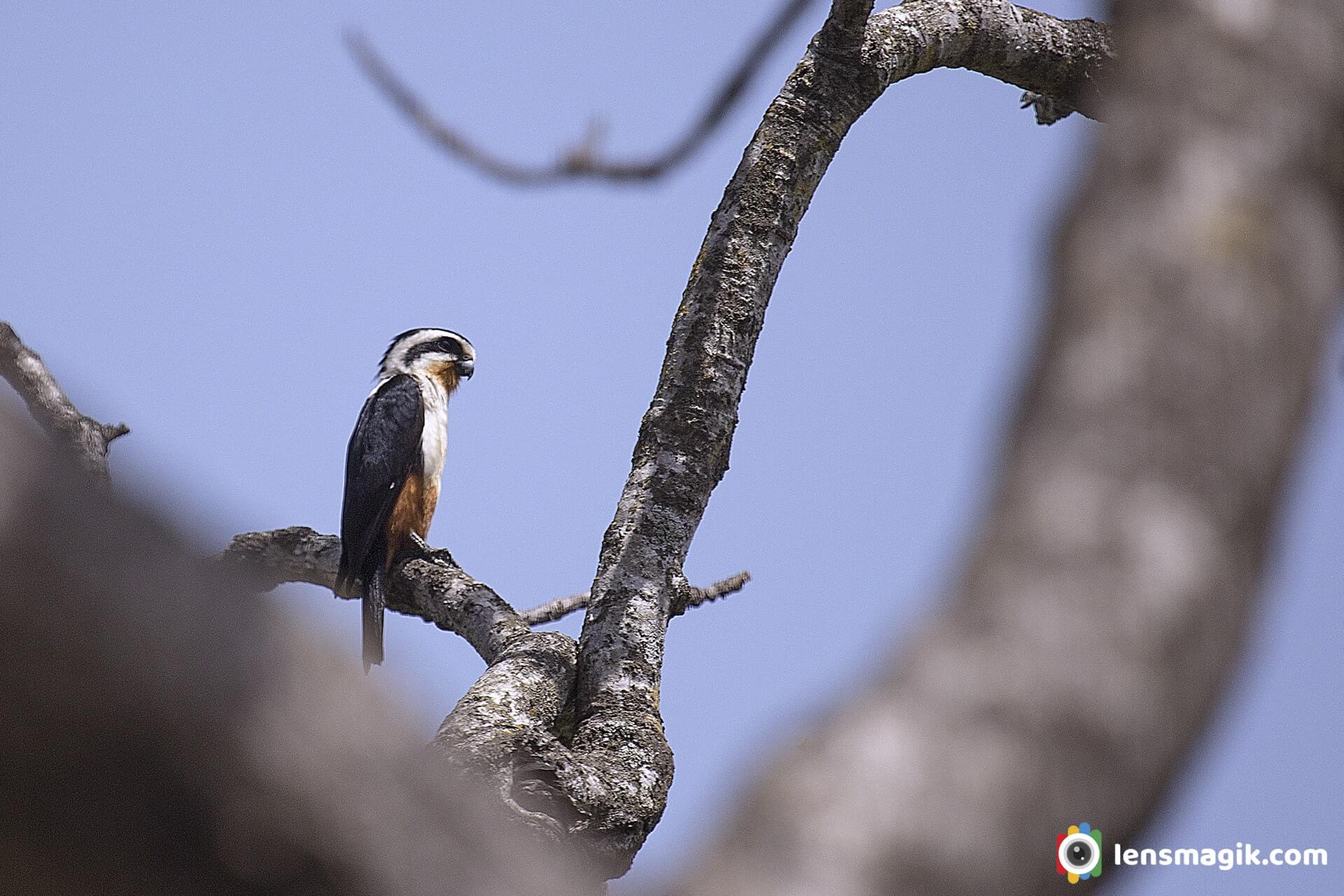
It is very small falcon and in shape is like shrike.It is a species of "Birds of Prey " in a falconidae family.It is found in southeast Asia across Bangladesh, Thailand, Myanmar, Nepal, Bhutan, India,Vietnam. I shot it at Corbett National Park Dhikala forest Rest house backside. It is a smallest falcon in falcon family. In India it generally found in Himalayan Range like northeast Uttarpradesh, Sikkim, Bengal and Assam. Collared falconet is Shy Bird.
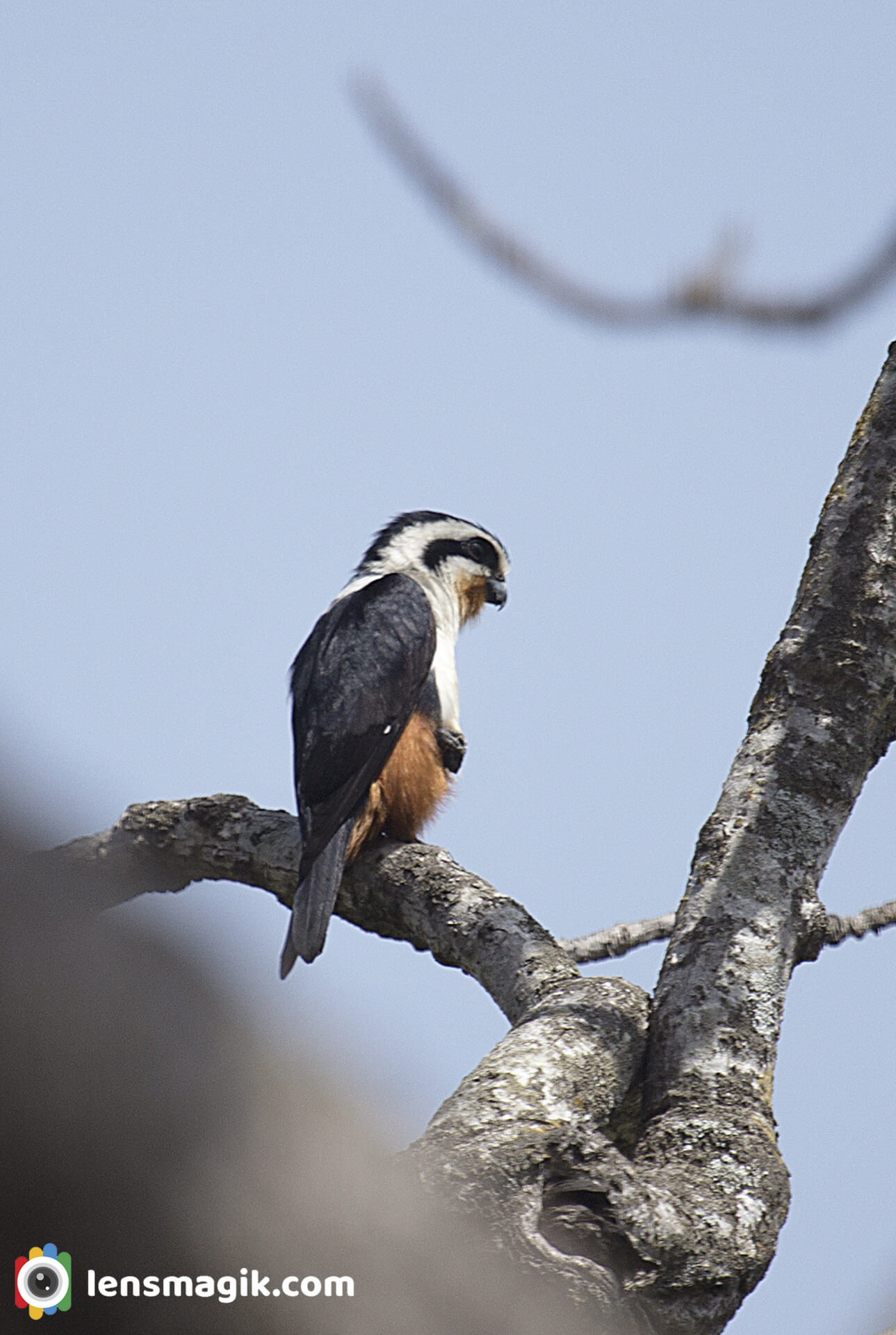
Description and Facts About Collared Falconet :
- Its wings are pointed.
- It is 18 cm Long only.
- Tail is rounded and medium length .
- The adult male has a black crown and white forehead.
- It is the member of genus Microhierax which are the smallest falcon.
- It is found in forest country aprox 5500 ft height.
- It roosts and breed in old woodpecker or barbet holes in dead trees
- It feed mainly insects and small species of birds.
- It also shy and nervous.
- It has shortish wings and tail is medium length.
- It has also strong half feathered legs and very powerful feet.
- A bold white collar and supercillia
- It is a smallest falcon in falcon family.
Collared Falconet is a raptor so its feets are very strong to catch and it is also a good hunter bird. During my trip to Corbett national Park we done a morning safari and taking a rest at Dhikala forest lodge. On the back side of lodge on a old dead tree we found it. I seen Collared Flaconet for the first time and i ask to my mentor what is it ? and he said its a collared Flaconet and i ask is it Falcon ? Well i am surprised that its a small bird that called Falcon but its true. It looks very cute to see but its a good hunter. Bird watching and bird photography is my favorite at that time and now also. Bird photography is very challenging because you have to follow the bird and its behaviour for taking a good picture of bird.
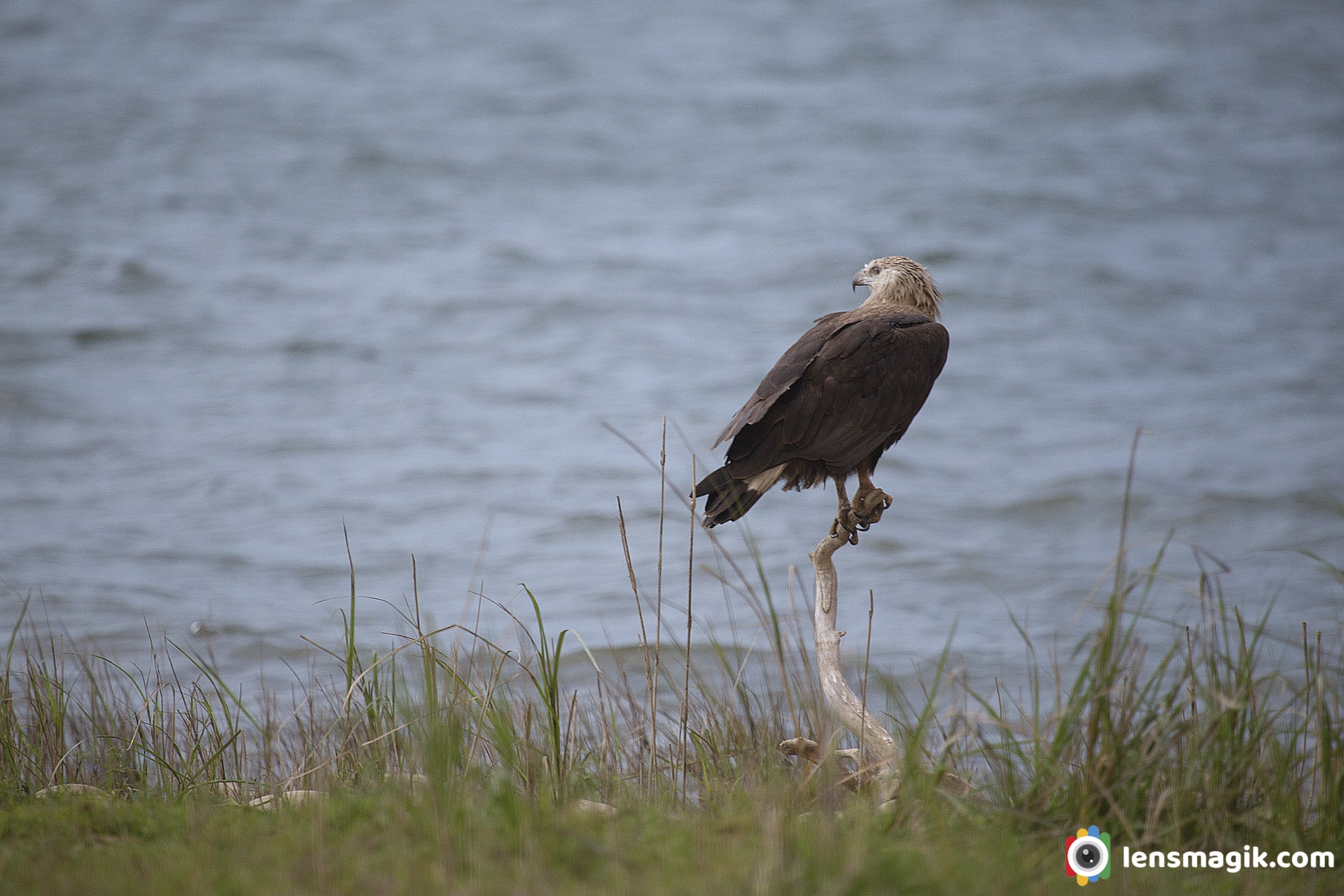
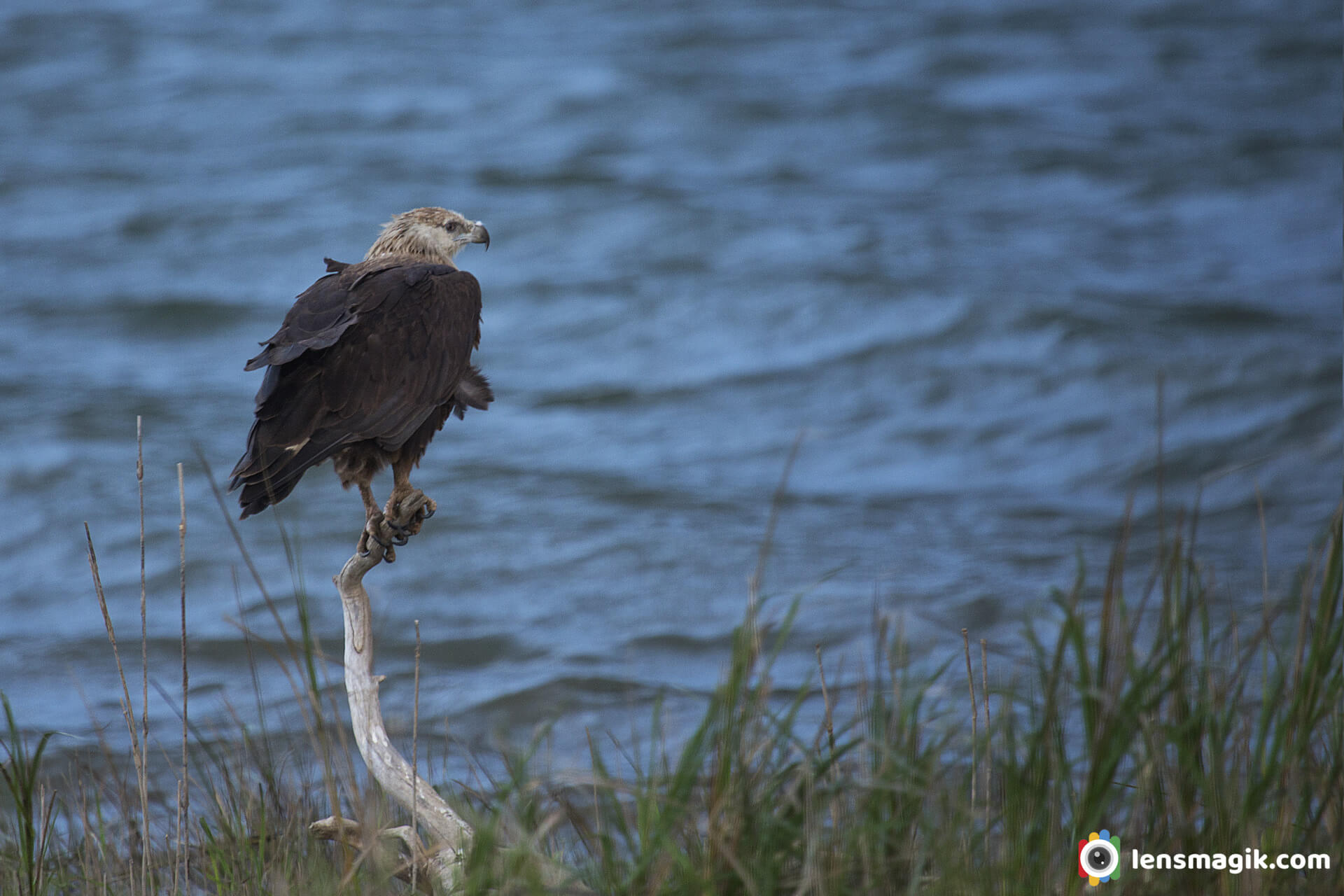
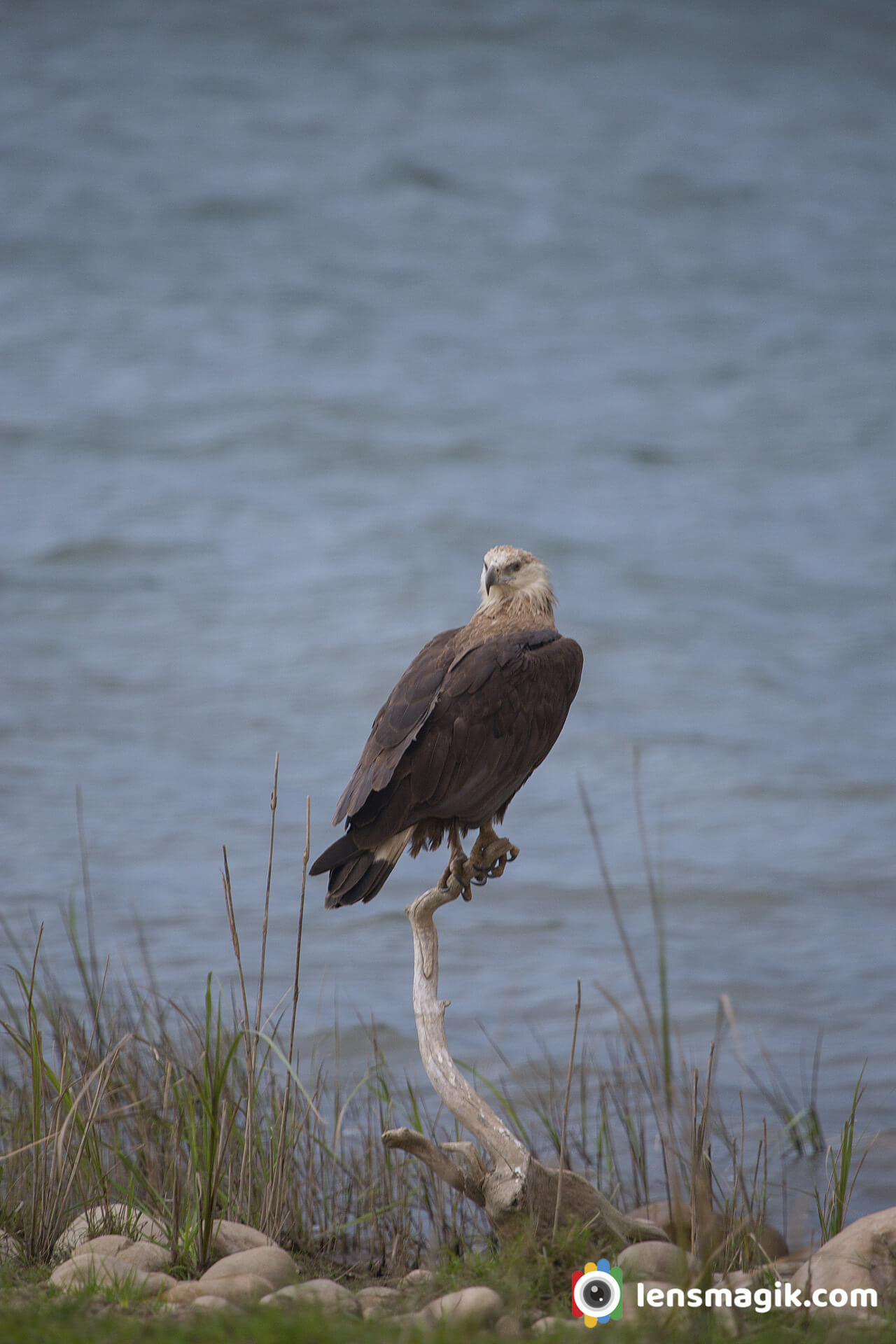
Pallas's Fish Eagle is large brownish sea eagle. It is also known as Band Tailed Sea Eagle.It is Partially Migratory bird in central Asia. My first siting of Pallas's Fish Eagle Or Pallas's Sea Eagle at Corbett National Park in 2014 while I am participating Canon Wild Click organised by naturewanderers. Color of Pallas's Fish Eagle is light sandy brown. It face is white in color. Its Wings are darker than body color. Juvenile is dark brown in color.
About Pallas's Fish Eagle :
- It is known as Pallas's Sea Eagle Or Band Tailed Sea Eagle
- The length of Pallas's Fish Eagle is 70 to 85 cm .
- With Wingspan length is 180-210 cm.
- Male Eagle weight around 2 -3.3 kg and Female weight around 2.1 - 3.7 kg.
- Main Diet of Pallas's Fish Eagle is Fresh fishes.
- It also hunts water birds, small mammals, frogs and reptiles too.
- It breeds in Russia, Mongolia, India, Kazakhstan, China, Nepal, Bangladesh, Bhutan etc.
- Pallas's Fish Eagle is Endangered spices and listed in Endangered on IUCN Red List.
- Golbal population of Pallas's Fish Eagle is around 2500 approx.
- Pollution and overfishing lakes by humans is main reason for putting in endangered to Pallas's Fish eagle .
- A reason for low count in India is spread of water hyacinth so difficult to find fishes in lake water.
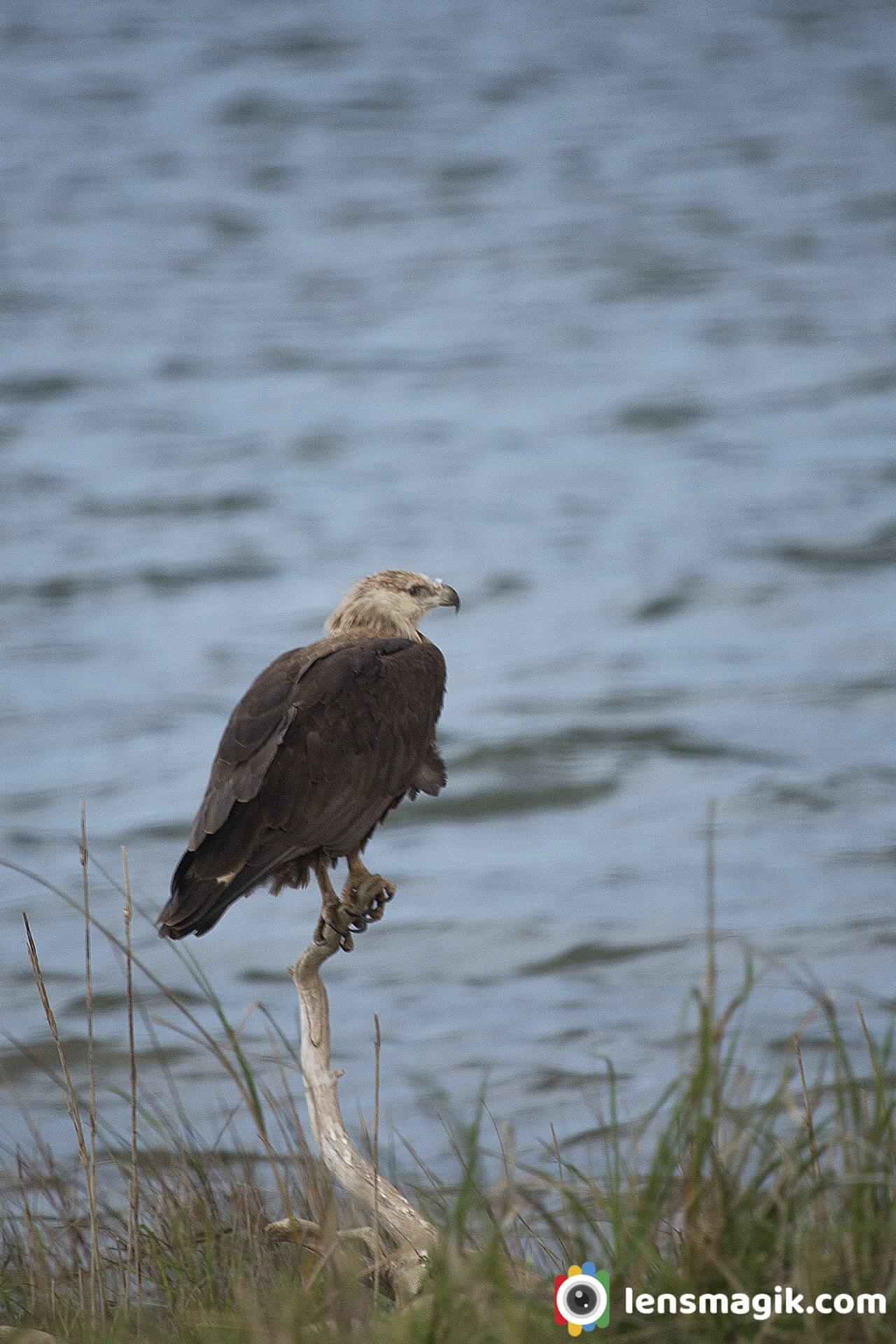
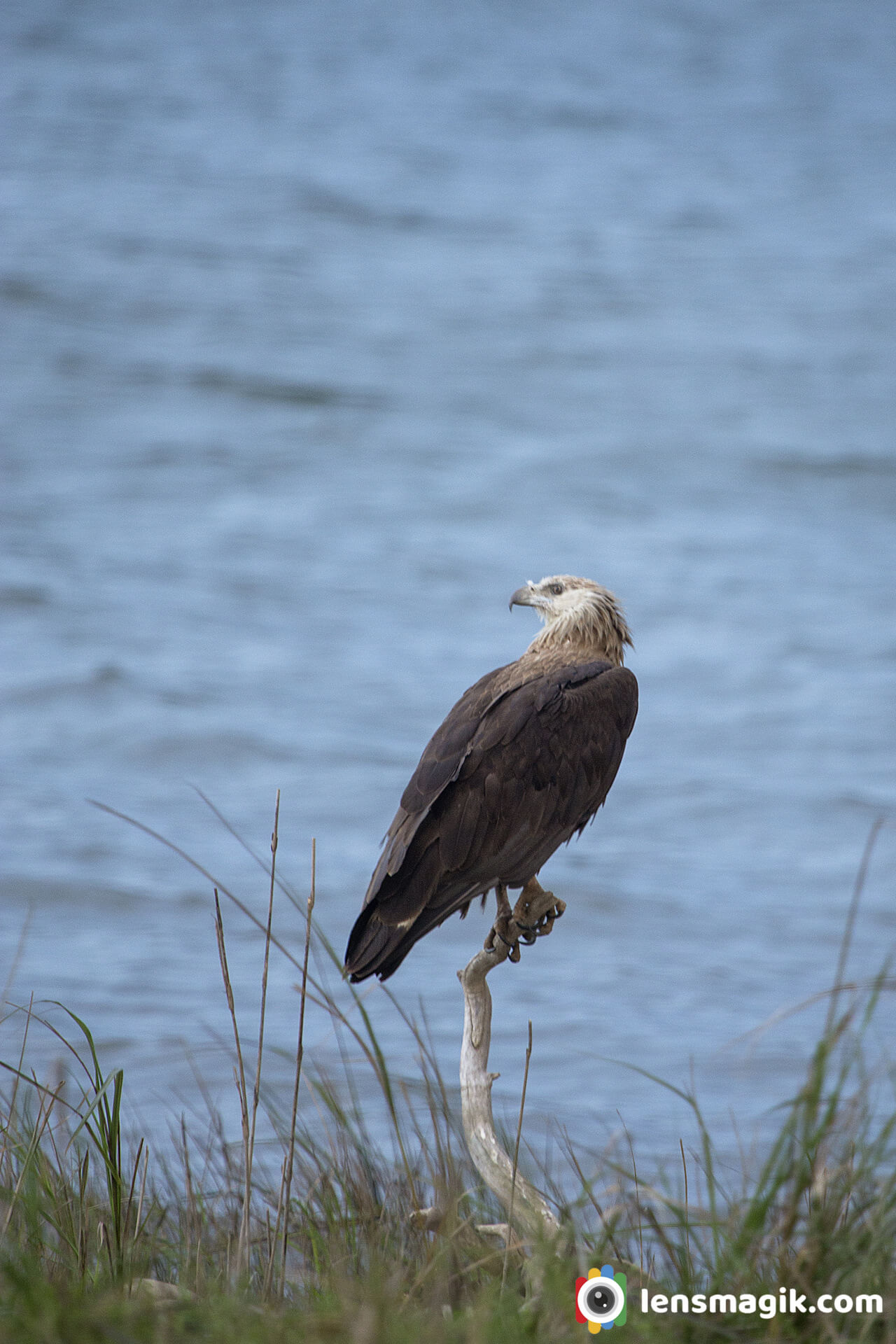
Killing experience of Pallas's Fish Eagle :
To see kill of pallas's fish eagle is awesome experience. It standing on a tree and below 100-140 ft down a river goes and i saw that eagle stand for while then just down in fastest speed n catch a fish OMG what a scene that was . I just sow his speed n accuracy is fantastic.
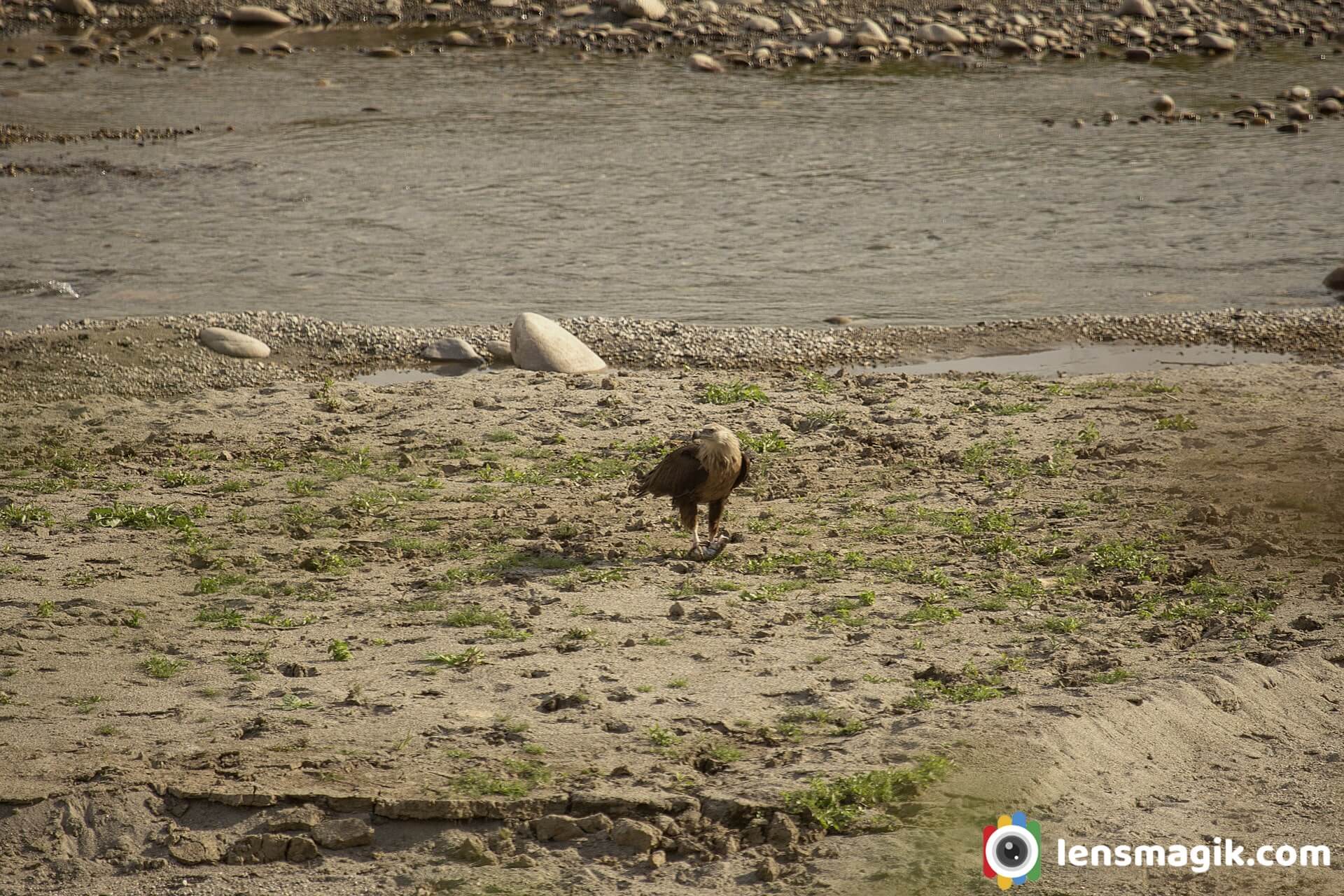
I m not lucky too much that i shoot that action but a kill n feast i can capture.
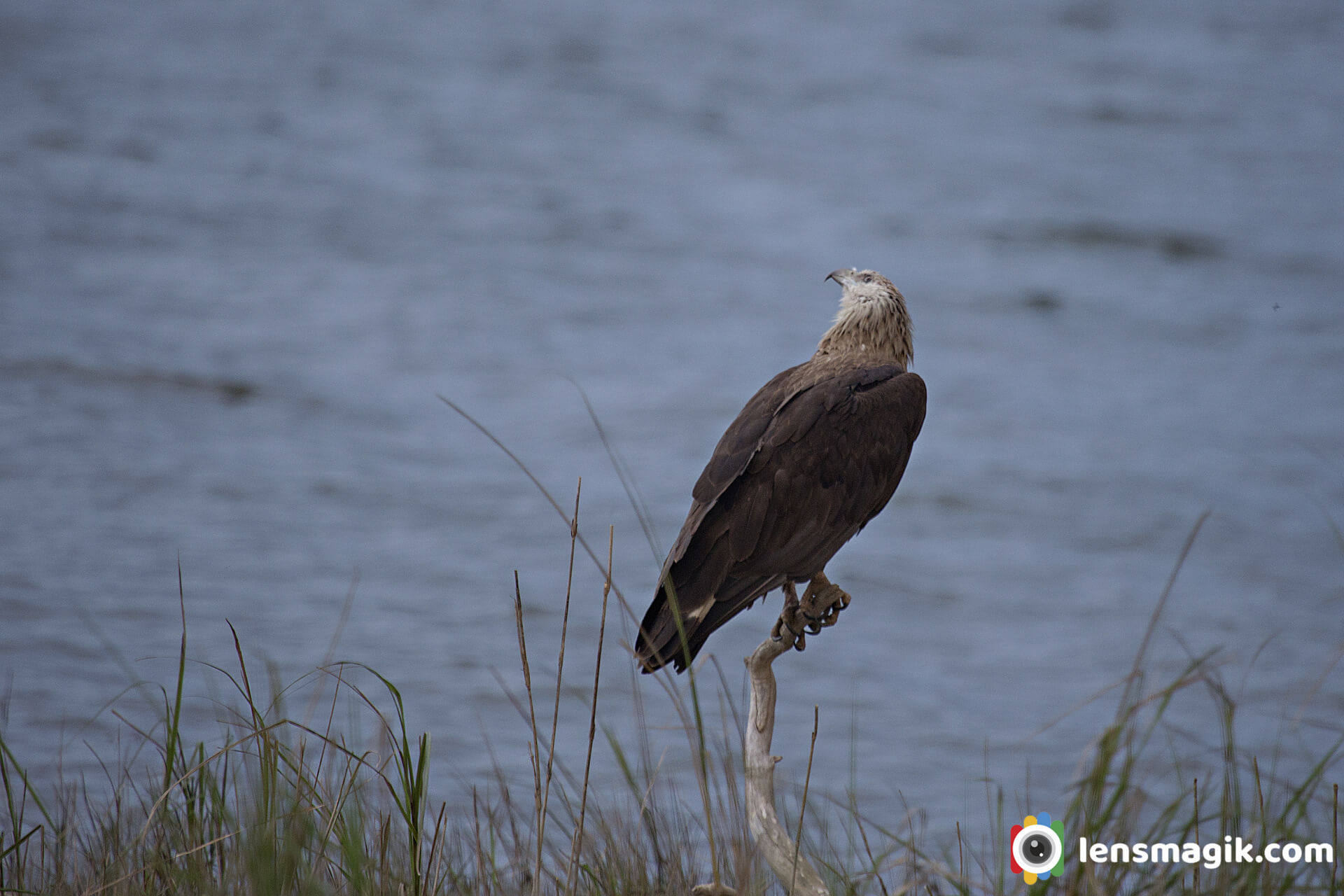
Here below picture u can see his neck can turn 360 degree. That specialty makes him perfect for kill , watch, and be accurate .
Location : Corbett National Park, Near Dhikhala , During safari ride.
Canon gears : Canon6D , Canon 100-400mm
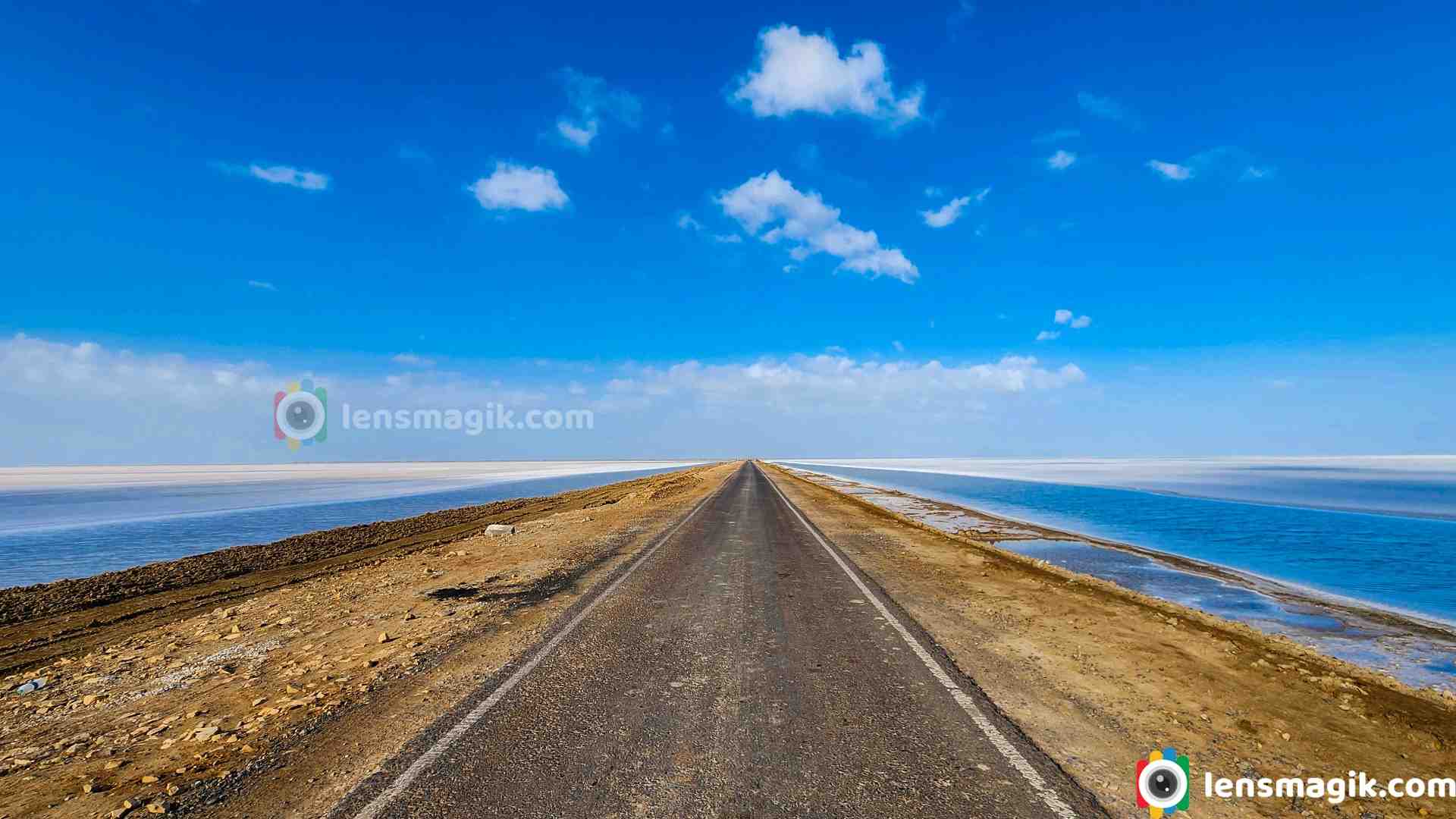
Read moreRoad To Heaven is named to the road from Khavda to Dholavira in Kutch Gujarat. The road is so wonderful and scenery so it known as Road to Heaven . Khavda to Dholavira distance is around 58km but from Khavda there is a single line narrow road passes through small villages around 15-20 km approx. The main road starts after it and it is around 30-35 km approx. strait to Dholavira. Road is under constriction but almost 70-80% work done. The road heading to the city of Harappan Civilization Dholavira which is one of the largest site of Harappan Civilization and Indus valley Civilization.
Kutch is a largest district of Gujarat and also of India. Main City or Headquarter of Kutch District is Bhuj. Kutch is famous for White Desert or White Rann. In Every winter season from December to February celebrate “ Rann Utsav “ to attract foreigners and also locals. Tent City made in white desert to stay and also cultural programs arranged in it. The main Rann Utsav held in Dhordo of Kutch.

After visit White desert people also visit Dholavira which is nearest destination from Dhordo and also Kalo Dungar in between. From Dhordo you will have to go Khavda first and then from Khavda to Dholavira which is connected through “ Road To Heaven “. Dholavira is located at Khadir Bet. Khadir bet is separated because after monsoon the water filled outer side of bet. So the Road To Heaven is the way to connect Khadir bet to main city Bhuj.
About Road To Heaven Dholavira / Road to Heaven in Kutch :
- · It connected from Khavda to Dholavira.
- · Road to heaven distance around 30-35 km.
- · After monsoon the rain water on the both side of the road. You can see beautiful Greater Flamingo birds in between. Water level is low but muddy.
- · After winter in January –February the water on both side of the road is evaporated and turn into salt. Not all water but some areas during the road.
- · Water on the both side of the road or Salt/ white layer on both side of the road make the beauty of the road and that’s why it name as “ Road To Heaven “
- · When you are on the road there is hardly some traffic you face the open road with both side water or salt at morning or evening make the scenery like a Heaven.

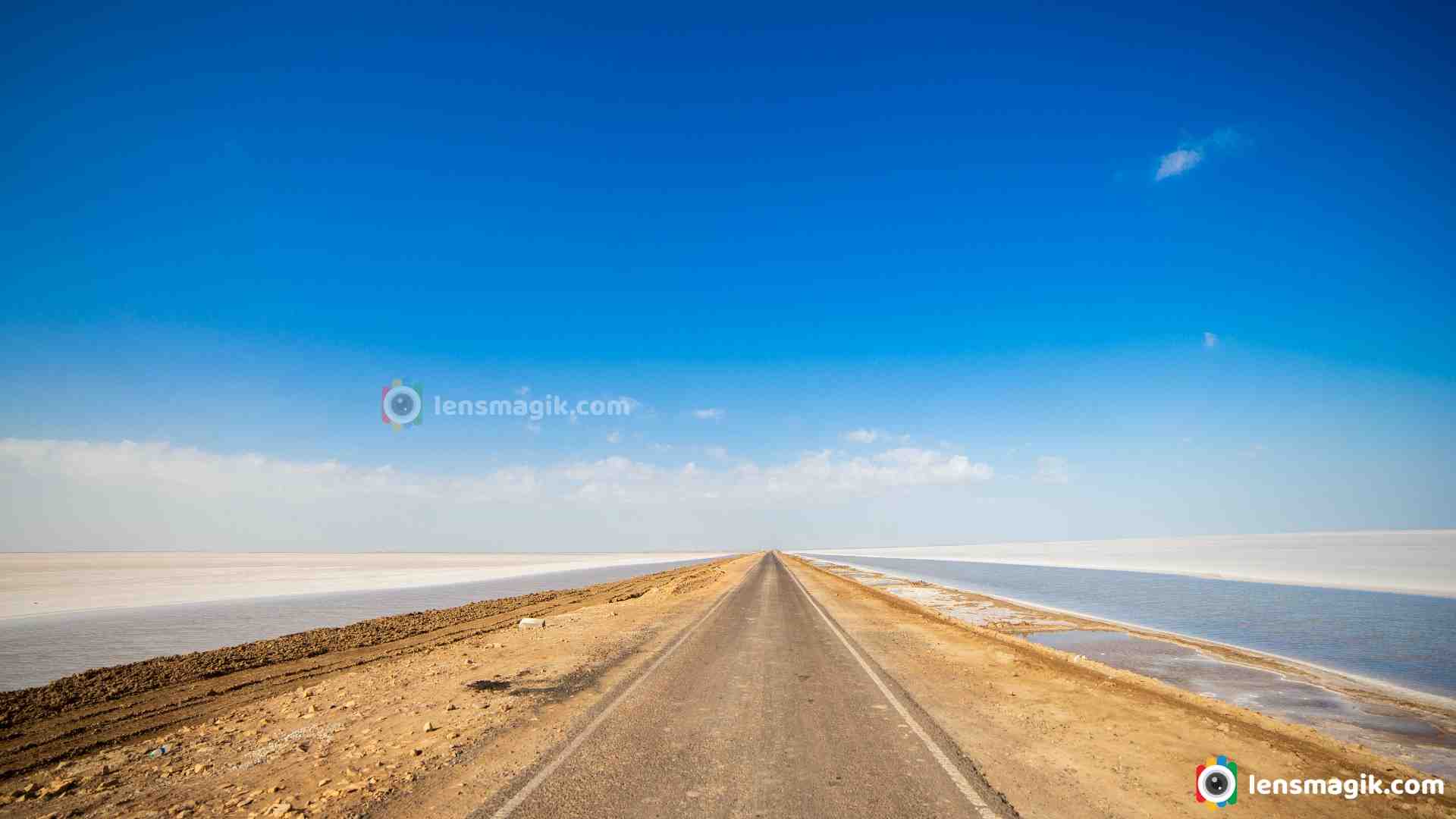

I must suggest to visit Road To Heaven in Kutch while you visit Kutch. Also Visit Dholavira which is one of the largest Harappan Civilization site.
Places to visit near Road To Heaven :
Dholavira, Kalo Dungar, Dhordo, White Desert
Places to Visit near Bhuj : White Desert , Kadiya dhro, Chhatardi, Mandvi beach, Vijay vilas palace, Bhujyo Dungar, Smriti Van, Vande matram memorial
Camera Used : Canon 80D, Canon 6D, DJI Mavic Air2
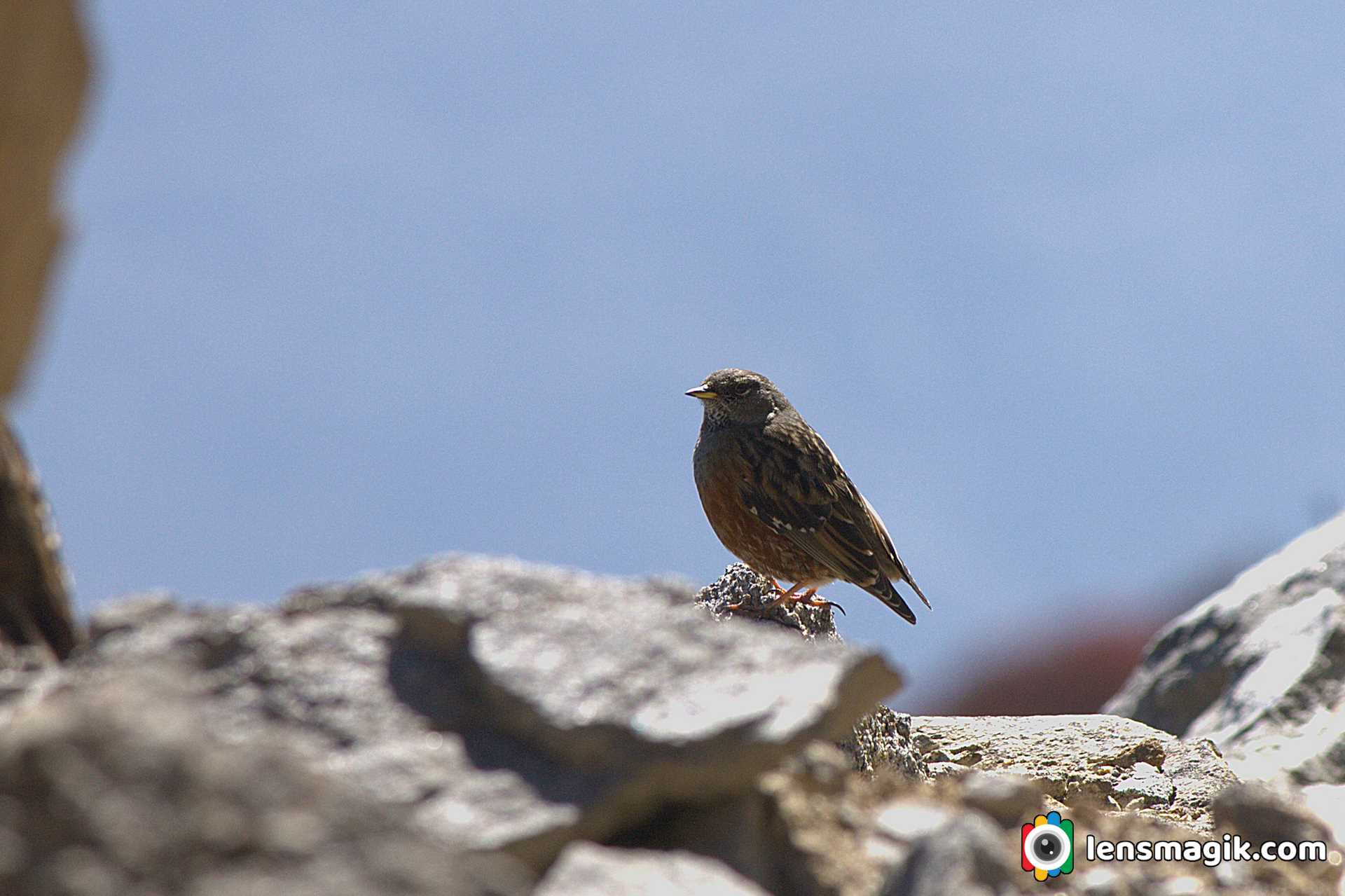
Accentor is a small bird of prunellidae family. In India it is generally found in East Sikkim area. It built its nest low in a bush. When i was on a trip to Singalila National Park. I found at sandakphu area. Sandakphu is high altitude place in Singalila National Park located in West Bengal. From here you can see Mt. Kanchenjunga very clear which is highest peak of West Bengal. Lots of Birds here. To visit Singalila Park November to February you can found lots of snow and good landscapes too with snow on Mt Kanchenjunga. Also if you are going for birding you can visit March to May/June Month is the best . It is very cold weather during winter November to February at Singalila National park.
About Alpine Accentor Bird :
- Alpine Accentor bird is robin size bird. Length of bird is around 15 -17 cm.
- Bird just like similar to house sparrow in color with brown back streaked.
- Adult Alpine Accentor have red brown spotting on underparts
- Also adult have grey head too.
- In Asia Accentor found at 2000 m above height. Specially at Himalayas.
- It build nest in bush.
- It laying 3-4 plain (not spotted) eggs of sky blue color.
Singalila National Park :
Singalila national park is located in West Bengal. There are lots of birds in this sanctuary. Also its good for trekking at Sandakphu. From here you can see Mt. Kanchenjunga easily and very closely. Also a beautiful Himalayan Mountain range with snow. Amazing weather very cold in winter and moderate in summer. Summer season is the best for birding at sandakphu.
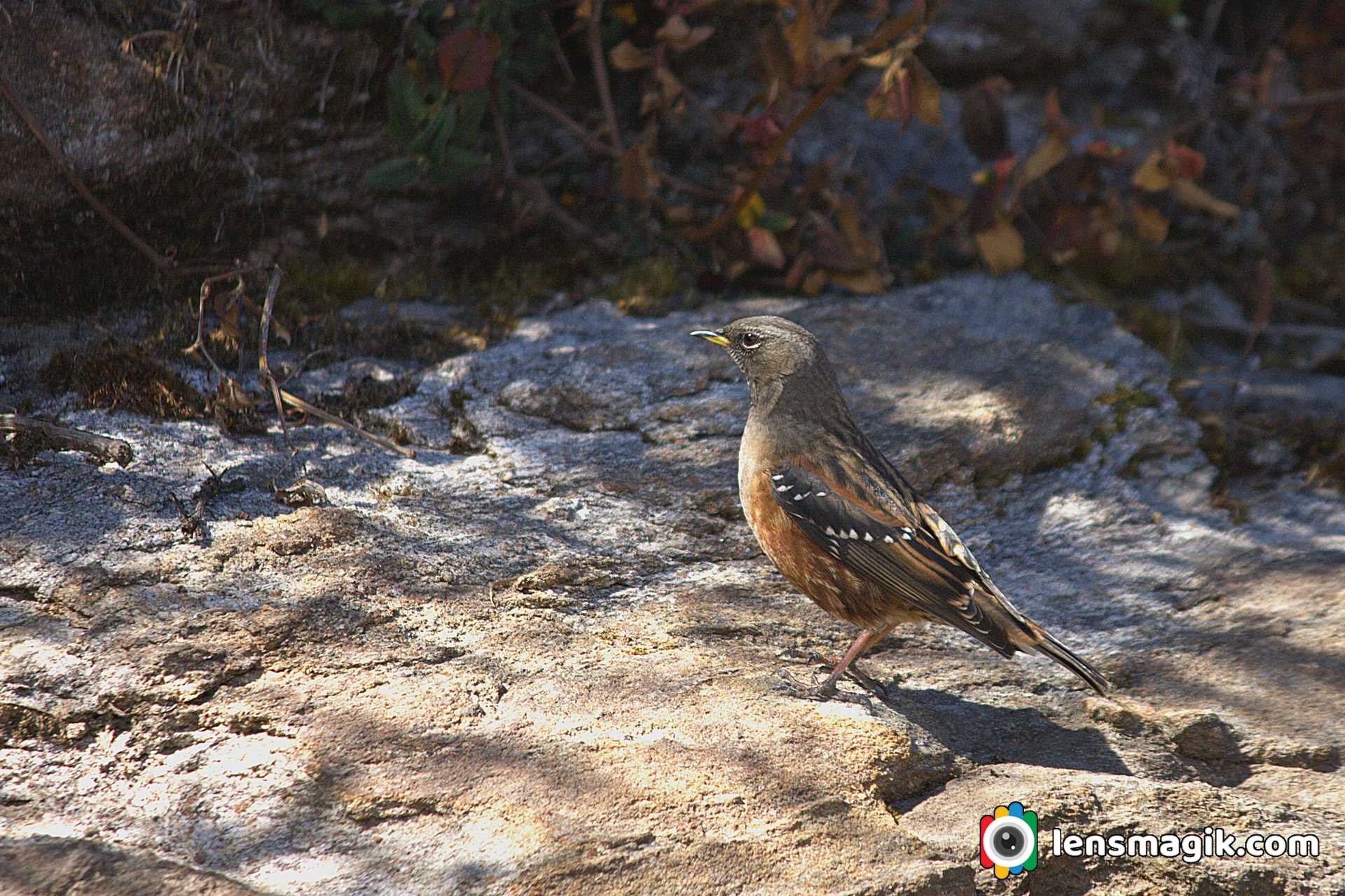
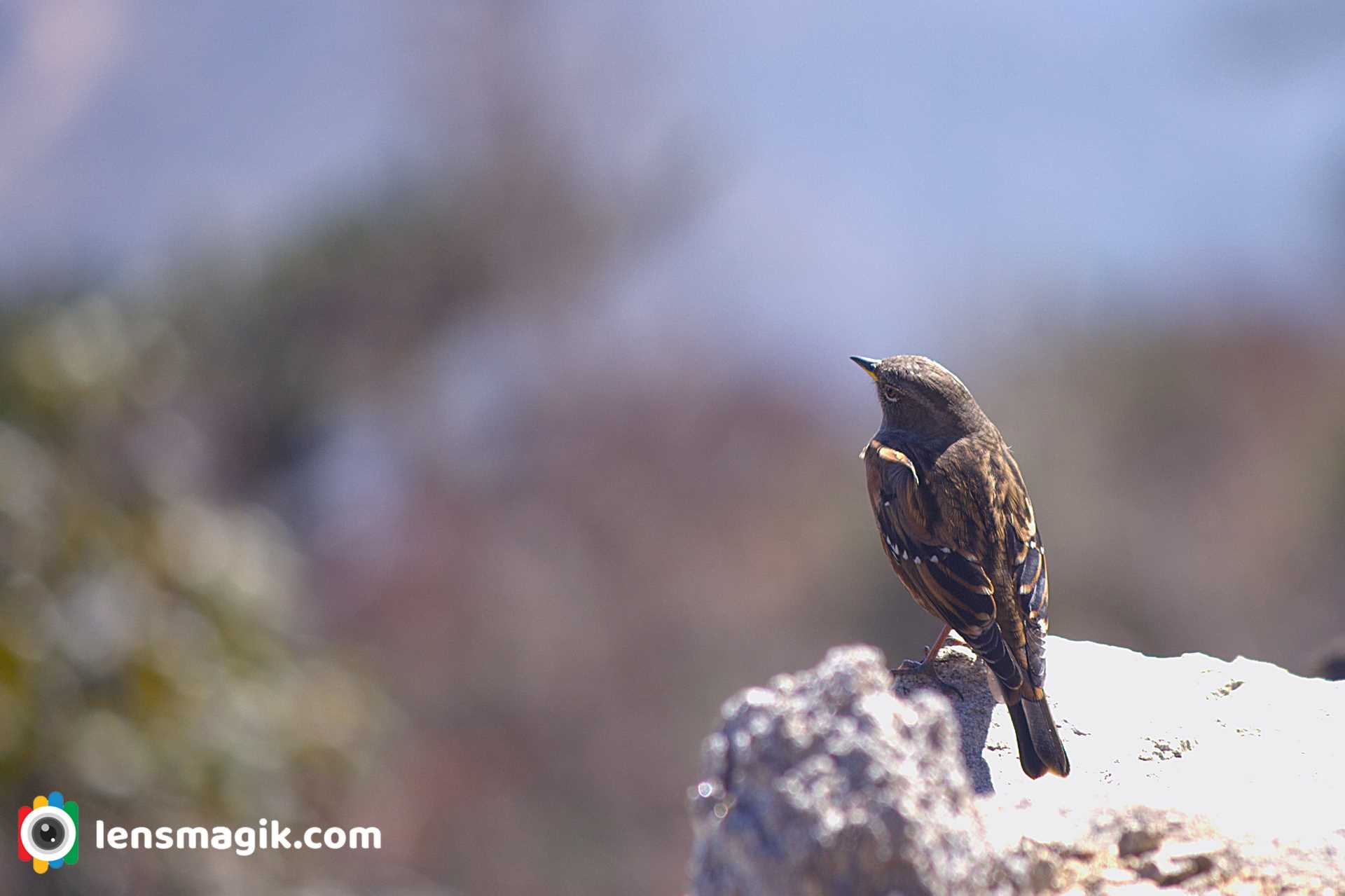
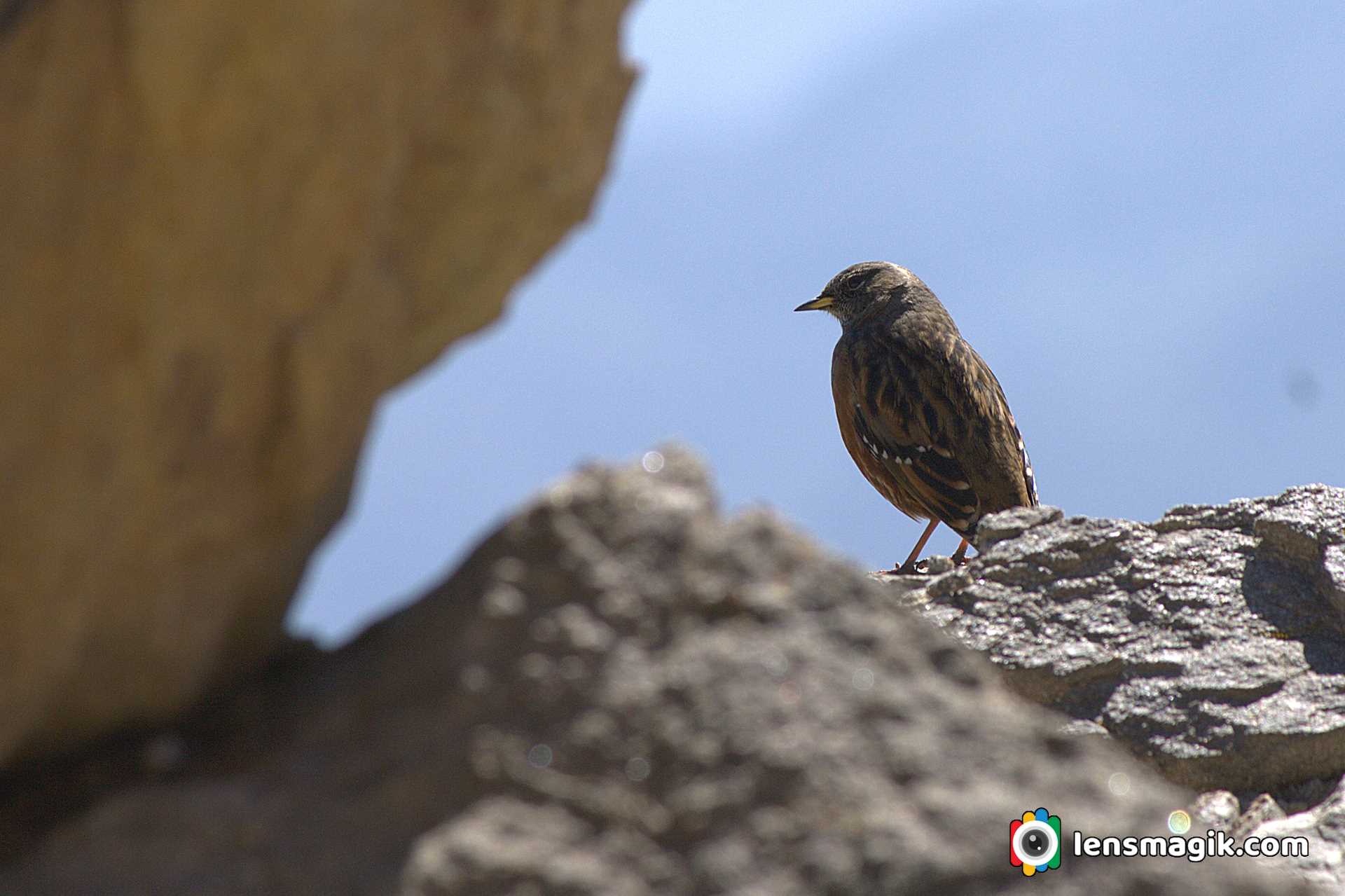
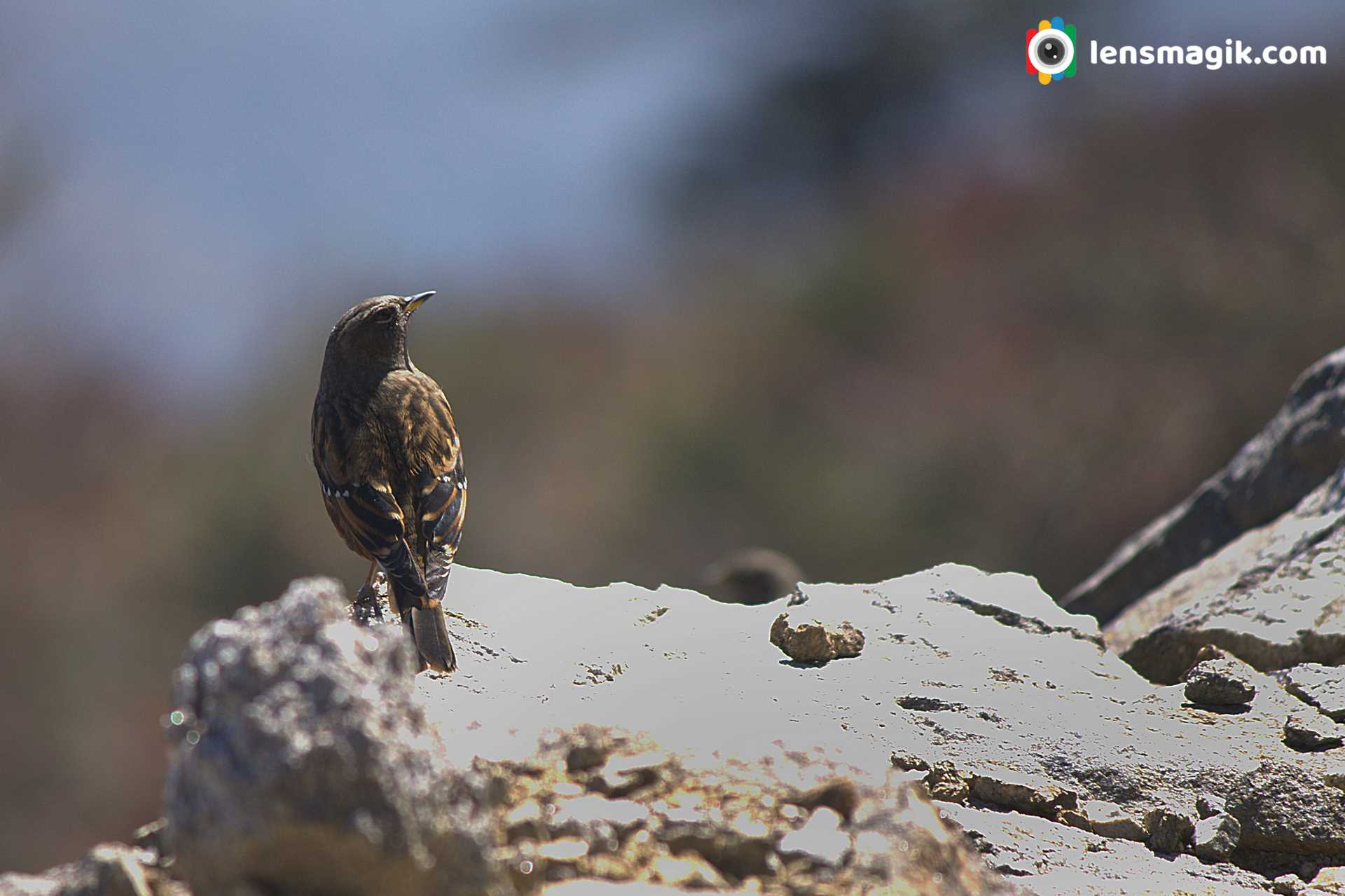
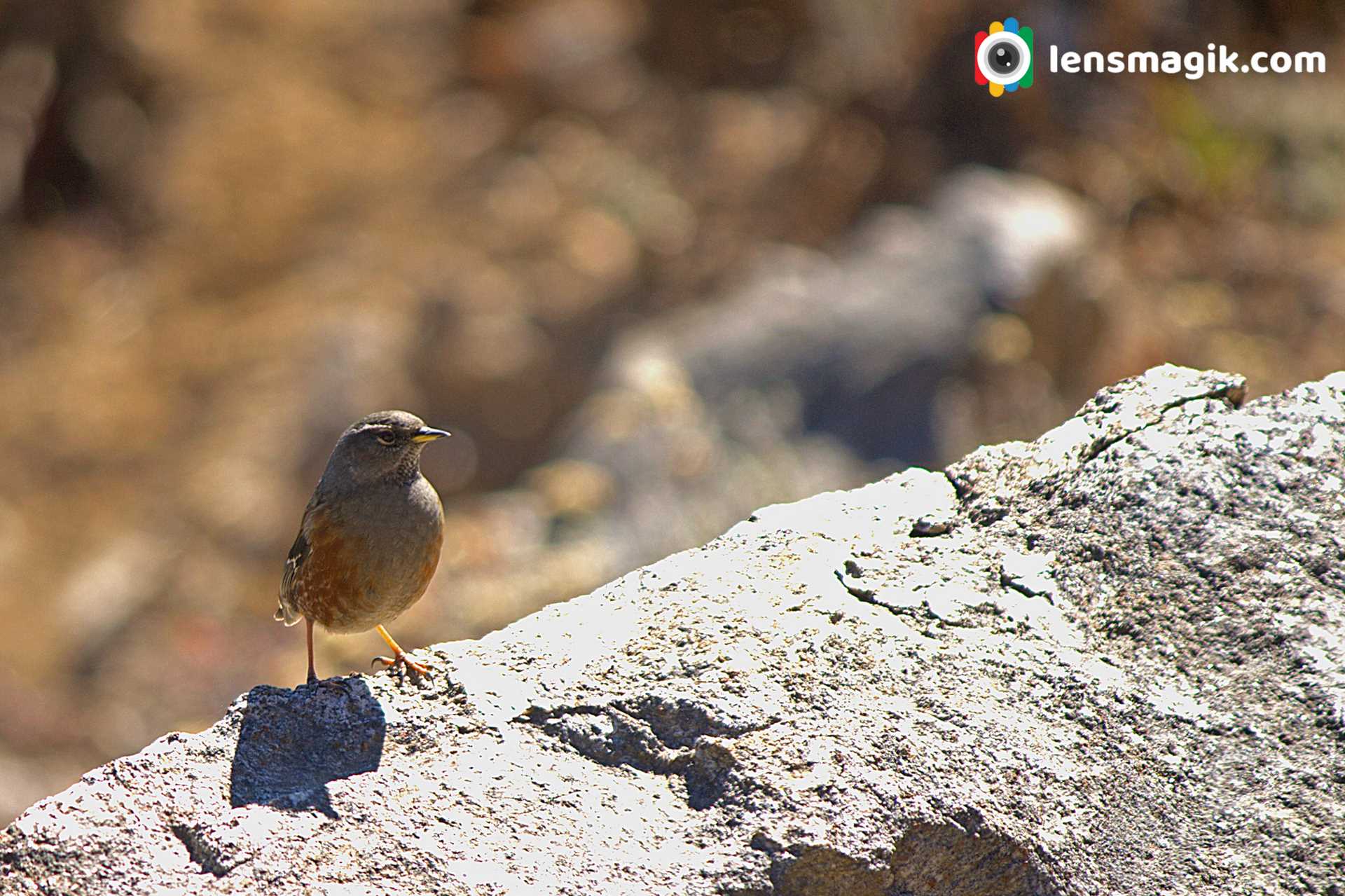
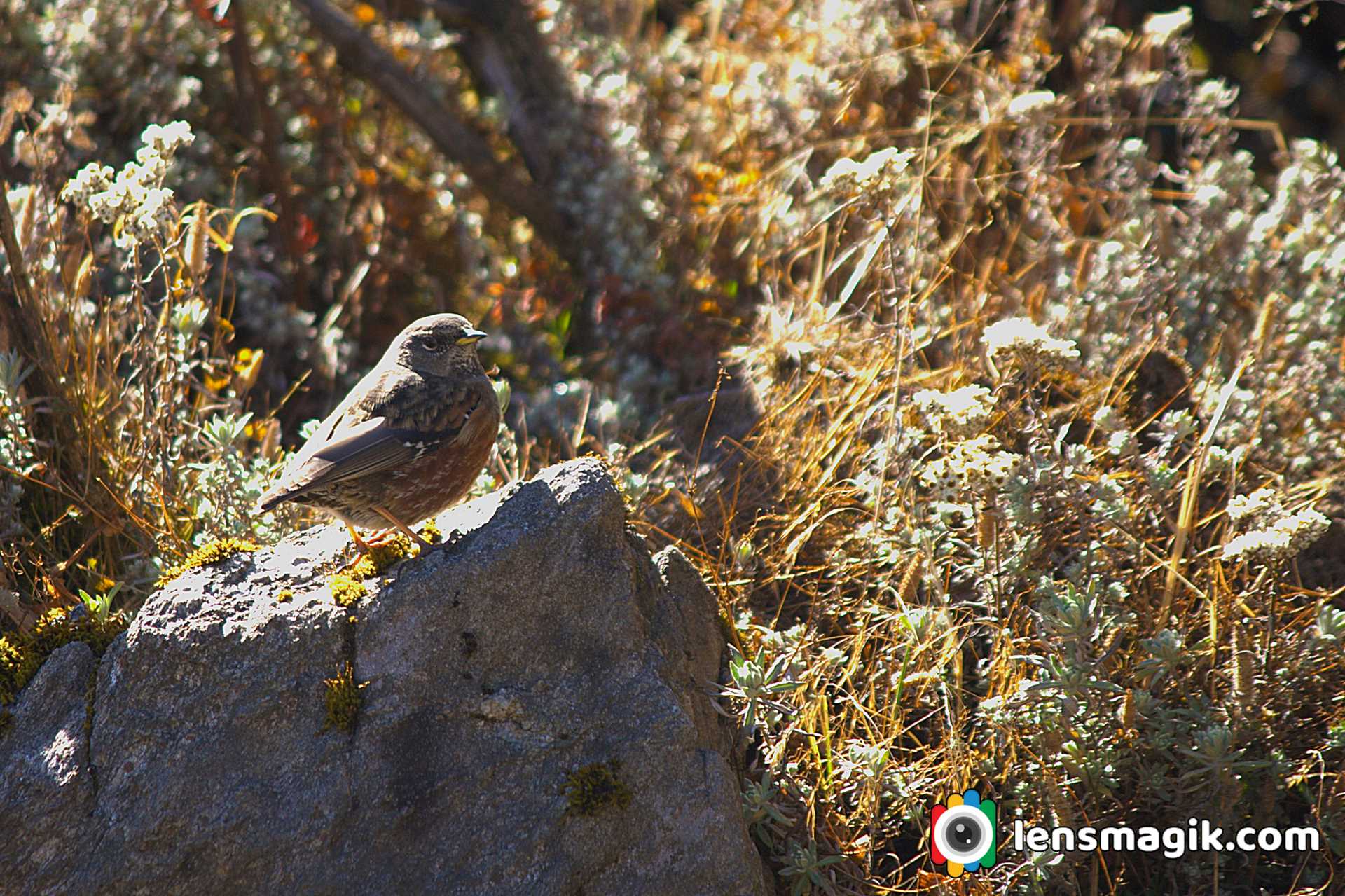
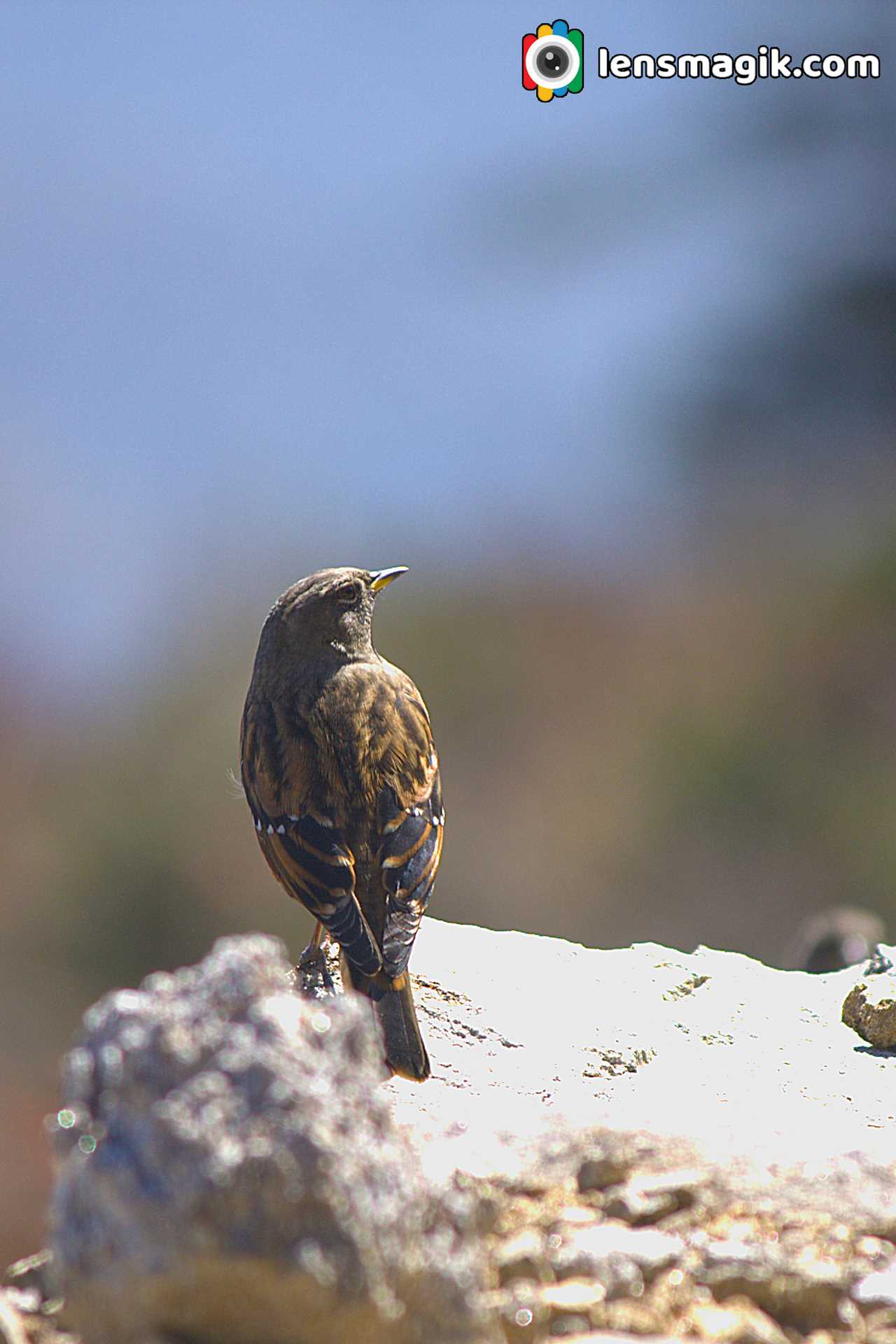
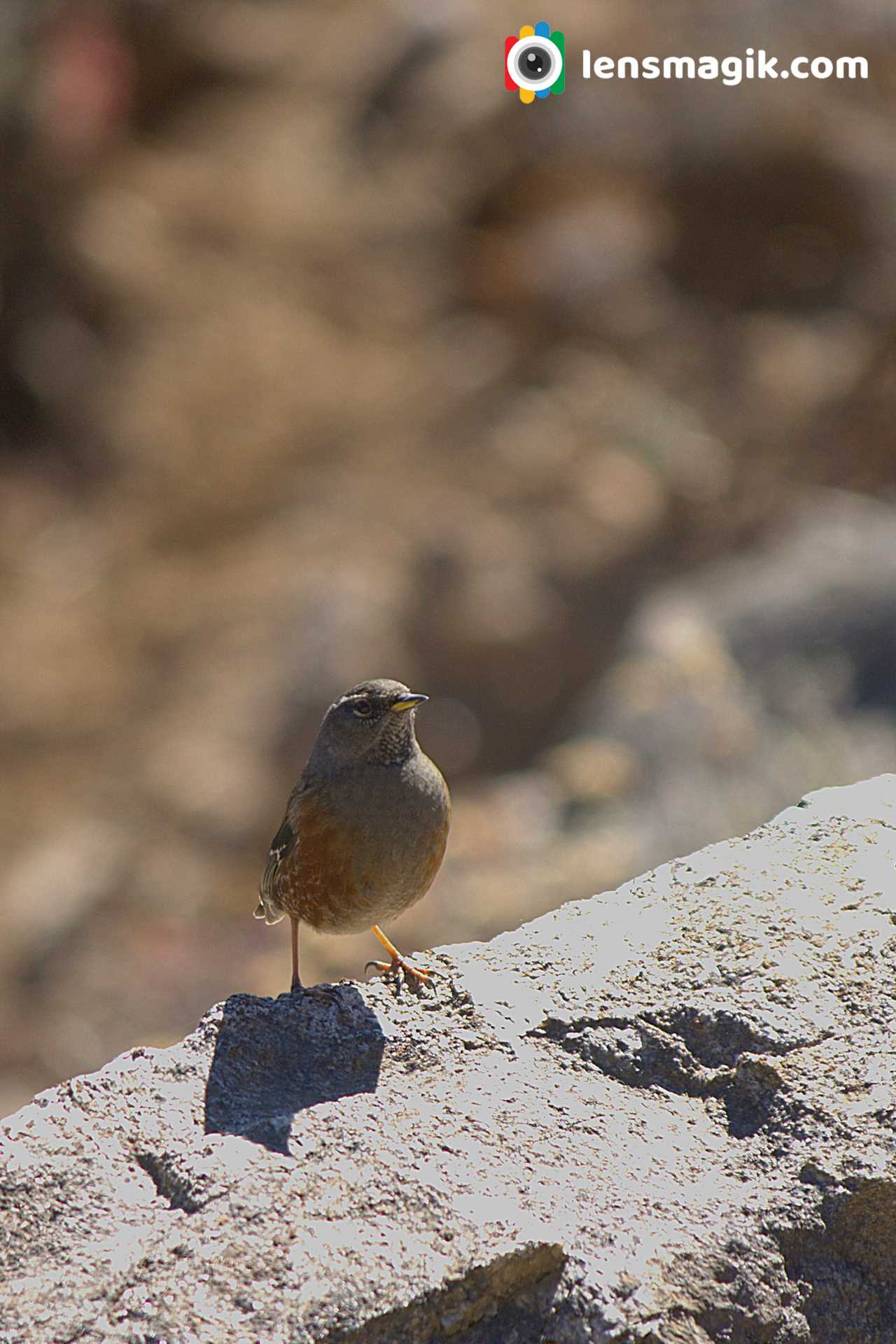
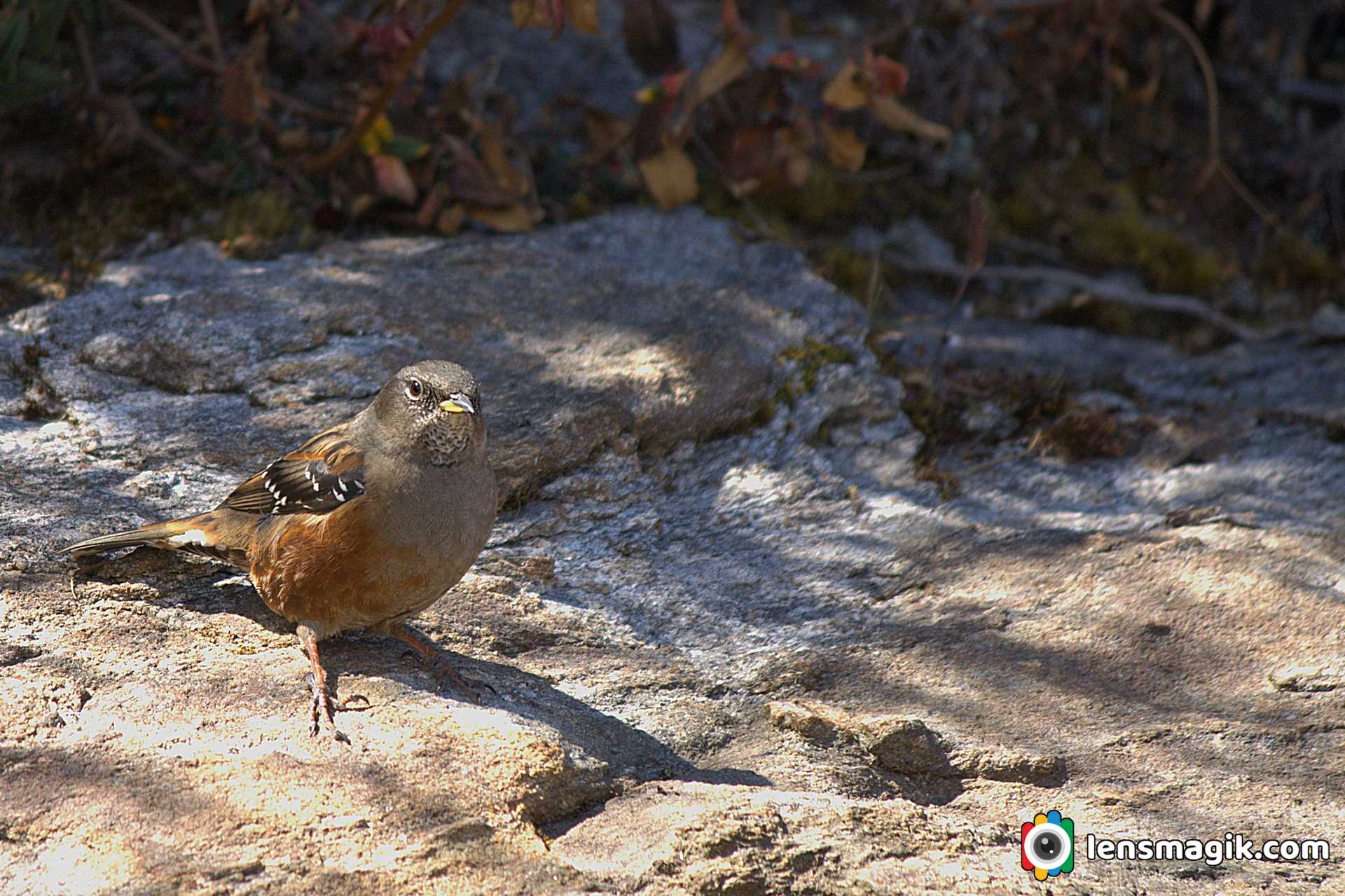
Alpine Accentor bird Binominal Name is Prunella Collaris . Total 9 subspices are recognised of Alpine Accentor bird.
Gear used : Canon 1000 D, Canon 55-250 mm Lens.
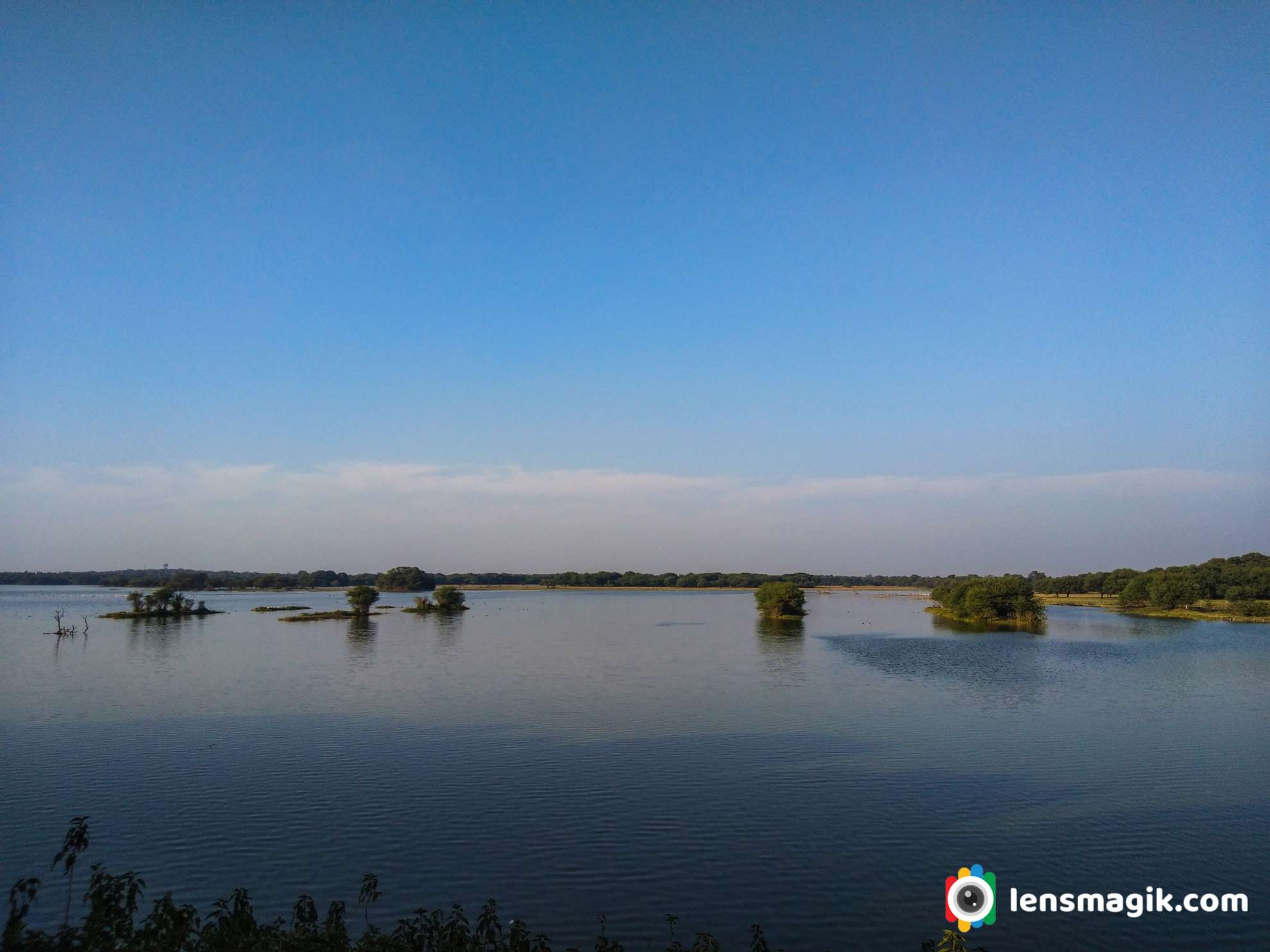
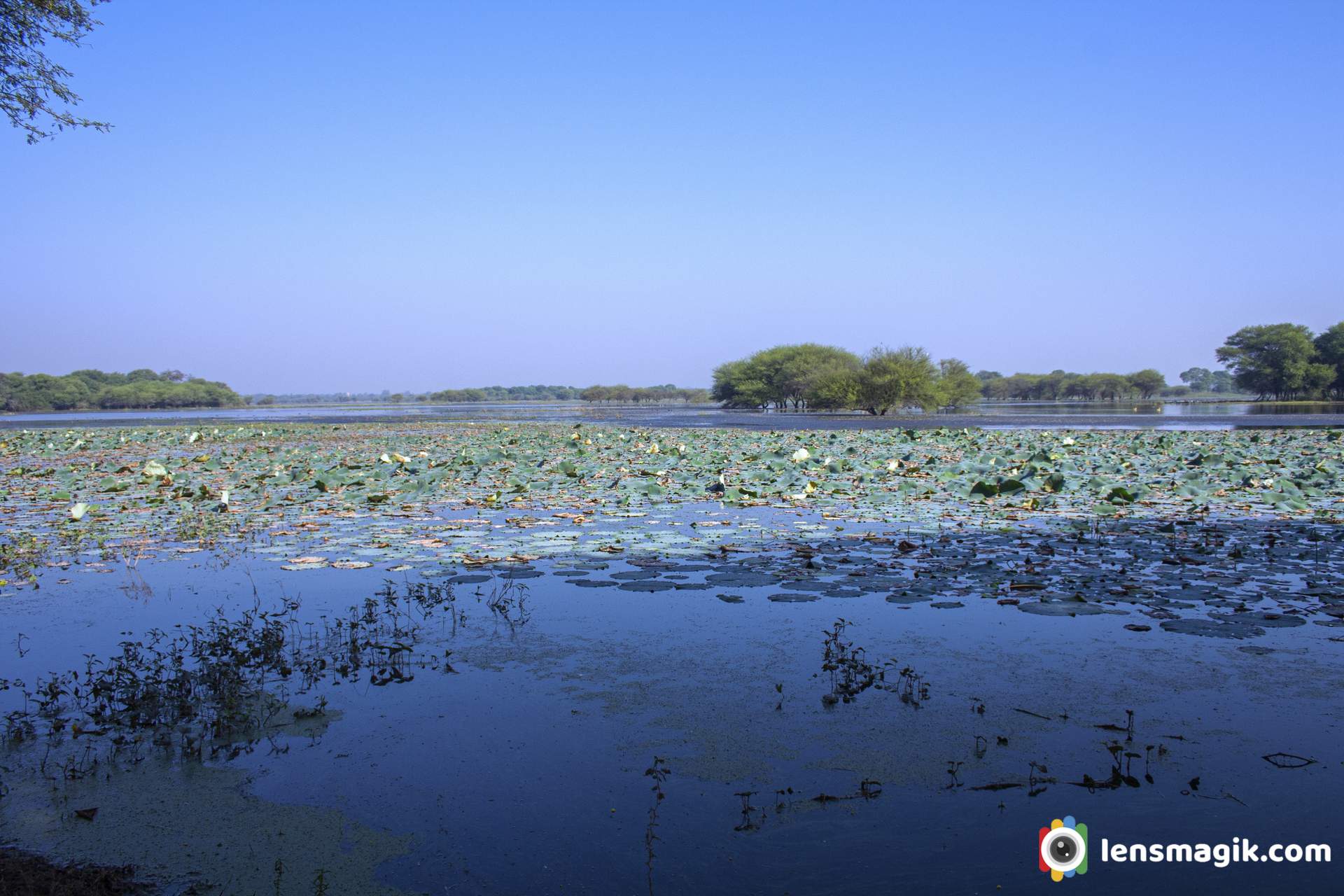
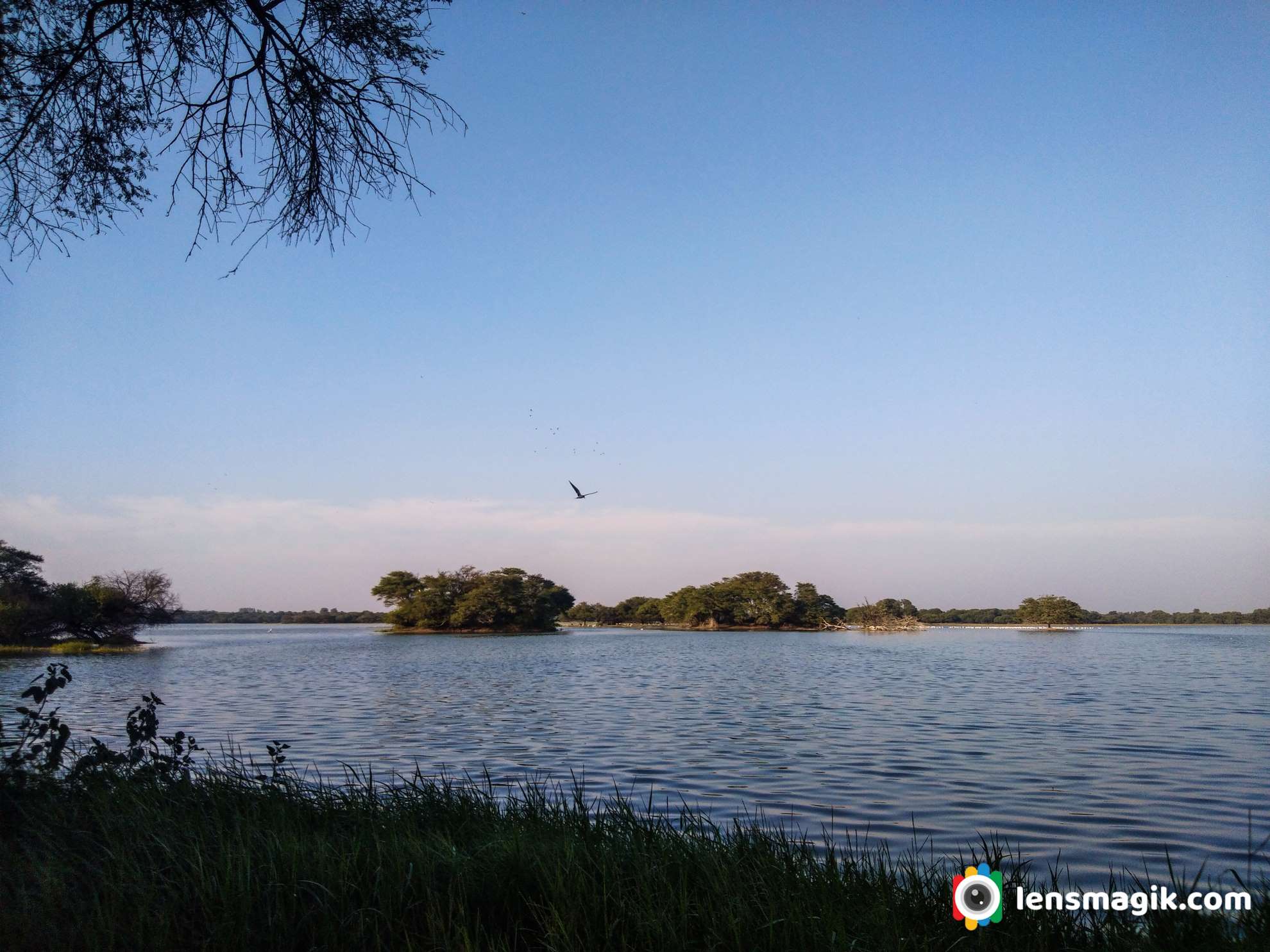
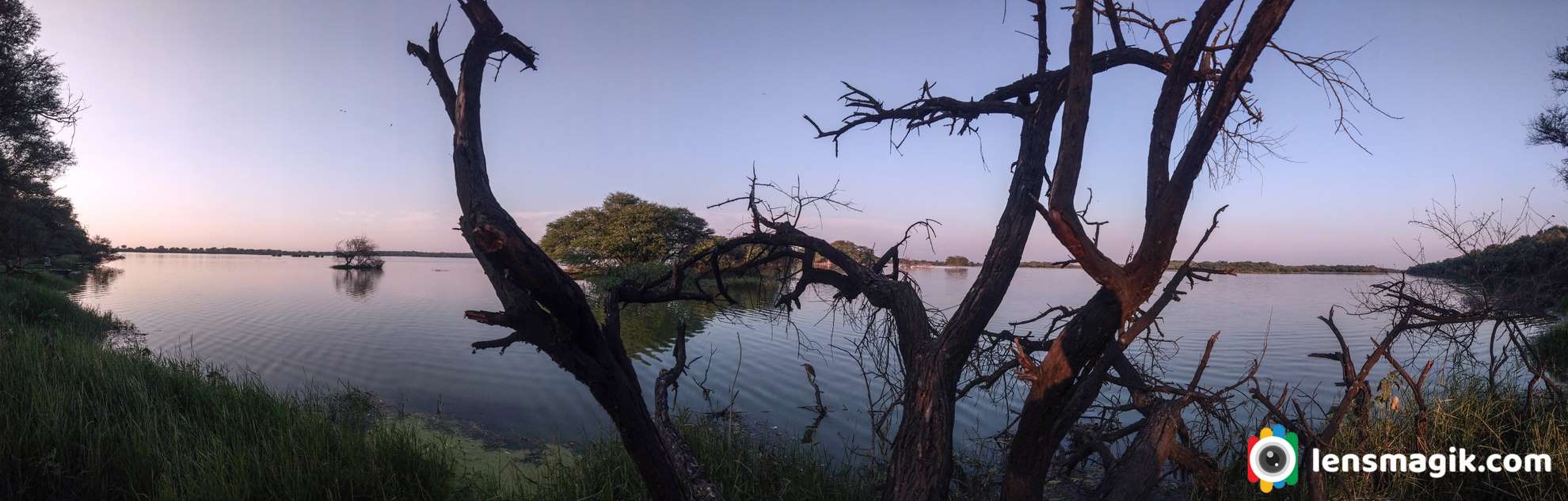
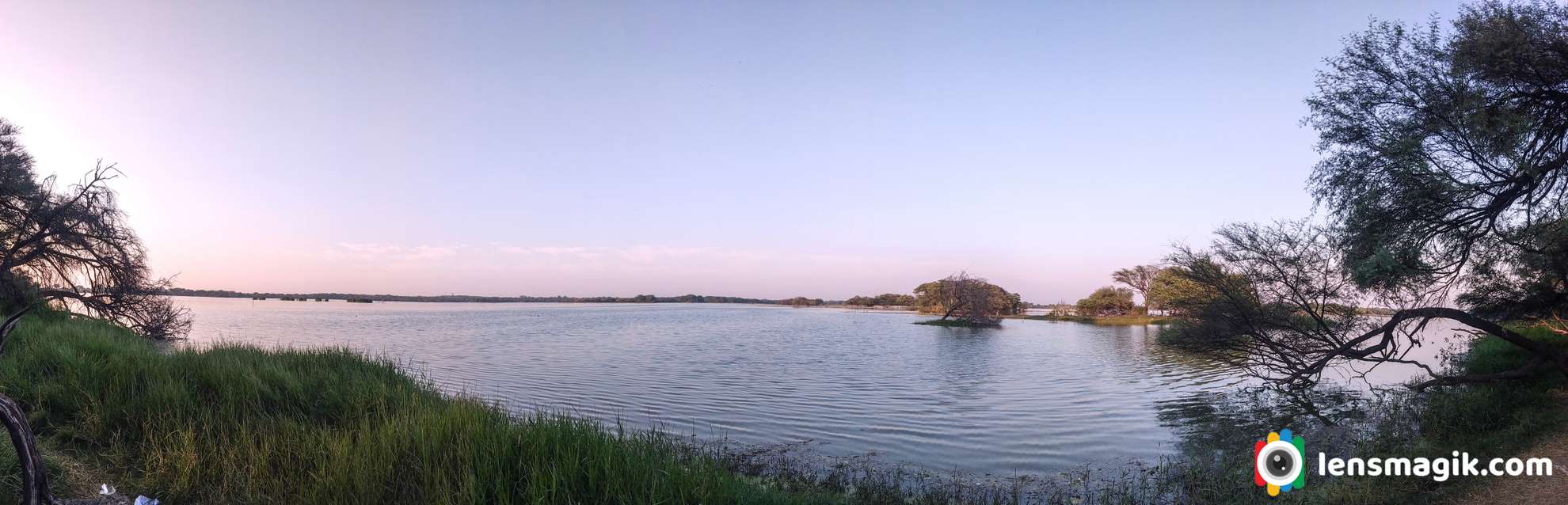
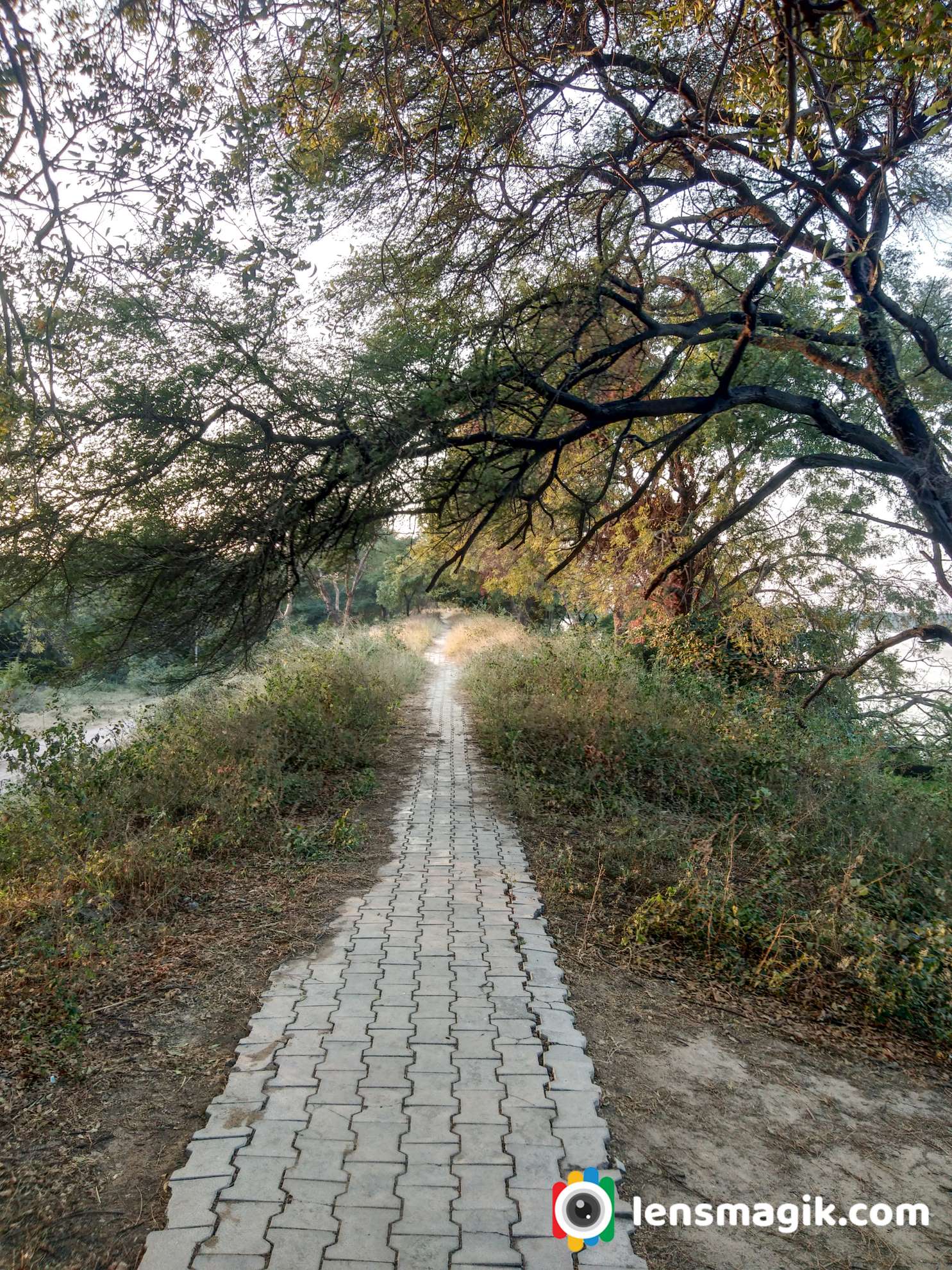
Thol bird sanctuary is located in Kadi Taluka in Mehsana District near sanand Gujarat. It is an artificial lake located near village Thol. In 1912 thol lake was built and it was declared as a Sanctuary in 1988. The main use of lake is use of water for irrigation. The Thol Bird Sanctuary or a Thol lake wildlife Sanctuary India is a habitat of more than 150 spices of birds. Also it is famous for migratory birds Flamingos and Sarus Crane which breeds here.
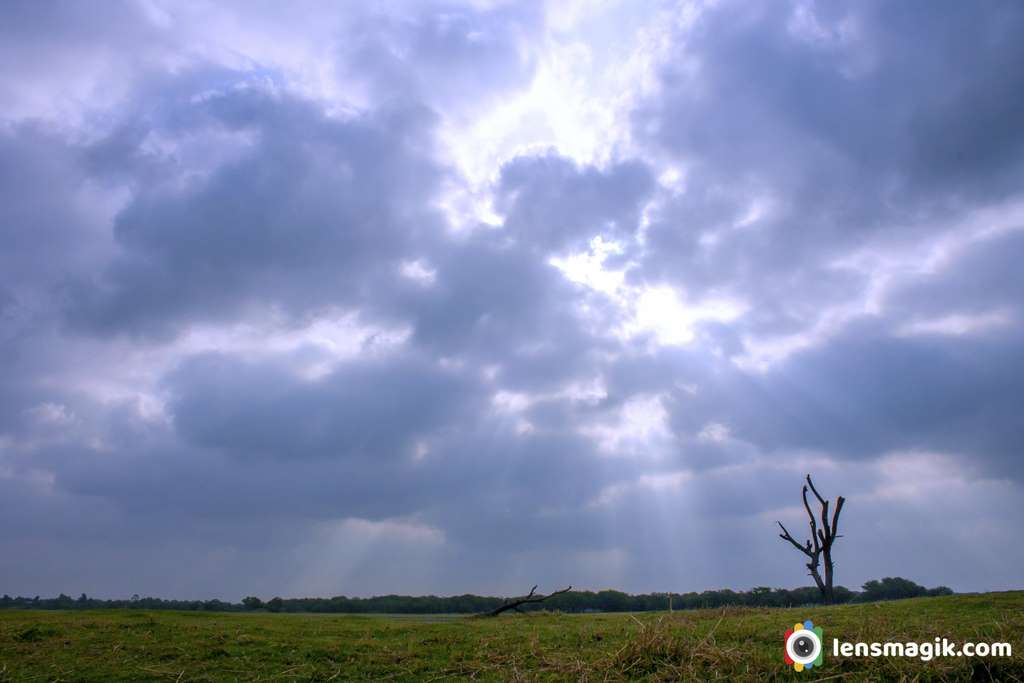
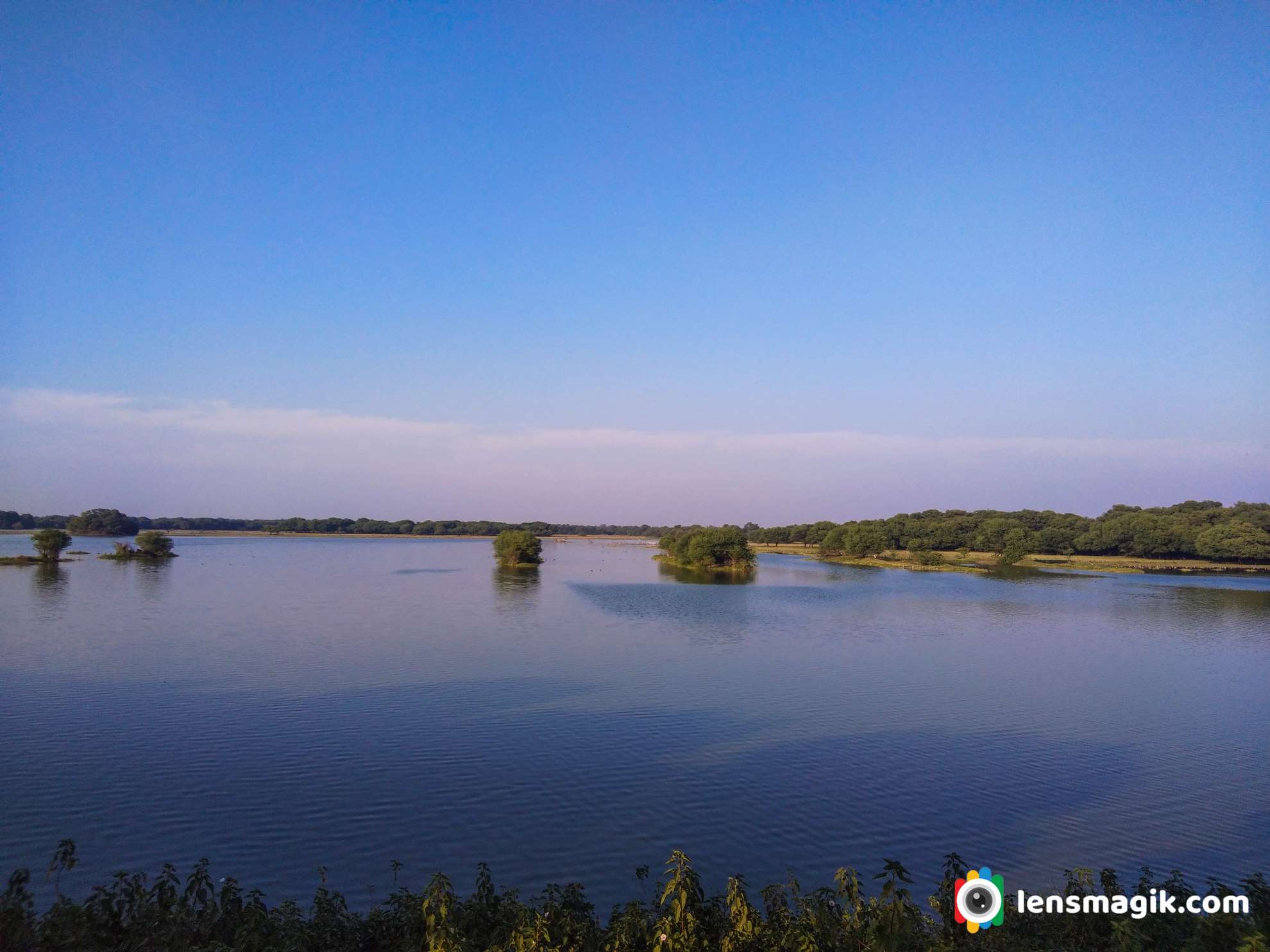
About Thol Lake / Thol Bird Sanctuary
Thol lake is located near Thol village and its area around 38000 acres. Lake faces all season winter , summer and monsoon. During winter temperature goes to 8 degree and in summer temperature goes to 43 degree. Thol lake is under control of Forest and Irrigation department of Gujarat. Thol lake water storage capacity is around 84 million cubic meters. Thol wildlife sanctuary is declared as Eco Sensitive Zone .
Flora and Fauna Thol Sanctuary :
Thol lake has many vegetation plants like Zizyphus, Acacia nilotica, Ficus, Capparis, Azadirachta indica etc. There are also some mix flora of Marshy and Aquatic plants reported in Thol Lake.
Thol lake is protected area and it is very good habitat for water birds. In thol bird sanctuary there are more than 150 spices of birds found . Among these more than 60 % of birds are water birds. Flamingo bird is most prominent bird of Thol Lake. Also Sarus Crane nest in large number here.
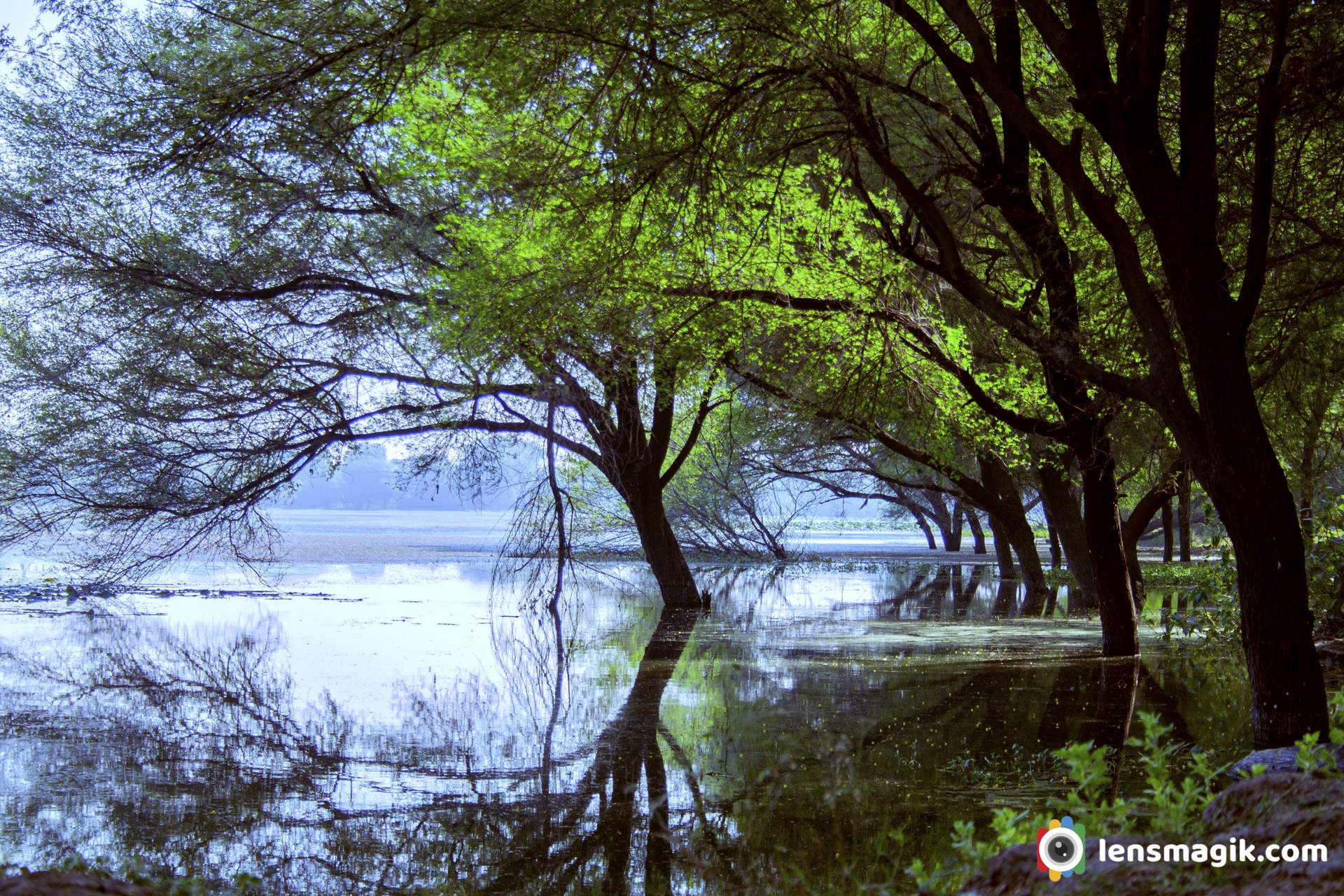
Famous Migratory Birds of Thol Lake
• Flamingos
• Sarus Crane
• Great White Pelican
• Mallards
• Bar Headed Geese , Grey Headed Geese
• Waterfowl
There are also some spices reported here like Dalmatian Pelican, Indian Skimmer, Greater Spotted Eagle, Indian Vulture and white rumped Vulture etc. In Mammals Bluebull, Blackbuck and Golden jackal reported here.
Thol Lake Timing and Fees :
Thol lake open everyday at 6 AM in morning and close at 5.30 PM in evening. Entry fees for Thol Lake or Thol sanctuary is 50 INR for per person. Also Camera fees extra at 200 INR and if you go via car then car fees also 500 INR. Foreigner fees are 10 $ per person.
Best Time to Visit Thol Sanctuary / Thol Lake :
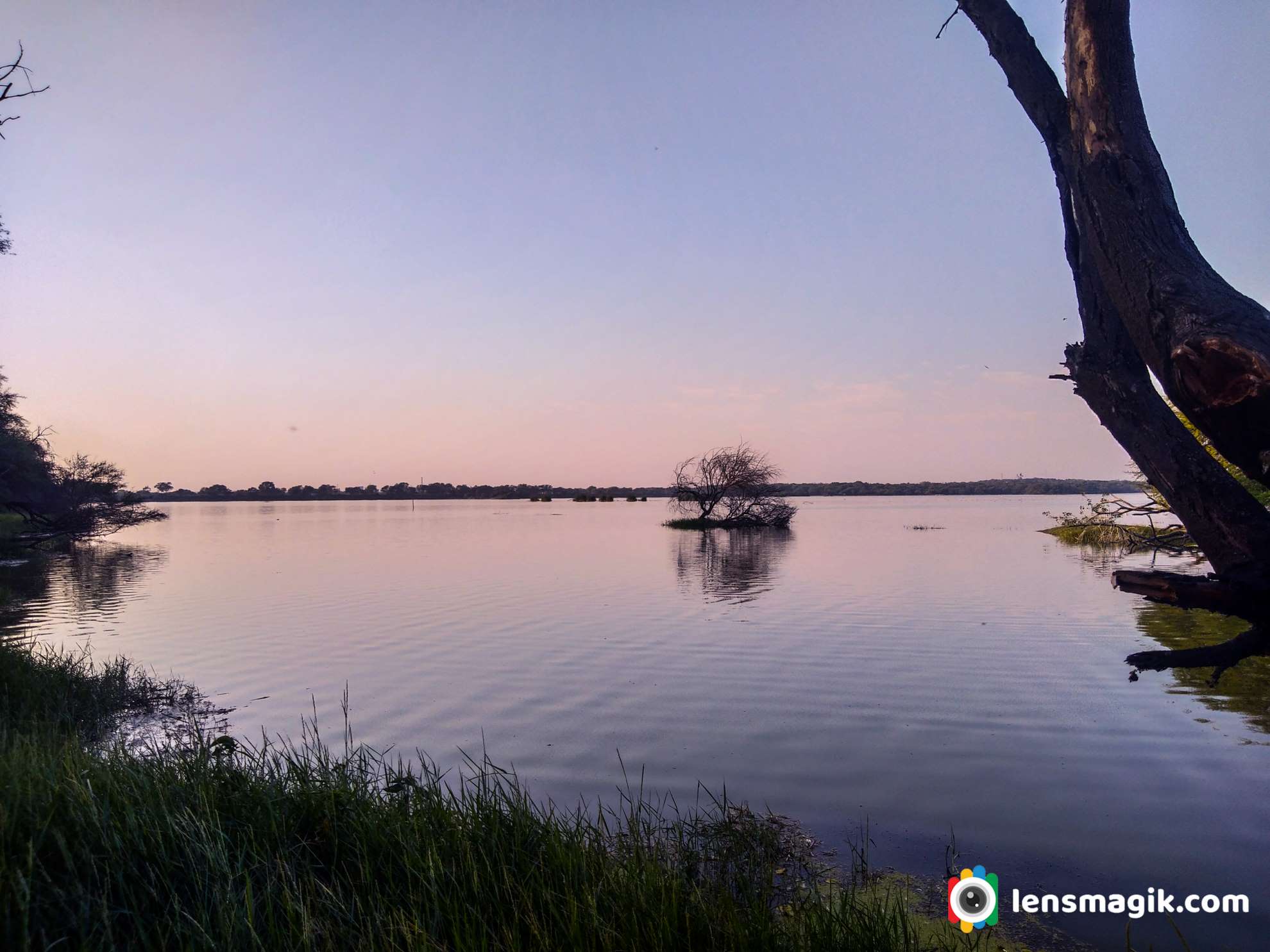
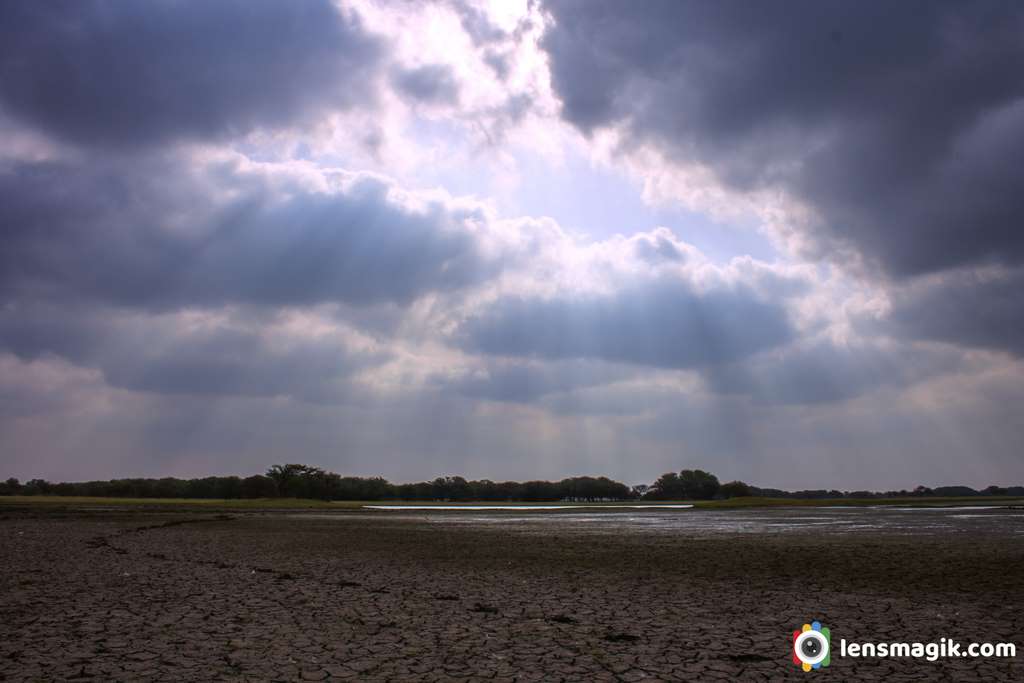
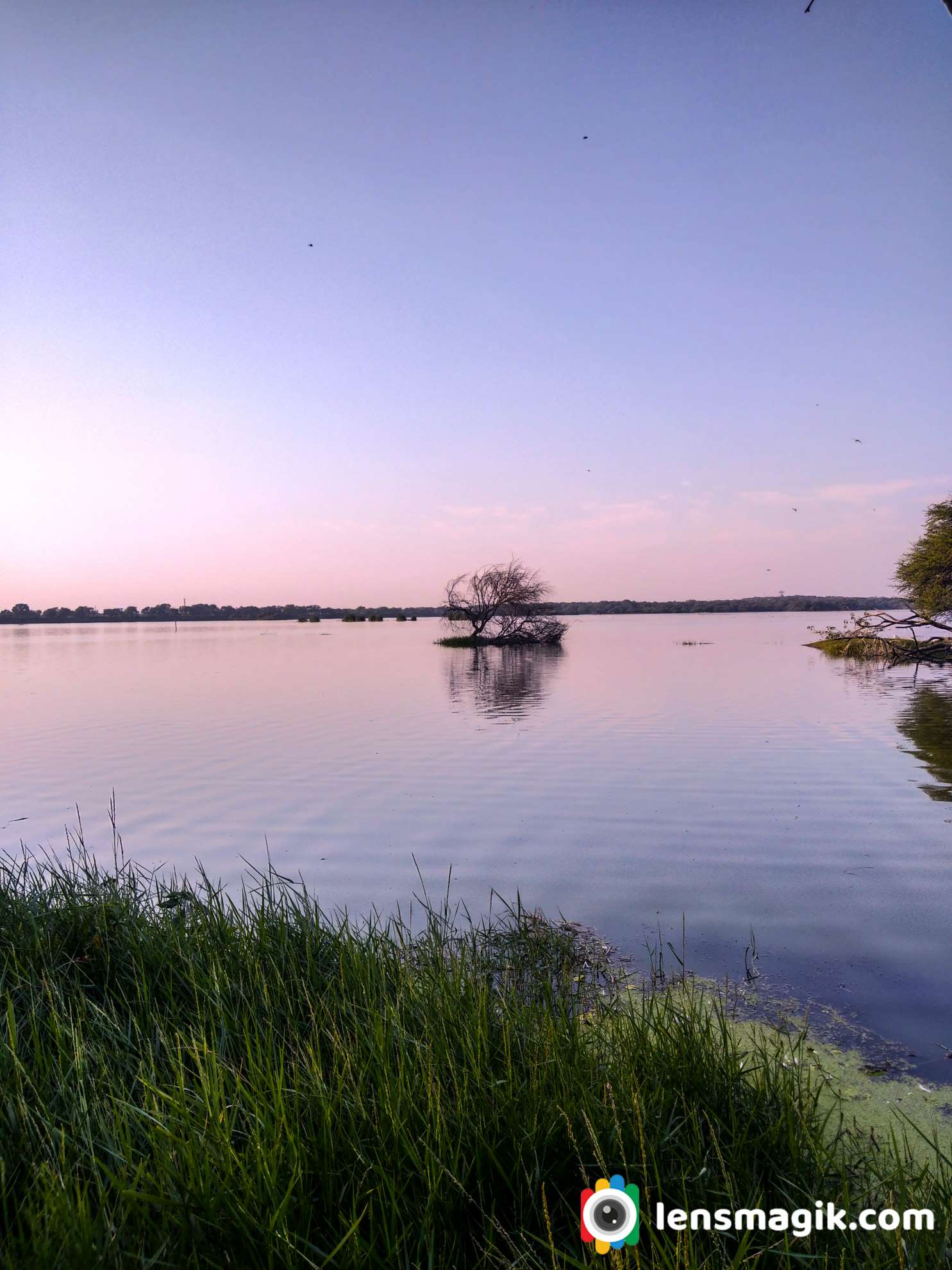
Best time early morning for Thol Lake. In winter if you go before sunrise you can see Twilight sky amazing with lake shore and birds sound .During all season Thol lake has its own beauty. Every season you can visit at Thol Lake. But mostly during winter from November to March season is best for Thol Sanctuary visit. Because during winter lots of Migratory birds came here and stay for long time so for birding winter season is best at Thol Lake. Also during summer some of birds stays here like flamingos and pelicans, geese etc. So you can also see them in summer too. Also during summer water level of lake is low so may be the birds you can get in deep or sometimes closer. During monsoon most people don’t visit but if you like macro photography then you must visit Thol lake in monsoon. You can get some excellent macro subjects like waterdrops , Spiders, Insects etc.
What to do and What not to do in Thol Lake / Keep in mind while visiting sanctuary in India :
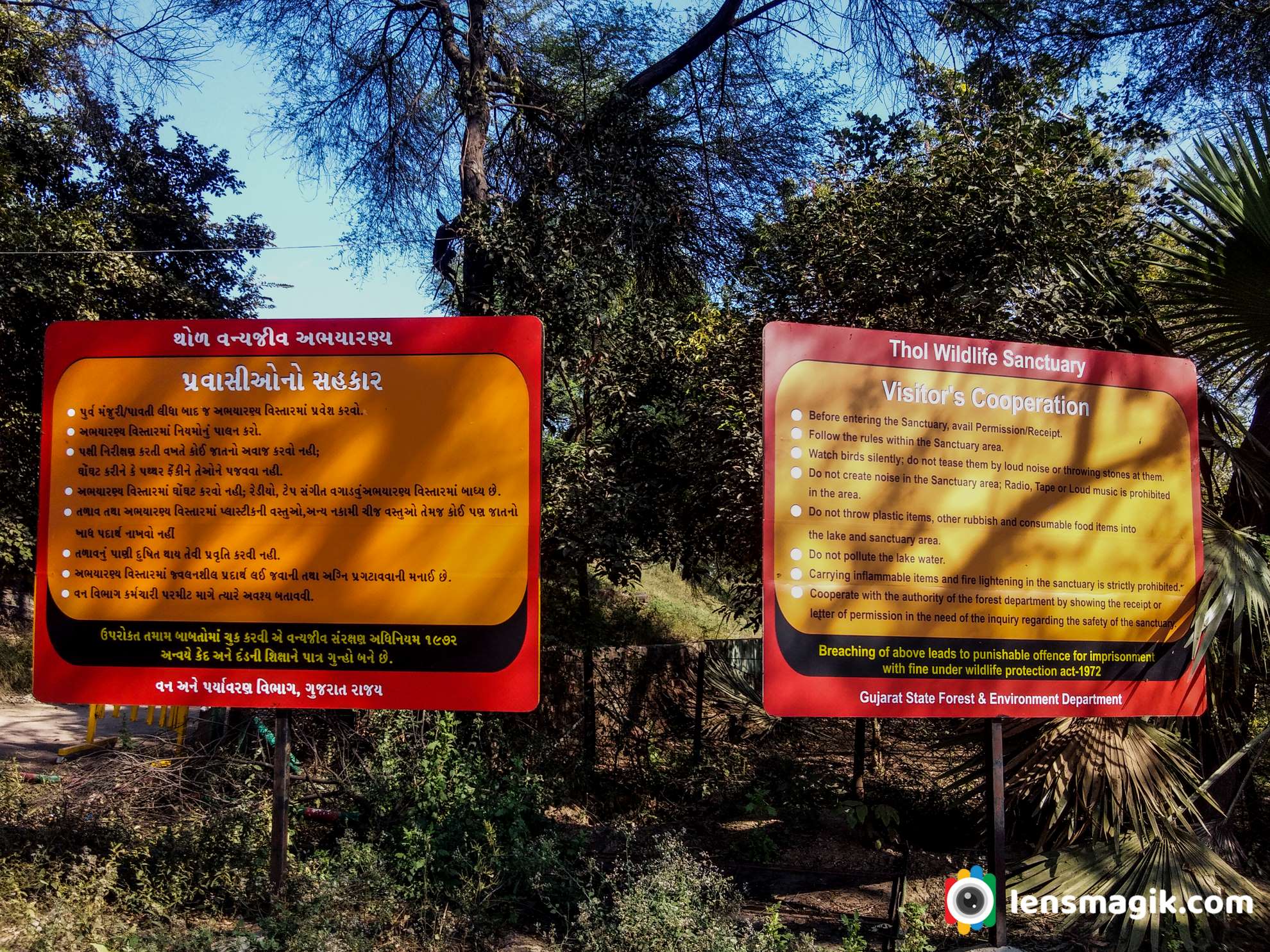
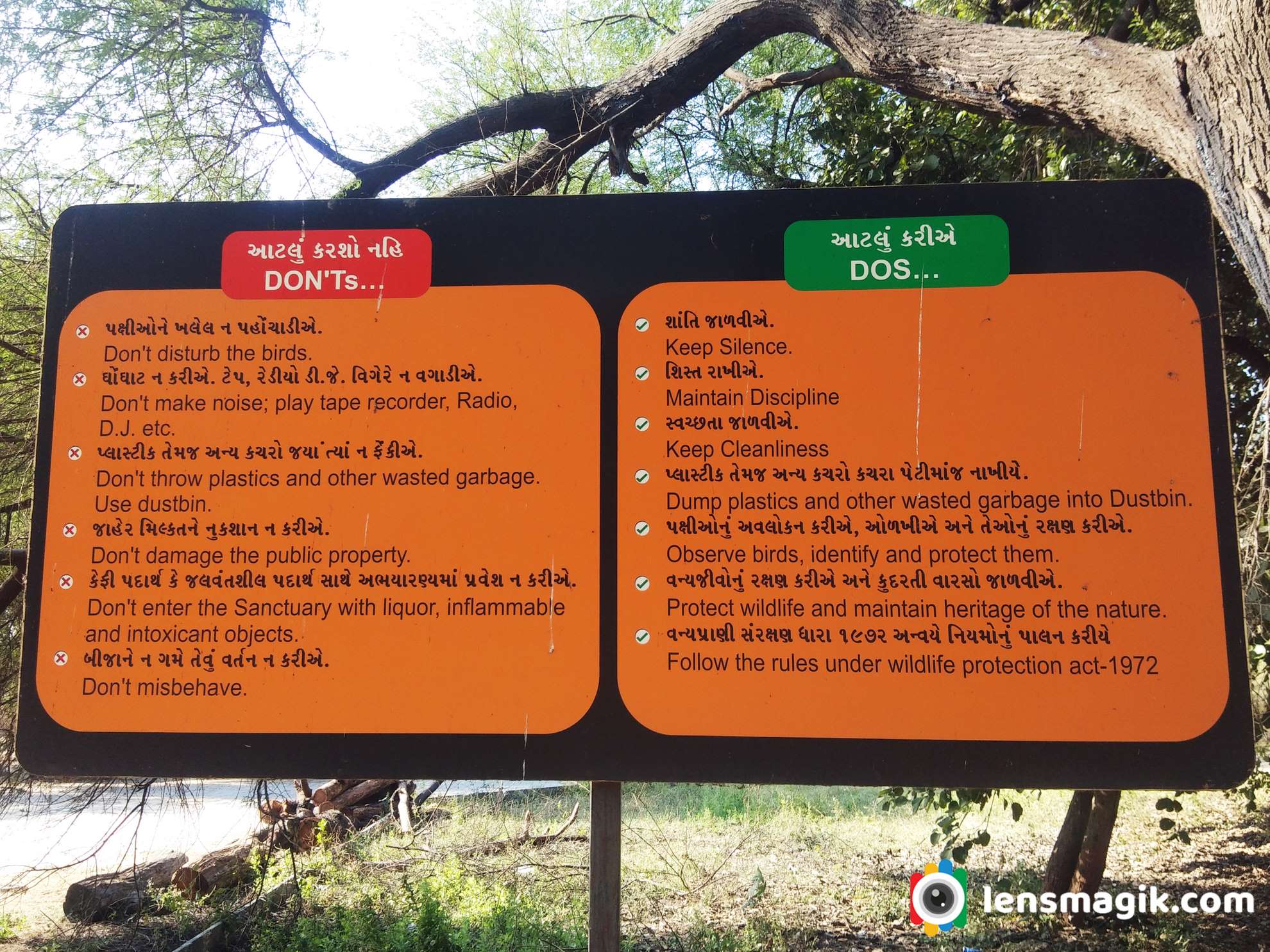
• Keep silence in sanctuary
• Maintain discipline
• Keep sanctuary clean
• Do not throw plastic waste anywhere in sanctuary
• Protect wildlife
• Observe birds, mammals etc and protect them and identify them
• Follow rules of wildlife protection act -1972
• Don’t disturb birds and animals
• Don’t enter in sanctuary with liquor and inflammable objects
• Don’t make loud noice.
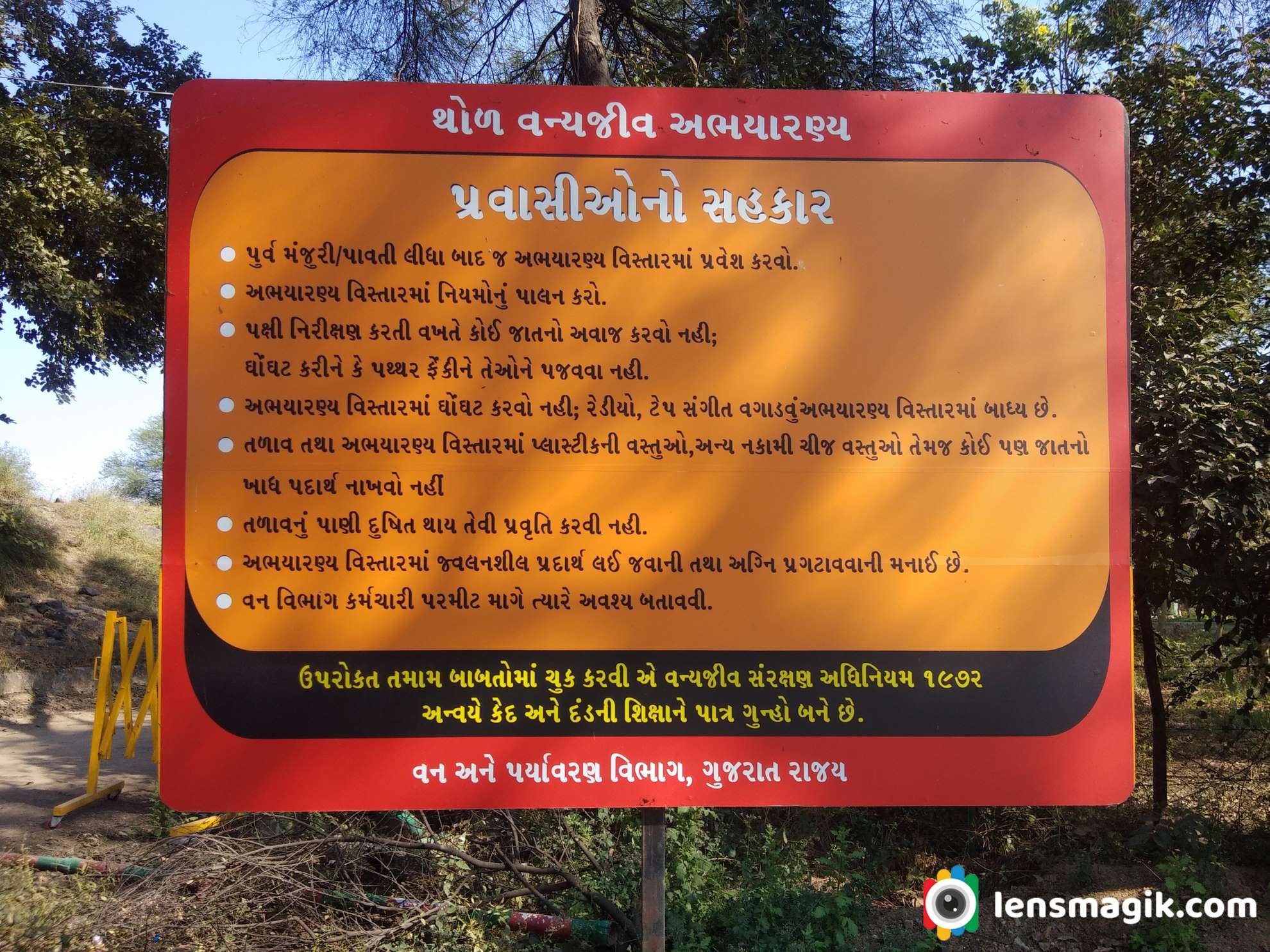
• Enter in sanctuary with permit only and keep receipt till you leave sanctuary
• Don’t feed birds and animals
Where to Stay near Thol Lake :
Well near to Thol Lake there are not good places to stay at night but you can go near to destinations like Kadi, Kalol or Gandhinagar , Ahmedabad where you can get good places to stay at night. Nearest I suggest Kalol around 15-18 km or you can go Ahmedabad around 25 km.
Places to Visit near Thol Lake :
If you are staying at Ahmedabad then go for Ahmedabad Darshan , Pol area of Ahmedabad and Adalaj Ni Vav ( Heritage places ) etc. Also go for fast food test at night at Manek Chauk and SindhuBhavan road there are lots of option for food lovers like Urban Chauk, Freezbee etc.
If you stay at Gandhinagar then visit Mahatma Mandir at Gandhinagar, Sarita udyan , Akshardham Temple etc.
I would suggest Modhera Sun Temple if you had some more time which is around 100km from Ahmedabad. For bird lovers and bird photographer I would suggest visit Little ran of Kutch (LRK) during Winter season, Pariej Lake, Indroda park Gandhinagar, Jessore Sanctuary Banaskantha etc.
How to Reach Thol Sanctuary :
Nearest airport is Ahmedabad and from Ahmedabad thol lake distance is around 30-40 km
Also for Railway station is Ahmedabad because you can get all frequency and destinations from Ahmedabad railway station.
Bahucharaji or Becharaji is located in Mehsana district Gujarat. It is a Hindu Temple of Hindu Goddess Bahuchara Mata.Bahucharaji Temple is in Bahucharaji town near shankhalpur village Mehsana. Bahucharaji Temple is in center of town. Bahucharaji temple managed by State Government. Ma Devi Bahucharaji is worshipped here as Goddess Bala Tripura Sundari.
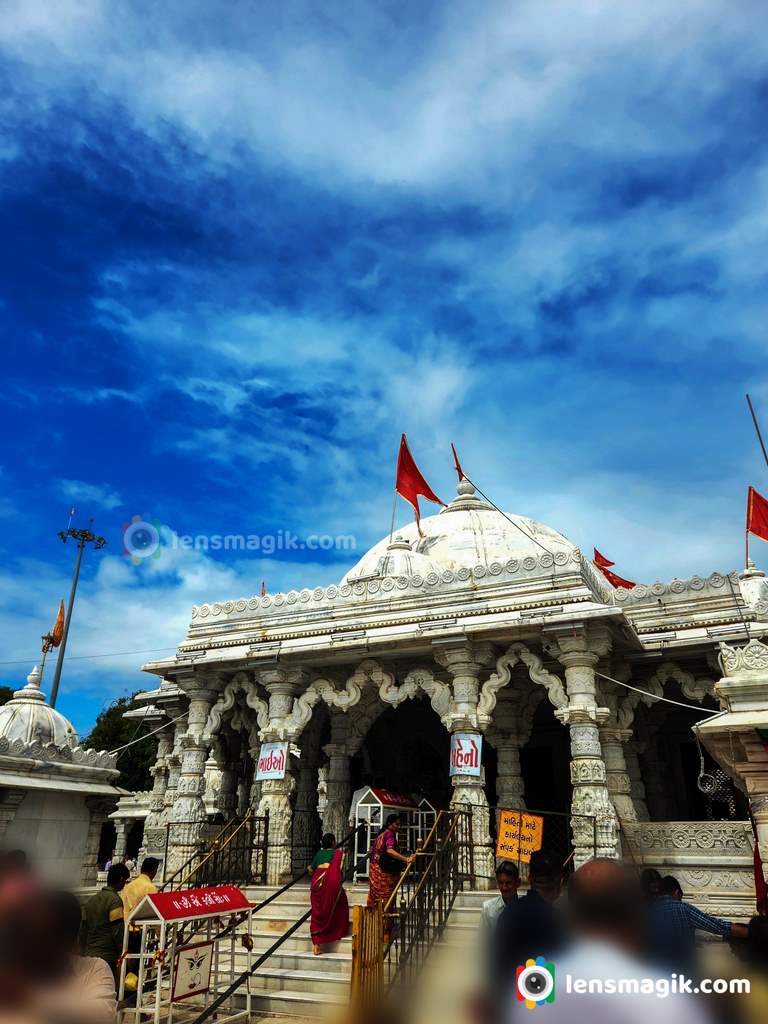
Story of Bahucharaji temple
As per old people says Dandasur demon was stayed near Becharaji and won Patallok, Mrutyulok and Devloka all three lokas. The Devil has boon from Lord Shiva that a godeess appeared against him in small girl form. All 3 lokas Devas went to Goddess Parambaa to save them from demon. The Bahuchar mata appeared in form of small girl for fist time at Varakhadi tree . So bahuchar mata known as Bala Bahuchara Mata. Goddess killed demon with Trishul and bought peace for people of earth.
- Main vehicle of Bahuchar Mata is cock.
- Bala Yantra of Crystle and encased In gold is worshipped at temple.
- Bahuchar Mata carries sward on top right hand, Abhay mudra on bottom right, a text of scriptures on top left and trident on bottom left.
- In my family we believed that new born male child first time hair removed ( Mundan ) after 1 year in temple.
- It is also believed that any new child don’t speak properly then bought here and on his behalf cock donated to Mata and in few days child can speak properly.
- All over from India devotee came here and pray for blessing of Goddess. On purnima ( full moon ) day is special for devotees. On Chaitri Poonam 5 days fair arranged near the Temple and in city.
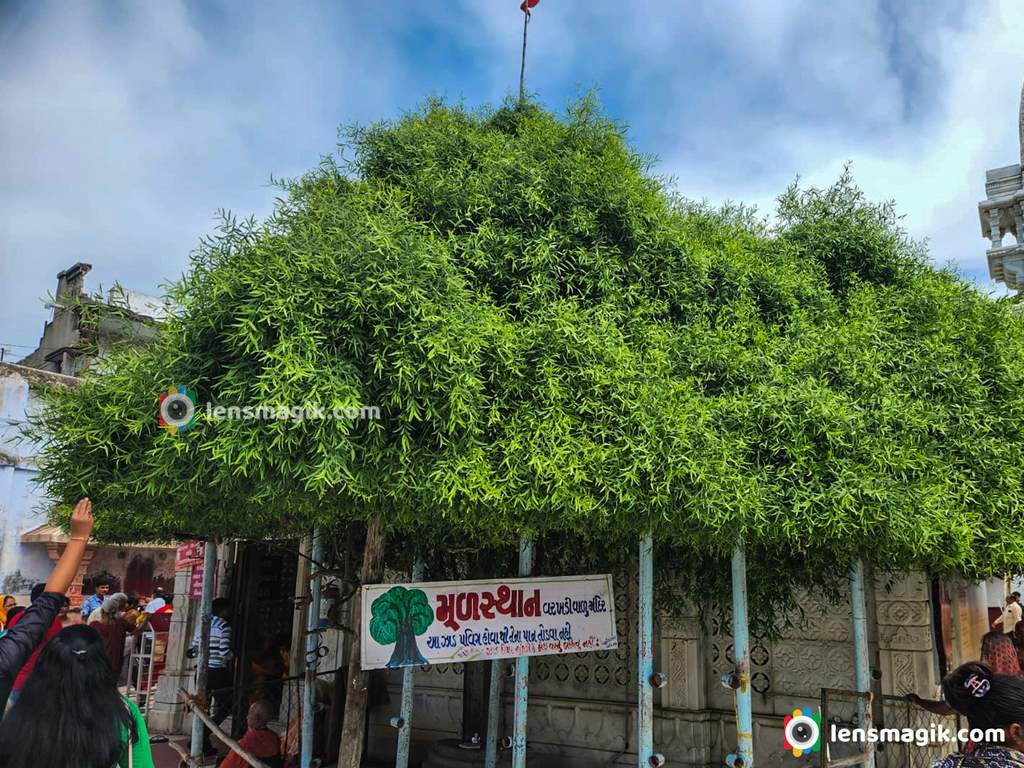
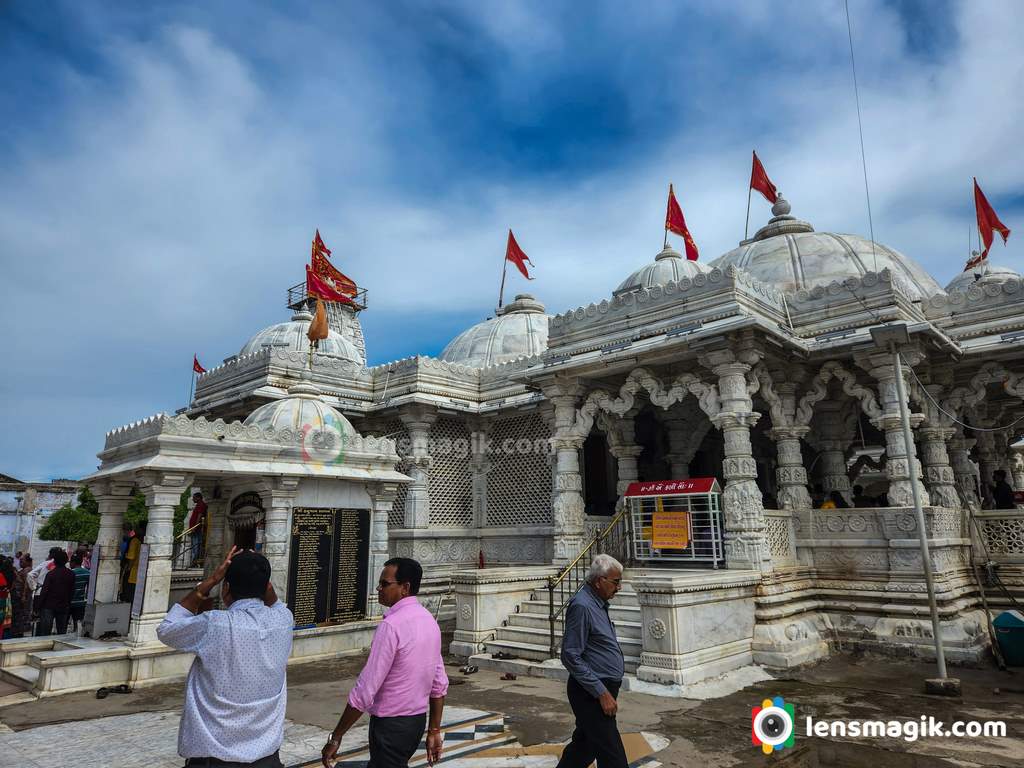
Where to Stay in Bahucharaji or Bechraji :
There are lots of Dharamshala , Hotels, Guest Houses in Bahucharaji. All places are in good rate available. People can also go to Mehsana , Shankhalpur for stay . Also people can go to Modhera Sun Temple for visit.
Bahucharaji Mata Temple Darshan Timing :
Bahucharaji Mata temple darshan timing is from 5.30 AM to 10 PM .
Nearest Airport : Ahmedabad
District : Mehsana
Pincode of Bechraji : 384213
Ambaji is a town in Banaskantha district. The town surrounded by aravalli Hills. Ambaji is Famous for Ambaji Temple. Millions of devotees visit Ambaji Temple every year. Even my family also visited Ambaji Temple once in a year Climate of Ambaji is change in all season . Summer is very hot around 45 degree and in winter temperature goes down to 6-7 degree. Rainfall average 15 -30 in in monsoon.
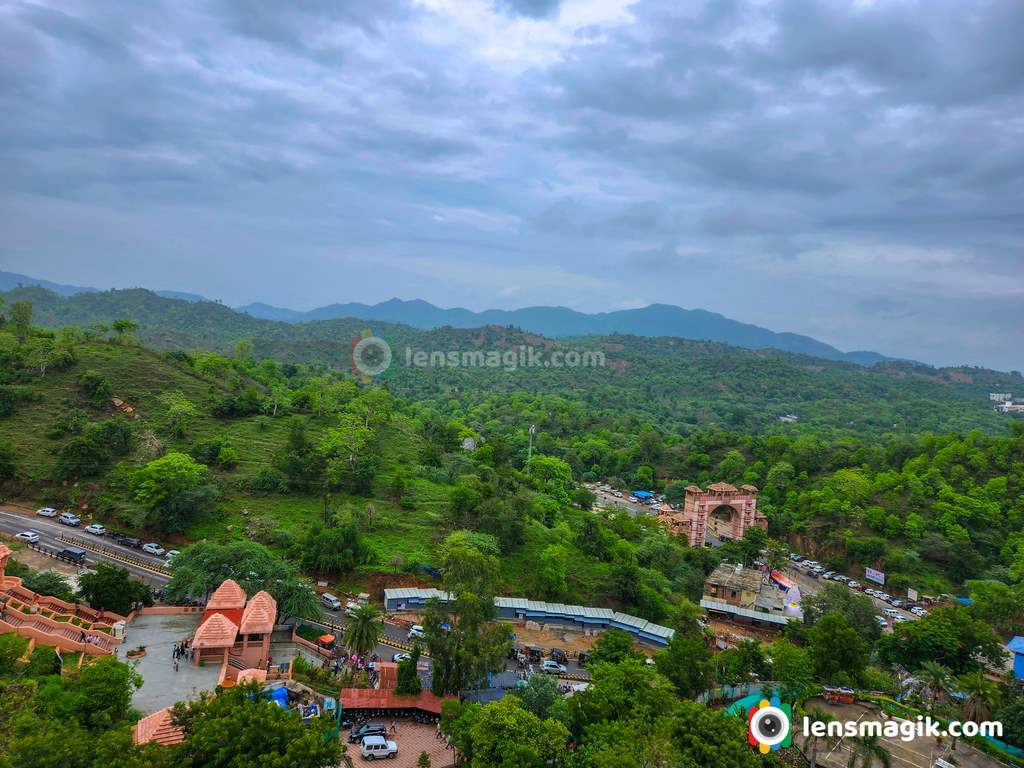
About Ambaji Temple:
- Ambaji Temple is one of the 51 Shakti Peethas .
- Ambaji Mata Temple is a major Shakti peethas in India. It is also known as Arasuri Ambaji Mata Temple.
- Shree visa Yantra is worship as main God. No one can see Yantra with nacked eye. And also the Photography of Yantra is not allowed.
- The original seat of Ambaji Mata is at on top of Gabbar Hill.
- On purnima day large number of people come to Ambaji temple for darshan. On Bhadarvi Poornima there is a large mela in city. People from all over the country come here by walk from their destination on Bhadarvi Purnima . People make food camps, medicine camp, refreshment camp in between the road for people who come by walk in Ambaji Temple.
- The shrine of Shri Amba is regarded as a revered shrine by Shakta Shaktism sect of Hinduism. There was a say and also it believed that the heart of Sati Devi has fallen here.
The Myth of Ambaji Temple :
According to Lord Vishnu cut the corpse os sati with his weapon Sudarshan Chakra and 51 pieces fell on earth. That 51 place built shrine. And at Ambaji there was a say that Sati Devi’s heart was fallen so Ambaji is one of most important Shakti Peeth.
Gabbar Hill , Ambaji Temple
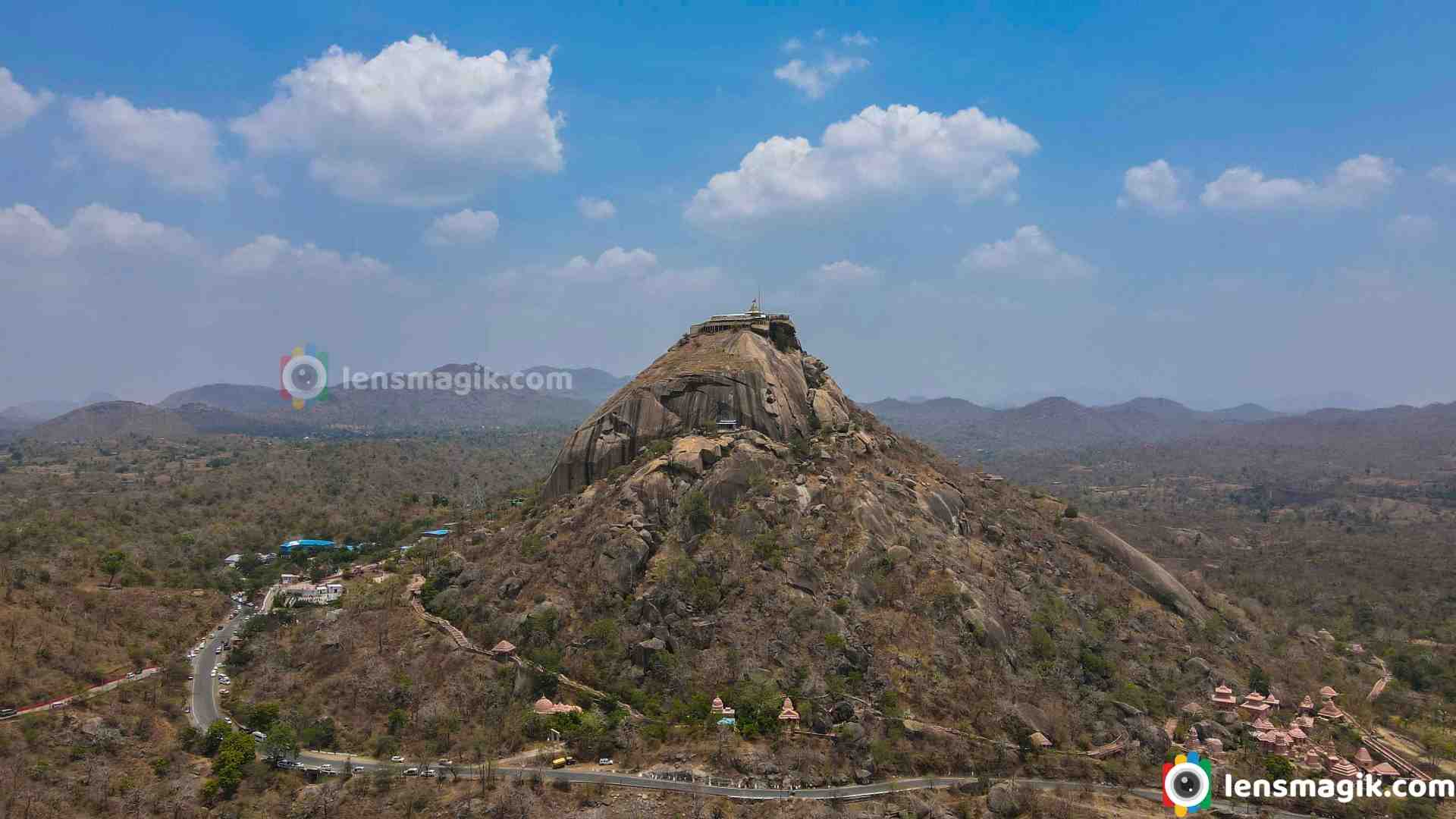
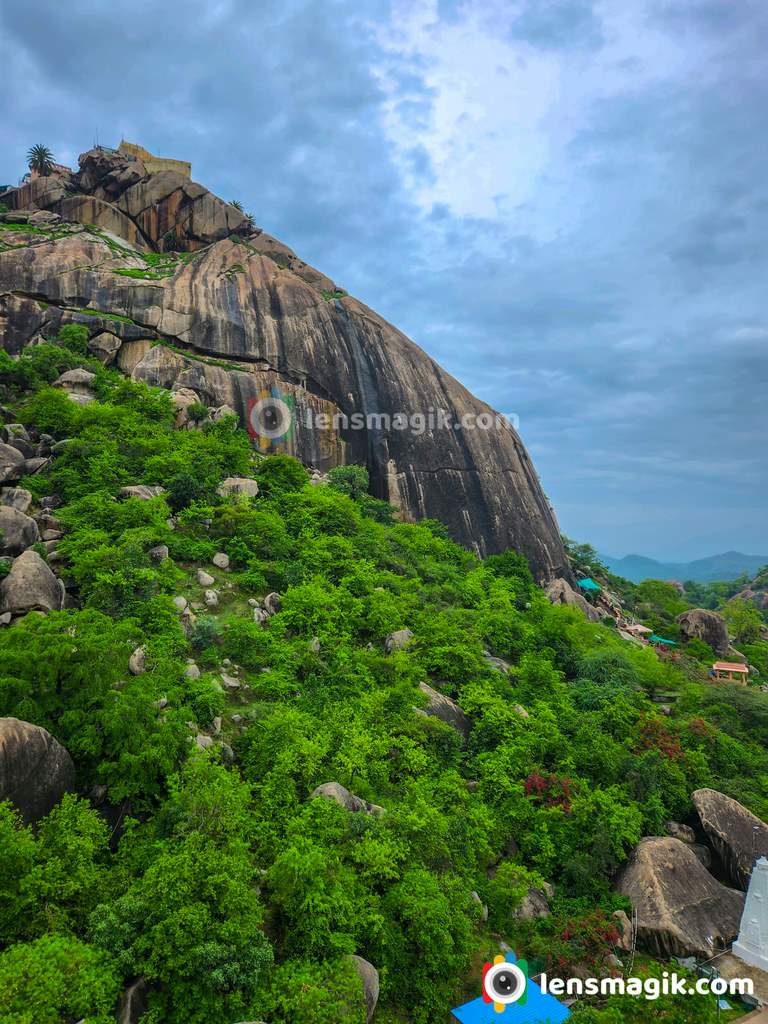
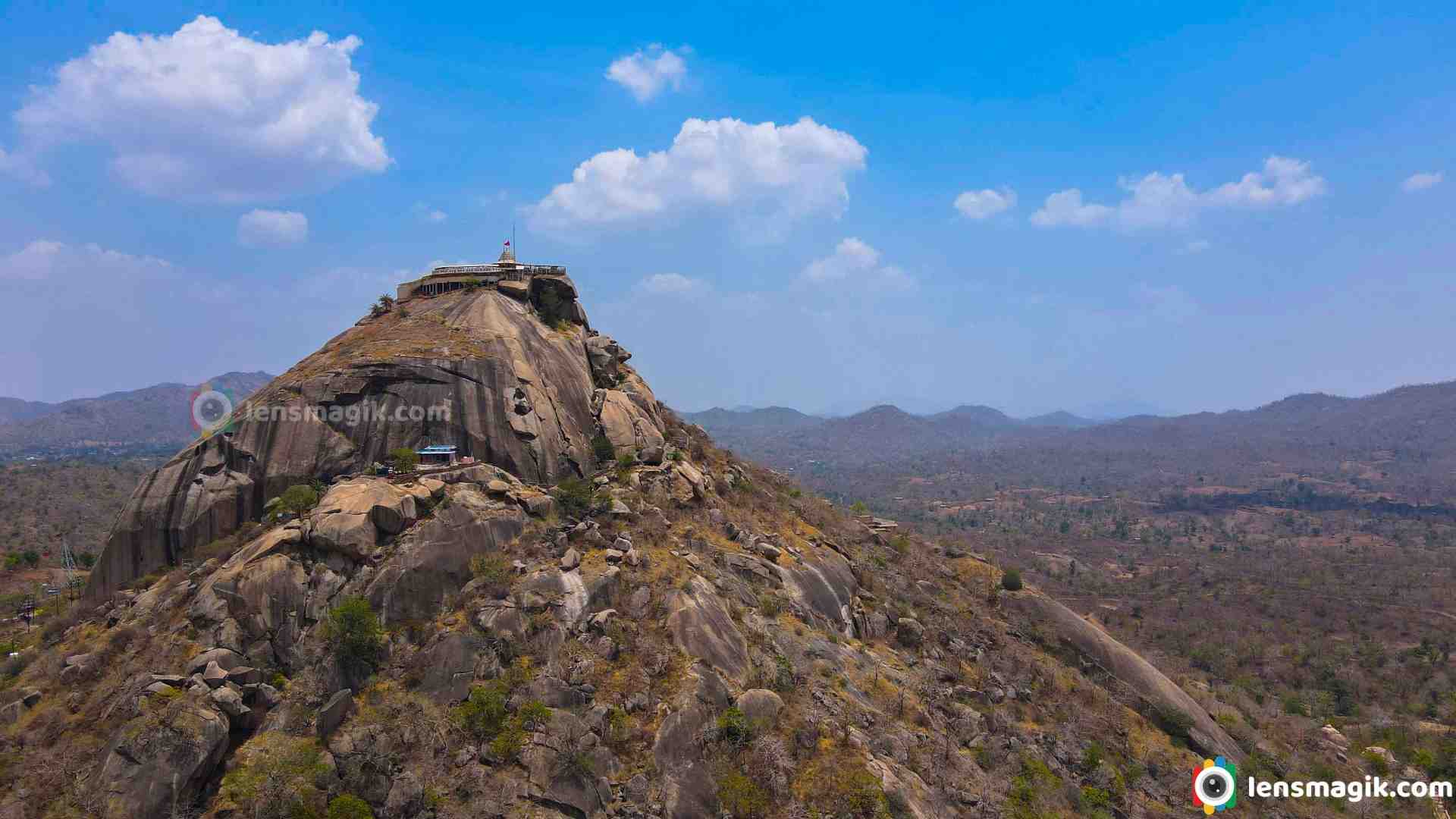
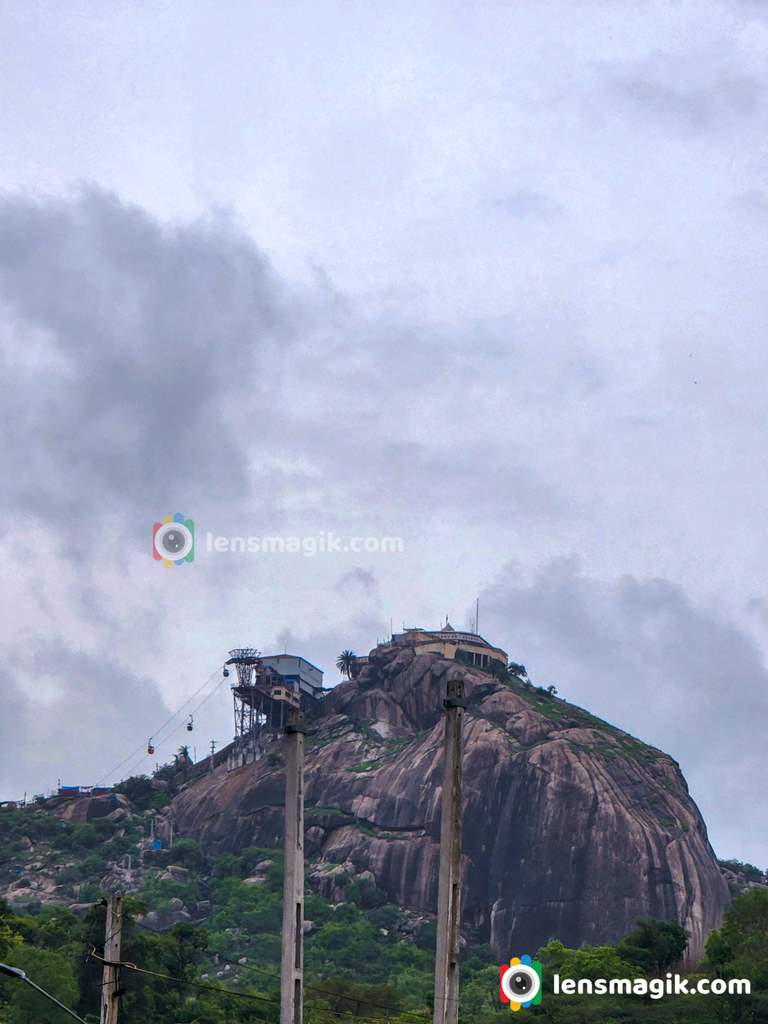
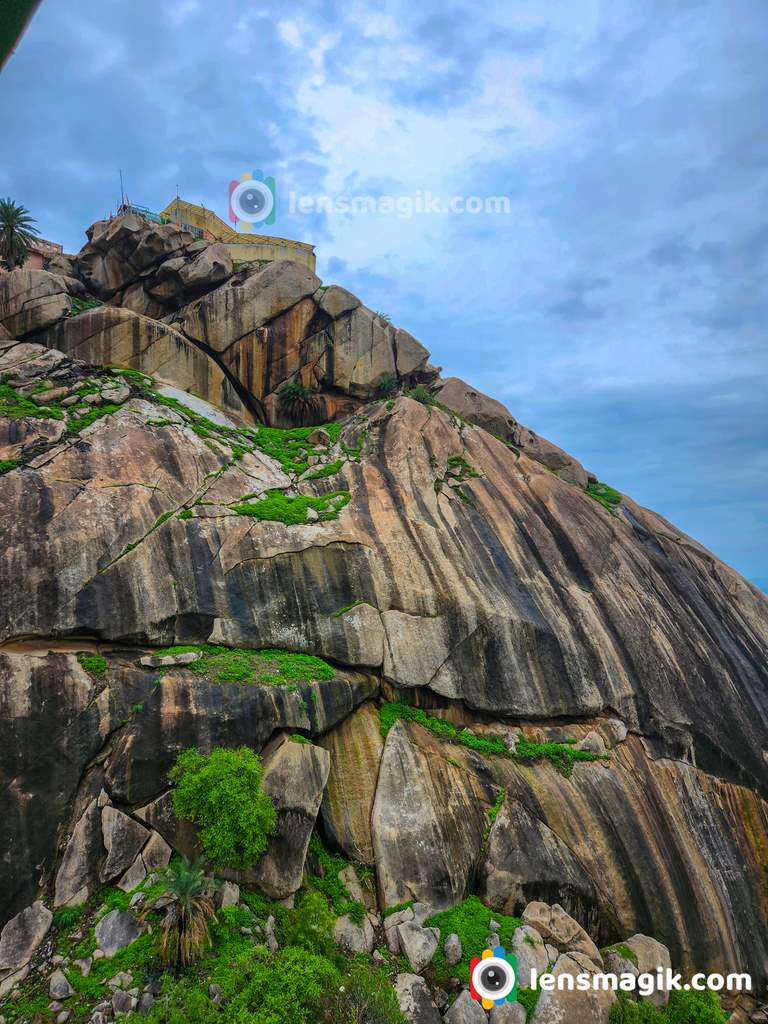
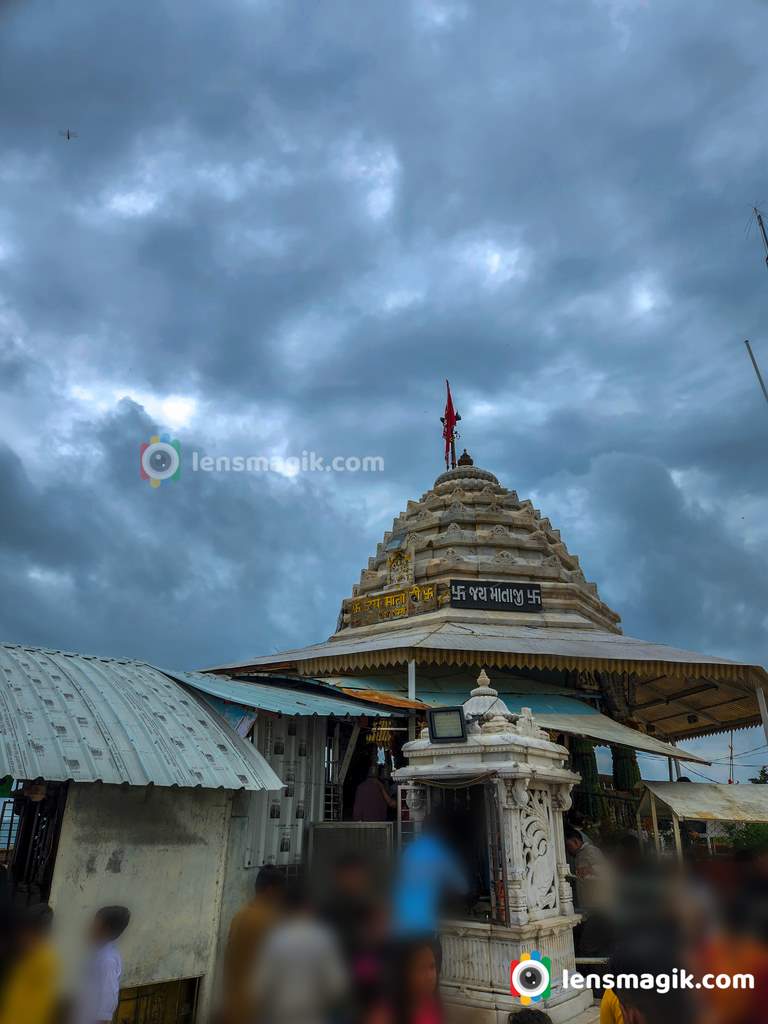
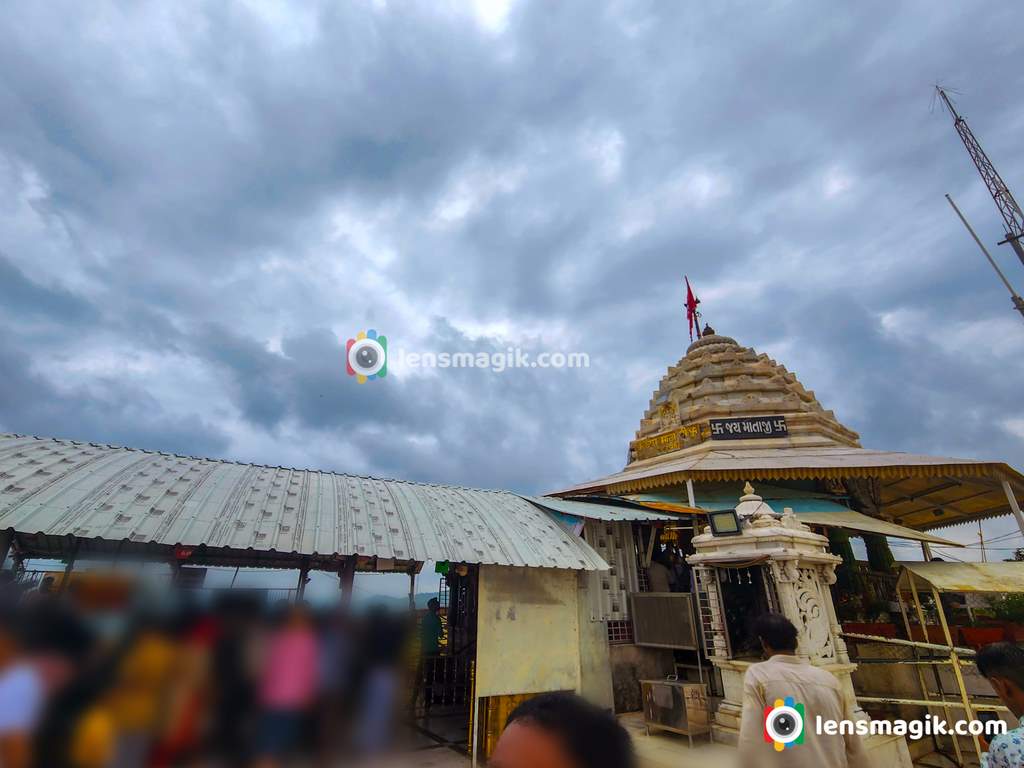
Gabbar is located at west of Ambaji Village at around 4-5 km away. It believed that original seat of the Goddess is at top of Gabbar Hill. There are around 999 steps for climbing Gabbar Hill. Among them 300 stone steps and rest are very narrow passage so it’s a thrill to climb. On the flat top of the hill there is a small temple of Ambaji. In this temple small covered lamp keep constantly burning. The lamp also seen from Ambaji Temple at night. There are footprint of Goddess their under the pipal tree.
In Ramayana there is a say that Lord Rama worship devi Ambaji so Devi Ambaji gave him an arrow name AJAY and with this arrow Lord Rama killed Ravan in the war.
9 Swaroop of Devi Ambaji :
- Shri Bhramcharini
- Shri Chandra Ganta
- Shri Katyayini
- Shri Kalratri
- Shri Mata Gauri
- Shri Kushmanda
- Shri Shail Putri
- Shri Siddhi Datri
- Shri Skandmata
Ambaji Temple Darshan Timing
Arti timing every day 6.00 AM in the morning
Winter Timing
|
Morning |
7.00 AM to 11.30 AM |
|
Afternoon |
12.30 PM to 4.00 PM |
|
Evening |
6.00 PM to 8.30 PM |
Summer Timing
|
Morning |
7.00 AM to 10.45 AM |
|
Afternoon |
12.30 PM to 4.30 PM |
|
Evening |
5.30 PM to 9.15 PM |
Monsoon Timing
|
Morning |
7.00 AM to 11.30 AM |
|
Afternoon |
12.30 PM to 4.30 PM |
|
Evening |
5.00 PM to 9.00 PM |
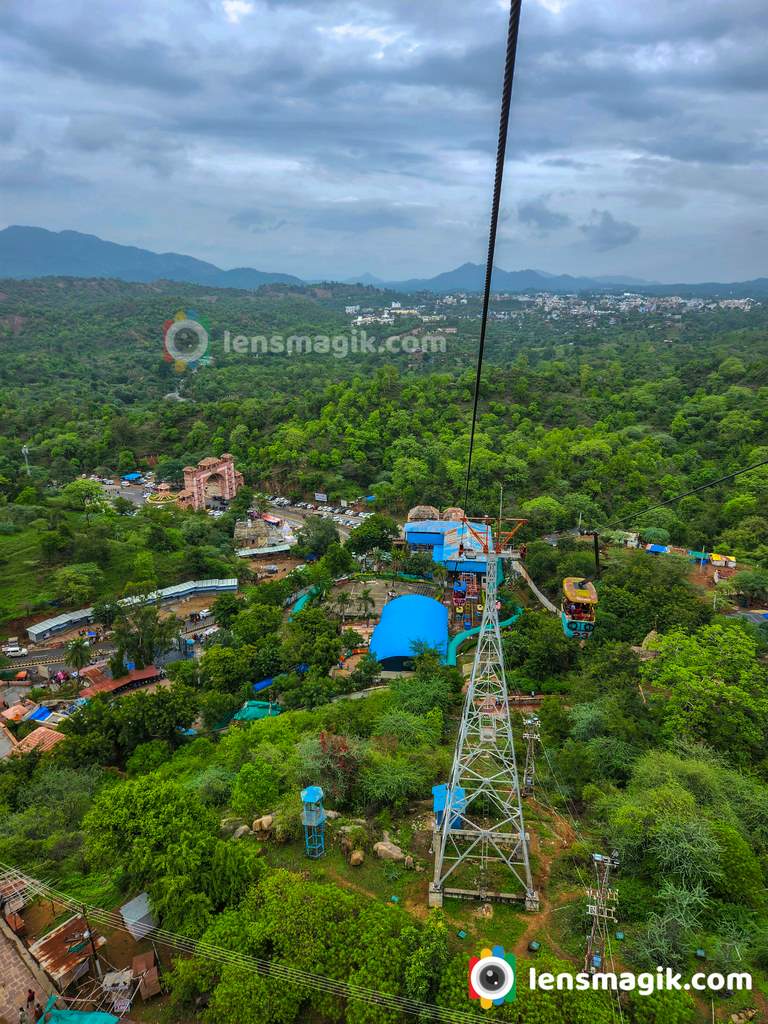
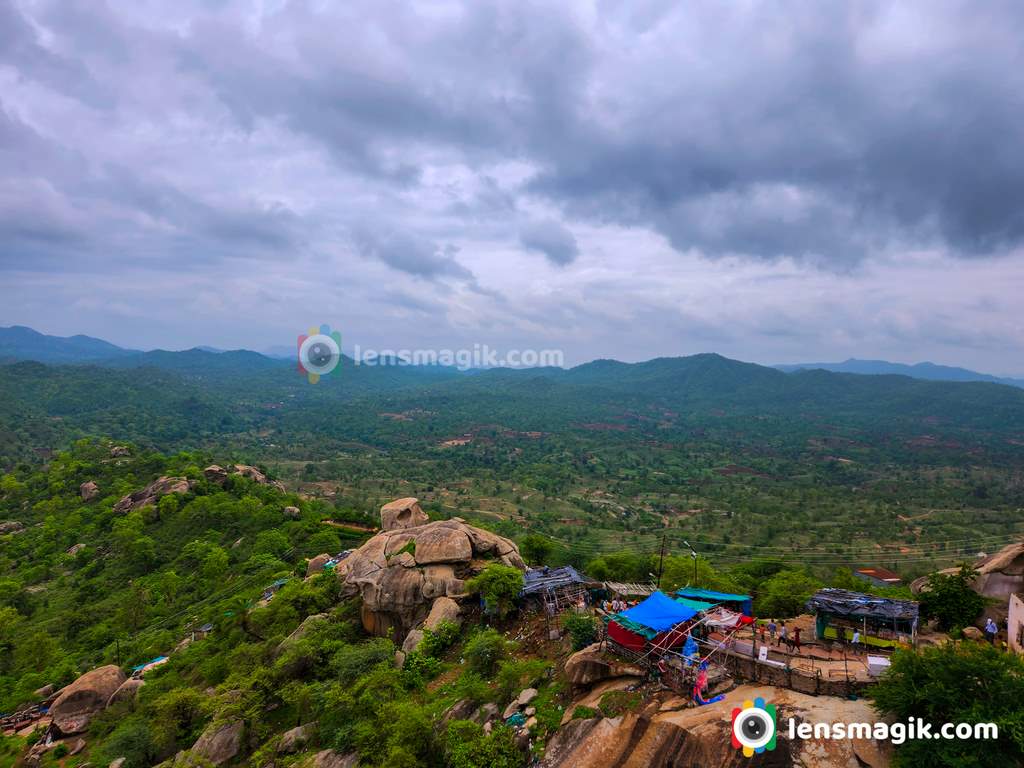
Ambaji Mata Devasthan Trust has installed Udan Khatola ( Rope –way ) facility for Gabbar hill.
Rope way price for adult is 125 rs and for kids below 110 cm is 64 rs.
Where To stay In Ambaji :
There are lots of hotels in Ambaji. Most hotels near to the temple. Generally i prefere at Reva Prabhu hotel or Jethiba Sadan which provide good Gujarati Thali in food and good condition rooms with good fare. Now a days there is a resort near Pancha village bus stand name Vanraji Resort before 3-5 km from Ambaji Temple. It is the first resort in Ambaji and resort is awesome. You can stay and enjoy the arravalli hills.