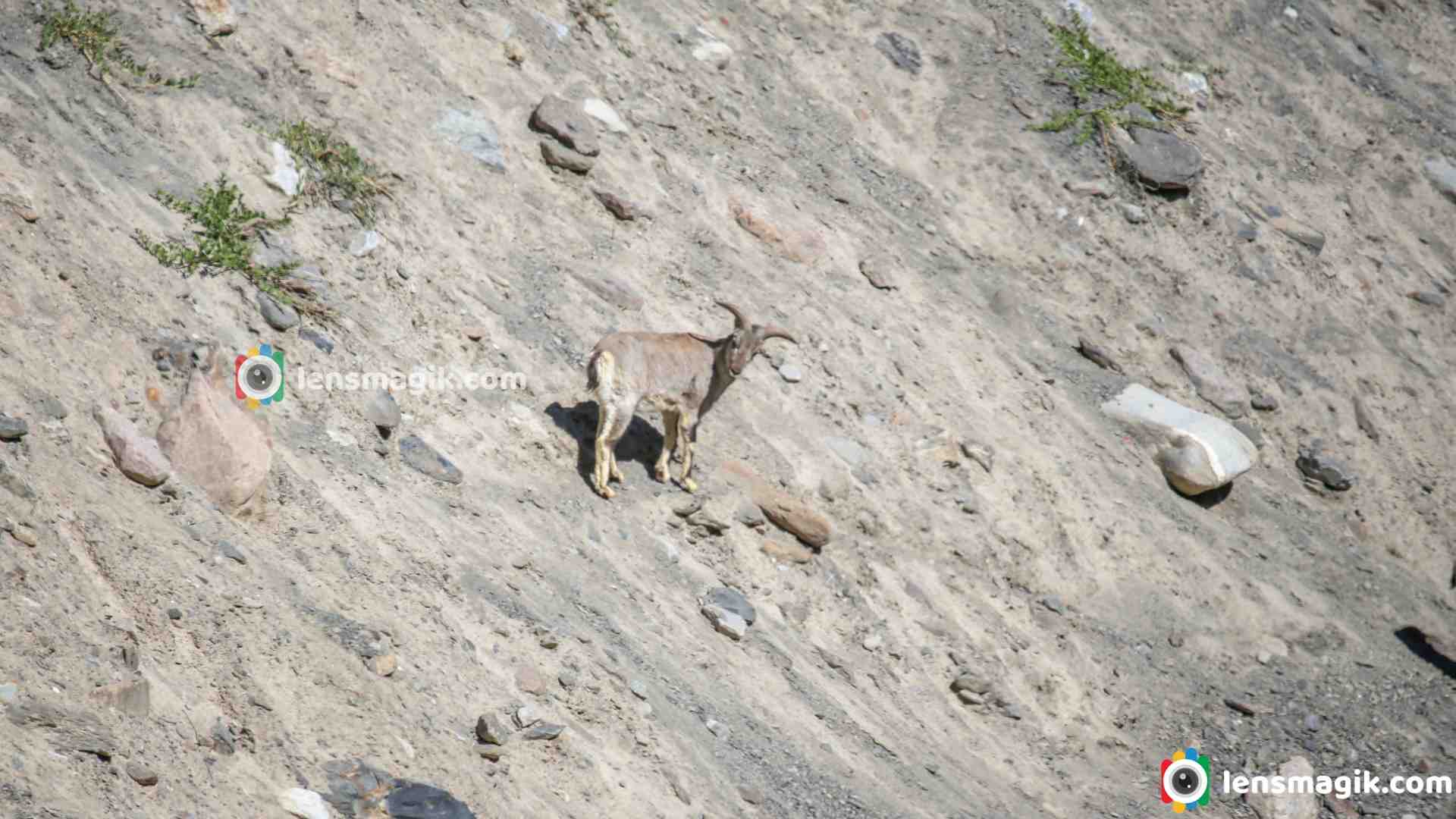
The Bharal is also known as Blue Sheep. Bharal is the only member of genus Pseudois. Bharal is native in Himalayas at high altitude destinations. Bharal display both sheep and goat characteristics so it is not true Sheep nor true Goat. It is Generally found in India, Pakistan, China, Nepal, Bhutan and Myanmar. Highest number of Bharal in the world is found in Ningxia China. Total 30,000 Bharal found their around 15 Bharal per Km square. I clicked it during my Spiti Valley Tour. It is too far from me so images are not clear but good enough for record shots. Bharal found at 2500 to 6000 meter altitude range.
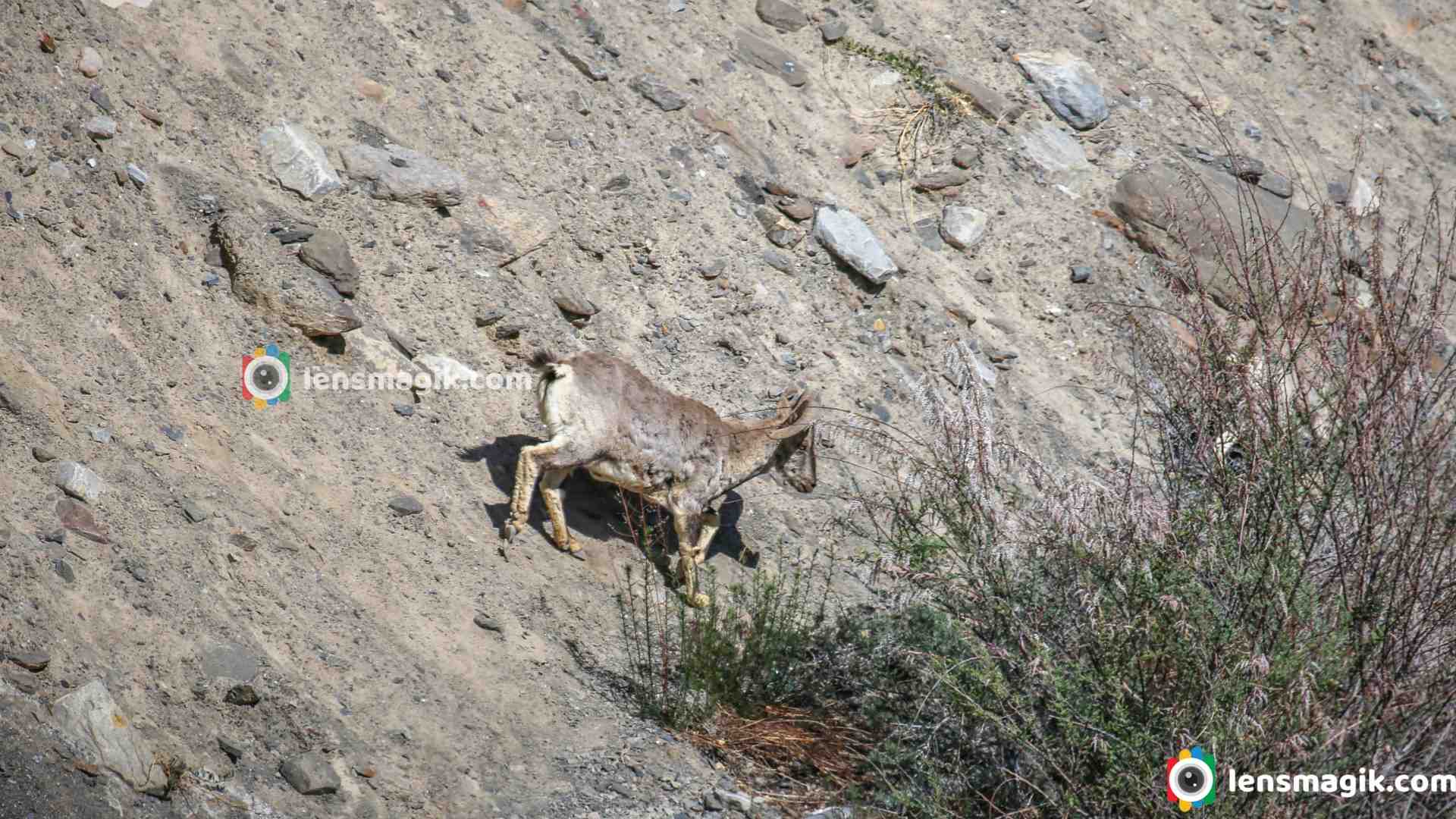
Interesting Facts About Bharal :
- Bharal is camouflage against grey rocks and vegetations at high altitude habitat due to its light brownish grey to slate blue color. The Blue tint is more apparent in some lighting conditions.
- Bharal have stocky and short body . It has short legs and robust shoulder. Body of Bharal is perfectly adapted for step in Himalayan terrain and navigate in mountains. Bharal are fast runners on the slope of Himalayan mountains.
- Male and female possess horn and male horn are larger than female and more impressive. Horn grows upwards and then curve sideways and backwards. It reaches up to 80 cm in length. Female horns are shorter and strait.
- Weight of Bharal Male is around 75 kg and female bharal around 40 kg. Total length from head to tail is around 1.2 to 1.7 meters.
- They have dark line along their flanks separating dorsal fur from their underparts which are white in color. Front legs and chest are black in color. Rear parts of legs are pale.
- Bharal remain motionless and behave like a rock face when approached and if pray detect them they quickly climb on safe cliff. Also use sharp alarm call to warn in danger.
- Bharal eat different types of grass during summer time. During winter they consume forbs, shrubs and mosses and lichens.
- Bharal are active throughout a day. They found in small groups.
- The rutting season is in November to January. Female give birth single lamb in late June or July.
- Bharal are crucial prey spices for predators of Himalayas like Snow Leopard and Himalayan Wolf. Lambs also prey for Foxes and Raptors or Eagles.
- Bharal is in Least Concern category in IUCN list.
- In India it is highly protected and listed under schedule I of wild protection act 1972.
- Bharal can live up to 15-17 years.
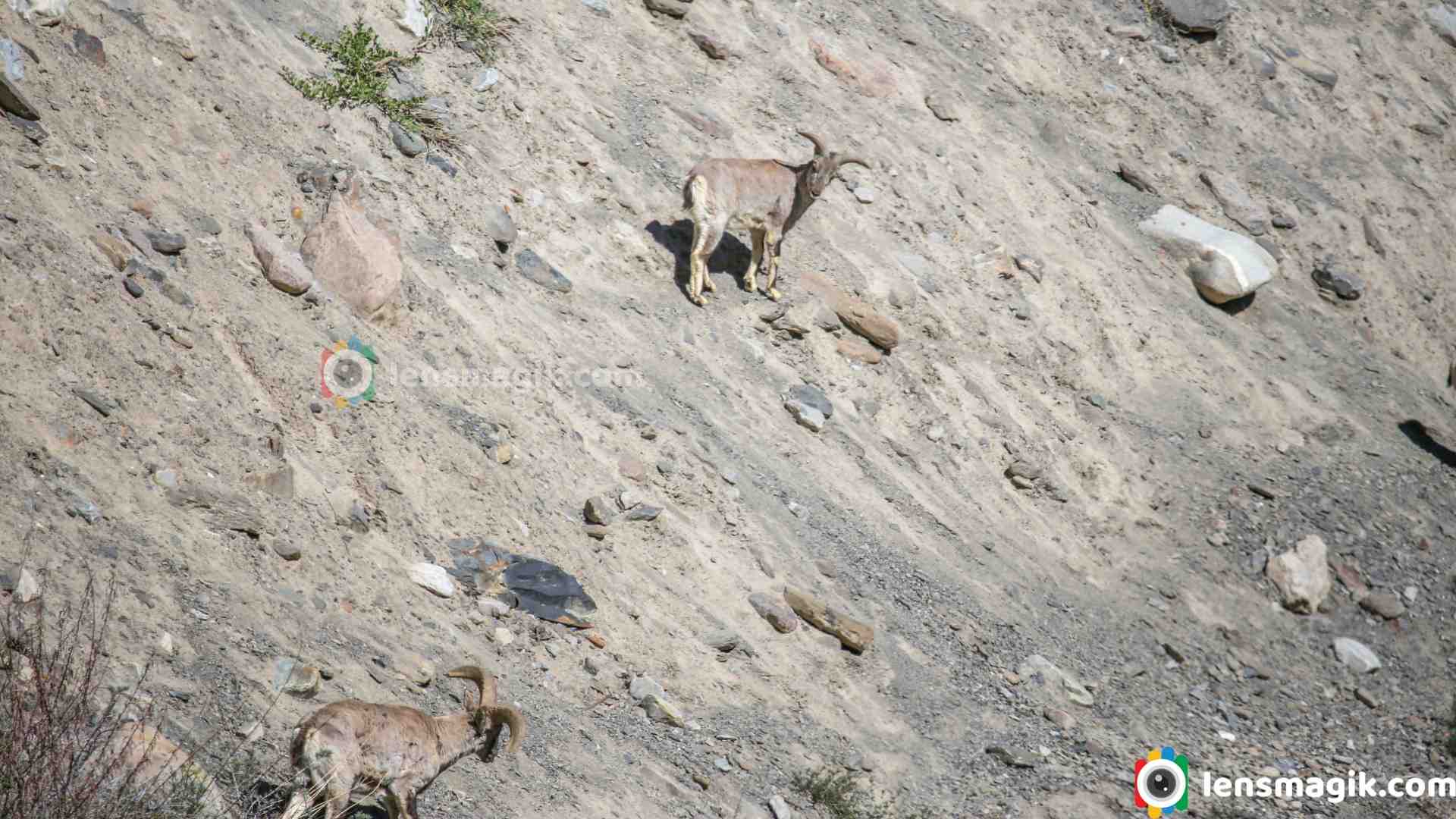
Bharal is not either sheep nor goat as per its characteristics. It is Camouflage master in rocks of Hight altitude terrain. They are difficult to spot in the rock mountain until they moving. Bharal is first prey for Snow Leopard and maintain ecosystem of Himalayas. Poaching of Bharal is not much seen due to high altitude terrain. Their habitat loose due to infrastructure by building road and dams. Also in Spiti Valley they sometimes came to human resources for vegetations. Also climate change can degrade their populations due to vegetations loss.
Conservation Efforts :
Many Buddhist monasteries trying to protect Bharal around them. Breeding can be done in zoos like Padmaja Naidu Himalayan Zoological Park Darjeeling.
Every life in our ecosystem need to be protected by us. It is our duty to maintain ecosystem for our bright future.
Spiti Valley is one of the beautiful and famous place in Himachal Pradesh in India. Generally it is famous for Snow Leopard Expenditure at Kibber Village.
Location : Spiti Valley, Himachal Pradesh, India
Camera Used : Canon 6D, Canon 80D, Canon 100-400mm lens
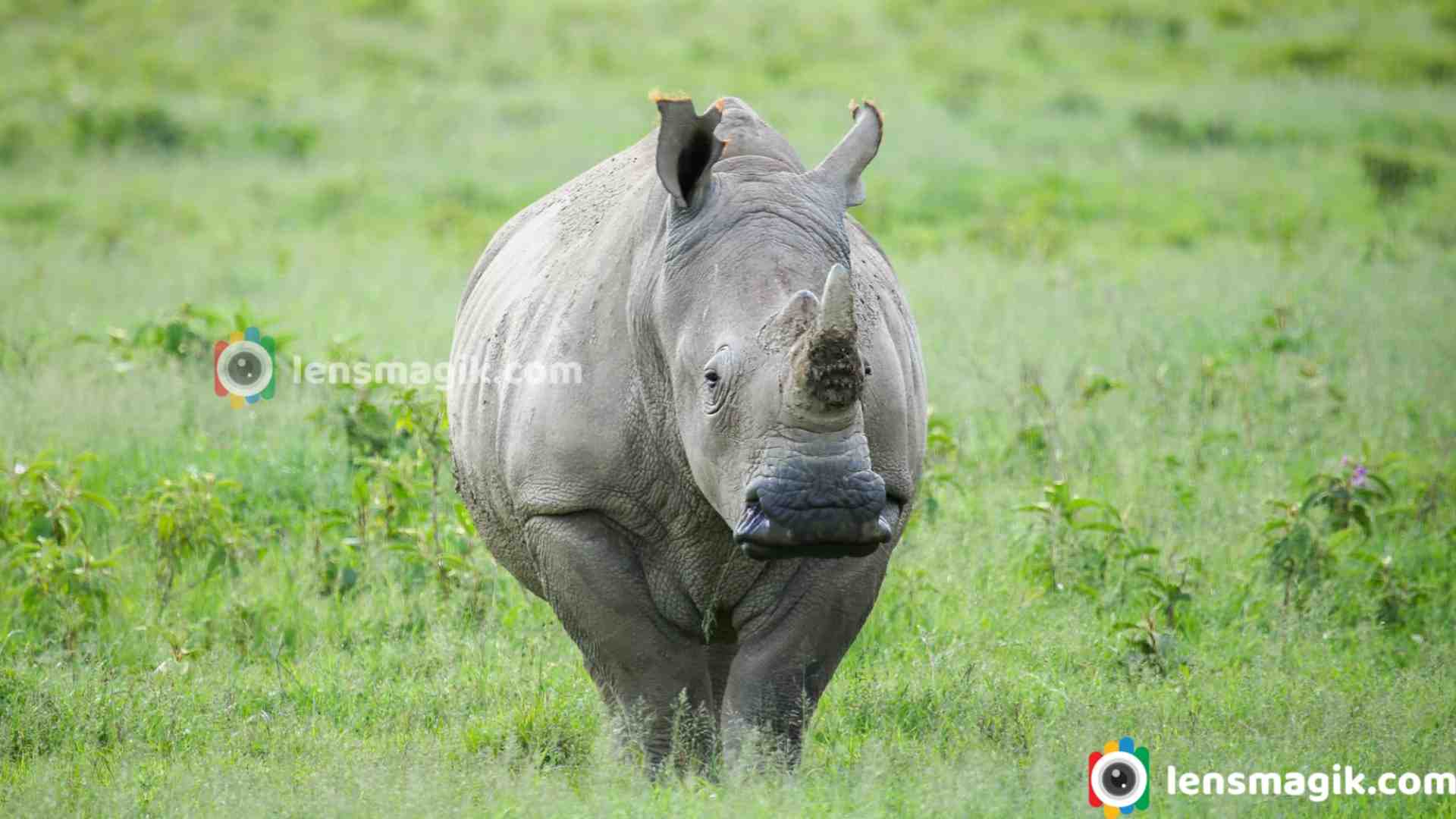
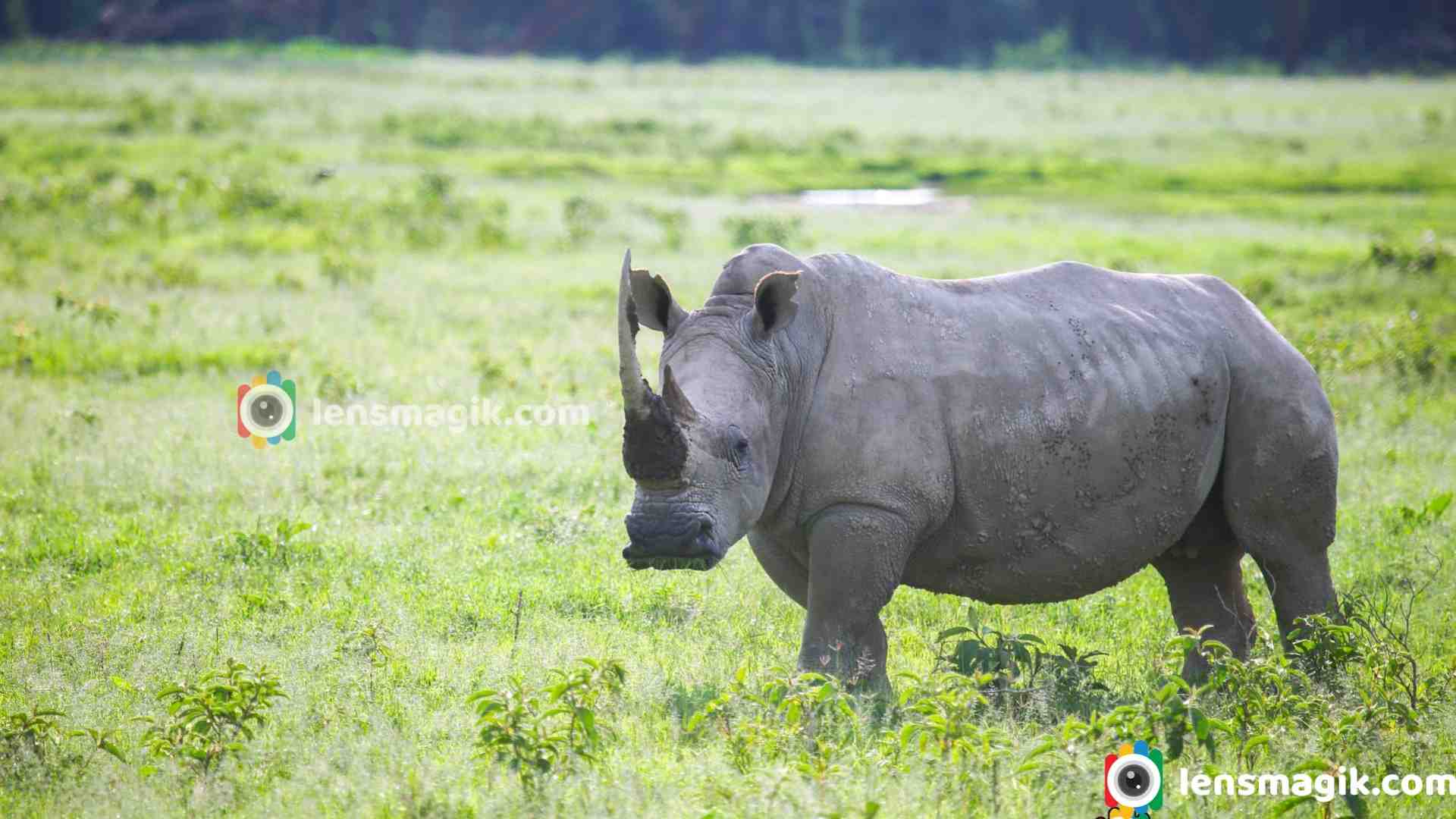
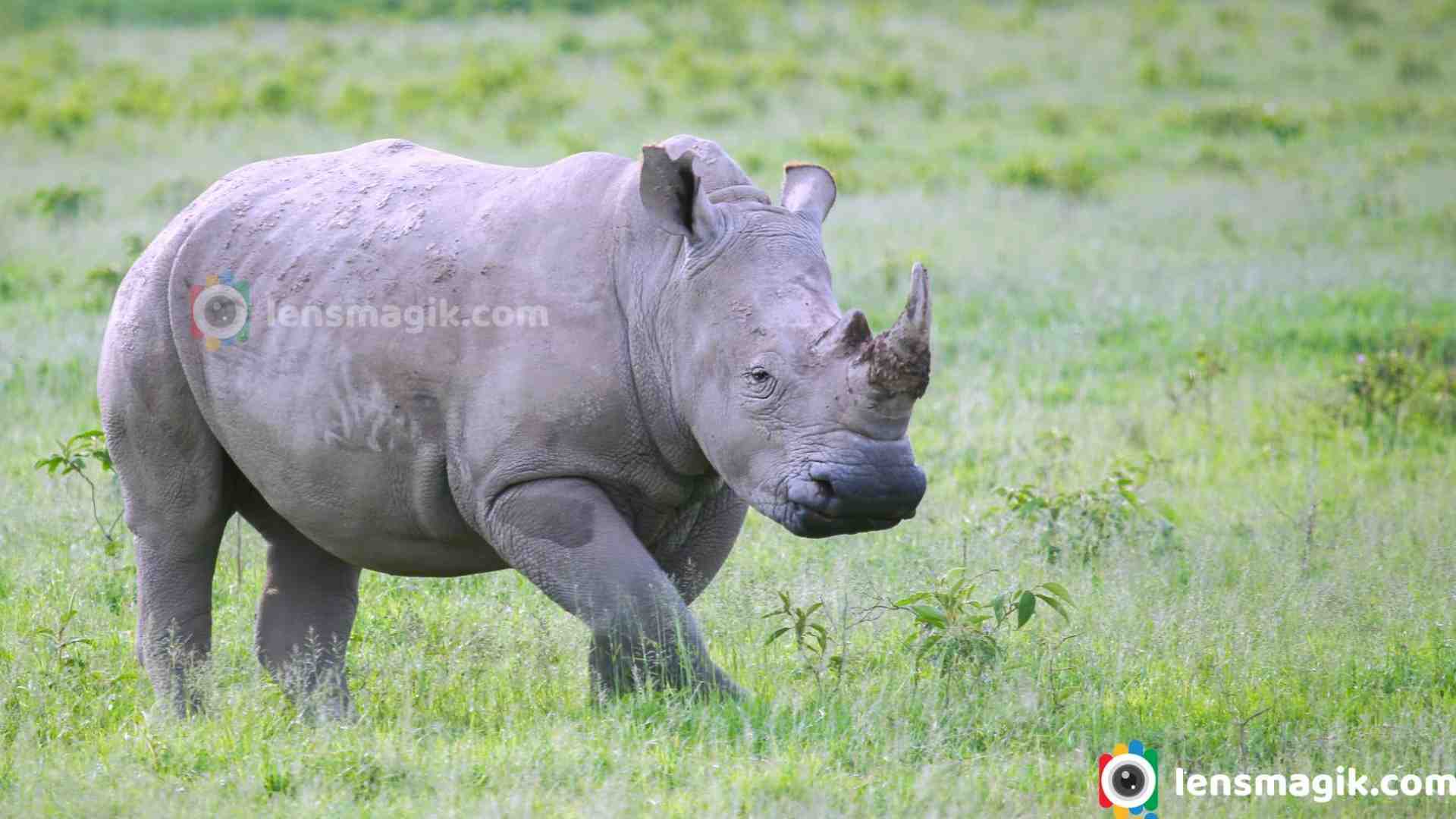
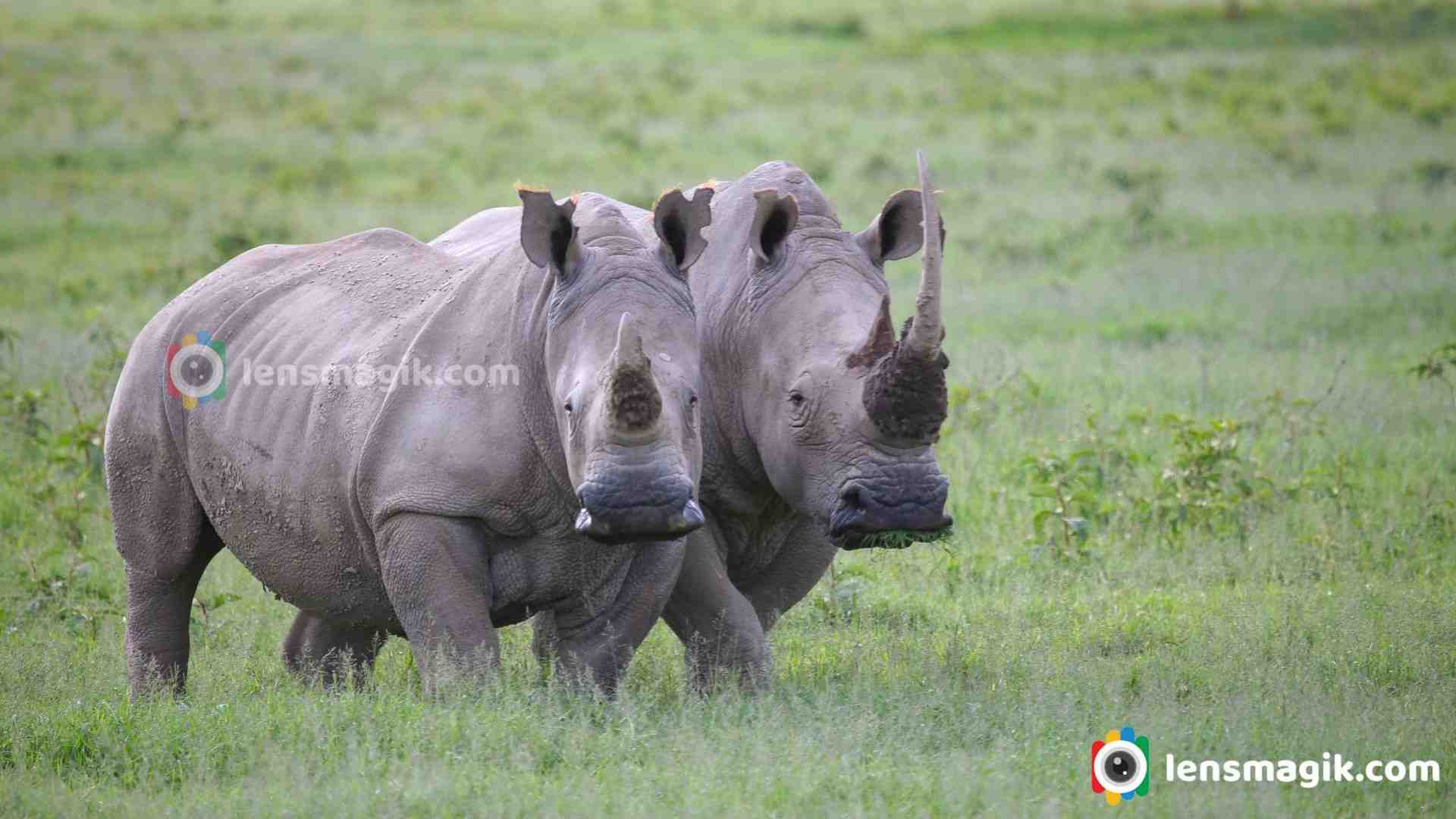
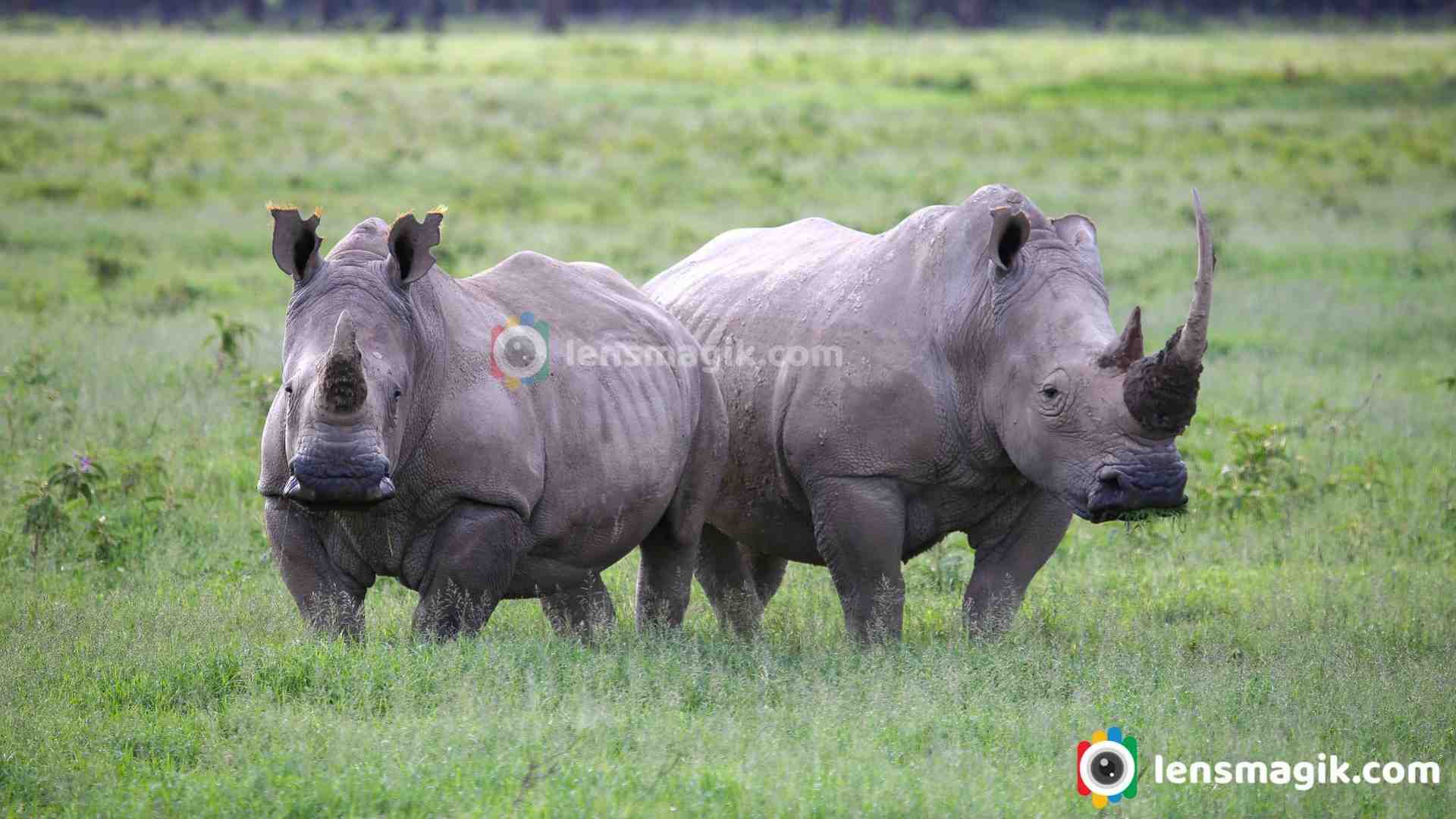
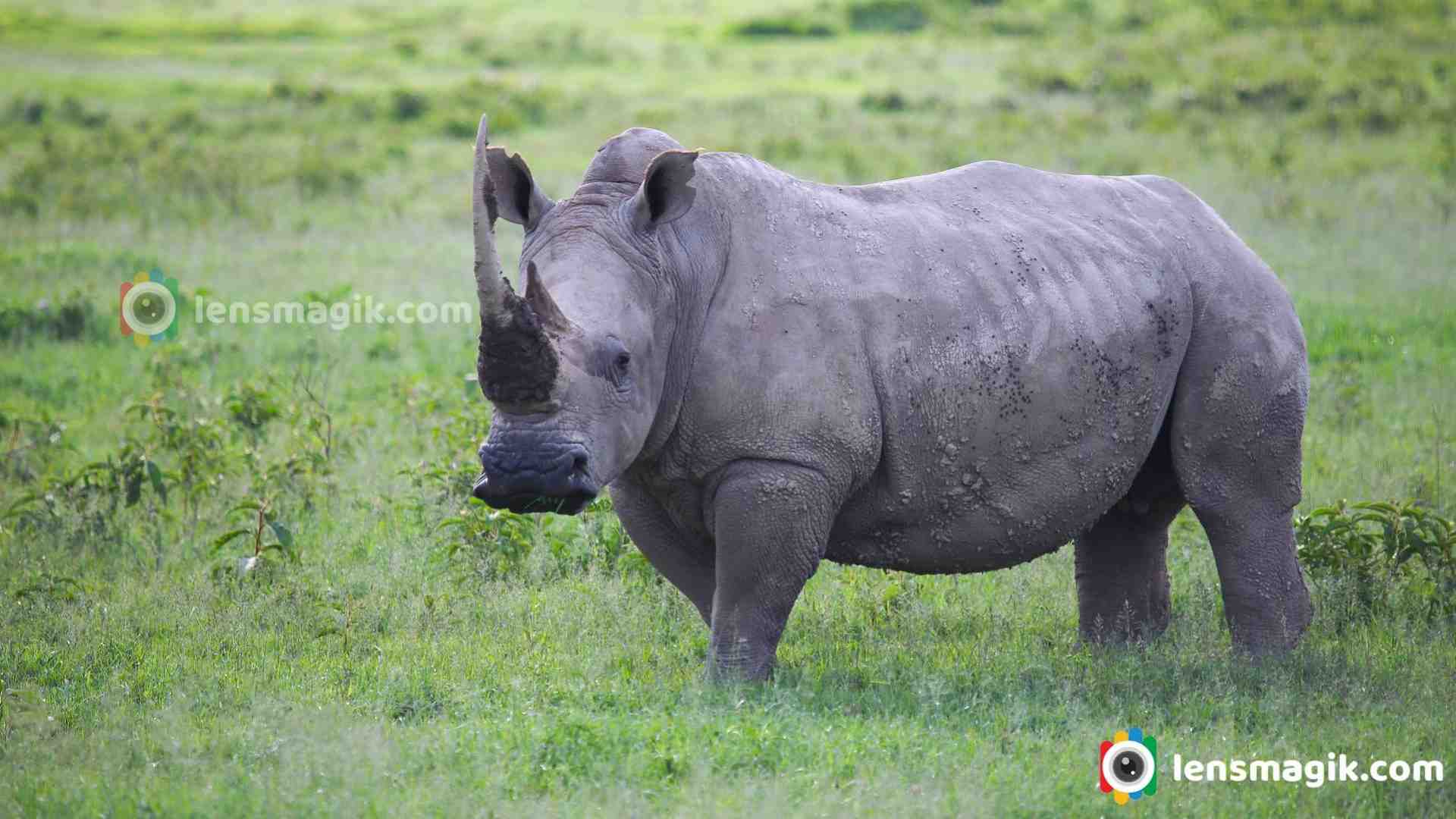
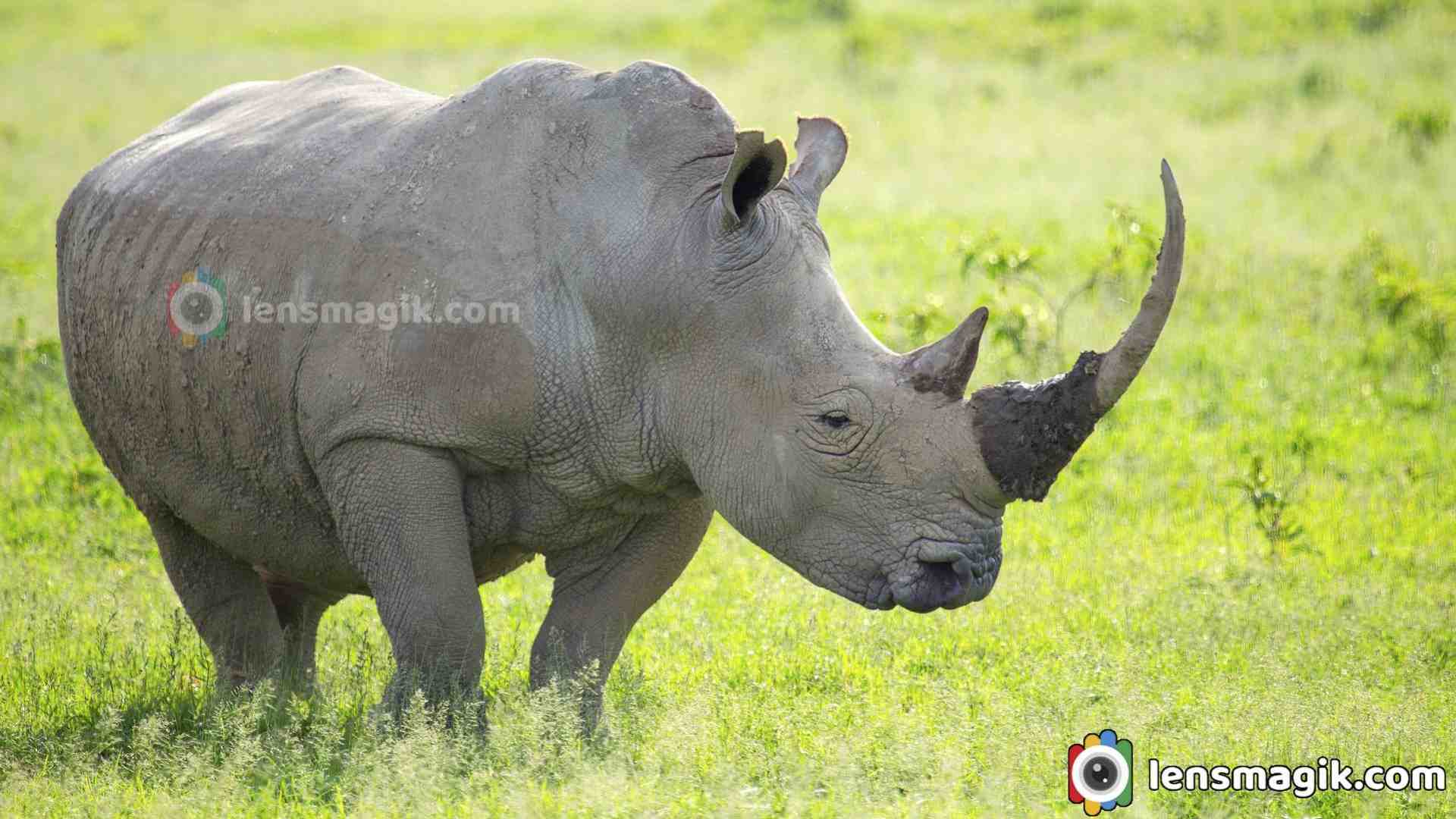
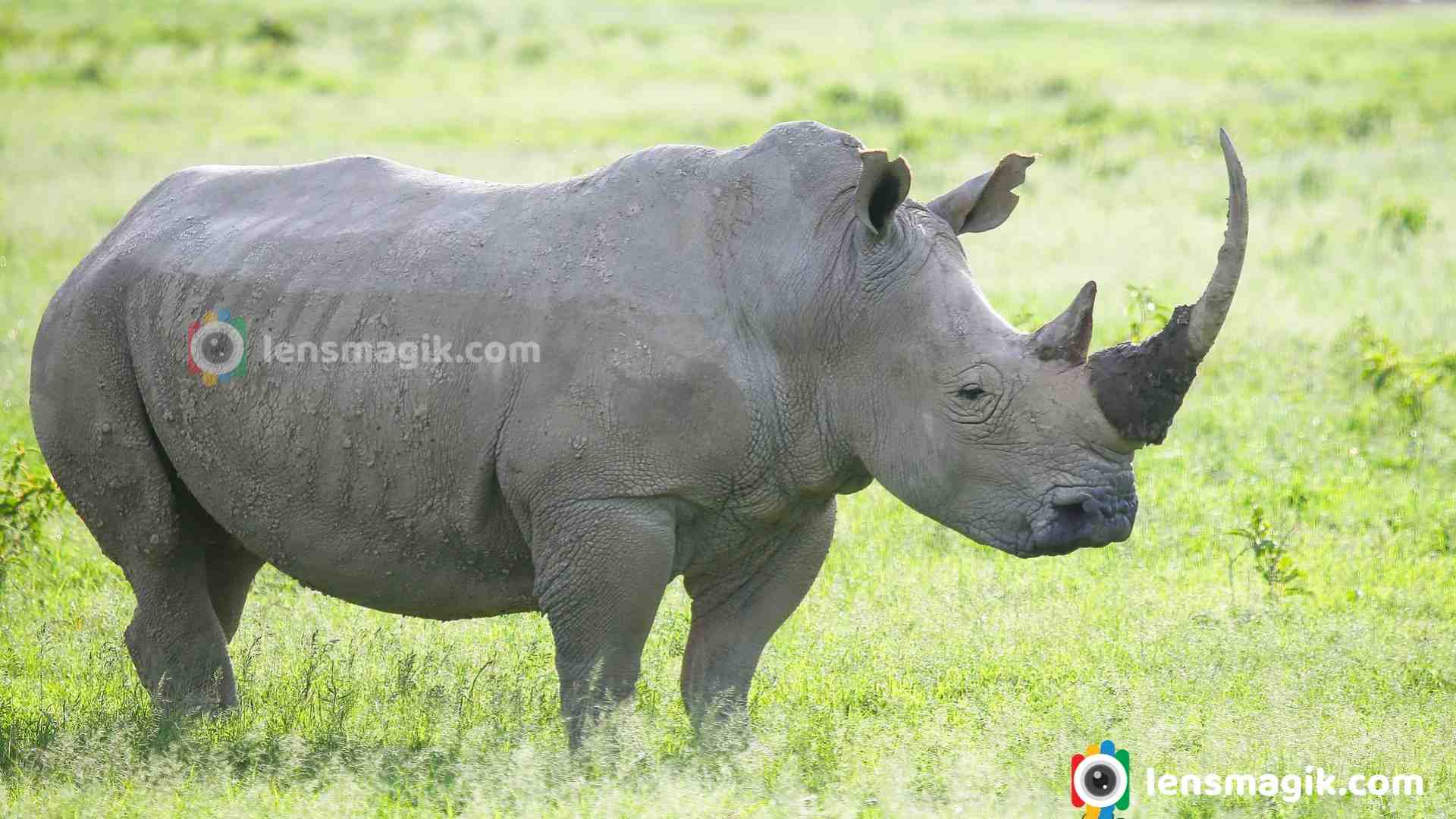
The Black Rhinoceros is also known as Hook-lipped Rhinoceros. Black Rhinoceros generally found at Eastern Africa and Southern Africa and Botswana, Kenya , Namibia, Tanzania, South Africa, Zambia and Zimbabwe. Actually its color is not pure black but brown to grey so it is known as Black Rhinoceros. Black Rhinoceros is the only extant spices of genus Diceros. African Black Rhinoceros is critically Endangered spices in IUCN list which is native eastern and south Africa.
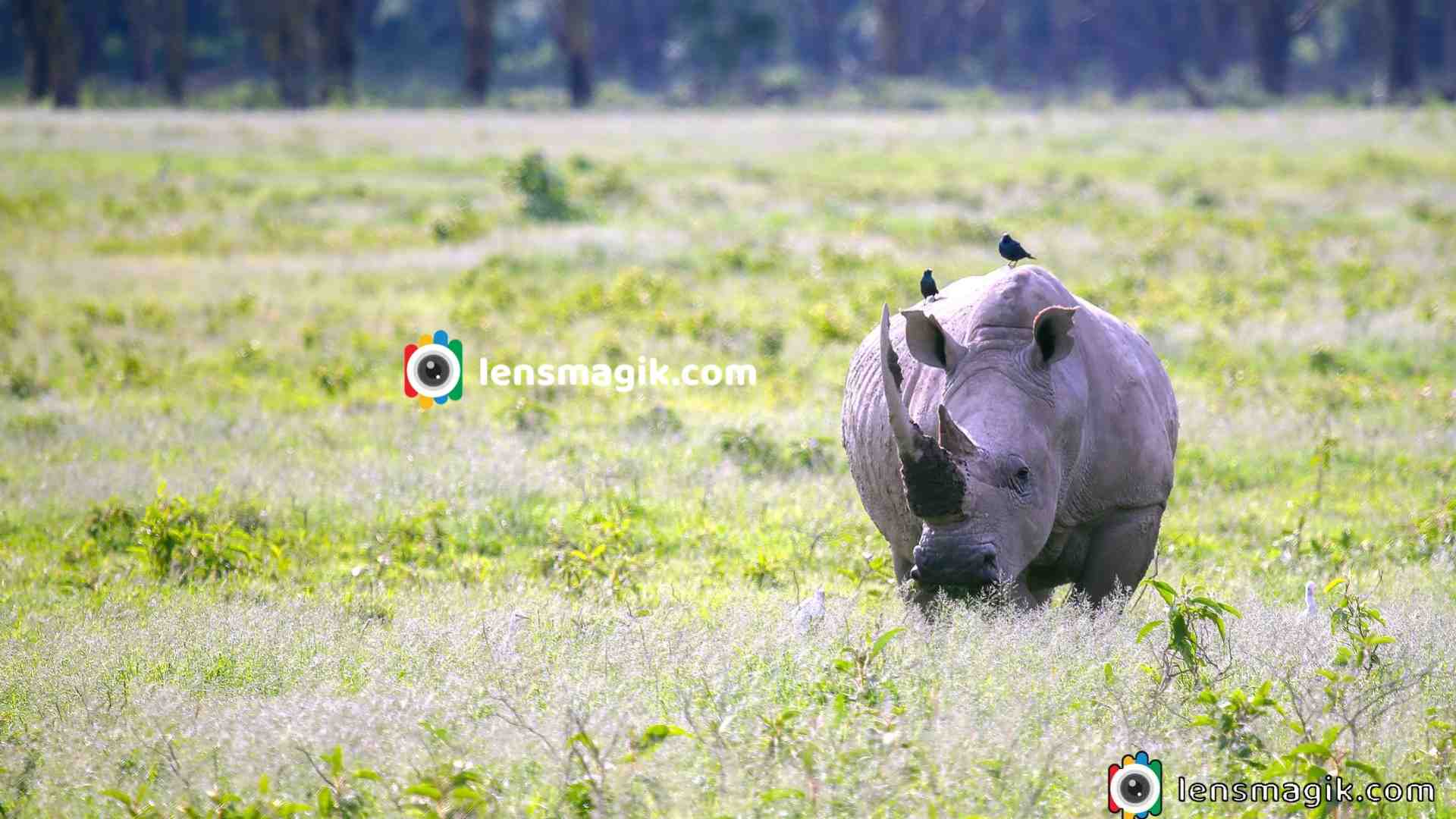
Subspices of Black Rhinoceros :
- Southern Black Rhinoceros
- North-Eastern Black Rhinoceros
- Chobe Black Rhinoceros
- Uganda Black Rhinoceros
- Western Black Rhinoceros
- Eastern Black Rhinoceros
- South-Central Black Rhinoceros
- South-Western Black Rhinoceros
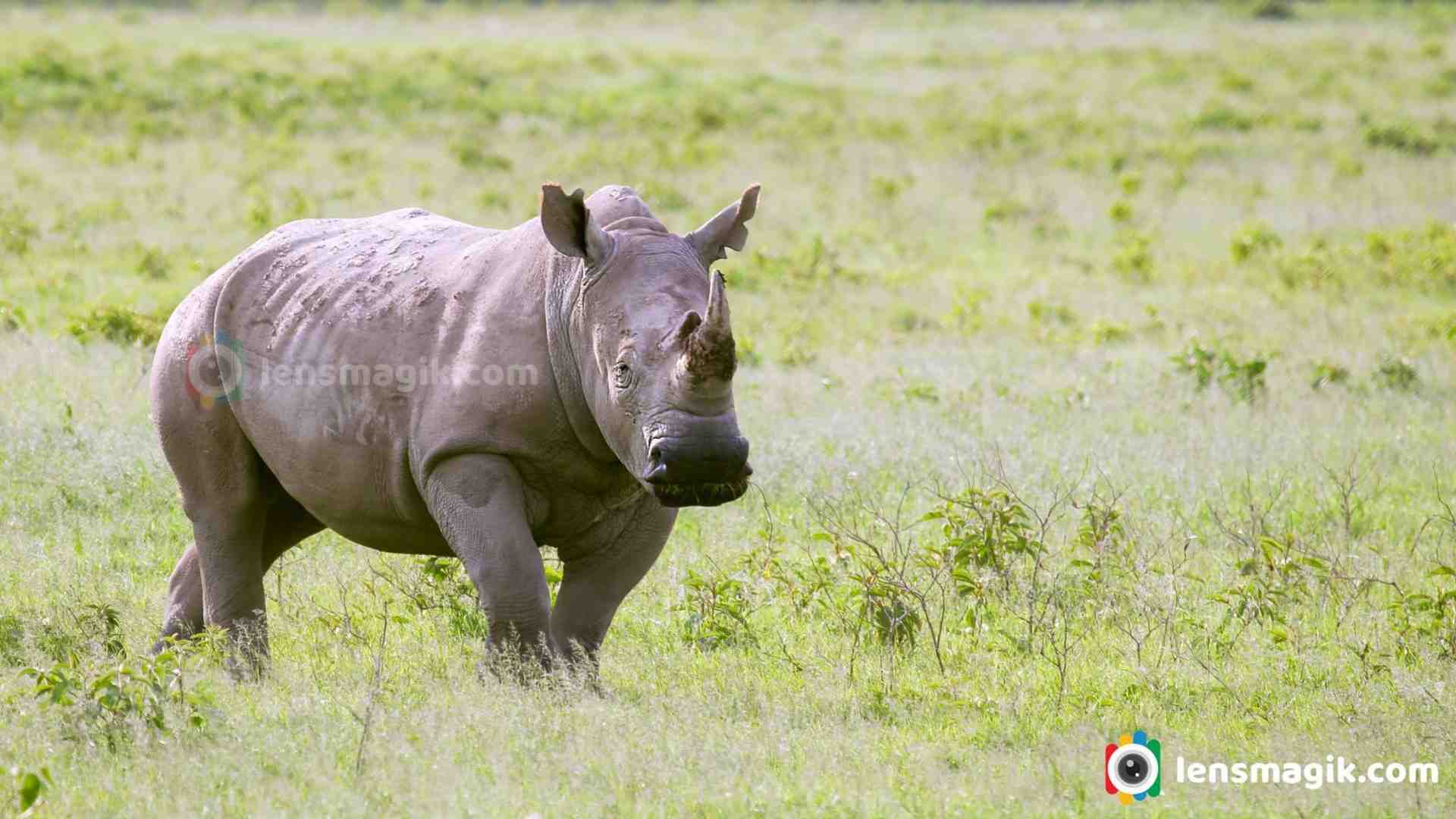
Things to Know About Black Rhinoceros :
- Black Rhinoceros is little smaller than White Rhinoceros. Male Rhinoceros weight around 800 - 1350 kgs and female Rhinoceros weight around 550-950 kgs.
- Color of Black Rhinoceros is dark grey.
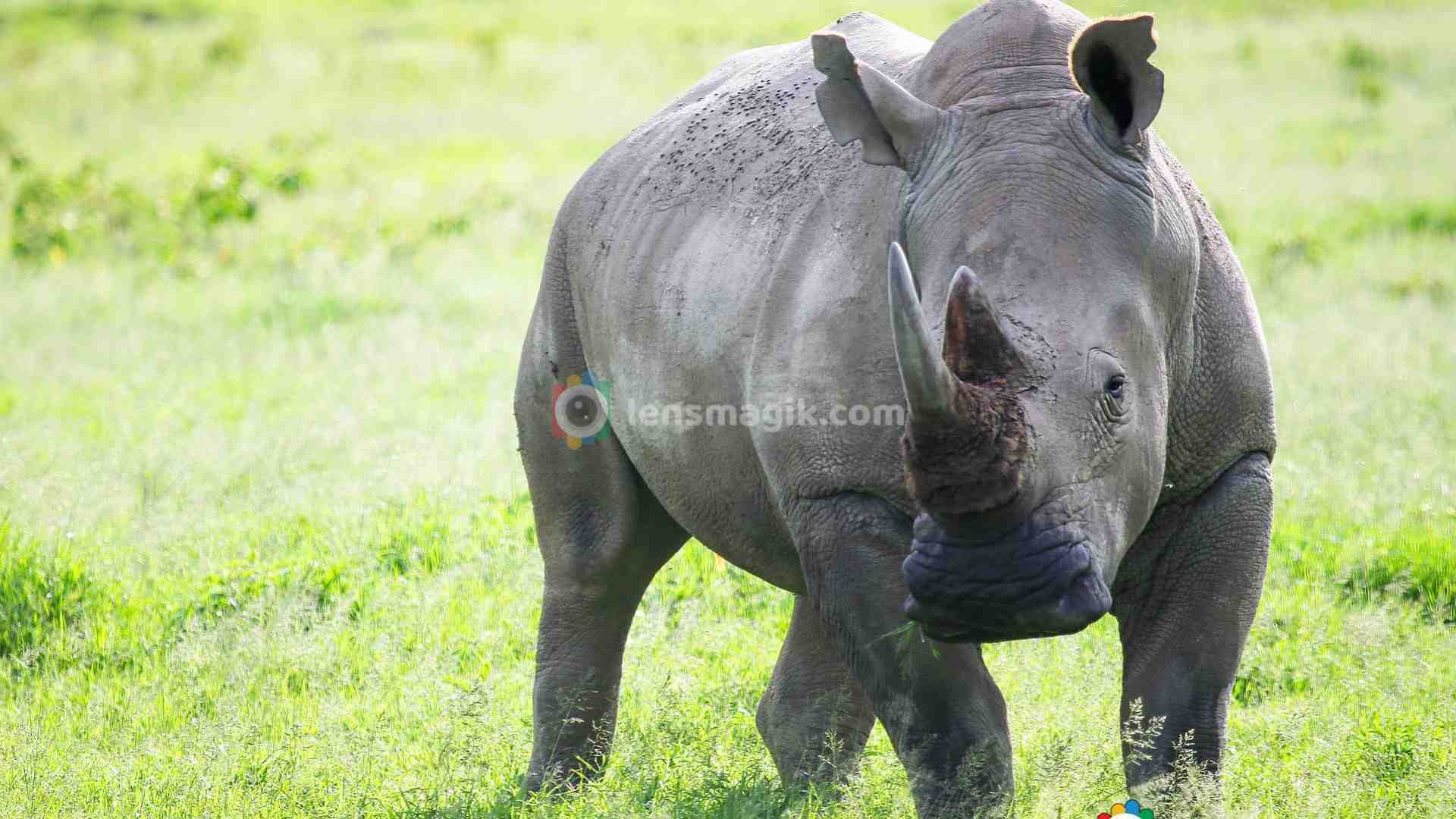
- They have 2 horns which is made of keratin. Front horn is longer than back horn.
- They are herbivorous so they eat generally shrubs and trees.
- Black Rhino are solitary animal. They are generally not harmful. But mother with calves can be dangerous. Also they are aggressive while threatened.
- Black Rhinoceros is the only extant spices in genus Diceros.
- Their horns are not attached to skull. Once horn broken then it will grow again.
- Black Rhinoceros have prehensile upper lip which is very helpful to reach food.
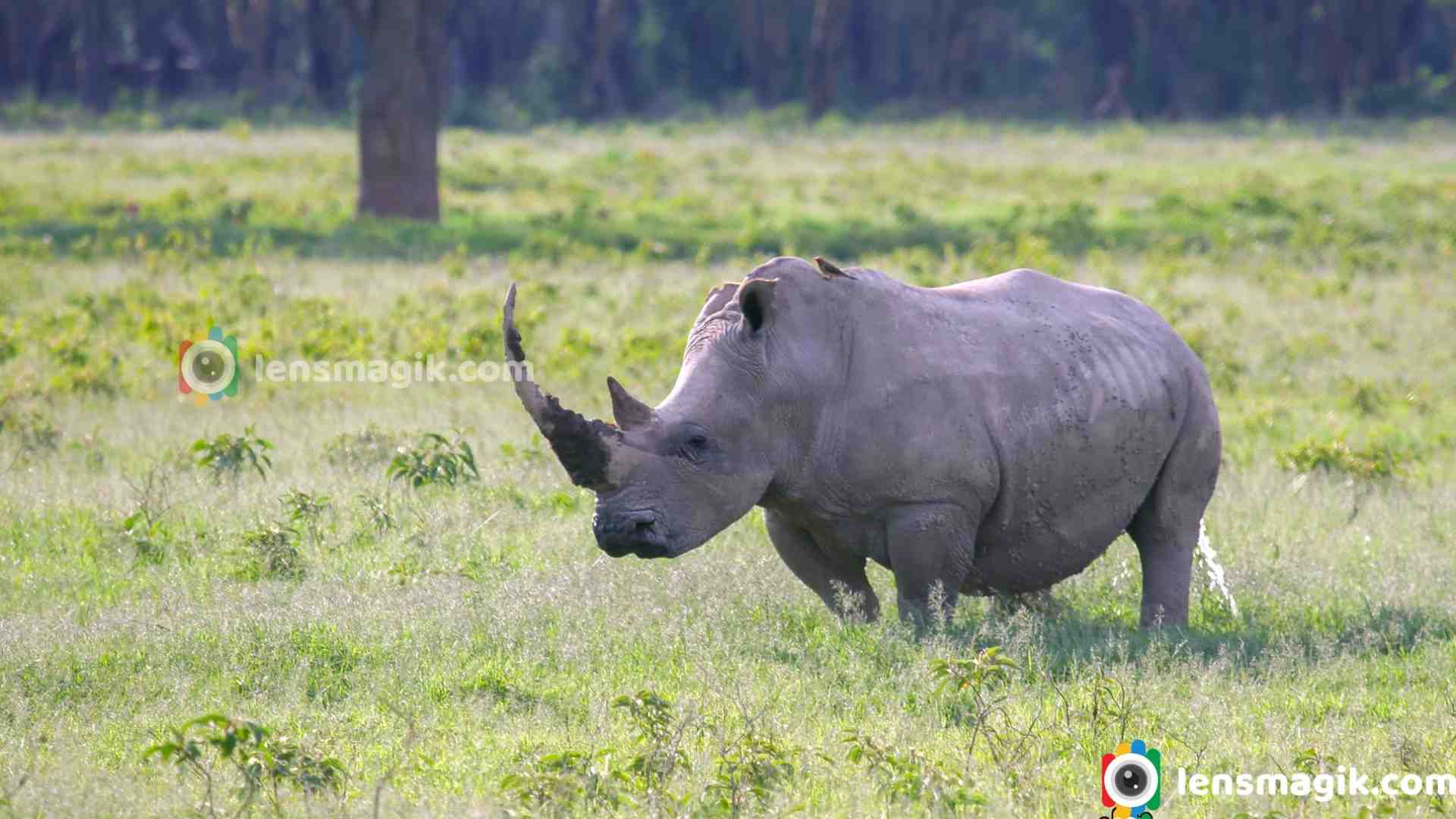
Treats and Conservation Efforts :
- Rhino's horn are most expensive and highly valuable in traditional Asian Market. Black Rhino is poaching for their horns mainly.
- They loss their habitat due to development , human activities, agriculture developments etc. Due to these reasons their numbers are decreasing too.
- Arrange breeding programs for increasing Black Rhino populations.
- Create good environment for Black Rhino habitats and give more efforts for it.
- To protect from poachers many organizations are working and they regularly do Anti Poaching petrol and measures.
- As per reports of IUCN there are only 22,137 rhinos in Africa and among them 15,942 are White Rhinos and 6195 Black Rhinos.
- Black Rhinos are listed as Critically Endangered Spices in IUCN list
- Rhinos are one of Big Five African animals.
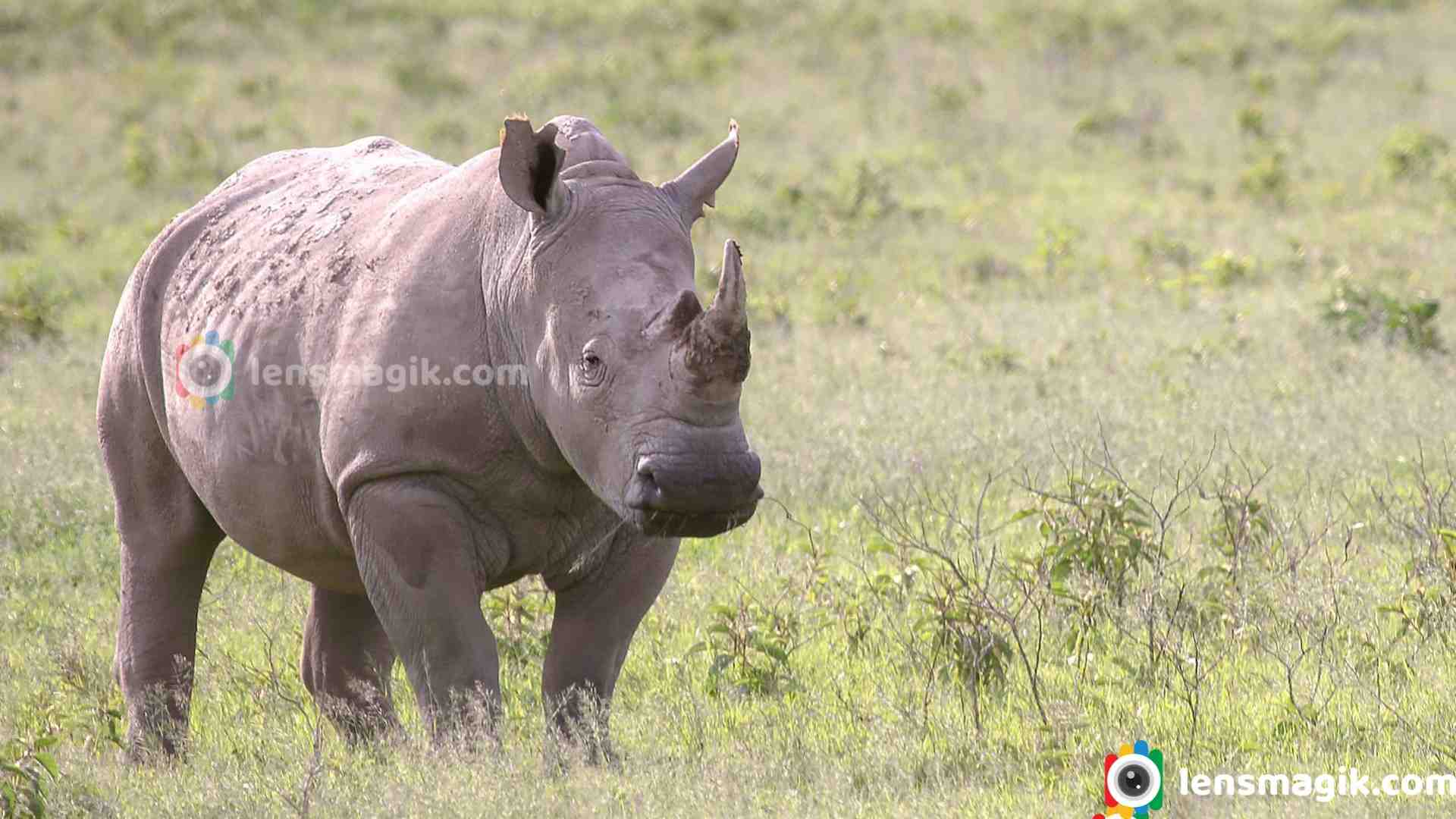
About Lake Nakuru :
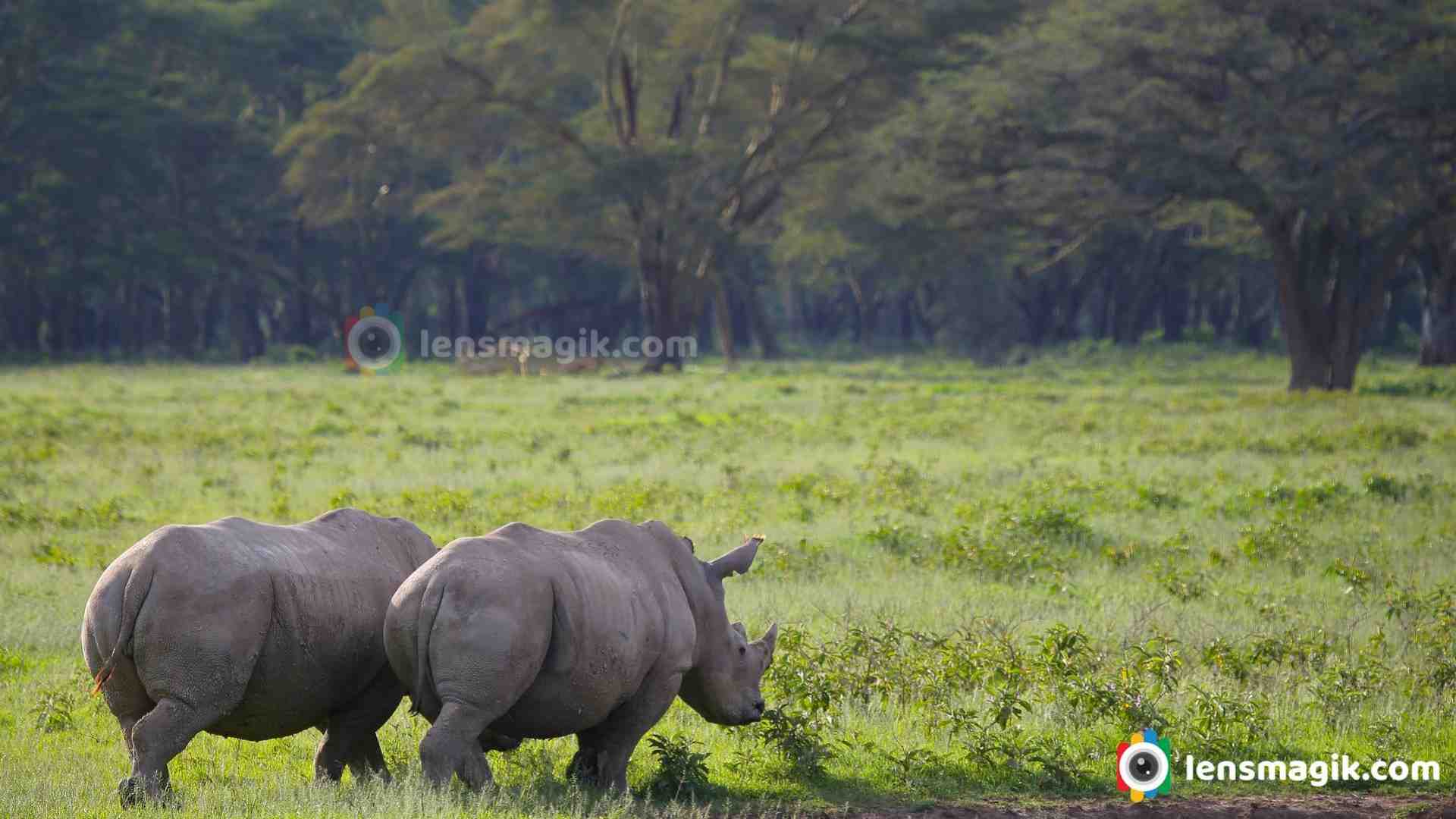
Lake Nakuru is one of the rift valley lakes located in west central Kenya. Lake Nakuru is famous for African Black Rhinoceros and Pink Flamingo bird. Total around 150 Rhino found in Lake Nakuru. Among them 80% are Black Rhinos and 20% are White Rhinos. Lake Nakuru park is set up for to protect huge number of Pink Flamingos. Lake is facing water balance and water quality problems. There are also many birds and lions found here so Lake Nakuru is worth to visit during Kenya Tour. Also many good resorts available to stay here.
Places to Visit in Kenya :
Masai Mara National Park, Amboseli National Park, Naivasa Lake, Lake Nakuru are most favorite attractions in Kenya.
Gear Used : Canon 6D, Canon 100-400mm lens
Best Time To visit Kenya :
June to September is the best time to visit all National Park in Kenya because of Migration. During migration your tour cost may too high due to high rates of Hotels and resorts. Also if you want cheap tour then go in February or after monsoon in May is good time. During this time only you can not see migration of Wild beast.
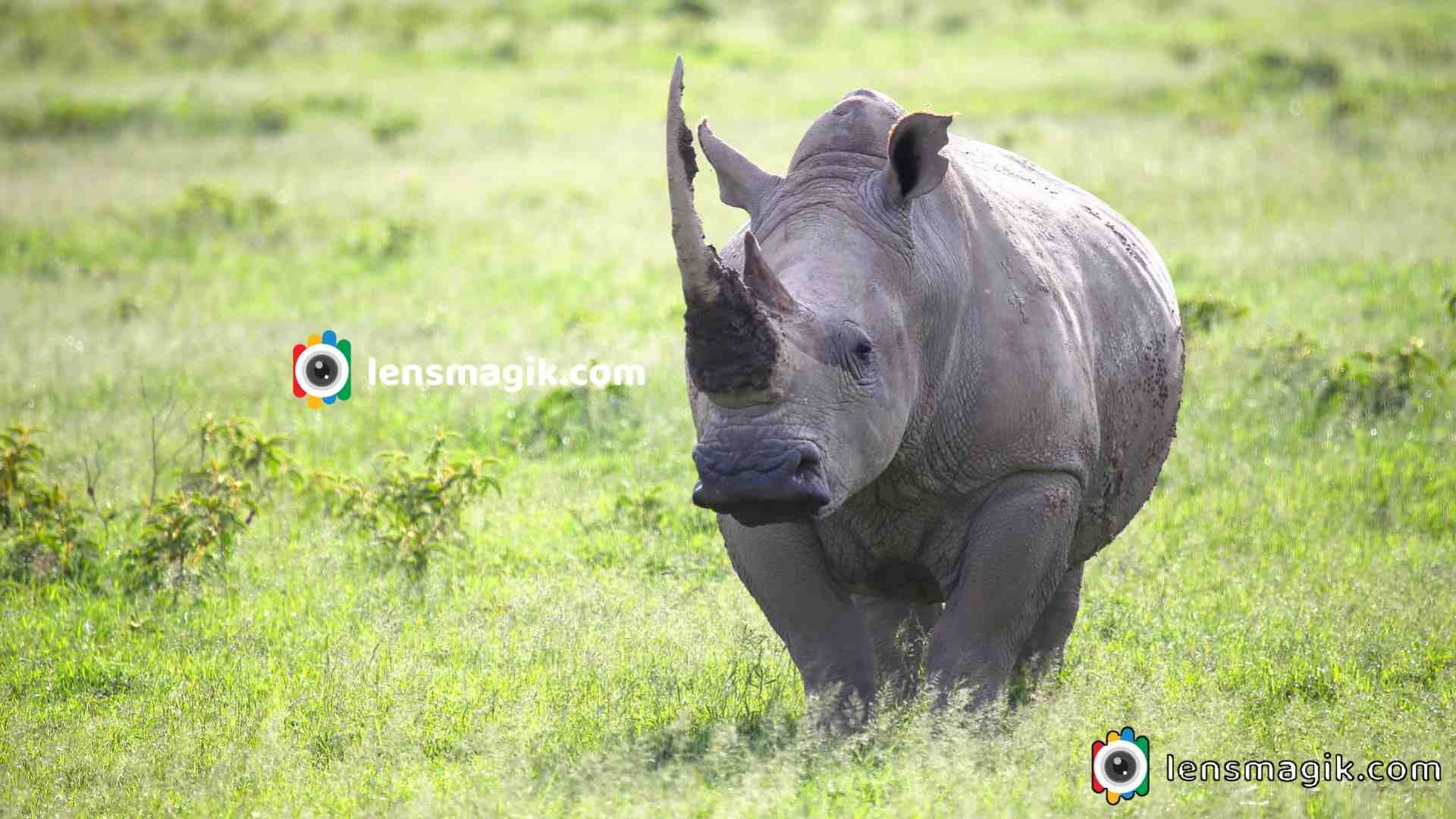
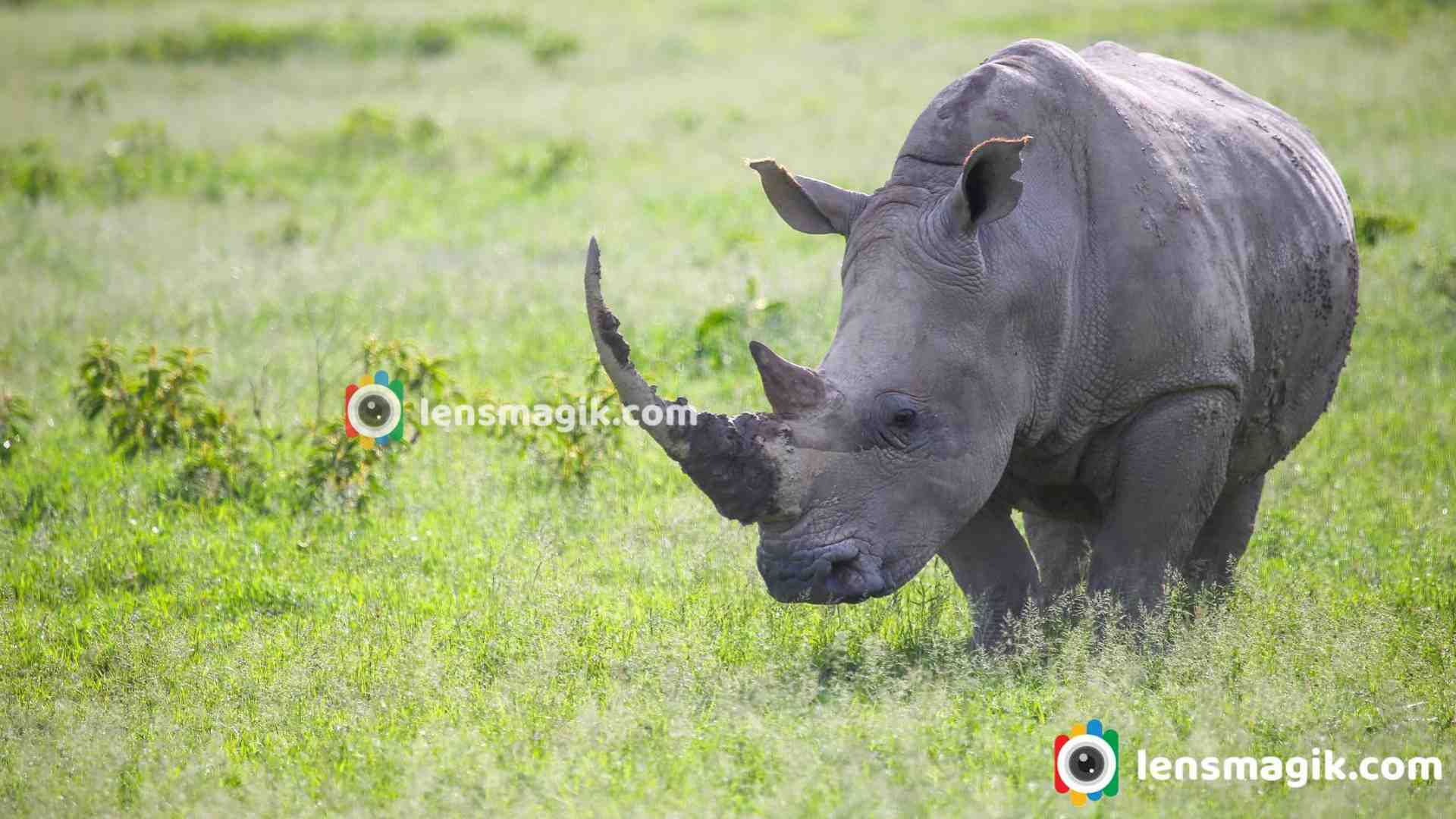
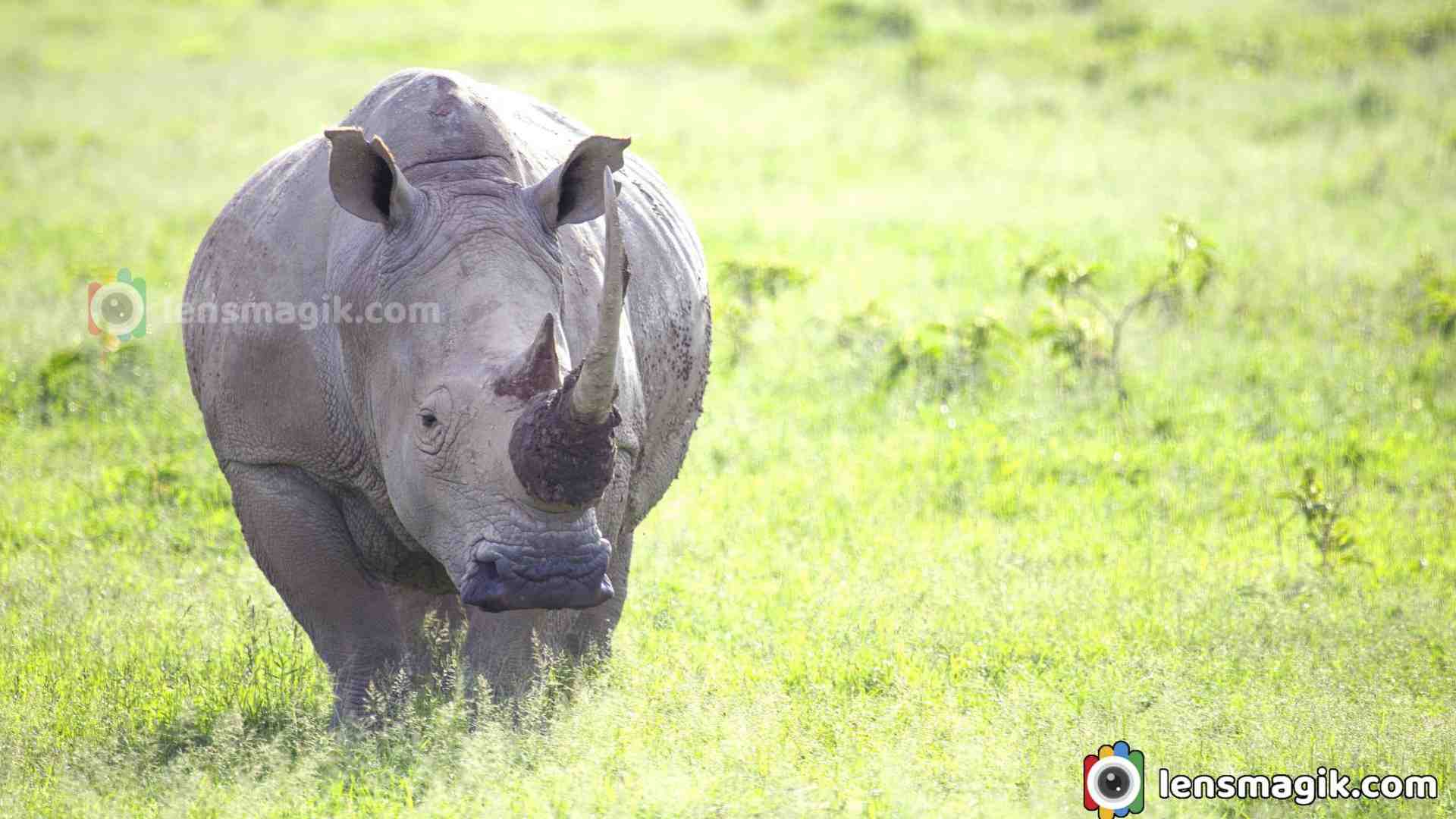
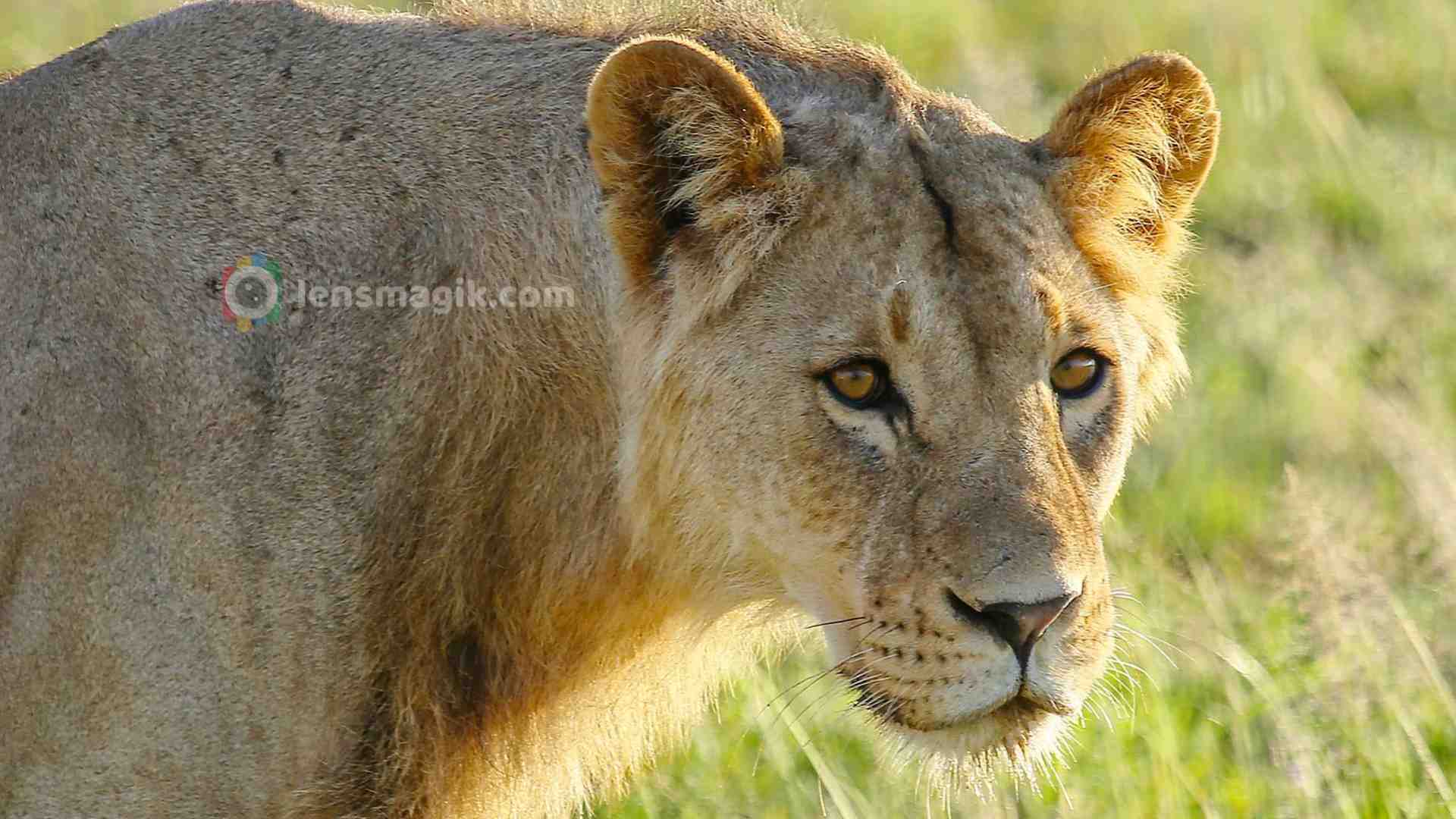
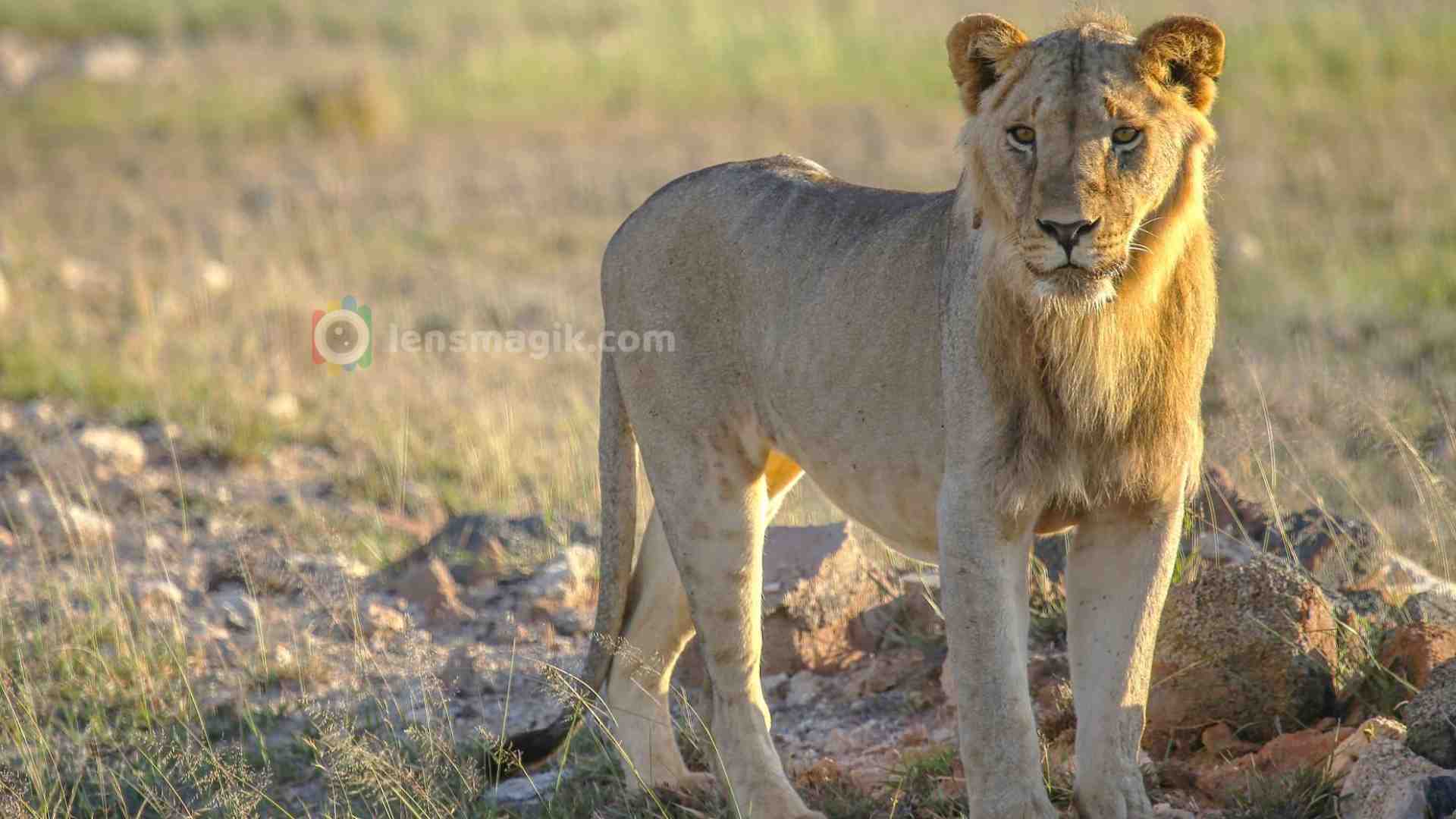
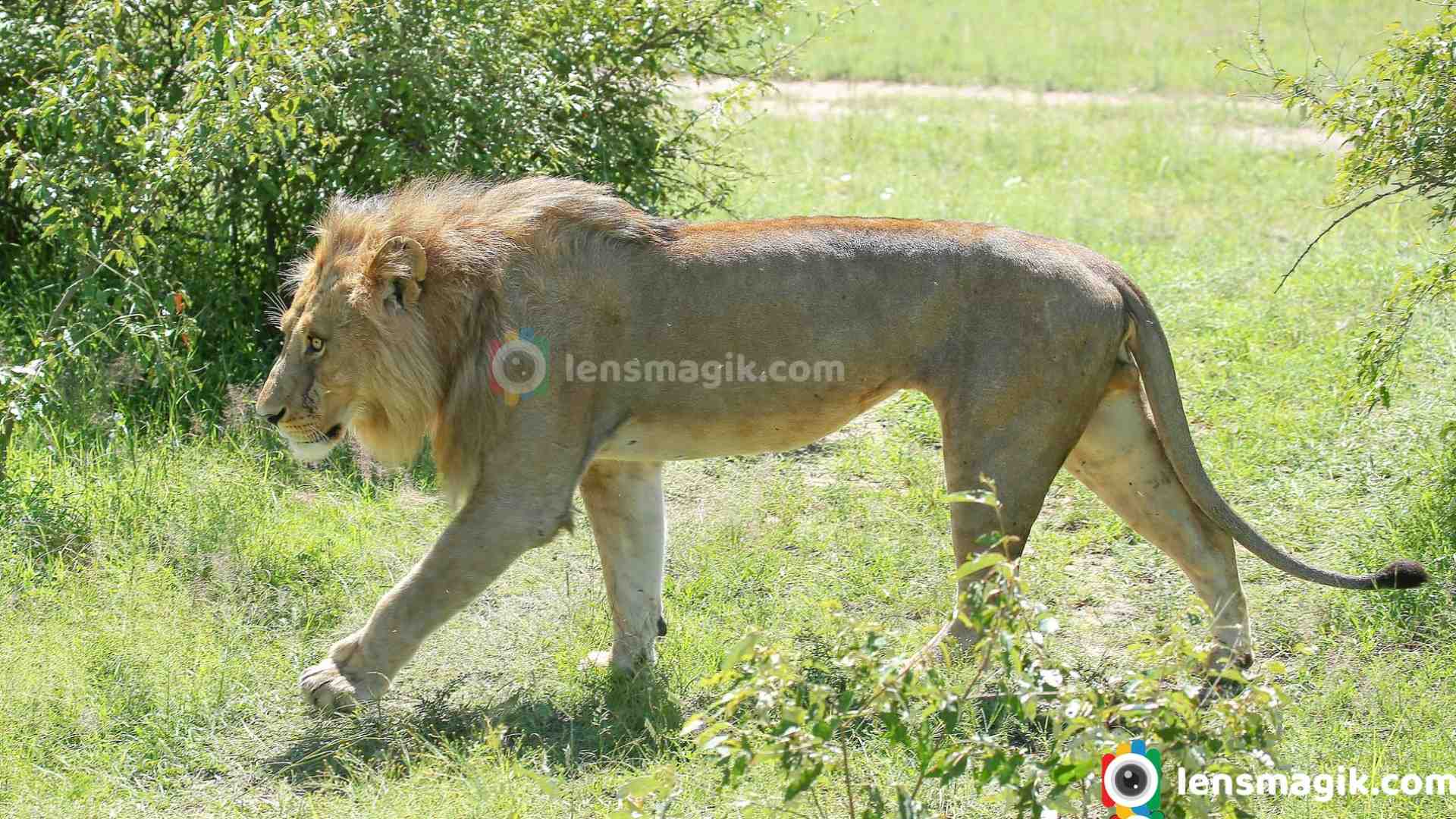
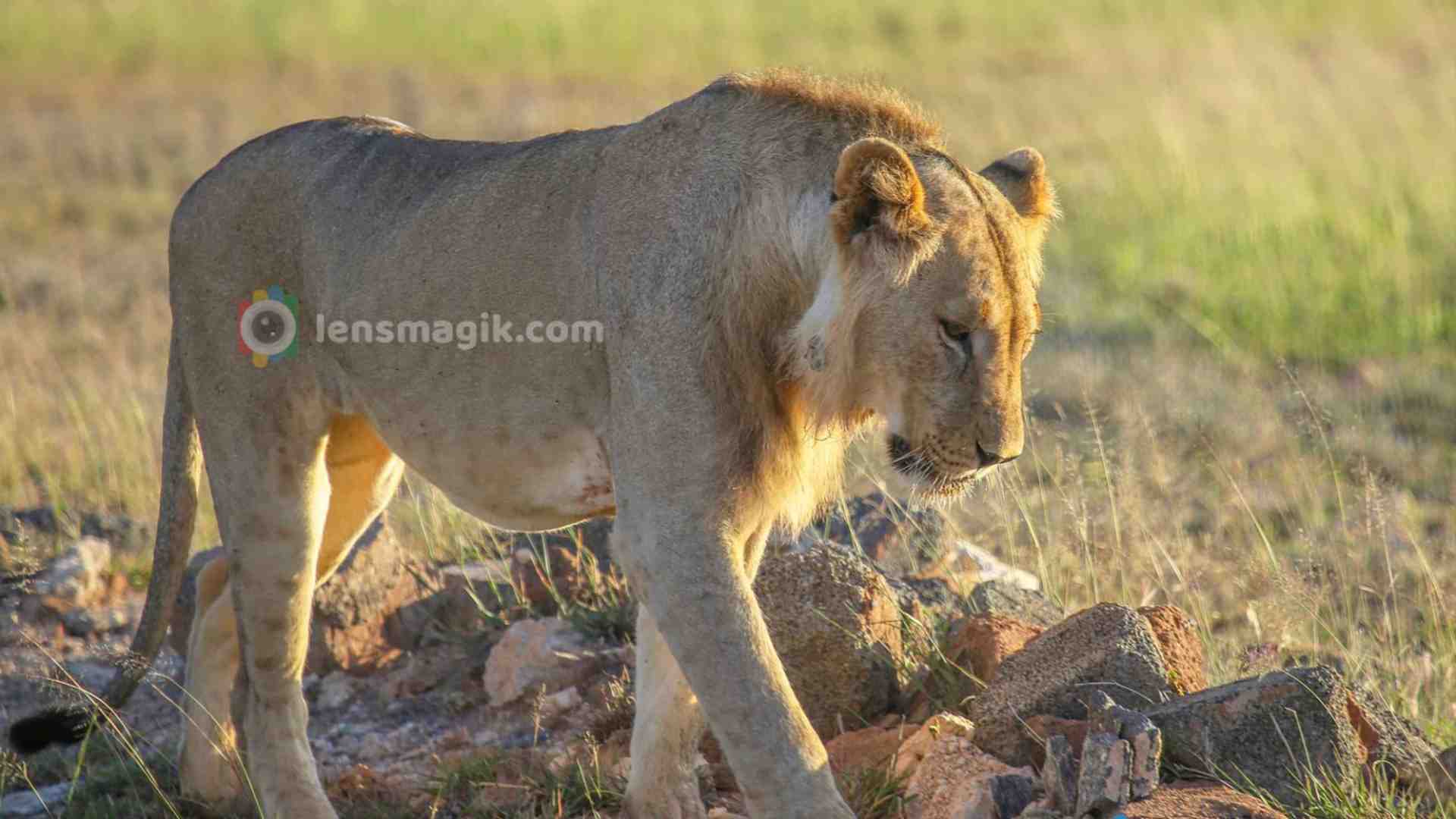
African Lions are keystone spices in African Savanna and also playing a vital role for eco-system. Africa is a dream of every wildlife Photographer to visit. In Africa you can find mammals, serpents, birds, miniatures, macros, water animals and many more. In Africa most people in the world visit Masai Mara National Park. Masai mara is the biggest wildlife National park in Kenya to visit. During June to August month the National park is full of tourist to see the migration of wild beasts. Also you heard about Big Five Africa that includes the major 5 animals of Africa. In Big 5 African Animal includes Lion, Leopard, Buffalo, Rhino and Elephant. Africa is very famous for Lions and Elephants too. In Masai Mara Safari timing is early morning and evening can do also you can go for full day safari about 6 hours with packed lunch. I found lions and also pride of lions in early morning safari.
Facts About African Lions :
- African lion is a spices of Pantherian Cat.
- It has deep chested body and round head and ears.
- African Lion total length is about 208 cm from head to tail.
- Group of femali Lions hunts together.
- Adult male Lion have prominent mane.
- Lions found in grassland and savannas.
- Population of Lions in African countries decline about 43% since 1996 so they put Vulnerable on IUCN red list.
- In zoos lions breed with tigers for hybrid spices. Hybrid spices called Liger. It is bigger than Lion and Tiger.
- Lions are only cats that lives in Group.
- A lion's roar may heard around 8 km away.
- Lions mark their territory with their wee and create a border.
- African lions bite force is around 600-1000 PSI.
- Lions are most intelligent cats.
- Lions gestation period around 3-4 months. They deliver 2-6 cubs generally. Cubs stay with mother around 18 months.
- African lions lifespan is around 15-18 years.
- As per African wildlife report lions can sleep 20 hours in a day.
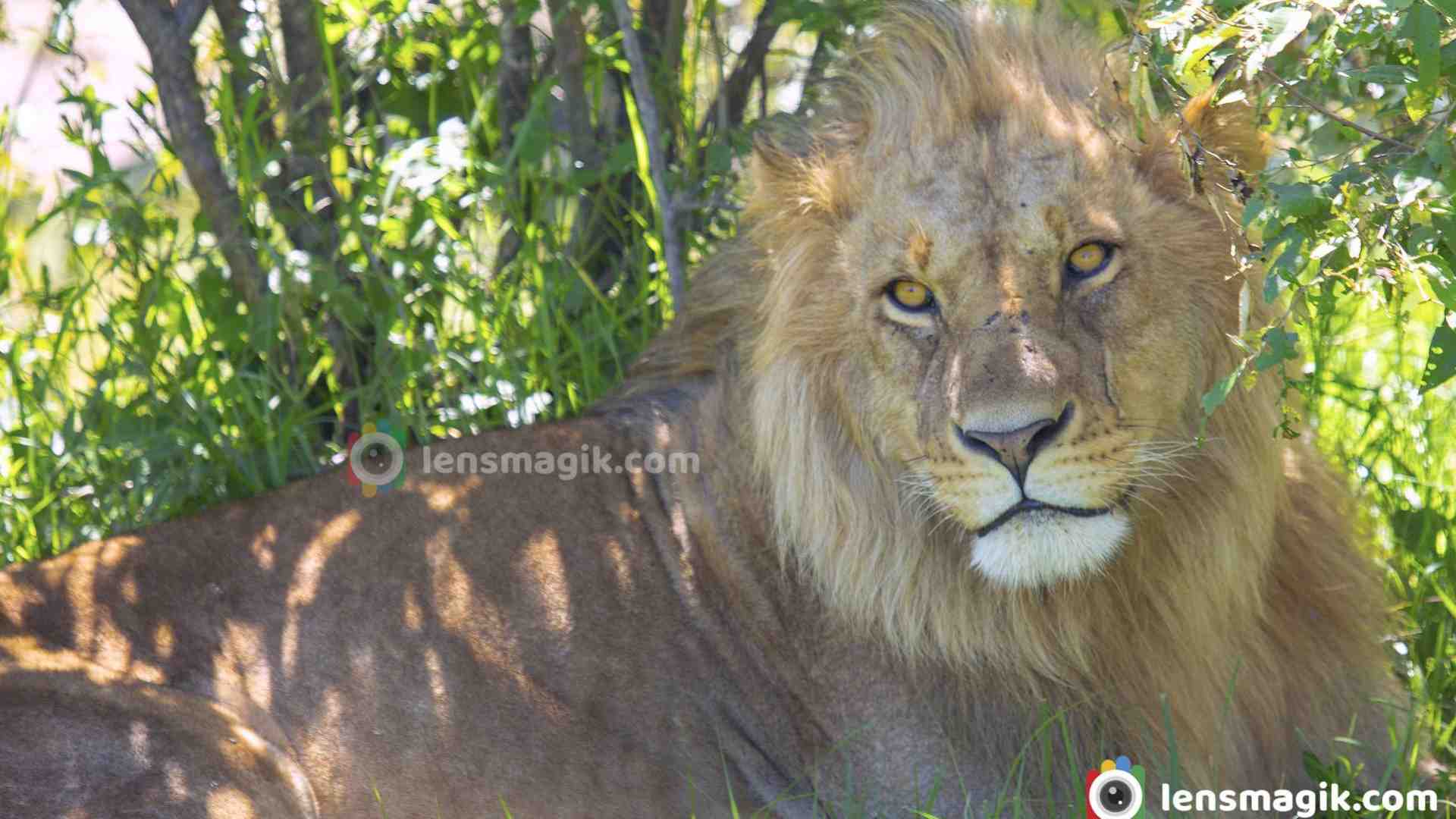
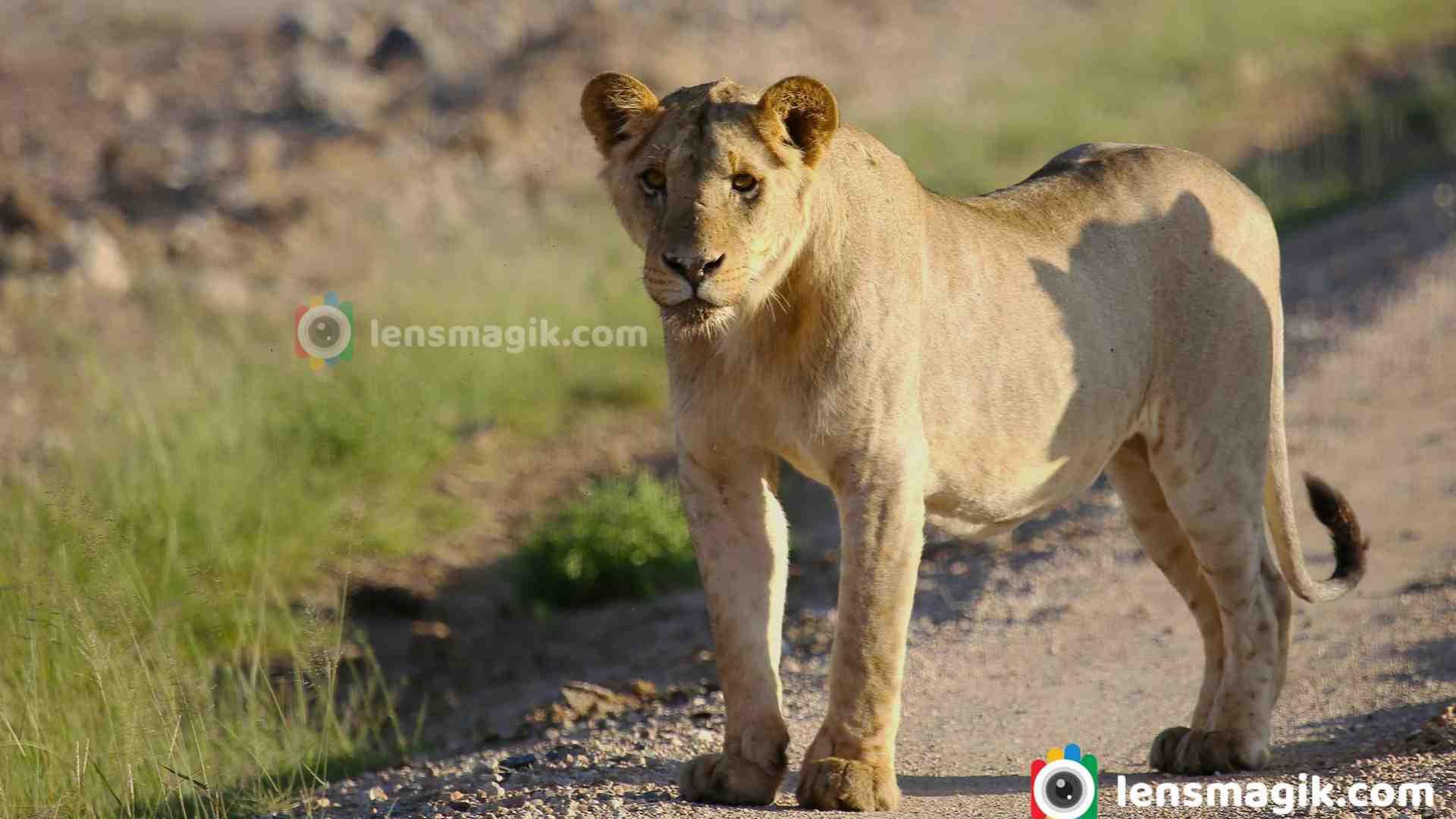
In Kenya there are lots of wildlife Sanctuaries to visit like Masai Mara National park, Amboseli National Park, Tsavo National park, Lake Nakuru, Lake Naivasa etc. Among them Masai Mara National Park and Amboseli National Park are most favorite for Lions and Elephants. In Masai mara national park you can see all major animals at one place so it is most favorite place for wildlife photographer. During migration time the Masai Mara National Park is full of tourist. There are many resorts inside of Masai Mara National Park so it is better to do best experience in the wild. During migration time resorts and hotel prices are too high.
Park fees For Masai Mara National Park :
From 1st Jan 2024 park fees for Masai mara national park is revised and increased too.
For Non resident adult fees is 100 $ per person per day. Child from 9-17 years fees 50$ per person per day. These fees are applicable from 1st January to 30 th June.
From 1 st July onwards fees for Masai Mara National Park is 200 $ for non resident adult per person per day. For child fees remains same.
Lions are most social big cats. They living in pride which include females, cubs and one or two males. Lions are predators and they hunt together with teamwork to take down prey. Population of African Lions are significantly decline due to habitat loss, poaching , conflict with humans etc.
African Lions Vs Asiatic Lions :
- African lions are bigger than Asiatic Lions. African Lion weight around 500 pounds of male and 350 pounds of female. Asiatic Lion weight 450 pound of male and 350 pound of female.
- Male African lion have thick and full mane while Asiatic lions have shorter and sparser mane.
- Both lions live in pride but African Lion pride have one or two males while Asiatic lions have only one male.
- African lions live in various savannas and grasslands in Africa while Asiatic lions have only one forest Gir National Park.
- African Lions hunts large prey like wildebeest, zebra etc while Asiatic lions hunts small prey like Antelope and deer.
- Both Lions spices are Endangered. African Lions face habitat loss and conflict with humans while Asiatic lions face restricted habitat in Gir National Park.
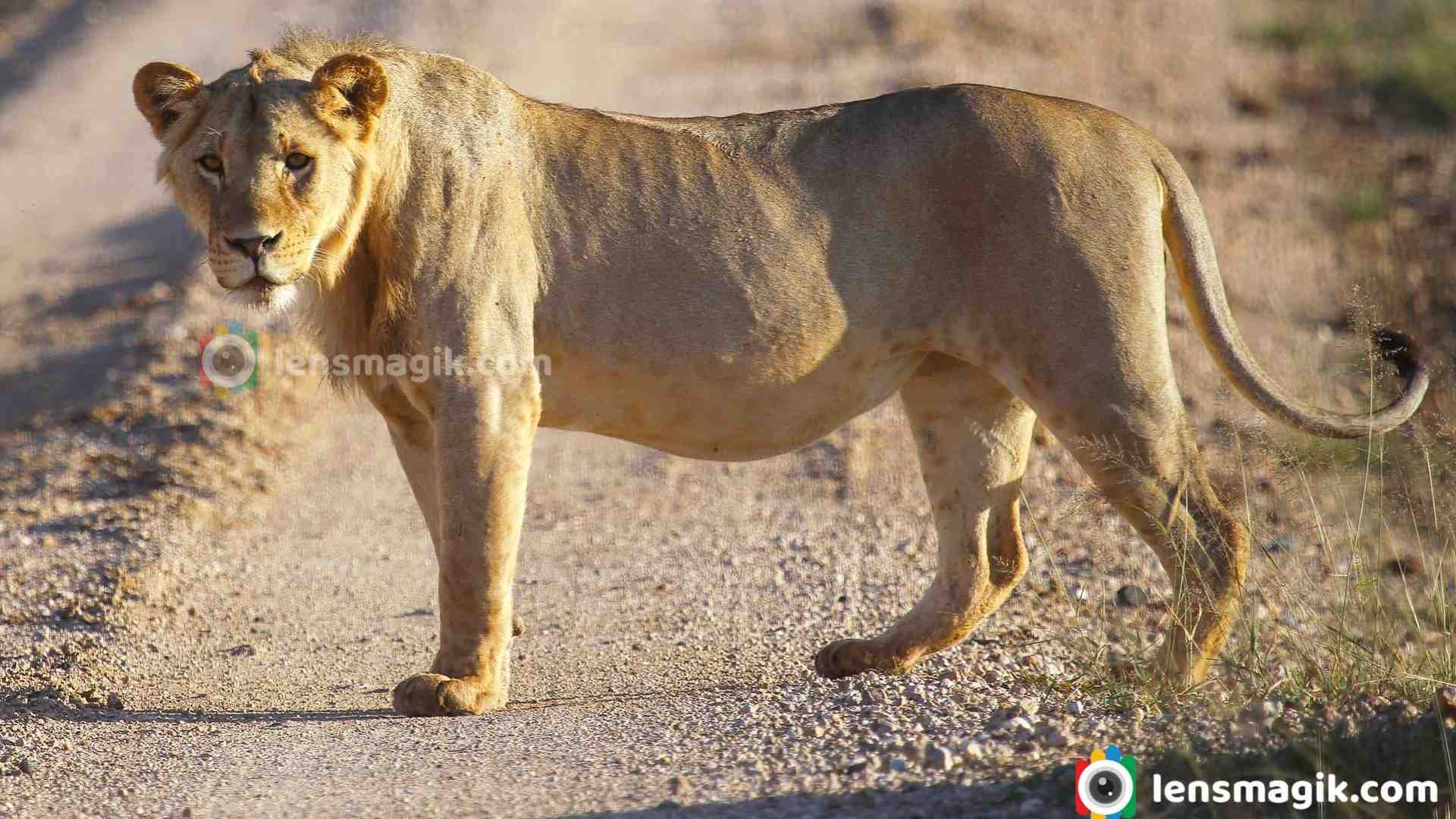
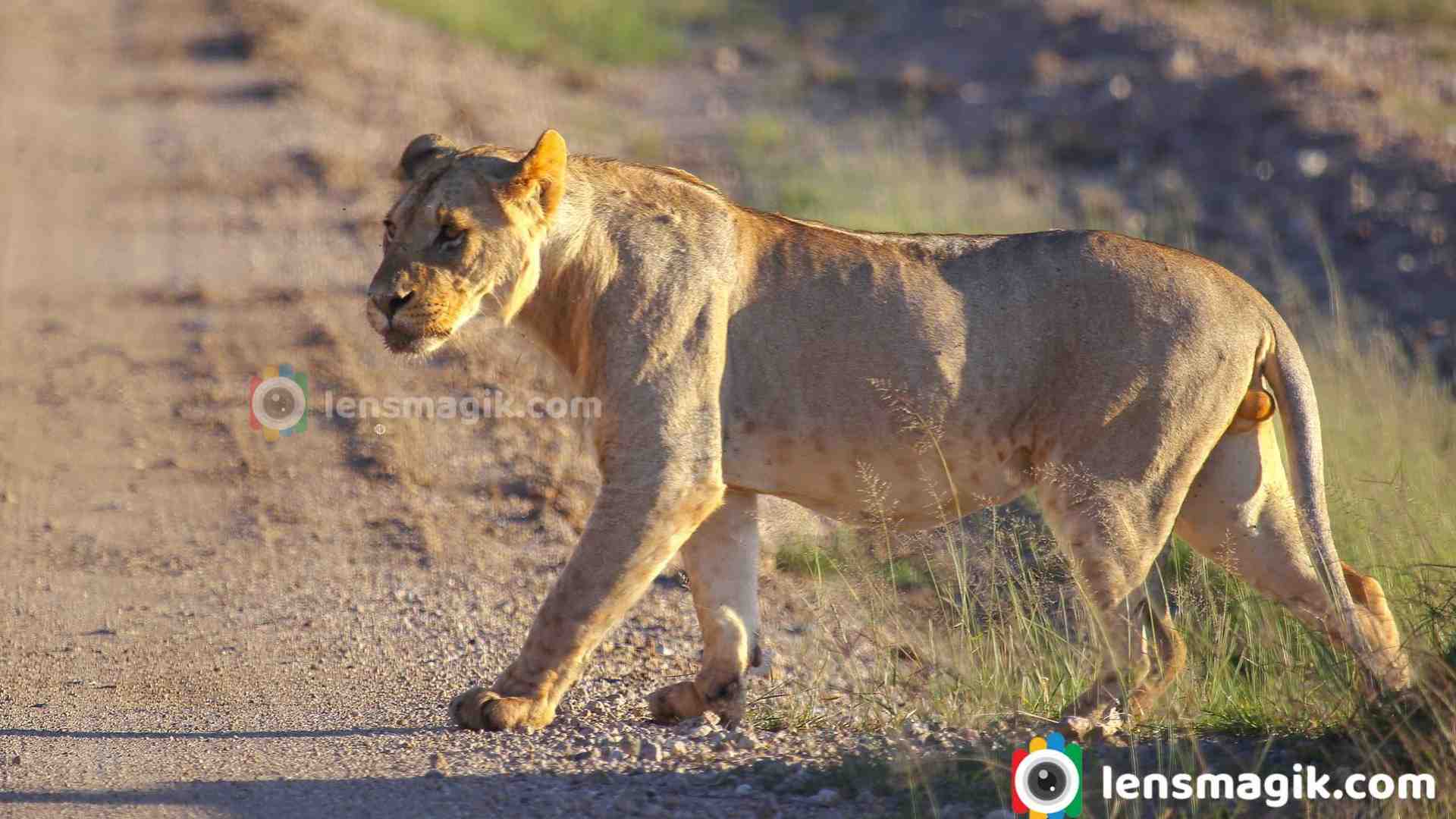
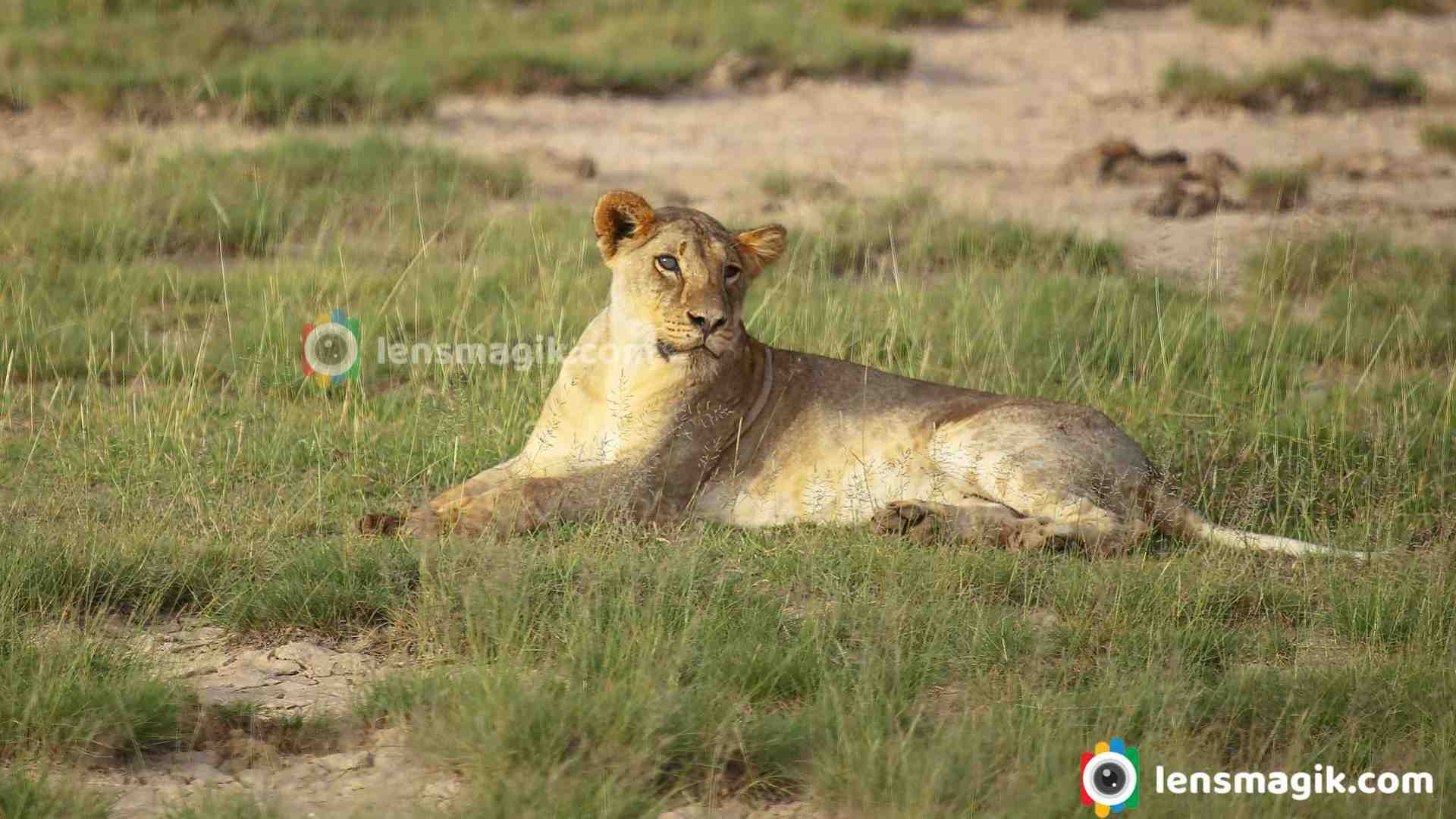
Lions are big mammals and while in safari if you see them you definitely scared. It is really a great experience to see African Lion too close and contact eye to eye. My hands are shacked while clicking photos because if Lion jump on my van then i would be his breakfast definitely. Overall great experience in Masai Mara and also at Amboseli National park in Kenya to watch lions with their cubs and family.
Photos Taken at Masai mara National Park and Amboseli National Park in Kenya
Gear Used : Canon 6 D with Canon 100-400 mm lens.
Read more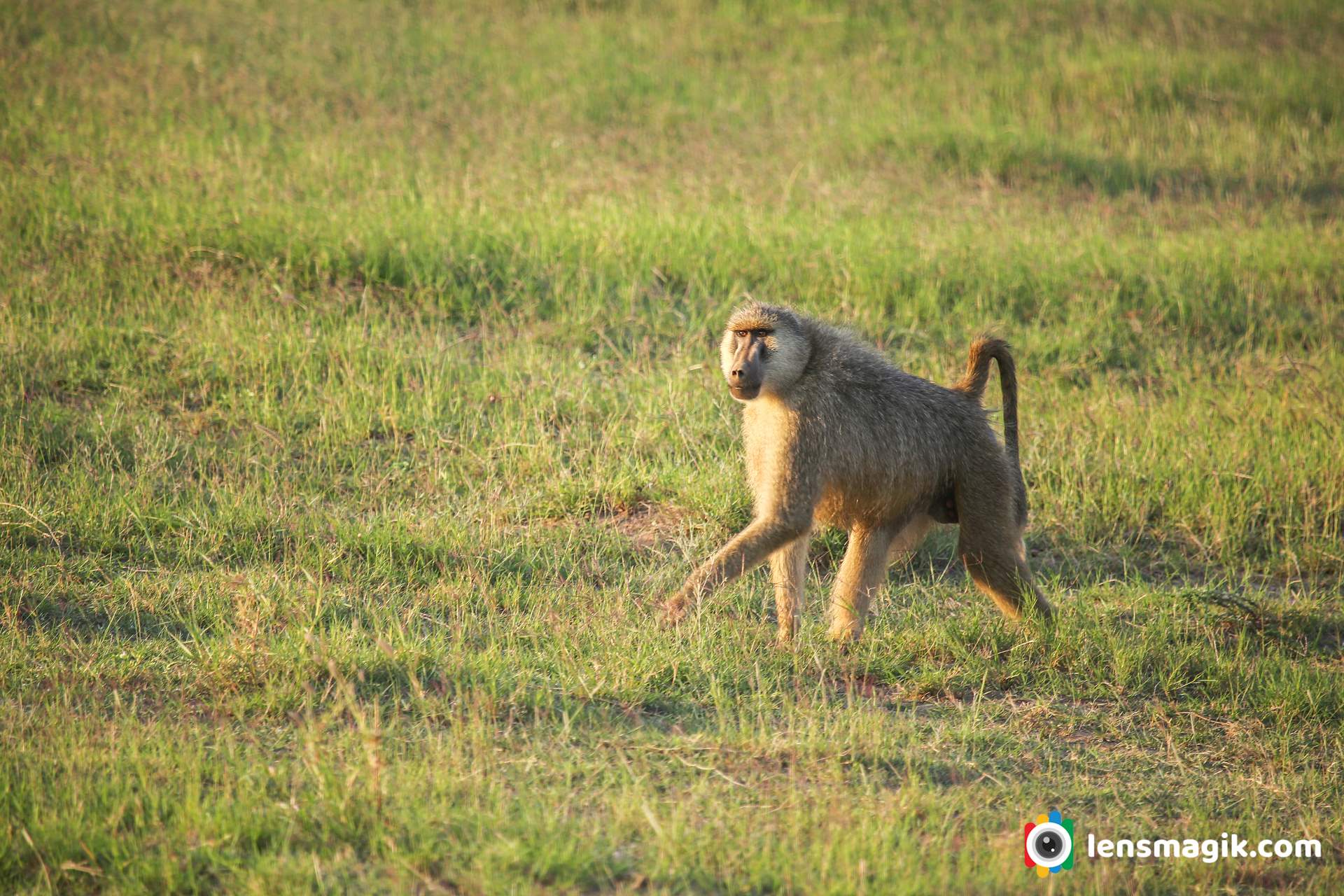
Baboons are Old world monkeys. In Kenya and Eastern Africa yellow baboon and olive baboon monkey spices found mostly. There are total 6 spices of baboon monkeys as below.
- Chacma Baboon – Found in Southern Africa
- Guinea Baboon – Far western Africa
- Hamadryas Baboon – Southwestern Arabia and Horn of Africa
- Olive Baboon – Savanna or North central Africa
- Kinda Baboon – Central Africa
- Yellow Baboon – Eastern Africa and South Central Africa
Well during my trip to Kenya I found Yellow Baboon monkey at Amboseli National Park and Masai mara National Park. I also found Vervet Monkey which is also a family of Old World Monkey too.
Yellow Baboon :
In Greek Yellow Baboon spices mean DOG HEAD as it has dog like shape of head and muzzle. Yellow Baboon found in Savanna , Kenya, Tanzania, Zimbabwe, Botswana and light forest in eastern Africa.
- Yellow Baboon has long arm and legs. It has slim body.
- It has yellowish brown hair so its called yellow baboon.
- Male yellow baboon can grow 84cm approx. and female around 60cm.
- Tail is almost as long as its body.
- Lifespan of Yellow baboon is around 15-20 years.
- They live in a group of 8-200 individuals.
- As yellow baboon is omnivorous they eat plants, fruits, leaves, seeds, warms, fungi, spiders, insets and small mammals.
- Male yellow baboon leads the group and females and and baby stay in center.
- Baboons are very strong. Weight of baboon monkey is almost 35 kgs.
- It has sharp teeth as long as lions.
- Yellow Baboon is in Least Concern in IUCN list.
- Yellow Baboon is a family of Cercopithecidae.
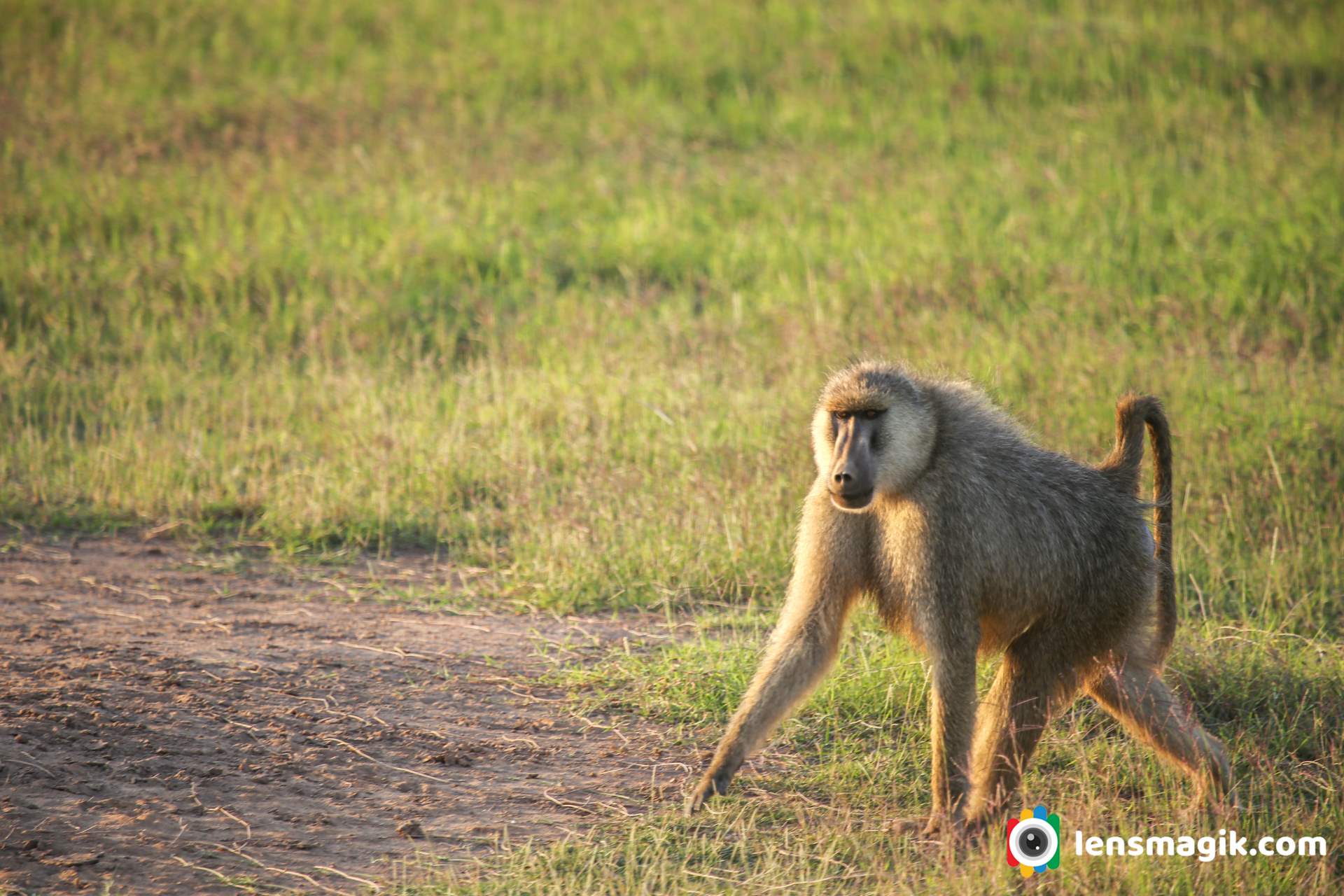
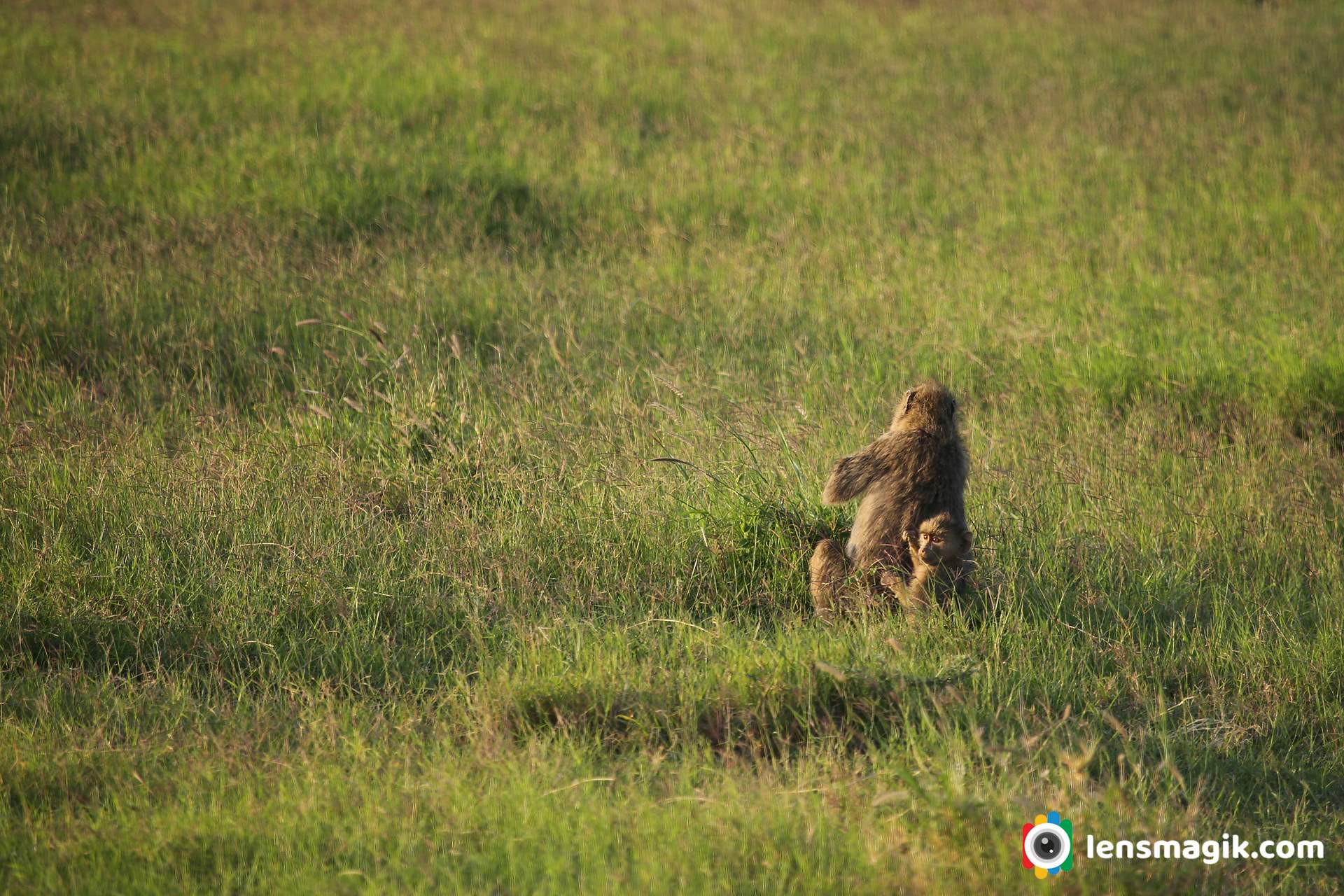
During morning safari at Amboseli National Park I found Yellow Baboon monkey family. They were too far but I catch them with my camera with good quality pictures. I shoot alone Yellow Baboon and also I take a picture of Yellow Baboon with Kid on his back. Baby looks very cute.
Vervet Monkey :
- Vervet monkey is also a old world monkey.
- It has black face and body hair color is grey.
- Vervet monkey have been noted for having human like characteristics.
- Weight of vervet monkey around 3 to 9 kgs.
- Vervet monkey range from Southern and east Africa, south Sudan to down south Africa.
- Vervet monkey killed by Pythons, eagles, leopards and baboons mostly.
- Vervet monkey is omnivorous so they eat fruits, flowers, vegetable , grains, seeds etc.
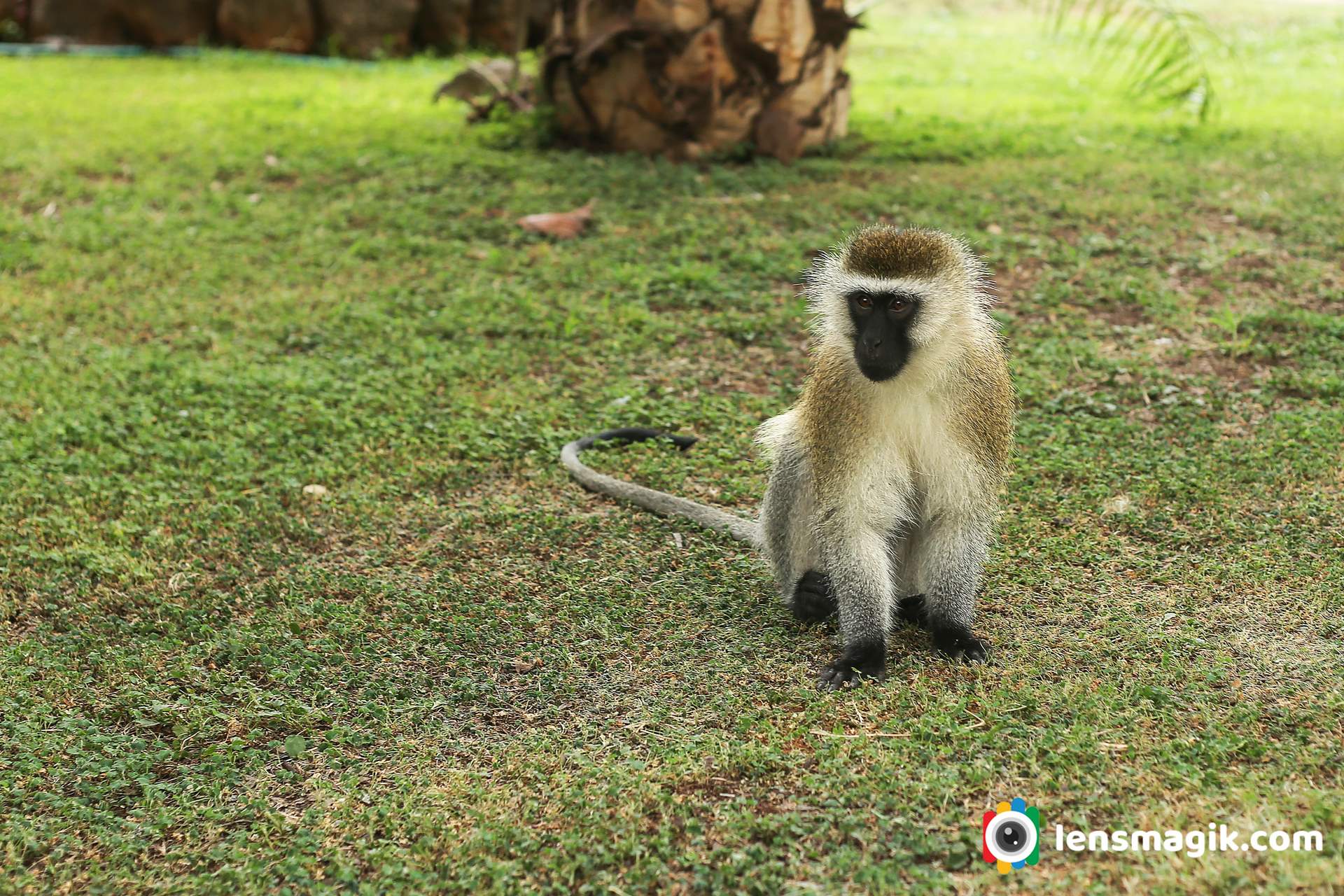
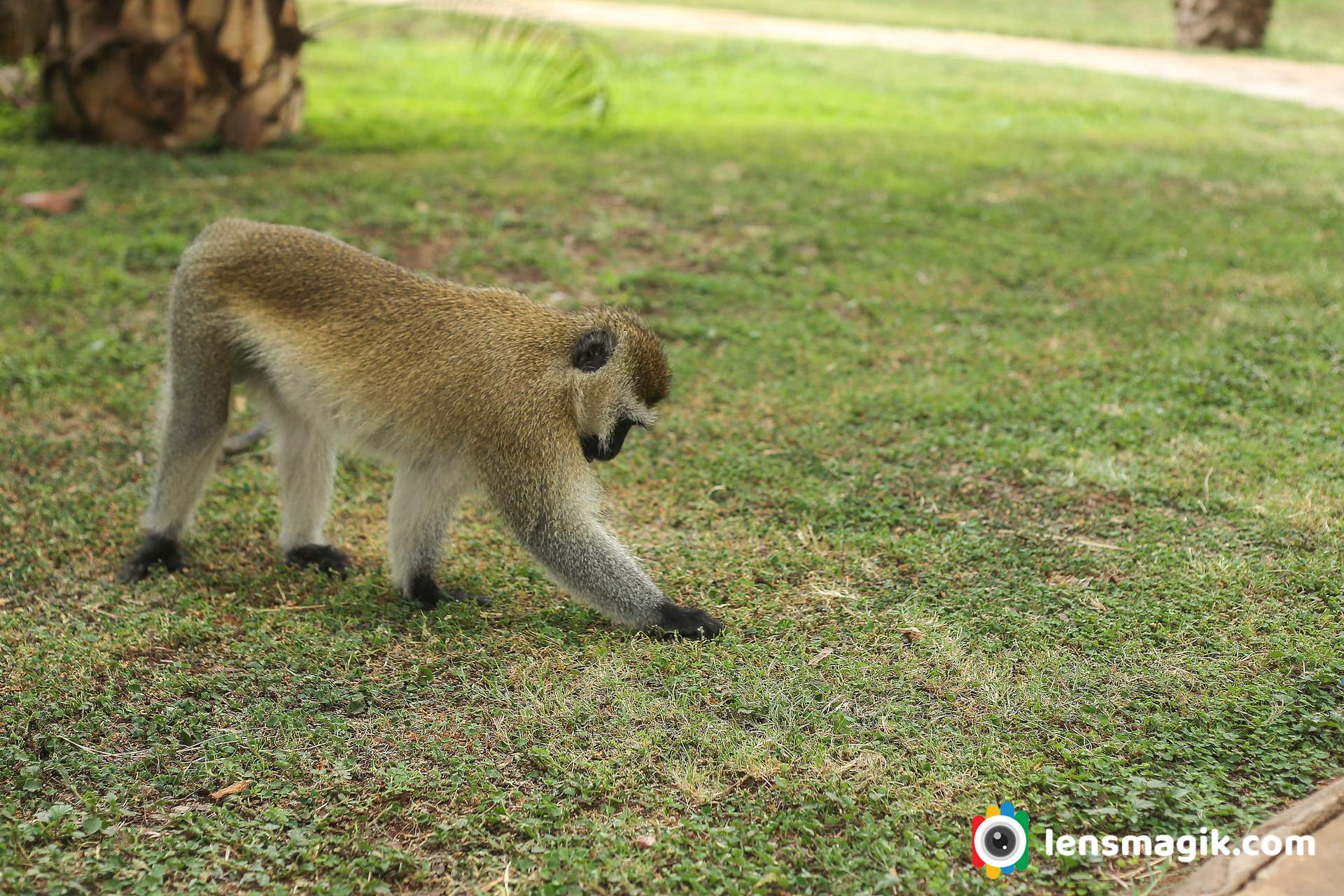
During my trip to Amboseli national park I found vervet monkey at my hotel play yards. They are cute and very friendly to humans until you do not disturb them. We stay at Ol-tukai resort at abmoseli national park. Good resort to stay and good hospitality. In amboseli National Park there are also huge number of African Elephants you can find. A group of elephants easily found in the Amboseli National Park. Also if weather is clear then you can see Mount Kilimanjaro during safari. I also wonder a shot of elephant with Mount Kilimanjaro but weather did not support me.
Gear Used : Canon 6D, Canon 100-400 mm lens.
Location : Amboseli National Park , Kenya , Africa
Read more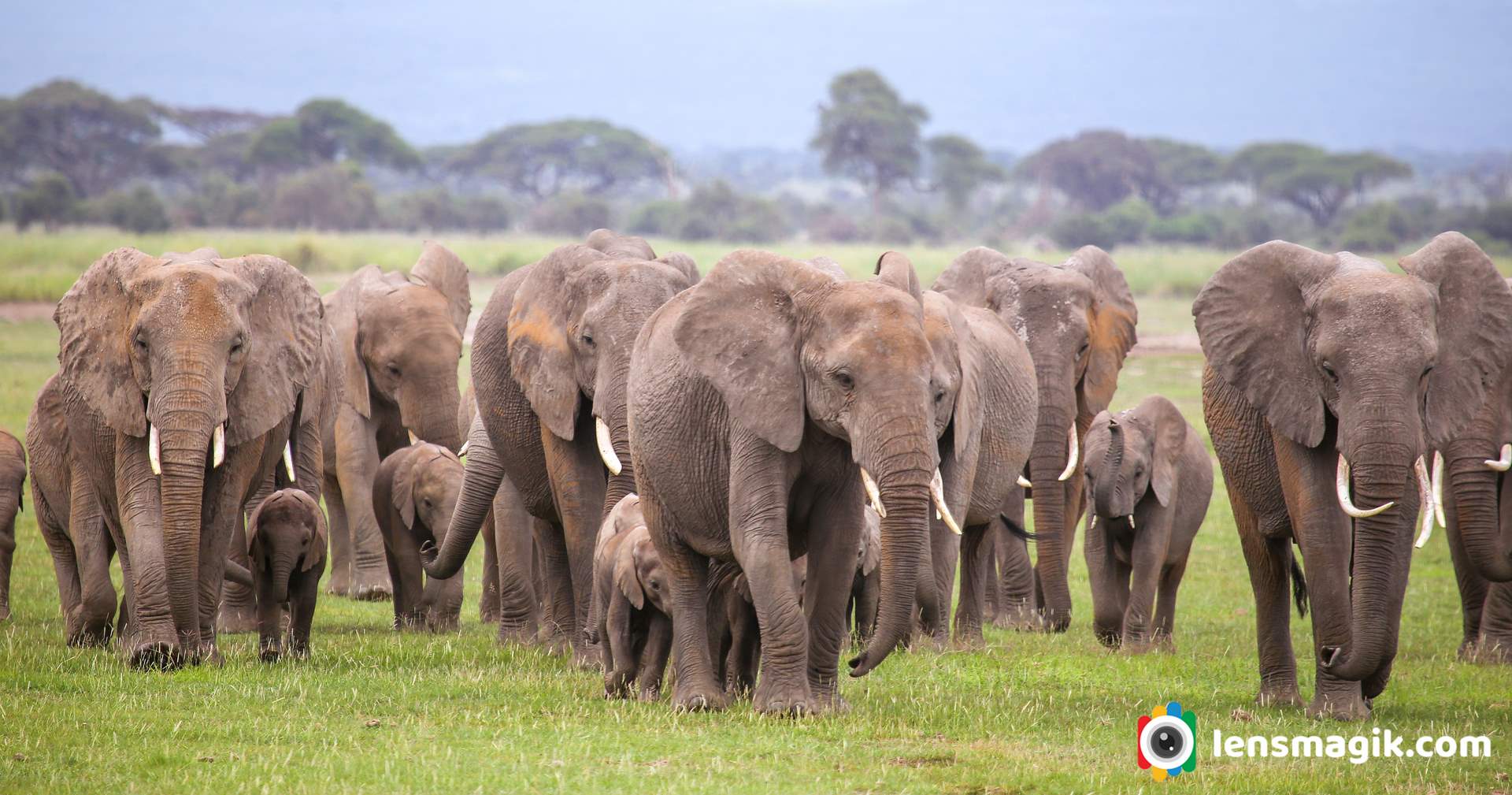
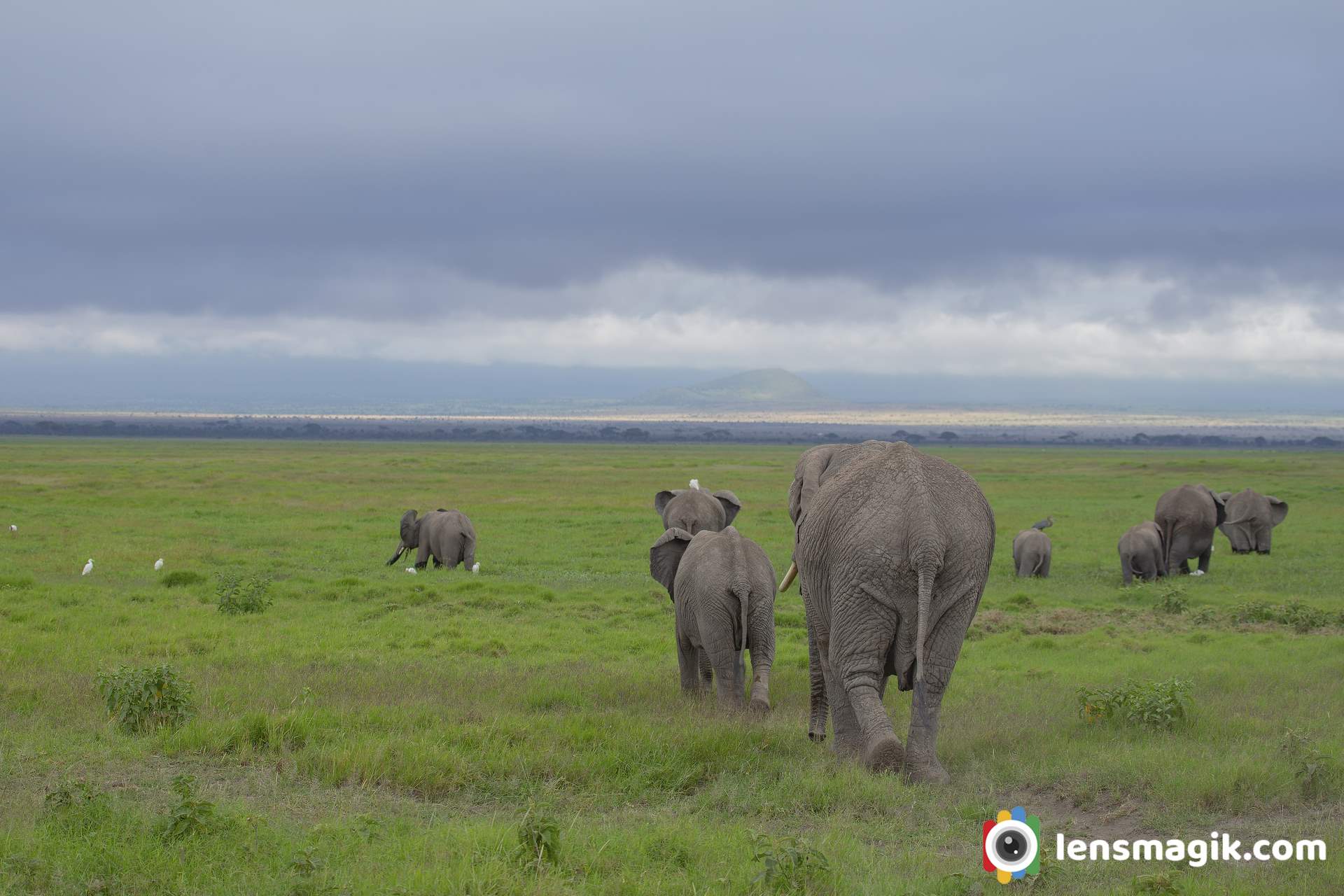
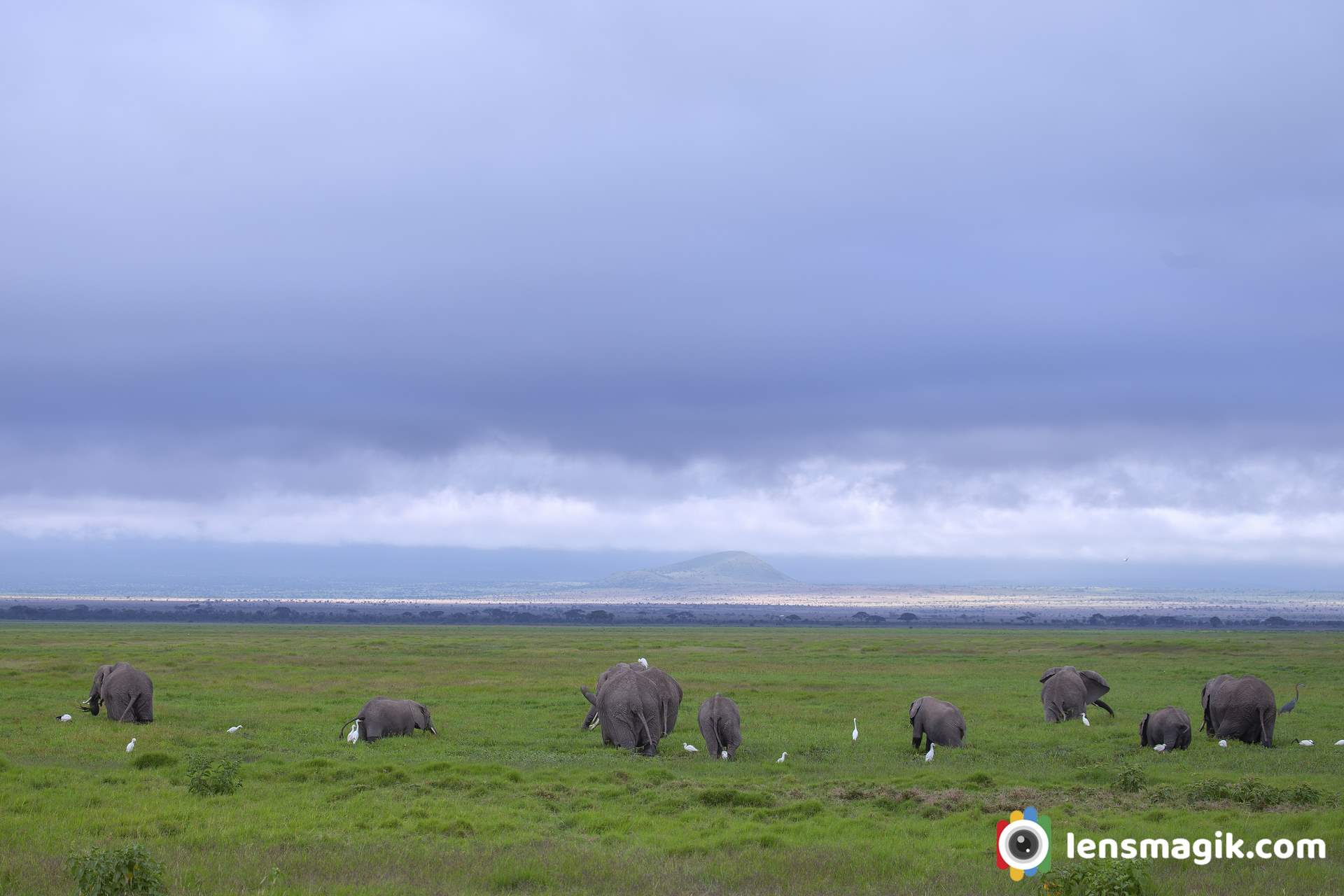
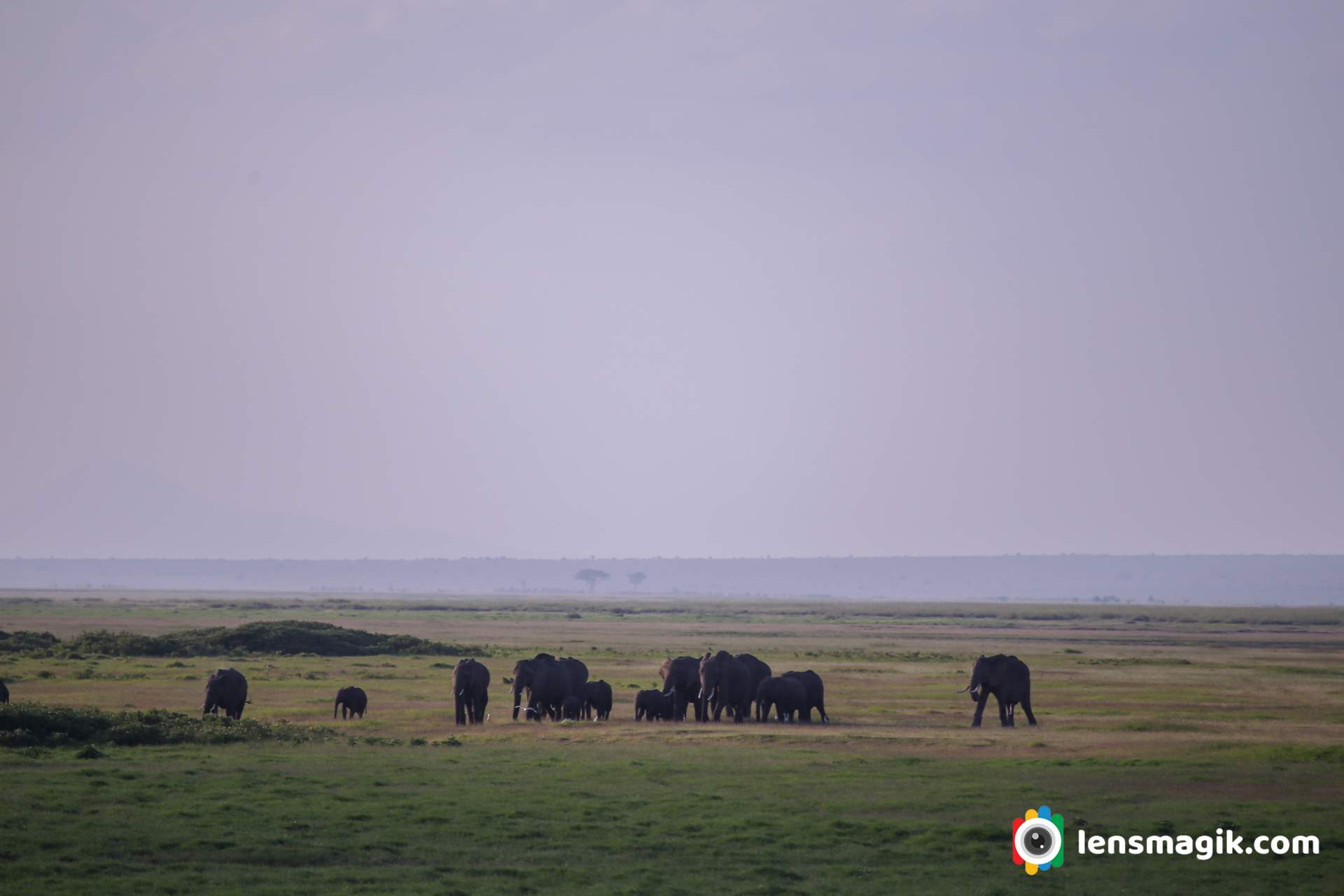
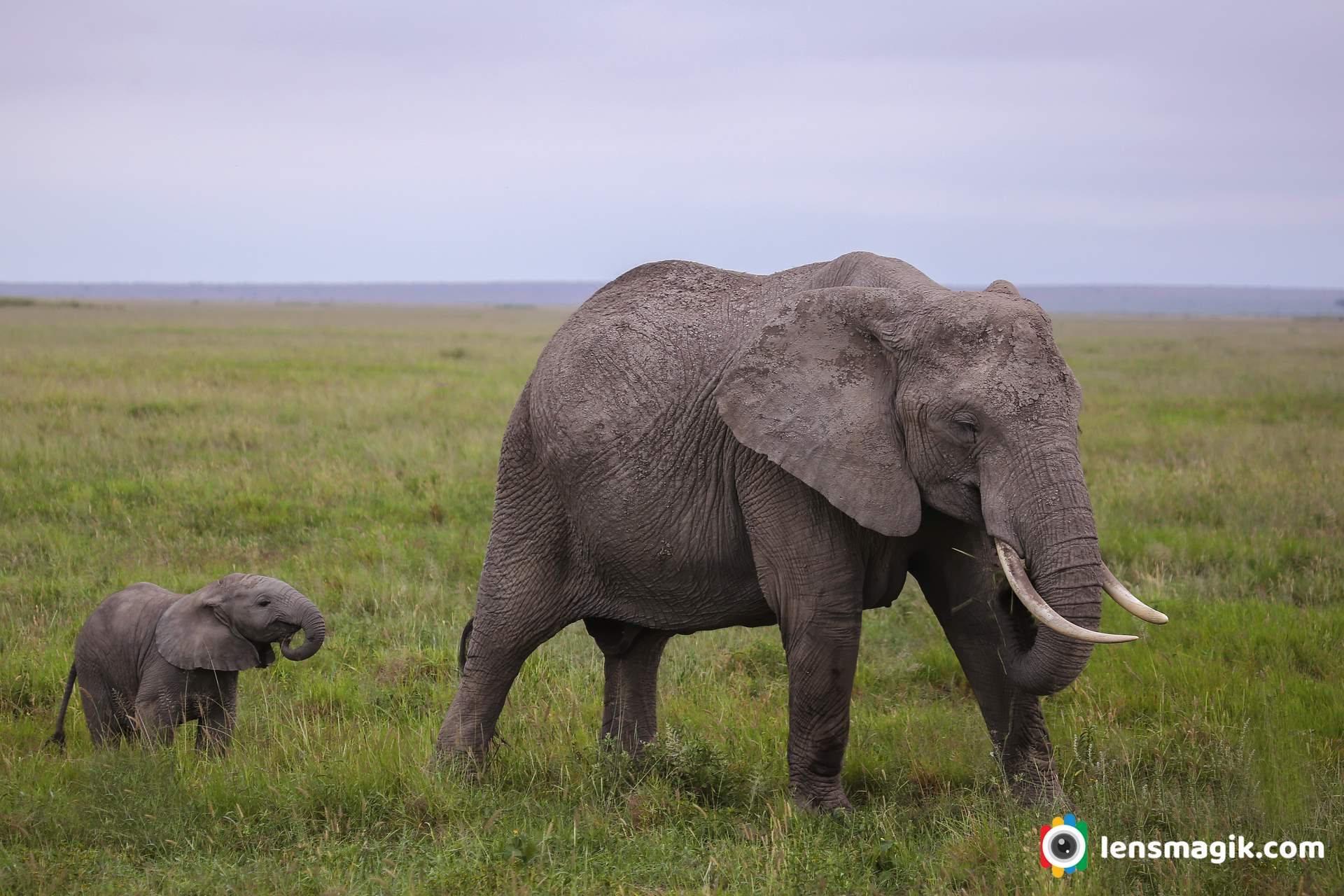
Every wildlife photographer's dream is to visit Africa. Also African Bush Elephant lovers has lots of places to visit like Amboseli National Park,Botswana etc...In Africa lots of wildlife sanctuaries You can visit but the most tourist attractions is Masai Mara National Park .The Giants suits to African elephant because of their large body thick skin and legs and big teeth and elephant large ears. African Elephant teeth weight approx. 5kgs per teeth.There are also different species like African bush Elephant and African forest Elephant. Here i saw you some cool photos of African elephant taken at Amboseli national park and Masai Mara National Park.
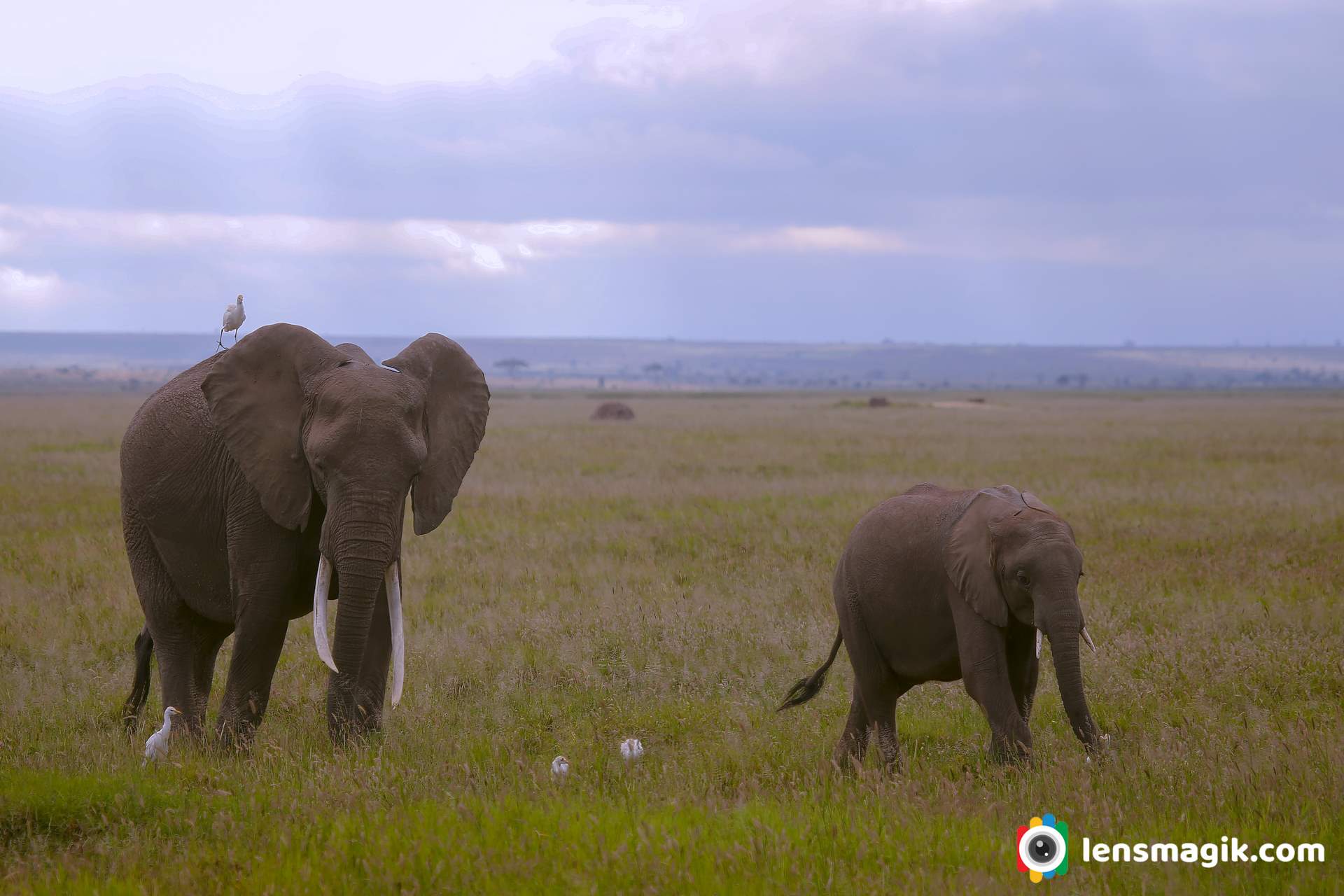
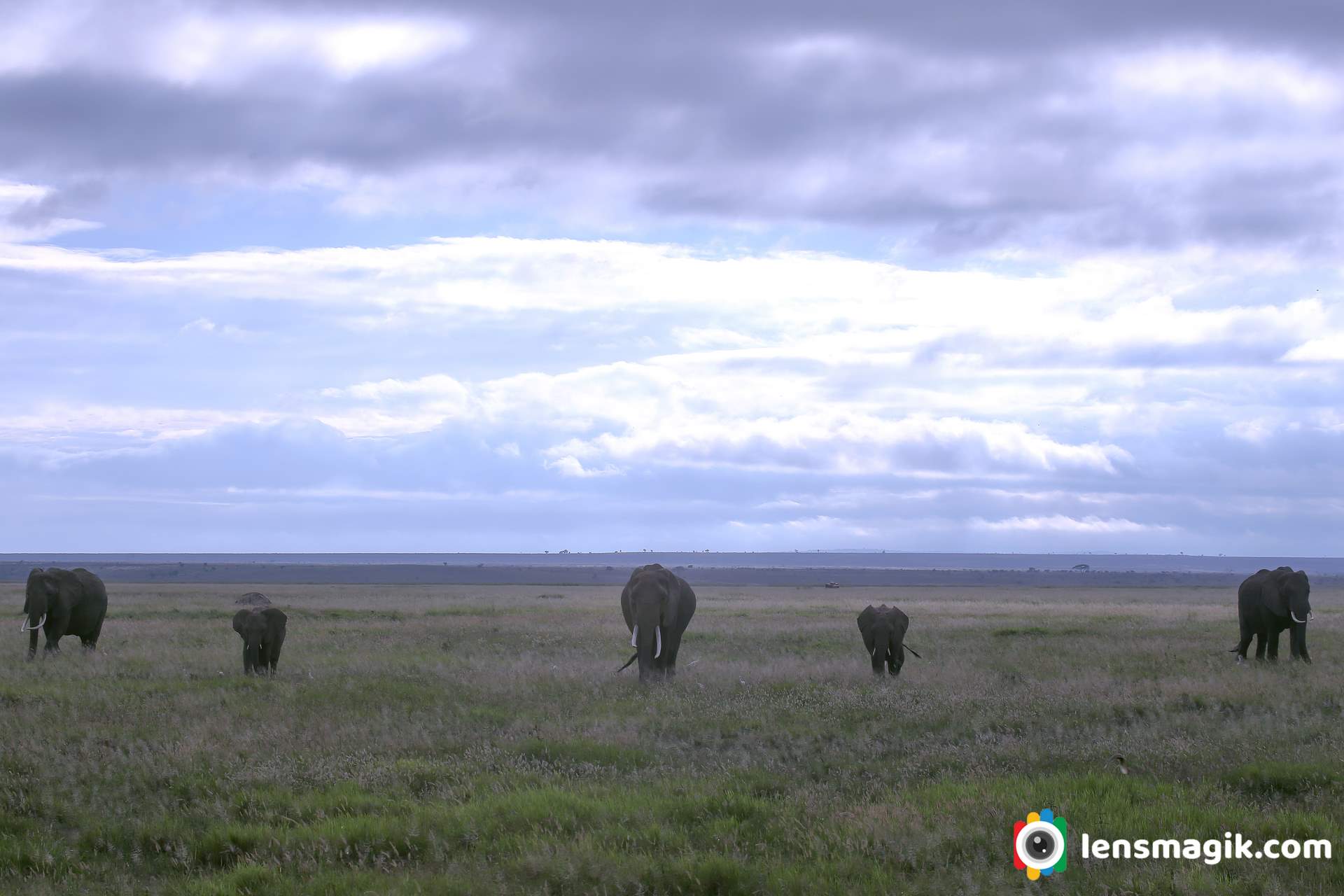
In Big 5 Africa animals elephant is one of them. African Elephant is really good subject in Wallpaper photos . Also African Bush Elephant is good for portrait or closeup photos too. The Elephants are travel in a group and they are dangerous when they are with their babies. Just stay away good distance to them. Elephants also looks good in black and white.
African Elephant Facts :
- African Elephant is the world's largest land animal.
- African Elephant Tusks are actually their teeth.
- They have very thick skin.
- Their trunk have some good skills.
- African Elephants are continuously eating every time and eat up to 150 kg per day.
- Elephants never forget things.
- African bush elephant height 3.2 m
- African bush elephant weight approx 6000 kg and African forest elephant weight around 2700 kg.
- Lifespan of African bush elephant and African forest elephant is 60-70 years.
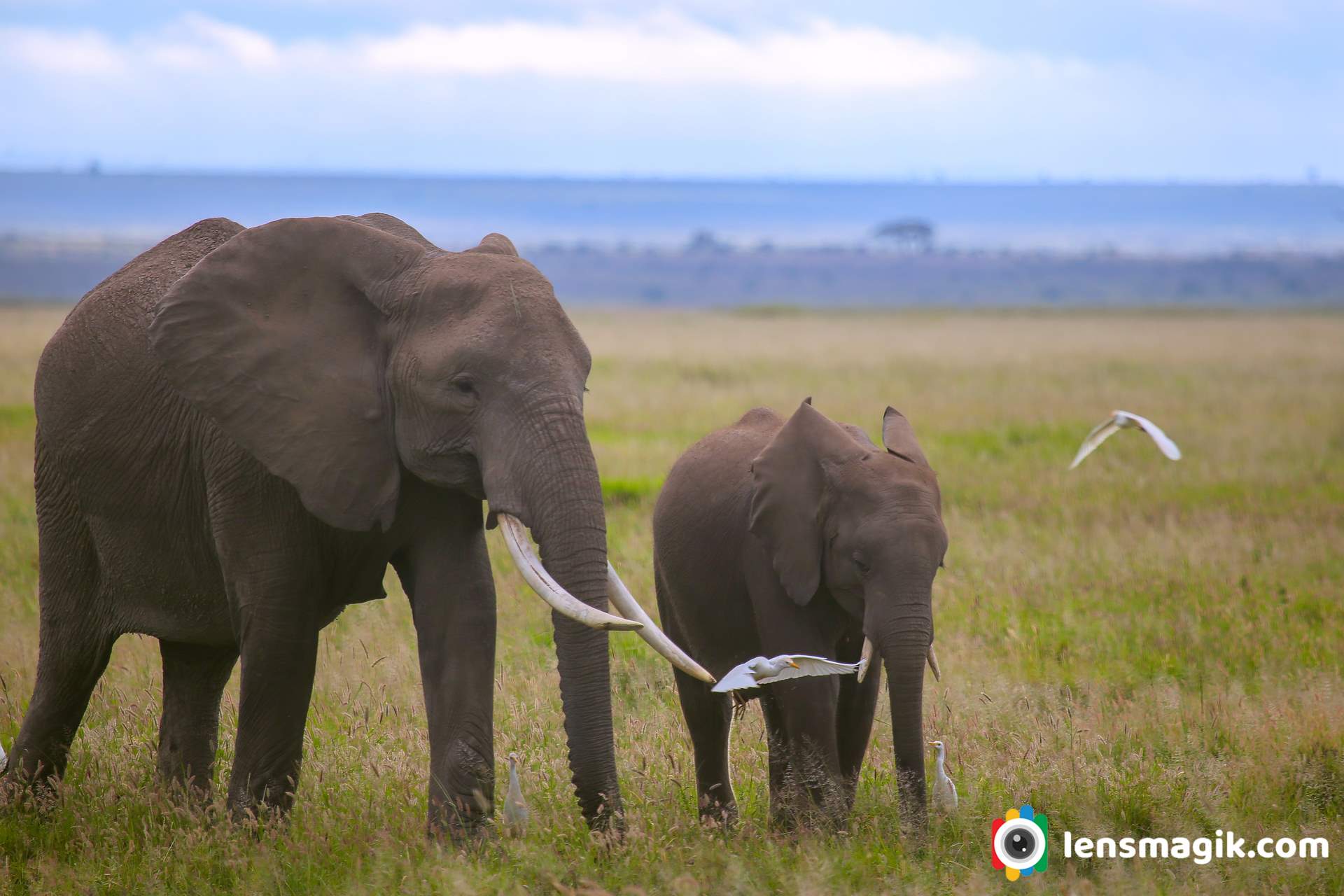
Difference of Asian elephant vs African elephant :
- Asian elephant is smaller than African elephant.
- Asian elephant ears are also smaller then African elephant ears.
- Tusk is in only male of Asian elephant. In opposite male and female African elephant both grows tusks.
African Elephant Habitat :
African elephant live in dense forest of west and central Africa. They found most in grasslands, forests and savannas. They found at many regions around Africa and Asia. So Elephant Habitat has long range from Asia to Africa.
Big 5 African Animals : Well when i was on my trip to Africa I questioned my cousin What are the Big 5 Africa animals ?? He knows the animal names but he don't know why they called Big 5 Africa . After google some words I found that the Big 5 Africa animals are referred to the difficulty of their hunting. Mean This Big 5 African animals are arrange in order to their hunting skills. The Big 5 Africa animals are Lion, Leopard, Rhino, Elephant and African Buffalo. Well Hippo is not in Big 5 Africa bcz hippo is not a hunter as compare to big 5 Africa animals. Lions are the kings of Africa and known as King of the Jungle or King of Beasts.
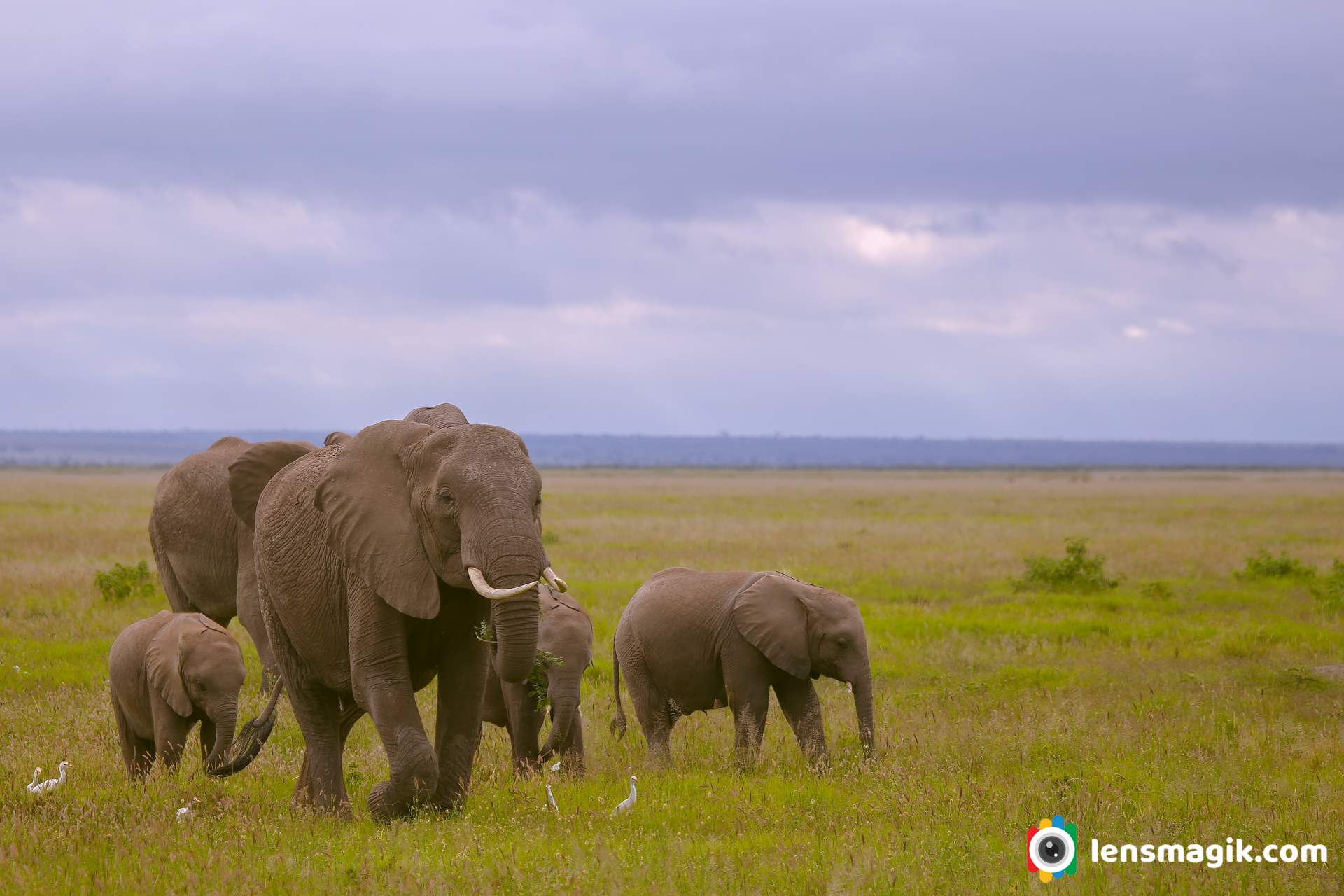
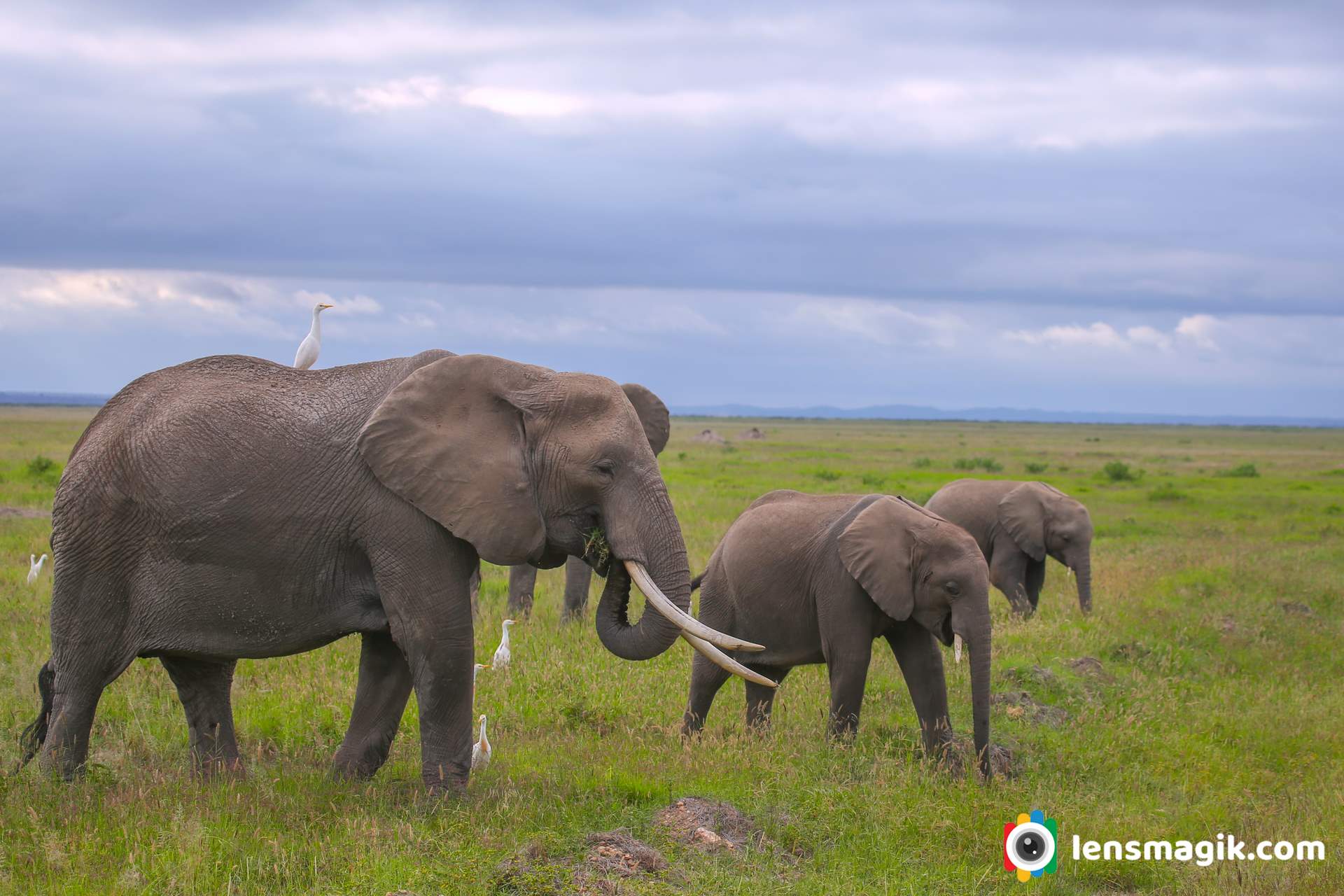
Are Elephants scared from anyone ?
A huge and heavy body of elephant make scared anyone. But yes An elephant can fear from a little mouse. A mouse is very little in body in compare to An Elephant and it climb over the trunk of elephant.
Elephant can kill Humans ? :
Elephants are very respectable animals till they are not tempered. According to National Geographic article approx. 500 peoples are killed in a year in an elephant attack. But the number worry that far more than 500 elephants are killed by humans every year. So we need to be changed.
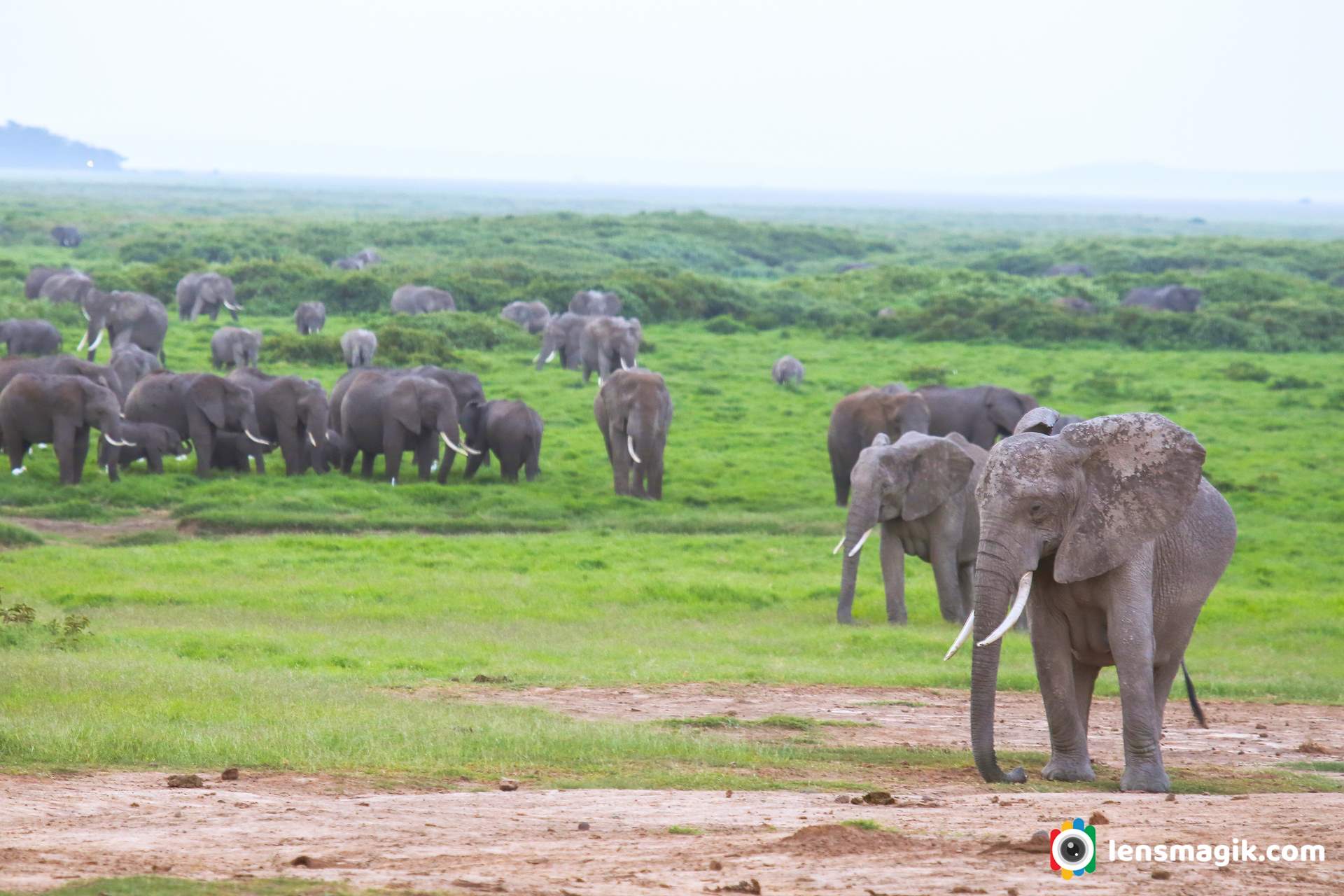
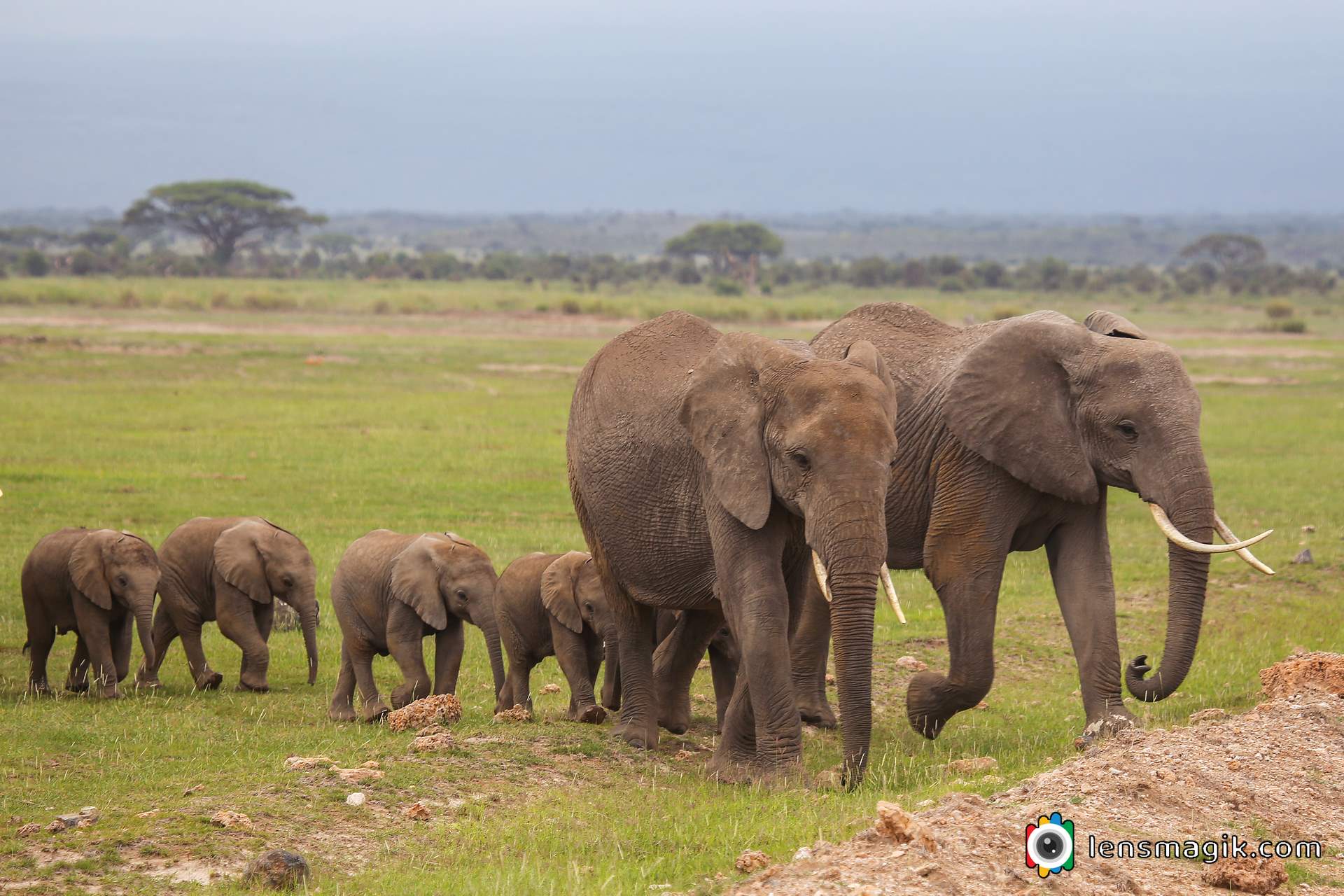
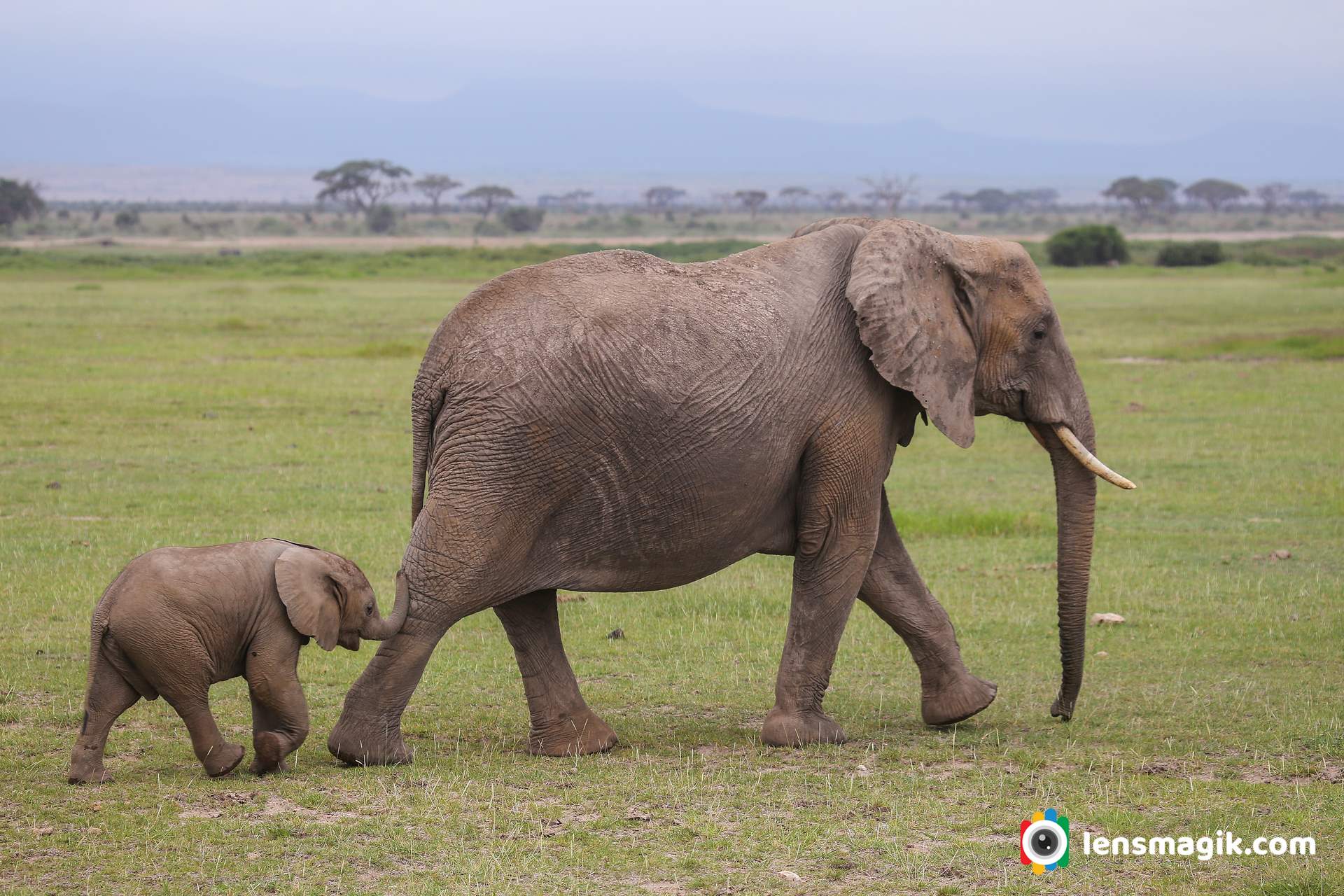
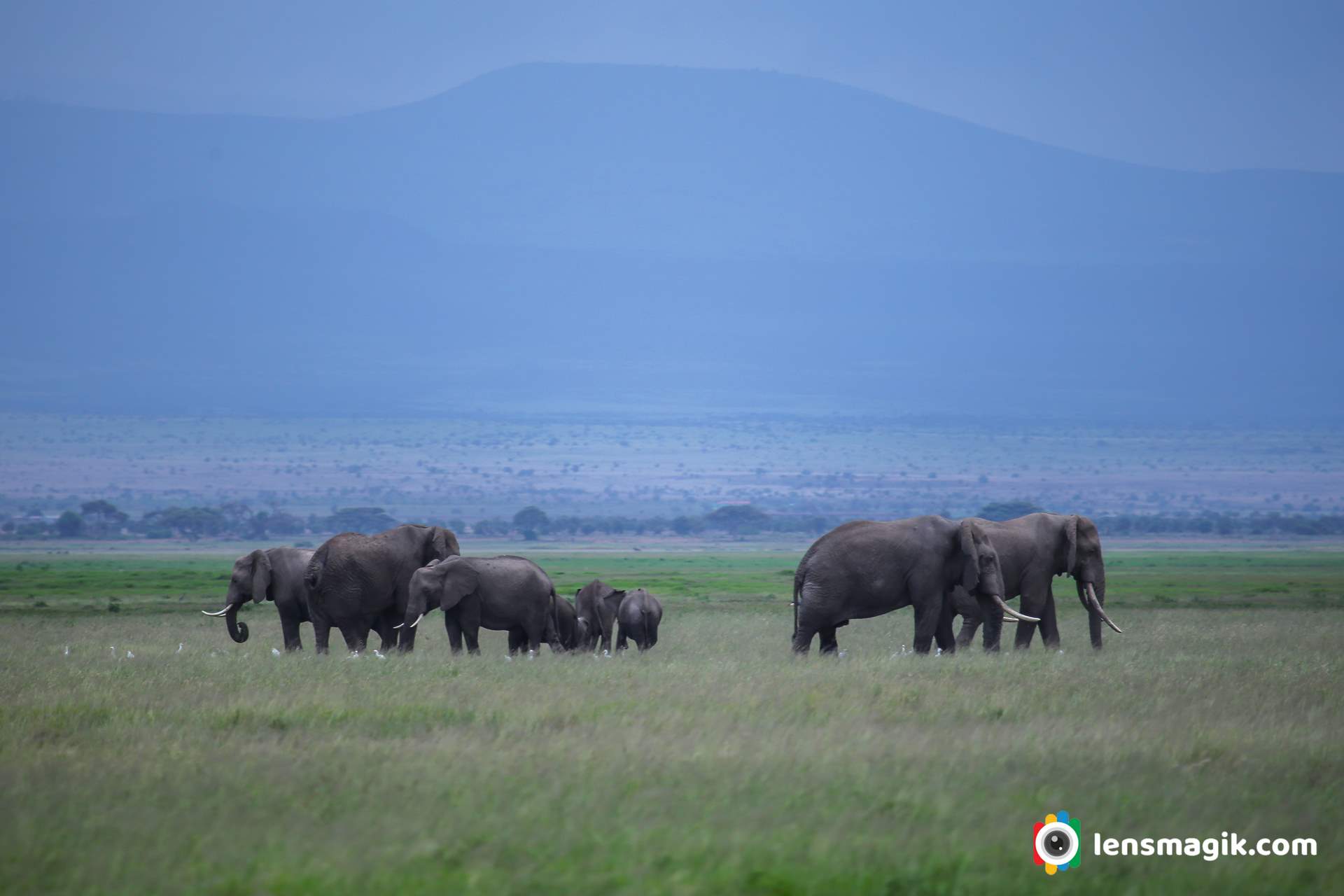
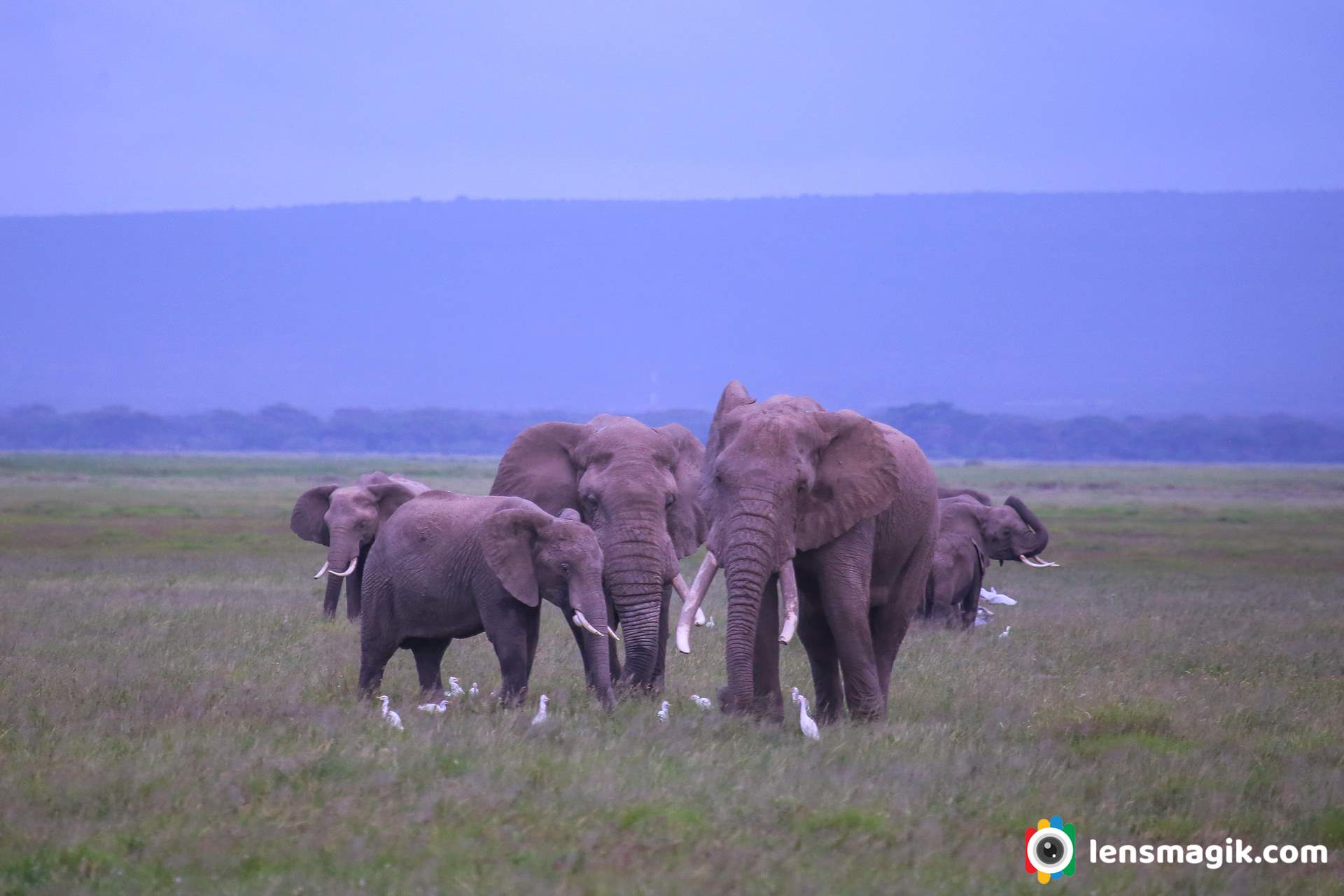
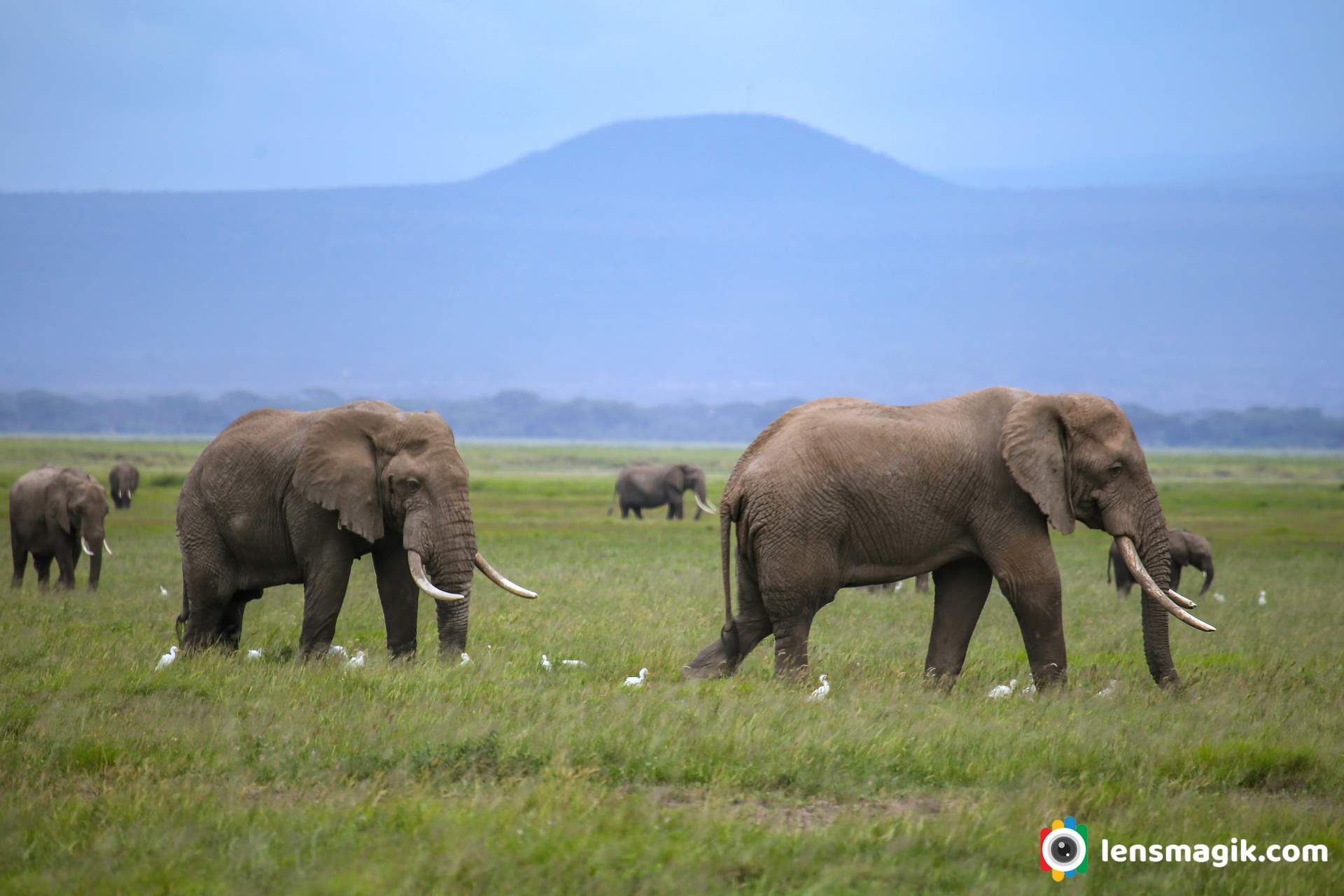
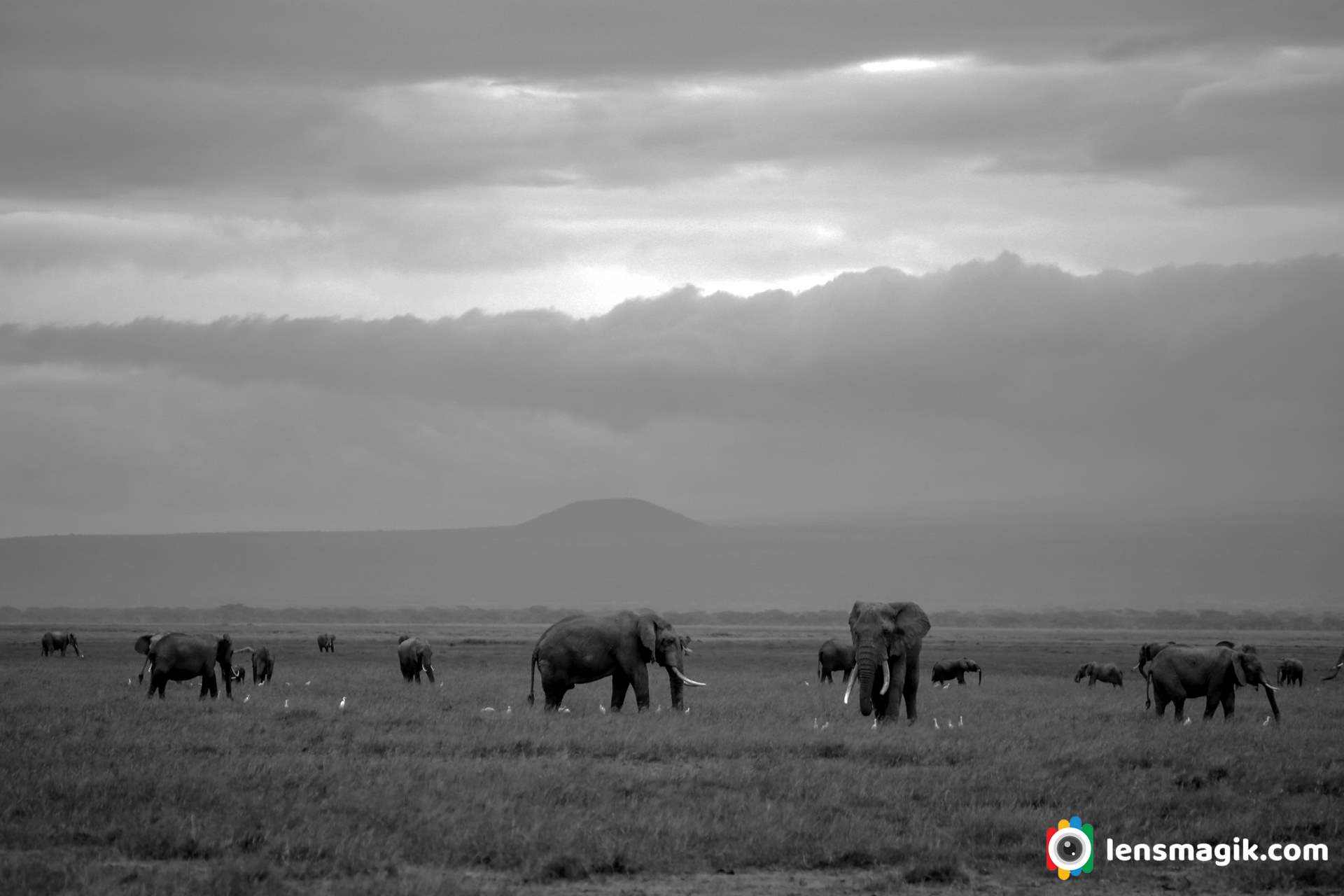
Where To stay in Amboseli National Park / Accommodation in Amboseli National Park : We stayed in Ol Tukai Resort and its very nice property. Also there are lots of resorts in Amboseli National Park. All are fine and good hospitality. During migration in Masai Mara and Amboseli time all hotels and resorts are full and high price. So if you planning in migration time then book as early as possible.
Read more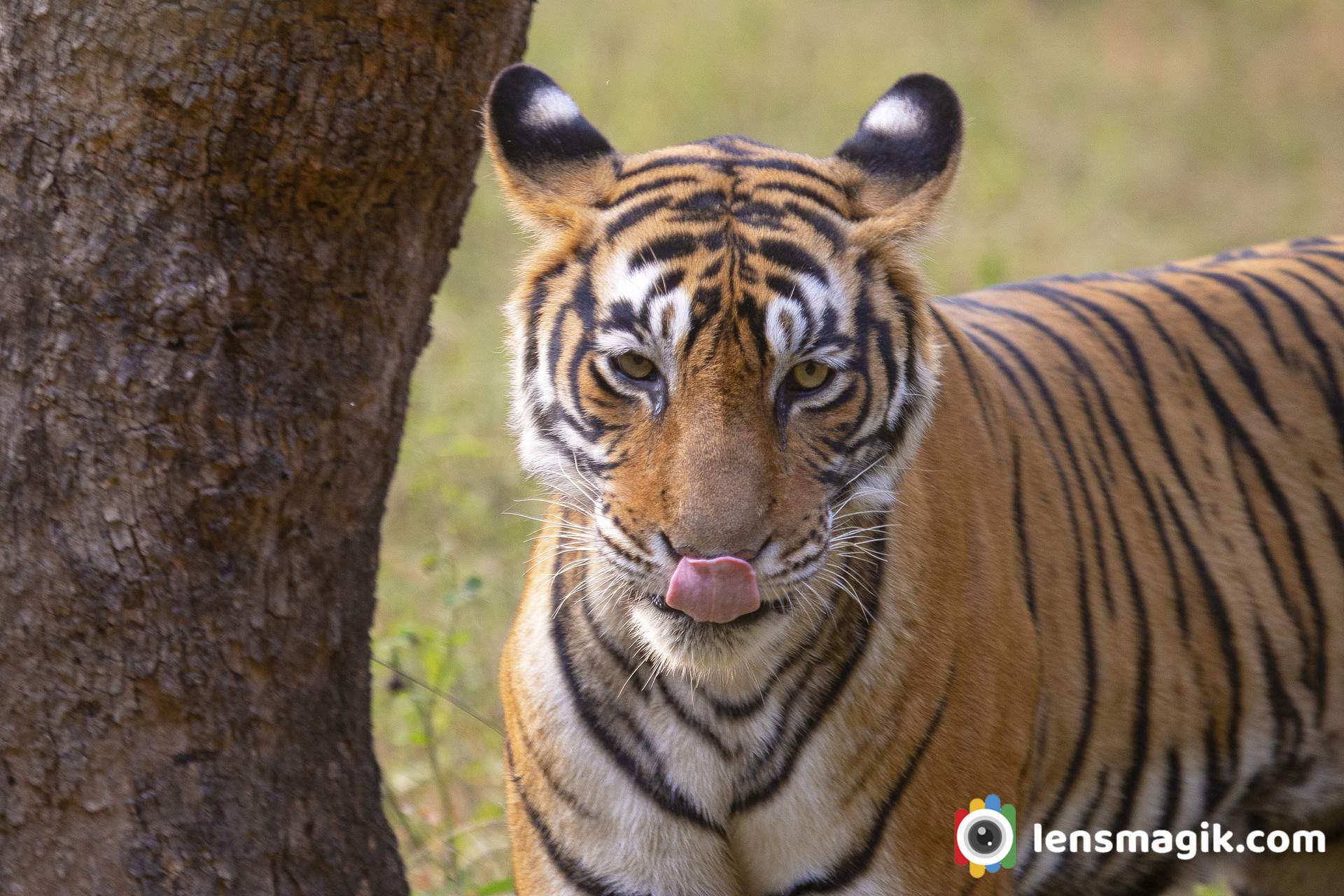
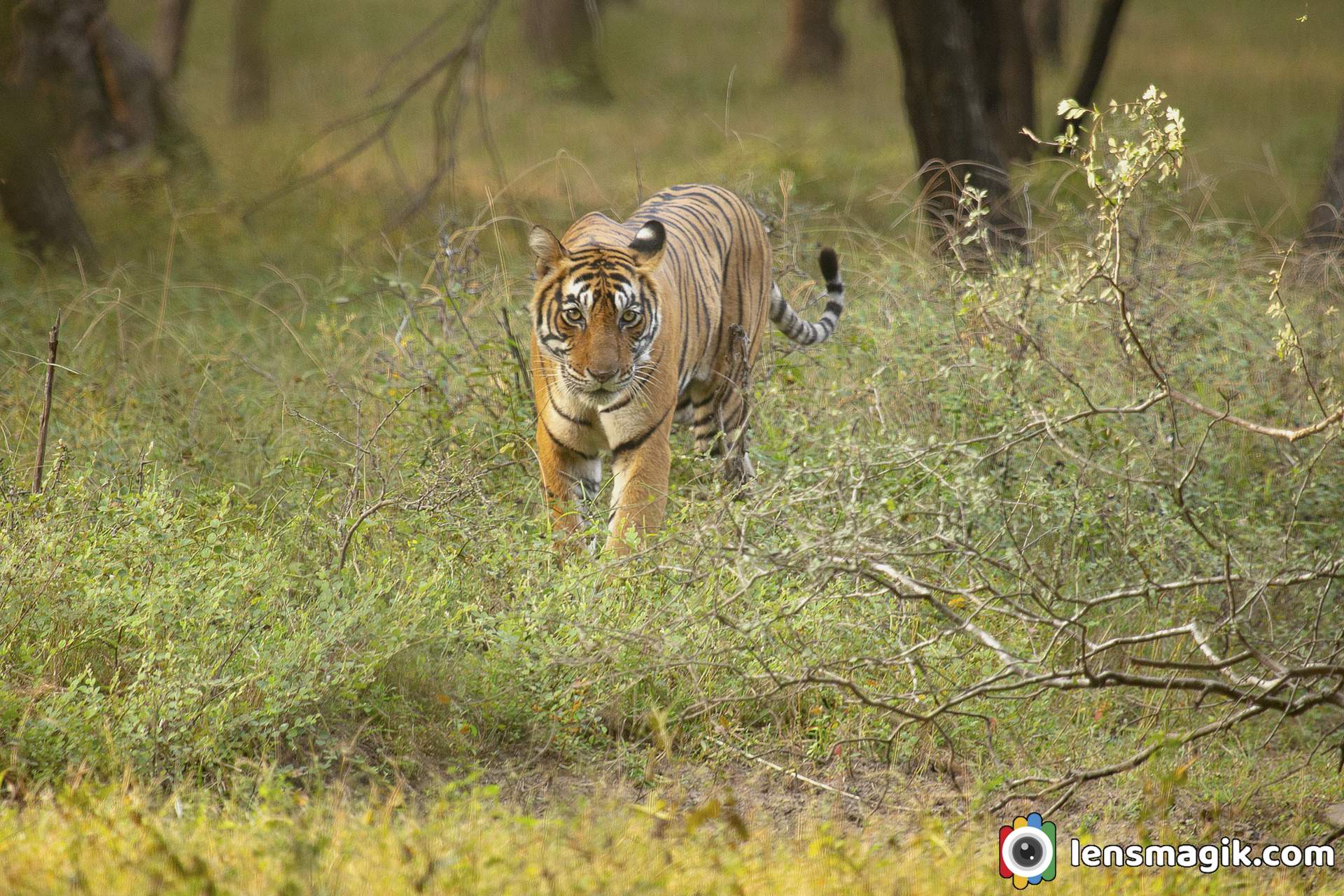
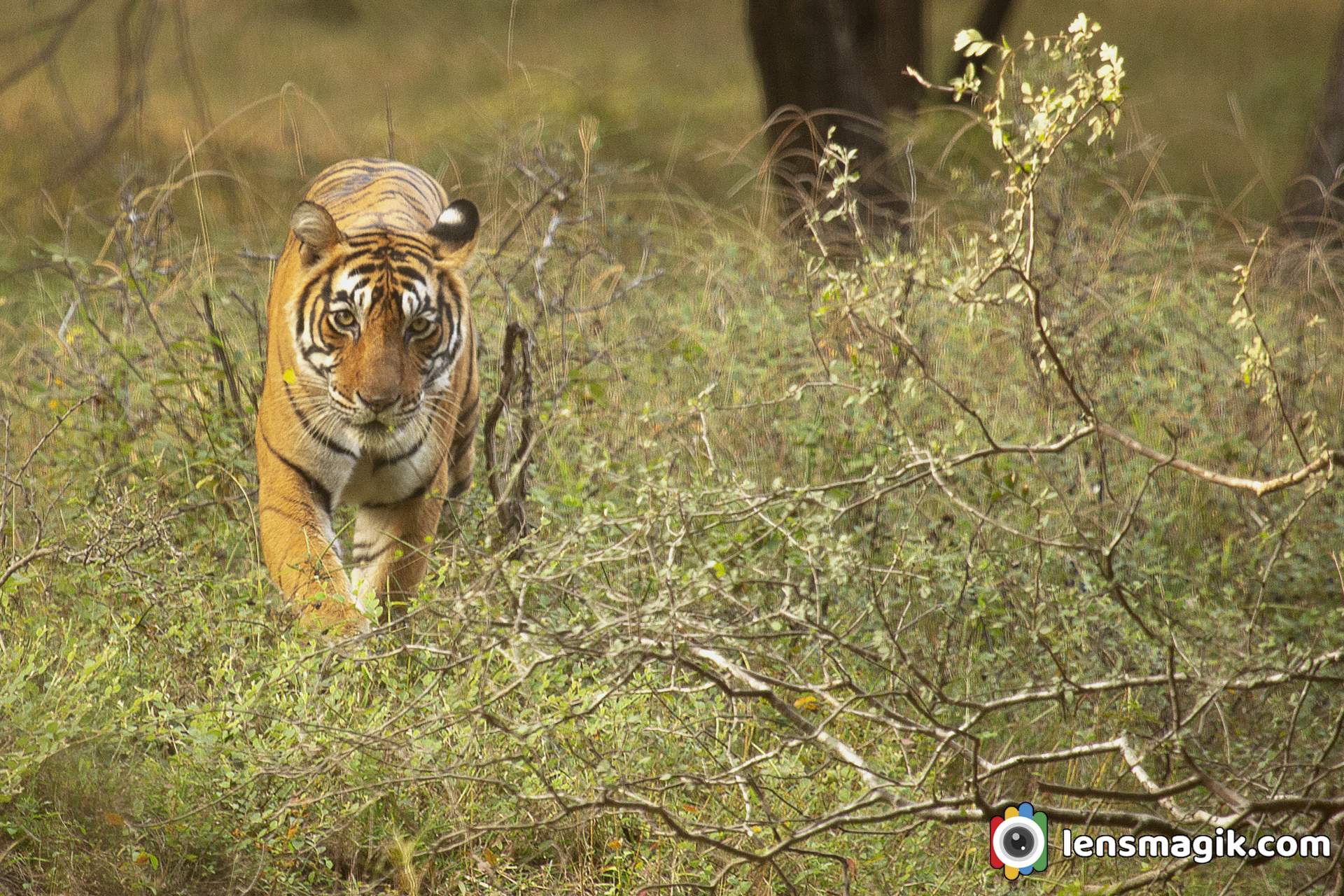
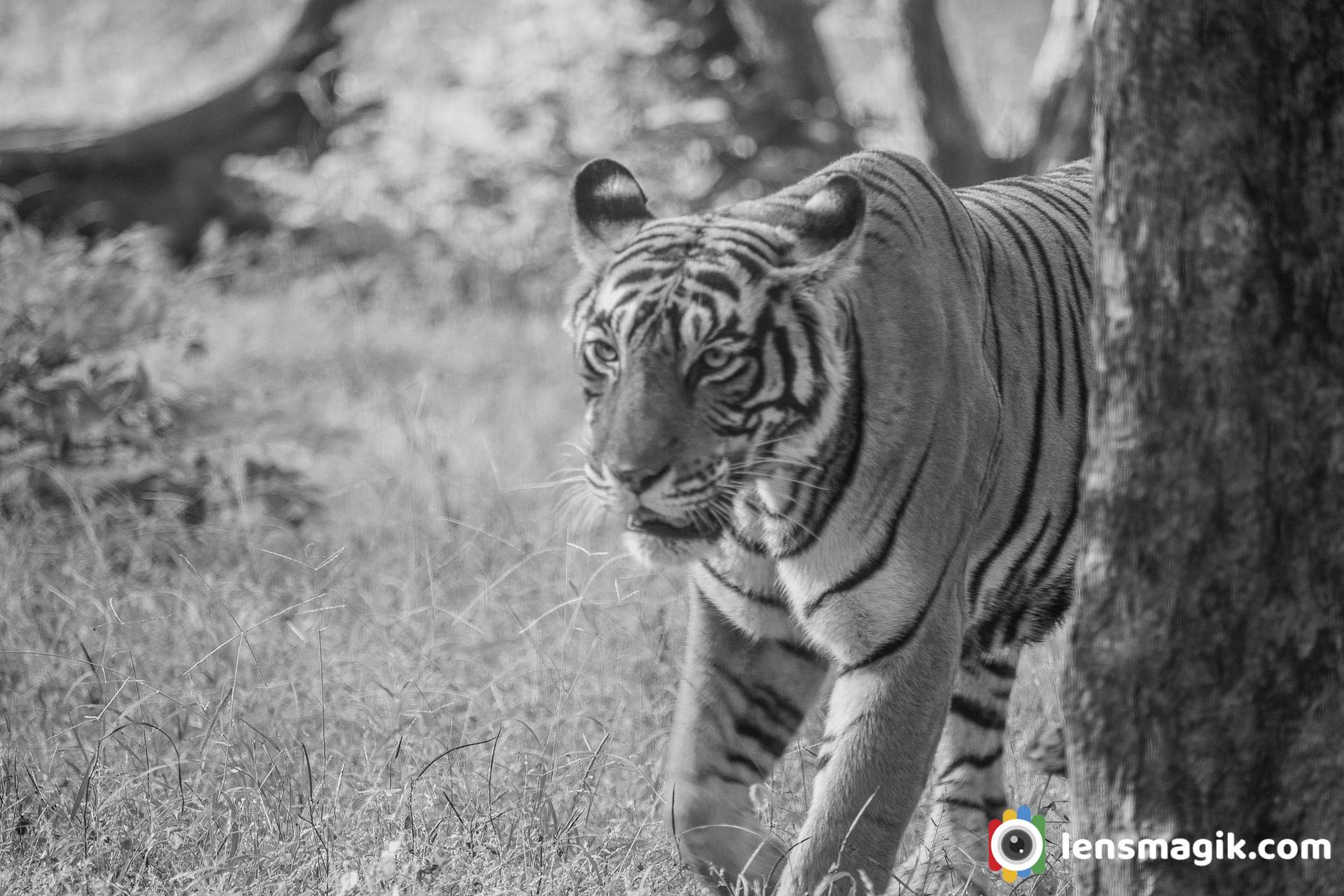
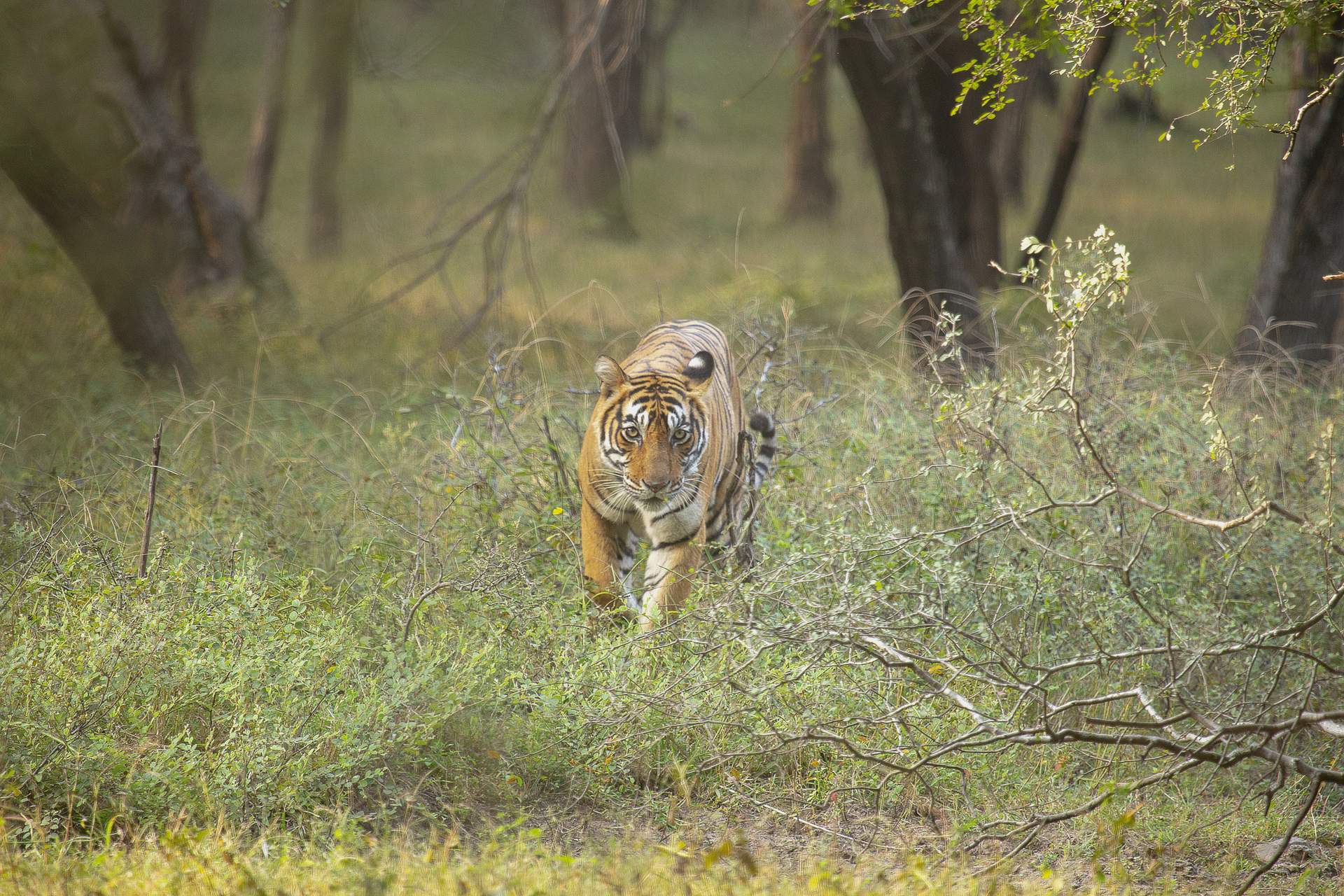
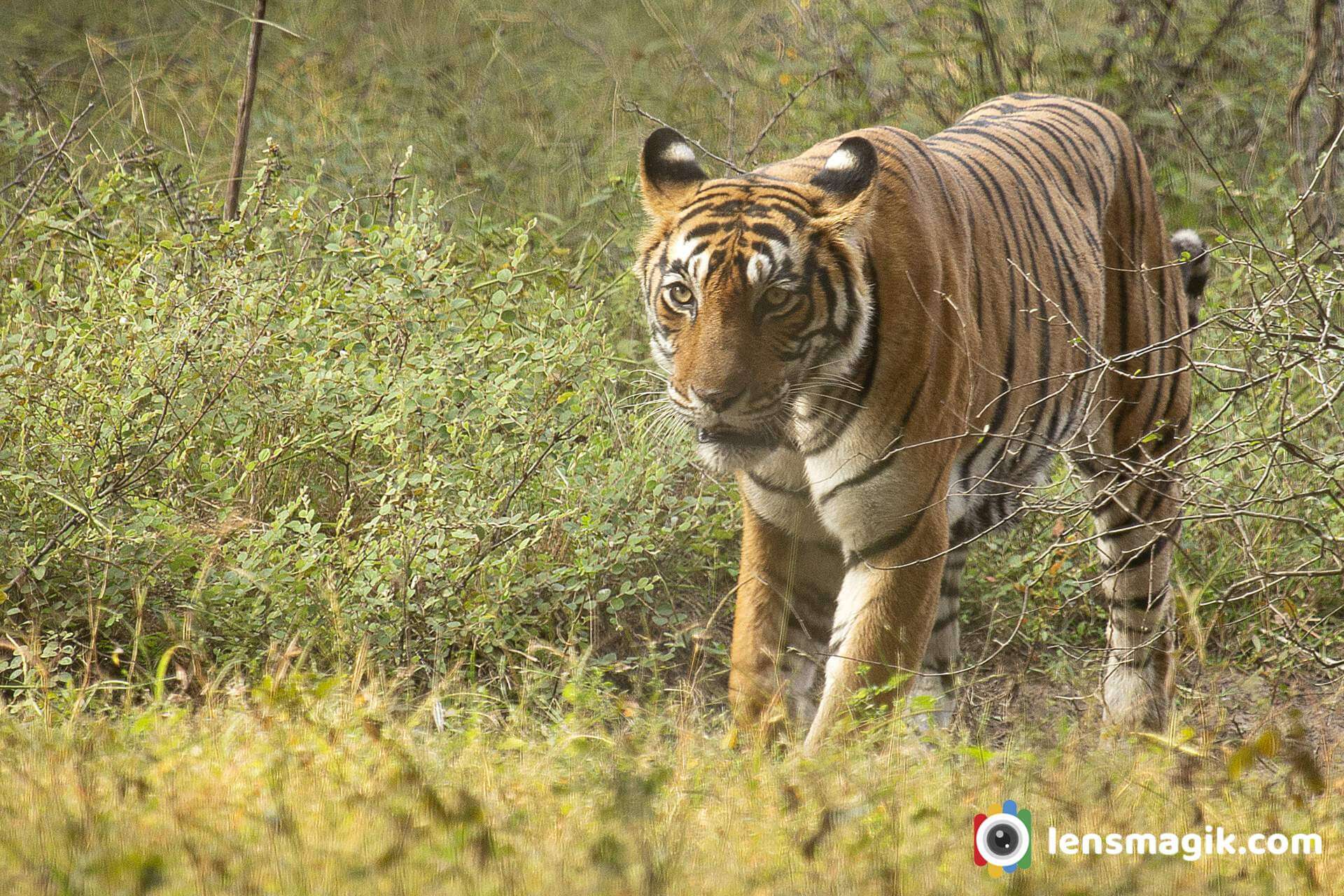
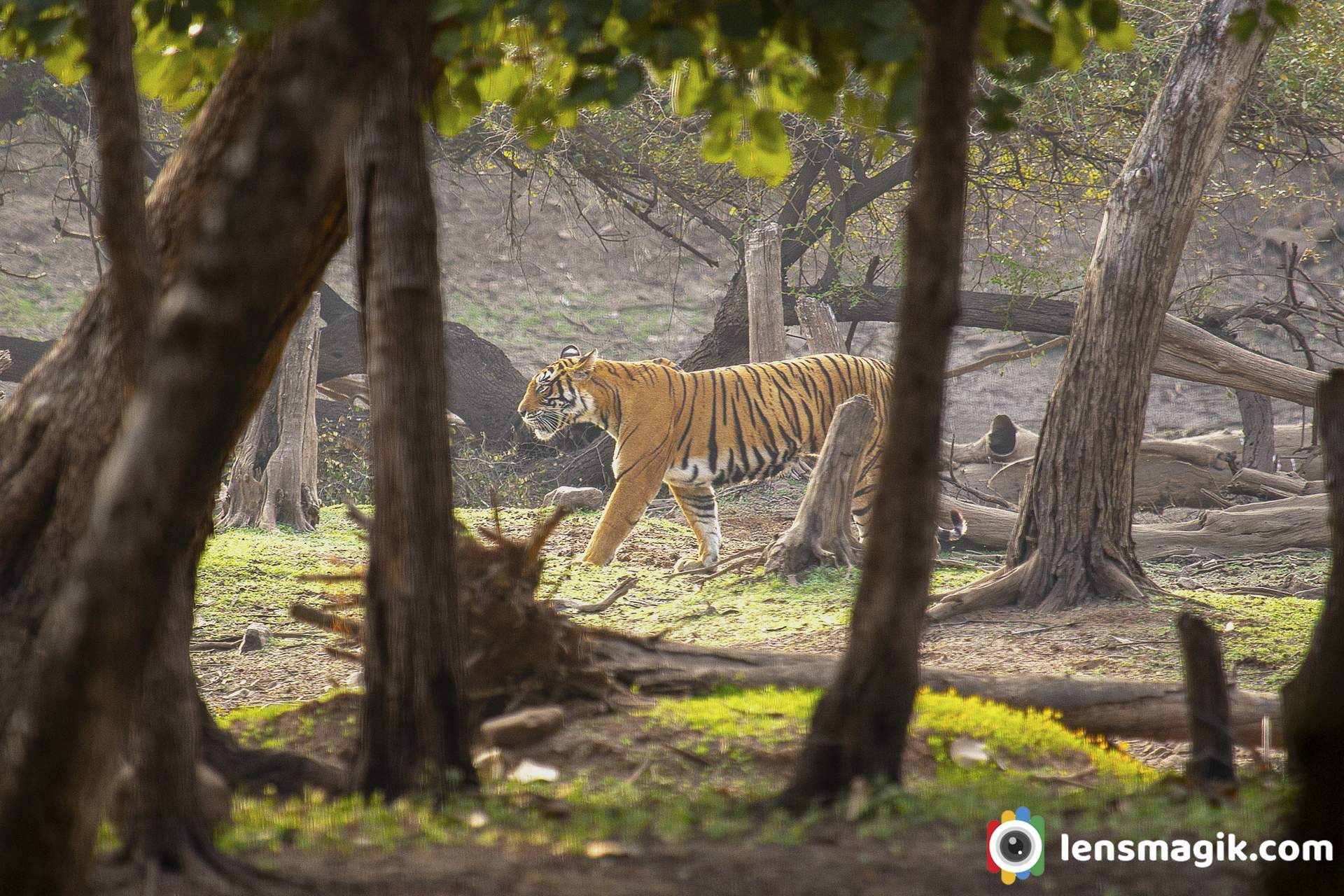
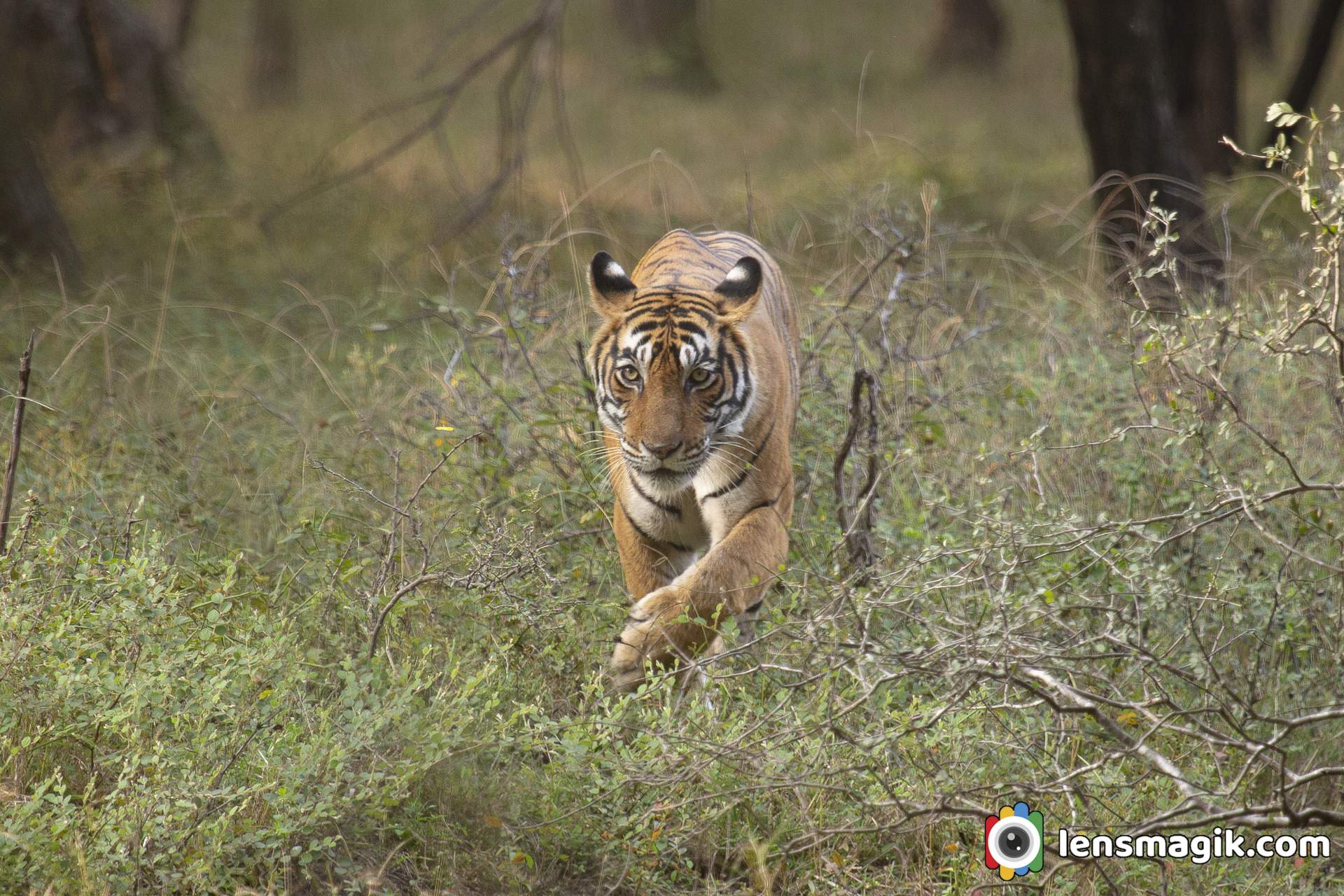
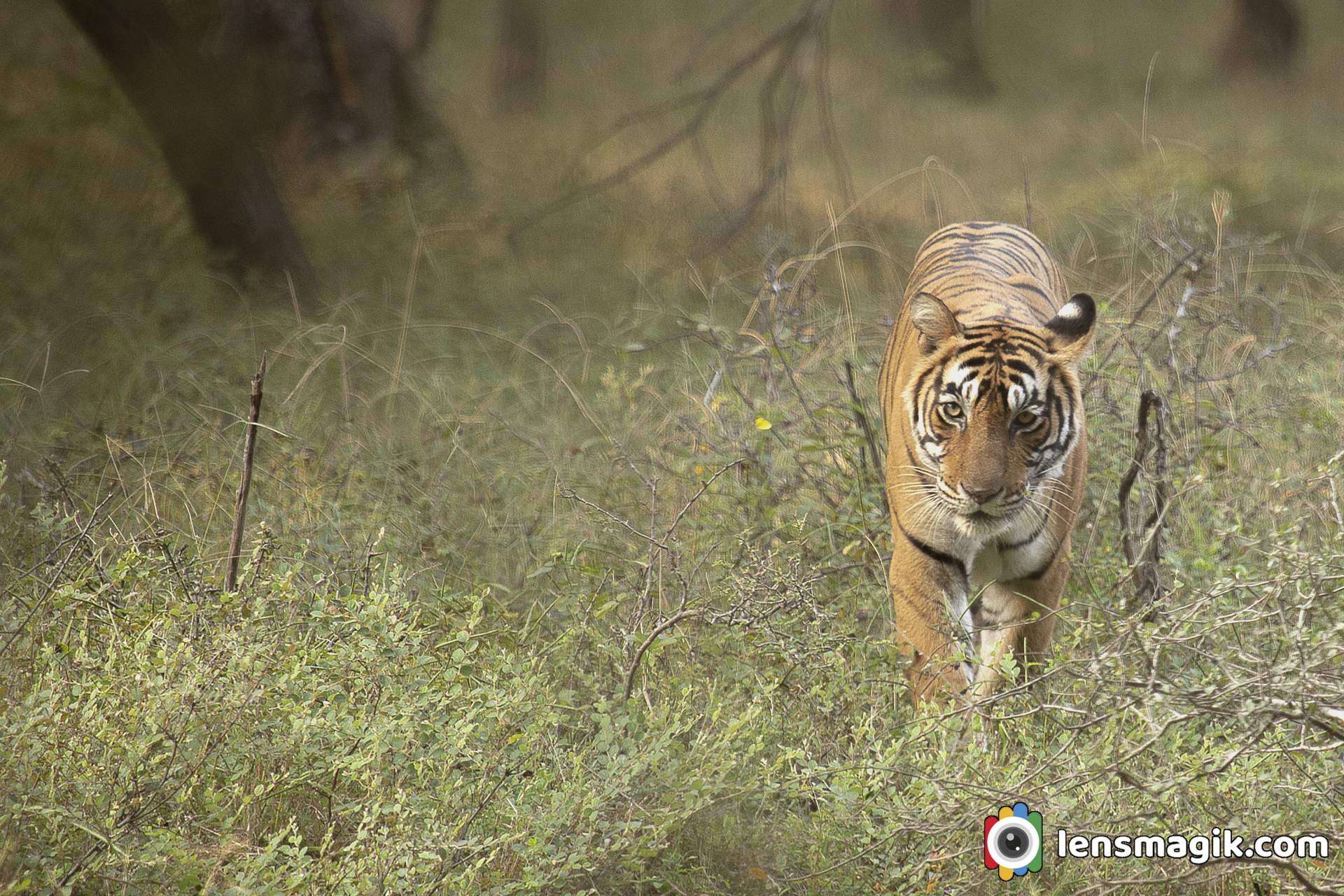
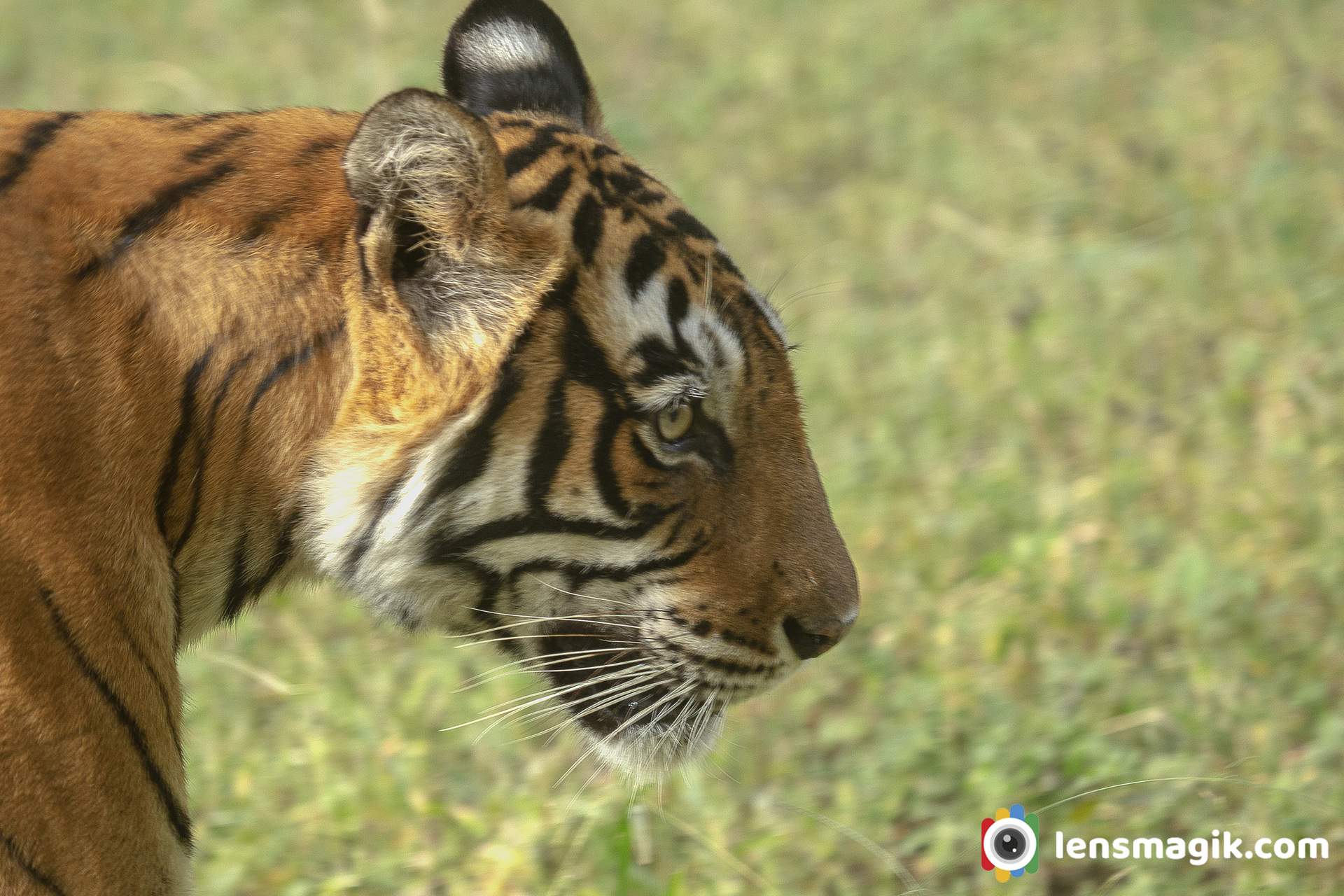
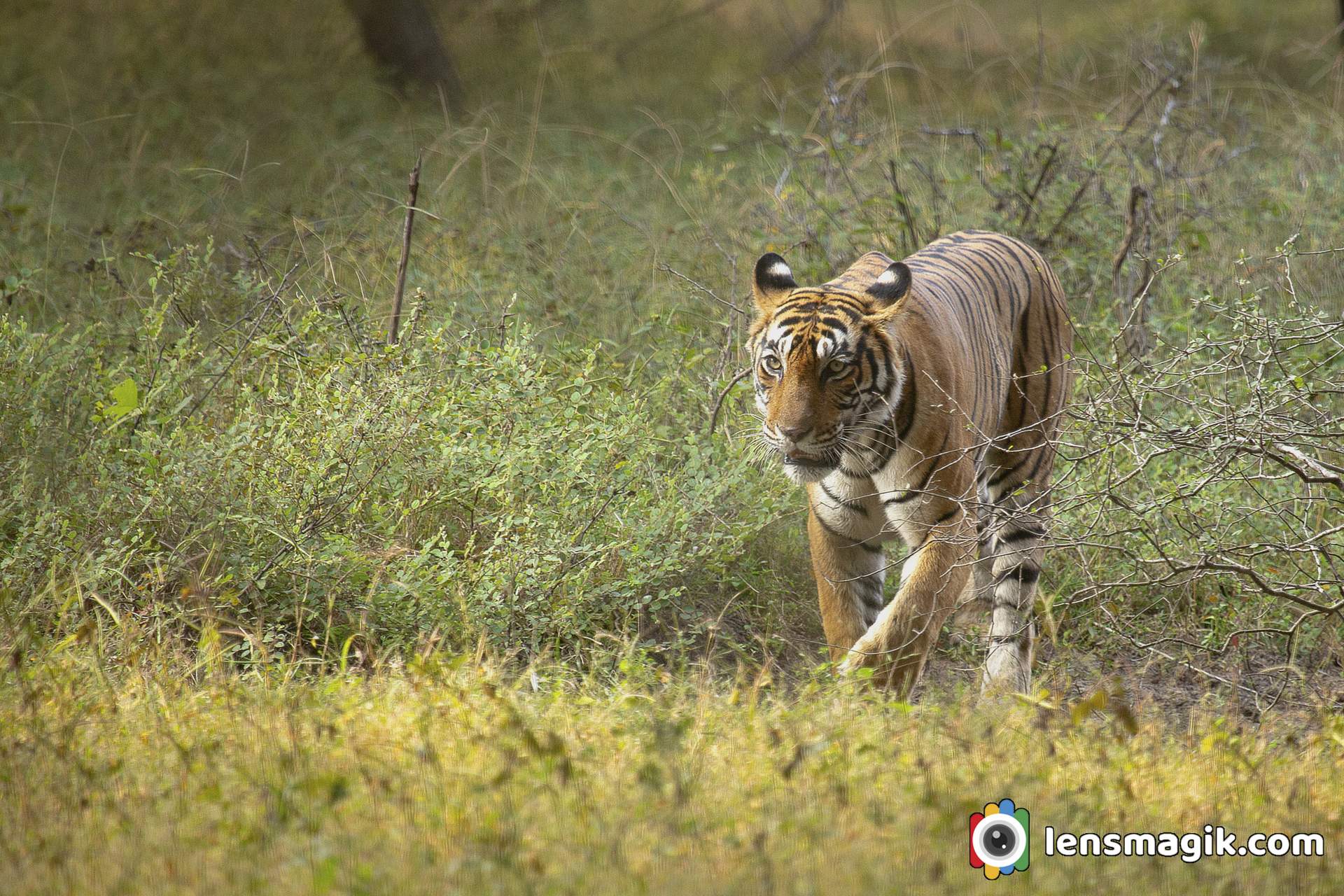
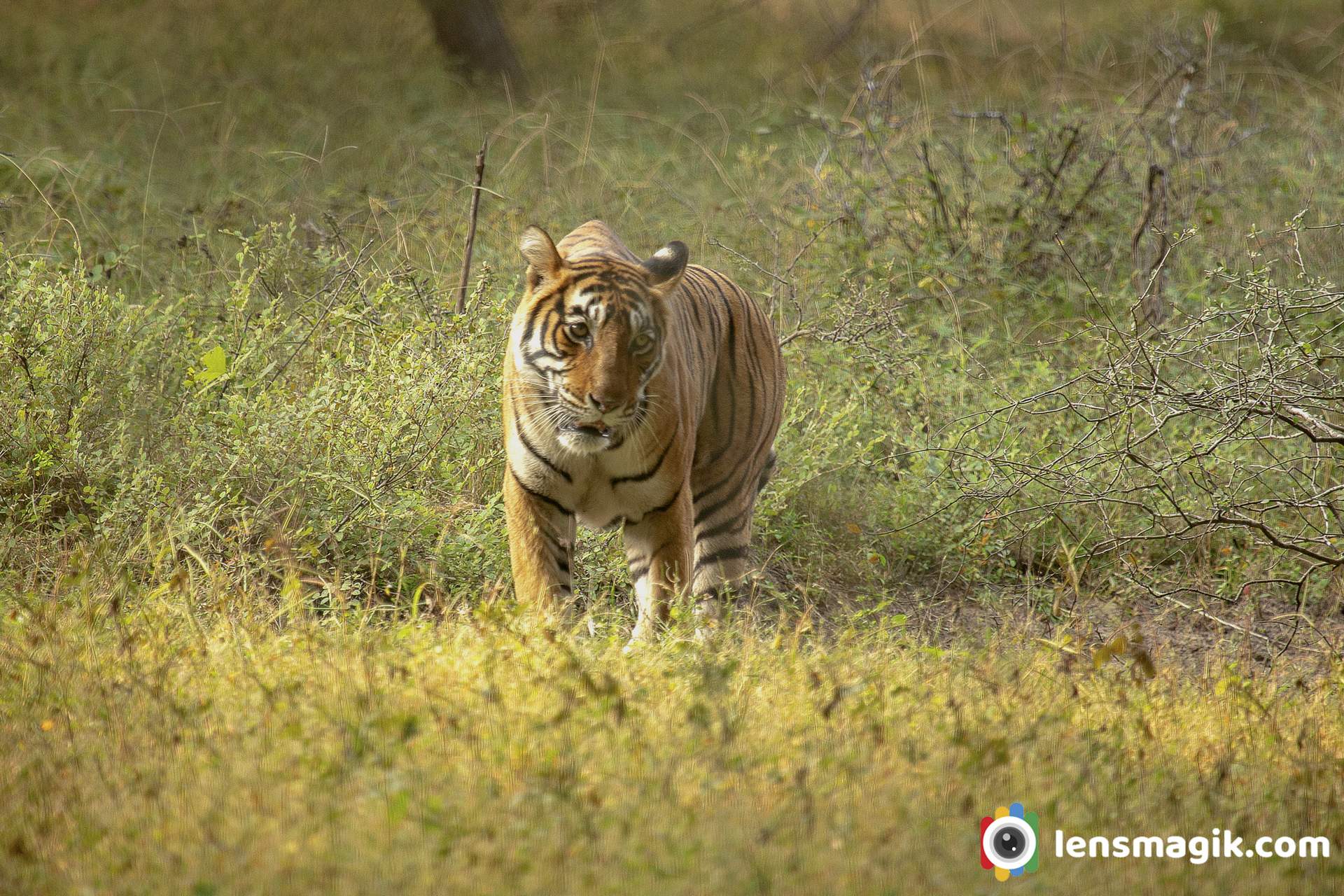
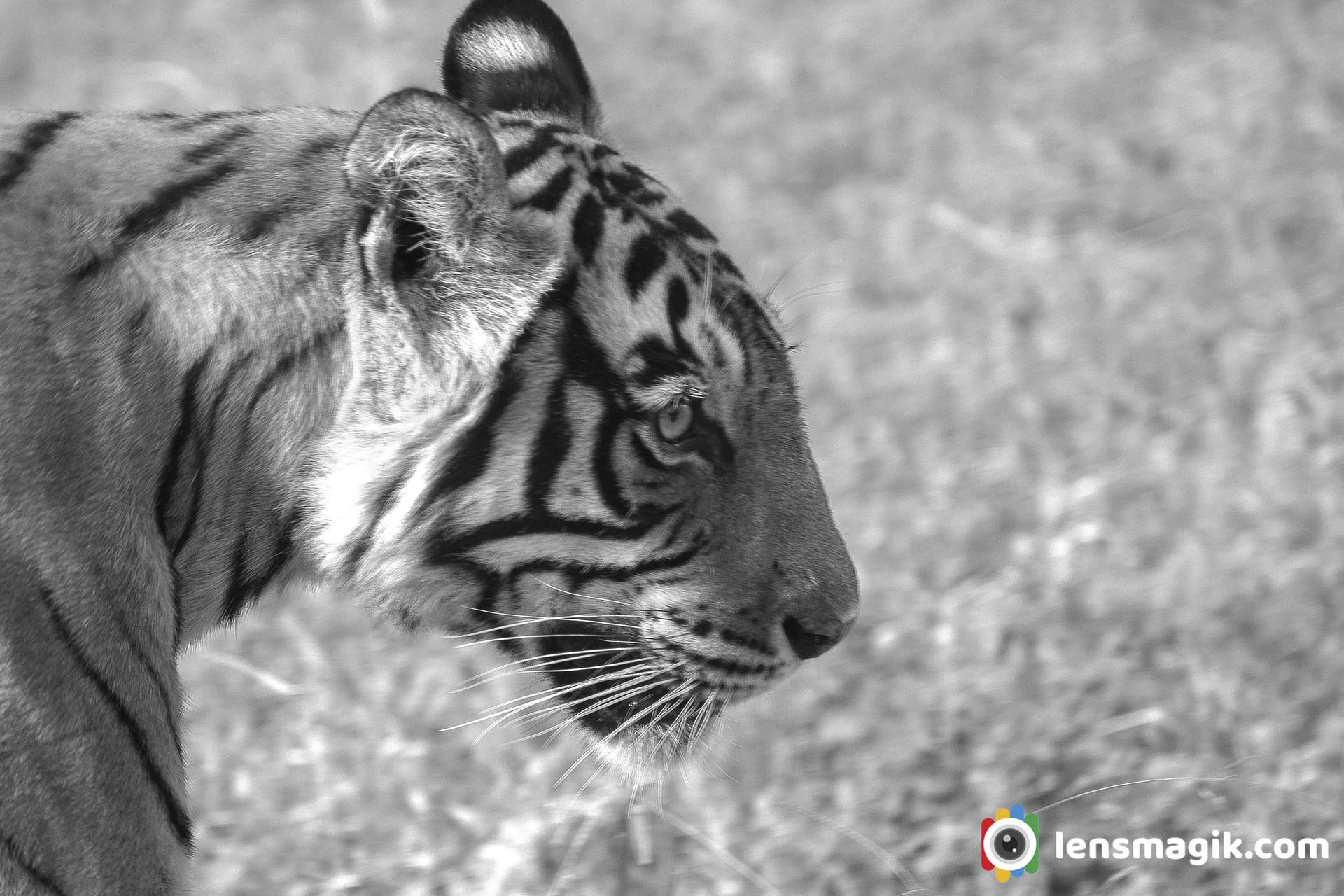
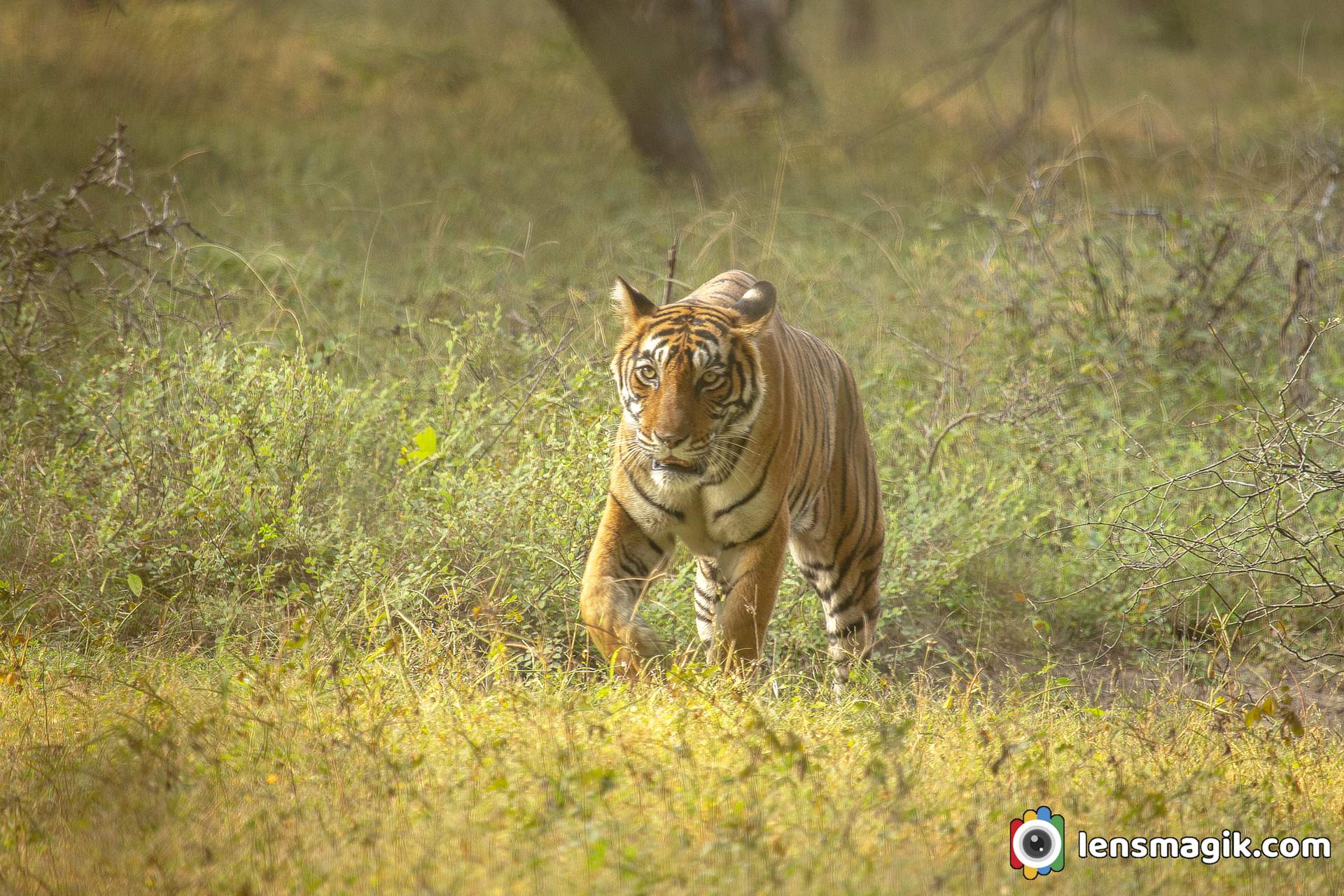
Tiger is national animal of India. Ranthambore is located in Rajasthan at Sawai Madhopur. It really amazing feel to see tiger in its habitat. My trip to Ranthambore National Park in Rajasthan, I was very lucky to see the Ranthambore Tigress Mala T-39 Named Noor in her habitats. During trip i want morning safari because its good time to see tiger during his/her movements. The Tigress Noor/Mala is resident dominant tigress who travels currently in Singhdwar - sultanpur - kala pila pani - khemcha kund. She found in normally Zone 1,2 and 6. She used to share is territory with male dominant Ranthambore Tiger T-24 named Tiger Ustad. Tigress Noor/mala has kid in 2012 name Sultan T-72.
Ranthambore Safari Booking :
For booking safari at Ranthambore National Park you can visit https://www.ranthamborenationalpark.in/online-safari-booking-ranthambore.html
from here you can book your safari. I suggest book Jeep safari morning or evening. Canter safari is cheaper then Jeep safari but there are more than 20 people in it. So by chance if you see Tiger then in canter its over crowd to see Tiger so i suggest book Jeep Safari. There are also some agents who can book your safari in canter or Jeep with taking extra money.
How Many Tigers in Ranthambore National Park ?
Well There are almost near to 80 Tigers/Tigress/Cubs in Ranthambore National Park. Among them there are 20 Tigres , 30 Tigress and more than 25 cubs and subadults approximately. Numbers may change after 2021.
Famous Tigers/ Tigress Of Ranthambore National Park :
T-39 ( Tigress Mala ), T24 ( Ustad ), T-28 ( Sitara ), T-41 ( Junglee ) and Bina 1 and 2 are most famous Tigers/ Tigress of Ranthambore national Park. Now a days T-19 named Krishna is the Queen of Ranthambore National Park. It is female cub of Machli ( T- 16 ) also Queen of Ranthambore. The King of Ranthambore is T-24 Ustad.
I am very afraid while shooting T-39 noor because she was very close to me and passed through our car. It was breathtaking experience a wild animal near you. Generally people says morning safari is the best for animals but we got it in the evening safari. So its all about your luck.
When Ranthambore National Park Open :
Question is When Ranthambore National Park is Open ? Well answer is - Ranthambore National Park safari is open for tourist from October to June every year. During monsoon it remains closed for tourist.
Ranthambore National Park Safari Prices :
For jeep safari in Ranthambore national park is 1700 per person as of now for Indian Citizen and 3500 for Foreign citizens. And Canter price almost 1200 for Indians and 2500 for Foreigners.
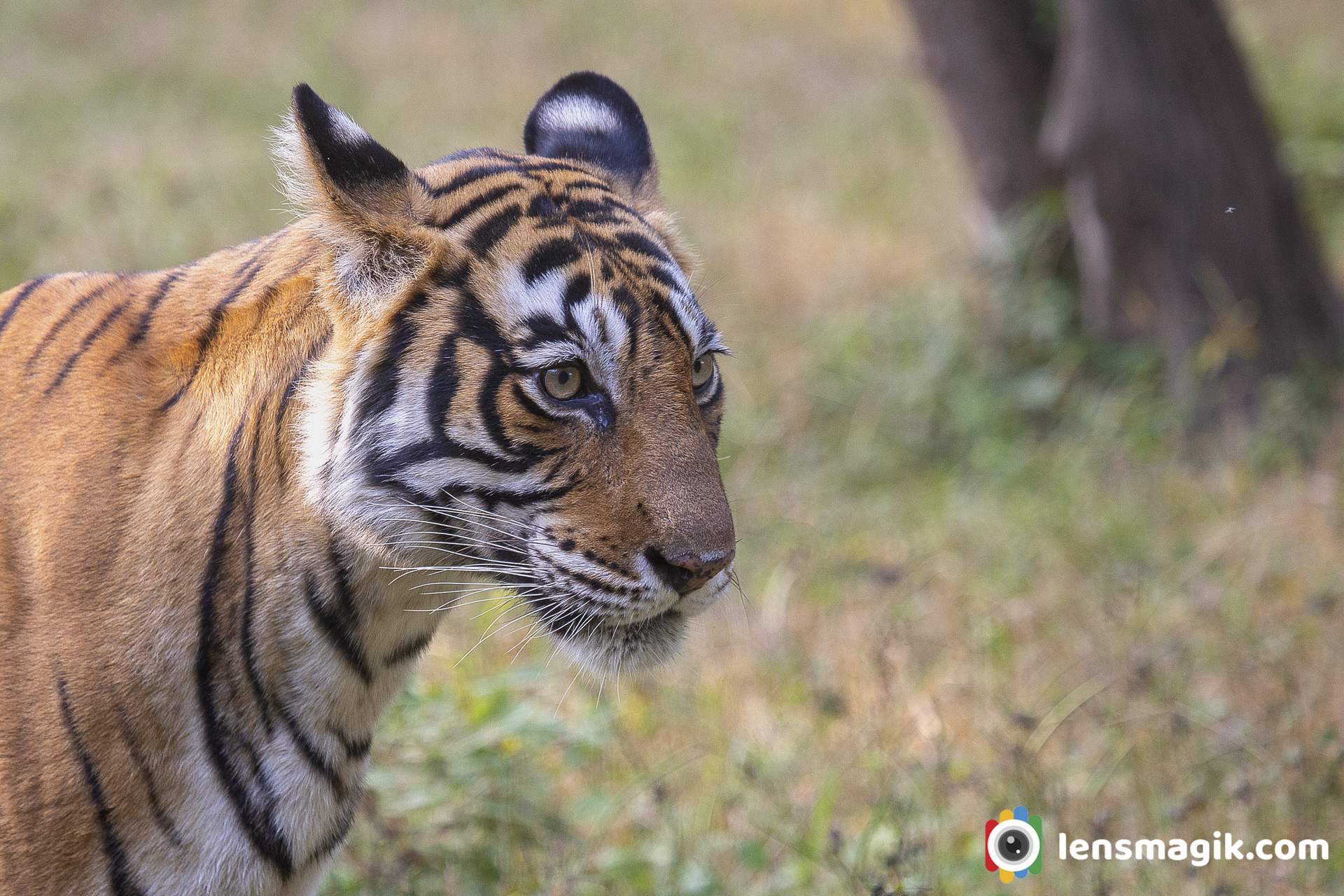
Identification of Tigress Noor/ Tigress Mala T39 :
- The first siting of tigress noor was in 2009.
- She is also known as Mala, Noor and sultanpur too.
- She is known for her beauty and amazing wavy pattern on her body.
- The identification of tigress noor/mala is diamond symbol on her body.
- She was in zone 1,2 and 6. Her age is around 14 years.
- For another identifications her left ear was broken.
- Above right eye inverted trishul like mark.
- Two prominent Y on right leg.
Is Ranthambore Worth Visiting ?
Definately yes Ranthambore is worth visiting. Ranthambore jungle is very nice to travel even you can not see the Tiger. There are lots of other spices to see in the jungle. Also travel in a jungle is one of most beautiful experience in a open jeep. Its really trilling experience.
Are Tigers endangered in India ?
Well Yes you can say the Tigers or Bengal Tigers are endangered in India. There are increase in their population during 2006 to 2018 from 1400 to 2900 approx. Tigers are poaching for its skins and other body parts. But Currently India has largest population of Tigers in the World.
About Ranthambore National Park Safari :
Ranthambore national park is good for tiger lovers. Tigers siting at Ranthambore National Park is high. You can book your Ranthambore safari online. Also tatkal booking before 24 hours via agents but its on your luck that you get your safari booking. So book your safari online first then plan your travel. For safari Jeep drive is best. Also kenter mini bus safari available but too much crowed around 20 peoples. So go for jeep drive. Morning time is best for game drive in Jungle all over India. Also evening drive is good. Its all about your luck to get seen tiger. I seen tiger in evening drive. After Ranthambore trip you can go for Jaipur or Agra for next destination. Ranthambore is the best place for wildlife in Rajasthan. Siting of tigers are also good here.
Ranthambore Resorts and Hotels :
There are many options at Ranthambore for hotels and Resorts. Hotels are quite cheaper then Resorts . Hotels and resorts at ranthambore national park are very good and aslo some popular resorts like Fern resort, Regenta resort Vanya Mahal ranthambore , Nahargarh ranthambore, Oberoi Vanya vilas etc are some luxury resorts in Ranthambore. Hotels starting price from 2500-3000 INR to 5000 INR approx. And luxury resorts price around 7000 to 10000 INR depend on season and Time. During diwali time the resorts price are at high. So if you are planning on Diwali time then plan to book early as possible. I stay at Vanya Mahal Resort and its beautiful resort to stay at ranthambore.
Ranthambore nearest tourist places :
Most people came ranthambore for Tiger Safari for 2 days but if you want to explore some nearest places at Ranthambore are Ganesh Temple, Ranthambore Fort, Trinetra Ganesh Temple and Kachida. At Ganesh Temple you can do some hiking at fort side . Also you can see Heritage fort of Ranthambore too. There are some local guides who want to guide to Ganesh Temple and charge high so please if you need guide then make sure about money what he takes first. Otherwise they are misbehaving with you and you have to pay money what he ask.
Location of Photos : Ranthambore National Park, Rajasthan, Zone 6 Evening Safari
How to Reach Ranthambore : Nearest Airport : Sanganer Airport is nearest Airport, Also you can go to Jaipur and from Jaipur you can go by road.
Nearesrt Railway station : Sawai Madhopur about 10 km distance
Camera Gear : Canon 6 D, Canon 80 D, Canon 100-400 mm lens
Read more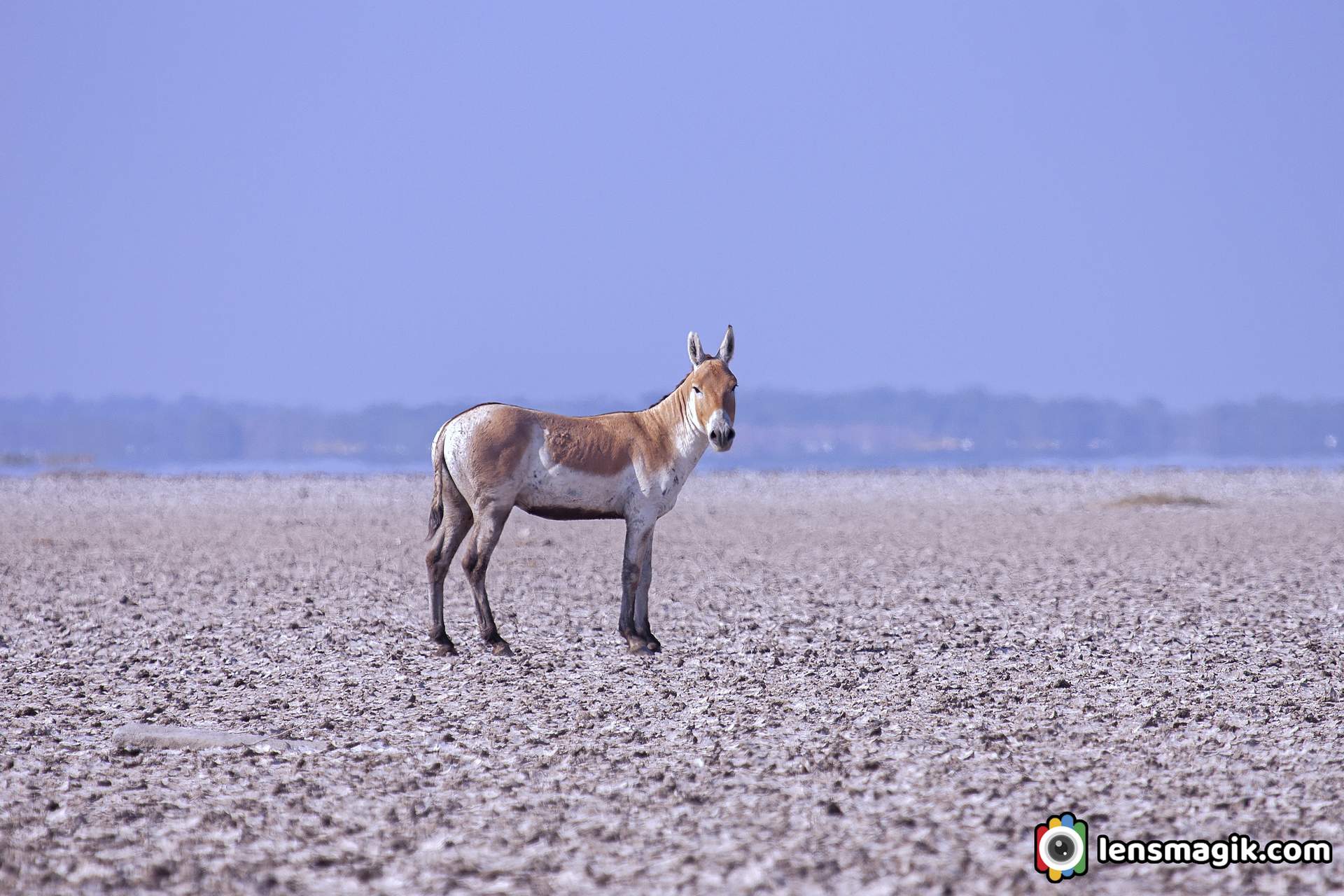
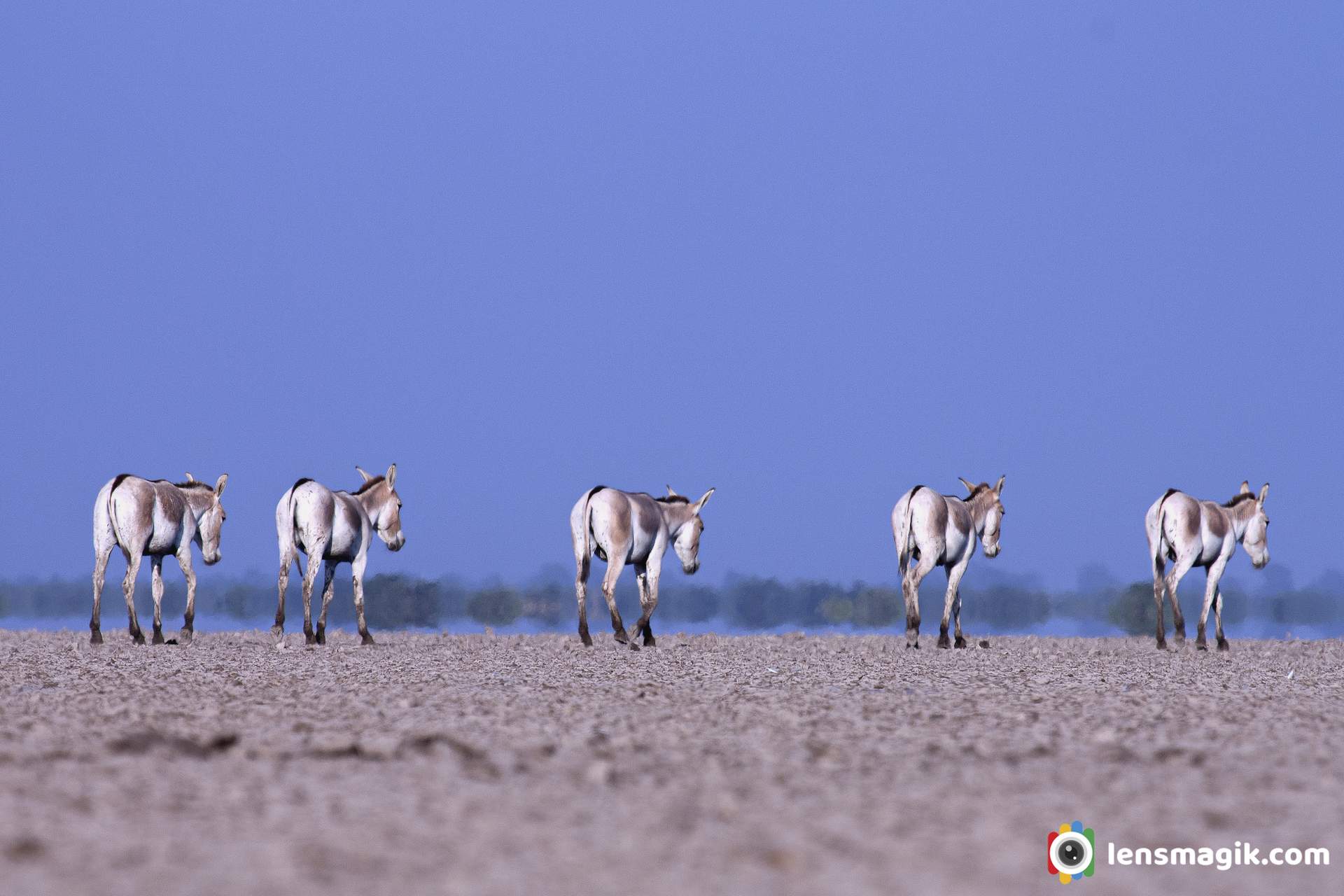
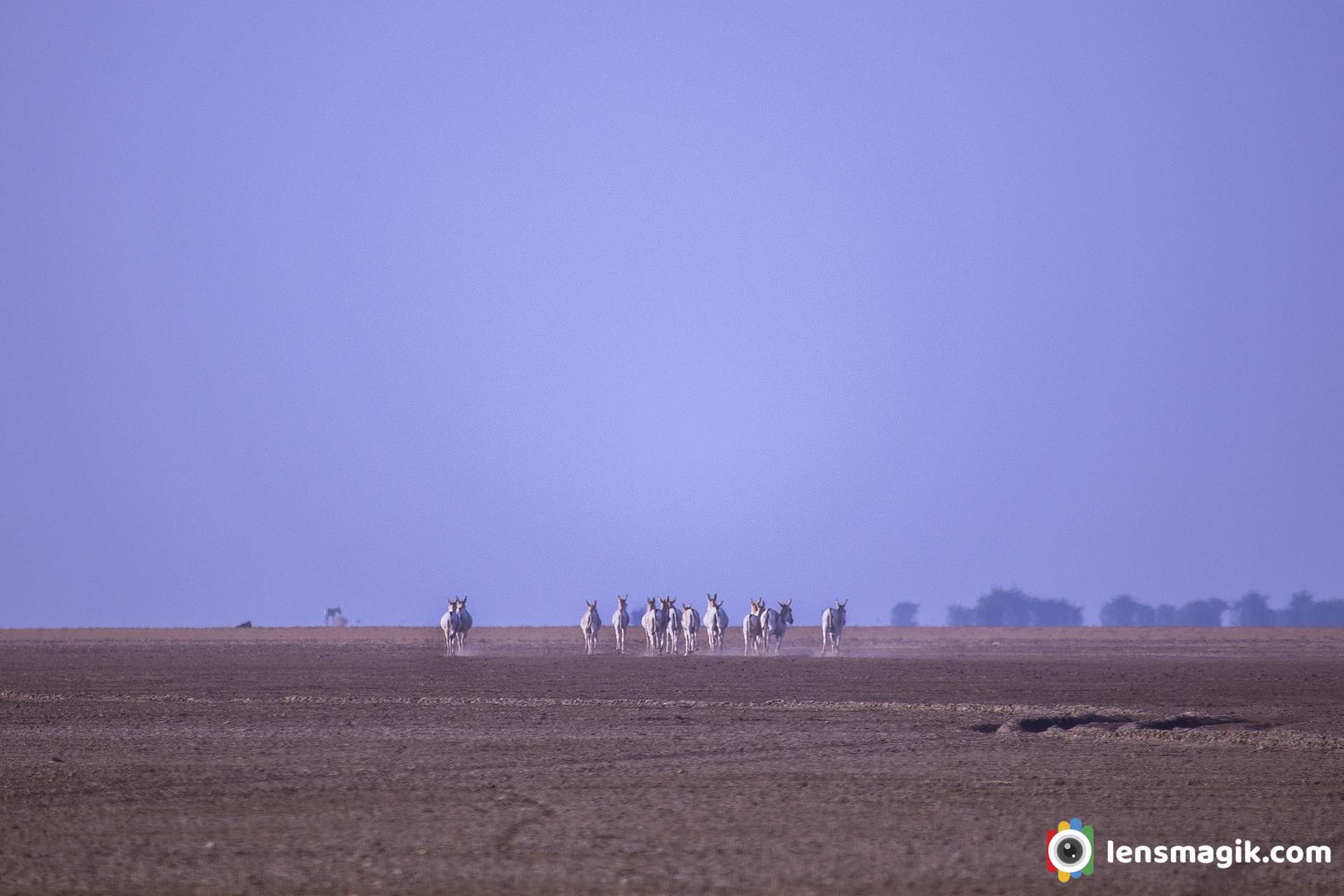
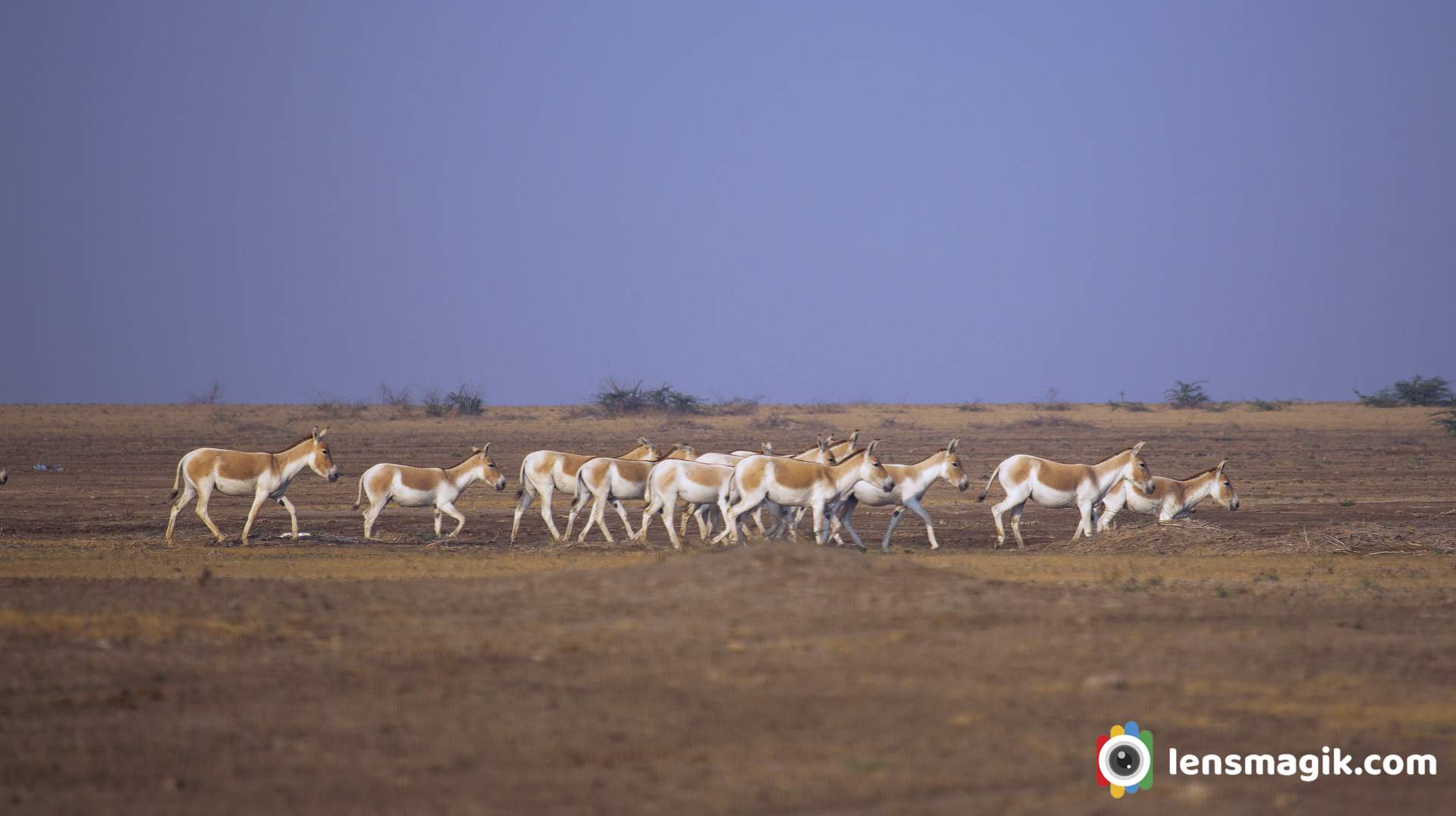
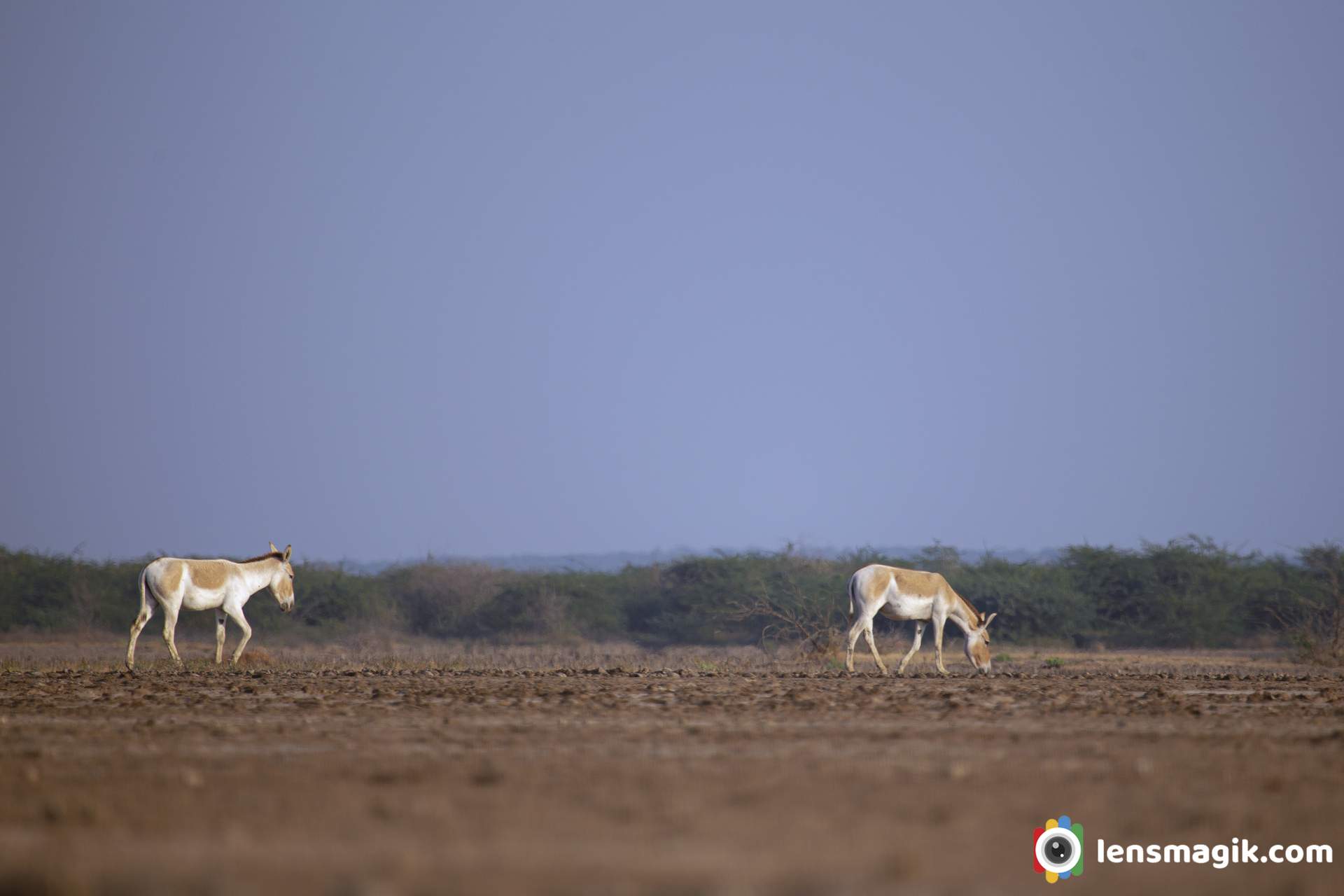
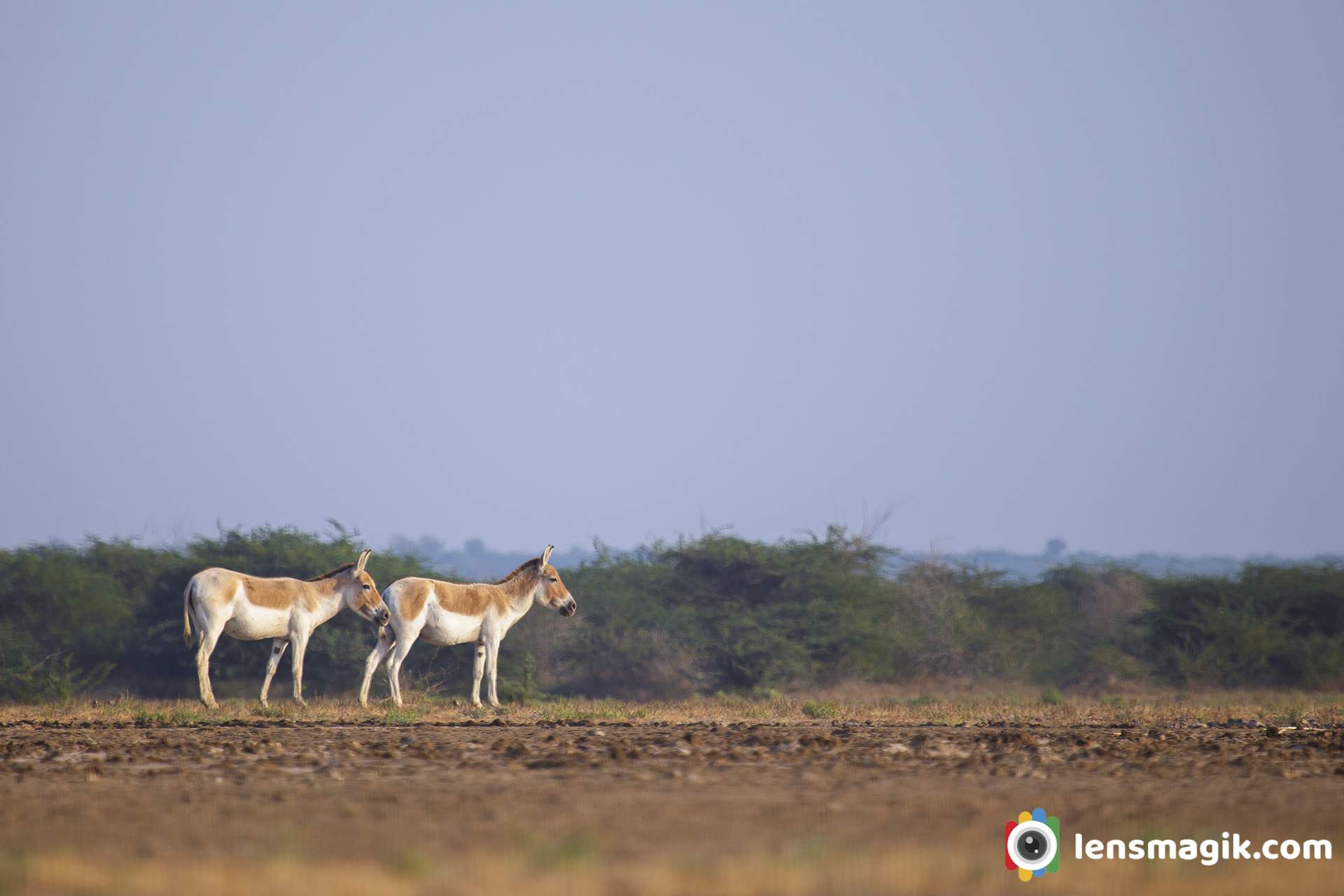
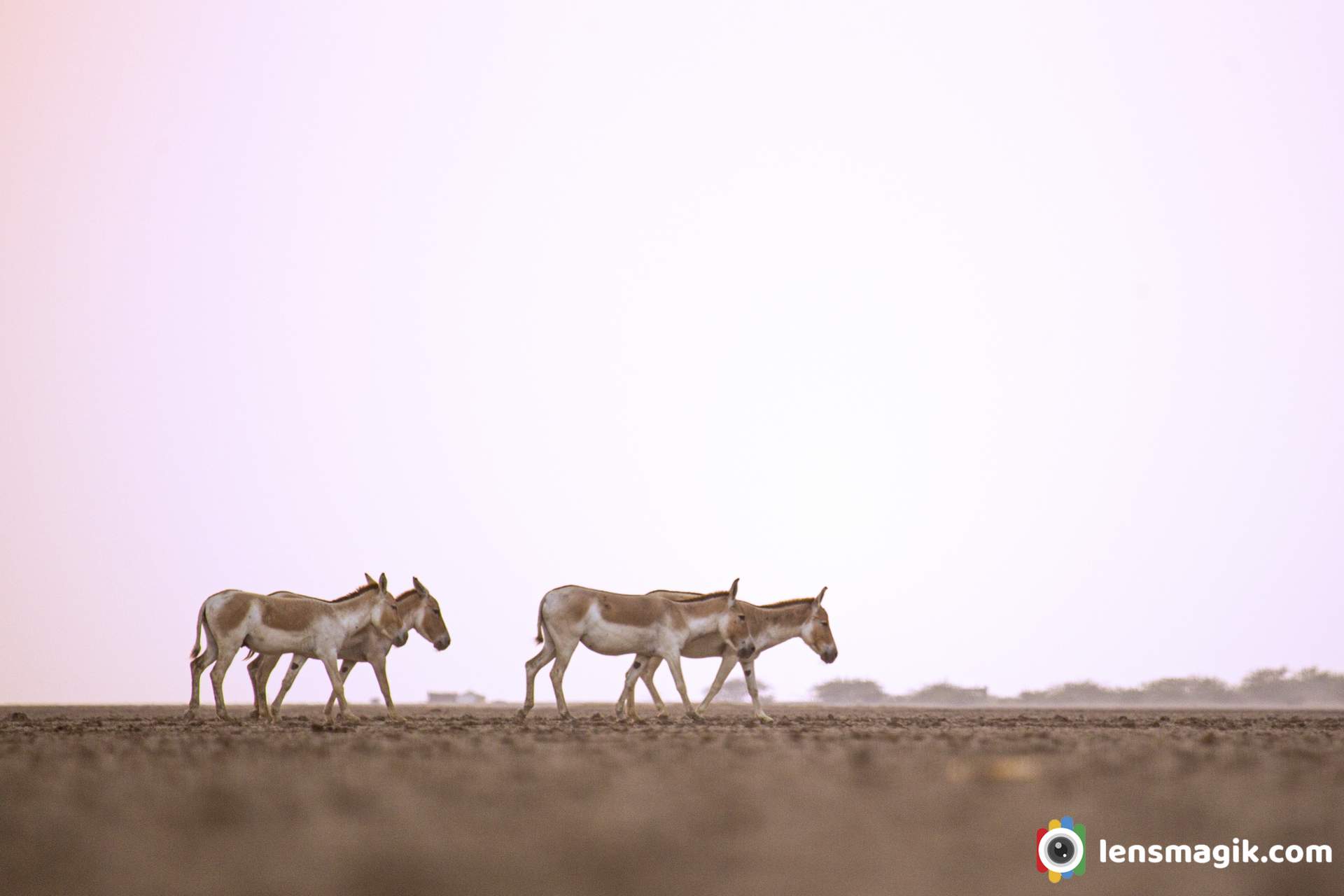
Indian Wild Ass known as Gudhkhur, Khur or Indian Onager in local Gujarati language. The population was estimated around 4450 before 5-6 years. Indian Wild Ass population increasing in numbers and extending its range from Little Rann of Kutch to Great Rann of Kutch. Little Rann Of Kutch where found the world's largest population of Wild ass .The wild ass eat grass, leaves and fruits. Wild ass is very shy animal. If you want to go closer to them they ran away. I shoot photo from far distance with my tele lens. There was very low light at sunset and with tele lens u cant go much brighter image but i tried with sunset and wild ass together. Wild ass with sunset photo looks awesome.
Facts about Indian Wild Ass :
- The range of Indian Wild Ass is western India, Pakistan and Afghanistan .
- In India Indian wild ass found only in Gujarat in Great Rann of Kutch , Little rann of kutch in Wild ass Sanctuary.
- In Gujarat Indian wild ass also found in small numbers in Banaskantha, Surendranagar, Mehsana and some outskirts of wild ass sanctuary.
- Indian Wild ass feed grass, leaves and fruit plants.
- Indian wild ass is the fastest animal of India.
- Speed of Indian wild ass is around 70 to 80 km per hour.
- Monsoon is matting season of Indian Wild Ass.
- Indian wild ass related subspecies are Mongolian Wild Ass, Turkmenian Kulan, Persian Onager and Syrian Wild Ass .
- In India there is another Wild ass spices named Tibetan Wild Ass found in Leh Ladakh and Tibet areas,
About Wild Ass Sanctuary Gujarat :
Little rann of Kutch has two good sites one is Bajana where you can enter LRK from forest office. Another site is Dasada where good wetlands and outskirts area of amazing agricultural lands. From Bajana entrance route you can find amazing migratory birds and wild ass too. Lots of winter visitor birds and raptors found here. Best time to visit for raptors is November to February. Dasada village has good wetlands. Also some good wetlands area outside LRK where you can find migratory birds and some resident birds too. Also short eared owl found here and also endanger Bastard bird is found here. LRK is prefect sanctuary for wildlife and birders. Here you can find all types of birds and mammals. In little rann of kutch spices of invertibrates, insects, spiders, amphibians, reptiles, lizards, snakes etc are found. Sanctuary is in a desert of Kutch.
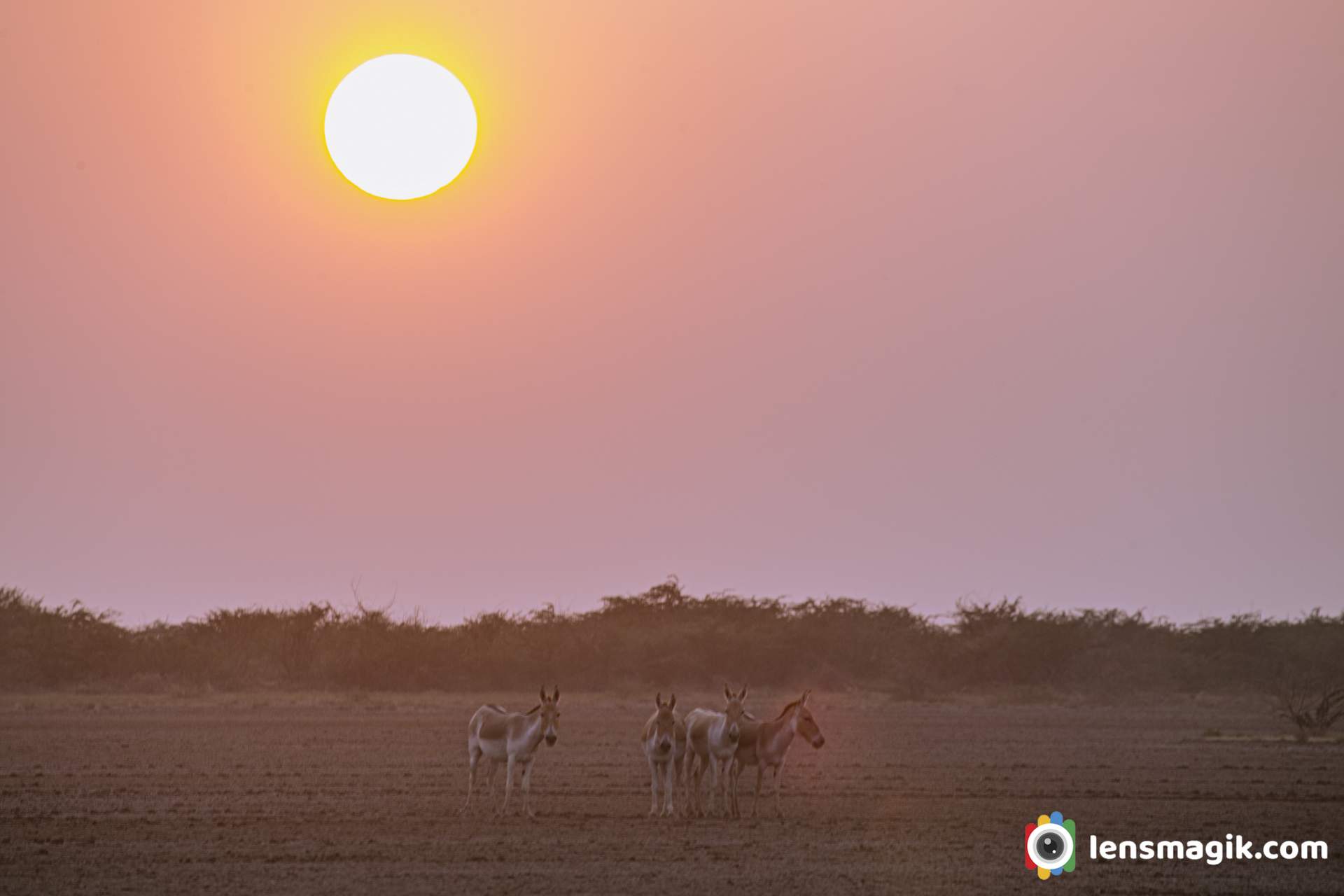
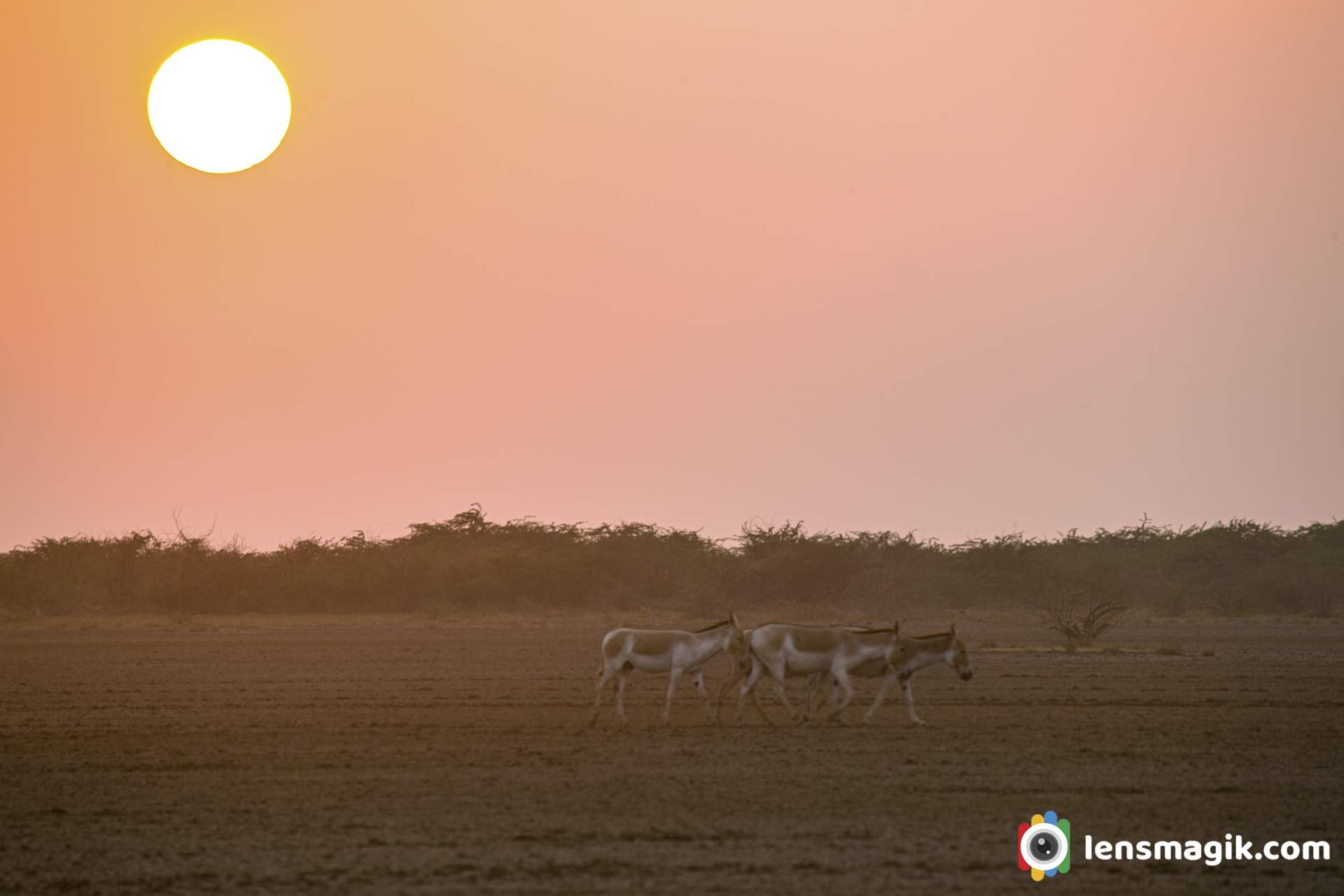
At the edge of sunset wild ass is beautiful subject to shoot. LRK has good horizon site to capture 360 degree view . Little rann of kutch is very good sanctuary for birders too. In winter season LRK, little rann of kutch is best place to visit for raptors. Lots of migratory birds and raptors are found here . Wild ass is looks like a donkey. Same body structure as donkey but only the difference is color. LRK is good place for wildlife photographer bcz you found mammals , birds, migratory birds, raptors and also owls and endanger spices of Bastard found here.
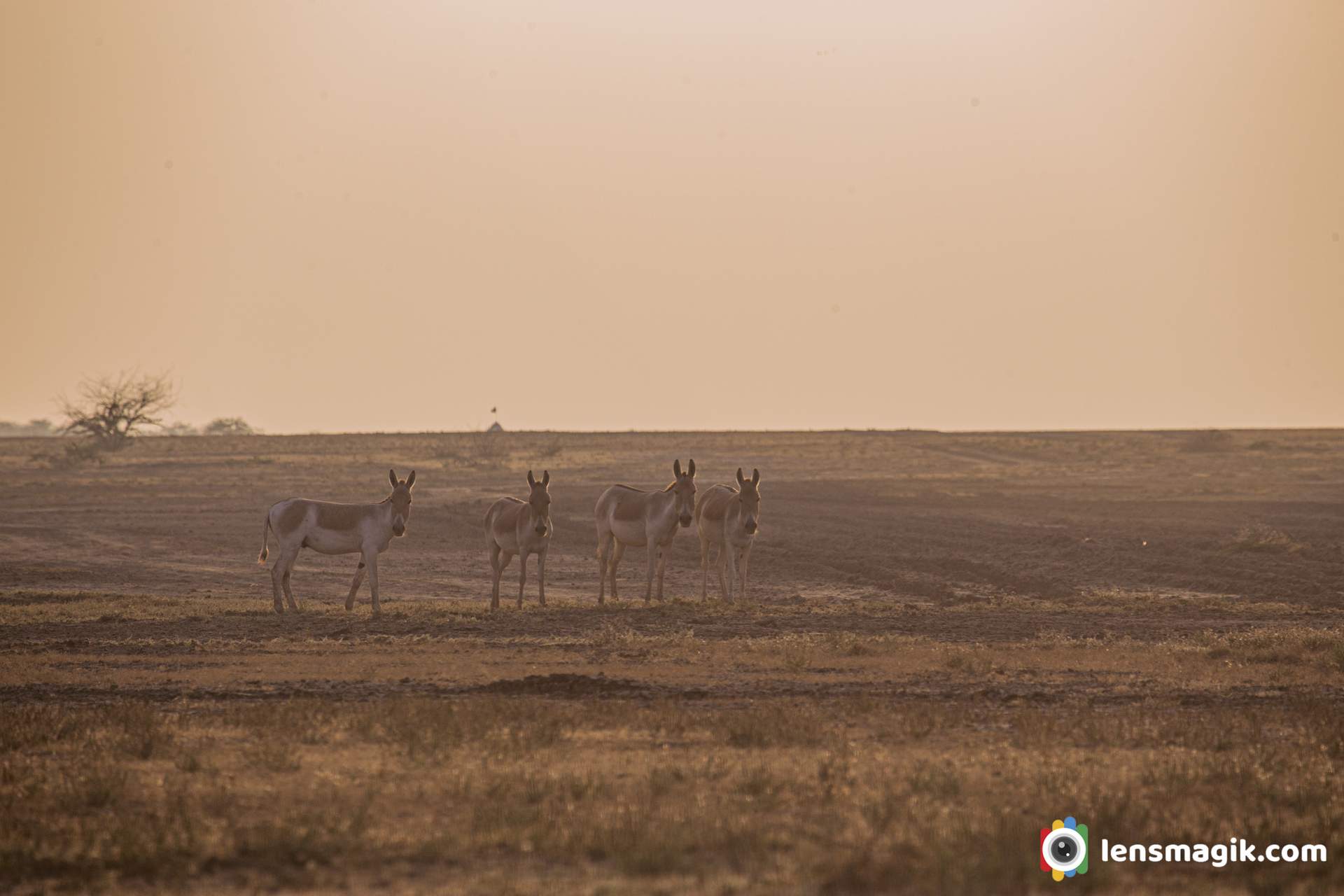
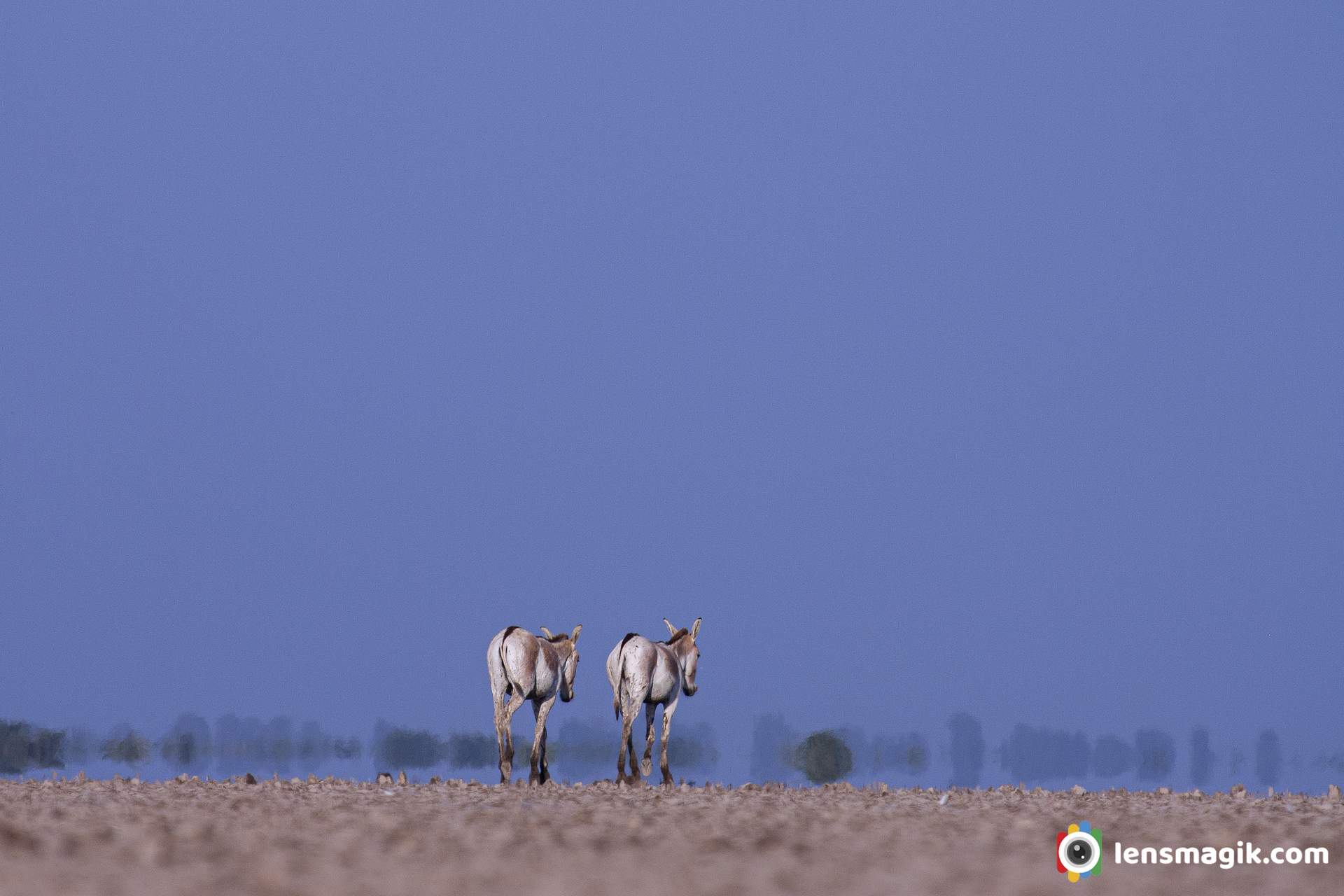
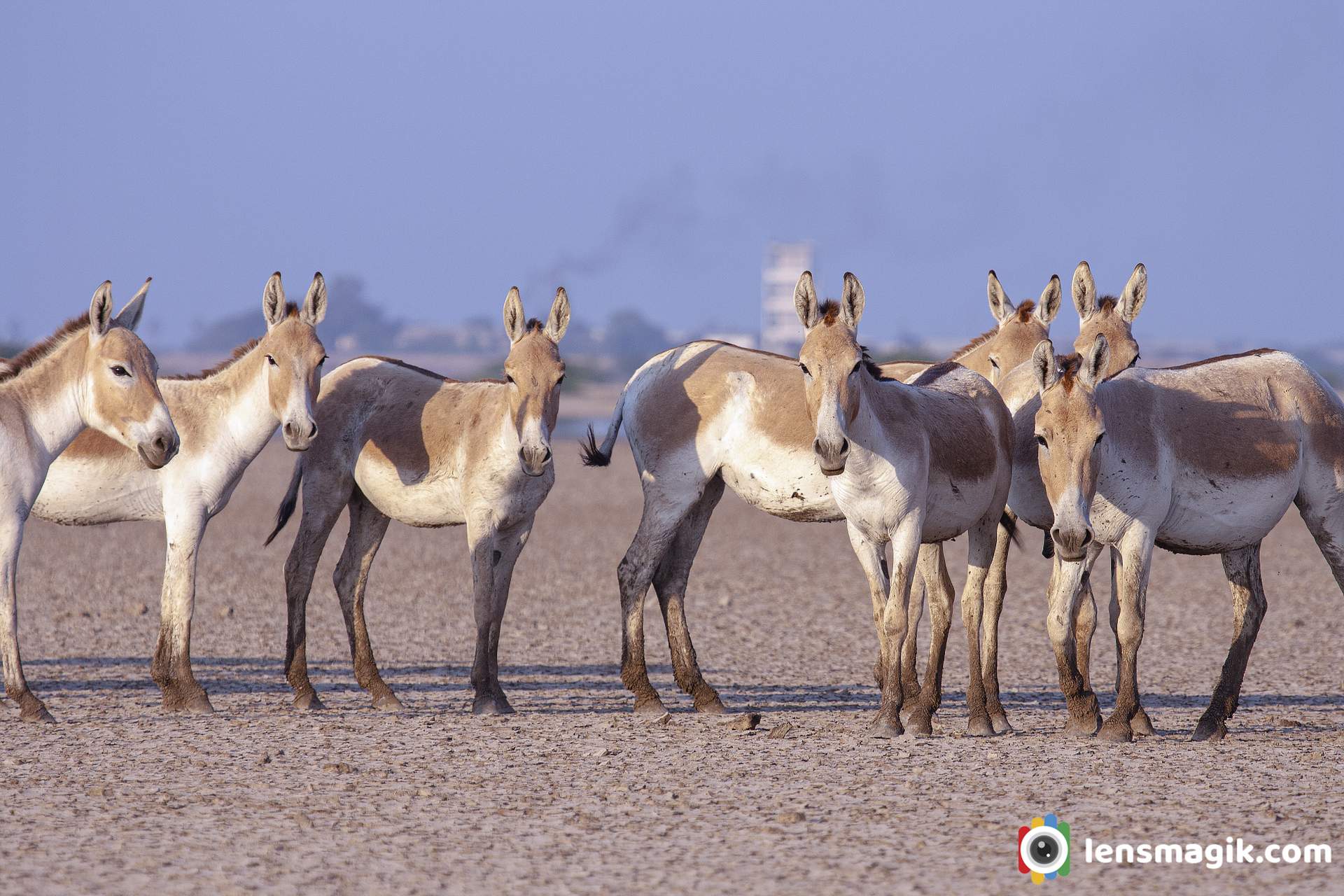
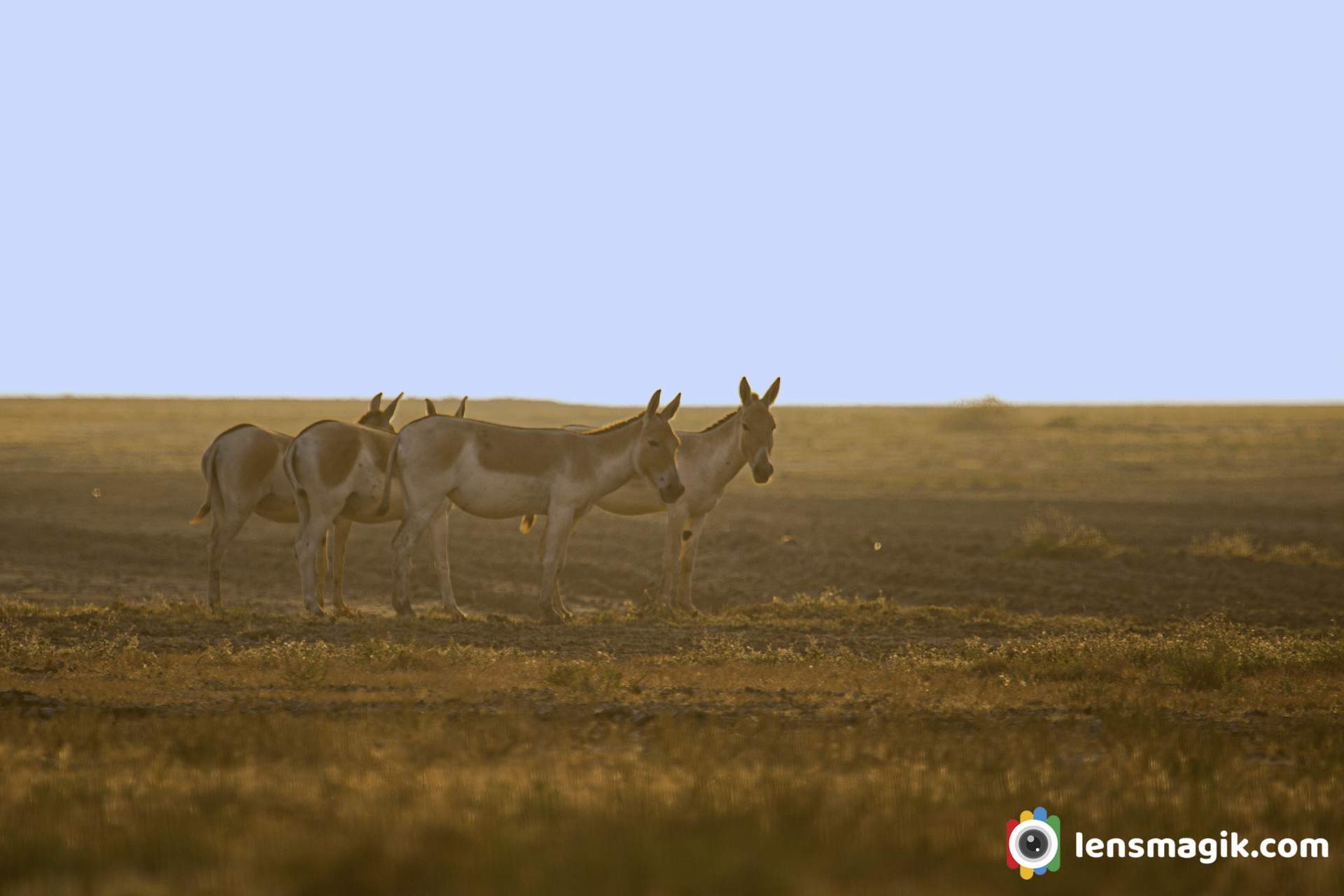
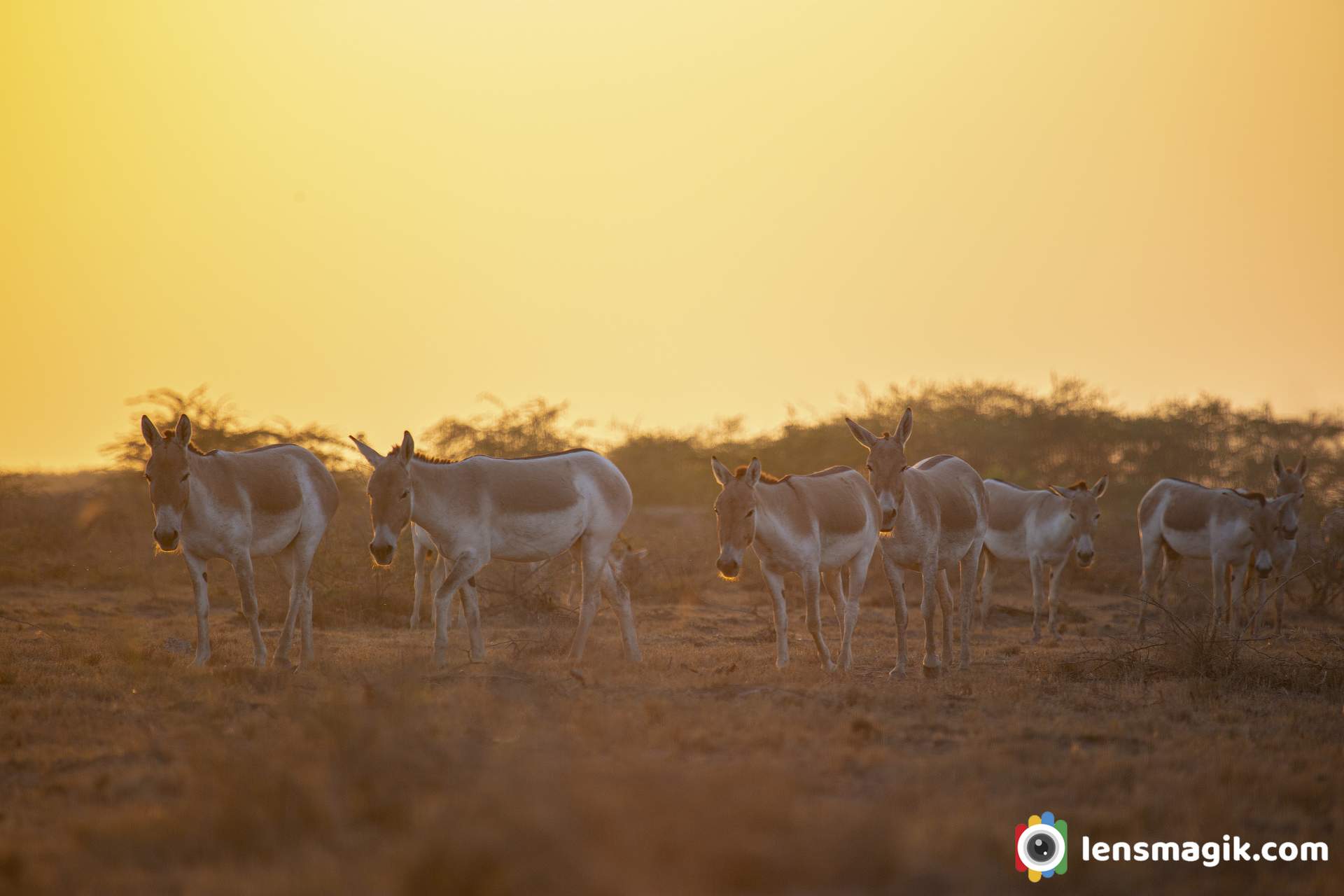
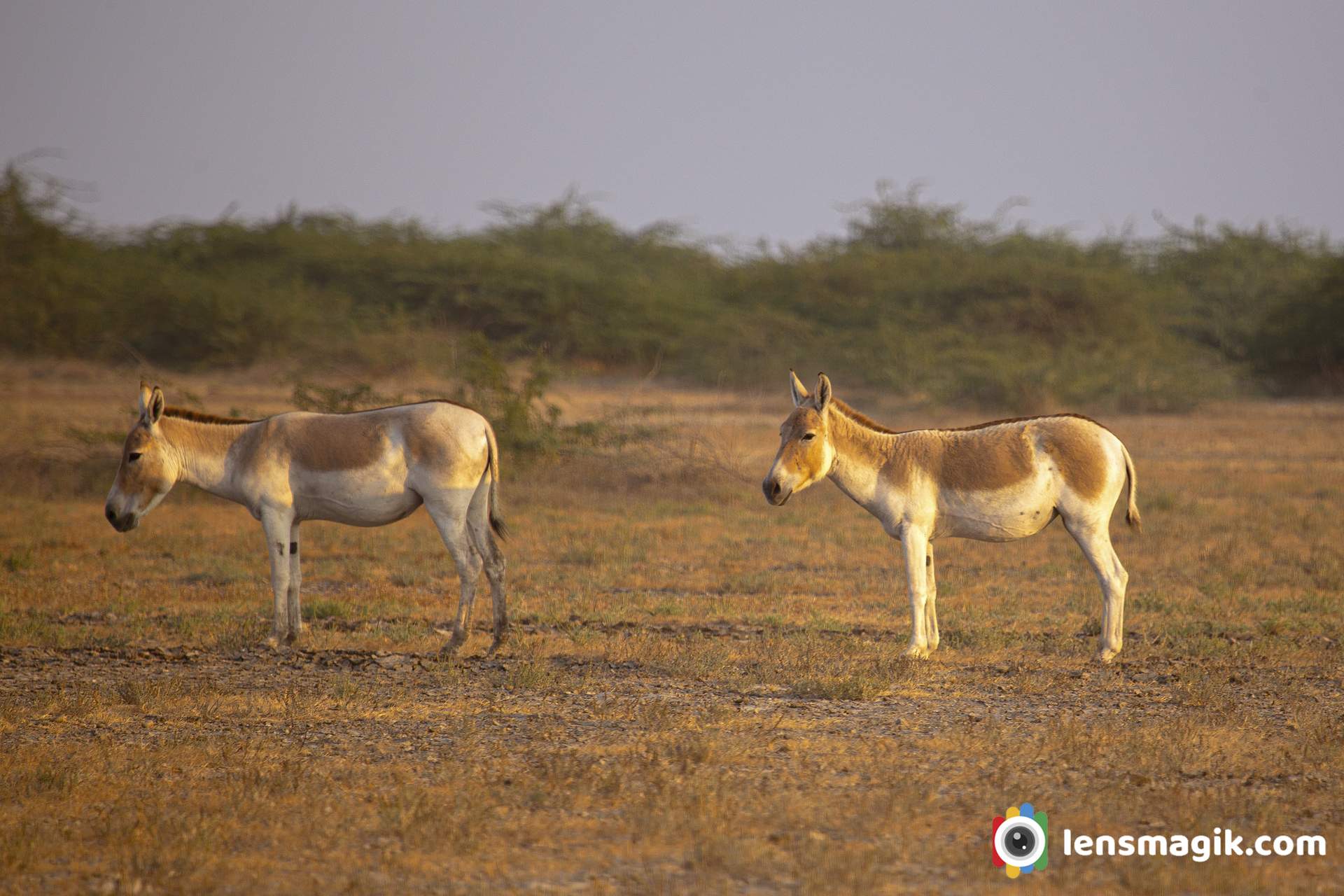
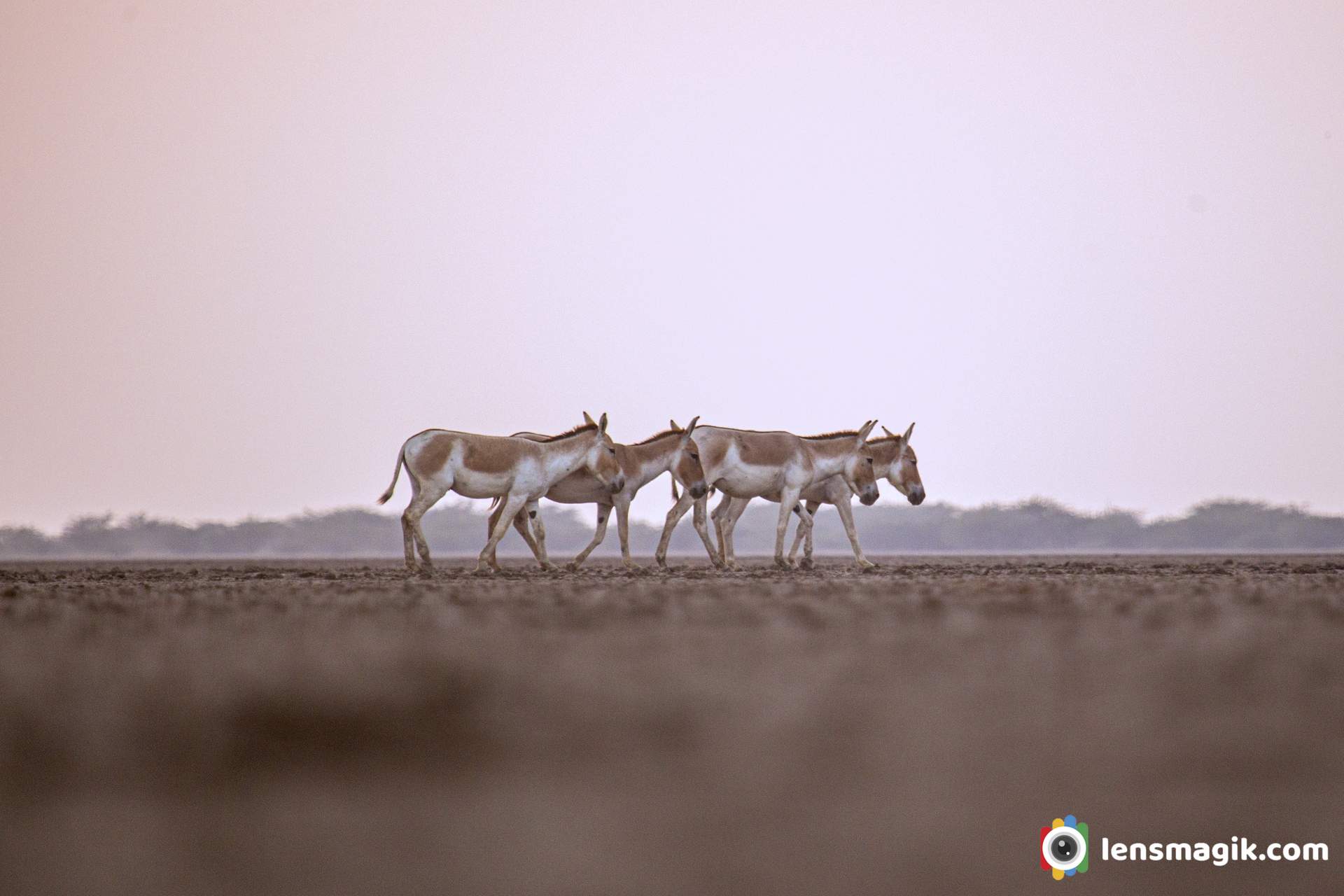
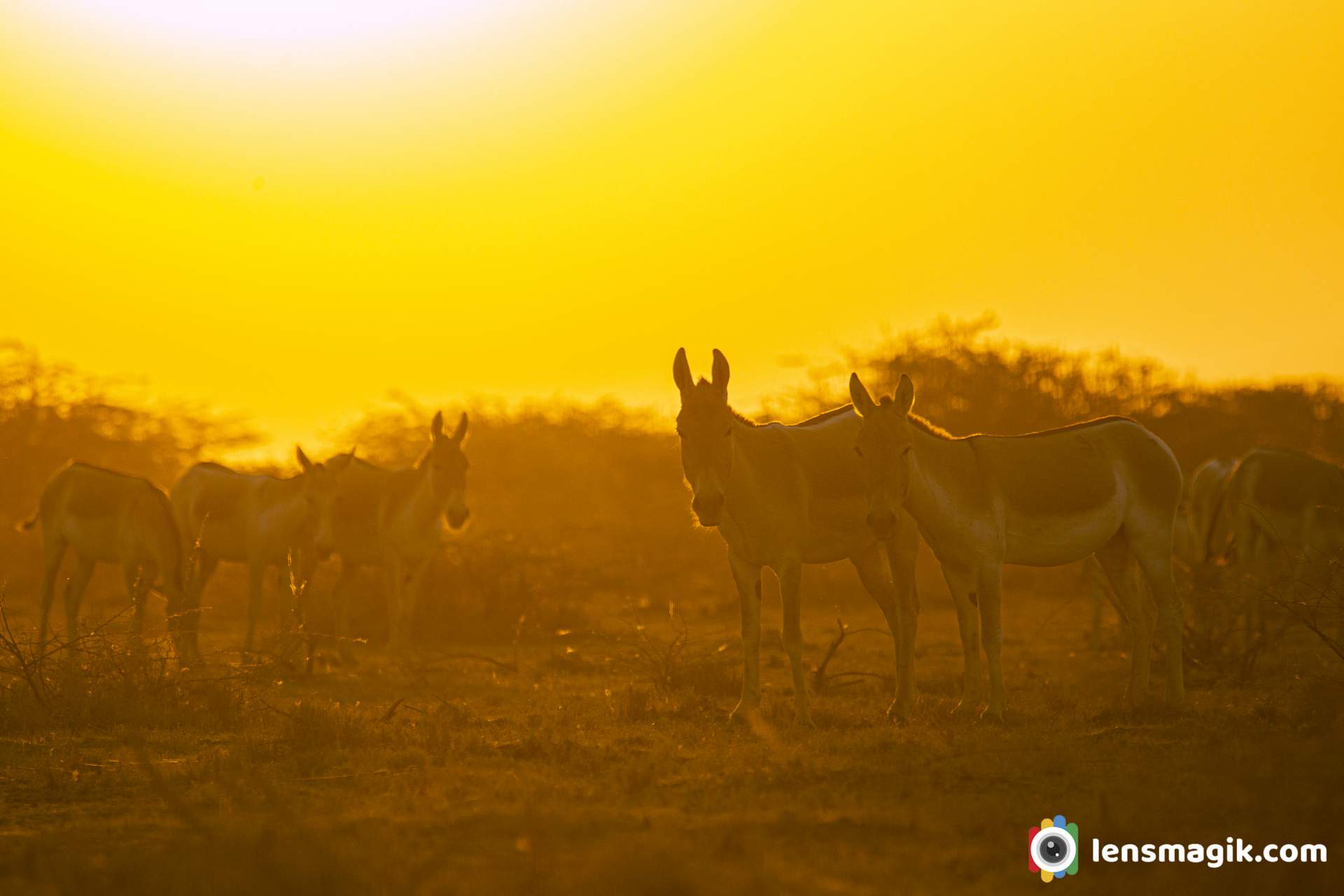
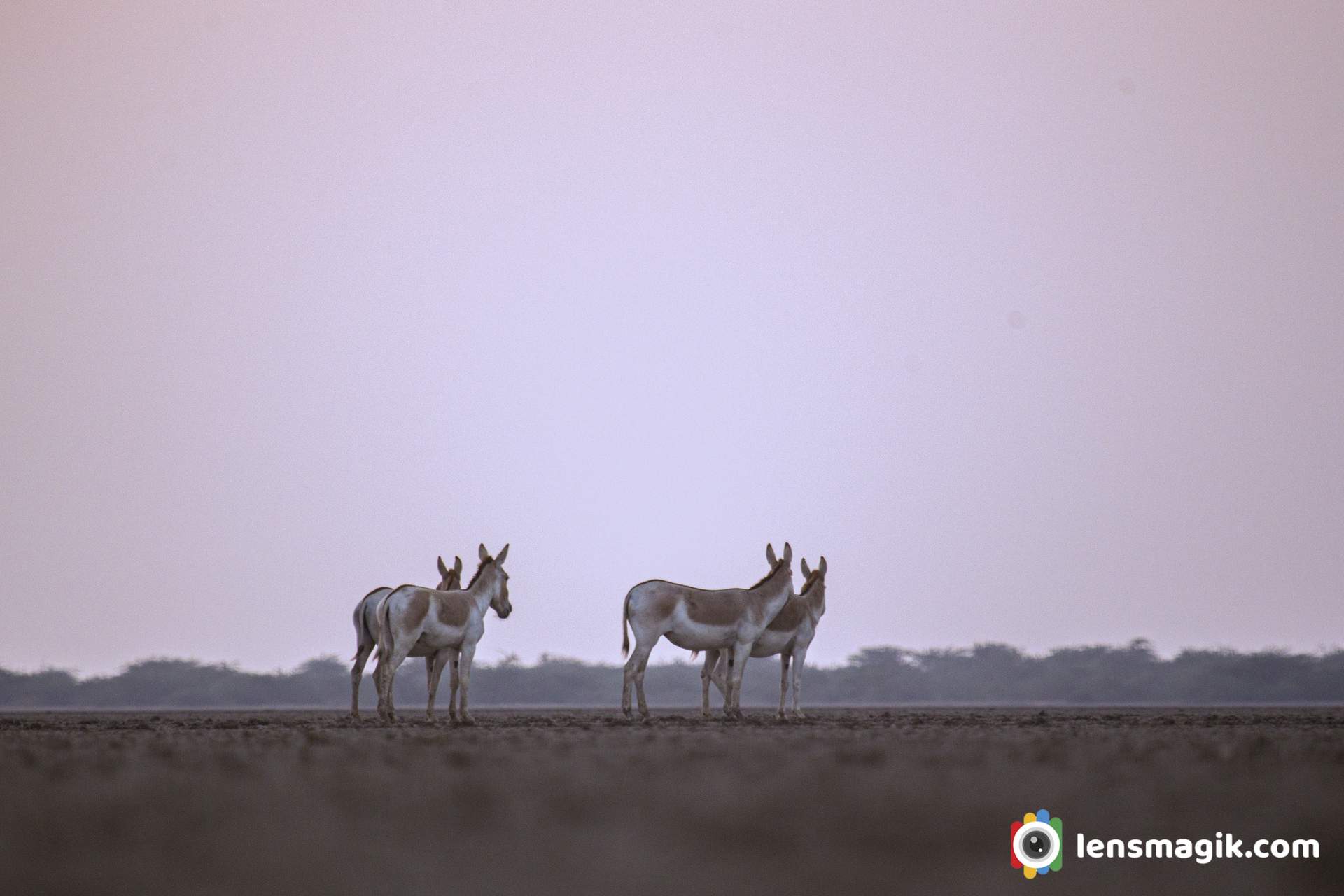
The running wild asses make frame very attractive. Also a golden light with Indian Wild Ass looks beautiful frame and theme photo of colors of rann.
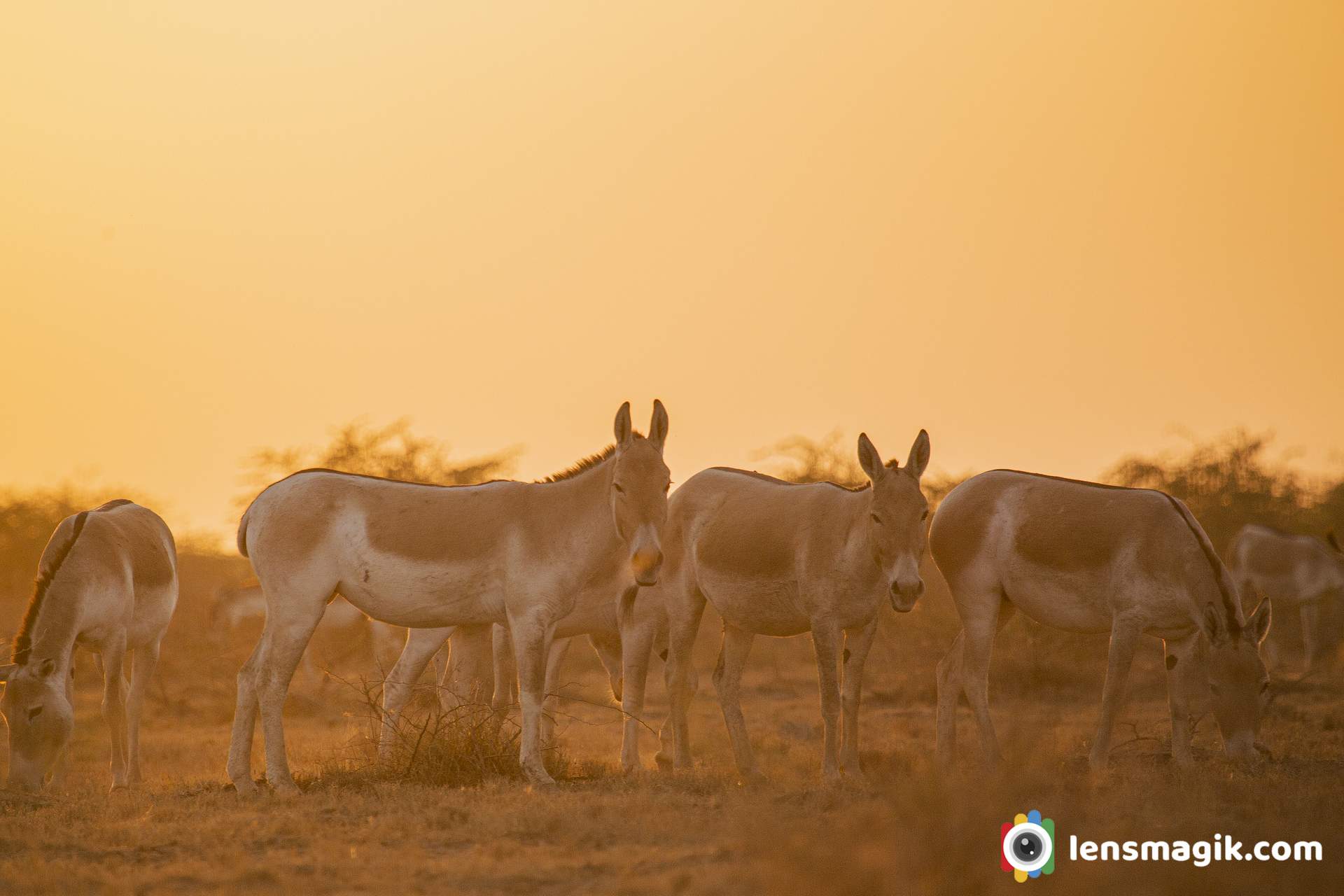
Best time to visit LRK is November to march. You can go from Bajana wildlife sanctuary gate to enter.
LRK : Little rann of Kutch
Nearest village :: DASADA, BAJANA
From Ahmadabad to LRK distance about 100-120 km
Gear used : Canon 1000D, Canon 6D, Canon 100-400mm lens
Read more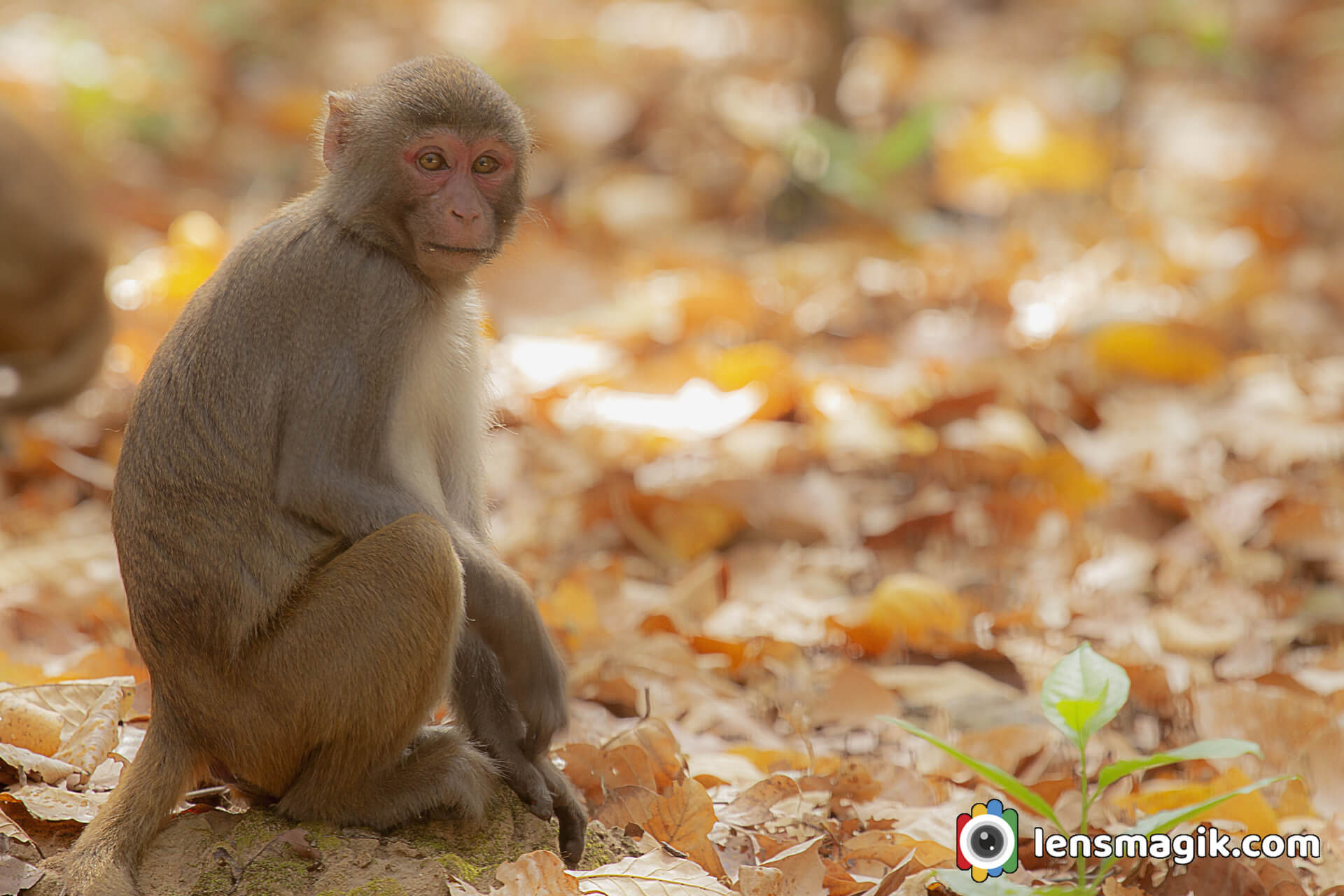
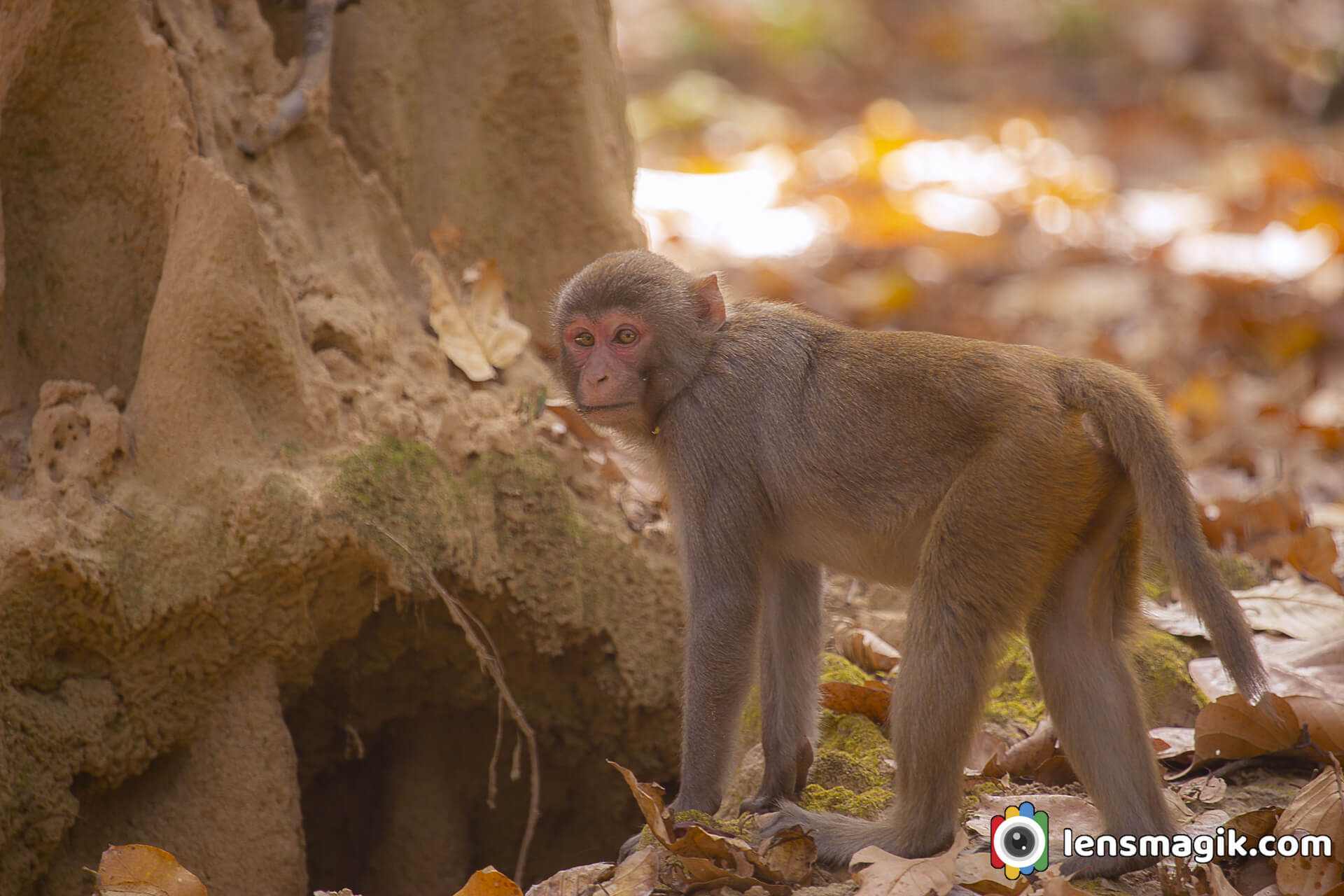
Rhesus macaque monkey is one of the intelligent monkey in all spices. It is one of the old monkey spices. Its color is brown grey and it has pink color face. They generally found in India, china, Pakistan, Bangladesh, Nepal etc. Monkey called Rhesus on the name of King Rhesus of Thrace. The females are smaller than the male. The Rhesus monkey is in a group of 20-200 monkey which includes males and females. Rhesus monkey using a various facial expression and vocalization to communicate. Rhesus monkey is very important for scientific experiments. As humans are made from monkey their genomes and anatomy are similar to humans. Also they are easily available due to their population. So Monkeys are been widely used in medical and biological research on human and animal health related topics.
Some Interesting Things to know About Monkey :
- Rhesus monkey is similar to humans as their DNA similar to humans.
- The Rhesus monkey is very intelligent.
- The genomes of Humans and Chimpanzee are 95 % similar as research by scientists.
- Some monkeys are highly intelligent and some are stupid too.
- Orang-Utans monkey is highly intelligent among all monkeys and also most intelligent in animals. In Bangkok safari world there is a Orang-Utan show where two of these monkey have boxing fight and it was so funny show that kids and adults like it most.
- In opposite Lemur is the stupidest monkey among all spices of monkey. Lemur is so stupid that it cant recognize its own reflection. The weakness of monkeys are mischievous and unreliable.
- The Rhesus monkey factor is not limited to humans. Although the Great Apps have same blood group types like humans.
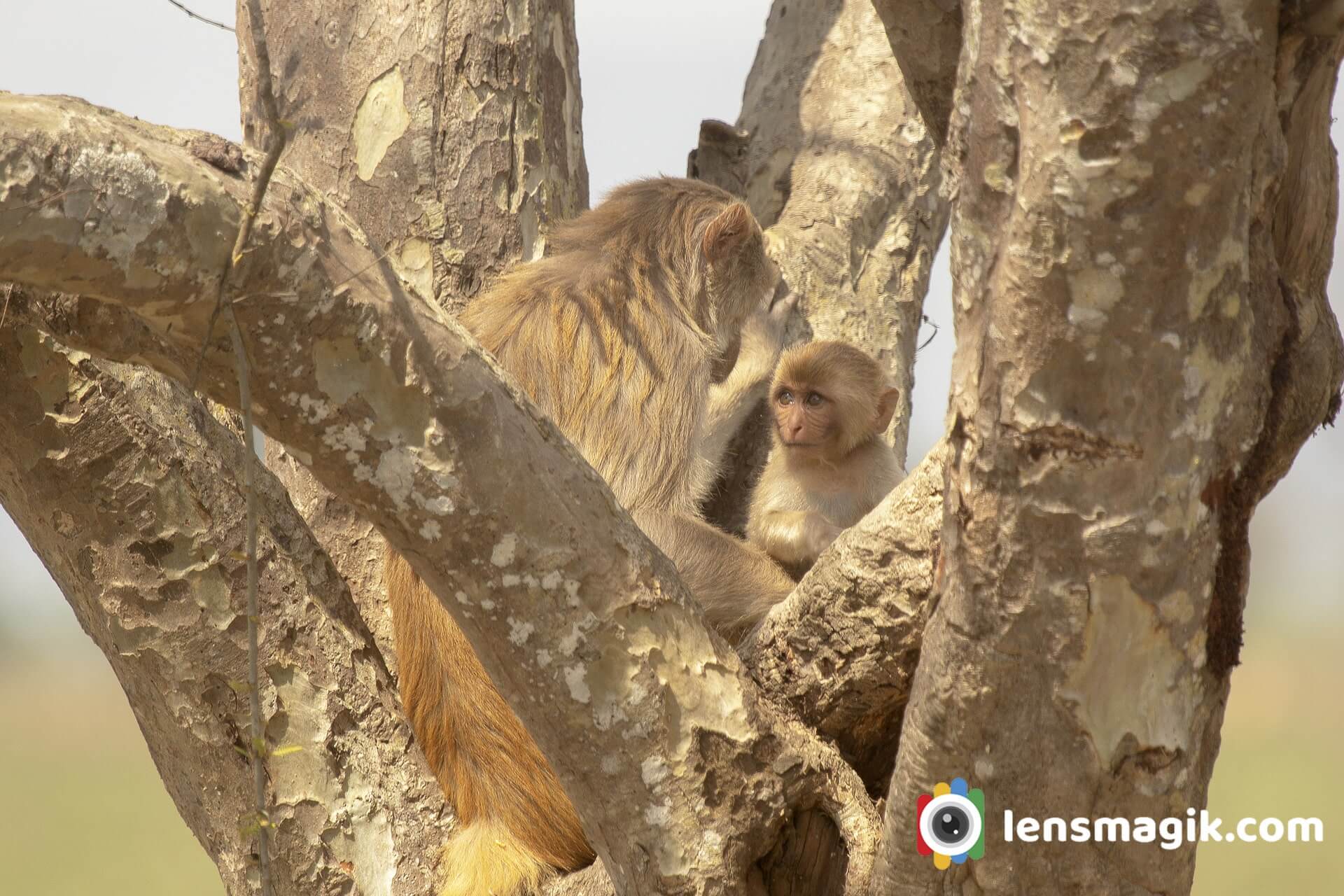
Monkey Bite :
- It is proven that monkey bite is deadly.
- It cause anaphylactic shock in humans and it can kill humans.
- As discovered by scientist a monkey which come out at night is more dangerous and its bite can kill humans.
- Monkeys sleep sitting on trees.
- Bonobo monkey is closest relative to humans according to research by scientists by matching DNA and genomes of humans and Bonobo monkey.
- The difference between Humans and Monkeys is Hands.
- Humans are not the only animals to possess opposable Thumbs.
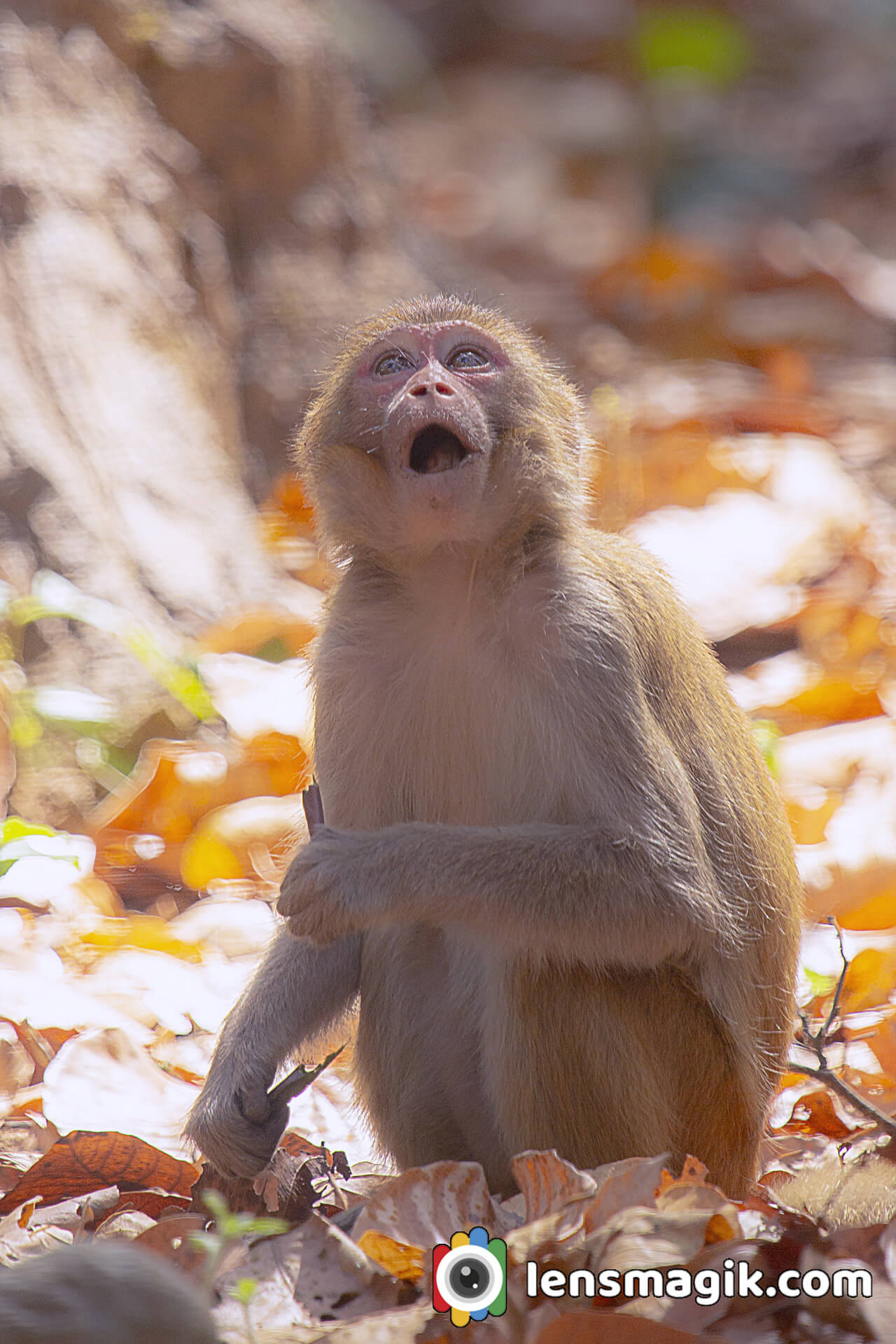
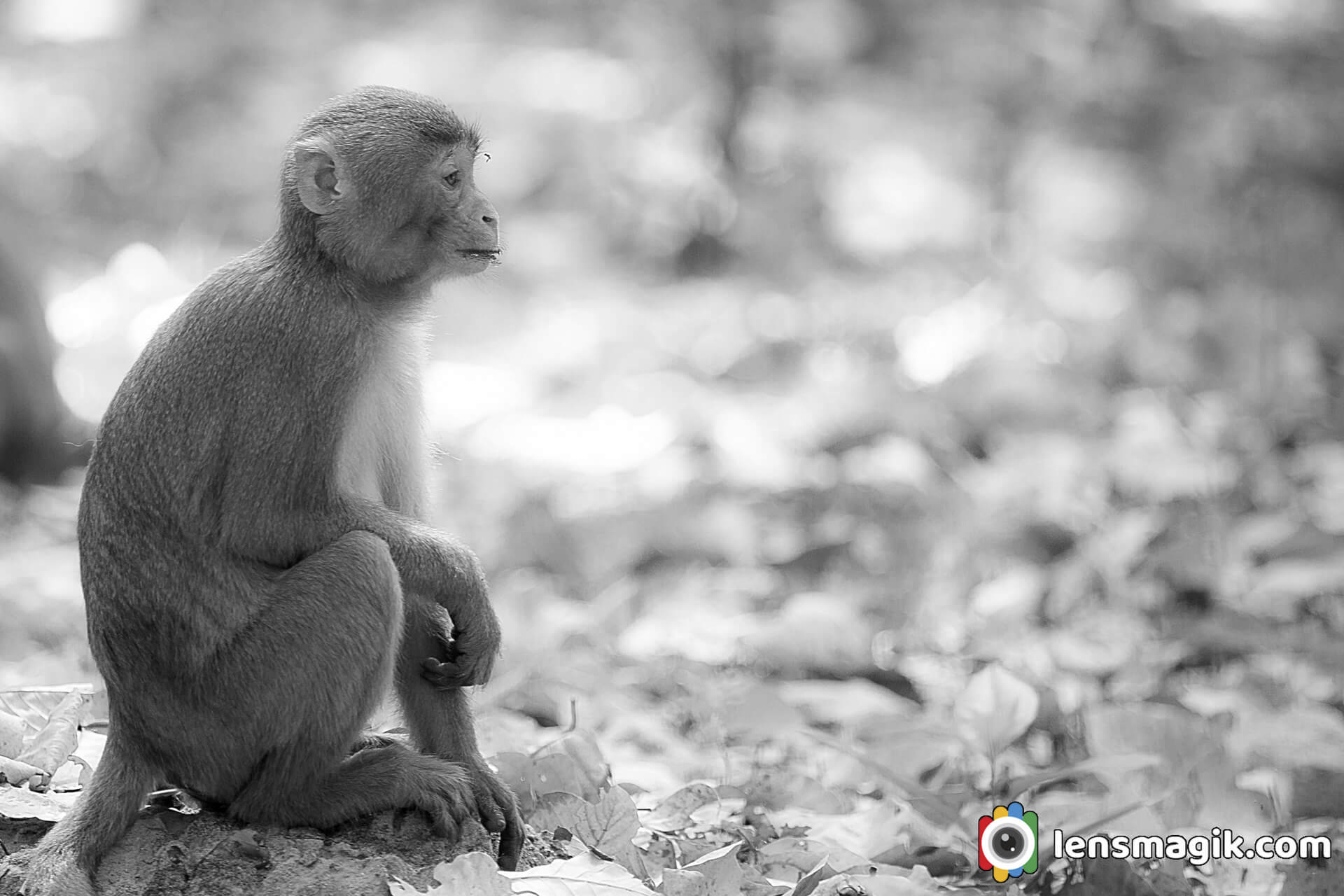
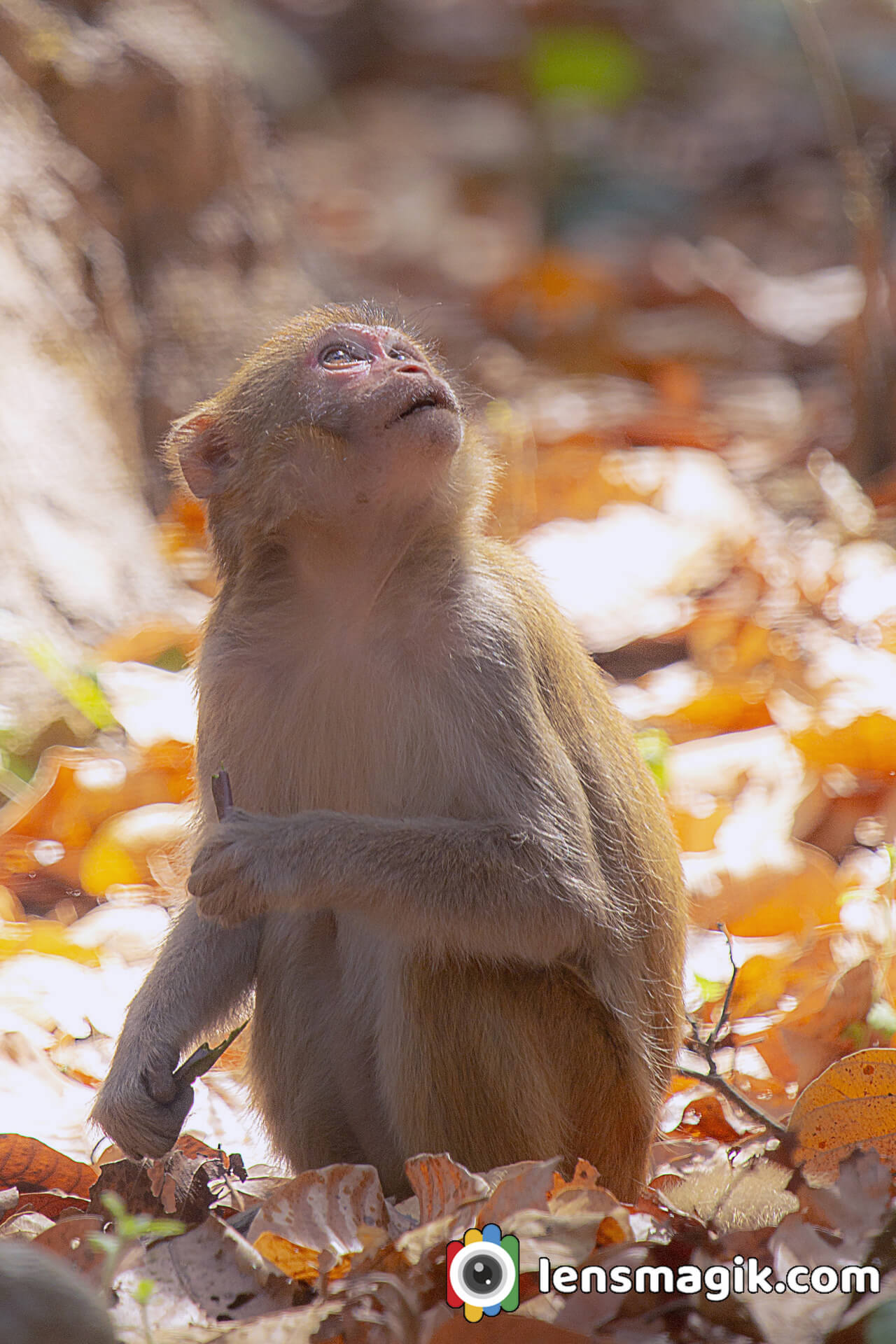
The animals in their Habitat :: Animals in their habitat OR Animals in their environment is one of the good siting for wildlife photographer. During my trip to Jim Corbett National Park i found lots of Rhesus monkeys and Rhesus monkey baby in their habitat. They are jumping all over on the trees. Some of them are on the ground and got something to eat at ground level. So i didn't miss that moment. Some good images i capture of Rhesus monkey which explain the behavior and habitats of monkey.
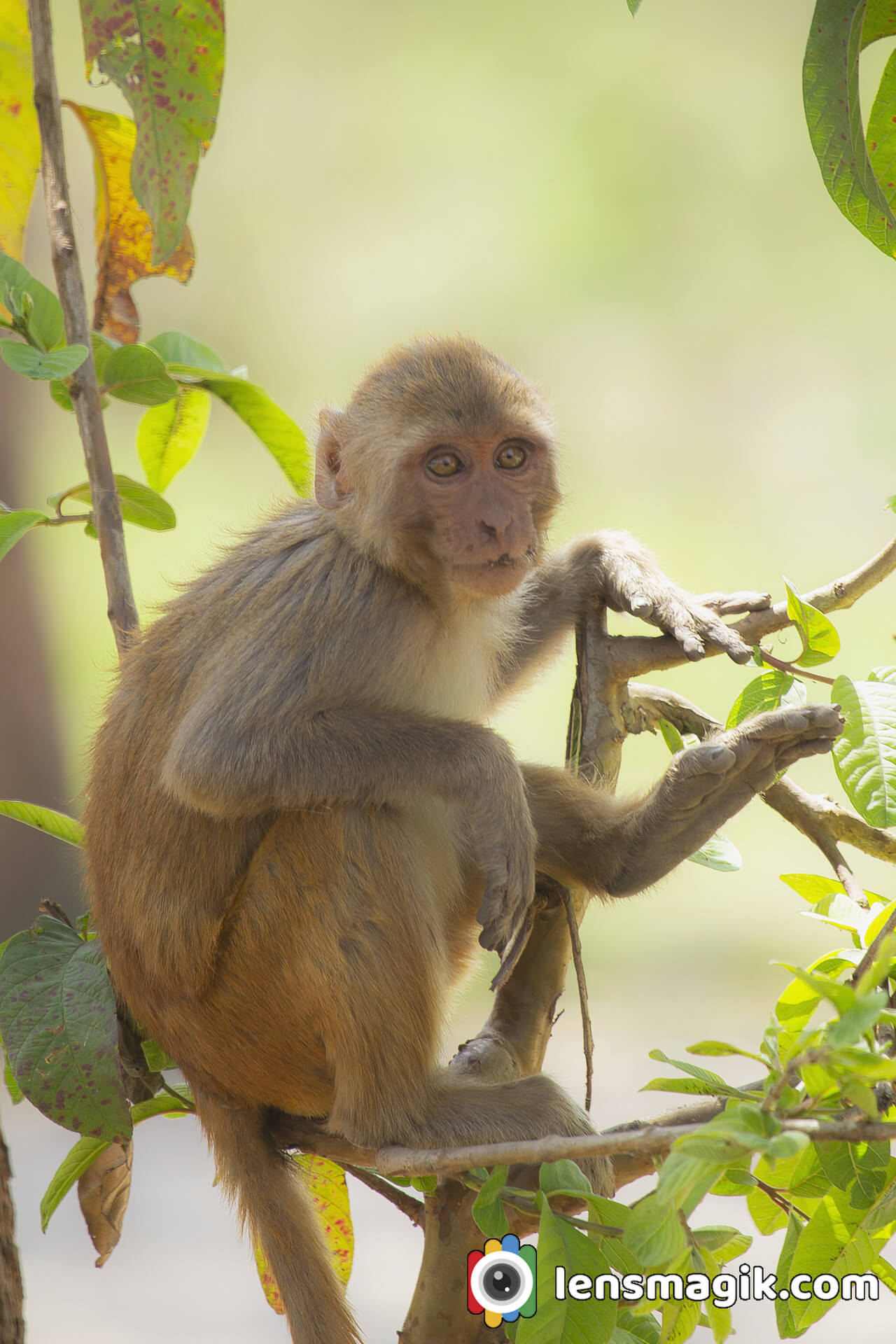
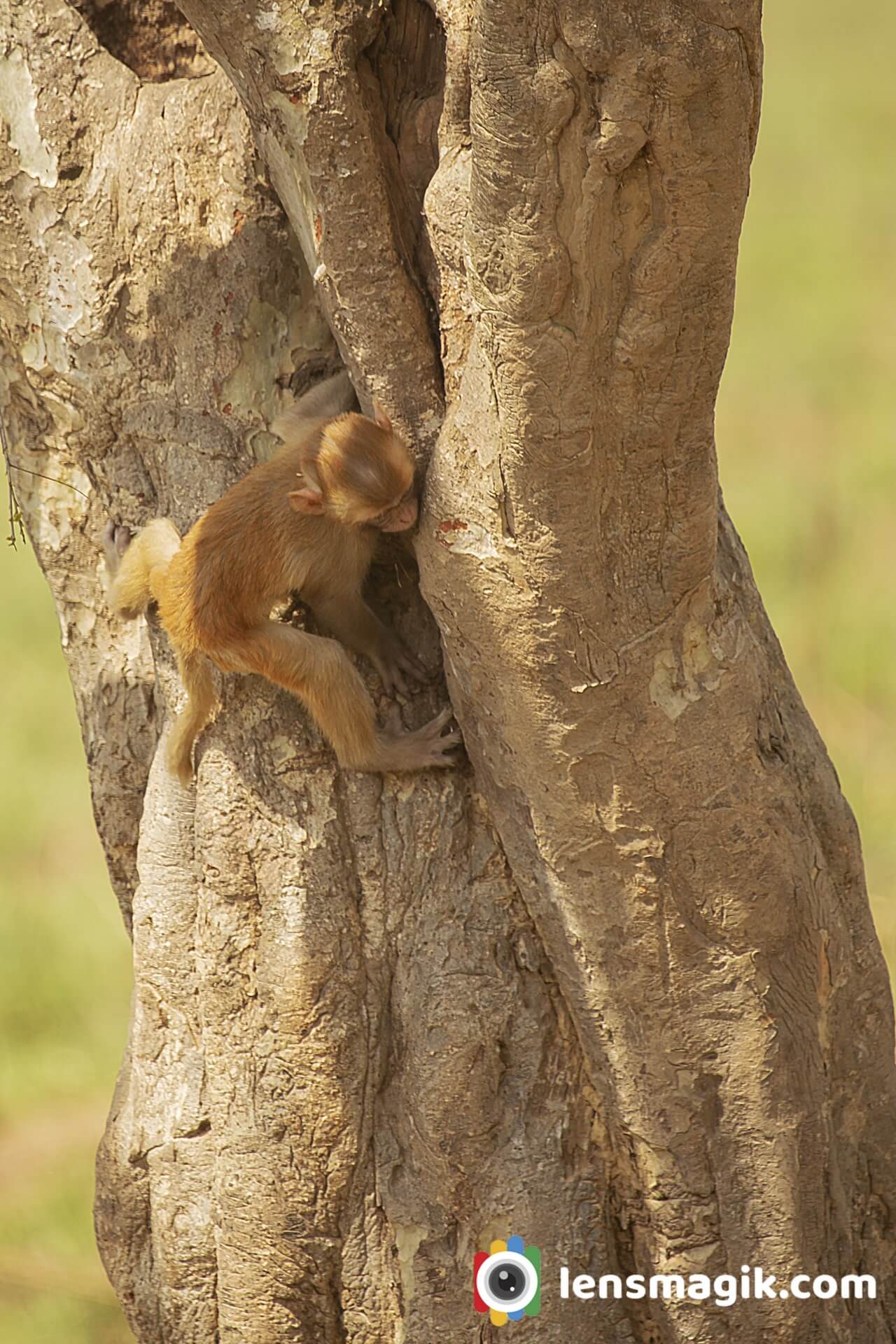
At the end the baby Rhesus monkey baby try to get down from tree . Now he is able to climb and jump over trees without help of his mother.
Location of All photos : Jim Corbett National Park, Dhikhala
Gear Used : Canon 6 D, Canon 100-400 mm lens
Read more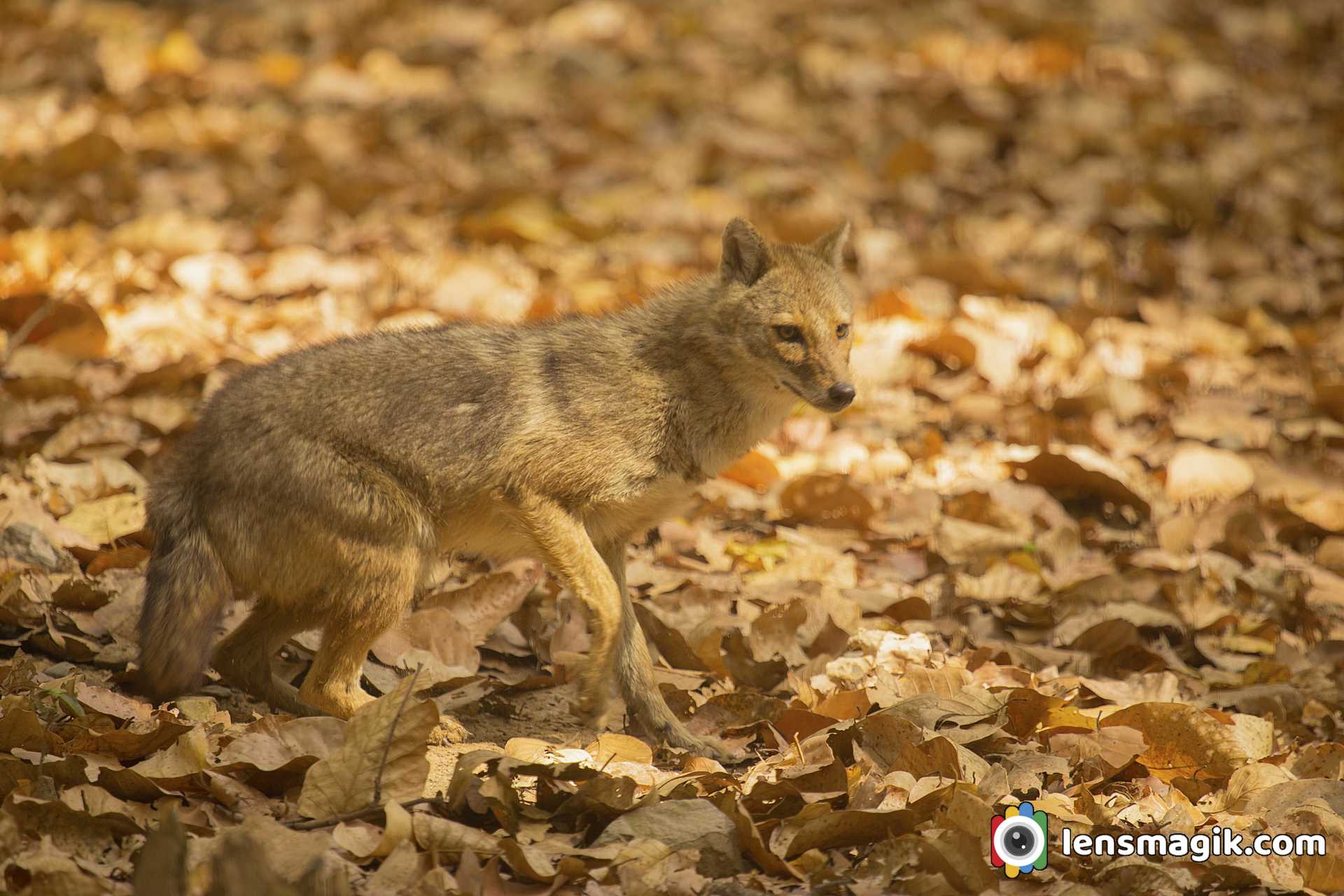
In the canidae family of Jackal there are three types of Jackals.
- Black Backed Jackal
- Side Striped Jackal
- Golden Jackal
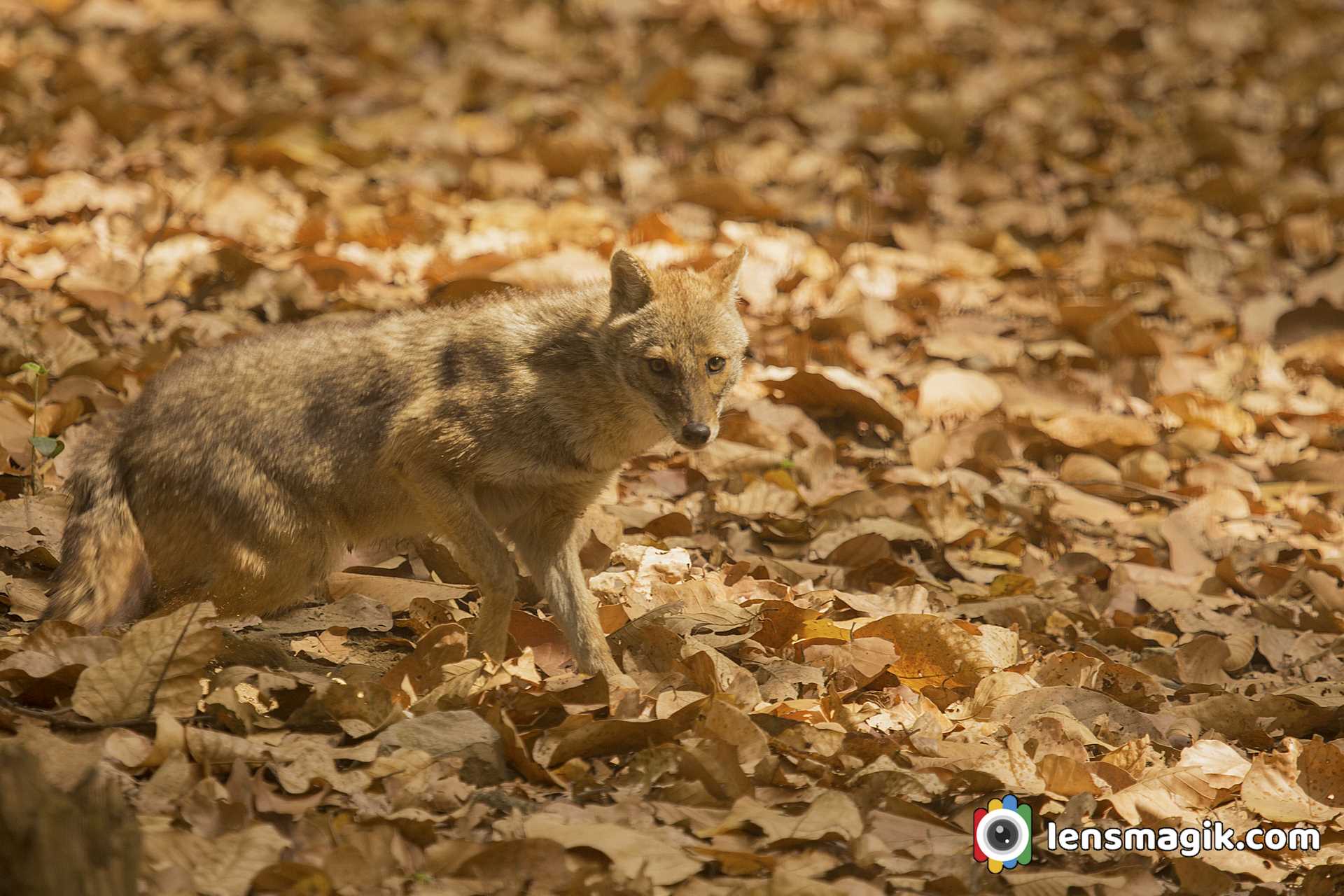
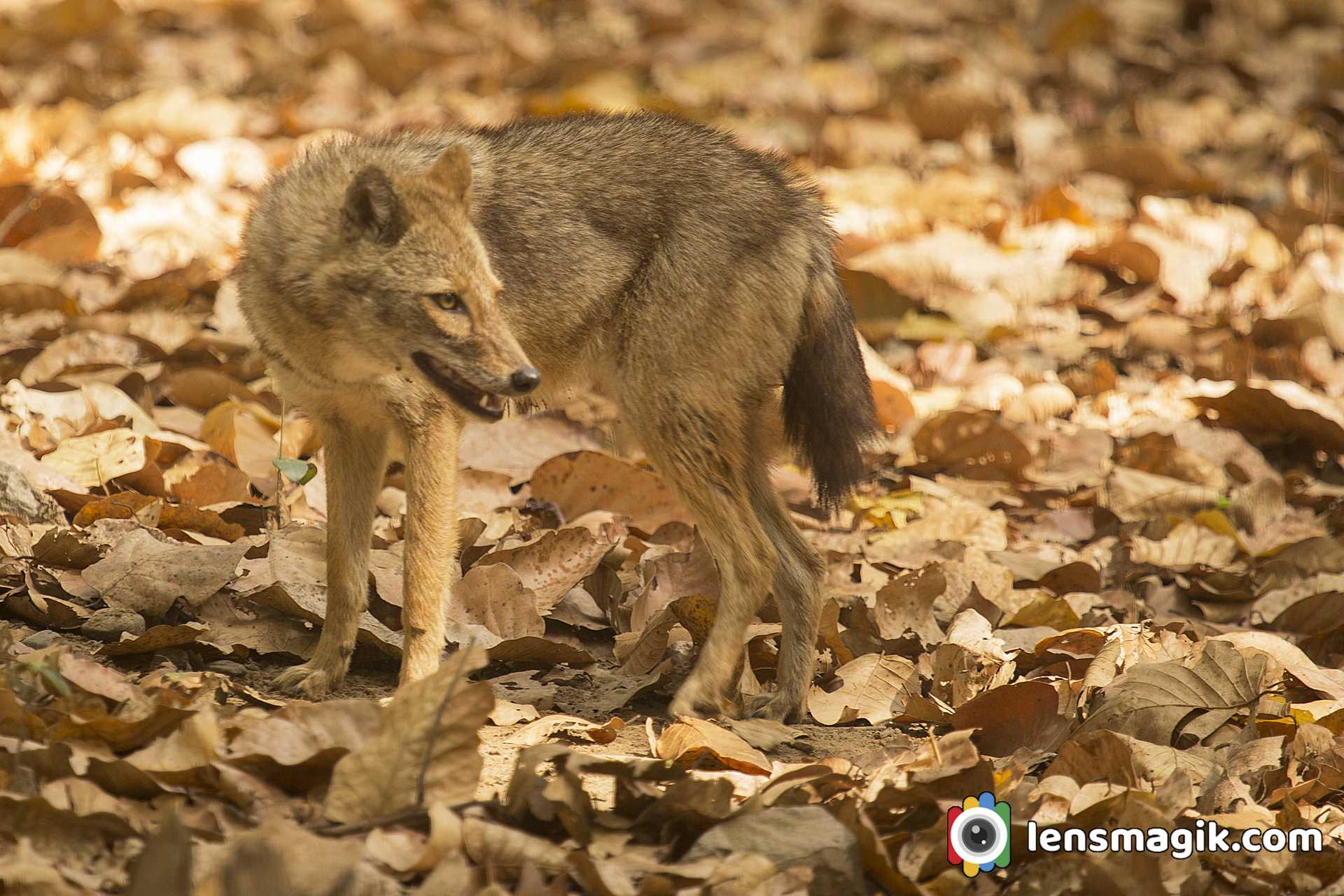
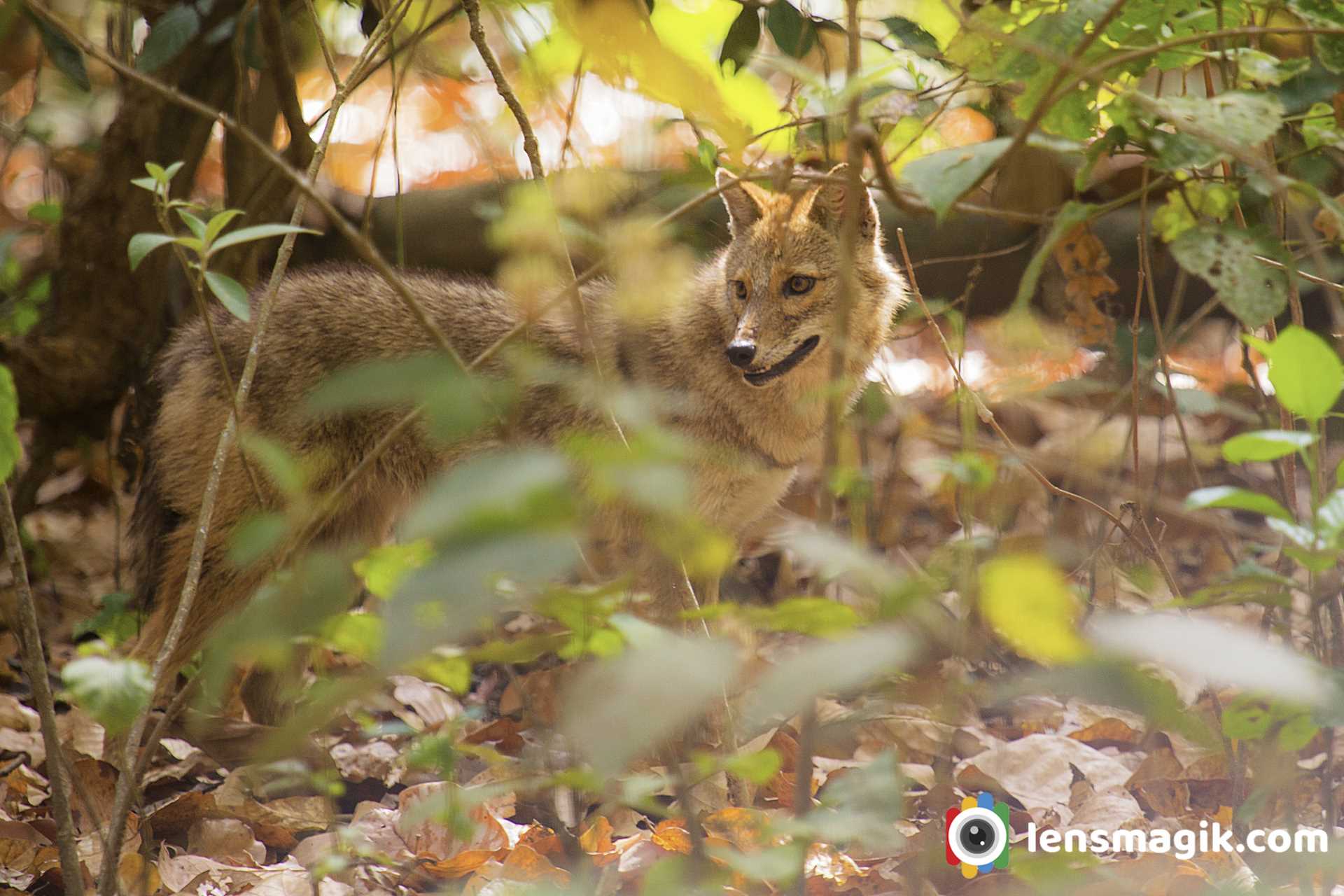
GOLDEN JACKAL AT CORBETT NATIONAL PARK
Golden jackal is a carnivorous mammals. Native of Golden Jackal is southeast Europe, southeast Asia and south Asia. Golden Jackal looks like a Indian Wolf but it little bit smaller in size compared to Arabian Wolf and Indian Grey wolf. The Golden Jackal's coat can vary in color from pale. In summer its color pale creamy yellow and dark tawny beige in winter. My first siting of Golden Jackal was in Jim Corbett National Park. I found a Golden Jackal during my morning safari at Corbett National Park. Golden Jackal is from biological family Canidae.
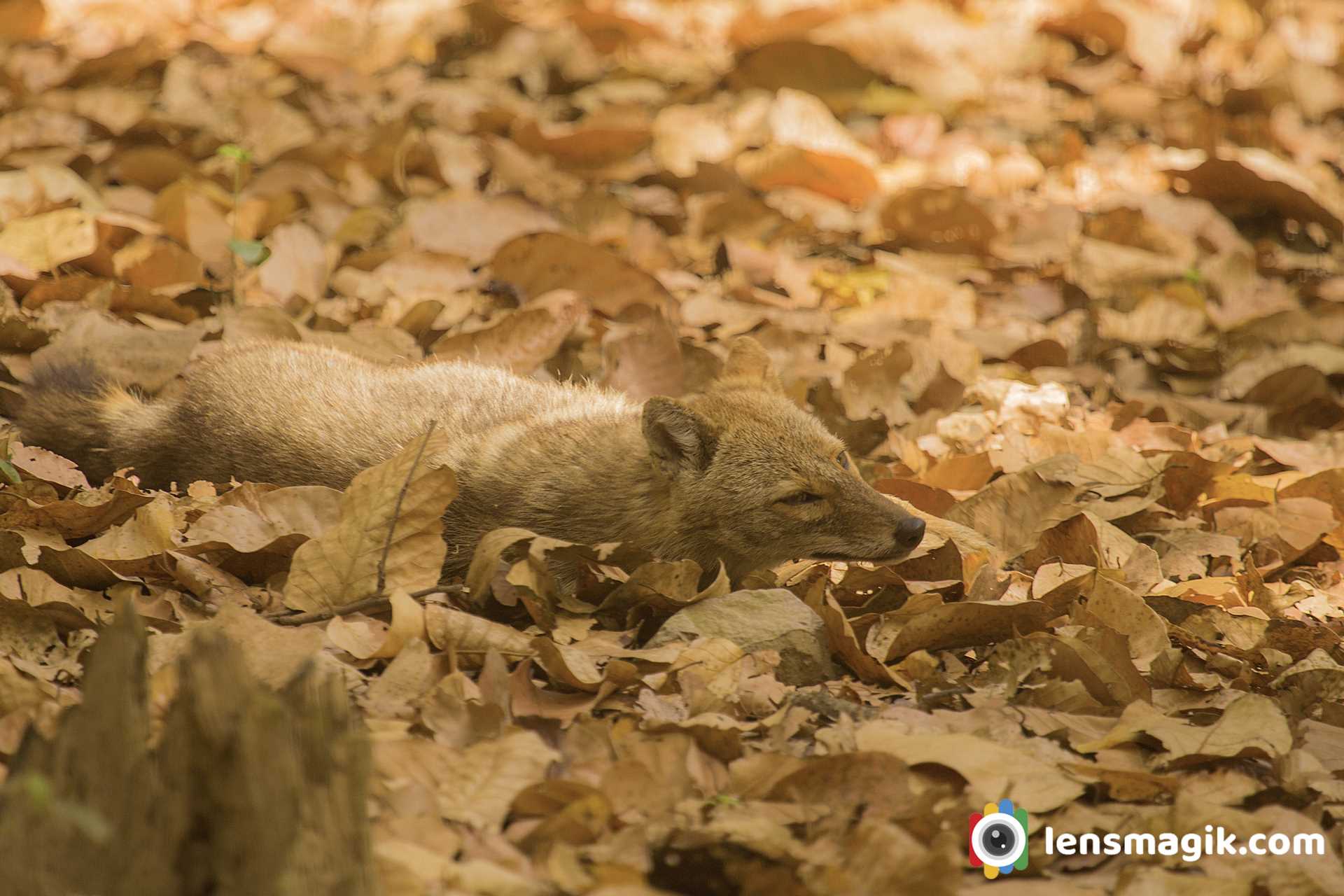
Golden Jackal facts :
- Golden Jackal is similar to Grey wolf but smaller in size.
- Shorter legs, short tail, muzzle is narrow and more pointed and less prominent forehead of Golden jackal in compare to Grey wolf.
- Golden Jackal Male length approx. 70-85 cm and Golden Jackal Female length around 68-73 cm.
- Male Golden Jackal weight around 6-13 kg and female Golden Jackal weight around 7-11 kg.
- Shoulder height for male and female golden jackal is 17-20 inch.
- The skull of Golden jackal is smaller then Grey wolf and also weaker too.
- Golden Jackal develops a horny growth on a skull which is known as " Golden Jackal's Horn ".
- The Jackal's fur is short and golden in color so its called Golden Jackal.
- The Jackal moults twice in a year. Spring Moult and Autumn Moult. The spring moult starts from February or middle March and Autumn moult starts in September mid.
Black Backed Jackal :
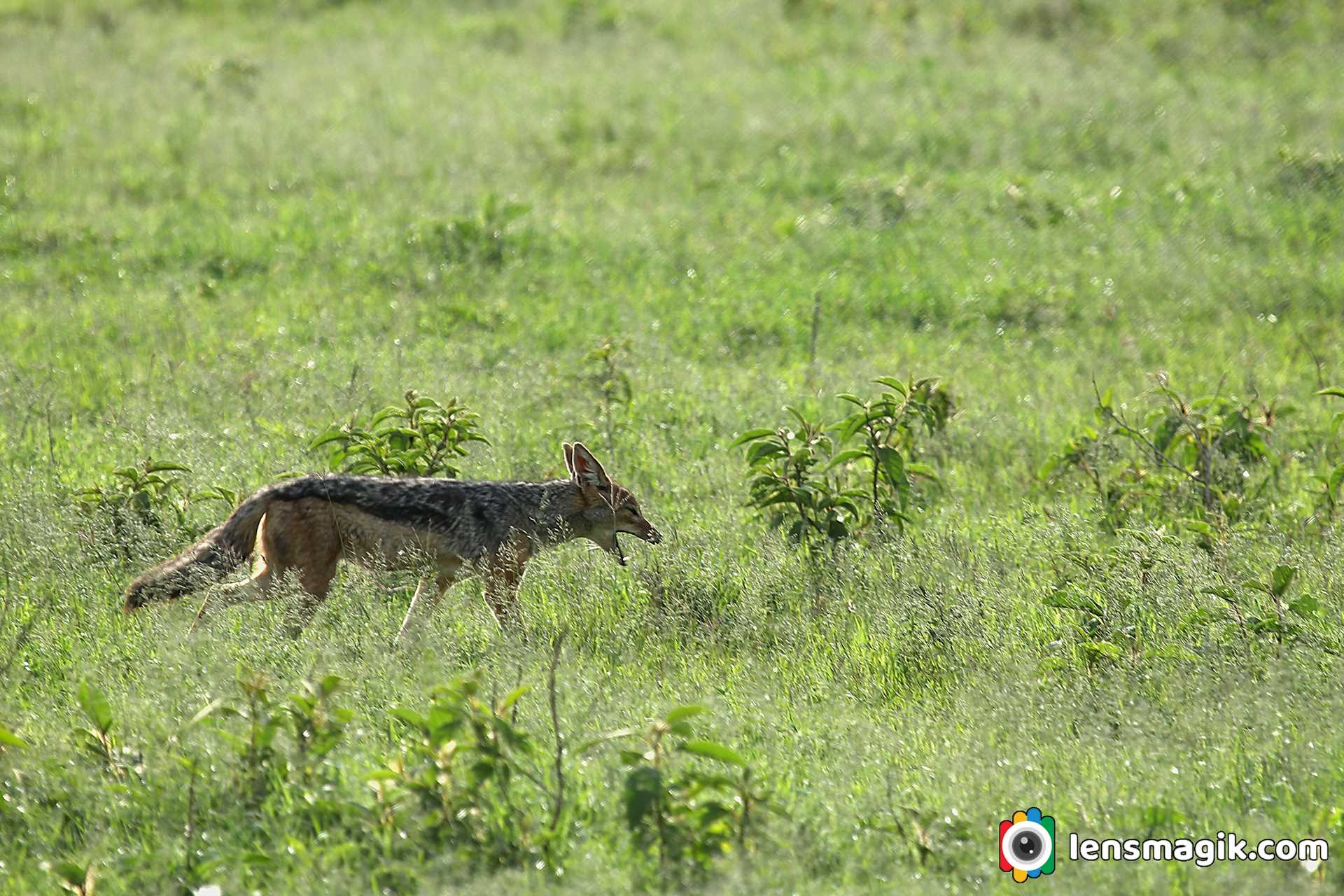
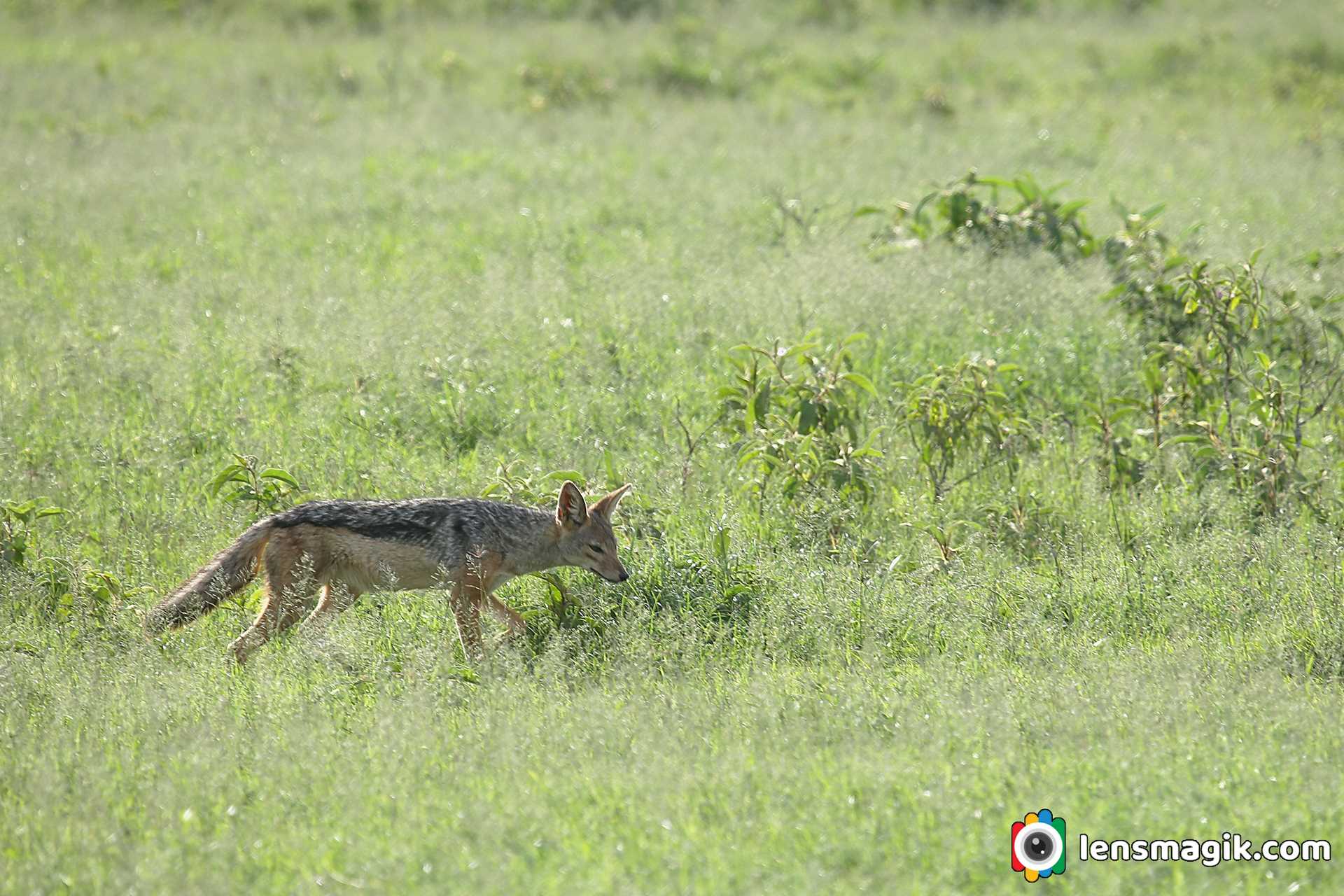
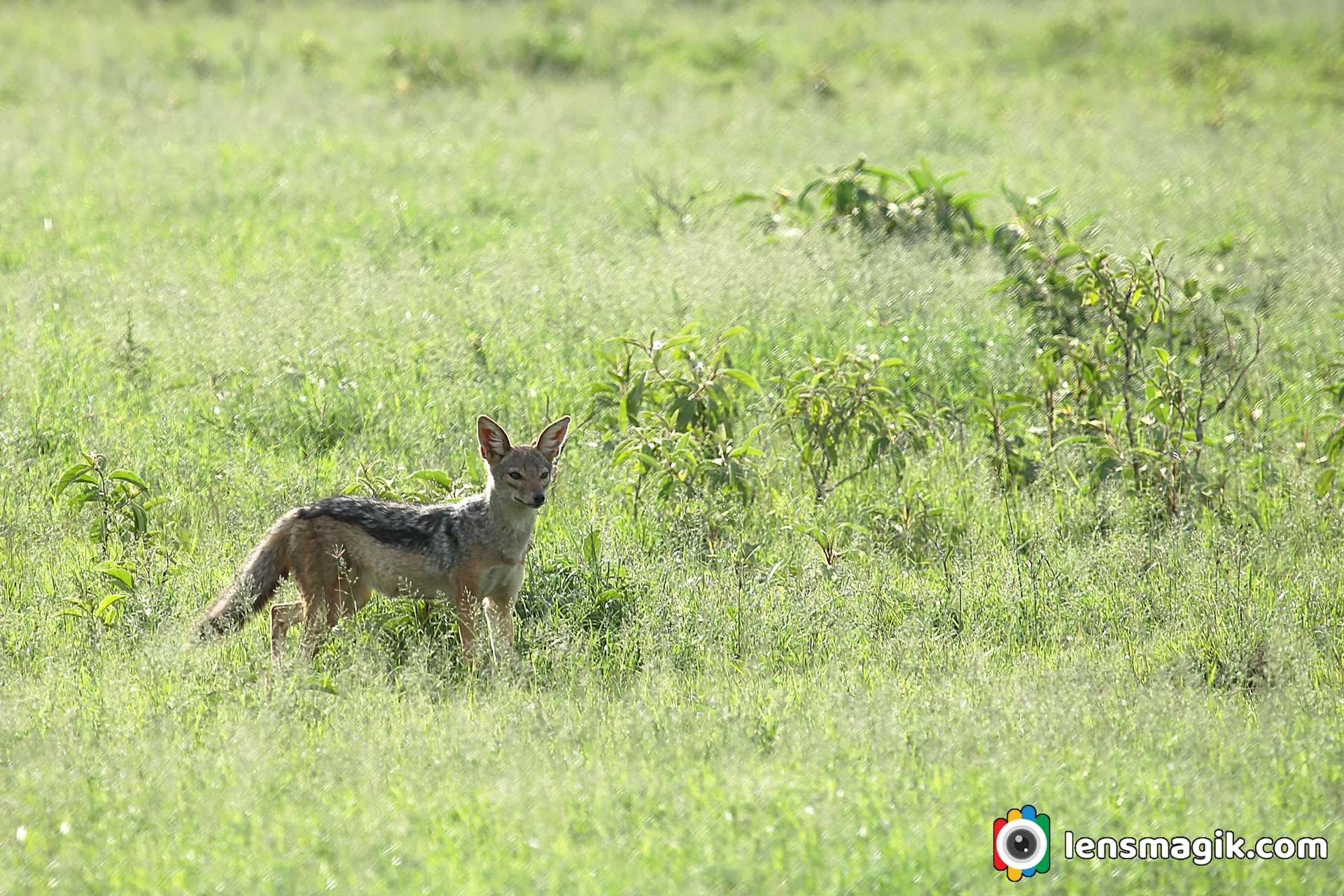
During my Kenya trip i accidentally get Black backed Jackal at Lake Nakuru. Lake Nakuru is very famous for Rhinoceros ( Rhino ). Here i found Rhino and also a Black Backed Jackal . Also African Vultures i found in a group.
- Black backed jackal found in Botswana, Zimbabwe, Namibia, South Africa and Kenya.
- It is listed in IUCN least concern spices.
- It is also called Fox.
- Black backed Jackal has two sub spices
1 ) Cape Black Backed Jackal
2 ) East African Black Backed Jackal
Side Striped Jackal :
Till Now i doesn't get side striped jackal but it also found in southern Africa. It is smaller than black backed Jackal. I have no images of it and no more information about it.
Please feel free to comment and any suggestions for my blog article and any content related query. Also if you like then share it to your friends too.
Scientific name of Golden Jackal is Canis Aureus
Camera gears used : Canon 6D with canon 100-400 mm lens
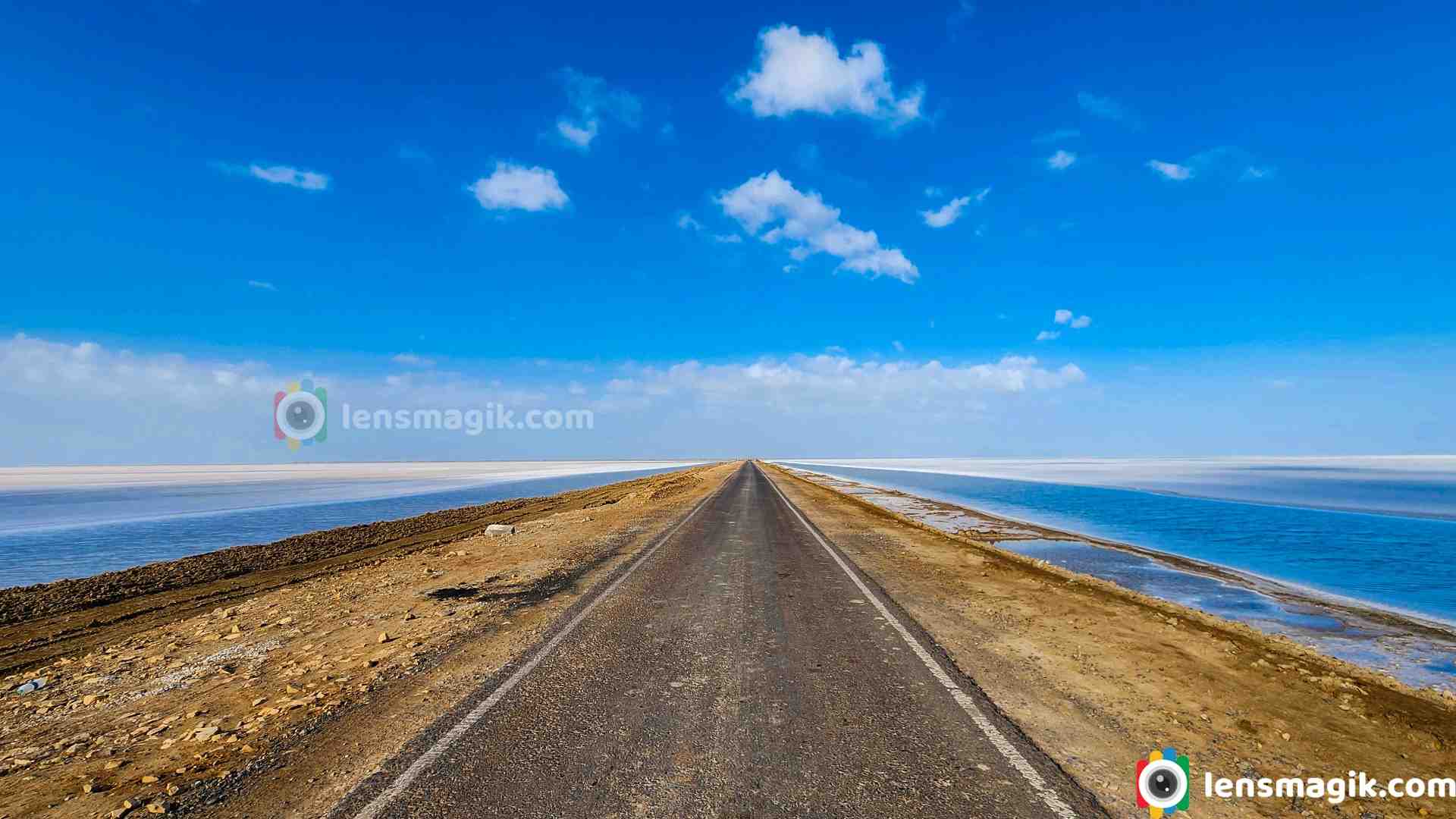
Read moreRoad To Heaven is named to the road from Khavda to Dholavira in Kutch Gujarat. The road is so wonderful and scenery so it known as Road to Heaven . Khavda to Dholavira distance is around 58km but from Khavda there is a single line narrow road passes through small villages around 15-20 km approx. The main road starts after it and it is around 30-35 km approx. strait to Dholavira. Road is under constriction but almost 70-80% work done. The road heading to the city of Harappan Civilization Dholavira which is one of the largest site of Harappan Civilization and Indus valley Civilization.
Kutch is a largest district of Gujarat and also of India. Main City or Headquarter of Kutch District is Bhuj. Kutch is famous for White Desert or White Rann. In Every winter season from December to February celebrate “ Rann Utsav “ to attract foreigners and also locals. Tent City made in white desert to stay and also cultural programs arranged in it. The main Rann Utsav held in Dhordo of Kutch.
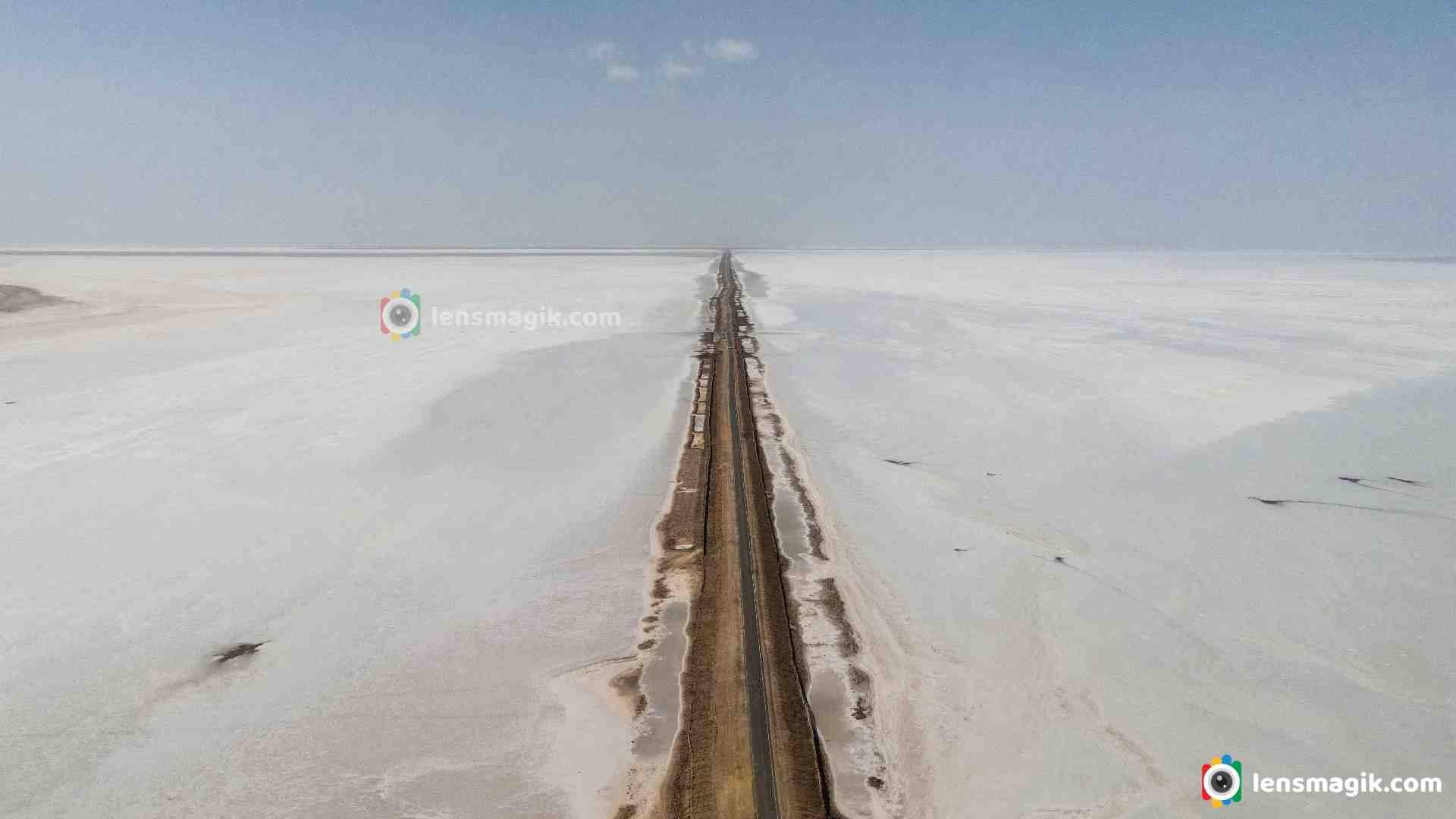
After visit White desert people also visit Dholavira which is nearest destination from Dhordo and also Kalo Dungar in between. From Dhordo you will have to go Khavda first and then from Khavda to Dholavira which is connected through “ Road To Heaven “. Dholavira is located at Khadir Bet. Khadir bet is separated because after monsoon the water filled outer side of bet. So the Road To Heaven is the way to connect Khadir bet to main city Bhuj.
About Road To Heaven Dholavira / Road to Heaven in Kutch :
- · It connected from Khavda to Dholavira.
- · Road to heaven distance around 30-35 km.
- · After monsoon the rain water on the both side of the road. You can see beautiful Greater Flamingo birds in between. Water level is low but muddy.
- · After winter in January –February the water on both side of the road is evaporated and turn into salt. Not all water but some areas during the road.
- · Water on the both side of the road or Salt/ white layer on both side of the road make the beauty of the road and that’s why it name as “ Road To Heaven “
- · When you are on the road there is hardly some traffic you face the open road with both side water or salt at morning or evening make the scenery like a Heaven.
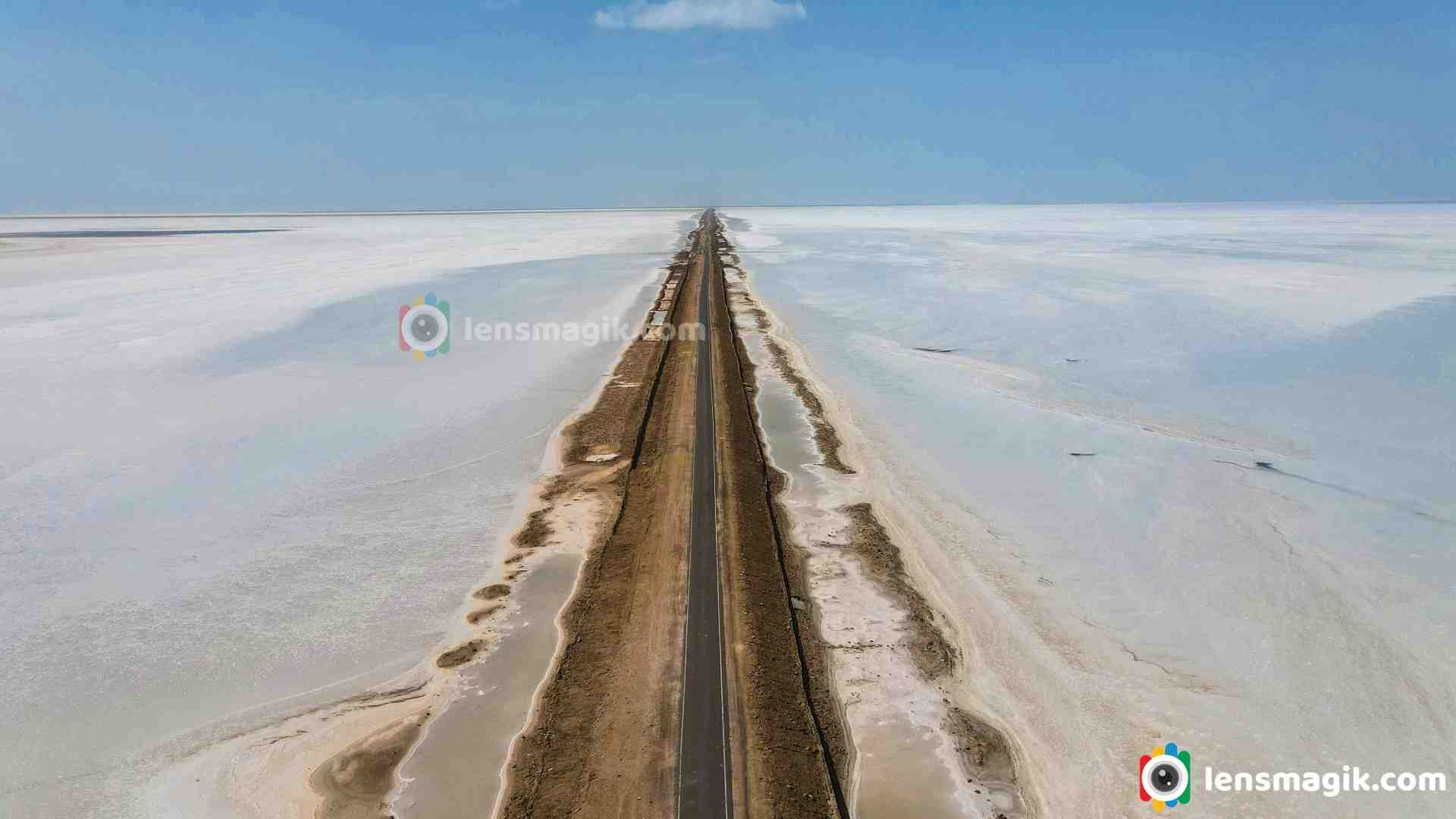
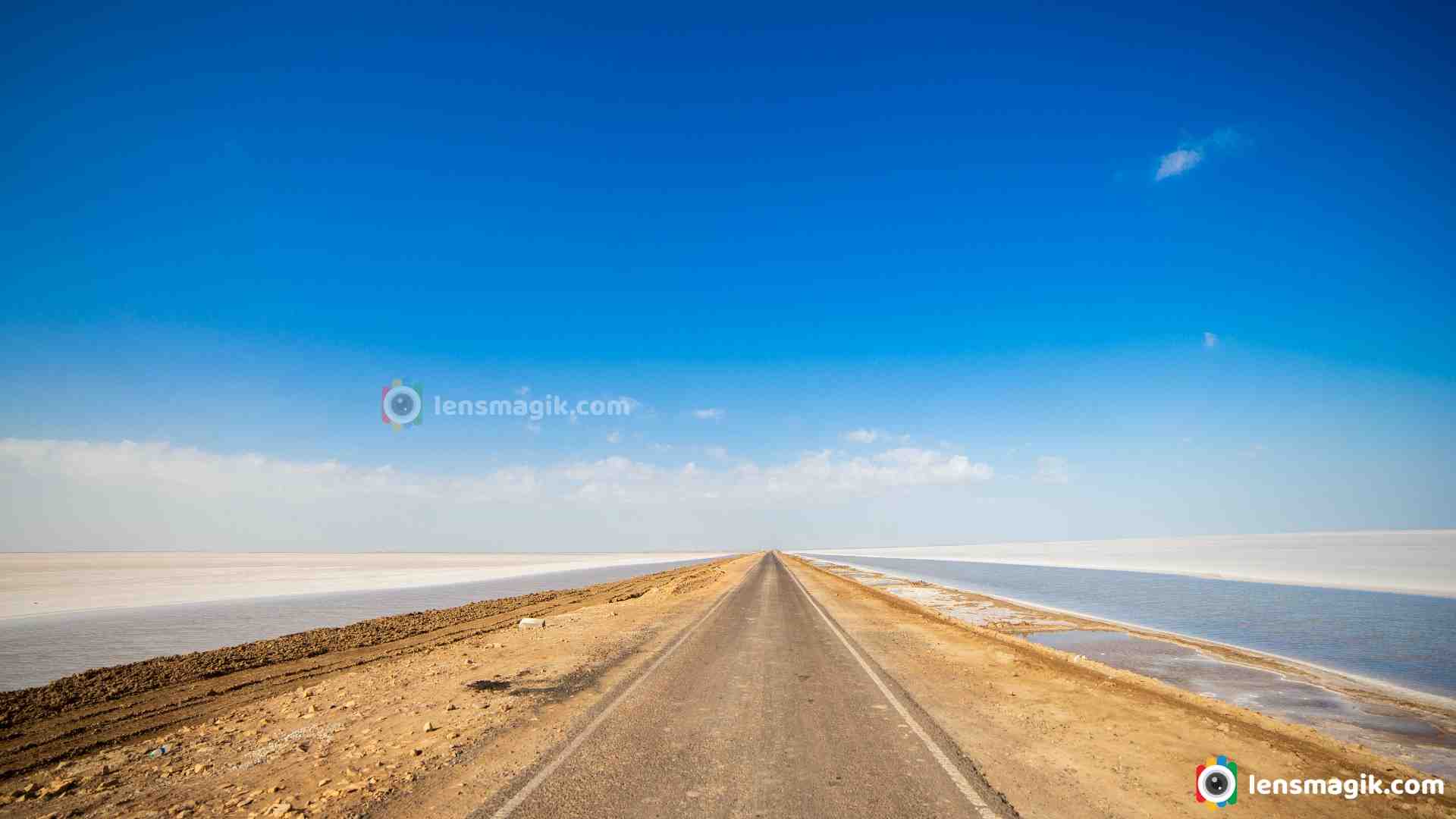
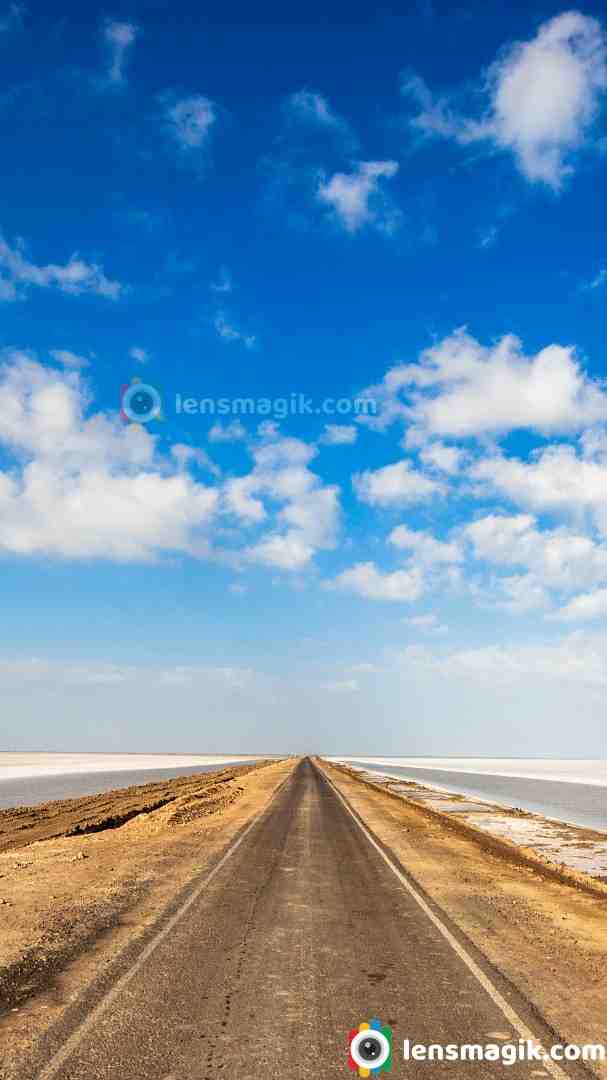
I must suggest to visit Road To Heaven in Kutch while you visit Kutch. Also Visit Dholavira which is one of the largest Harappan Civilization site.
Places to visit near Road To Heaven :
Dholavira, Kalo Dungar, Dhordo, White Desert
Places to Visit near Bhuj : White Desert , Kadiya dhro, Chhatardi, Mandvi beach, Vijay vilas palace, Bhujyo Dungar, Smriti Van, Vande matram memorial
Camera Used : Canon 80D, Canon 6D, DJI Mavic Air2
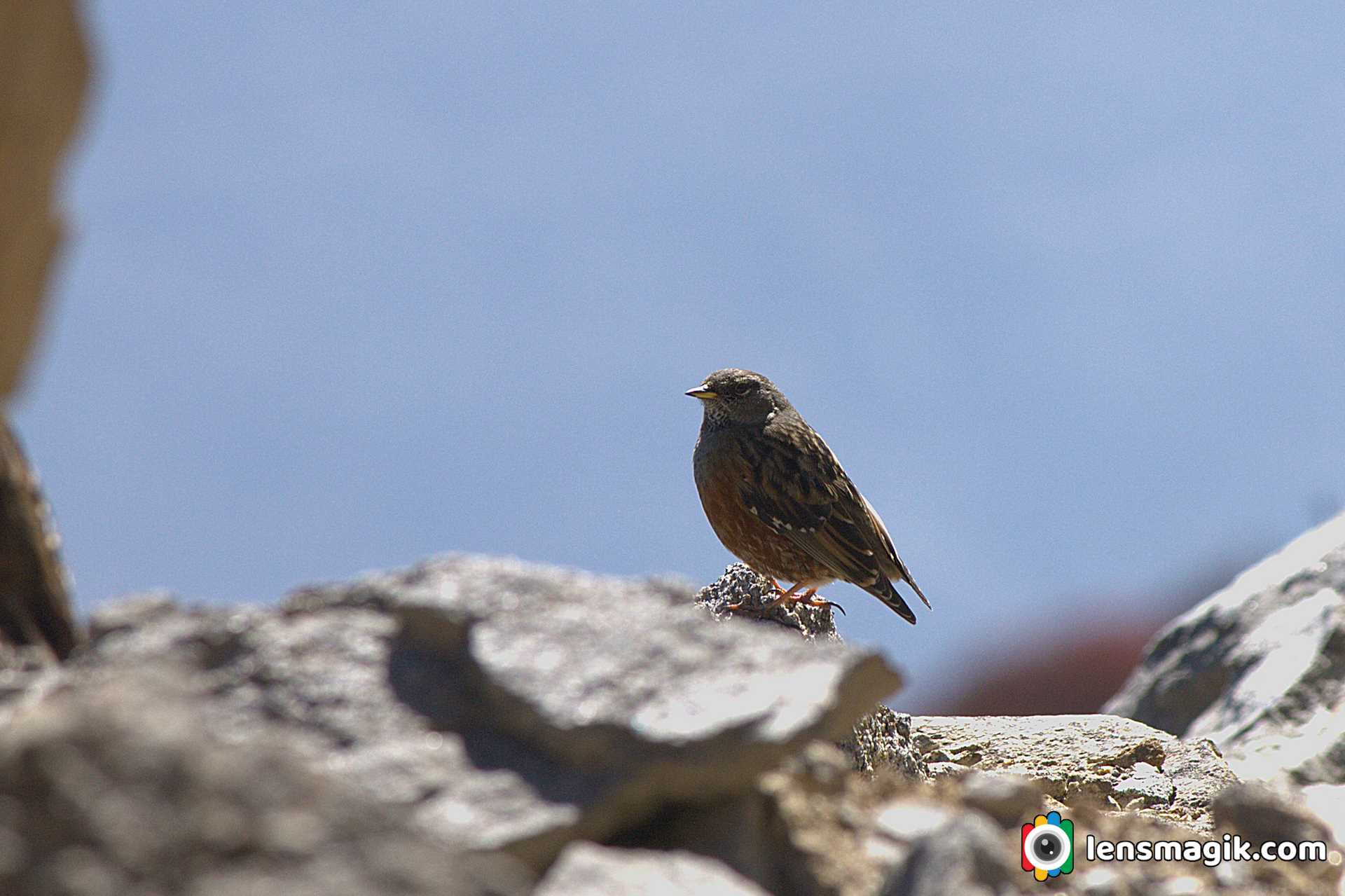
Accentor is a small bird of prunellidae family. In India it is generally found in East Sikkim area. It built its nest low in a bush. When i was on a trip to Singalila National Park. I found at sandakphu area. Sandakphu is high altitude place in Singalila National Park located in West Bengal. From here you can see Mt. Kanchenjunga very clear which is highest peak of West Bengal. Lots of Birds here. To visit Singalila Park November to February you can found lots of snow and good landscapes too with snow on Mt Kanchenjunga. Also if you are going for birding you can visit March to May/June Month is the best . It is very cold weather during winter November to February at Singalila National park.
About Alpine Accentor Bird :
- Alpine Accentor bird is robin size bird. Length of bird is around 15 -17 cm.
- Bird just like similar to house sparrow in color with brown back streaked.
- Adult Alpine Accentor have red brown spotting on underparts
- Also adult have grey head too.
- In Asia Accentor found at 2000 m above height. Specially at Himalayas.
- It build nest in bush.
- It laying 3-4 plain (not spotted) eggs of sky blue color.
Singalila National Park :
Singalila national park is located in West Bengal. There are lots of birds in this sanctuary. Also its good for trekking at Sandakphu. From here you can see Mt. Kanchenjunga easily and very closely. Also a beautiful Himalayan Mountain range with snow. Amazing weather very cold in winter and moderate in summer. Summer season is the best for birding at sandakphu.
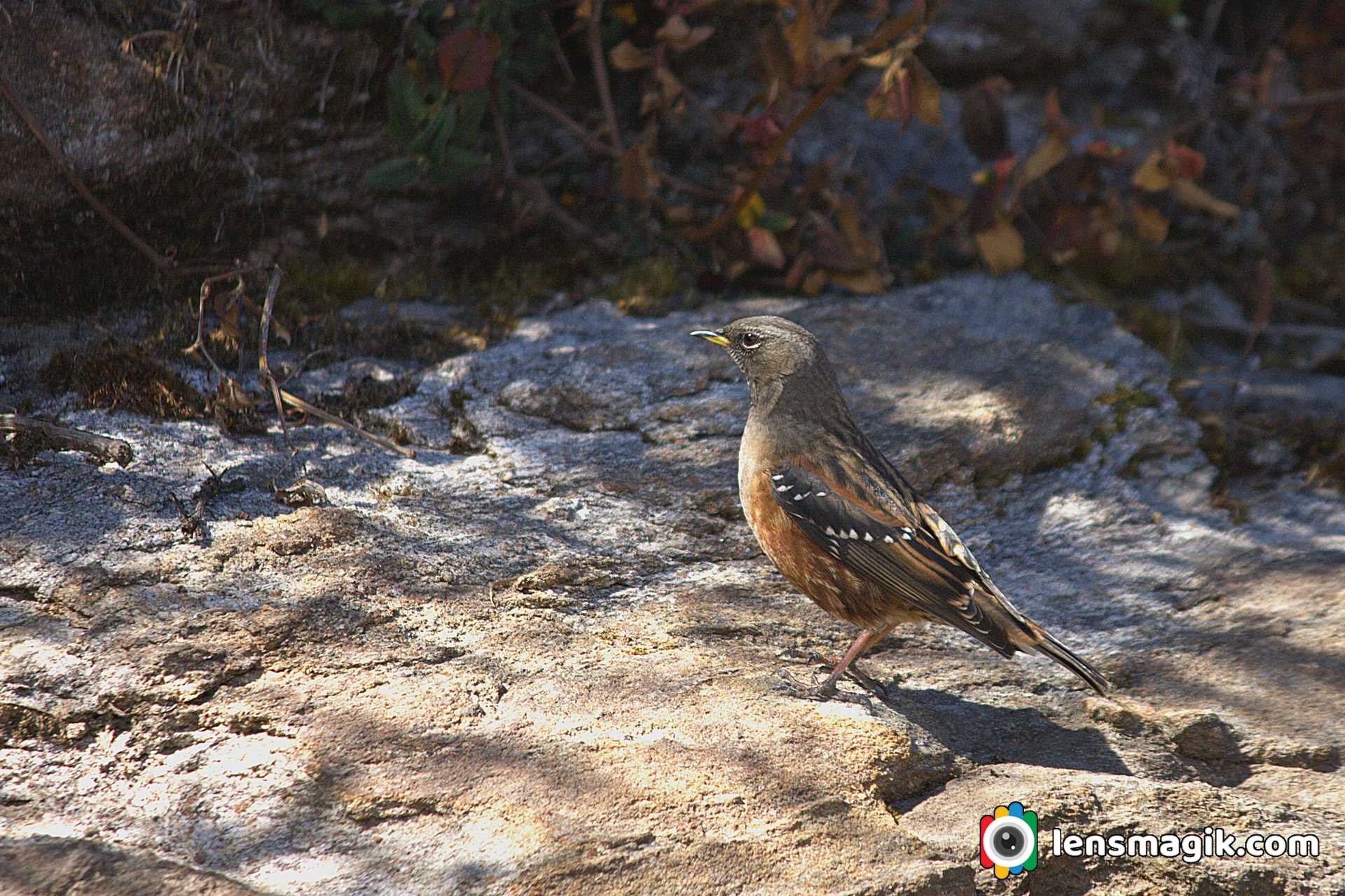
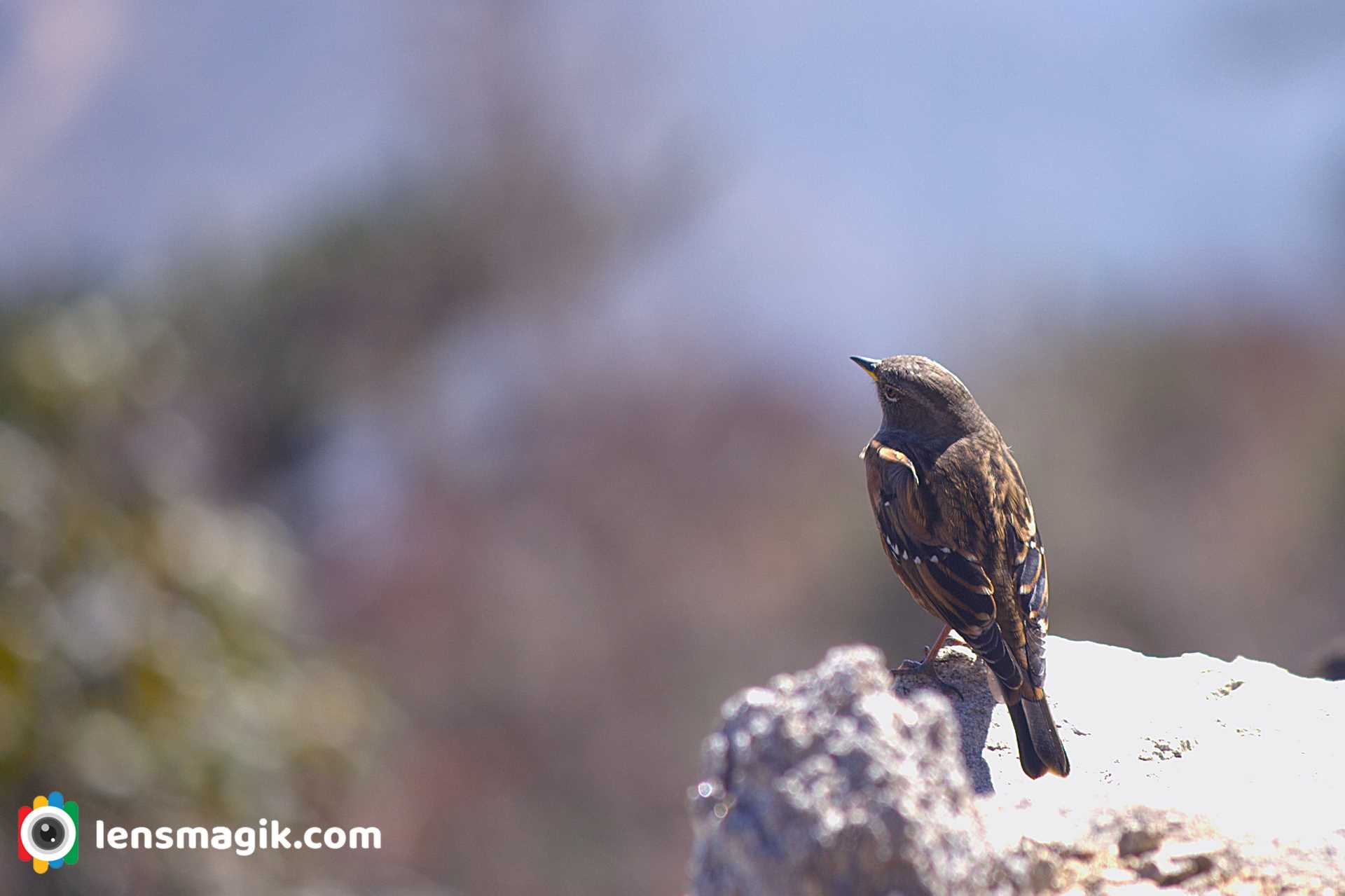
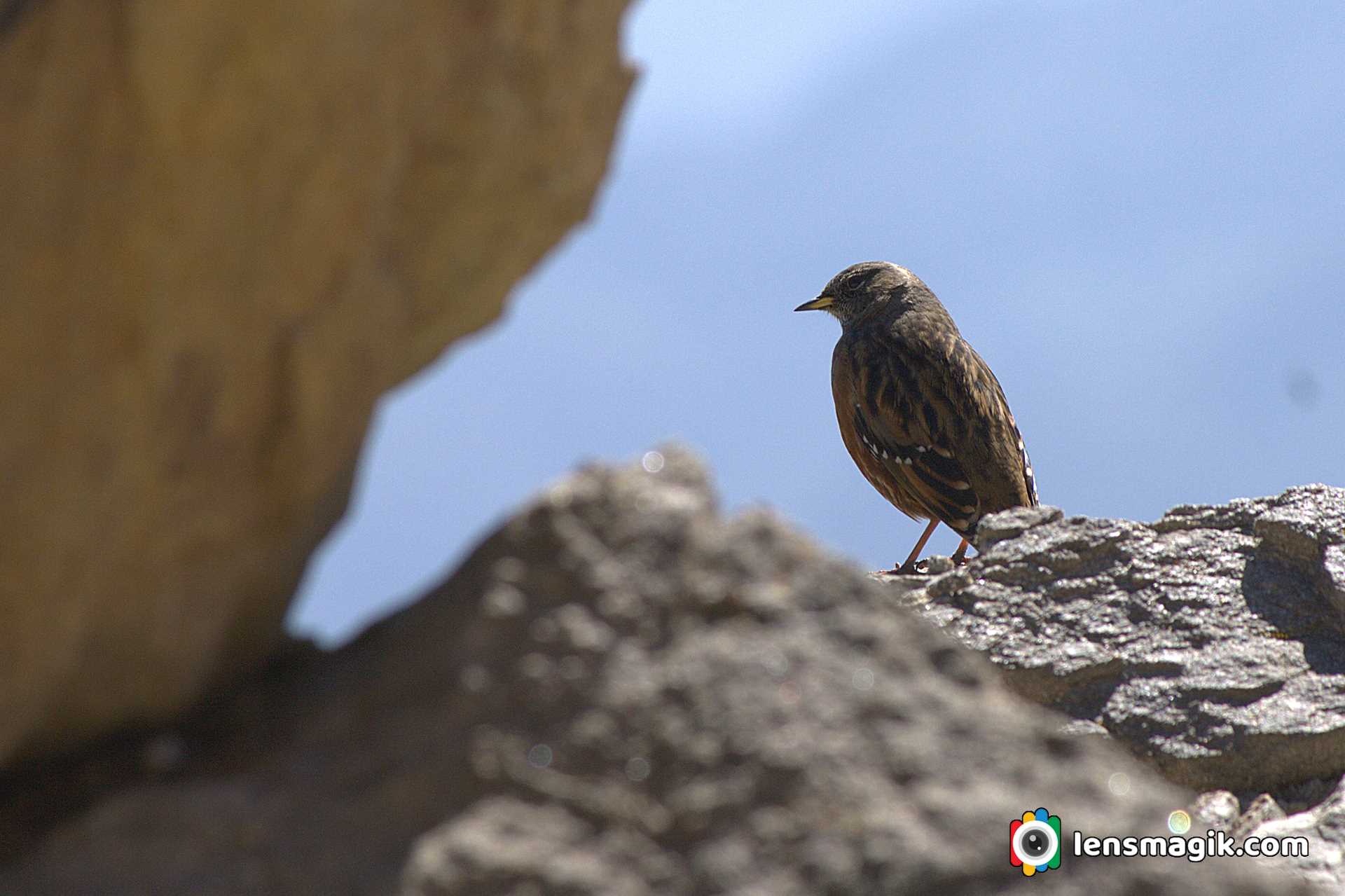
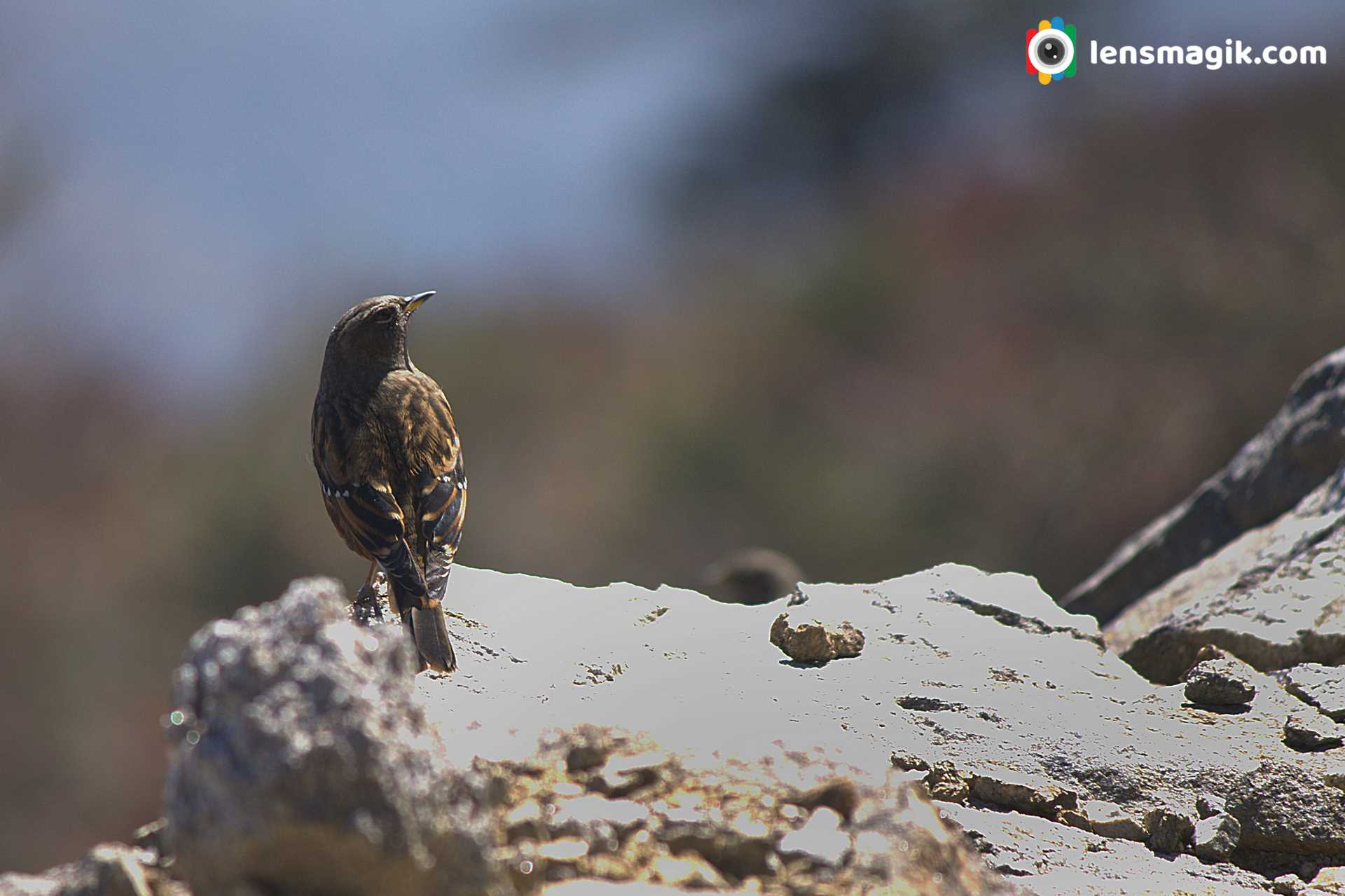
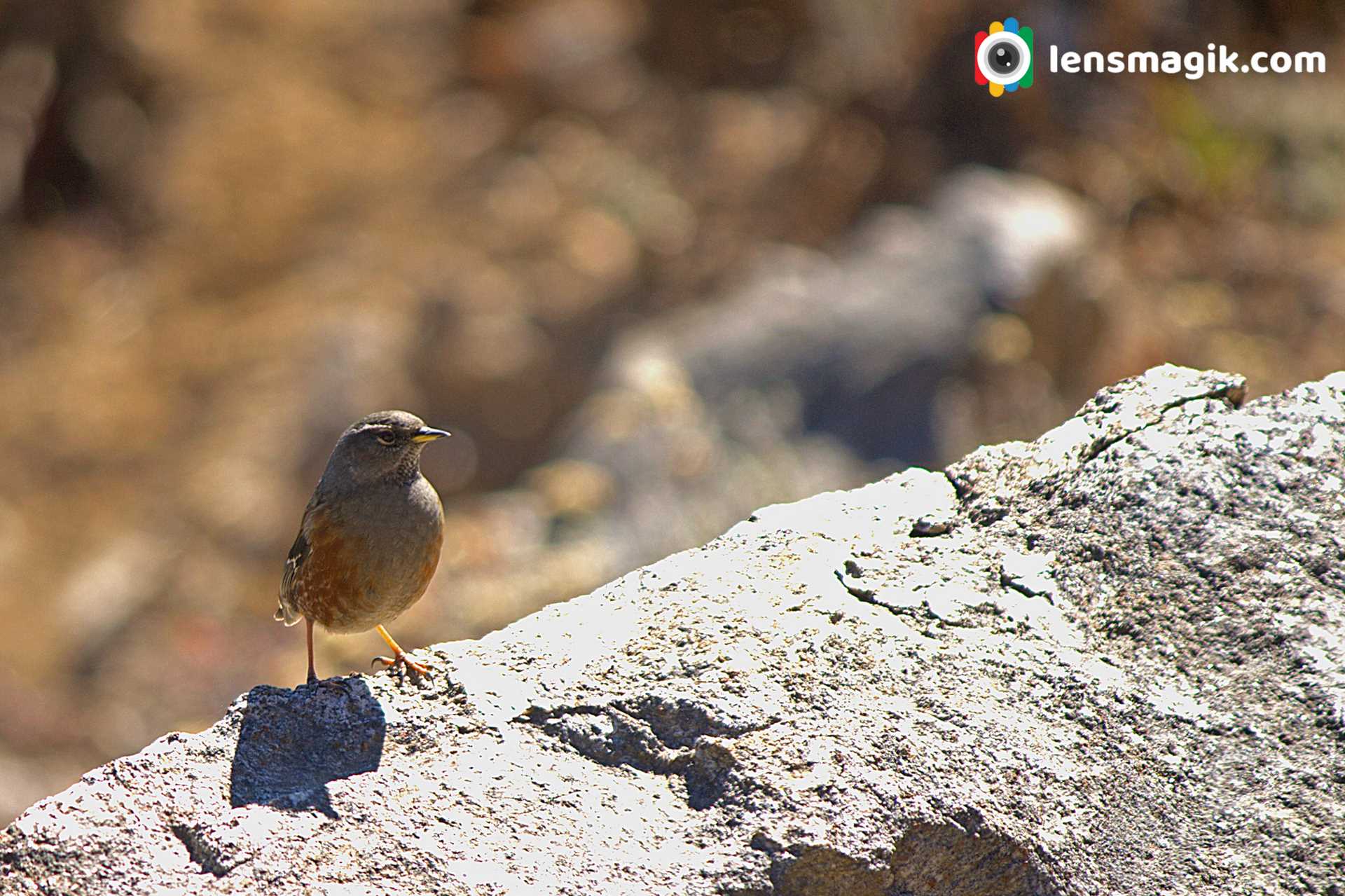
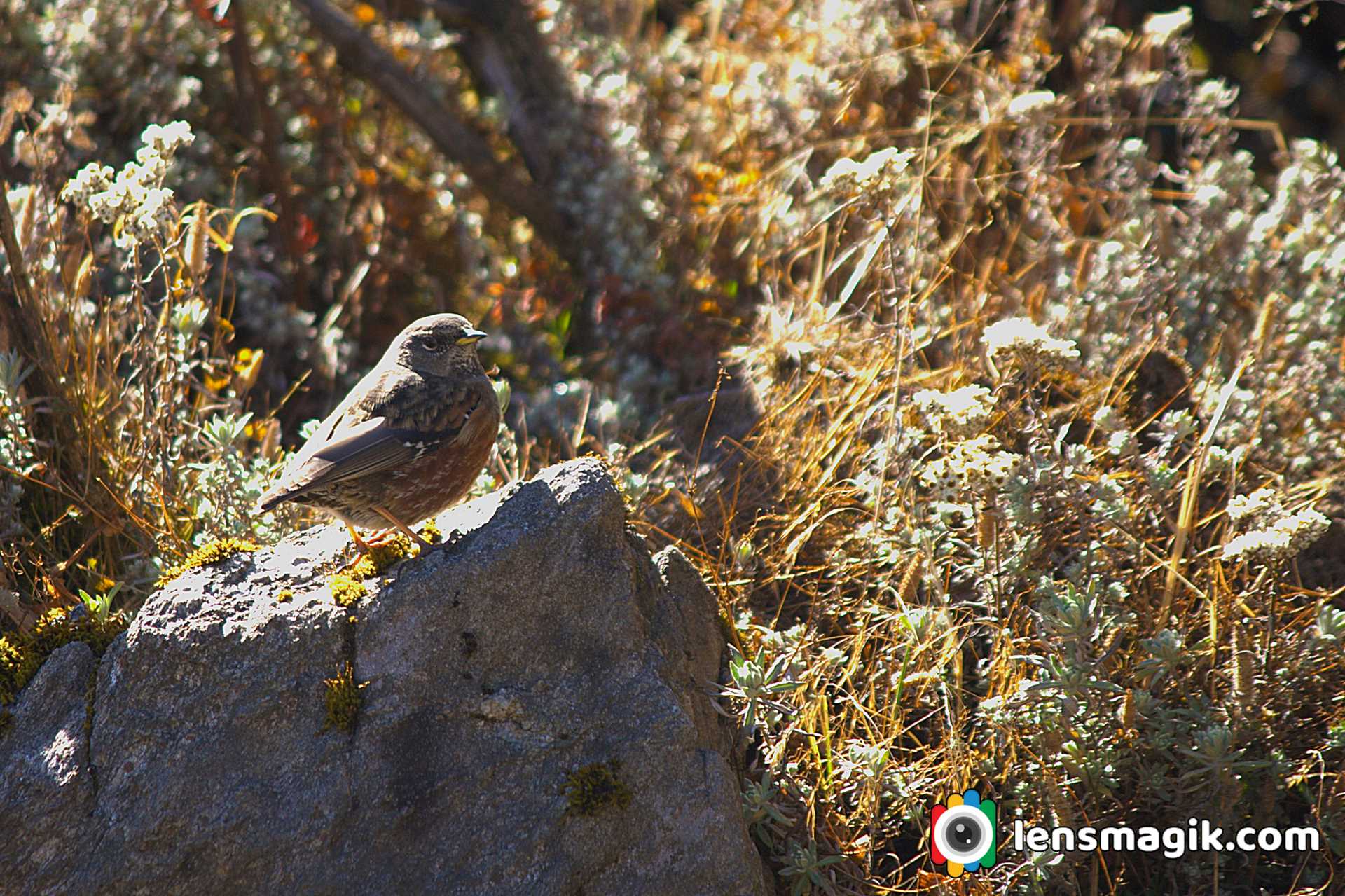
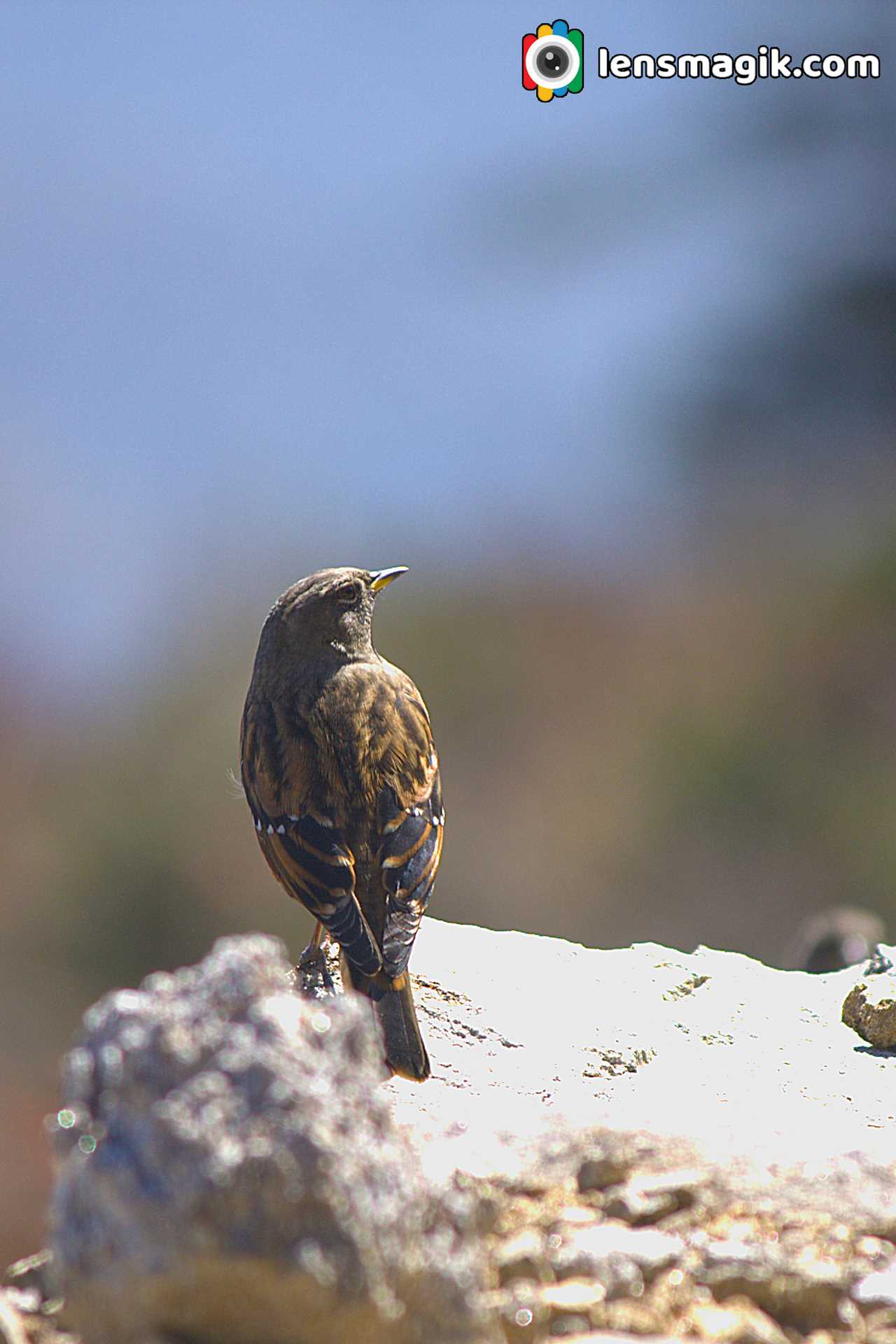
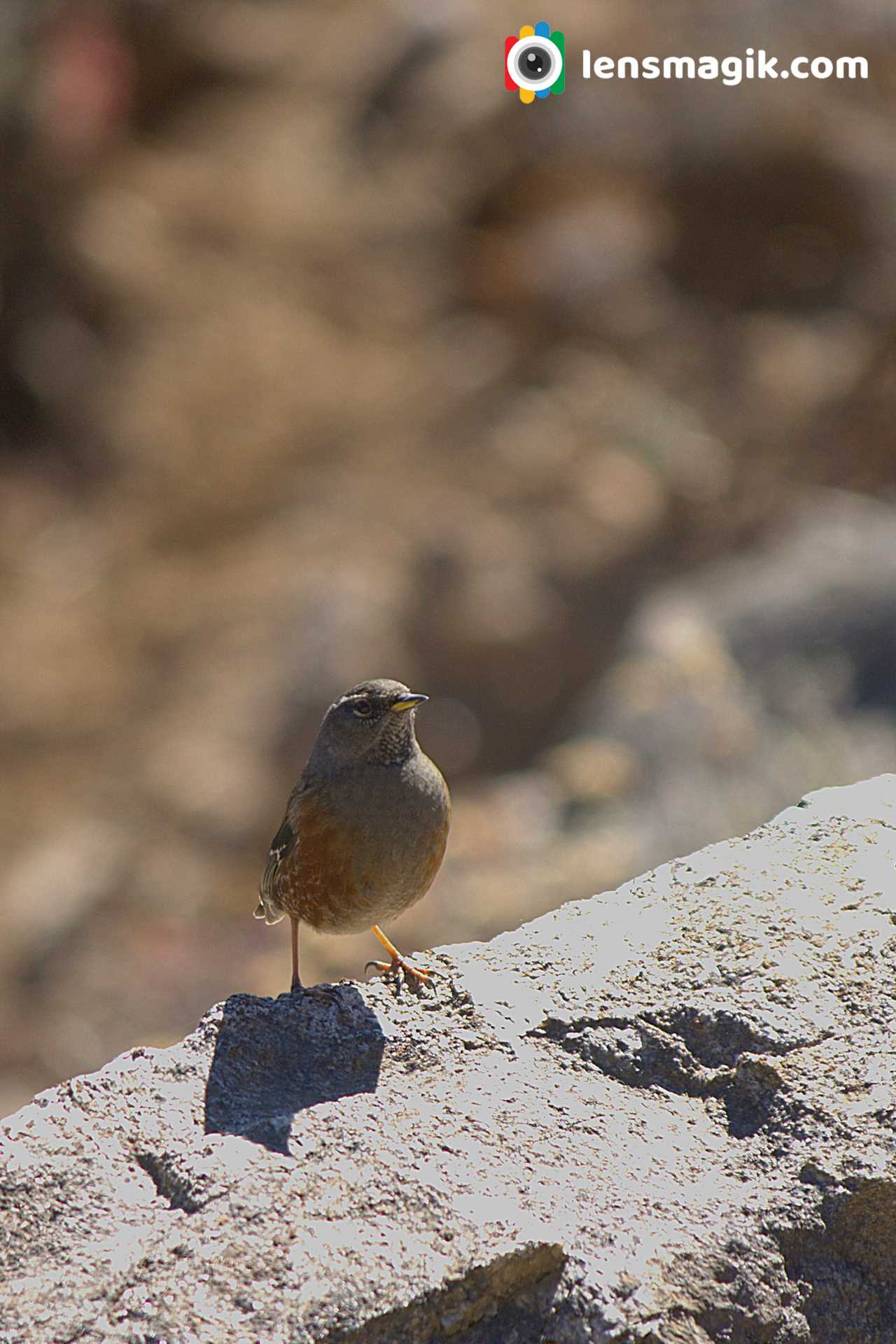
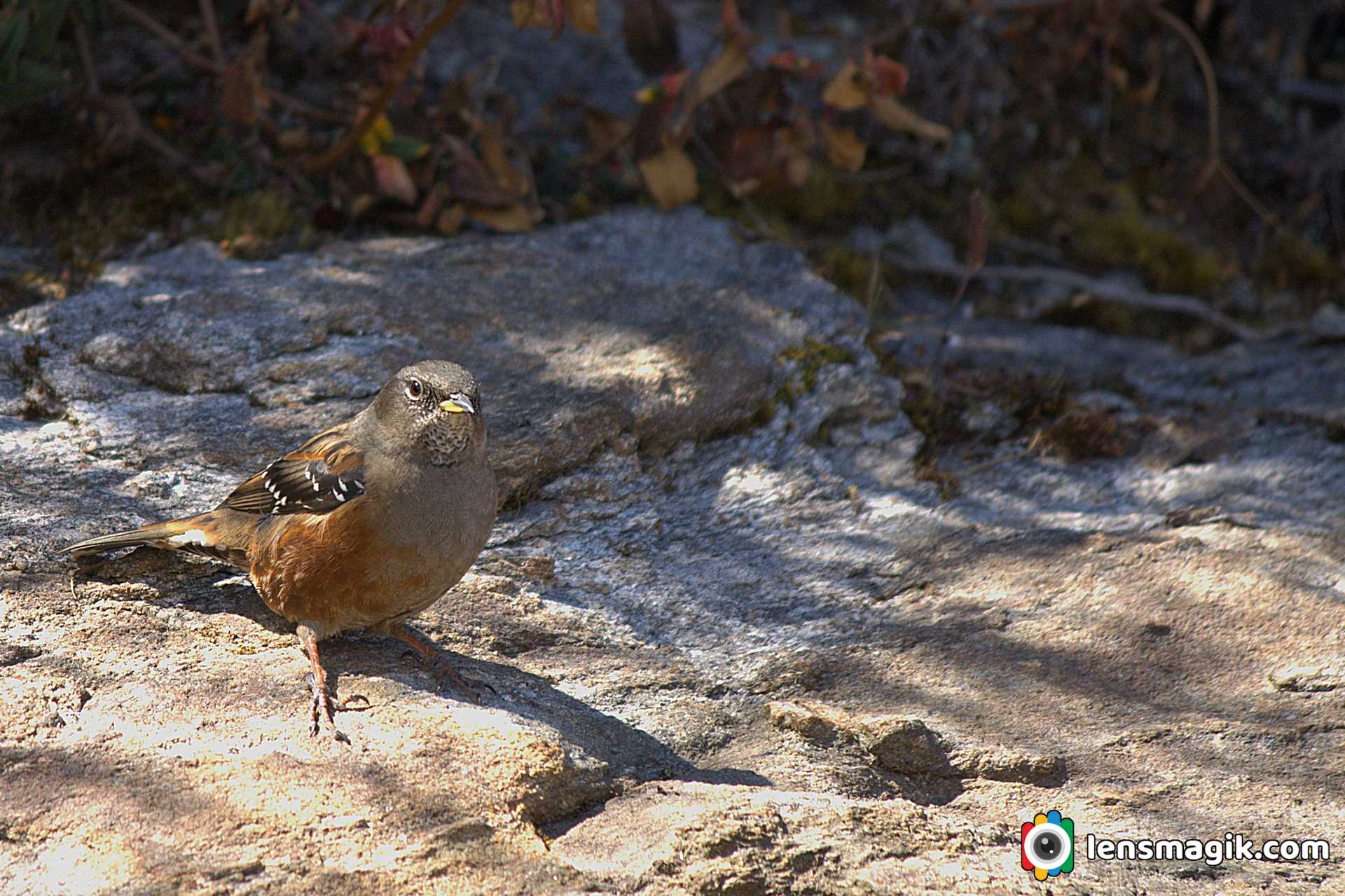
Alpine Accentor bird Binominal Name is Prunella Collaris . Total 9 subspices are recognised of Alpine Accentor bird.
Gear used : Canon 1000 D, Canon 55-250 mm Lens.
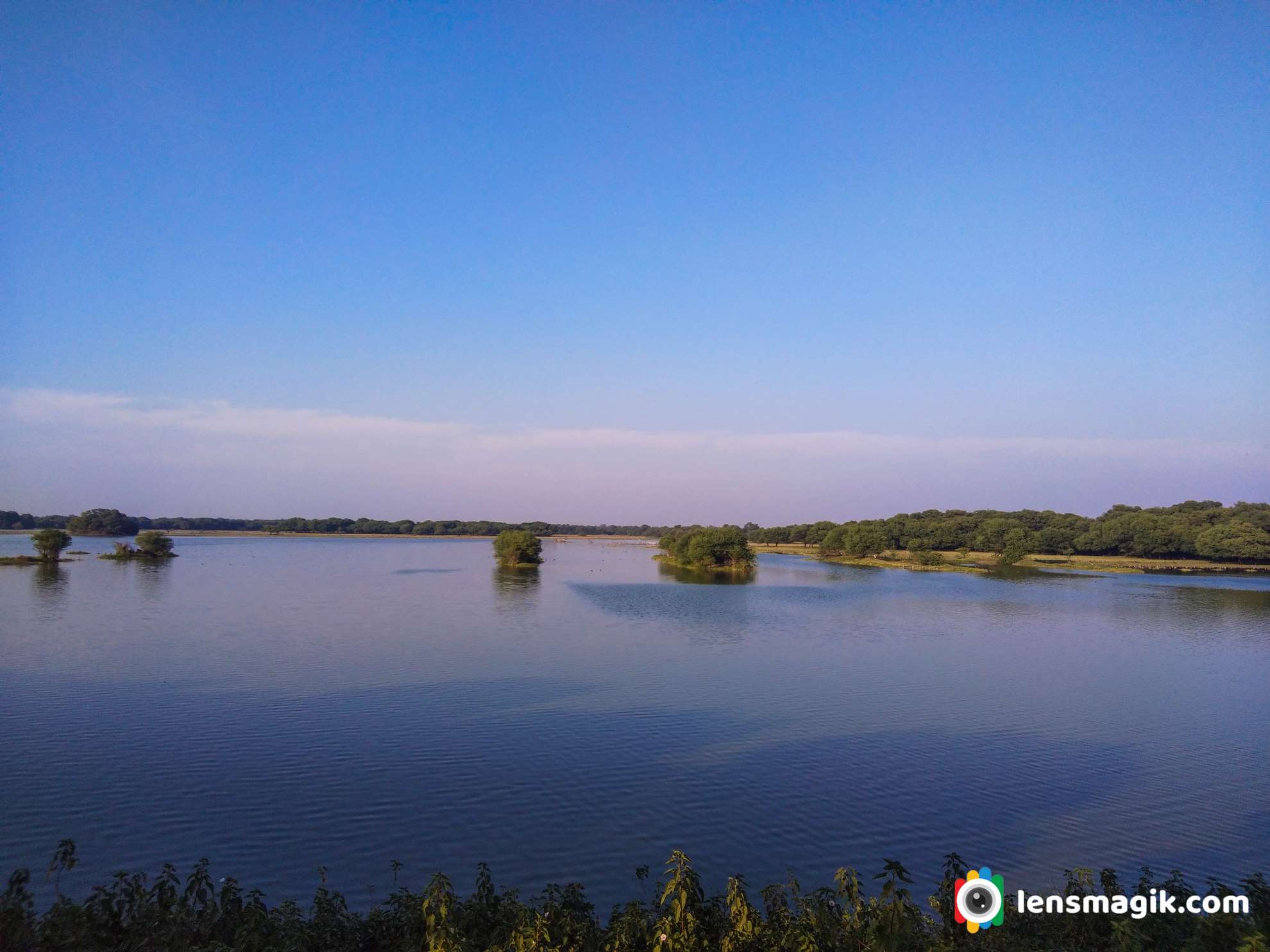
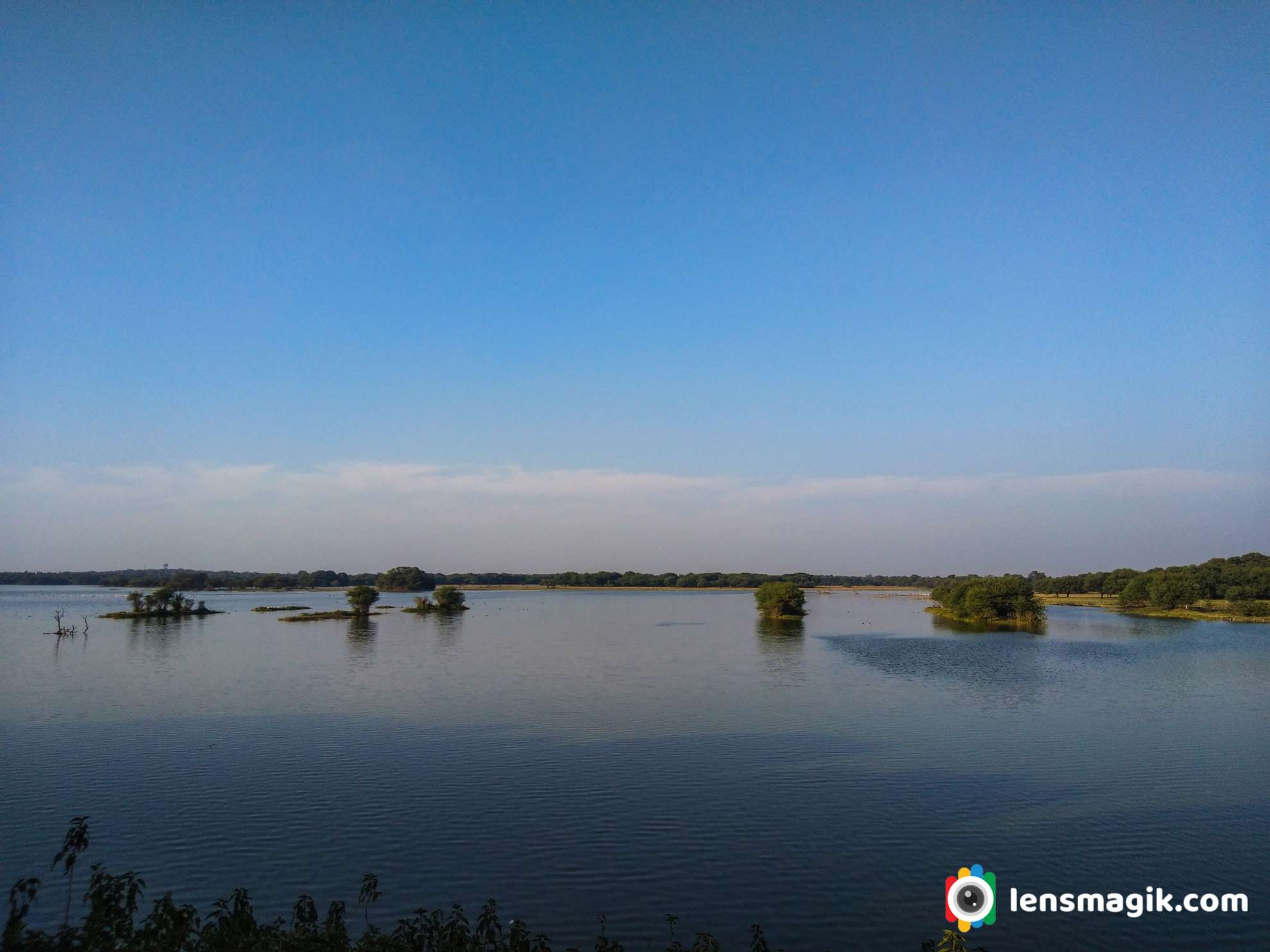
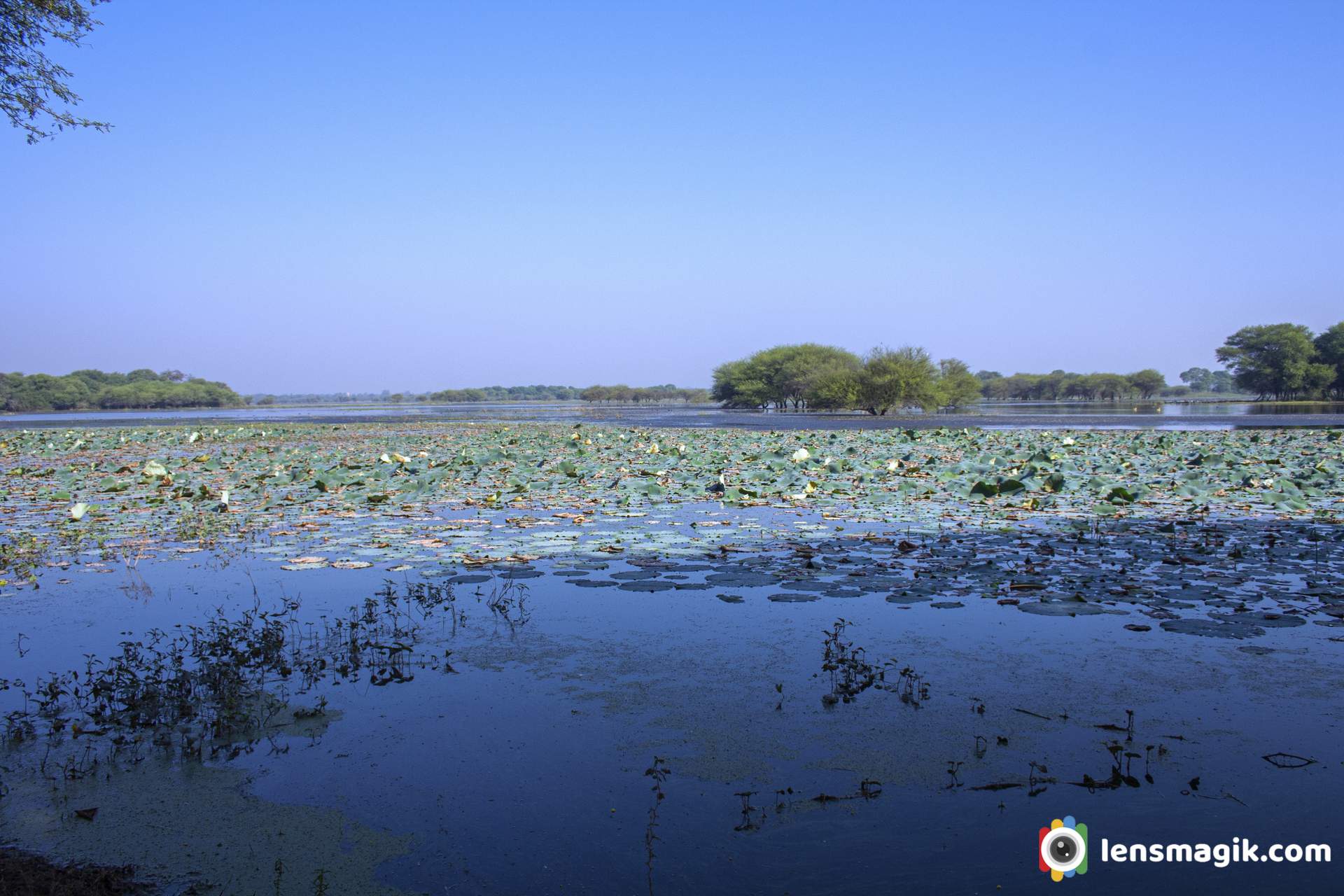
Thol bird sanctuary is located in Kadi Taluka in Mehsana District near sanand Gujarat. It is an artificial lake located near village Thol. In 1912 thol lake was built and it was declared as a Sanctuary in 1988. The main use of lake is use of water for irrigation. The Thol Bird Sanctuary or a Thol lake wildlife Sanctuary India is a habitat of more than 150 spices of birds. Also it is famous for migratory birds Flamingos and Sarus Crane which breeds here.
About Thol Lake / Thol Bird Sanctuary
Thol lake is located near Thol village and its area around 38000 acres. Lake faces all season winter , summer and monsoon. During winter temperature goes to 8 degree and in summer temperature goes to 43 degree. Thol lake is under control of Forest and Irrigation department of Gujarat. Thol lake water storage capacity is around 84 million cubic meters. Thol wildlife sanctuary is declared as Eco Sensitive Zone .
Flora and Fauna Thol Sanctuary :
Thol lake has many vegetation plants like Zizyphus, Acacia nilotica, Ficus, Capparis, Azadirachta indica etc. There are also some mix flora of Marshy and Aquatic plants reported in Thol Lake.
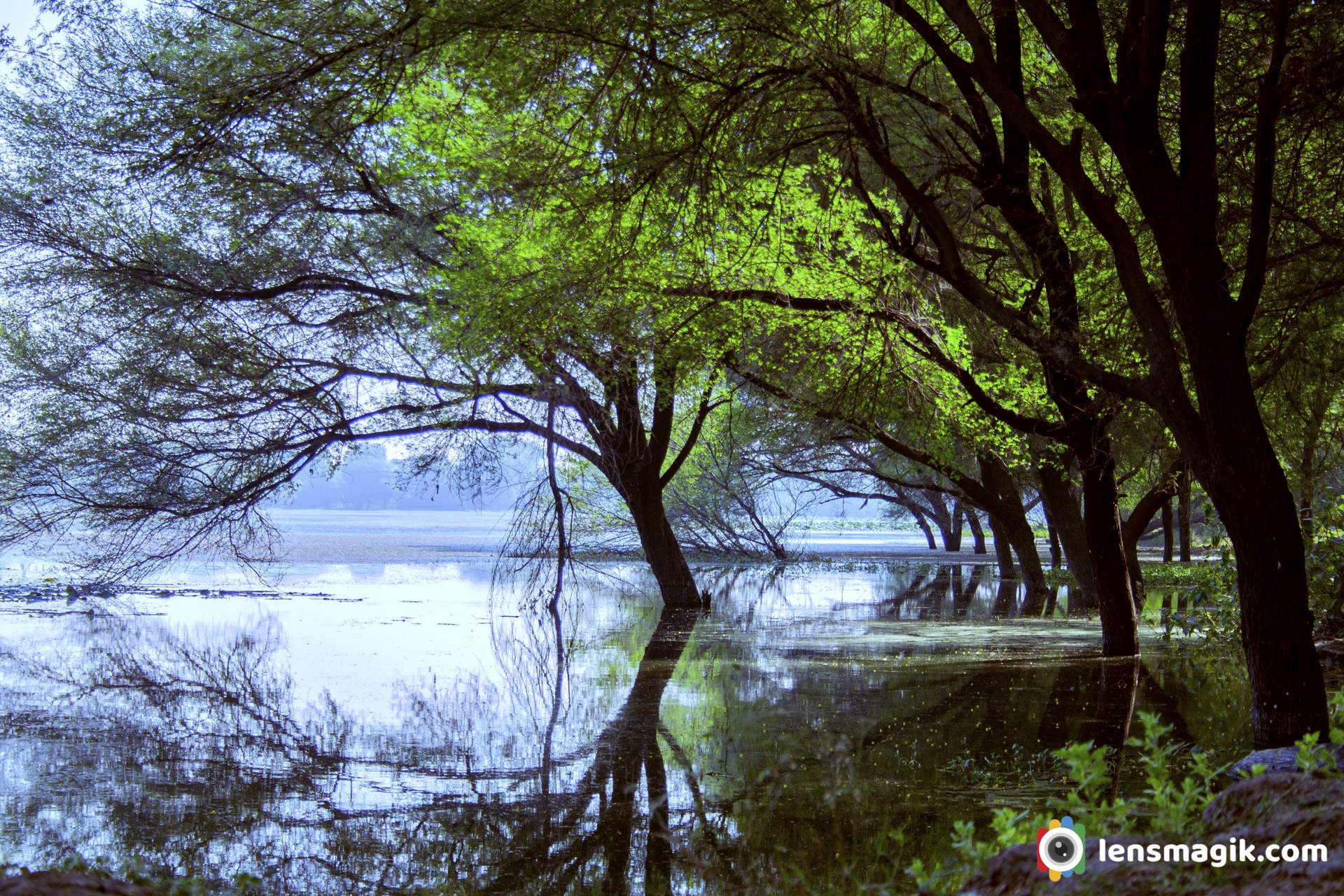
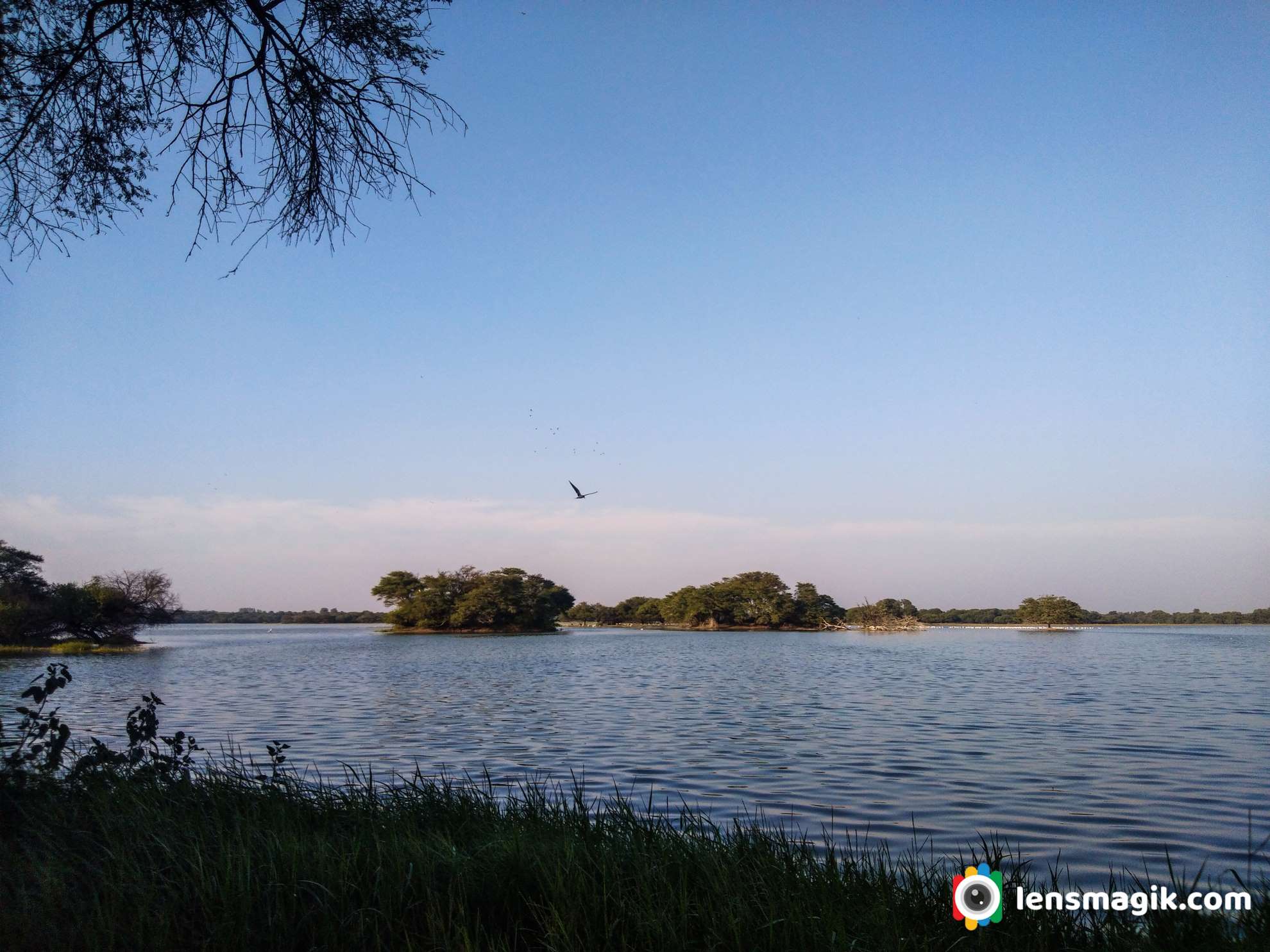
Thol lake is protected area and it is very good habitat for water birds. In thol bird sanctuary there are more than 150 spices of birds found . Among these more than 60 % of birds are water birds. Flamingo bird is most prominent bird of Thol Lake. Also Sarus Crane nest in large number here.
Famous Migratory Birds of Thol Lake
• Flamingos
• Sarus Crane
• Great White Pelican
• Mallards
• Bar Headed Geese , Grey Headed Geese
• Waterfowl
There are also some spices reported here like Dalmatian Pelican, Indian Skimmer, Greater Spotted Eagle, Indian Vulture and white rumped Vulture etc. In Mammals Bluebull, Blackbuck and Golden jackal reported here.
Thol Lake Timing and Fees :
Thol lake open everyday at 6 AM in morning and close at 5.30 PM in evening. Entry fees for Thol Lake or Thol sanctuary is 50 INR for per person. Also Camera fees extra at 200 INR and if you go via car then car fees also 500 INR. Foreigner fees are 10 $ per person.
Best Time to Visit Thol Sanctuary / Thol Lake :
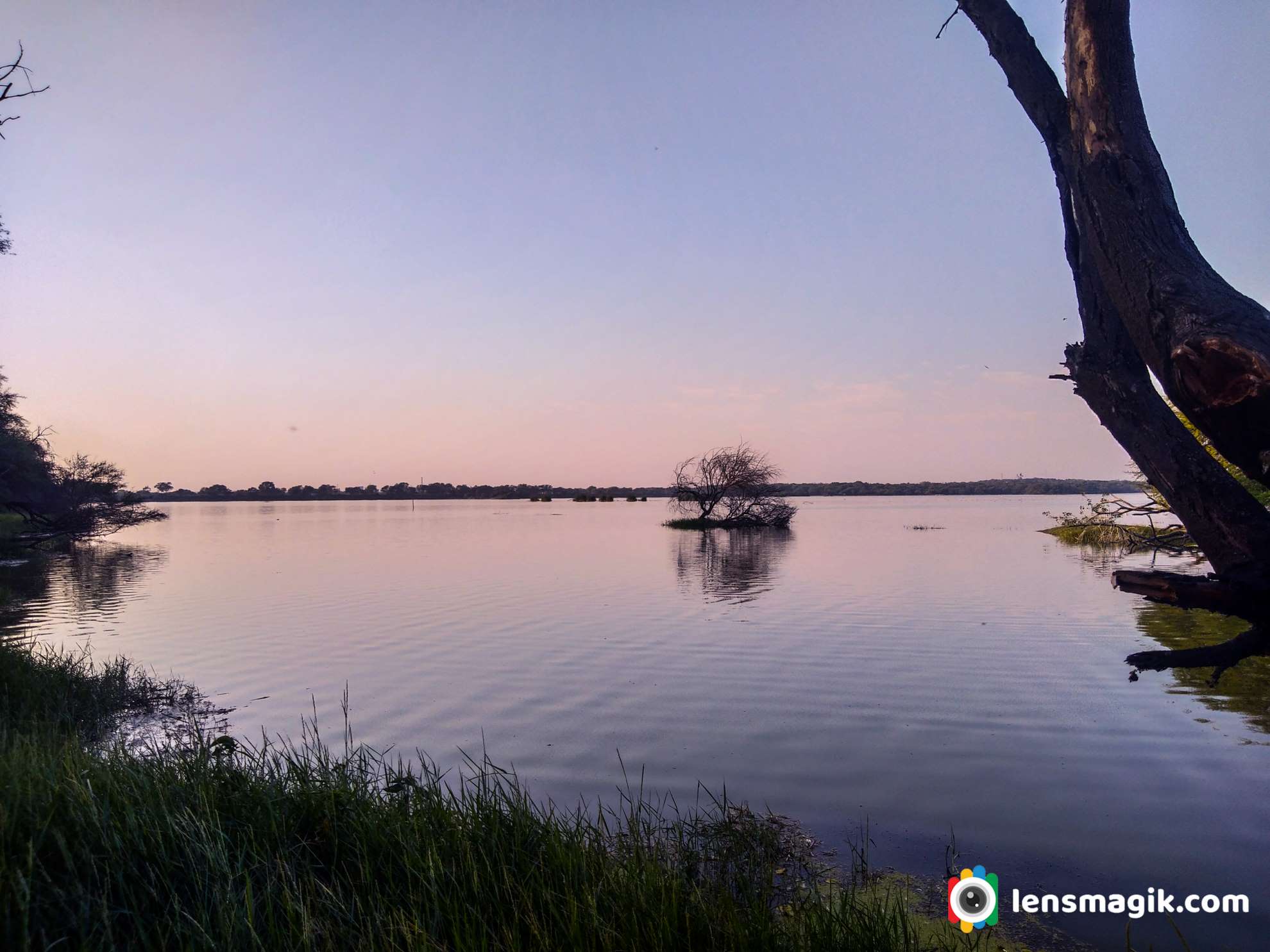
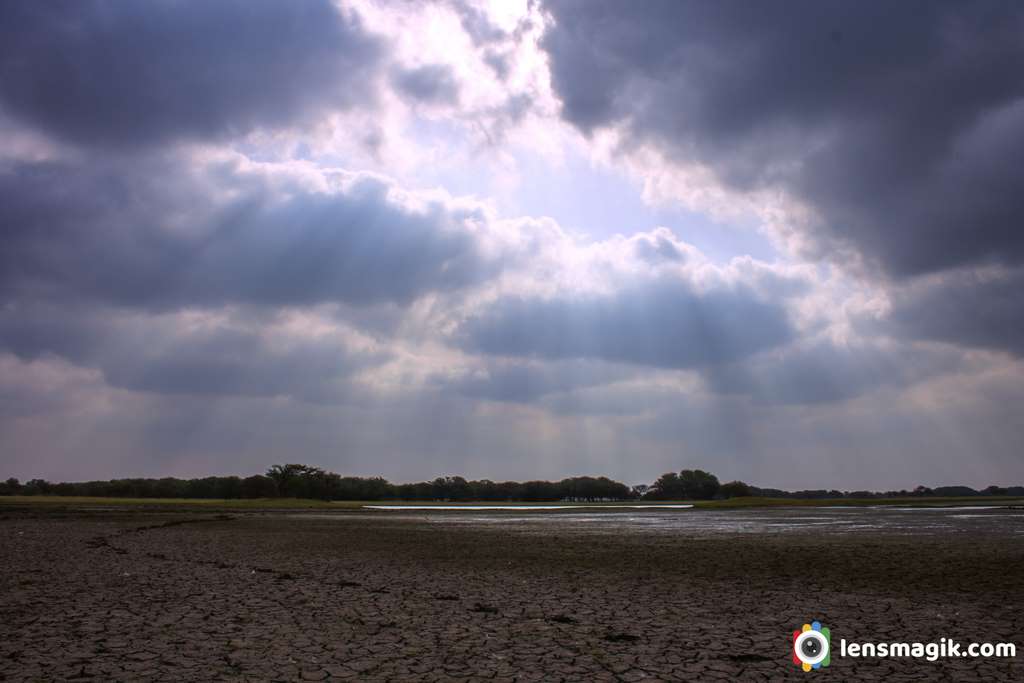
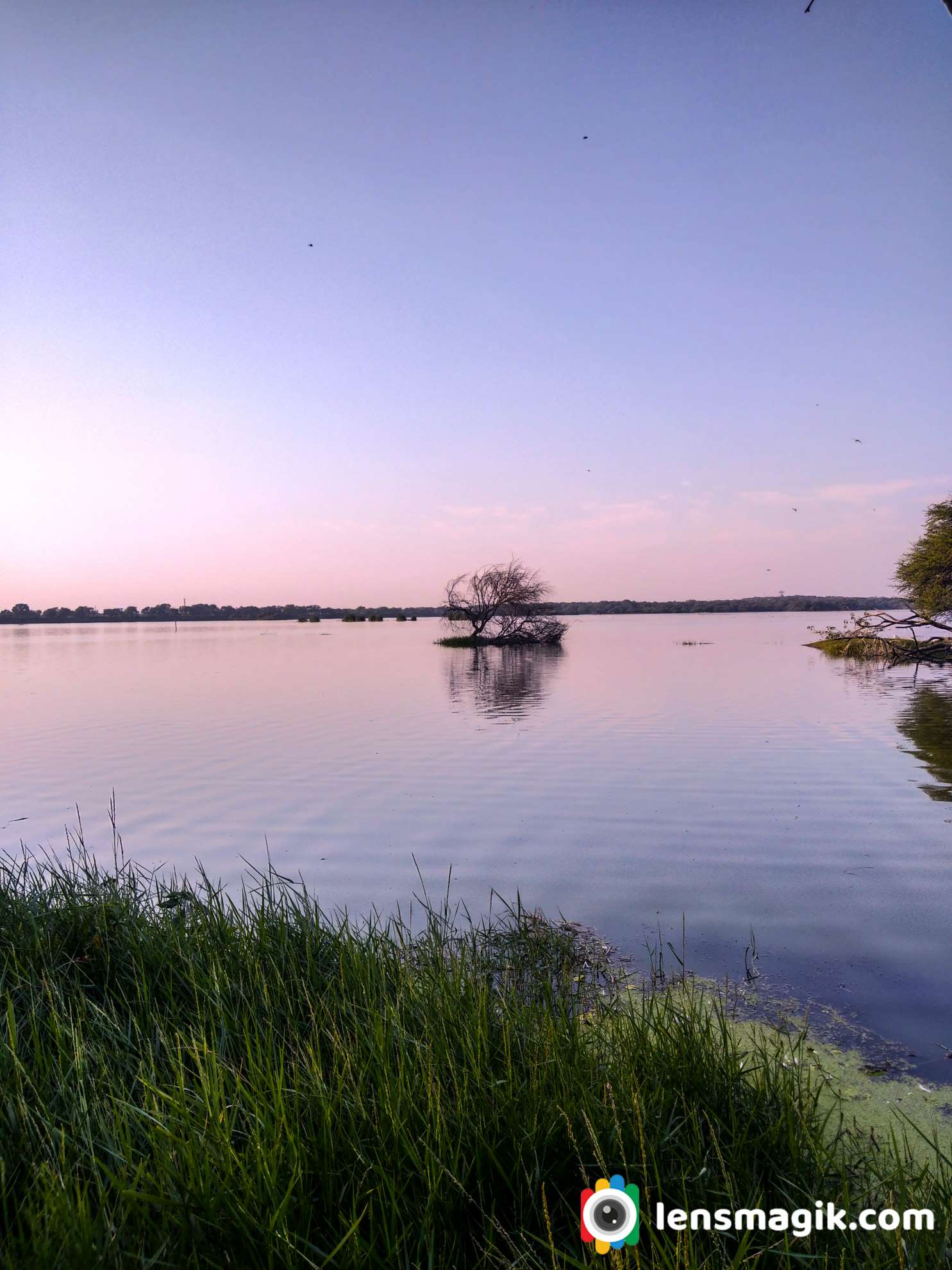
Best time early morning for Thol Lake. In winter if you go before sunrise you can see Twilight sky amazing with lake shore and birds sound .During all season Thol lake has its own beauty. Every season you can visit at Thol Lake. But mostly during winter from November to March season is best for Thol Sanctuary visit. Because during winter lots of Migratory birds came here and stay for long time so for birding winter season is best at Thol Lake. Also during summer some of birds stays here like flamingos and pelicans, geese etc. So you can also see them in summer too. Also during summer water level of lake is low so may be the birds you can get in deep or sometimes closer. During monsoon most people don’t visit but if you like macro photography then you must visit Thol lake in monsoon. You can get some excellent macro subjects like waterdrops , Spiders, Insects etc.
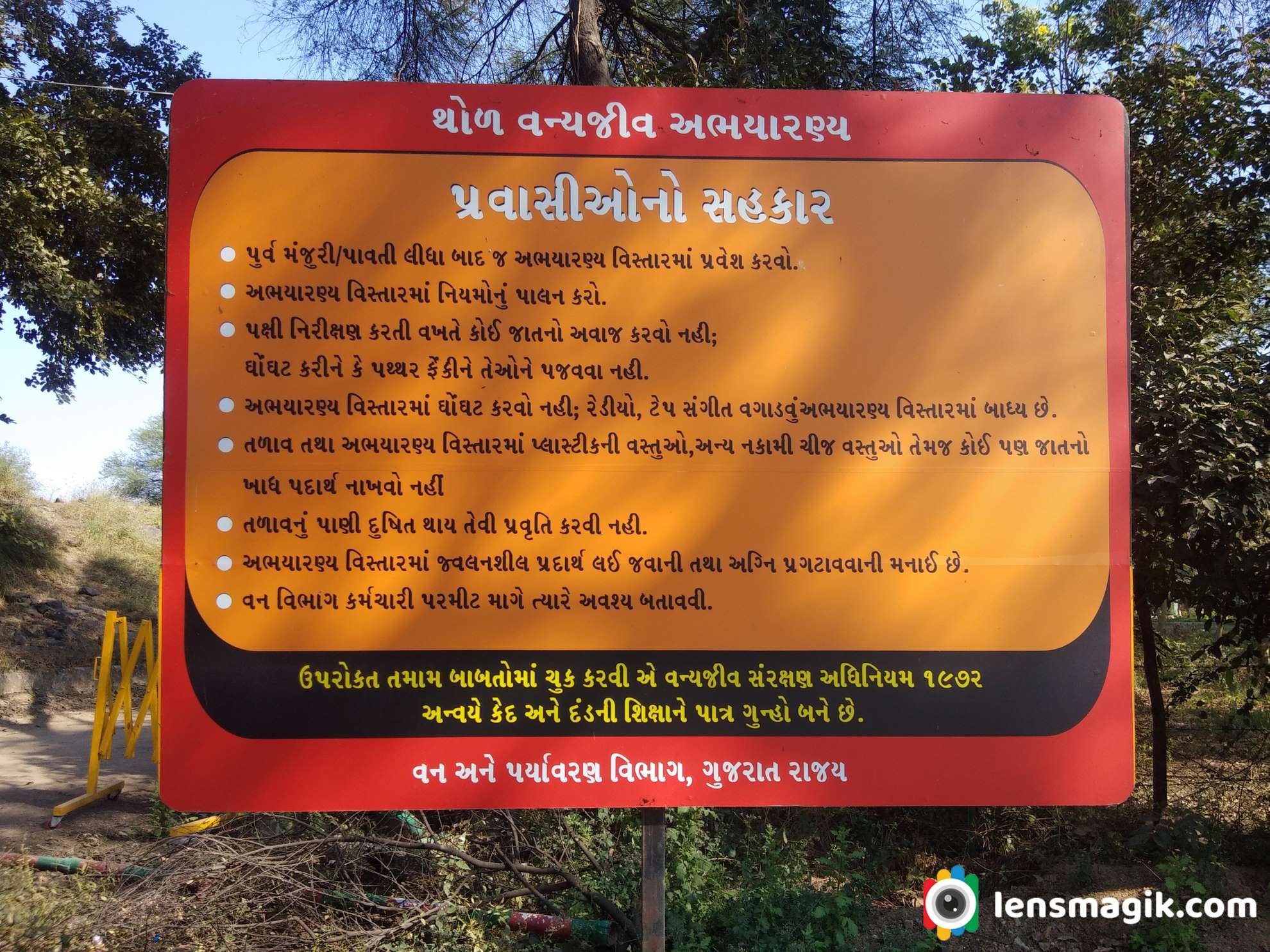
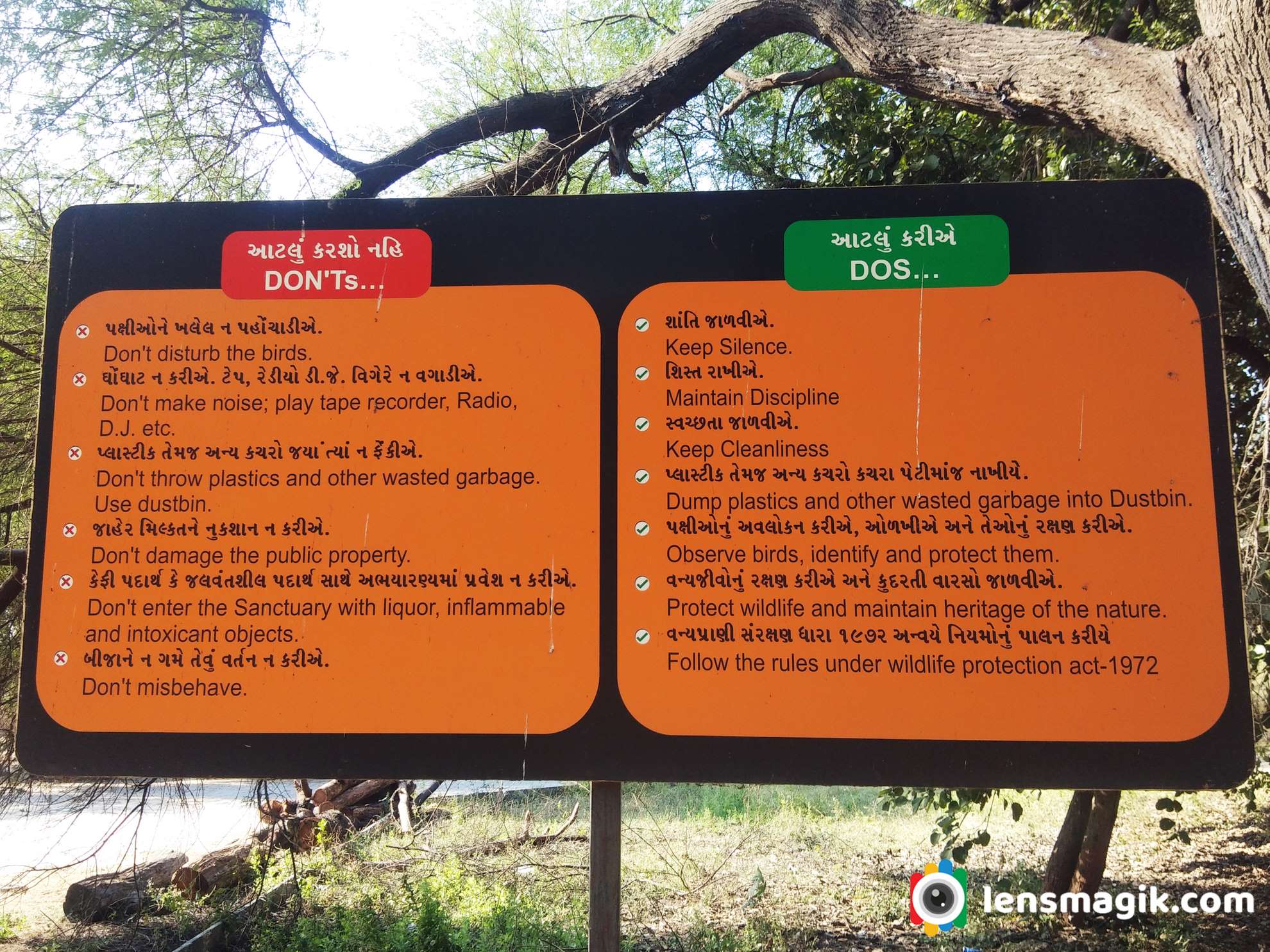
What to do and What not to do in Thol Lake / Keep in mind while visiting sanctuary in India :
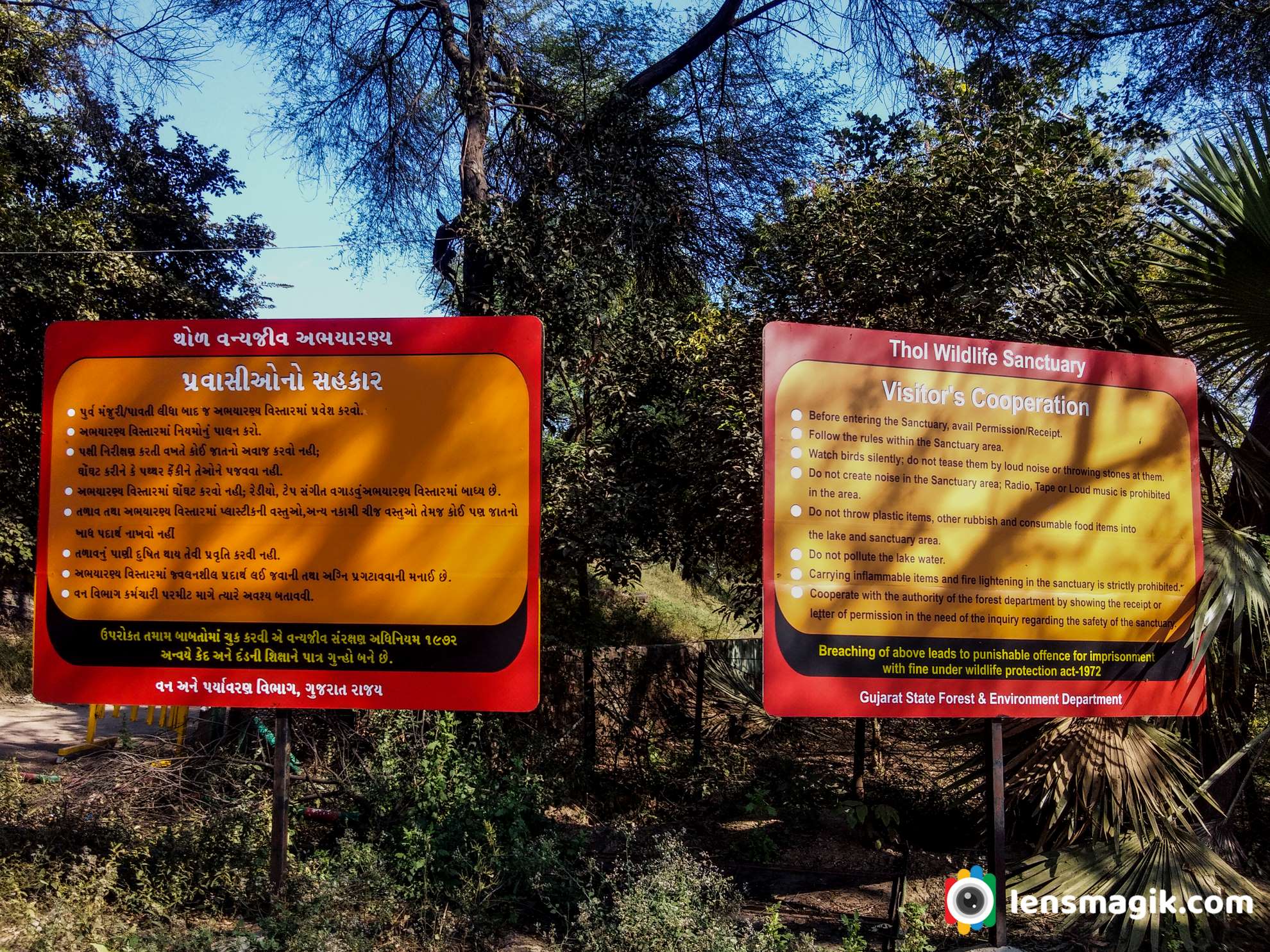
• Keep silence in sanctuary
• Maintain discipline
• Keep sanctuary clean
• Do not throw plastic waste anywhere in sanctuary
• Protect wildlife
• Observe birds, mammals etc and protect them and identify them
• Follow rules of wildlife protection act -1972
• Don’t disturb birds and animals
• Don’t enter in sanctuary with liquor and inflammable objects
• Don’t make loud noice.
• Enter in sanctuary with permit only and keep receipt till you leave sanctuary
• Don’t feed birds and animals
Where to Stay near Thol Lake :
Well near to Thol Lake there are not good places to stay at night but you can go near to destinations like Kadi, Kalol or Gandhinagar , Ahmedabad where you can get good places to stay at night. Nearest I suggest Kalol around 15-18 km or you can go Ahmedabad around 25 km.
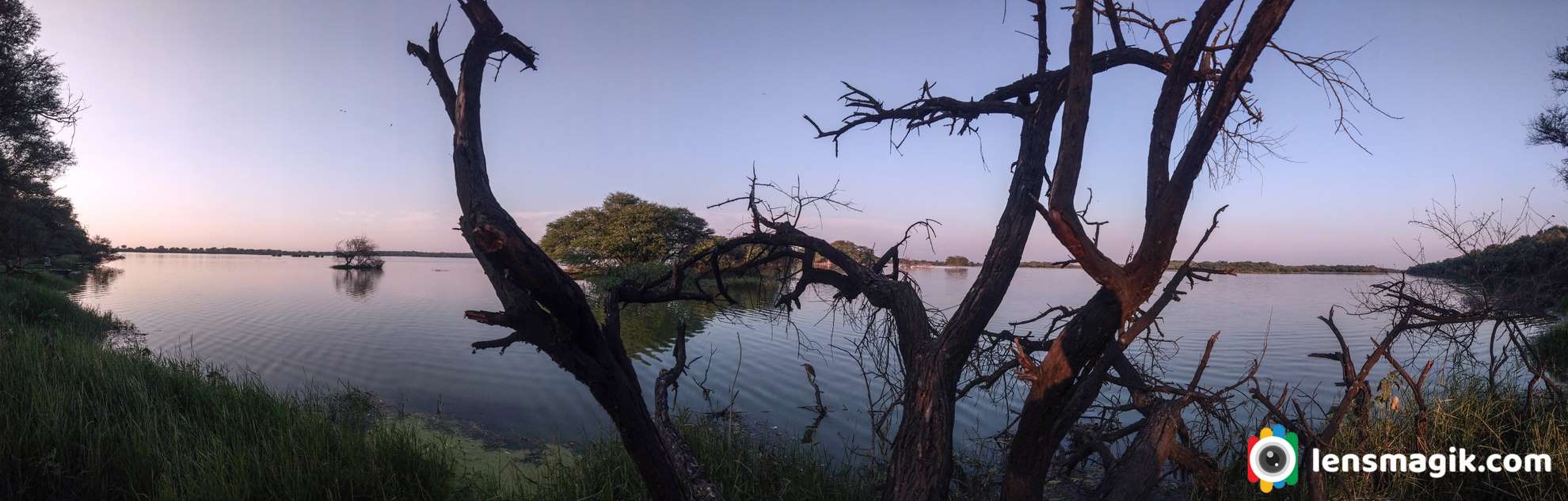
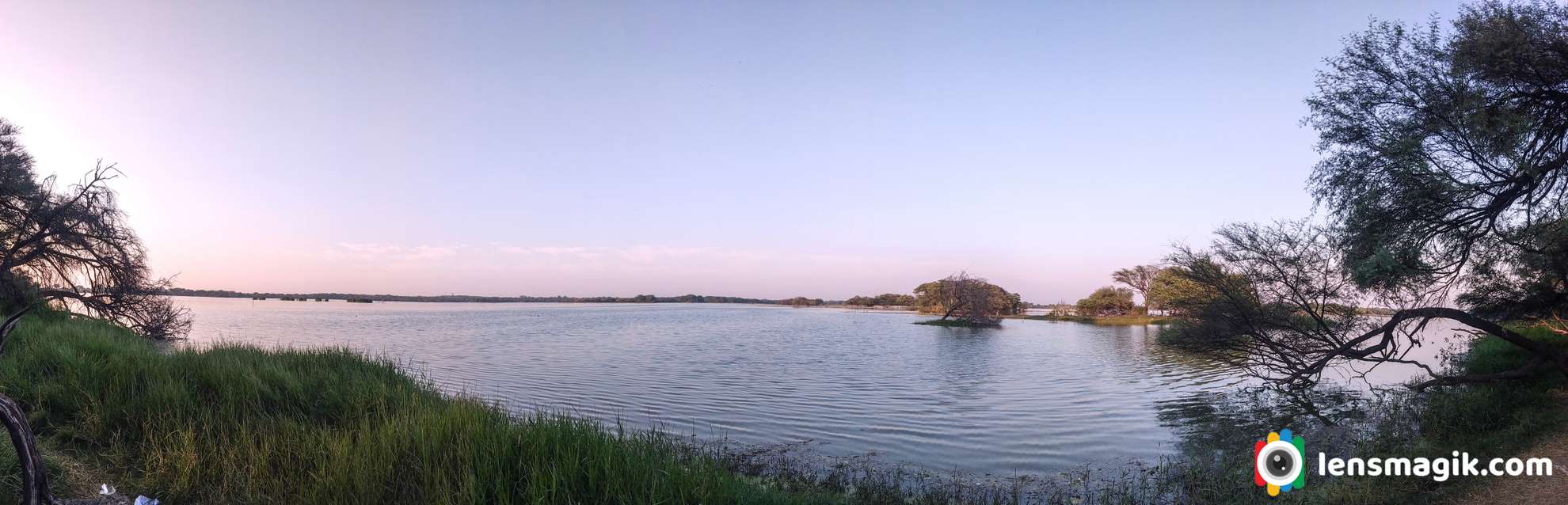
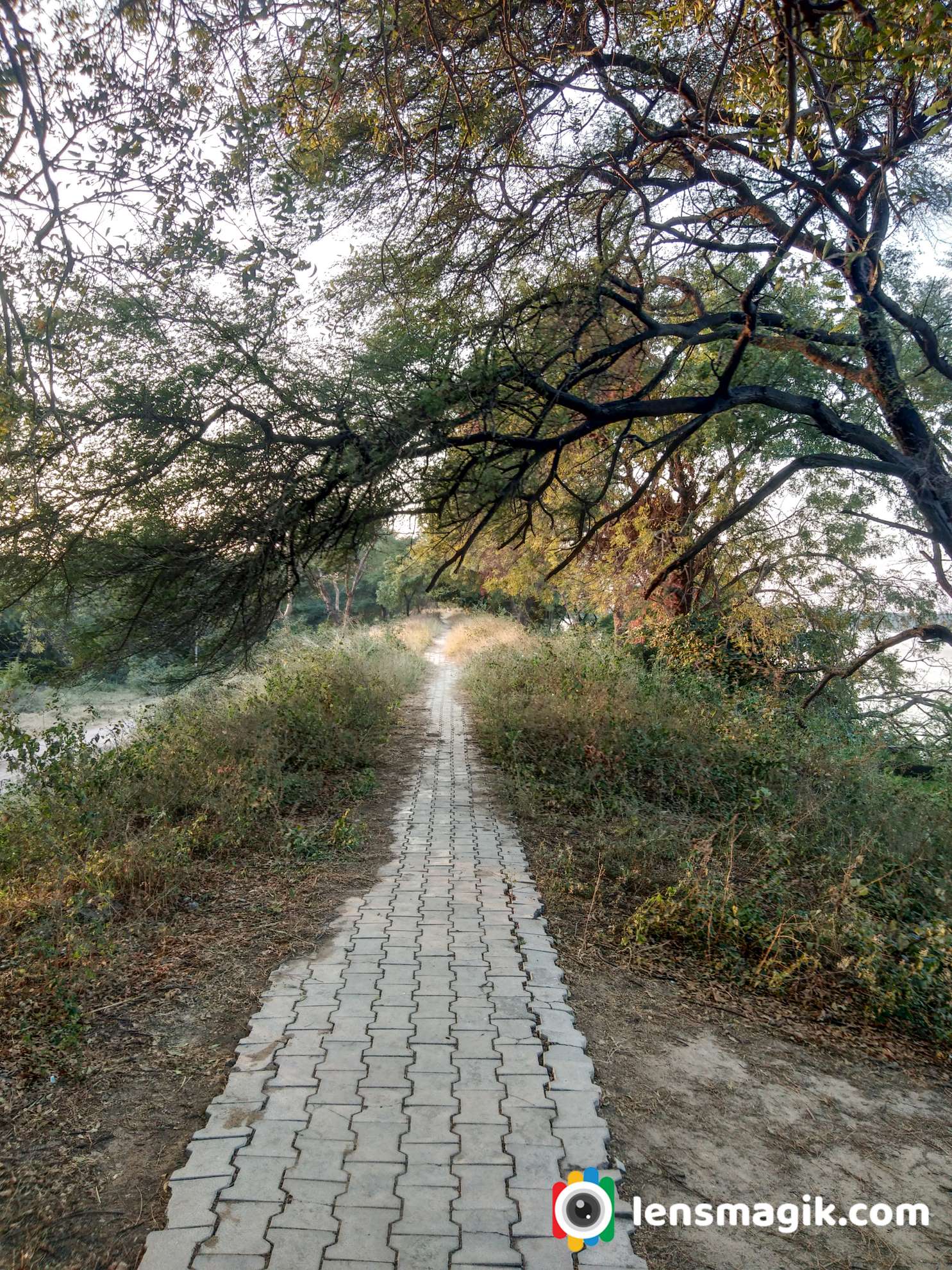
Places to Visit near Thol Lake :
If you are staying at Ahmedabad then go for Ahmedabad Darshan , Pol area of Ahmedabad and Adalaj Ni Vav ( Heritage places ) etc. Also go for fast food test at night at Manek Chauk and SindhuBhavan road there are lots of option for food lovers like Urban Chauk, Freezbee etc.
If you stay at Gandhinagar then visit Mahatma Mandir at Gandhinagar, Sarita udyan , Akshardham Temple etc.
I would suggest Modhera Sun Temple if you had some more time which is around 100km from Ahmedabad. For bird lovers and bird photographer I would suggest visit Little ran of Kutch (LRK) during Winter season, Pariej Lake, Indroda park Gandhinagar, Jessore Sanctuary Banaskantha etc.
How to Reach Thol Sanctuary :
Nearest airport is Ahmedabad and from Ahmedabad thol lake distance is around 30-40 km
Also for Railway station is Ahmedabad because you can get all frequency and destinations from Ahmedabad railway station.
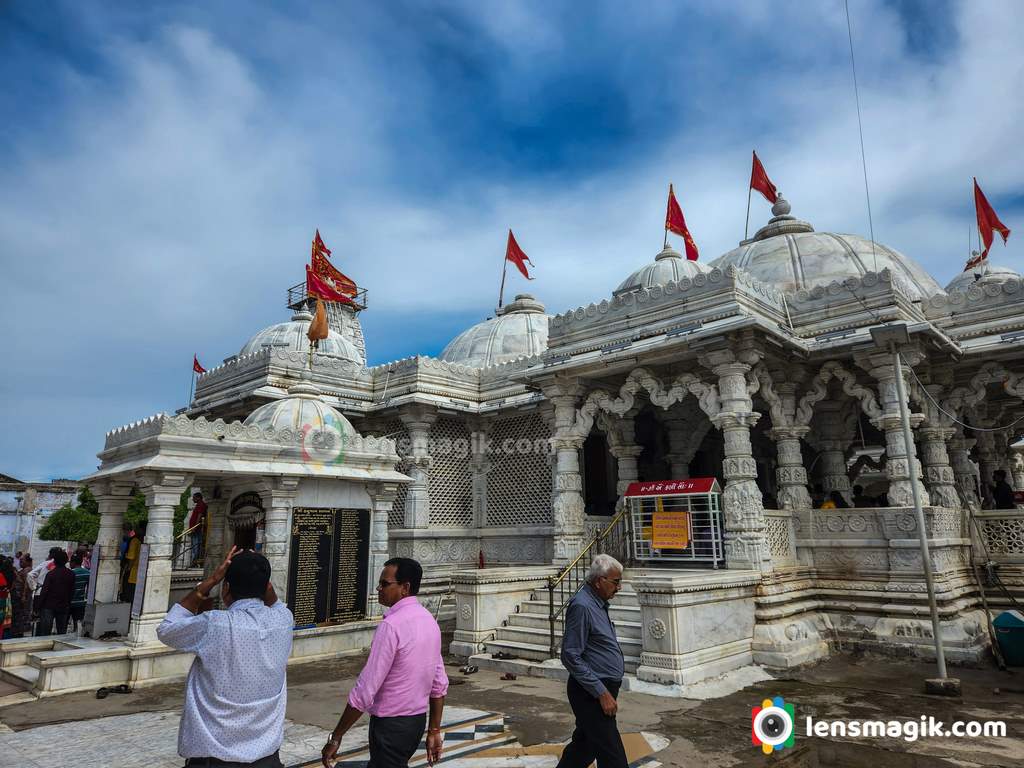
Bahucharaji or Becharaji is located in Mehsana district Gujarat. It is a Hindu Temple of Hindu Goddess Bahuchara Mata.Bahucharaji Temple is in Bahucharaji town near shankhalpur village Mehsana. Bahucharaji Temple is in center of town. Bahucharaji temple managed by State Government. Ma Devi Bahucharaji is worshipped here as Goddess Bala Tripura Sundari.
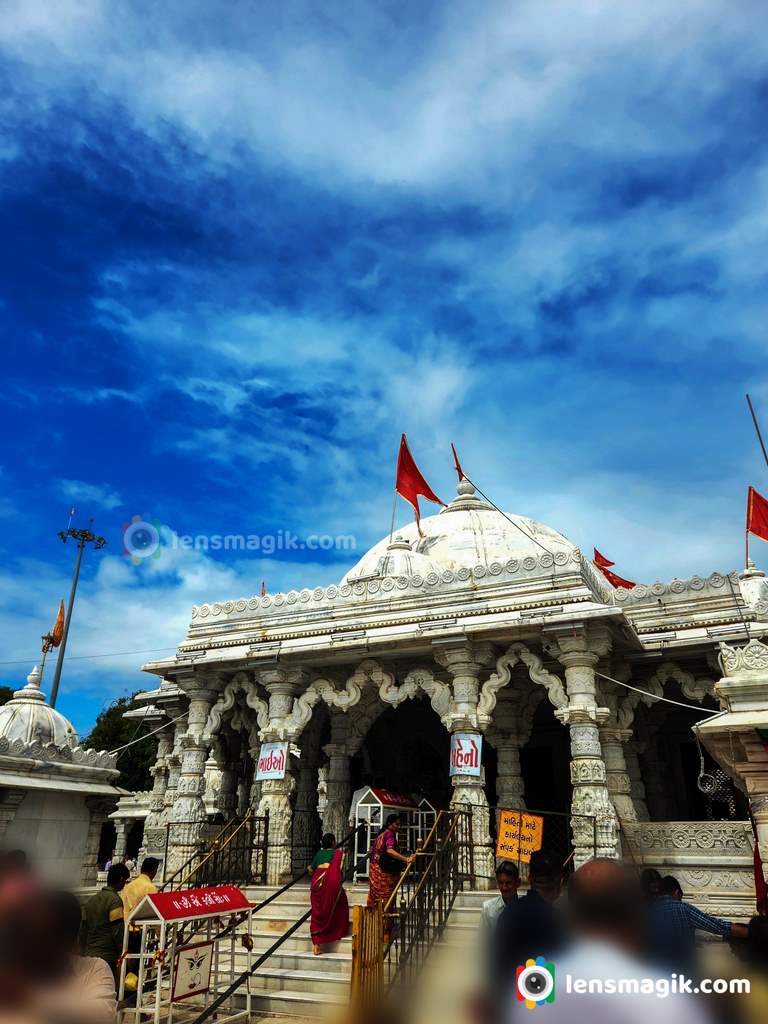
Story of Bahucharaji temple
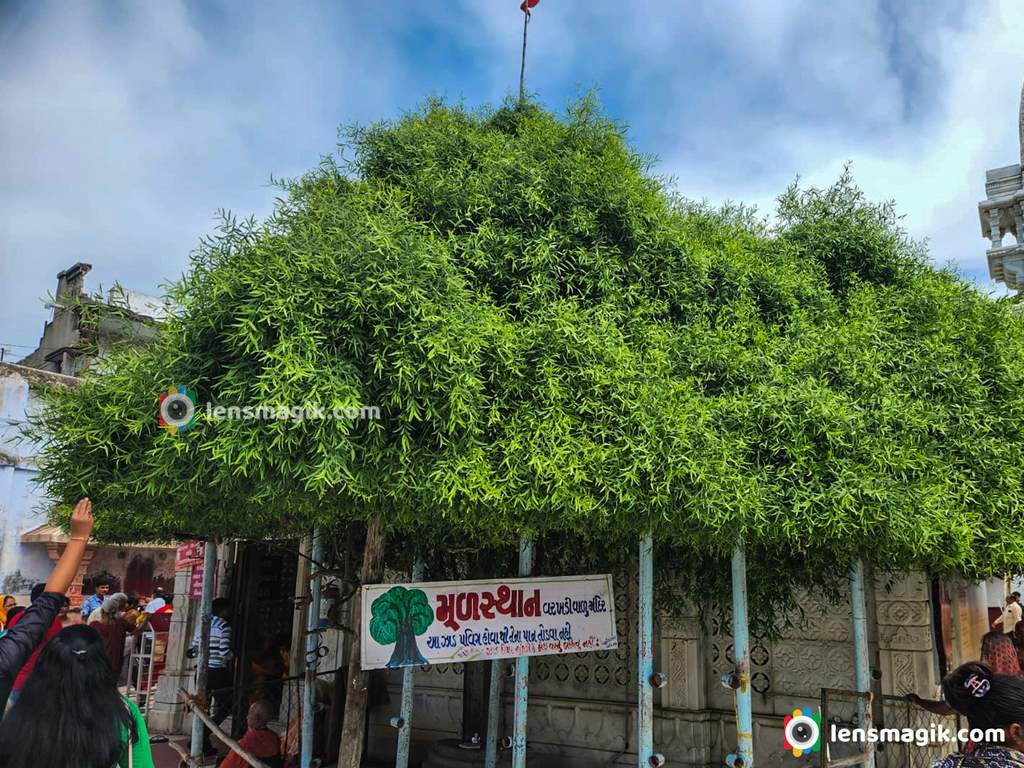
As per old people says Dandasur demon was stayed near Becharaji and won Patallok, Mrutyulok and Devloka all three lokas. The Devil has boon from Lord Shiva that a godeess appeared against him in small girl form. All 3 lokas Devas went to Goddess Parambaa to save them from demon. The Bahuchar mata appeared in form of small girl for fist time at Varakhadi tree . So bahuchar mata known as Bala Bahuchara Mata. Goddess killed demon with Trishul and bought peace for people of earth.
- Main vehicle of Bahuchar Mata is cock.
- Bala Yantra of Crystle and encased In gold is worshipped at temple.
- Bahuchar Mata carries sward on top right hand, Abhay mudra on bottom right, a text of scriptures on top left and trident on bottom left.
- In my family we believed that new born male child first time hair removed ( Mundan ) after 1 year in temple.
- It is also believed that any new child don’t speak properly then bought here and on his behalf cock donated to Mata and in few days child can speak properly.
- All over from India devotee came here and pray for blessing of Goddess. On purnima ( full moon ) day is special for devotees. On Chaitri Poonam 5 days fair arranged near the Temple and in city.
Where to Stay in Bahucharaji or Bechraji :
There are lots of Dharamshala , Hotels, Guest Houses in Bahucharaji. All places are in good rate available. People can also go to Mehsana , Shankhalpur for stay . Also people can go to Modhera Sun Temple for visit.
Bahucharaji Mata Temple Darshan Timing :
Bahucharaji Mata temple darshan timing is from 5.30 AM to 10 PM .
Nearest Airport : Ahmedabad
District : Mehsana
Pincode of Bechraji : 384213
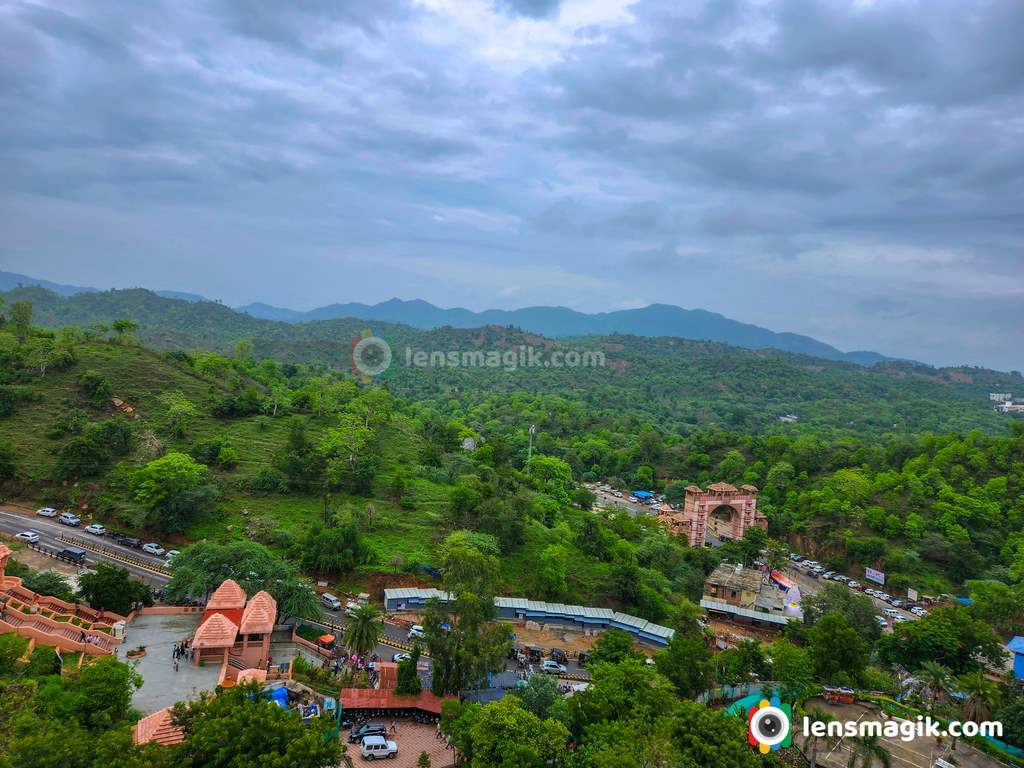
Ambaji is a town in Banaskantha district. The town surrounded by aravalli Hills. Ambaji is Famous for Ambaji Temple. Millions of devotees visit Ambaji Temple every year. Even my family also visited Ambaji Temple once in a year Climate of Ambaji is change in all season . Summer is very hot around 45 degree and in winter temperature goes down to 6-7 degree. Rainfall average 15 -30 in in monsoon.
About Ambaji Temple:
- Ambaji Temple is one of the 51 Shakti Peethas .
- Ambaji Mata Temple is a major Shakti peethas in India. It is also known as Arasuri Ambaji Mata Temple.
- Shree visa Yantra is worship as main God. No one can see Yantra with nacked eye. And also the Photography of Yantra is not allowed.
- The original seat of Ambaji Mata is at on top of Gabbar Hill.
- On purnima day large number of people come to Ambaji temple for darshan. On Bhadarvi Poornima there is a large mela in city. People from all over the country come here by walk from their destination on Bhadarvi Purnima . People make food camps, medicine camp, refreshment camp in between the road for people who come by walk in Ambaji Temple.
- The shrine of Shri Amba is regarded as a revered shrine by Shakta Shaktism sect of Hinduism. There was a say and also it believed that the heart of Sati Devi has fallen here.
The Myth of Ambaji Temple :
According to Lord Vishnu cut the corpse os sati with his weapon Sudarshan Chakra and 51 pieces fell on earth. That 51 place built shrine. And at Ambaji there was a say that Sati Devi’s heart was fallen so Ambaji is one of most important Shakti Peeth.
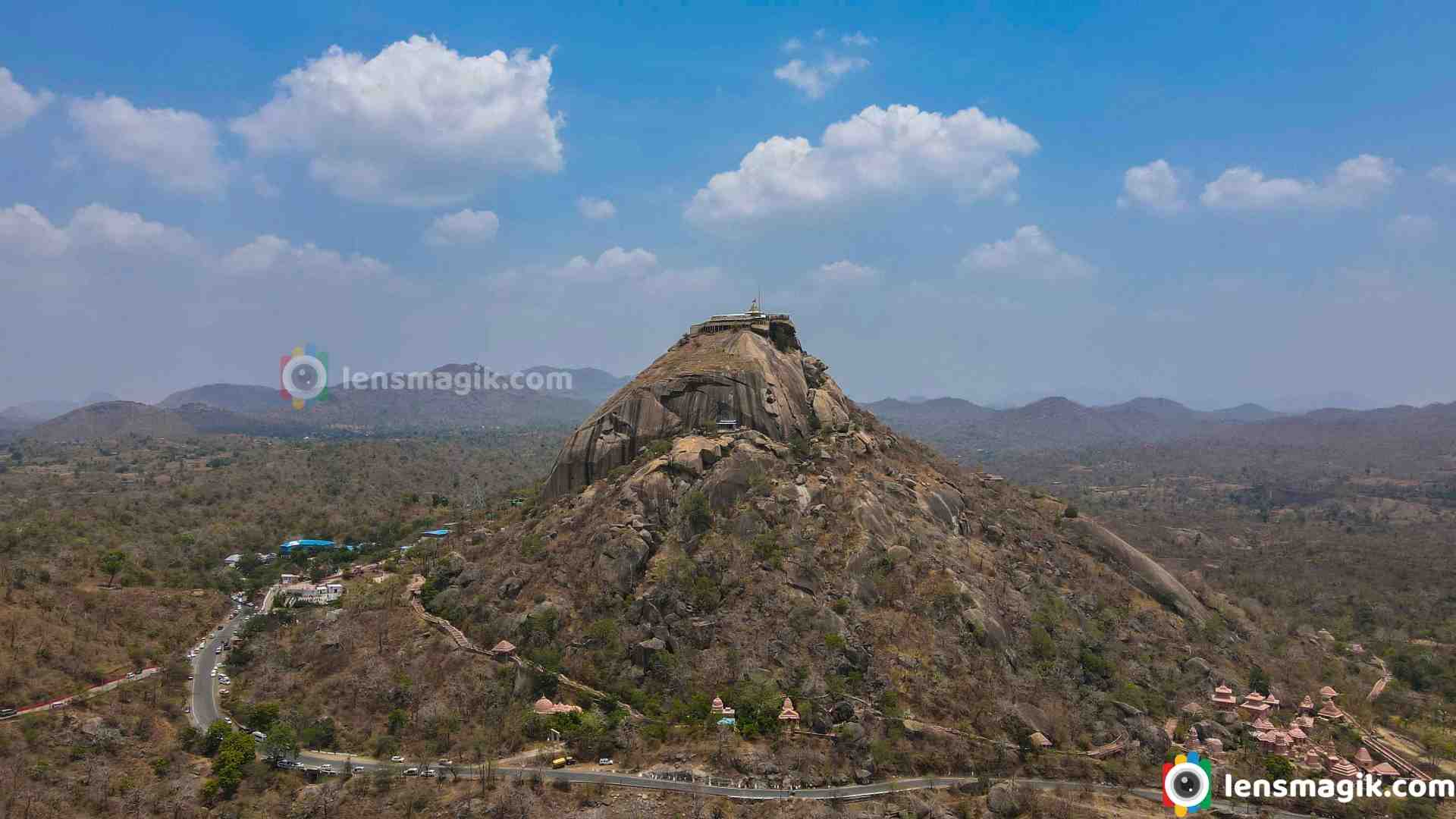
Gabbar Hill , Ambaji Temple
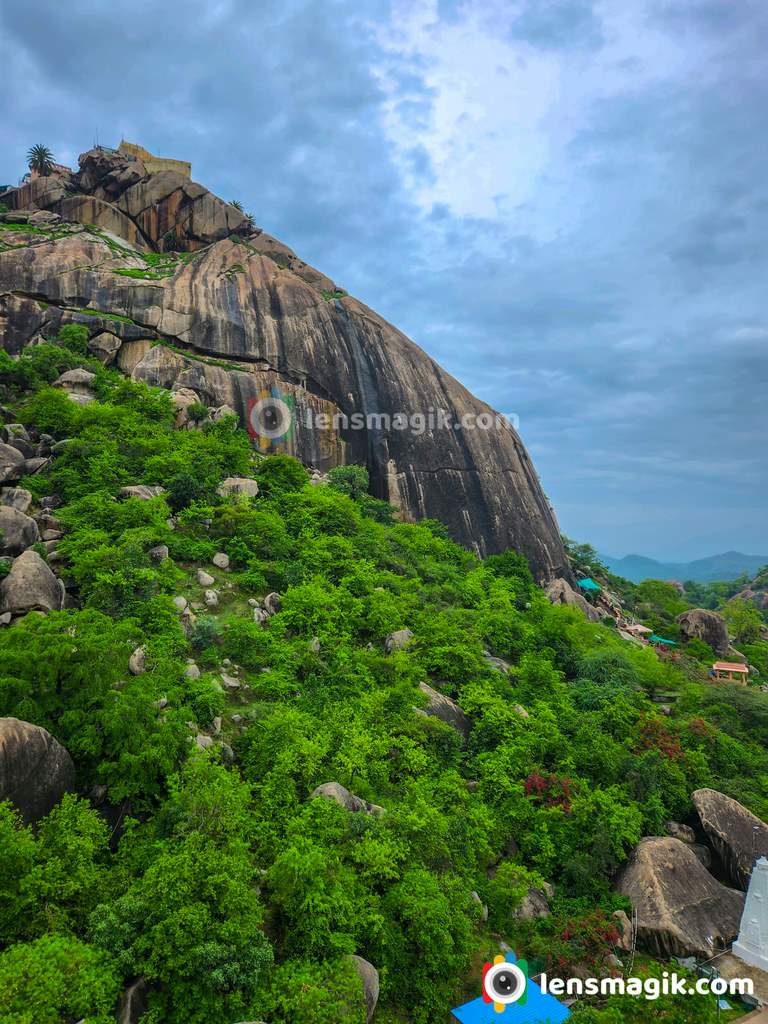
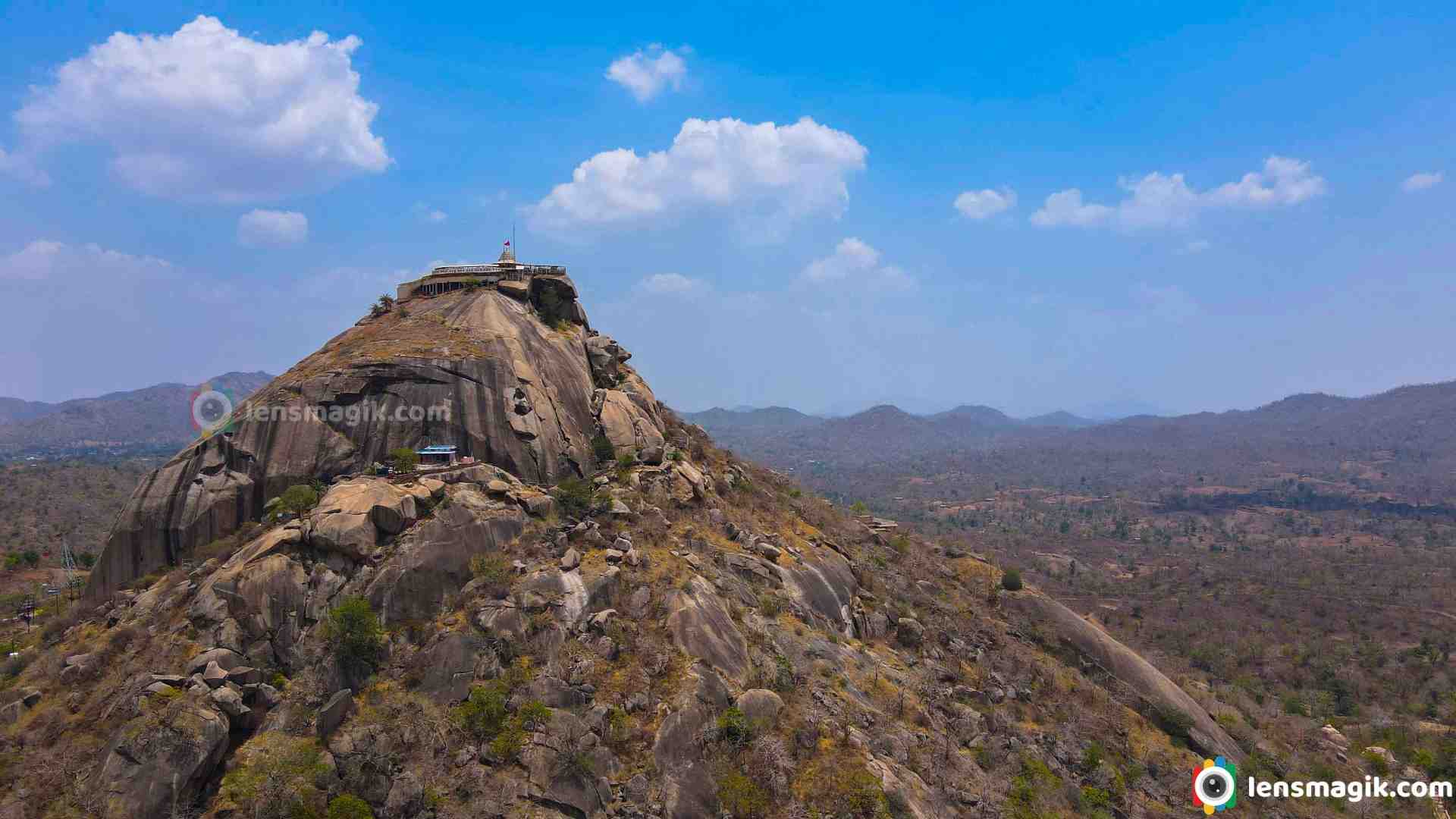
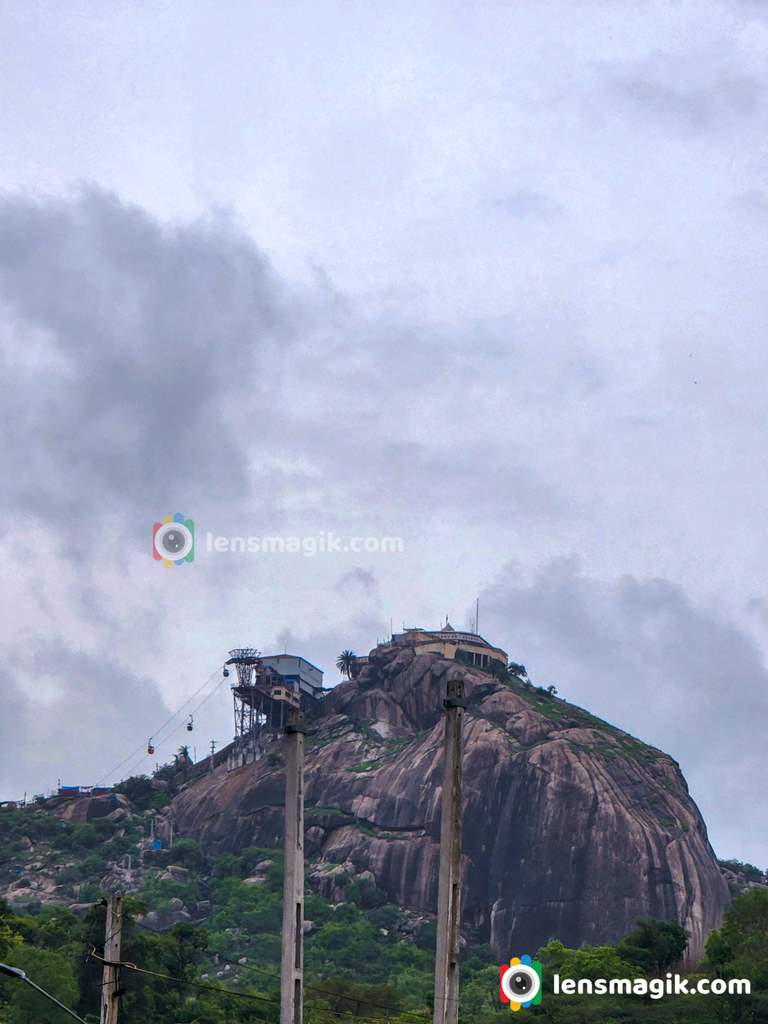
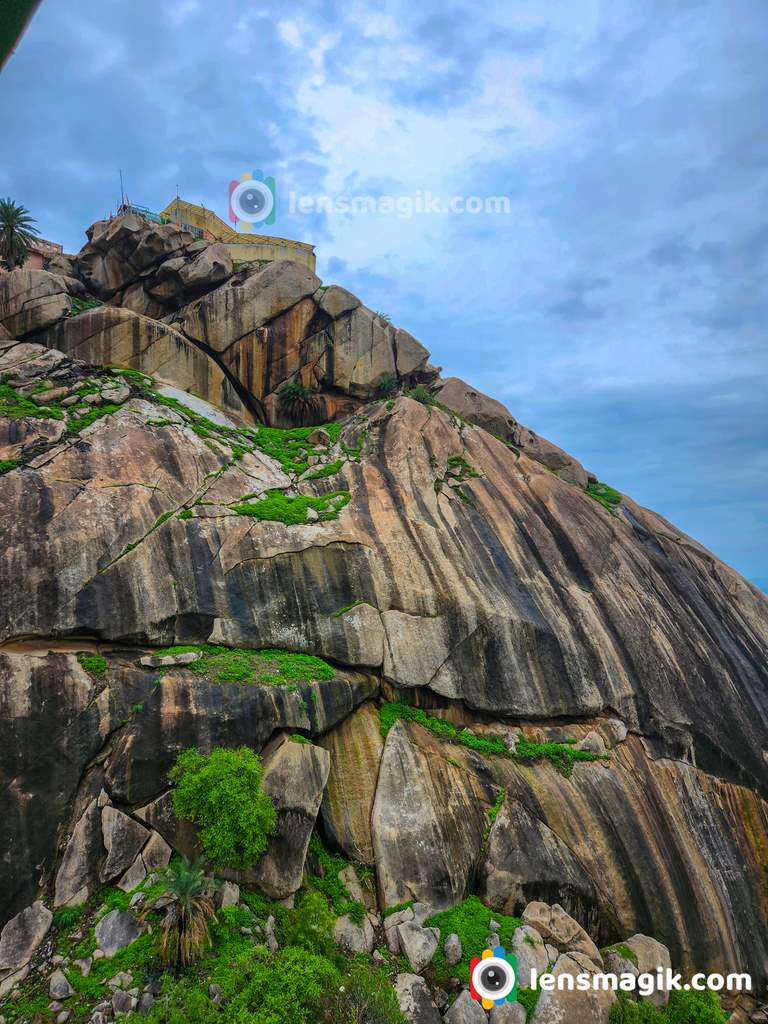
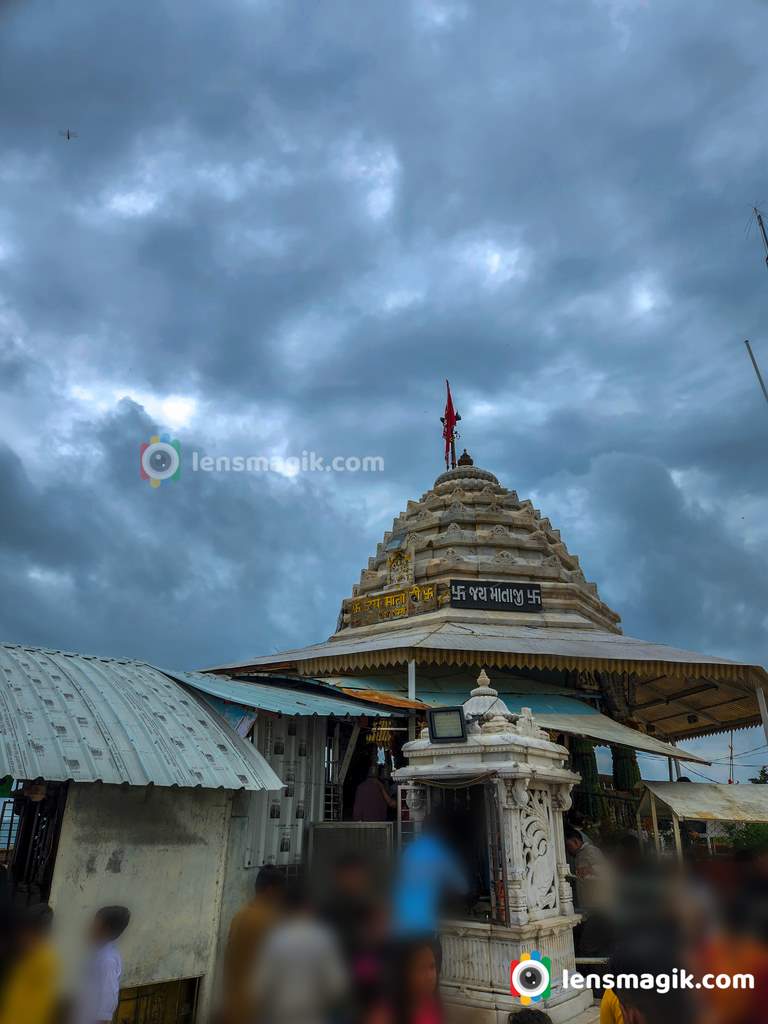
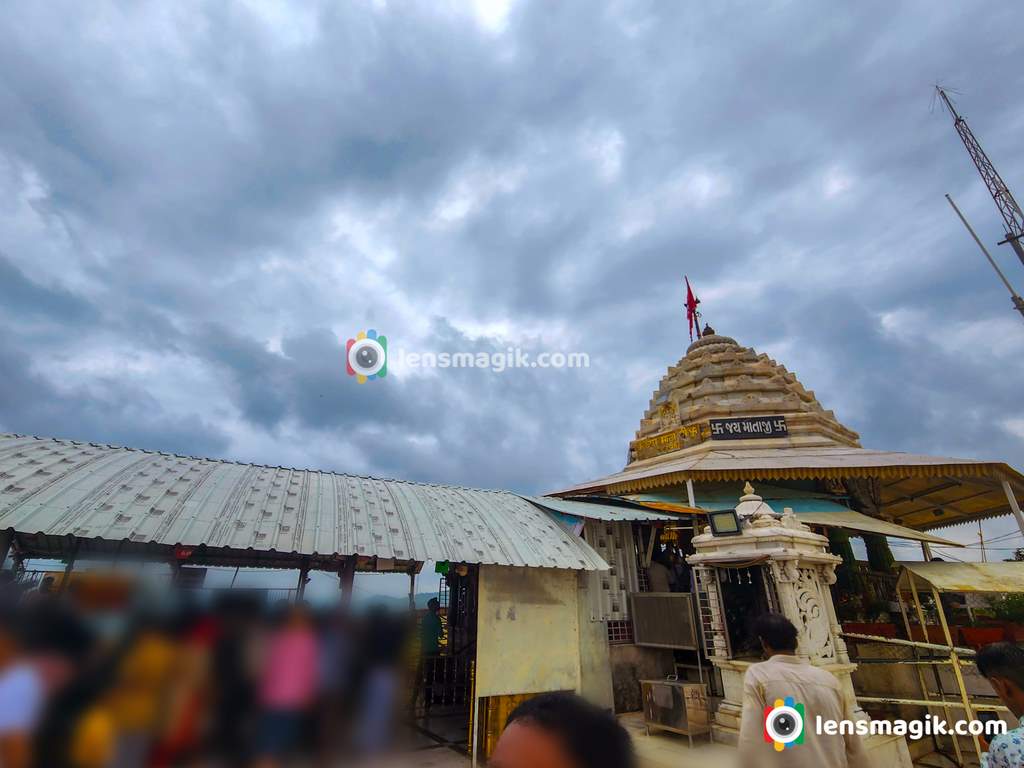
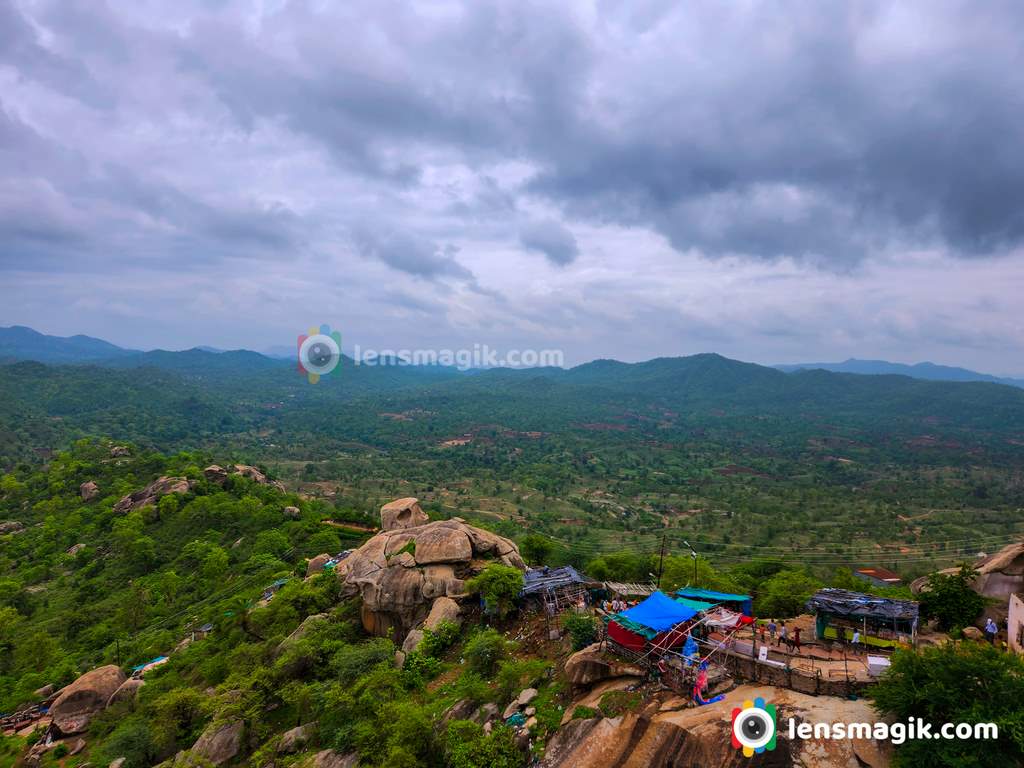
Gabbar is located at west of Ambaji Village at around 4-5 km away. It believed that original seat of the Goddess is at top of Gabbar Hill. There are around 999 steps for climbing Gabbar Hill. Among them 300 stone steps and rest are very narrow passage so it’s a thrill to climb. On the flat top of the hill there is a small temple of Ambaji. In this temple small covered lamp keep constantly burning. The lamp also seen from Ambaji Temple at night. There are footprint of Goddess their under the pipal tree.
In Ramayana there is a say that Lord Rama worship devi Ambaji so Devi Ambaji gave him an arrow name AJAY and with this arrow Lord Rama killed Ravan in the war.
9 Swaroop of Devi Ambaji :
- Shri Bhramcharini
- Shri Chandra Ganta
- Shri Katyayini
- Shri Kalratri
- Shri Mata Gauri
- Shri Kushmanda
- Shri Shail Putri
- Shri Siddhi Datri
- Shri Skandmata
Ambaji Temple Darshan Timing
Arti timing every day 6.00 AM in the morning
Winter Timing
|
Morning |
7.00 AM to 11.30 AM |
|
Afternoon |
12.30 PM to 4.00 PM |
|
Evening |
6.00 PM to 8.30 PM |
Summer Timing
|
Morning |
7.00 AM to 10.45 AM |
|
Afternoon |
12.30 PM to 4.30 PM |
|
Evening |
5.30 PM to 9.15 PM |
Monsoon Timing
|
Morning |
7.00 AM to 11.30 AM |
|
Afternoon |
12.30 PM to 4.30 PM |
|
Evening |
5.00 PM to 9.00 PM |
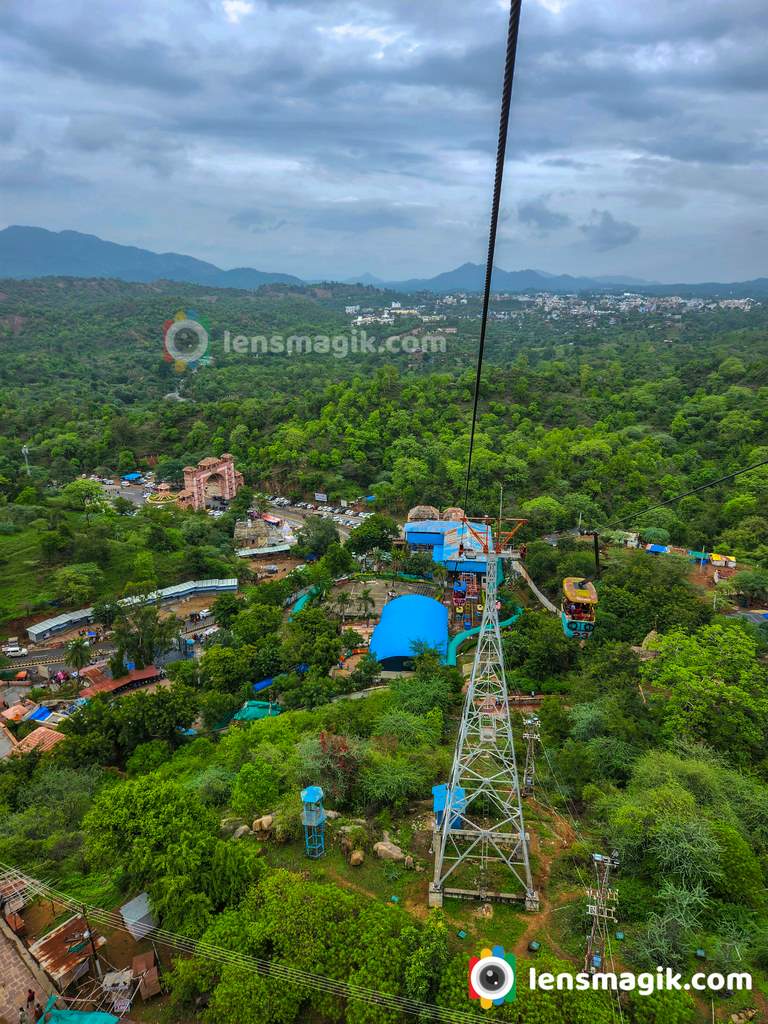
Ambaji Mata Devasthan Trust has installed Udan Khatola ( Rope –way ) facility for Gabbar hill.
Rope way price for adult is 125 rs and for kids below 110 cm is 64 rs.
Where To stay In Ambaji :
There are lots of hotels in Ambaji. Most hotels near to the temple. Generally i prefere at Reva Prabhu hotel or Jethiba Sadan which provide good Gujarati Thali in food and good condition rooms with good fare. Now a days there is a resort near Pancha village bus stand name Vanraji Resort before 3-5 km from Ambaji Temple. It is the first resort in Ambaji and resort is awesome. You can stay and enjoy the arravalli hills.